Huakui vs Geisha Coffee Beans: Variety Differences and Flavor Profile Comparison

What is "Hua Kui"?
Is it the finest among a hundred flowers? Or a top-tier beauty? Is it a plum blossom, an orchid, a peony? None of the above—it's a coffee bean. FrontStreet Coffee's Hua Kui beans come from Ethiopia and have won acclaim worldwide. Why would a coffee bean be named "Hua Kui," or "flower champion"? Today, FrontStreet Coffee unwraps the story behind the name.
To tell the story of Hua Kui properly, you have to start with the 2017 World Brewers Cup regional competition. China's runner-up, Li Jianfei, boldly chose this emerging champion bean for his routine, breaking the unwritten rule that competitors used Geisha exclusively. With that move, Hua Kui became the only coffee capable of going head-to-head with Geisha on the competition stage.

The elegant flavors of Hua Kui—rose florals, strawberry jam, cherry sweetness, peach flesh, and a red-wine aftertaste—amazed the judges. At that point, "Hua Kui coffee" was still known simply as Hambella. By international convention, commercial coffee takes its name from country, region, and processing station (or village, micro-region, cooperative). In formal settings all the elements combine into lengthy names like "Ethiopia Yirgacheffe Gedeb," and this bean followed the same convention: it left Ethiopia as Hambella.

When Beijing coffee merchants introduced it that year, however, they rebranded it "Hua Kui," explaining: "This coffee showed remarkable promise upon its debut. With careful attention to processing, it has the potential to surpass Geisha." They promoted it with the slogan "Finest among flowers, captivating charm," positioning it to stand alongside Geisha and prove its worth. In an era when Geisha dominated competitions of every size, people naturally pinned their hopes on this bean that had beaten many Geisha lots, hoping it could break the monopoly and become a coffee of equal standing.
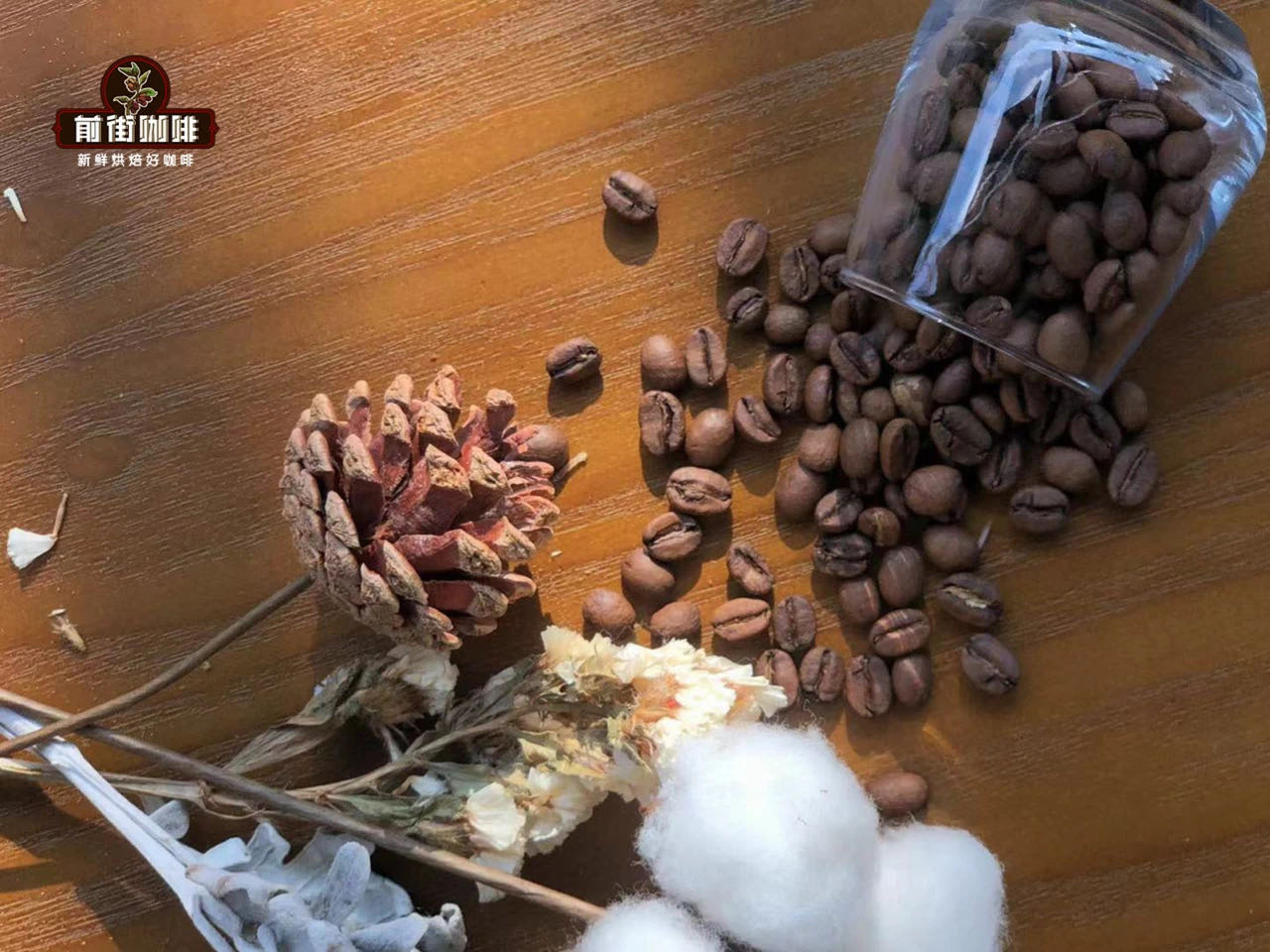
The Rise of Hua Kui Coffee
Hua Kui's sudden rise follows a clear trajectory. Since 2016, it has taken numerous awards at the Taste of Harvest (TOH) African green bean competition, drawing worldwide attention. In 2016 and 2017, Buku Abel took first place consecutively in the natural category of TOH Ethiopia, and added a third place in 2018. This coffee is processed at the Buku Abel washing station in the small town of Hambela Buku, about 400 kilometers south of Addis Ababa.
According to FrontStreet Coffee's research, the Buku Abel washing station processes cherry from farmers in Buku village. The station sits at 2000 meters, and much of the surrounding coffee grows even higher—up to 2300 meters. Ethiopian coffee from high altitudes never disappoints: the longer maturation pushes the coffee's aroma well above average.

The washing station is owned and managed by the exporter DW Exports, whose owner is Demissie Edema. Buku's farmers are primarily smallholders, each family tending less than 2 hectares of coffee trees, and ripe cherries go to the station for processing. The winning formula has not changed since the 2016 and 2017 TOH victories: this is a classic natural coffee. The key factors are selecting cherries at a specific ripeness and ensuring they are grown above 2000 masl. The selected cherries first soak for several hours in cold river water flowing down the mountainside, then all floaters are removed. Finally, the cherries are laid out on custom elevated beds to keep excess moisture from penetrating them during drying.

The Hua Kui Version System
A bit of trivia from FrontStreet Coffee: anyone who buys Hua Kui regularly will notice labels like Hua Kui X.0. Why?
Since 2017, the Buku processing plant has appended "[X.0]" to the name year by year—2018's Hua Kui is Hua Kui [2.0], 2019's is Hua Kui [3.0], and so on through 2021's Hua Kui [5.0]. Comparing batches across the years, FrontStreet Coffee found that while each year's overall flavor profile stayed broadly consistent, the beans did vary. The 2018 and 2019 vintages were the clearest case: cupping revealed flavors similar to the 2017 Hua Kui, but with weaker aroma and a lacking body and aftertaste. Comparison traced the main source of Hua Kui's aroma to the small-bean coffee mixed into the lot. So in 2019, FrontStreet Coffee shared this finding with the green bean supplier, and after 2020 Hua Kui split into two versions: [X.0] and small-bean Hua Kui.
Brewing Guide for Hua Kui Coffee
How do you brew FrontStreet Coffee's Sidamo Hua Kui so it tastes its best? Here is a standard recipe:
FrontStreet Coffee's brewing parameters:
V60 dripper
Water temperature: 91°C
Water-to-coffee ratio: 1:15
Coffee amount: 15g
Grind size: 80% pass-through rate on the China #20 standard sieve
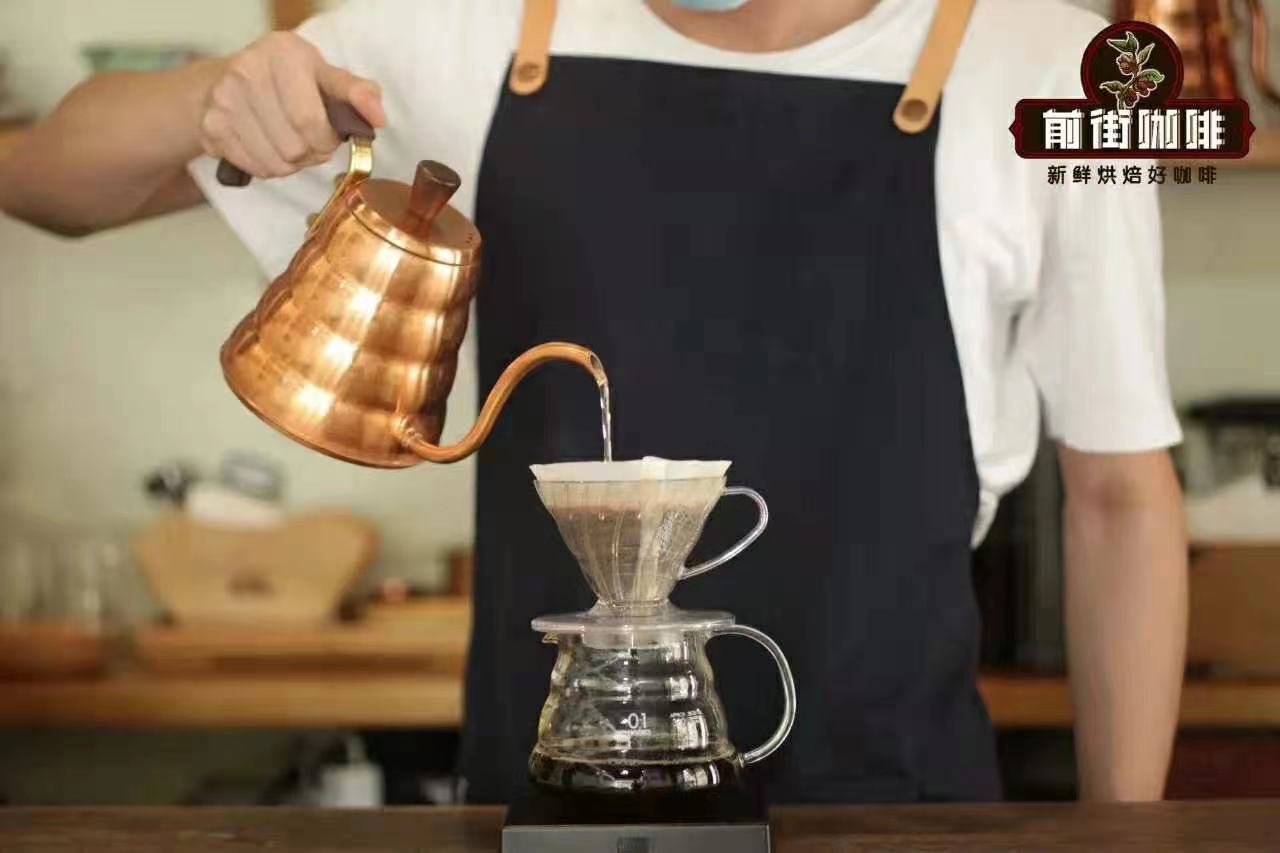
FrontStreet Coffee's technique: Bloom with 30g of water for 30 seconds. Pour in small circular motions to 125g, then pause. When the water level drops and the coffee bed is about to be exposed, pour on to 225g and stop. When the bed is about to be exposed again, remove the dripper. (Timing starts from the bloom.) Extraction time: 2'00".
Why "Hua Kui" vs. "Geisha"?
The comparison starts with today's most famous coffee: Geisha, best known through Panama's Hacienda La Esmeralda, currently recognized as having the world's finest flavor and highest price. But "Geisha" is a polysemous term:
- A mountain village in Bench Maji, Kafa region, southwestern Ethiopia
- A coffee variety discovered in Africa in 1931 with low yield but strong disease resistance
- A coffee estate in Geisha village, Ethiopia, run by two American photographers who changed careers
- A truly specialty-grade coffee with cupping scores above 90 points, carried out of Africa by enthusiasts and flourishing throughout Central and South America decades later...
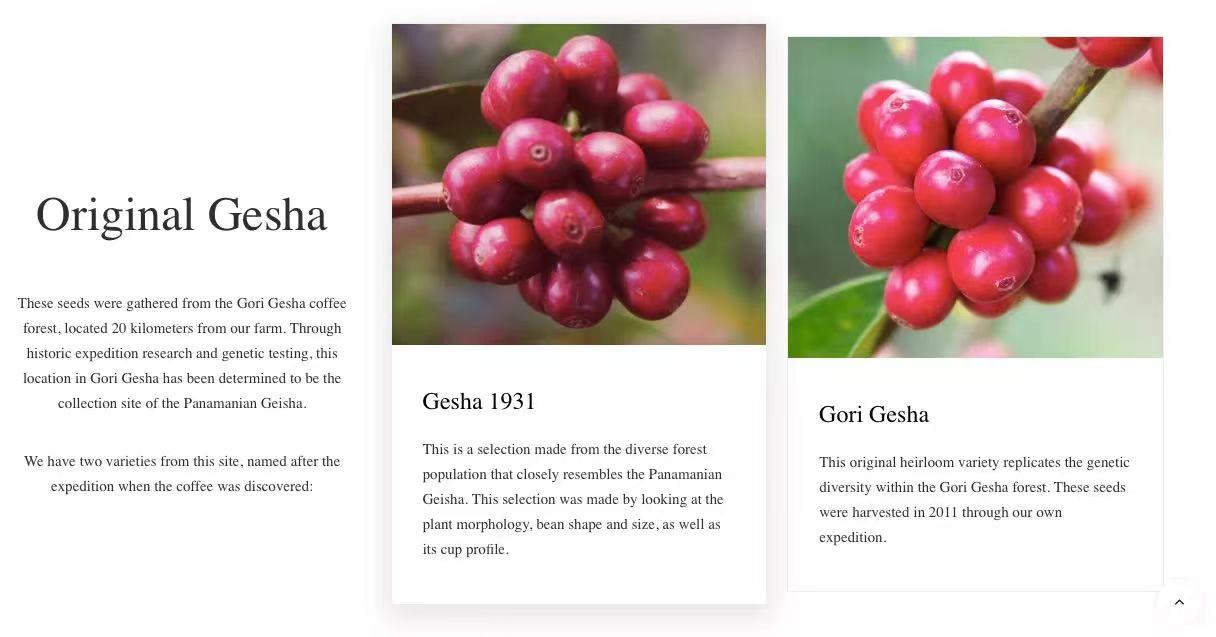
The name comes from the local Kafa language, where the village of Geisha is pronounced "Gesha." But when the coffee reached Western consumer markets, it was rendered in English as "Geisha"—the Japanese term for a female entertainer. The West has no geishas of its own; the word comes from Japan, and in Japan the top geishas were honored as "Hua Kui," the flower champion—a title written with the same characters and carrying the same meaning in Chinese (ancient China used "Hua Kui" for the foremost courtesan as well). Naming a coffee meant to surpass "Geisha" as "Hua Kui" therefore follows quite naturally.

As for which tastes better, Geisha or Hua Kui, FrontStreet Coffee considers it a matter of personal preference. Geisha variety coffees and Ethiopian native-variety coffees certainly differ in flavor, and among Geishas themselves, the sophistication of the cup varies with grade.
Take FrontStreet Coffee's Hacienda La Esmeralda Geishas: the Red Label shows more refined flavors with distinct juiciness and florals plus prominent, bright citrus-lemon acidity, while the Blue Label has a lighter body and less concrete floral notes. Hua Kui follows a similar logic—the small-bean version carries richer floral and fruit aromas. Overall, FrontStreet Coffee's Hua Kui leans toward a fuller fermentation character, with notes of fermented and tropical fruits and an oolong-tea sensation in the aftertaste.
FrontStreet Coffee Recommendation
For anyone who wants to taste both sides of this story, FrontStreet Coffee recommends starting with the Hua Kui itself: grown in the Hambella area of Guji, Sidamo, on a 200-hectare farm and dried for 21 days on raised beds with constant turning and hand-sorting every few days, its medium-light roast reveals a light fermented wine aroma, florals, citrus, and mango, with honeyed sweetness, a cocoa undertone, and a touch of spice—full-bodied with a long finish. Then move up to a Panamanian Geisha: FrontStreet's entry-level Boquete Geisha delivers the classic orange-blossom honey character with oolong-tea nuance and delicate layered fruit acidity, while the Esmeralda Red Label (Esmeralda Special, 1600-1800 meters, every lot cupping above 90 points) and the more affordable Green Label (Private Collection) showcase the variety at its finest.
Important Notice :
FrontStreet Coffee is a long-established specialty coffee roaster in Guangzhou China, selling freshly roasted beans from its own farm in Yunnan as well as dozens of carefully selected single-origin beans from around the world for both pour-over and espresso. The products deliver consistently excellent quality and great value, with shipping within 24 hours. Guangzhou's FrontStreet Coffee shop is recommended by many coffee lovers, and the beans are now available online at the Tmall 。
FrontStreet Coffee has moved to a new address:
FrontStreet Coffee Address: 315,Donghua East Road,GuangZhou
Tel:020 38364473
 Scan and follow the En Gafei WeChat official account. Please indicate that the reprint comes from "En Gafei".