Is Starbucks Geisha Coffee Expensive? Does Starbucks Have Geisha Coffee? How Much Does It Cost Per Cup?
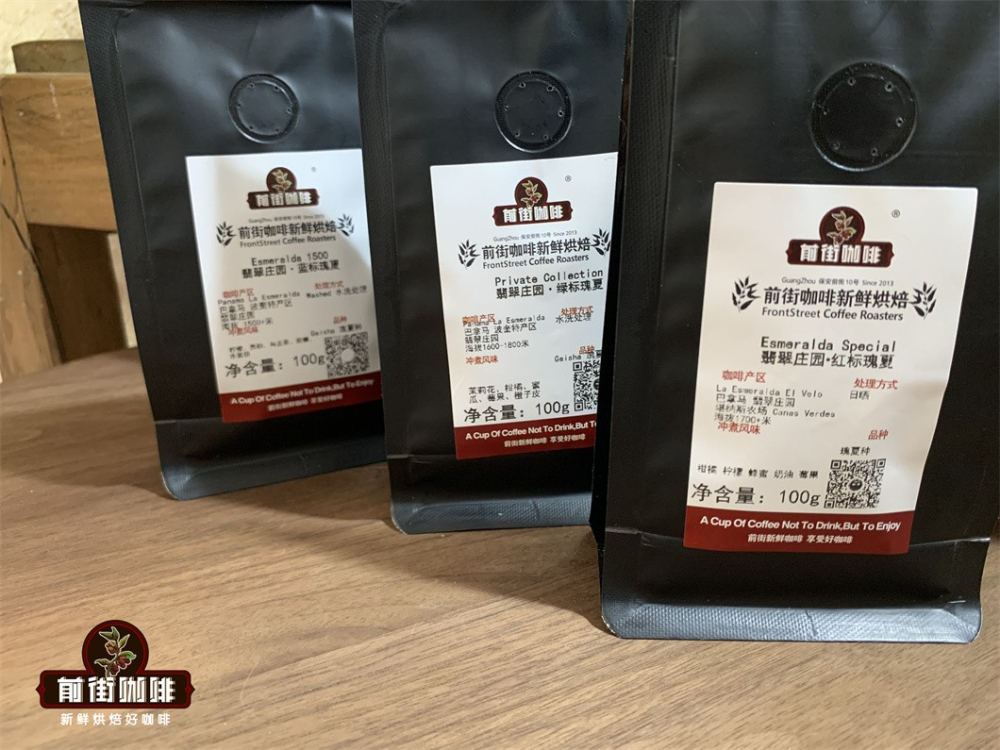
Introduction to Gesha Coffee
Gesha coffee is one of the most expensive coffees in the world. Some people wonder: is coffee this expensive really that delicious? Does the priciest coffee necessarily taste the best? And is it even available in every coffee shop? In fact, Gesha has become fairly common nowadays, and FrontStreet Coffee believes most coffee shops carry it. Most people, though, drink instant coffee or coffee from chain shops like Starbucks — which, at more than thirty yuan per cup, can actually add up to be quite expensive.
After it rose to fame at Panama's Hacienda La Esmeralda, Gesha coffee spread to growing regions around the world and became the new king of specialty coffee. Among them, Latin American countries such as Panama, Guatemala, and Colombia produce higher-quality, more expensive examples. To let more friends taste what Gesha can be, FrontStreet Coffee specifically added a Boquete Gesha from Panama's Boquete region to our everyday lineup.

The Origin and History of Gesha Coffee
Gesha is actually a coffee variety that originated in Ethiopia. Of course, Ethiopian Gesha from the Gesha village is completely different from Panamanian Gesha beans.
The Gesha variety was discovered in the Gesha forest of Ethiopia in 1931. Sharing — quite coincidentally — the same pronunciation as the Japanese word for "geisha," it was exported to Kenya, traveled through Tanzania and Costa Rica, and was eventually transplanted to Panama in the 1960s. After nearly half a century in obscurity, it suddenly burst into prominence, defeating perennial champions like Bourbon, Caturra, Catuai, and Typica to take first place at the Panama Cup of Excellence three years running, in 2005, 2006, and 2007.
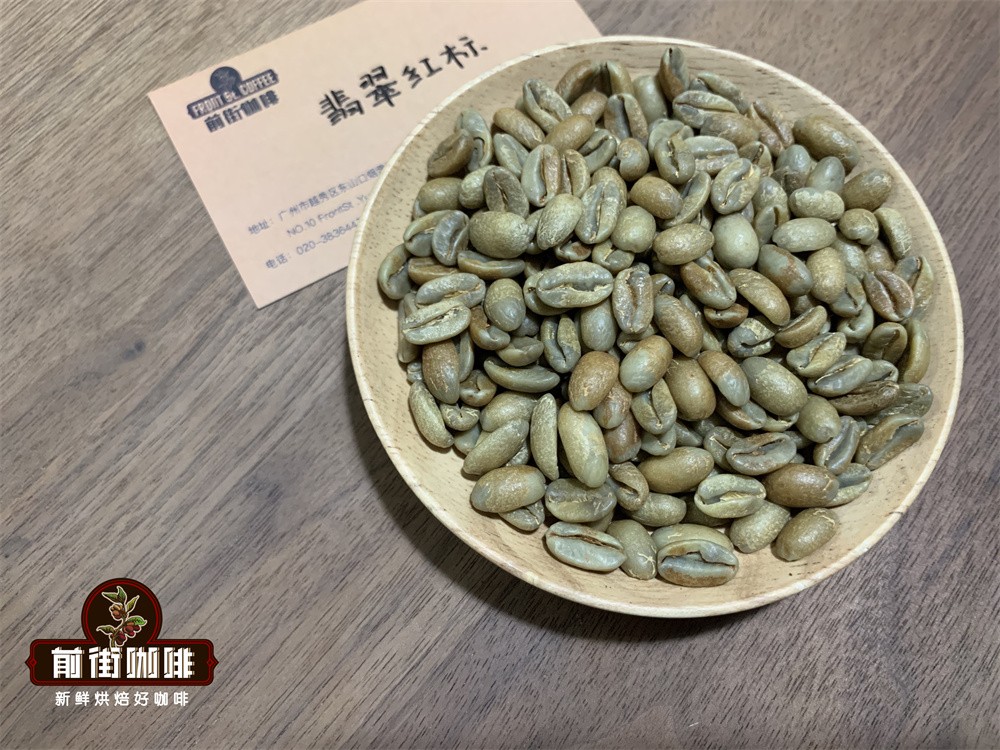
In 2007, Gesha coffee once again won the championship at the International Cupping Tournament hosted by the Specialty Coffee Association of America (SCAA), with a bidding price of $130 per pound, setting the highest price record for competition beans in history. It is said that subsequent Panama Cup of Excellence competitions were split into Gesha and non-Gesha categories so that Gesha would not steal the spotlight from other varieties. Gesha belongs to the Typica family, yet it only became famous after leaving Ethiopia for more than seventy years — further proof of Ethiopia's status as a genetic treasure trove of Arabica coffee, casually handing the world a variety capable of stirring the entire coffee market.
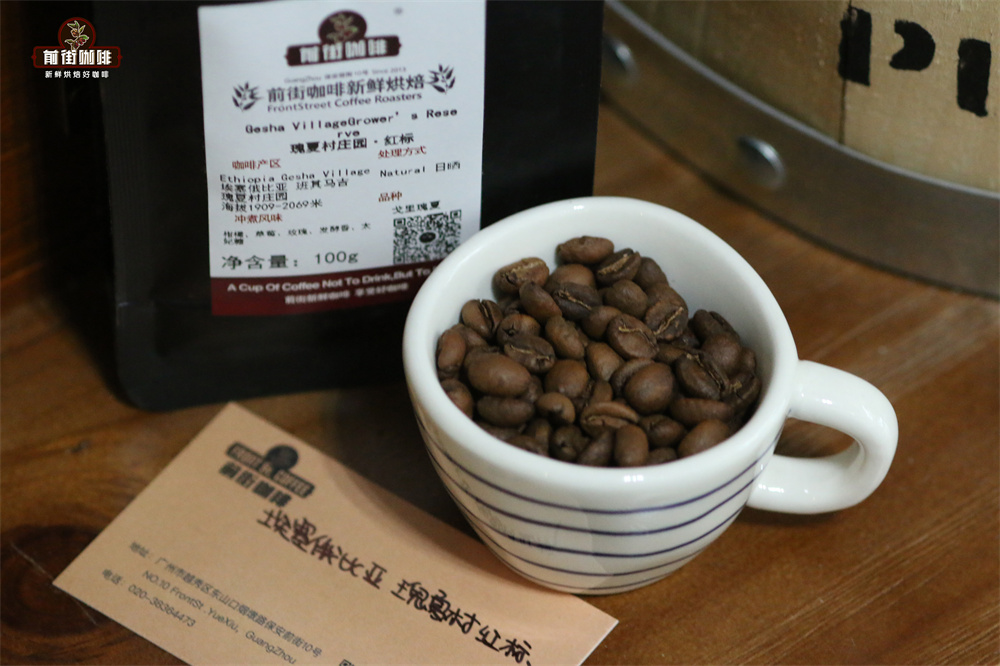
Today Gesha is cultivated in an ever-widening range of regions, including Bolivia, El Salvador, Mexico, Colombia, Brazil, Ethiopia, Yunnan China, and Taiwan China. FrontStreet Coffee has also sourced and compared Gesha beans from many producing countries and regions. Our view is simple: if you want to taste the classic, stunning Gesha flavor, Panamanian Gesha is truly worthy of praise.
Panama's Growing Environment
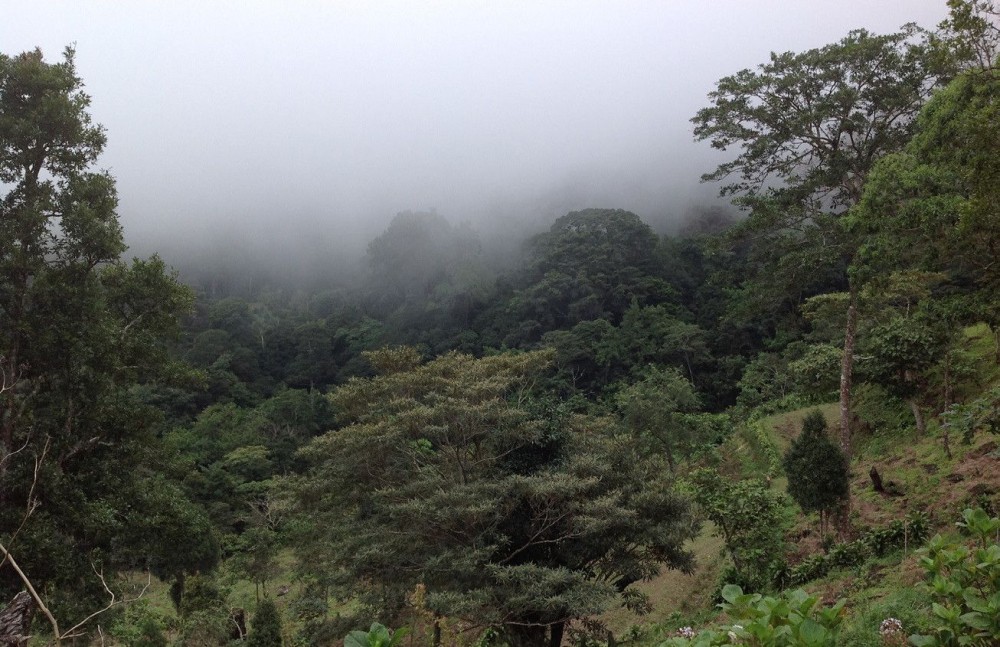
Panama sits in Central America, linking North and South America, and borders Costa Rica and Colombia. The microclimates found in Panama's highlands are the most important resource behind the country's one-of-a-kind coffee. Panama's east-to-west orientation lets cold air currents flow through the central mountains and converge above 1,600 meters, creating a range of microclimates in the Boquete and Volcán-Candela regions, which together form Panama's main unique-coffee producing areas. These distinctive coffees are cultivated in the nutrient-rich, balanced soil of the Baru volcano region.
The Gesha from Hacienda La Esmeralda comes from the Boquete region, and its Esmeralda Red Label and Esmeralda Green Label are world-renowned and counted among the most expensive coffees — the Esmeralda Red Label especially.
Panama Boquete Region
Boquete is a town in Chiriqui province, set in the green mountain highlands of Panama's largest western province, about 60 kilometers from the Costa Rican border and close to the famous Baru volcano. Beautiful scenery, fertile, rich soil, and a favorable climate make it perfect for high-quality coffee. The cool, foggy, mountainous environment creates unique microclimates. The cool climate and frequent fog help slow the maturation of the coffee cherries, achieving an effect similar to high altitude. FrontStreet Coffee has cupped beans from this region and found flavors ranging from cocoa to fruit notes with a slight acidity.
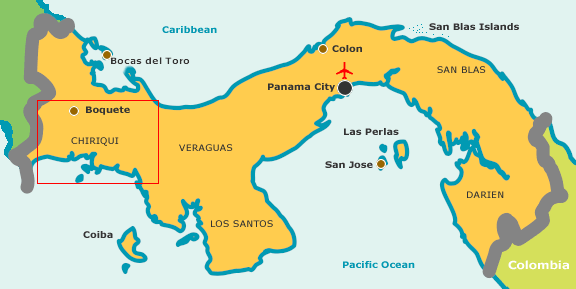
The microclimates of the Boquete highlands are an important resource that makes the specialty coffee of the region unique. Panama's east-to-west orientation channels cold air currents through the central mountains, converging above 1,600m and creating various microclimates in Boquete, whose temperature and rainfall are extremely well suited to plant growth. Coffee trees grown here therefore thrive. In Spanish, the word Boquete means "gap" or "opening." It was through this gap that curious gold seekers hiked in search of a cheaper, faster route to the Pacific. At the end of the nineteenth century, farmers began settling in the area. By the early twentieth century, several villages were populated: Lino, Quiel, Bajo Mono, Los Naranjos, and Bajo Boquete, now the downtown area of the region. Shortly thereafter, coffee production began.

Because of the higher altitude, insect problems are also minimized. These benefits show up in day-to-day management, translating into lower costs and reduced production fluctuations. Such excellent geographic conditions are what produce the exceptional quality and rich flavor of Deborah Estate's coffee.
Hacienda La Esmeralda
In 1964, American banker Rudolph Peterson retired, moved to Panama, and bought Hacienda La Esmeralda in Boquete, initially focusing on dairy farming. Later, his son Price resigned from his medical position to help his father run the farm. In 1987, they introduced Caturra and Catuai coffee varieties, established a washed processing plant in 1994, and have had their own coffee processing facility ever since. In 1996, they acquired the nearby Jaramillo estate, which had a superior geographical environment and good original coffee varieties, and folded it into Hacienda La Esmeralda.
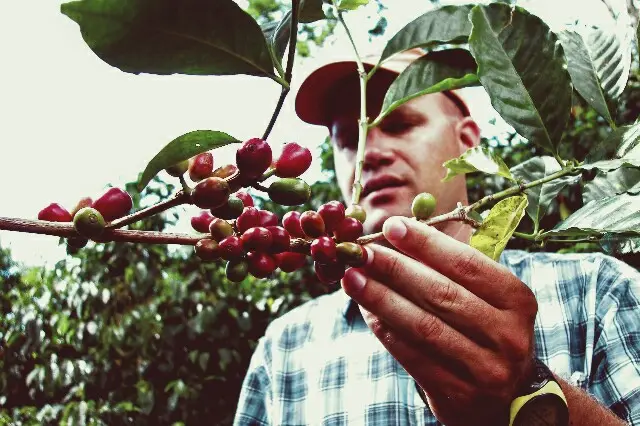
Hacienda La Esmeralda has three main estates growing the Gesha variety: El Velo, Canas Verdes, and Jaramillo. Jaramillo, with its superior geography and good original coffee varieties, was acquired in 1996, while El Velo was acquired by Hacienda La Esmeralda in 2012. FrontStreet Coffee believes that acquiring estates with strong production and high altitude was a distinctive decision at the time, and it is what allowed Hacienda La Esmeralda to secure its place in the coffee industry.
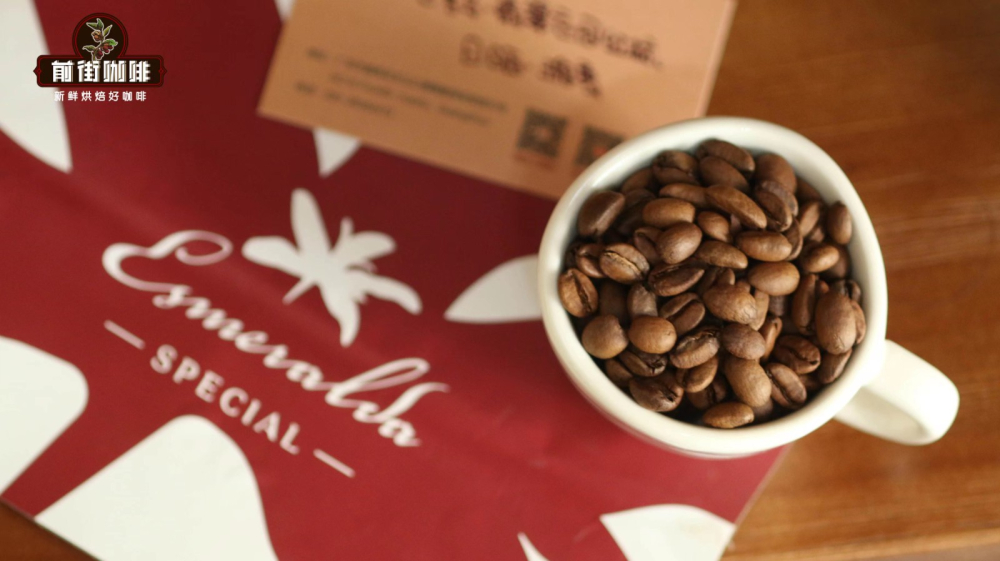
Although Hacienda La Esmeralda first noticed the beans' distinctive flavor character, they went further for precision: they cupped beans from different parts of the estate and determined planting plots by altitude. That is why we now have the Red Label, Green Label, and Blue Label Gesha grades, all classified by altitude. FrontStreet Coffee explains this in more detail below.
Gesha Coffee Bean Processing Methods
As one of the most traditional ways of processing green coffee, washed processing not only makes production quality more stable but also allows Gesha to show higher cleanliness and a fresher flavor profile. After roasting, FrontStreet Coffee detects Gesha's elegant white florals, rising citrus and lemon acidity, and a slight green tea character — reminiscent of a gentle cup of Tieguanyin tea. During green bean processing, the selected cherries are first put into a depulper to remove their skin and pulp; beans with residual pulp and mucilage are then placed in water to ferment for about 24 hours; after fermentation, the parchment beans are sent to flowing water channels to wash away the remaining pulp and mucilage; once washed, they are dried in the sun or with a dryer until moisture content reaches about 12%. Finally, the parchment is removed from the beans.

FrontStreet Coffee's Gesha Brewing Parameters:
Gesha coffee is world-renowned for its rich florals and complex fruit. The specific brewing parameters FrontStreet Coffee uses are: V60 dripper, water temperature 91°C, water-to-coffee ratio 1:15, coffee dose 15g, medium-fine grind size (80% pass-through rate on a China #20 standard sieve).

FrontStreet Coffee's staged extraction technique: first, use 30g of water to fully saturate the coffee grounds into a "hamburger" shape and let it bloom for 30 seconds. In the second stage, at 1'00" on the timer, pour water to 125g, then stop and wait for the water level to drop to 2/3 of the coffee bed before pouring the third stage. In the third stage, at 1'40" on the timer, pour water to 225g and wait for the coffee to finish dripping, with a total extraction time of 1'59". Total brewing time is 2'00". After extraction is complete, gently shake to make sure the coffee liquid is fully uniform before tasting.
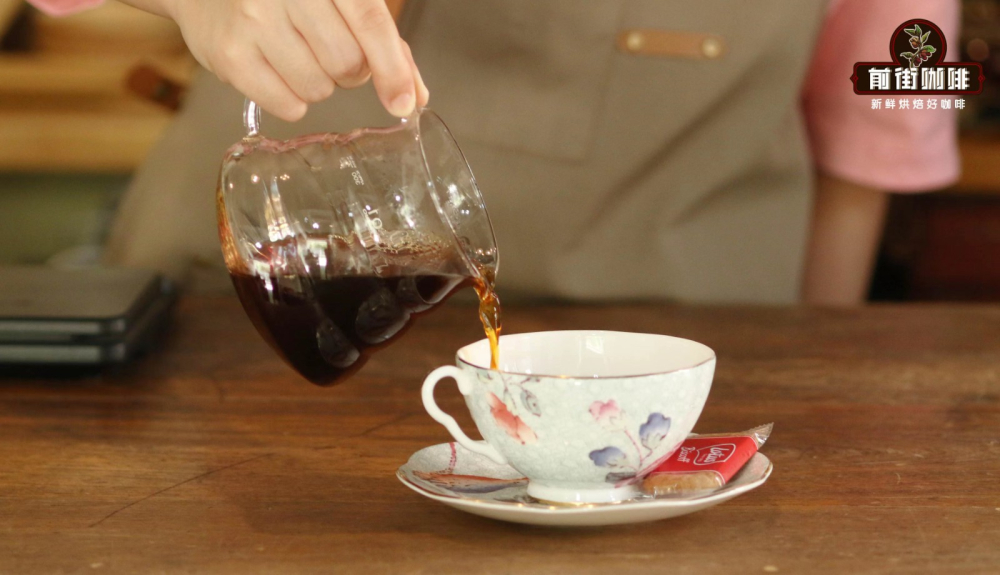
Panama Washed Boquete Gesha coffee flavor characteristics: clear citrus, lemon, and bergamot acidity, with a creamy, smooth mouthfeel when swallowed, finishing with green tea and honey sweetness.
FrontStreet Coffee's Brewing Suggestions:
Whatever kind of coffee you brew, the freshness of the beans matters enormously. FrontStreet Coffee has always believed that bean freshness has a huge effect on flavor, so every order we ship is roasted within 5 days. Our roasting philosophy is "Freshly Roasted Good Coffee," ensuring that every customer who places an order receives the freshest coffee when it arrives. The resting period is about 4-7 days, so by the time customers receive their coffee it is at peak flavor.
For those who need ground coffee, FrontStreet Coffee warmly reminds you: if the beans are ground in advance, there is no need for a resting period, because during transport the pressure of the carbon dioxide inside the package also helps the coffee flavor round out, so you can brew a cup the moment your grounds arrive. Ground coffee does need to be brewed promptly, though, because it oxidizes quickly once exposed to air — meaning the flavor dissipates faster and the coffee will not taste as good. So FrontStreet Coffee suggests buying whole beans and grinding fresh for brewing, so you can taste the coffee at its best.
FrontStreet Coffee Recommendation
If you want to get to know Gesha without jumping straight to the rarest lots, FrontStreet Coffee has a clear path in. The easiest entry point is our Panama Boquete Gesha, a beginner-friendly Gesha that lets you taste the classic orange-blossom, honeyed sweetness of high-quality Panamanian Gesha at a friendly price, with oolong-tea notes, delicate fruit acidity, and clearly defined layers.
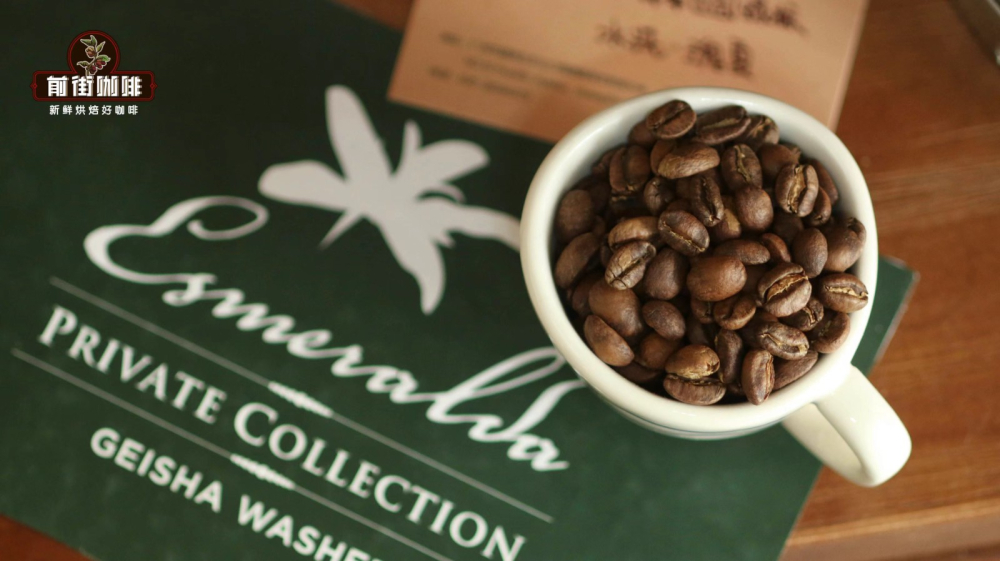
From there you can move up to the emerald estate labels. The FrontStreet Emerald Red Label Gesha — officially "Esmeralda Special" — is grown at 1,600-1,800 meters, and every batch must cup above 90 points. Each batch carries its own number, and all the beans in a batch come from a single small plot, so buyers can choose the lot that suits their taste down to the finest nuance. The FrontStreet Emerald Green Label, originally "Private Collection," is a blend of several plots rather than a single one; it showcases the estate's signature high-altitude Gesha character and is more affordably priced, which makes it excellent value.
Ethiopia, coffee's birthplace, also has an estate famous for Gesha: Gesha Village, where the grading is even more detailed than Panama's. The FrontStreet Gesha Village Gold Label is the Gesha 1931 variety and accounts for 10% of the village's total production — the top coffee it makes outside of auctions, and a frequent choice for competition baristas. Processed as an elegant natural, it delivers complex, layered flavors whose dry aroma, sipped flavor, and long finish all linger on the palate. The FrontStreet Gesha Village Red Label is the Gori Gesha variety, about 15% of production, scoring 88 or above on the SCA 100-point scale; it is a single-terroir series, so every lot carries full traceability, including farm block name, variety, and processing date.
For a pour-over, FrontStreet Coffee suggests 15g of coffee in a small Hario V60 with a 1:16 ratio and water at 91°C. Because Gesha is a medium-light, floral-and-fruity style with a fairly hard density, it can sink and clog the dripper, so grind it to about 78% passing a China #20 standard sieve — roughly fine-sugar size. Start the timer and pour to 30g for a 30-second bloom, then pour in slow circles to 125g, wait until the water in the bed falls by half, and continue in slow circles to 225g. Let it finish dripping, for a total extraction time of about 2'10"-2'20".
Important Notice :
FrontStreet Coffee is a long-established specialty coffee roaster in Guangzhou China, selling freshly roasted beans from its own farm in Yunnan as well as dozens of carefully selected single-origin beans from around the world for both pour-over and espresso. The products deliver consistently excellent quality and great value, with shipping within 24 hours. Guangzhou's FrontStreet Coffee shop is recommended by many coffee lovers, and the beans are now available online at the Tmall 。
FrontStreet Coffee has moved to a new address:
FrontStreet Coffee Address: 315,Donghua East Road,GuangZhou
Tel:020 38364473
 Scan and follow the En Gafei WeChat official account. Please indicate that the reprint comes from "En Gafei".