Do You Know How Many Types of Coffee Exist? What Are the Flavor Characteristics of Espresso?

Standing at a cafe counter and faced with a long list of options like latte, cappuccino, or macchiato, do you ever feel a little lost? This time, FrontStreet Coffee has put together a full guide to Italian coffee styles. It will help you tell the different drinks apart, and it also spells out the preparation ratios behind each one.
Understanding Espresso
What we commonly call Espresso is Italian concentrated coffee made on an espresso machine. Because Espresso is so intense and powerful, many people find it hard to drink straight. As a result, a whole family of drinks has grown up with Espresso as the base.
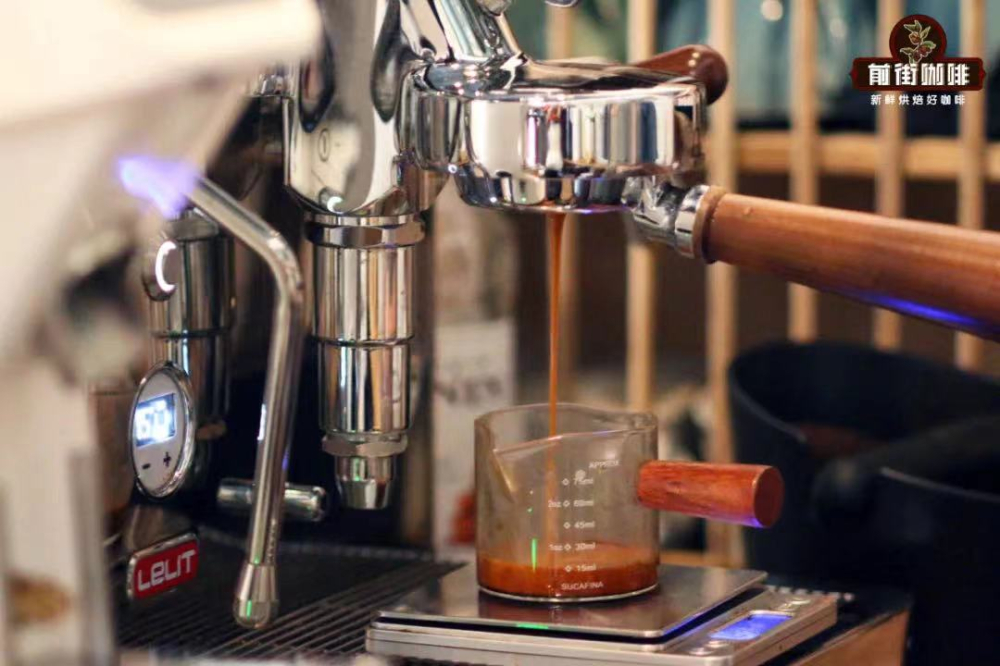
For the Italian-style drinks served at FrontStreet Coffee, a blend designed especially for espresso is used. To keep the coffee from tasting too diluted once other ingredients are added, while still holding on to clear, pronounced flavor, FrontStreet Coffee selected the "Sunflower Warm Sun Blend," a medium-dark roast made up of 70% Honduras Sherry coffee beans and 30% natural-process Red Cherry coffee beans.
Using 20g of freshly roasted Sunflower Warm Sun Blend coffee, ground very finely and tamped into a puck, the espresso machine applies 10 bar of pressure, letting 94°C water pass through the puck at a 1:2 coffee-to-liquid ratio. This extracts 40g of coffee liquid in a total extraction time of 27-32 seconds.

After extraction, the espresso shows rich wine fragrance, vanilla cream, berry sweetness and tartness, and roasted nut-like flavors. Mixed with hot milk, it turns into something like a sweet berry milkshake. Adding iced milk heightens the berry-like sweetness and tartness, adding hot water makes the wine aroma more pronounced, and adding ice water makes the acidity more noticeable.
Caffe Latte: Coffee and Milk as Dual Stars
Caffe Latte is Italian for "coffee with milk," where "Latte" simply means milk in Italian. If you walk into an Italian coffee bar and ask the barista for a "Latte," they may look at you puzzled and hand you a glass of milk.
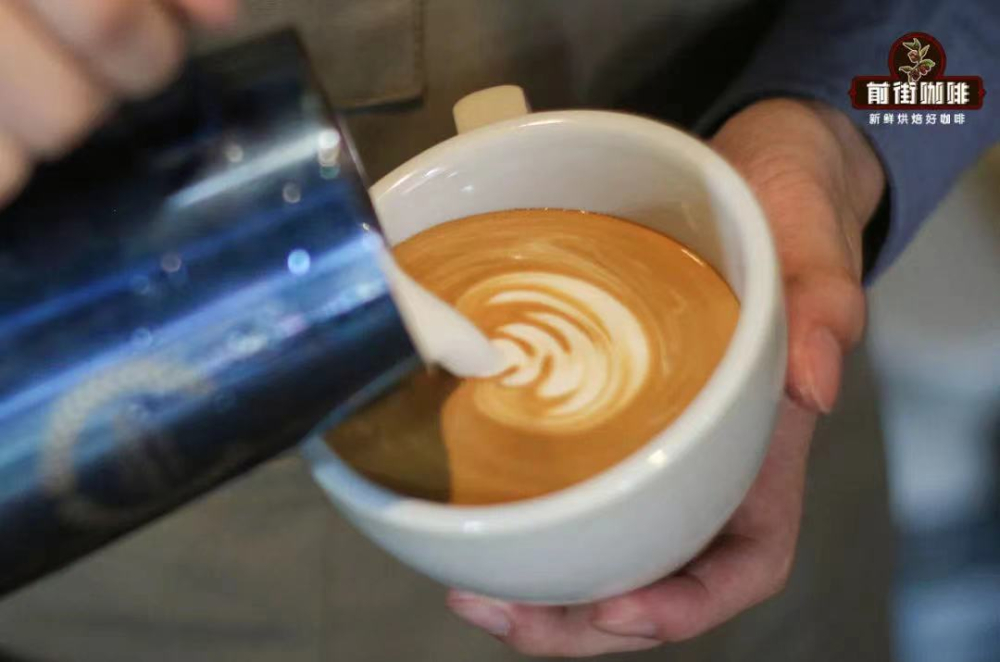
To drink coffee with milk in Italy, you have to say "Caffe Latte" to get an authentic Italian coffee latte. The latte you order in Italy, though, likely will not have foam, since the milk frother was invented relatively recently, first appearing in the United States in the 1950s and 1960s. Before that, lattes in Italian coffee culture were made with added milk alone. Of course, in regions outside Europe, including the United States and Taiwan, coffee latte is simply called "Latte."
Caffe Latte is made of one-fifth espresso, two-fifths hot milk, and two-fifths milk foam. It is a drink in which espresso and milk share the leading role. Savoring how the two combine and balance is the most distinctive part of the latte's flavor.

Cappuccino: Coffee as Star, Milk as Supporting Actor
When we adjust the proportion of coffee in a latte, raising the coffee percentage, the color in the cup turns predominantly dark brown with traces of white milk, reminiscent of the Capuchin friars in their dark brown robes and white hoods. In Italian, "Cappuccino" refers to these Capuchin friars, which is how the drink got its name.
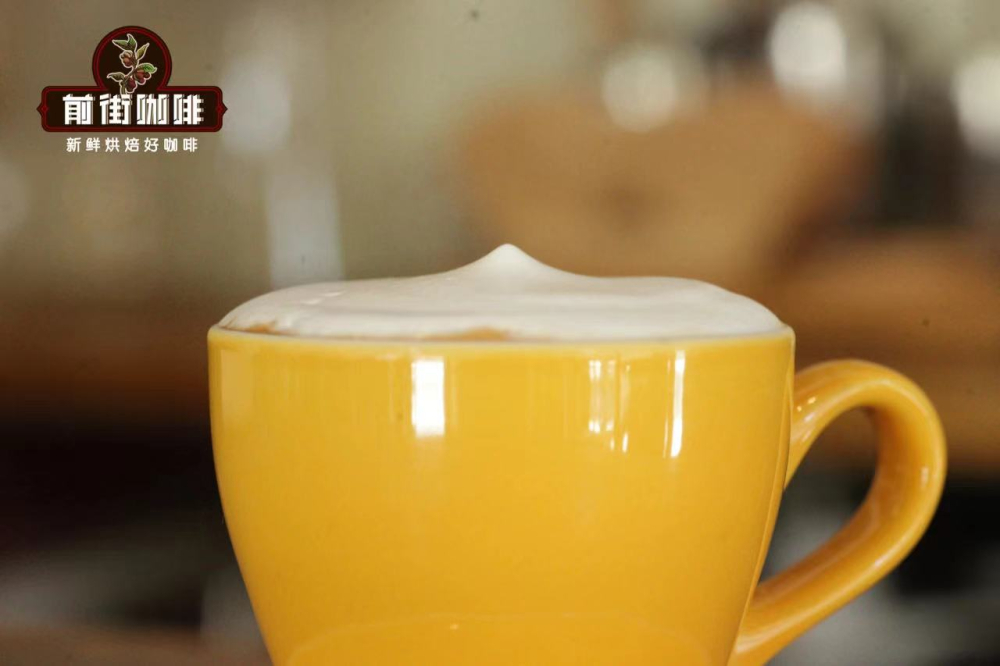
The difference between cappuccino and latte lies in cappuccino's higher proportion of espresso: one-third espresso, one-third hot milk, and one-third dense milk foam. A cappuccino can also be dusted with cocoa powder or cinnamon powder for extra flavor. In terms of taste, coffee flavor takes center stage, with milk as the complement.
Mocha: Chocolate as Star
Mocha is a small town in Yemen in the Middle East. The coffee beans produced there carry chocolate flavor notes, and later the term came to describe special coffee bean varieties with a chocolate aroma, known as "Mocha beans." In time, however, Mocha evolved into the name of a beverage.
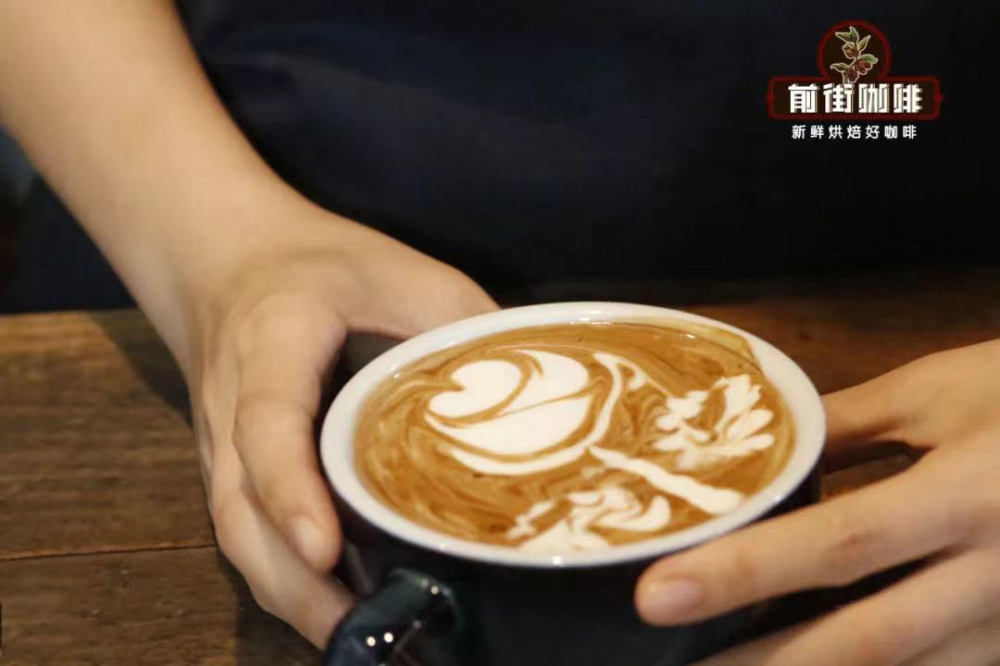
Mocha is made of two-fifths espresso, two-fifths hot chocolate, and one-fifth hot milk. It is perfect for those who love both chocolate and coffee.
Macchiato
Macchiato means adding a small amount of milk foam to Italian espresso, perhaps only a few milliliters, enough to be served in an espresso cup. Visually, it looks like a white dot on top of espresso. "Macchiato" in Italian means "stain" or "spot," which is how the drink got its name.

When macchiato is made with a double espresso, using 20g of coffee grounds to extract 40g of coffee liquid, it is called a Long Macchiato. When only a single espresso is used, with 10g of coffee grounds to extract 20g of coffee liquid, it is called a Short Macchiato.
Macchiato has a very strong flavor with minimal dilution. Milk serves only as a taste enhancer, and you have to pay close attention to detect even a hint of milk fragrance. Yet this is precisely what makes Macchiato appealing: that small amount of milk and subtle milk fragrance leaves a memorable aftertaste.

Caramel Macchiato
Caramel Macchiato is a variation of macchiato in which vanilla is added, then a thick layer of caramel is poured on top, and the drink is taken in one sip without stirring. In that small sip you can taste the bitterness of coffee, the aroma of vanilla, and the rich sweetness of caramel. This multi-layered experience is what makes caramel macchiato so appealing.
Americano
During World War II, when American soldiers came to Italy, they could not get used to the Espresso made by Italian espresso machines, so they added large amounts of hot water to soften the flavor.

This practice amazed the Italians, who began calling the style "Americano," meaning "American" in Italian. On hearing this somewhat mocking name, Americans not only took no offense but felt rather proud, and so the name "Americano" spread, referring specifically to the practice of diluting Espresso with hot water.
Conclusion
All the preparation ratios above are only references. Take lattes and cappuccinos, for instance: the distinction is not always clear, because they are essentially variations of different preparation ratios. FrontStreet Coffee believes that making Italian-style coffee means adjusting the amount of additional ingredients according to the final flavor expression of the espresso. These ratios are guidelines, not absolute rules. What truly matters is using these reference standards to create your own favorite coffee beverage.
FrontStreet Coffee Recommendation
Whichever Italian-style drink you brew, the base espresso is only as good as the blend behind it. For milk drinks like the latte and cappuccino above, FrontStreet Coffee's Classic Blend is designed specifically for espresso and moka pot use, with traditional mamba-style blending and standout crema that makes a cappuccino or latte easy to pull even on a home machine. If you want to keep costs down without losing body, FrontStreet Coffee's Black Cocoa Blend is 100% Arabica with generous crema and a rich, mellow cup. For a fruit-forward cappuccino, FrontStreet's Strawberry Candy espresso blend brings berry, rose, raisin, and fruit candy aromas, while the Granada Gesha SOE, natural processed and medium roasted, adds berry, orange, and persimmon that turn to toffee when paired with milk.
Important Notice :
FrontStreet Coffee is a long-established specialty coffee roaster in Guangzhou China, selling freshly roasted beans from its own farm in Yunnan as well as dozens of carefully selected single-origin beans from around the world for both pour-over and espresso. The products deliver consistently excellent quality and great value, with shipping within 24 hours. Guangzhou's FrontStreet Coffee shop is recommended by many coffee lovers, and the beans are now available online at the Tmall 。
FrontStreet Coffee has moved to a new address:
FrontStreet Coffee Address: 315,Donghua East Road,GuangZhou
Tel:020 38364473
 Scan and follow the En Gafei WeChat official account. Please indicate that the reprint comes from "En Gafei".