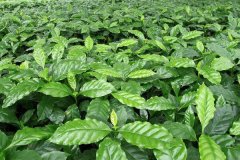
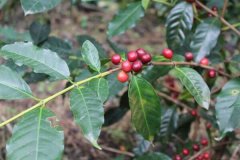
Famous Yunnan Arabica Coffee Brands Recommendation: Which Authentic Yunnan Small Bean Coffee Origin Brands Taste Best
Yunnan Coffee: A Rising Star in Chinese Coffee Culture
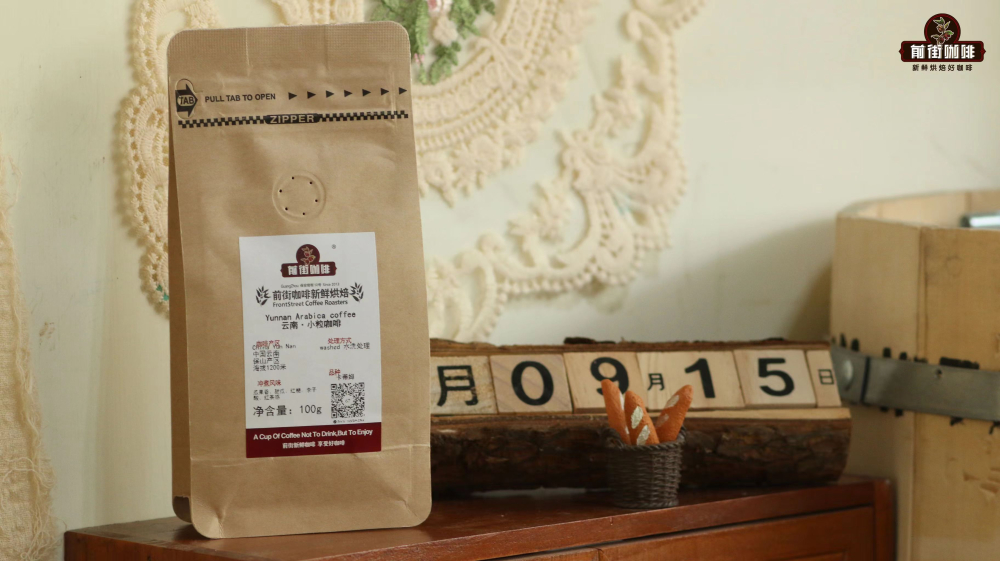
In recent years, thanks to the sustained efforts of growers and roasters alike, the quality of Yunnan coffee has improved steadily, winning wide recognition and a growing base of devoted fans. If you have never tried Yunnan coffee, you are probably curious what it actually tastes like. FrontStreet Coffee suggests starting with its Yunnan small bean daily coffee: sourced from the Baoshan region, washed-processed, and expressive of the pure aromatic character of Yunnan arabica, it comes in 100-gram packaging so you never waste coffee you cannot finish.
Why Choose Small Beans from the Baoshan Region?
Yunnan Province's coffee cultivation area has stabilized at around 1.8 million mu, with an annual output of about 139,000 tons—roughly 1.5% of global production. Premium commercial beans (scoring above 75 points) make up 10% of that, and specialty coffee about 5%, according to 2019 figures. Yunnan has grown into China's largest coffee cultivation area, trade distribution center, and export point. Planting spans 9 cities and 35 counties including Pu'er, Baoshan, Dehong, Lincang, Wenshan, and Xishuangbanna, supported by more than 380,000 coffee-farming households and a coffee-growing population of over 1.14 million people. Baoshan belongs to the very first batch of regions to take up coffee cultivation.
Baoshan introduced its first coffee varieties and began raising seedlings in the 1950s. Today the Lujiang Dam is the largest coffee cultivation base in the country, and Xinzhai Village is hailed as "China's No. 1 Coffee Village." There, coffee trees grow on the back slopes of nearly every household, beans dry in the courtyards, and the scent of coffee drifts through the houses. The local climate is warm and frost-free year-round, so the trees thrive in a moist, comfortable environment, while the pronounced day-night temperature difference at high altitude slows the cherries' maturation and lets them develop more flavor compounds.
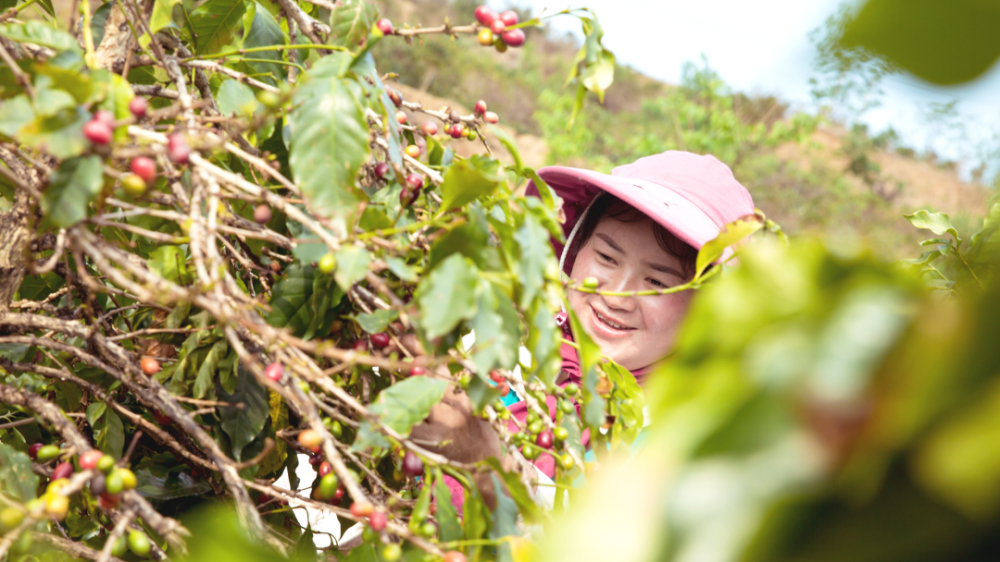
Yunnan coffee trees are generally planted on mountains and slopes in a scattered pattern—terrain unsuited to mechanical harvesting—so ripe cherries are picked by hand. As in most coffee-producing countries, there is one harvest a year, concentrated from November through March of the following year, when the mountains turn red with ripening cherries and farmers fan out across the slopes to pick them.
What Variety Are Small Beans?
"Yunnan small bean" is another name for arabica coffee (Coffea arabica L.)—the term reflects arabica's relatively small cherries among the three commercially cultivated coffee species. In the 1950s, the main varieties in Baoshan were Typica, Bourbon, and S288. Typica is the oldest, prized for its pure, elegant flavor, but it yields little and resists disease poorly, easily succumbing to sickness and withering. Yunnan therefore introduced Catimor, which tolerates dense planting and resists disease strongly, and it has become the most widely planted variety in the province. So when people say "Yunnan small beans" today, they are mostly referring to Yunnan Catimor.
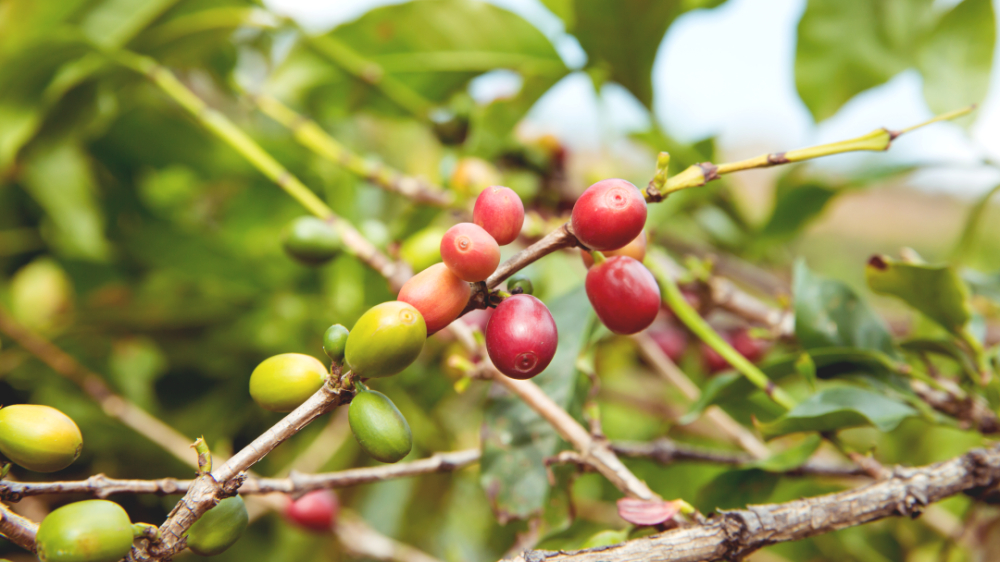
Catimor is a hybrid of Caturra and Timor. Caturra is a natural mutation of the highly regarded Bourbon and appears regularly as a "featured guest" in specialty competitions—dozens of FrontStreet Coffee's house-roasted beans use Caturra. Timor is a natural Robusta–Arabica cross discovered in the early 1900s on Timor Island in Southeast Asia. Robusta is notoriously unappealing in the cup—heavy, bitter, and harsh—but it brings extreme disease resistance, tolerance of heat and cold, and high yields. Catimor inherits much of this: higher survival rates, better fruit set, and a shorter maturation period, which naturally endears it to farmers.
Washed Processing vs. Natural Processing
As processing technology has developed across Yunnan's growing regions, the market now offers beans finished in many different ways. FrontStreet Coffee chose washed Yunnan small beans for its daily coffee because washed lots offer better cleanliness and express the region's baseline flavor profile most clearly—though natural processing is another method FrontStreet Coffee is particularly fond of.
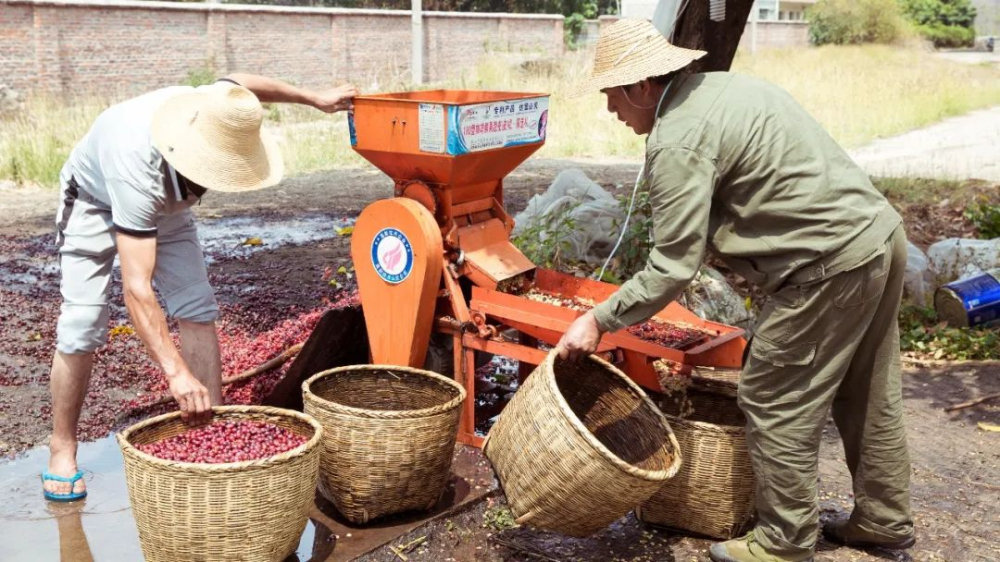
Most Yunnan coffee farmers work under difficult conditions without access to expensive processing equipment, so the overwhelming majority of Yunnan beans are finished by the two simplest methods: washed and natural. The province has abundant freshwater but frequently meets its rainy season at harvest time—conditions that actually favor washed processing, which is now the most common green-preparation method in Yunnan.
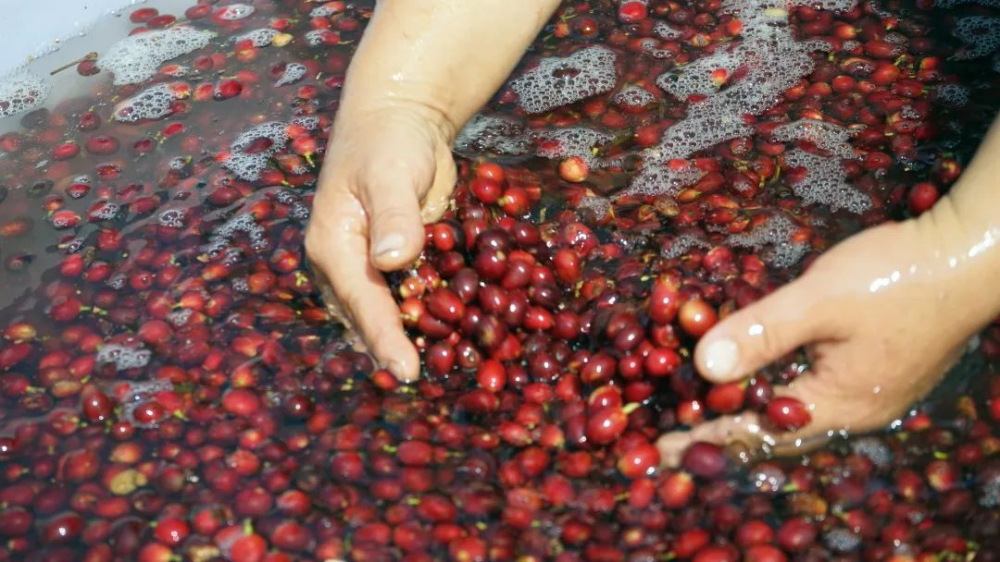
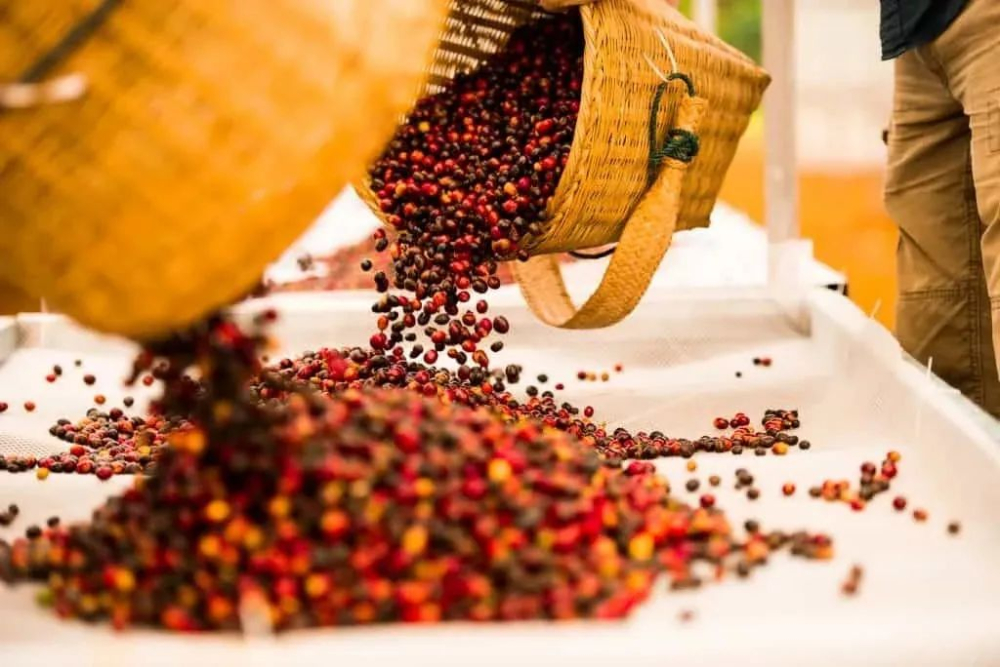
FrontStreet Coffee also offers a natural-dried lot, the "FrontStreet Coffee 2013," grown on its own estate in Lincang, Yunnan. It uses the elegant Typica variety, sun-dried naturally to heighten sweetness. Every November the cherries on FrontStreet Coffee's estate ripen in turn; workers pick the red cherries one by one and spread them evenly in the sun, turning them regularly so they dehydrate uniformly and never develop negative over-fermented flavors.
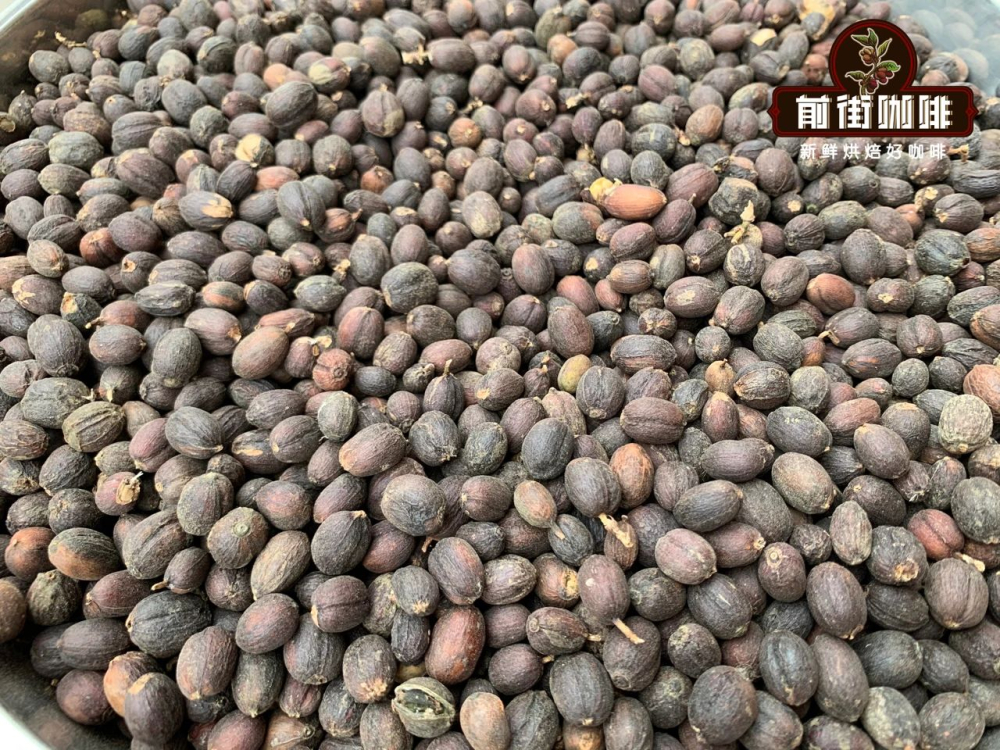
Flavor Characteristics of Yunnan Coffee
Ask around and you will hear Yunnan coffee described as chocolatey, sweet-potato-like, or reminiscent of Sanhua plums. FrontStreet Coffee considers the Yunnan small bean profile fundamentally neutral and balanced—it carries acidity, sweetness, and bitterness in equal measure. That is why FrontStreet Coffee roasts all of its Yunnan beans medium: enough to highlight the roasted aromas of chocolate and nuts while preserving some acidity. On the cupping table, the Yunnan small bean daily coffee shows nuts, herbal notes, brown sugar aroma, melon-like sweetness, and plum acidity with a balanced mouthfeel, while the natural Typica reveals chocolate, baked bread, fermented tropical fruit, and a black tea finish.
Pour-Over Brewing Recommendations for Washed Yunnan Small Beans
FrontStreet Coffee matches its parameters to each coffee. For darker roasts such as Mandheling and Brazilian beans, it uses 87–88°C water and a medium-coarse grind size; for lighter roasts such as Ethiopian Yirgacheffe and Panama Geisha, it uses 91–93°C water and a medium-fine grind to draw out the aromatics of high-altitude dense beans. For the Yunnan small bean coffee, medium water temperature and a medium grind best highlight Yunnan's balanced character.
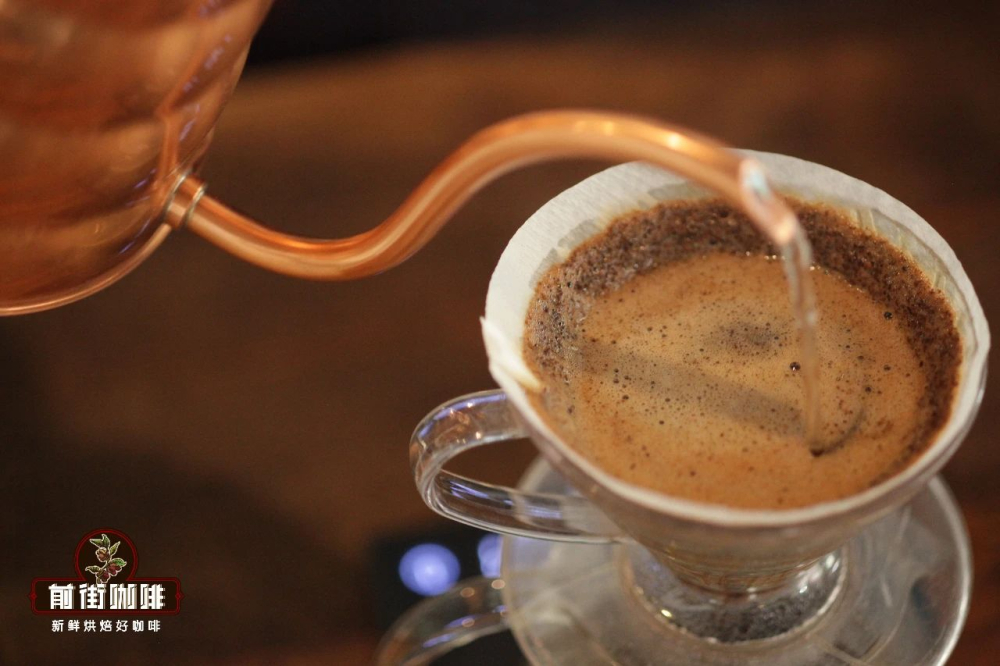
Brewing Parameters:
- Filter: Hario V60
- Dose: 15g
- Water Temperature: 90°C
- Grind Size: 75% pass-through through #20 sieve
- Water-to-Coffee Ratio: 1:15
- Three-Pour Method: Use twice the amount of water as coffee grounds to wet the bed, forming a dome and bloom for 30s. Then use a small water stream to pour in circles from inside out to 125g, wait until the bed drops to half the filter cup level, continue with the same fine water stream for the third pour to 225g, until all coffee liquid has filtered through, remove the filter cup - time approximately 2 minutes.
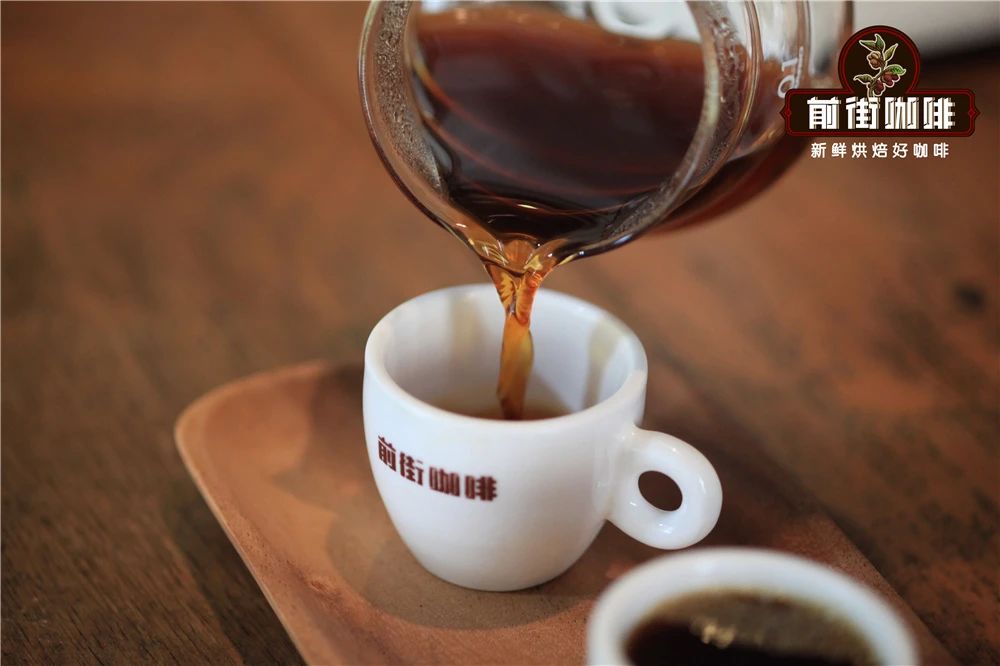
FrontStreet Coffee's Yunnan Small Bean Daily Coffee Flavor:
A strong nutty aroma on the nose, with herbal, chocolate, and caramel notes in the sip. The finish carries a light fruit acidity, and the overall mouthfeel is balanced with excellent cleanliness.
FrontStreet Coffee Recommendation
Yunnan small bean coffee traces back to 1904, when the French missionary Father Tien brought Typica seeds from Vietnam into Yunnan and planted the province's first coffee tree in Zhukula Village, Binchuan County. Yunnan sits squarely on the golden coffee belt within 25 degrees north of the equator: most of the province lies at 1,000 meters with fertile slope soils, abundant sunshine, generous rainfall, and a wide day-night range—the ideal range of 16–21°C suits the coffee tree perfectly. Coffee is grown mainly in the province's southwest, across the four major producing areas of Baoshan, Dehong, Pu'er, and Lincang, and FrontStreet Coffee's two house Yunnan beans come from Baoshan and Lincang respectively.
For a first taste of Chinese arabica, the FrontStreet Yunnan Small Bean is the obvious entry point: washed-processed and medium-roasted, it highlights a gentle caramel character while retaining some acidity, presenting soft notes of nuts, chocolate, and light plum. Baoshan's coffee history began in the mid-1950s, when the patriotic overseas Chinese Liang Jinshan introduced cultivation; the frost-free warmth of the Lujiang Dam's dry-hot river valley, with its modest rainfall and wide day-night swing, gives Baoshan small beans their distinctive lingering sweetness.
To taste a more clearly defined Yunnan, step up to the FrontStreet 2013 Yunnan natural Typica from FrontStreet Coffee's own Lincang estate—made only from fully ripe red cherries and finished with the most traditional of all methods, sun-drying. The cup is fuller-bodied with more pronounced sweet-tart structure: citrus and berry tones, a whisper of fermented winey aroma, caramel sweetness, and a creamy finish followed by black tea. And for Yunnan flavor in espresso form, the FrontStreet Dark Cocoa blend combines Yunnan small beans with Brazil Cerrado—Brazil supplying mixed-nut aroma and balance, Yunnan contributing chocolate and citrus. Its americano balances sweetness, acidity, and bitterness with nutty, brown-sugar fragrance, and its latte shows an almond-and-cream smoothness that makes it a favorite among baristas and beginners alike.
Important Notice :
FrontStreet Coffee is a long-established specialty coffee roaster in Guangzhou China, selling freshly roasted beans from its own farm in Yunnan as well as dozens of carefully selected single-origin beans from around the world for both pour-over and espresso. The products deliver consistently excellent quality and great value, with shipping within 24 hours. Guangzhou's FrontStreet Coffee shop is recommended by many coffee lovers, and the beans are now available online at the Tmall 。
FrontStreet Coffee has moved to a new address:
FrontStreet Coffee Address: 315,Donghua East Road,GuangZhou
Tel:020 38364473
 Scan and follow the En Gafei WeChat official account. Please indicate that the reprint comes from "En Gafei".