Coffee Encyclopedia Common Coffee Bean Processing Methods and Processing Steps
How to Quickly Identify Coffee Bean Processing Methods

Some people are remarkably skilled, able to identify a coffee bean from a single sip and even to name its approximate origin, variety, and processing method at a glance. This is not natural talent; it comes from knowing a few identification techniques.
On variety identification, FrontStreet Coffee has shared that information before. Today, FrontStreet Coffee will show you how to quickly tell coffee bean processing methods apart. Anyone hoping to level up their skills should start here.

Observing the Amount of Silver Skin
Although there are many processing methods today, they fall into 2 globally common methods and 2 regional methods. The globally common methods are washed and natural, and these 2 are by far the most widely used. Washed processing also includes anaerobic washed and barrel fermentation after washing, with representative beans including FrontStreet Coffee's Guodingding Cooperative and FrontStreet Coffee's Panama Boquete Geisha.

Natural processing likewise includes anaerobic natural, slow natural, cocoa natural, and more. The essence of these methods is still washed or natural, and in bean appearance they retain the traits of their base method. Natural coffee representatives include FrontStreet Coffee's Natural Red Cherry, FrontStreet Coffee's Elida Estate, and FrontStreet Coffee's Queen's Manor.
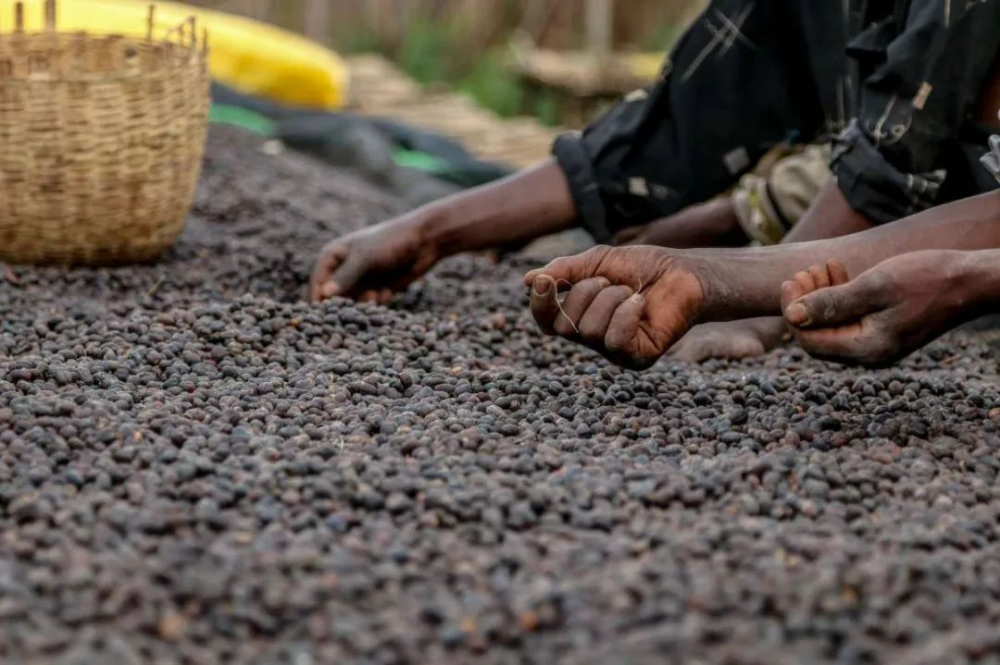
The 2 regional methods are Indonesia's wet-hulling method and Central and South America's honey processing, also called the semi-natural method. These methods were developed to suit local conditions, so once you can identify that a bean carries their hallmarks, you can usually infer its origin as well.
Wet-hulling can be seen as a special form of washed processing. It differs from washed processing in that the parchment is removed while the beans are still half-dry, which speeds up drying. At the same time, this easily cracks the beans, producing "hoof-shaped" beans. In recent years, however, wet-hulling techniques have improved and hoof-shaped beans have become increasingly rare. The most famous representative is FrontStreet Coffee's Golden Mandheling.
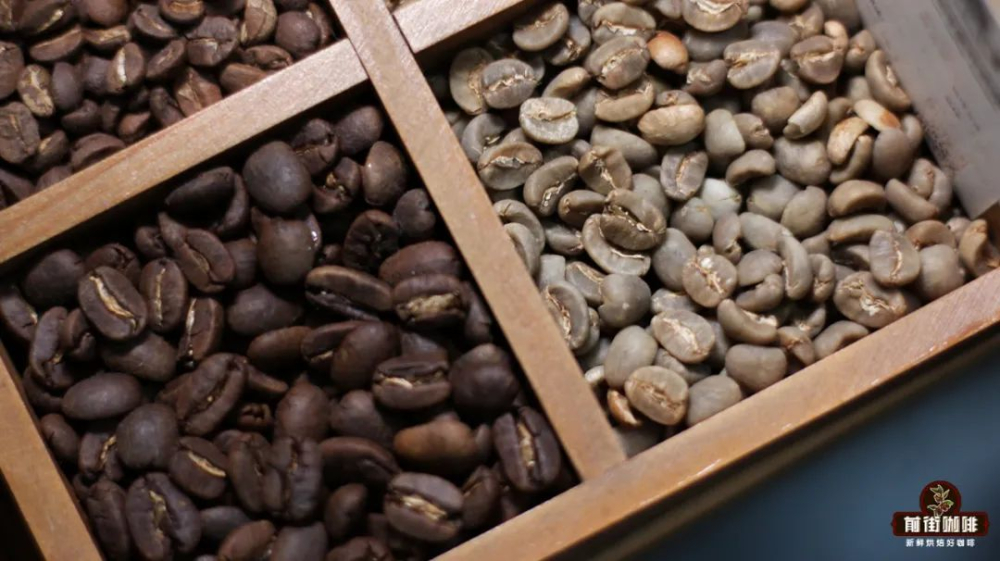
Honey processing and semi-natural processing sit between natural and washed. The difference between them is that honey processing involves no water contact at all, while semi-natural processing soaks the beans in water after the pulp is removed and before sun-drying. Judging by silver-skin residue, apart from raisin honey and black honey processing, other honey-processed and semi-natural coffees more closely resemble washed coffee. Representative beans include FrontStreet Coffee's Colombia Hope Estate Geisha.
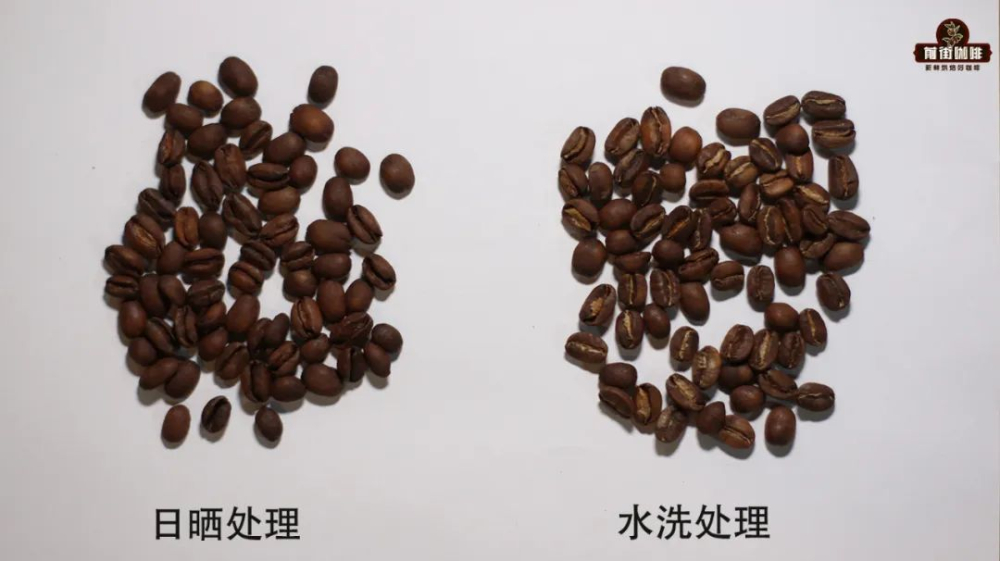
Now for the main point. Under normal circumstances, among roasted beans, naturally processed coffee has less silver skin, while washed processed coffee has more, with a white line sandwiched in the bean fissure, which is the remaining silver skin.

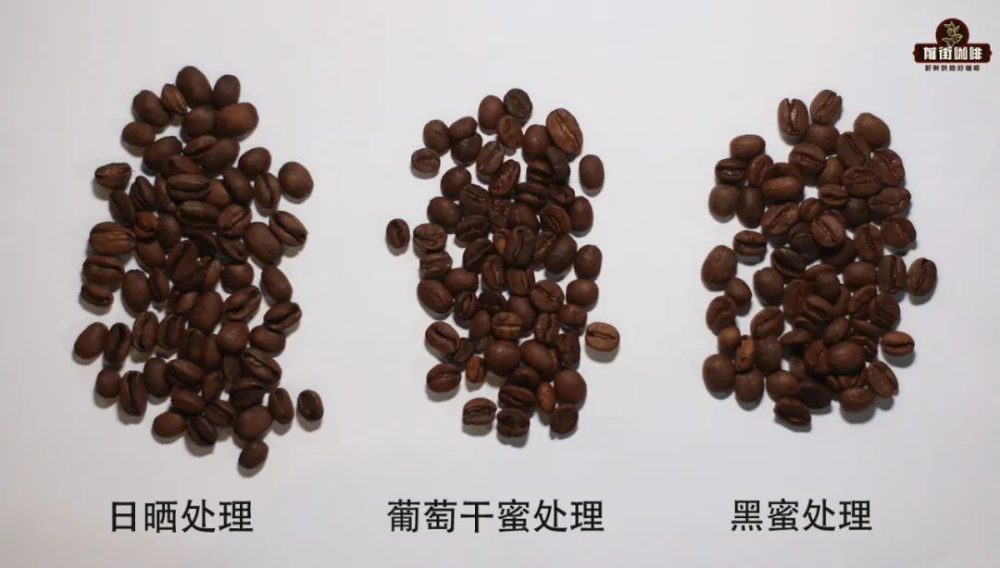
So observing whether coffee beans have a white line can roughly determine whether they are natural or washed. Natural, raisin honey, and black honey processed beans are cleaned more thoroughly of silver skin after roasting, so there is no white line in the fissure and fewer silver-skin fragments after grinding.
But how do you tell these three apart? Start with the roasted beans. Generally, naturally processed beans have a more uniform color, while honey-processed beans easily retain sugar residue in the fissure or at both ends. After roasting, that caramelization becomes more obvious, meaning the color in the fissure or at both ends is darker. Raisin honey processed coffee has a more pronounced aroma than black honey processed coffee. Representative coffees include FrontStreet Coffee's Costa Rica Mozart and FrontStreet Coffee's Costa Rica Strawberry Candy.
Beans with a white line in the fissure can be preliminarily identified as washed. Apart from Indonesia's wet-hulling method and Brazil's semi-natural method, which are relatively easy to distinguish by bean appearance, there is the less common Costa Rican red honey and yellow honey processing. So except for these three countries, seeing beans with a white line basically means washed processing.
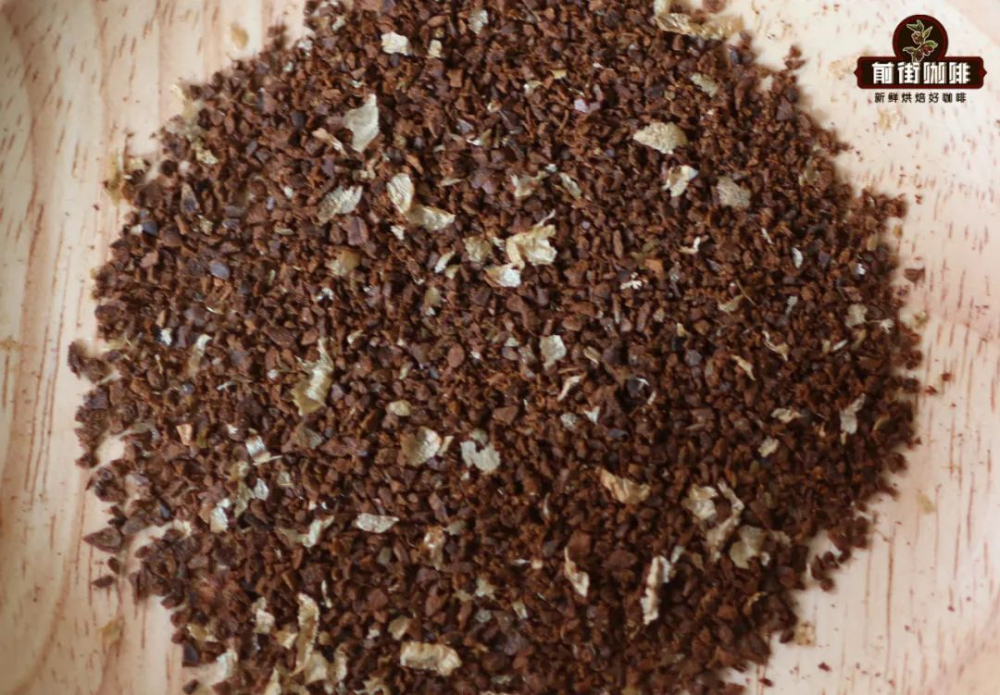
This one technique alone can identify the processing method of about 90% of coffee beans.
Tasting the Differences in Processing Methods
Apart from some locally adapted wet-hulled and semi-natural coffees that need no identification, tasting is mainly used to distinguish beans from the same origin that are produced in both natural and washed form. Flavor differs from appearance: it is difficult to grasp from others' descriptions, and you must taste and compare for yourself to imprint it in your mind.

Naturally processed and washed processed beans from the same origin differ fairly obviously in flavor expression, but what stays constant are the inherent regional characteristics. The Yirgacheffe region, for example, is often described with citrus, lemon, jasmine, honey, and green tea.
Naturally processed beans perform better in layering and sweetness. You get a citrus main tone with relatively sweet berry and fermentation aromas. Washed processing focuses on freshness and cleanliness. You get a citrus main tone with jasmine aroma and a green tea aftertaste, and the overall acidity is more obvious.
A simple way to remember it: between natural and washed, natural tastes more obviously sweet, with richer layering and noticeable fermentation aromas, while washed tastes clearer, cleaner, softer, and lighter.

Once you understand the difference between natural and washed, the remaining methods become much easier to grasp. Anaerobic processing works the same way: anaerobic natural will have richer flavors than anaerobic washed. Put another way, if it is not handled well, the flavor becomes more chaotic. That is why anaerobic washed is currently more controllable than anaerobic natural. Whether anaerobic or barrel-fermented, these processes all aim to create surprising flavors through controlled fermentation.
So when we taste very concrete flavors, they come from anaerobic (enzyme) processing. FrontStreet Coffee would add, though, that not all anaerobic beans have such exaggerated, obvious flavors; that is simply the result most processors choose to highlight. Some anaerobic fermentations, like those at Elida Estate, develop more pleasant flavors while preserving Geisha characteristics without going overboard. Anaerobic processing is only a technique; the final flavor expression depends on the processor's goals and skill.
FrontStreet Coffee Recommendation
To taste these methods side by side, start with FrontStreet Coffee's washed Guodingding Cooperative for a clean, jasmine-and-citrus benchmark, then compare it with FrontStreet Coffee's natural Red Cherry, where whole-cherry drying adds tropical fruit and honeyed roundness. If you want to experience a regional method, FrontStreet Coffee's wet-hulled Golden Mandheling shows how parchment-off drying produces a heavy, low-acid cup.
Important Notice :
FrontStreet Coffee is a long-established specialty coffee roaster in Guangzhou China, selling freshly roasted beans from its own farm in Yunnan as well as dozens of carefully selected single-origin beans from around the world for both pour-over and espresso. The products deliver consistently excellent quality and great value, with shipping within 24 hours. Guangzhou's FrontStreet Coffee shop is recommended by many coffee lovers, and the beans are now available online at the Tmall 。
FrontStreet Coffee has moved to a new address:
FrontStreet Coffee Address: 315,Donghua East Road,GuangZhou
Tel:020 38364473
 Scan and follow the En Gafei WeChat official account. Please indicate that the reprint comes from "En Gafei".