
What are the differences in flavor and taste characteristics between Piccolo, Flat White, Latte, Mocha, and Cappuccino? Where did Piccolo coffee originate?
FrontStreet Coffee shares several espresso drink recipes. Beyond the more common coffees, many enthusiasts have asked about less familiar options like piccolo coffee and piccolo latte. So today, let's talk about how to make the "viral" piccolo latte.
What is a Piccolo Latte?
Piccolo latte — "piccolo" means "small" in Italian, and "latte" means milk. Because "piccolo" also refers to the short flute (piccolo) in English, the drink picked up its name as piccolo latte. Traditional piccolo coffee is made with 15-20 milliliters of espresso combined with steamed milk. These days, it is generally served poured into a 100-milliliter specialty glass.

Piccolo Coffee's Origin Wasn't for Store Menus
While the origins of the flat white are hotly debated, the piccolo was unquestionably born in Australia. According to the stories, it was invented by baristas looking to cut down on ingredient waste.

When testing coffee beans, the process generally has two parts: espresso and milk coffee. The former reveals the bean's own aromas, while the latter tests whether the flavor holds up when paired with milk. If every test were made in full serving sizes, it would lead to excessive caffeine intake and waste from unfinished cups. So baristas began using a split portafilter to divide one espresso into two shots — one for direct tasting, and one mixed with a small amount of steamed milk to make a mini latte. When introducing new beans, baristas would also sometimes make this mini milk coffee for regular customers to sample. Over time, the small latte earned a place on the menu and was named "Piccolo Latte" by Australian baristas.
How to Make a Piccolo Latte?
The piccolo latte is essentially a miniature latte — a smaller cup, smaller volume, and less coffee and milk than typical espresso drinks. You need to extract 15 to 20 grams of quality espresso and pair it with four times that amount of milk.
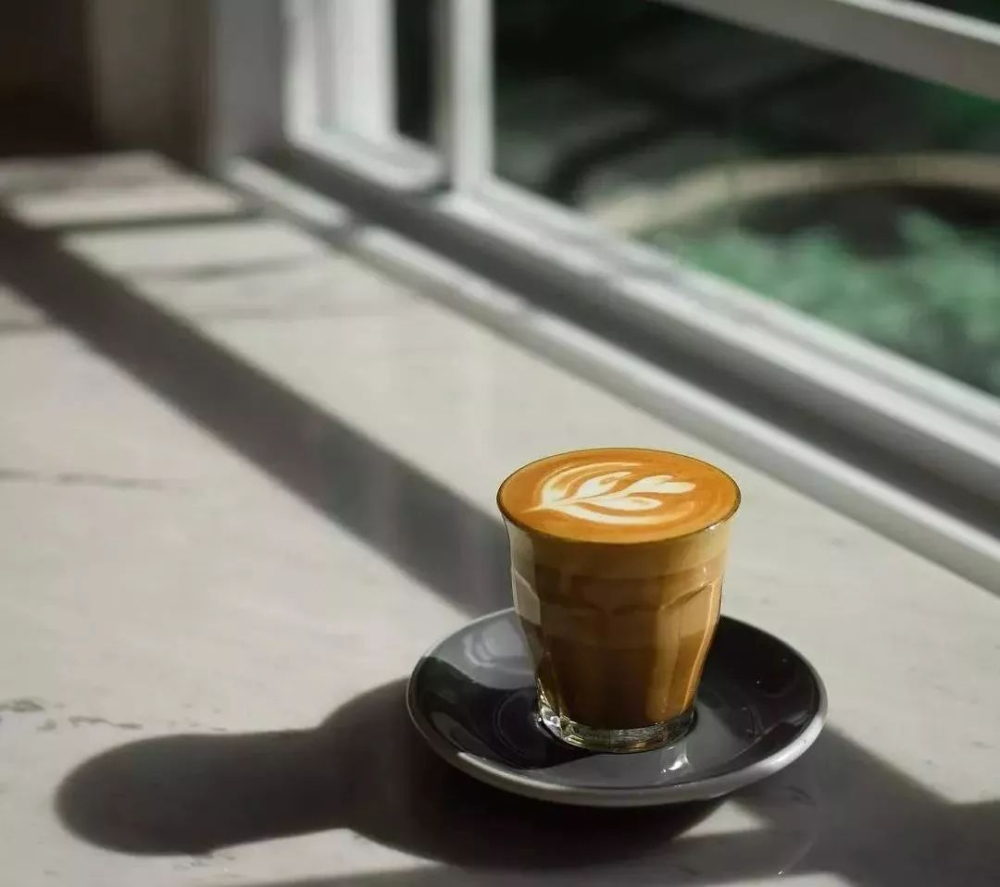
Because FrontStreet Coffee doesn't currently offer piccolo lattes on its menu, we don't stock dedicated 100-milliliter glasses. For today's demonstration, we'll use a 150-milliliter cup, extracting 30 grams of espresso paired with 120 grams of milk, maintaining a coffee-to-milk ratio of 1:4.
Today's piccolo latte demonstration uses FrontStreet Coffee's Classic Italian Blend. The coffee bean information is as follows:

Coffee Bean Name
FrontStreet Coffee Classic Italian Blend
Blend Bean Sources
Brazil Semi-Cerrado, Indonesia Mandheling, Vietnam Washed
Blend Ratio
6:3:1
Flavor Description
Dark chocolate, roasted bread, nuts, caramel
Espresso Extraction Recipe:
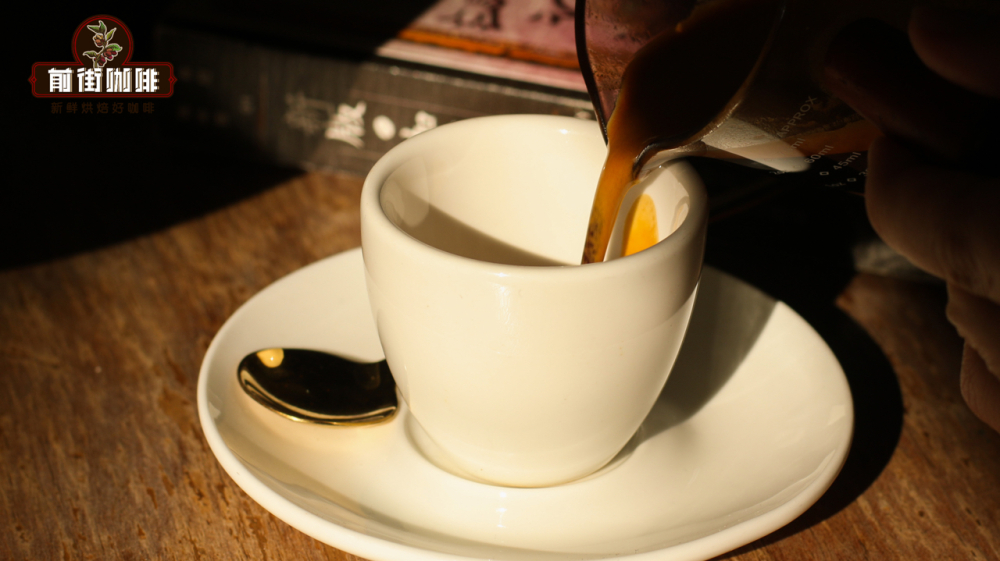
Coffee Grounds
: 18 grams
Espresso Yield
: 30 grams
Extraction Time
: 27 seconds
How Does Piccolo Latte Taste?
With a coffee-to-milk ratio of 1:4, the espresso flavor is very pronounced, highlighting the classic caramelized aroma. It tastes noticeably richer than a regular latte, yet isn't as overwhelming as straight espresso. The milk foam is as smooth as a latte's — neither as thin as a flat white's nor as dense as a cappuccino's. The whole cup has a milkshake-like texture, with distinct dark chocolate and rich nutty aromas, moderate sweetness, and a balanced aftertaste.

What's the Difference Between Piccolo Latte, Flat White, and Latte?
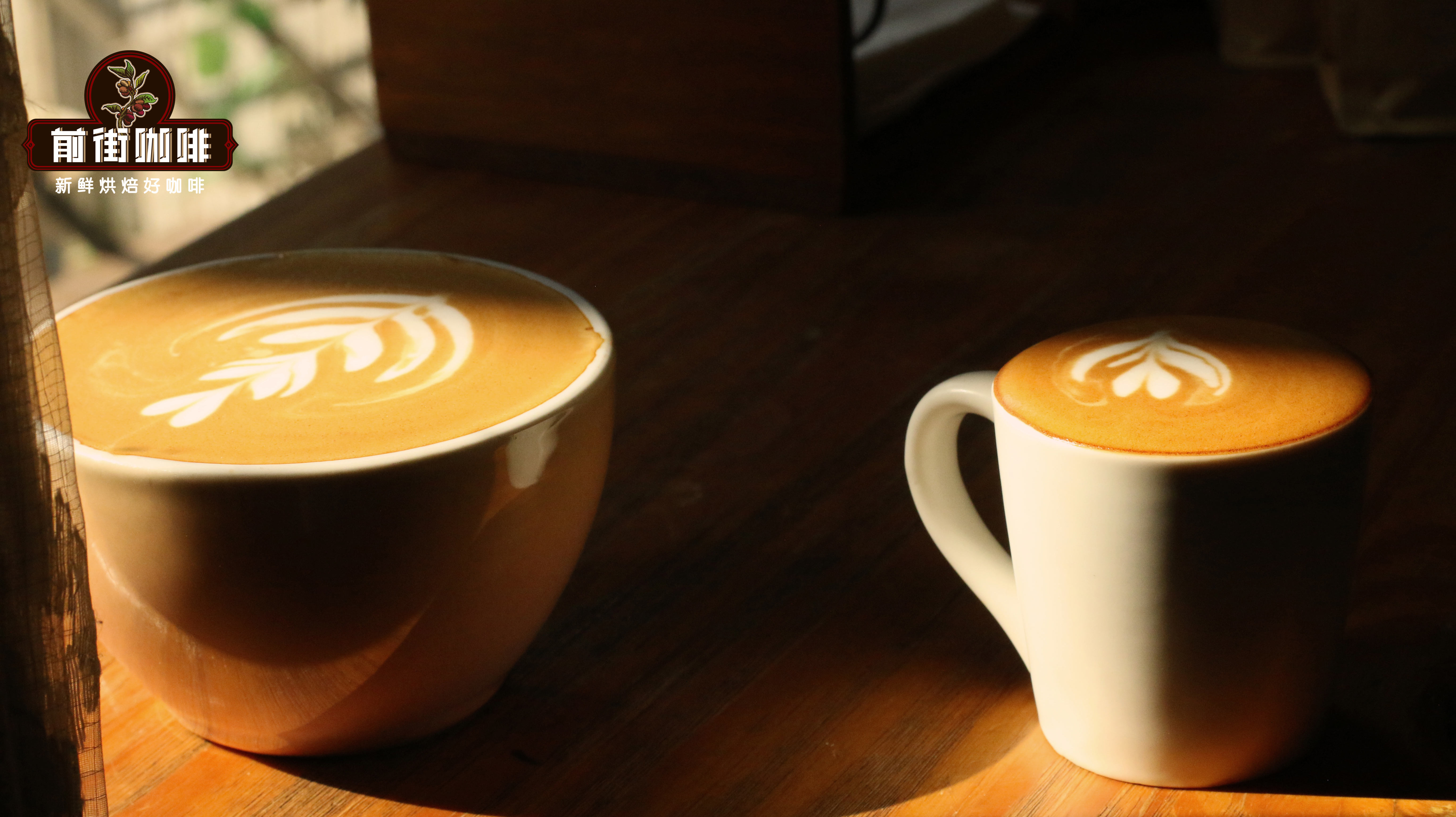
First, they differ in cup size — piccolo coffee is typically 90ml, flat white 150ml, and latte 250ml.

Within those cups, piccolo contains only the front-middle segment of a single shot (a single ristretto), flat white uses a double ristretto, and latte uses a double espresso. Their milk foam differs too — the foam in piccolo and latte is slightly thicker than flat white's (but thinner than cappuccino's), while flat white has the thinnest foam of the three.

Why Isn't Piccolo as Popular as Flat White, Though Both Belong to the Oceanian Milk-Coffee Family?
In the 1980s, Australians began writing Flat White on their menus, and it soon spread to cafés across Europe and America. A key reason the flat white became a mainstream hit was that Starbucks introduced it in 2015 as a flagship drink under the name "Fu Rui Bai," by which point flat white had already become a mainstream beverage worldwide.
The piccolo, by contrast, has a different selling point: it lets locals enjoy a smooth, rich milk coffee for less money without the fullness of a larger portion, fitting Australia's "quick and decisive" coffee culture (in Australia, the piccolo is cheaper than other milk coffees). That clearly differs from coffee-drinking habits elsewhere.
Beyond consumption habits, the difficulty of preparation is another reason the piccolo remains rare. Making each piccolo requires steaming just 60ml of milk into smooth, dense microfoam — a true test of a barista's skill. Some baristas who haven't mastered the technique try to lower the difficulty by adding more milk, but that betrays the original intention behind the drink.
FrontStreet Coffee Recommendation
Every café has its own "secret flat white formula," but they all come down to three essentials: less milk, thinner foam, and a stronger coffee presence. The barista reduces the milk and controls the foam thickness to let the espresso shine, which is why a flat white is not just smaller than a latte but more intense and fuller-bodied — almost an "advanced latte." That makes bean selection critical: for home brewing, FrontStreet Coffee recommends the butter-and-cheese flavored Classic Blend, mellow and low in acidity with full, fine crema that pairs beautifully with milk; those chasing floral and fruit notes should pick the low-bitterness Strawberry Candy espresso blend, which extracts with full grape and blueberry flavors and, combined with fresh milk, delivers a strawberry-milkshake-like flat white that lingers in memory.
Milk matters just as much: if it is too thin, the flat white feels watery; if too strongly flavored, it masks the coffee. FrontStreet recommends chilled fresh milk, which steams into a texture that highlights dairy sweetness and complements the espresso. In our own shop we build the flat white on a ristretto base — the front-middle segment of the shot (20g of grounds extracting 32g of coffee in 22-25 seconds) — paired with 160ml of fresh milk. For the foam, keep air injection to just 1-2 seconds — two short hisses — then sink the steam wand and whirl the milk into fine texture until it reaches 50-55°C, finishing at a uniform foam thickness of 0.3cm: creamy and silky, yet never watery. Pour the hot milk gently into the espresso, raise the pitcher to a thin stream and let the milk's momentum fold the crema into an even swirl, then drop the pitcher low and push through the white line — one fluid motion, and the flat white is born: silky on sight, cool enough to sip in big mouthfuls, with creamy hazelnut and white chocolate aromas and no sense of heaviness even after the last drop.
Important Notice :
FrontStreet Coffee is a long-established specialty coffee roaster in Guangzhou China, selling freshly roasted beans from its own farm in Yunnan as well as dozens of carefully selected single-origin beans from around the world for both pour-over and espresso. The products deliver consistently excellent quality and great value, with shipping within 24 hours. Guangzhou's FrontStreet Coffee shop is recommended by many coffee lovers, and the beans are now available online at the Tmall 。
FrontStreet Coffee has moved to a new address:
FrontStreet Coffee Address: 315,Donghua East Road,GuangZhou
Tel:020 38364473
 Scan and follow the En Gafei WeChat official account. Please indicate that the reprint comes from "En Gafei".

