What does SOE single origin coffee mean? What are the differences in characteristics, flavor, and quality between SOE and blended coffee beans?
For a long time, convenience kept most daily coffee drinkers on autopilot: order an Americano or a latte, never think about the beans. Over the past couple of years, however, SOE has suddenly become a trend. Plenty of customers now grumble: "I walk into a cafe, order an Americano, and suddenly I have to choose a bean - what a hassle!" So they ask FrontStreet Coffee the obvious question: what actually separates an SOE from an ordinary espresso, and why does it usually cost a few dollars more?
What Is SOE?
S.O.E stands for Single Origin Espresso, meaning espresso pulled from beans grown in a single origin rather than from a blend. That marks a clear departure from the traditional Italian approach.
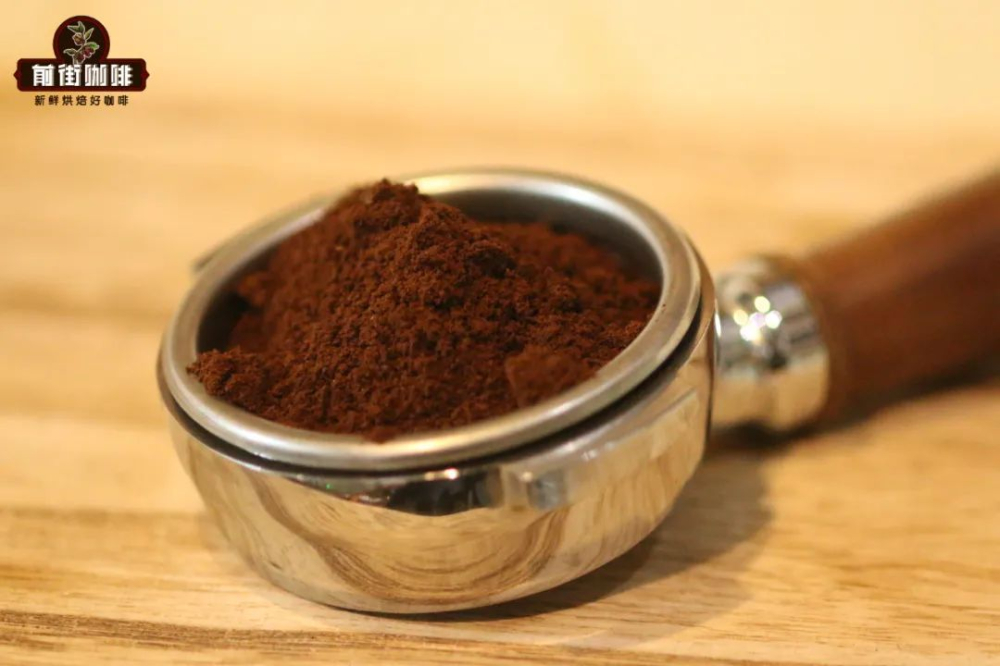
Classic Italian espresso relies on dark roasting and a blend of beans from several origins. The goal is a stable, repeatable flavor in every cup, though the result often leans heavy and intense. SOE works the other way around: the roast level is chosen to suit the character of one specific lot, so the espresso you drink is no longer the round, bittersweet, thick-bodied shot we tend to picture.
Does SOE Taste Better Than Regular Espresso?
Not necessarily. Each has its own strengths and weaknesses. The third wave of coffee has a few defining traits: an emphasis on freshness, lighter roast levels, single-origin beans with transparent provenance, and detailed flavor descriptions. Pulling shots from specialty beans roasted lighter than a typical blend can indeed reveal a far wider range of flavors, unlike a blend's monotonous nut and cocoa notes.
That said, not every lightly roasted specialty bean makes a good SOE. Coffee is an agricultural product, and its flavor shifts with each year's climate and soil. Origins differ sharply as well. A coffee that shows lemony acidity and a honey-green-tea finish in a pour-over can turn sharply acidic and thin in the cup once it is forced through a pressurized extraction.
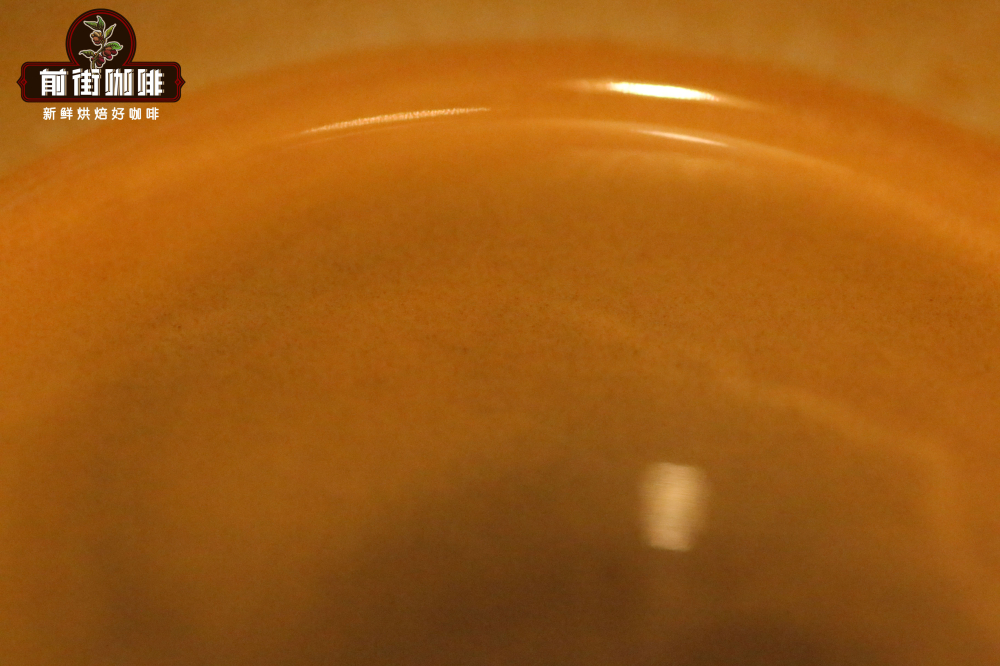
The practice of blending beans from different origins arose precisely because fine grinding and pressure amplify both the good and the bad in any single-origin coffee. Combining origins, each bringing its own strengths, evens out the shot and produces a more balanced, consistent extraction.
At FrontStreet Coffee, we see the upside of SOE as giving milk-drink fans a way to taste the vivid flavors inside coffee. The downside is that the beans change from day to day, which makes a consistent espresso hard to maintain, and the cost is higher.
Blends, on the other hand, keep a stable taste through ratio adjustments even when a new harvest shifts the flavor profile. The trade-off is that this stability is usually bought with dark roasting, sacrificing flavor range, though the cost stays lower.
How to Pull an SOE
Pulling SOE puts a barista's skill to the test. You have to read the roast level and adjust the extraction variables step by step until the shot peaks. There is no single set of numbers that works as a reference. In our own experiments, FrontStreet Coffee has consistently noticed that single-origin beans extract faster and sooner than blends.
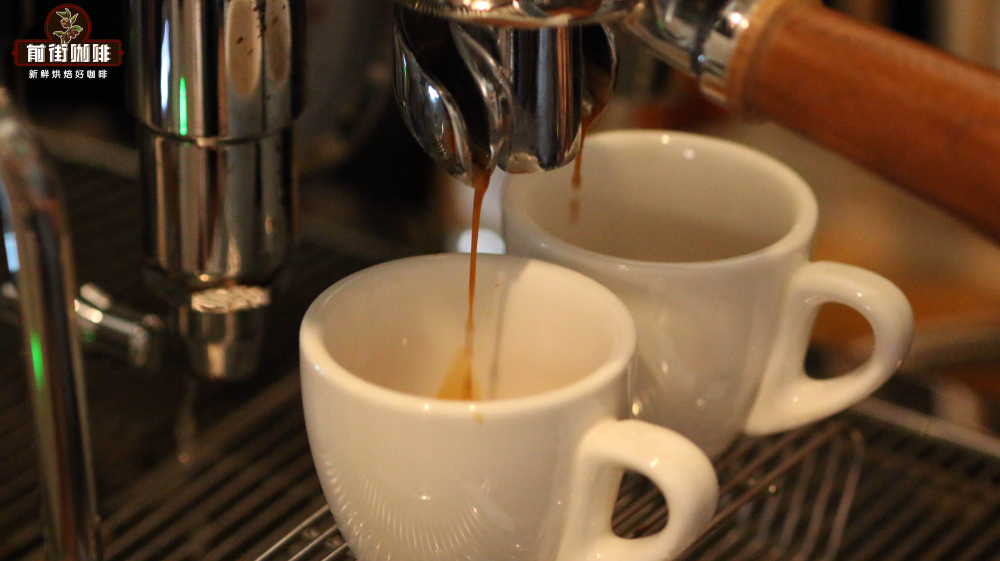
So when dialing in an SOE, taste every shot. If it feels thin, the grind may be too coarse, the dose too small, or the yield too large. If it is harsh or bitter, the grind may be too fine, the dose too large, or the yield too small.
SOE Coffee Bean Recommendations
FrontStreet Coffee stores do not offer an SOE option, but we regularly experiment with single-origin SOEs. After countless tests, we recommend the following three single origins for SOE.
"FrontStreet Coffee - Ethiopia Yirgacheffe Sun-Dried Red Cherry" - This light roast yields an espresso with a fine, delicate, pale-yellow crema. The aroma is berry-sweet without overwhelming the palate, and the cup shows sweet-and-sour berry notes over a caramel base.
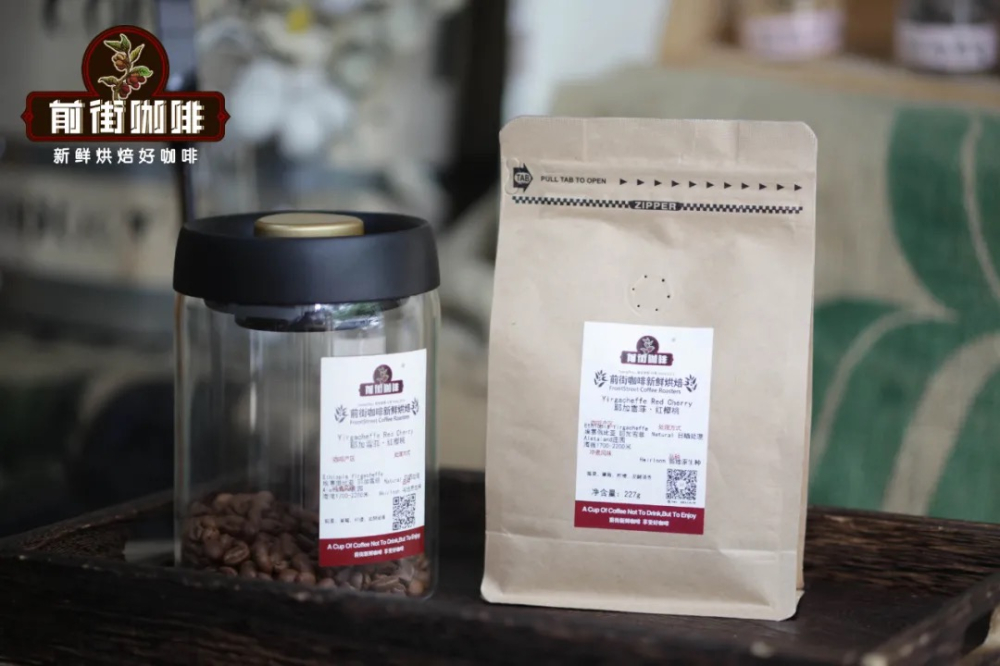
"FrontStreet Coffee - Costa Rica Mozart" - Medium roast, with a fine, delicate, pale-yellow crema. Raisin on the nose, and a rich sweet-sour fruit-fermentation character on the palate.
"FrontStreet Coffee - Honduras Sherry" - Medium roast, producing a creamy, golden crema. Whiskey on the nose, with vanilla cream and nutty caramel in the cup.

FrontStreet Coffee Recommendation
For a single origin that can hold its own under pressure, try FrontStreet Strawberry Candy. It pairs Panama Geisha with Costa Rican honey-processed beans, so delicate rose and orange sit alongside raisin, blueberry, and strawberry-gummy sweetness. Serve it as a straight espresso or an Americano for a bright, lively cup, or let it rest a little and it takes on a soft, fruit-wine depth.
If you prefer a fruit-forward Colombian single origin, FrontStreet's Colombian lot is a double anaerobic natural with jasmine and citrus on the nose and a juicy rush of passion fruit, blueberry, grape, and apricot, backed by soft, bright acidity and a lingering cocoa finish. It works equally well as a pour-over, an SOE, or an ice drip; over ice it turns out a clean, smooth grape-juice character.
For milk drinks, FrontStreet's espresso blends are the safest bet. Classic Blend and Commercial Blend carry a small share of Robusta for a thick, golden crema and a caramel-rich body that cuts cleanly through steamed milk. Specialty Blend and Black Cocoa Blend lean on Brazilian beans for almond, walnut, and chocolate notes, giving a latte or flat white a smooth, nutty sweetness.
Important Notice :
FrontStreet Coffee is a long-established specialty coffee roaster in Guangzhou China, selling freshly roasted beans from its own farm in Yunnan as well as dozens of carefully selected single-origin beans from around the world for both pour-over and espresso. The products deliver consistently excellent quality and great value, with shipping within 24 hours. Guangzhou's FrontStreet Coffee shop is recommended by many coffee lovers, and the beans are now available online at the Tmall 。
FrontStreet Coffee has moved to a new address:
FrontStreet Coffee Address: 315,Donghua East Road,GuangZhou
Tel:020 38364473
 Scan and follow the En Gafei WeChat official account. Please indicate that the reprint comes from "En Gafei".