
Differences Between Drip Bag Coffee and Pour-Over Coffee - Flavor and Taste Characteristics of Hand-Brewed Black Coffee Beans
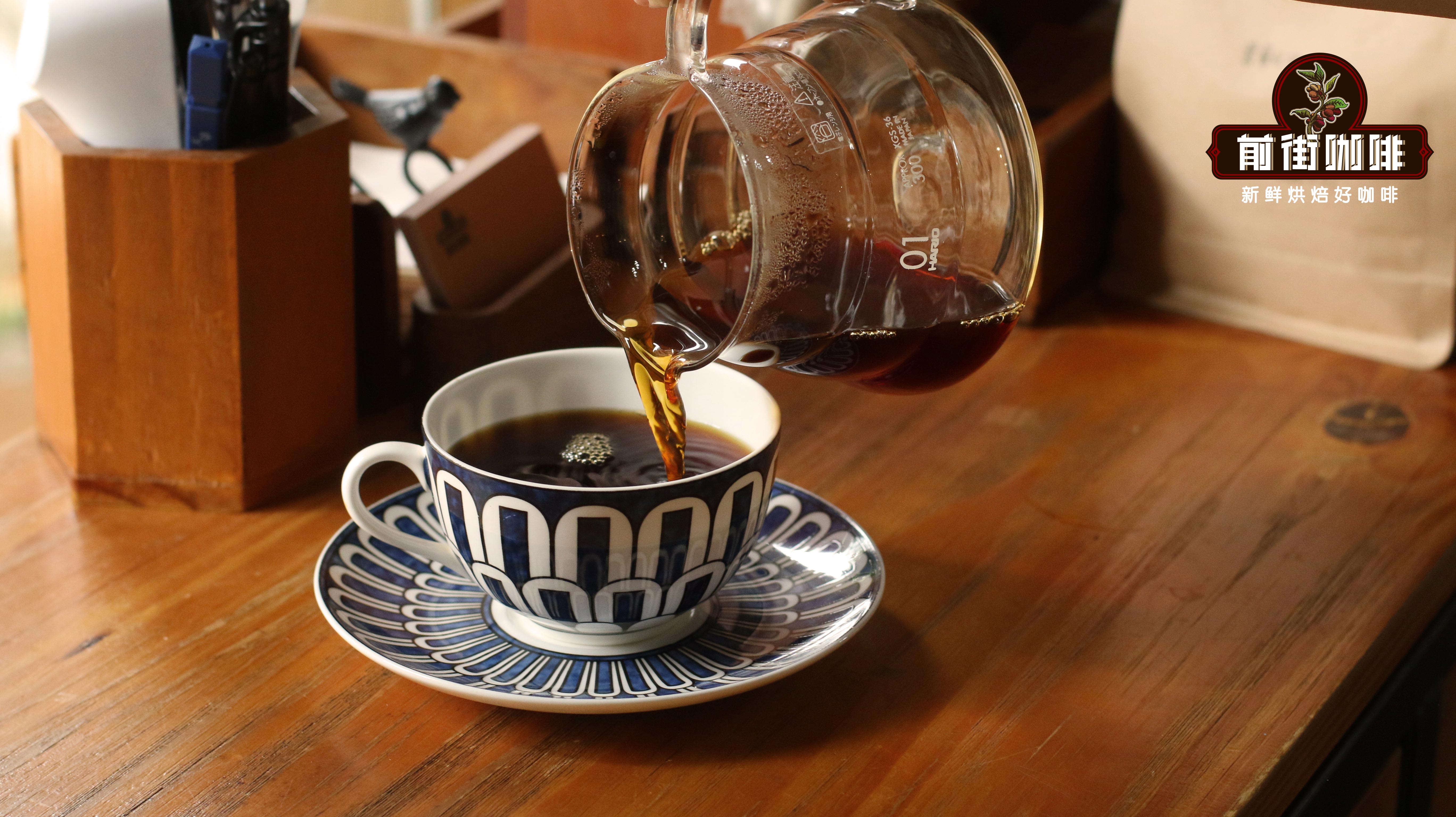
As coffee took off in the Chinese market, more and more young people began treating it as a daily pick-me-up and an essential workplace tool. With coffee now everywhere, a cup a day has become a habit for office workers. When there is no café on the ground floor of the office building, many people reach for cost-effective instant coffee.
Yet the growth of China's coffee market has also created a large group of enthusiasts who want better coffee. Many of them try single-origin beans from different regions, but visiting specialty cafés often costs a lot of money, time, and energy. So plenty of people decide to brew pour-over coffee at home instead. The catch is that pour-over takes real technique, so customers often ask FrontStreet Coffee for a method that is both delicious and simple. FrontStreet Coffee's answer is drip bag coffee.
The Popularity and Technique of Drip Bag Coffee
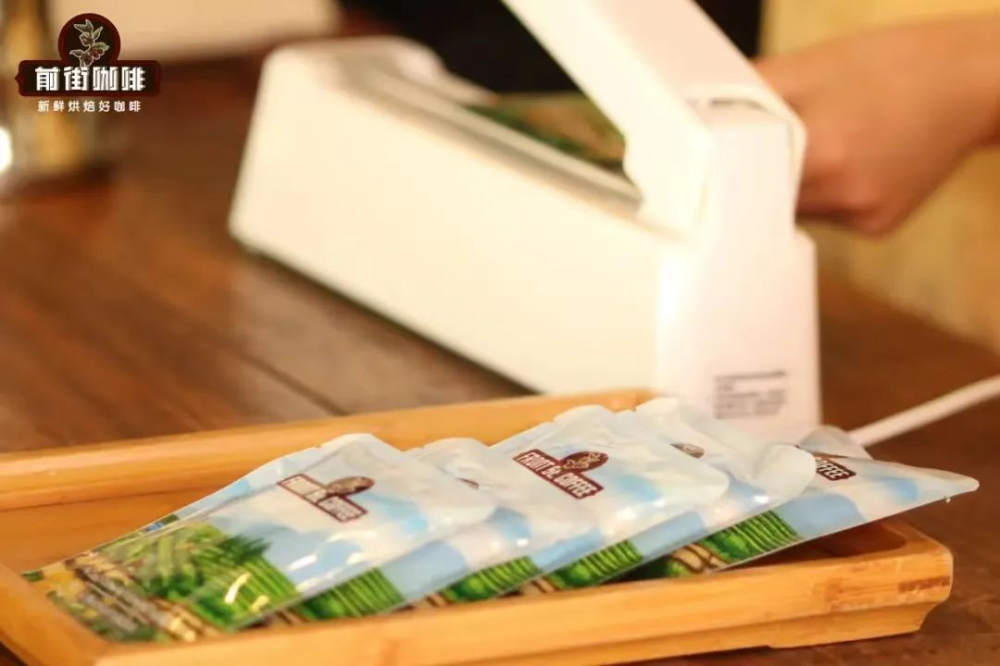
Drip bag coffee has become very common. Nearly every coffee bean merchant on e-commerce platforms offers a drip bag service, and FrontStreet Coffee is no exception. Many home-roasting shops provide the same service. It is a real convenience for enthusiasts and for office workers who travel often. At FrontStreet Coffee stores, drip bag coffee has long been one of the essentials for nearby neighbors heading out on a trip. But even though drip bag coffee is easy and convenient, brewing it properly still takes a bit of technique — many customers who buy drip bags ask FrontStreet Coffee how to do it. The right way to brew a drip bag is actually to treat it like pour-over coffee. Here, FrontStreet Coffee shares the more advanced approach to brewing drip bag coffee.
The Importance of Warming Your Cup
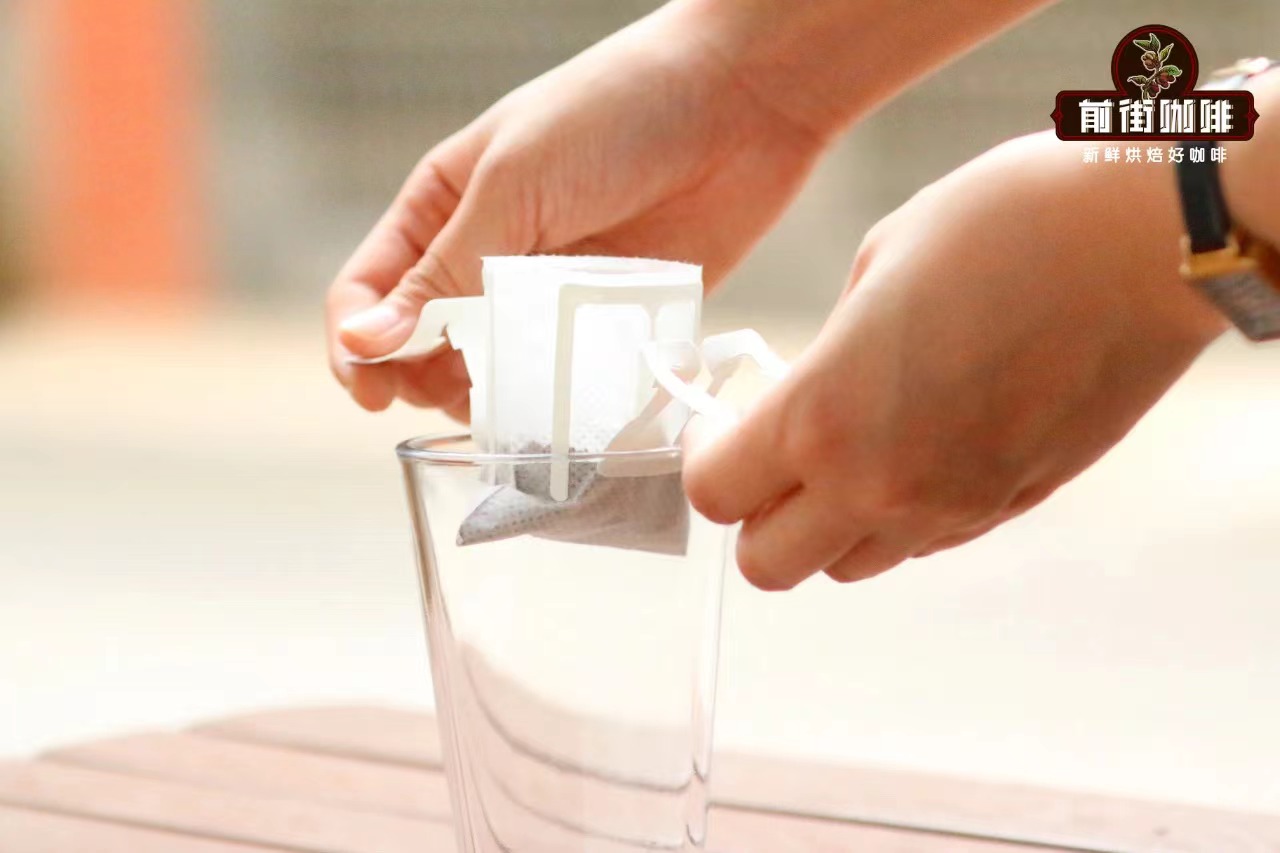
Customers often ask FrontStreet Coffee why the cup needs to be warmed before brewing. Rinsing the cup with hot water before the coffee is poured in sounds trivial, but it genuinely shifts the flavor of the finished cup. The point of preheating is to hold the coffee's temperature. Everyone knows that as a good cup of coffee cools, its flavor changes with it. Pour a drip bag into a room-temperature cup and the temperature drops sharply the moment the coffee touches the cup, costing you the flavors the coffee expresses while hot.
Advanced Brewing Techniques
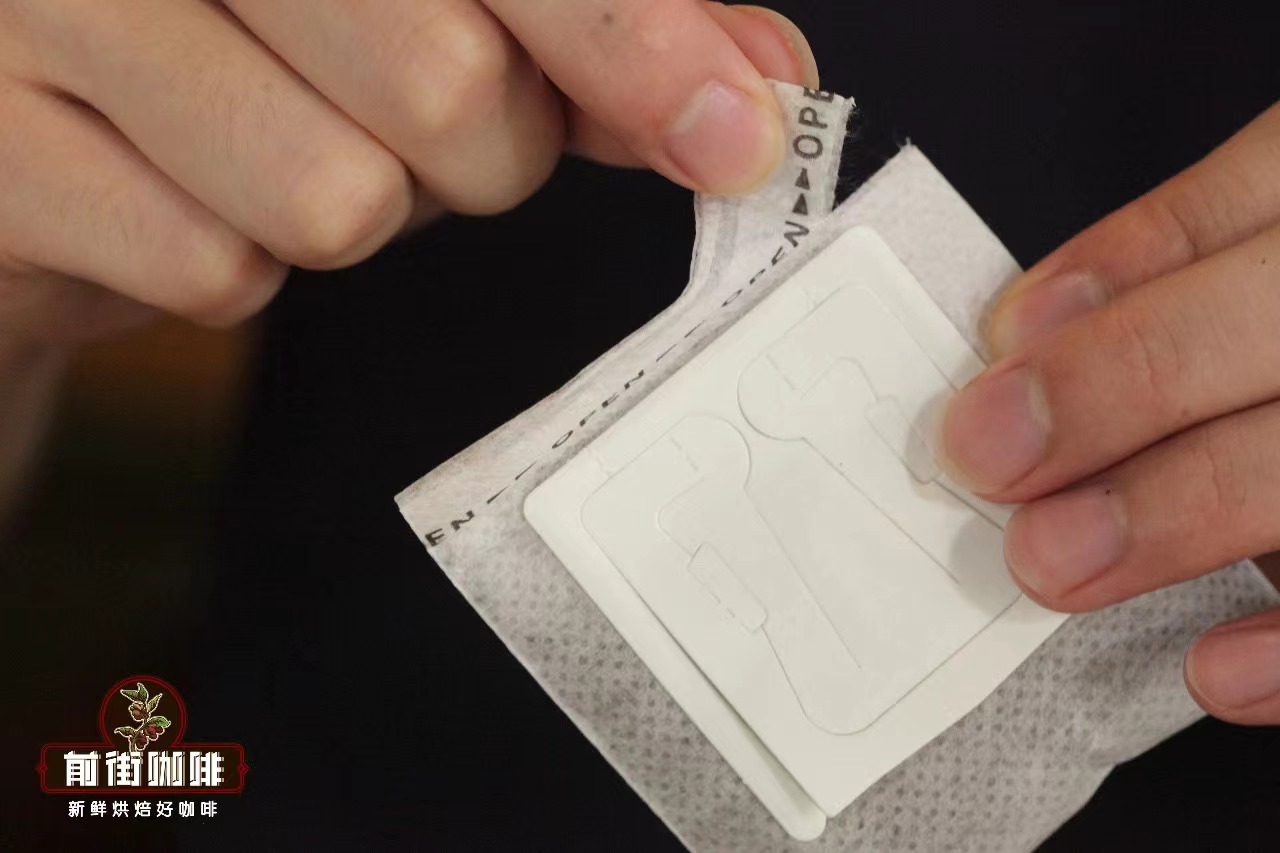
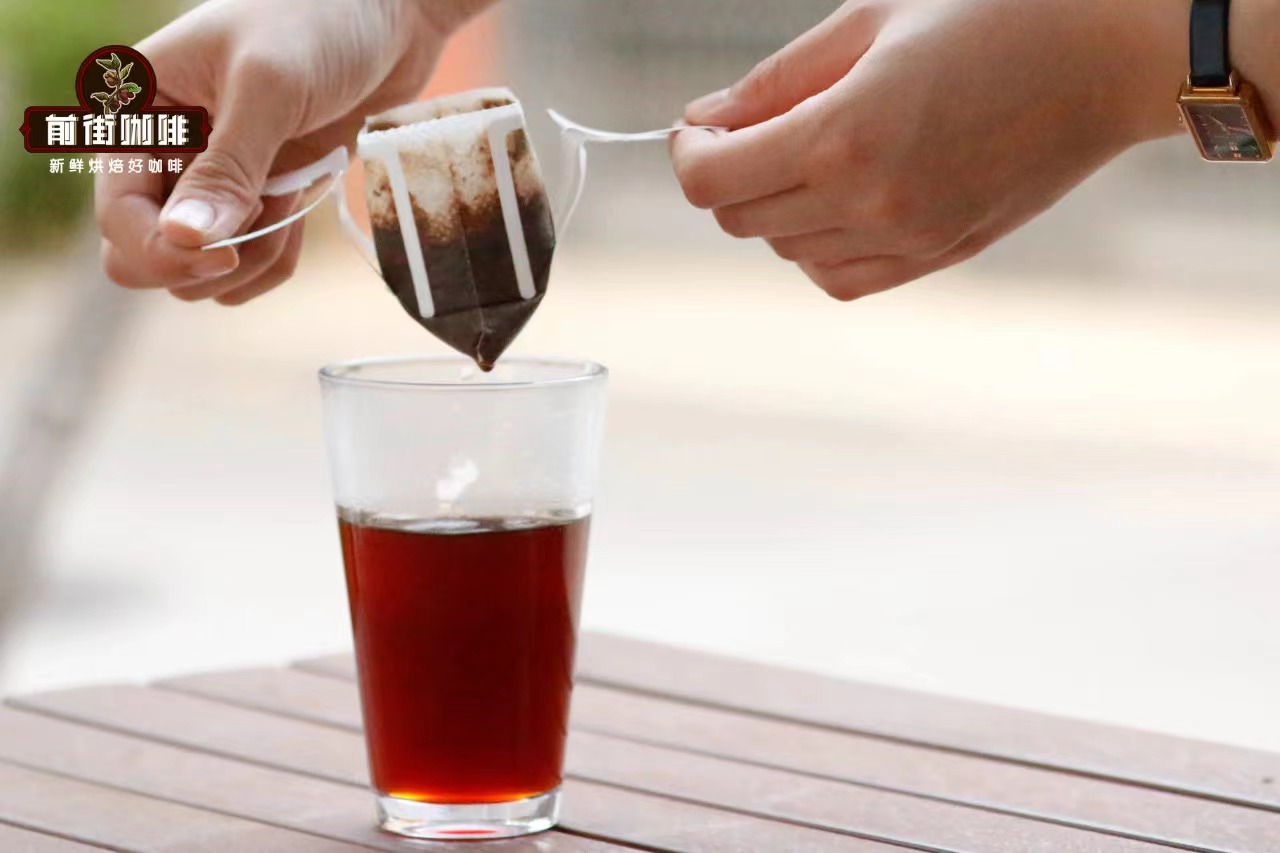
Before we tear open the outer packaging and the top of the drip bag, we should settle the temperature of the brewing water. It depends on the coffee. You can follow the instructions on the bag, or use FrontStreet Coffee's consistent approach: hold dark-roast beans at 86–89°C, and keep light roasts between 90–93°C. Once everything is ready, the correct technique begins with blooming. Use twice as much water as coffee grounds — a drip bag usually holds about 10 grams, so the bloom should be about 20 grams. Pour from the center outward, making sure every ground is wet.
Why bloom? Because the main purpose is to release carbon dioxide from the grounds as quickly as possible. Just as importantly, once all the grounds have met the water, the later extraction pulls flavor compounds out more easily. After that, keep pouring in a circular motion from the center outward until you reach your target amount of water. If you don't have a scale, you can mark the cup's capacity instead.
Additional Brewing Tips
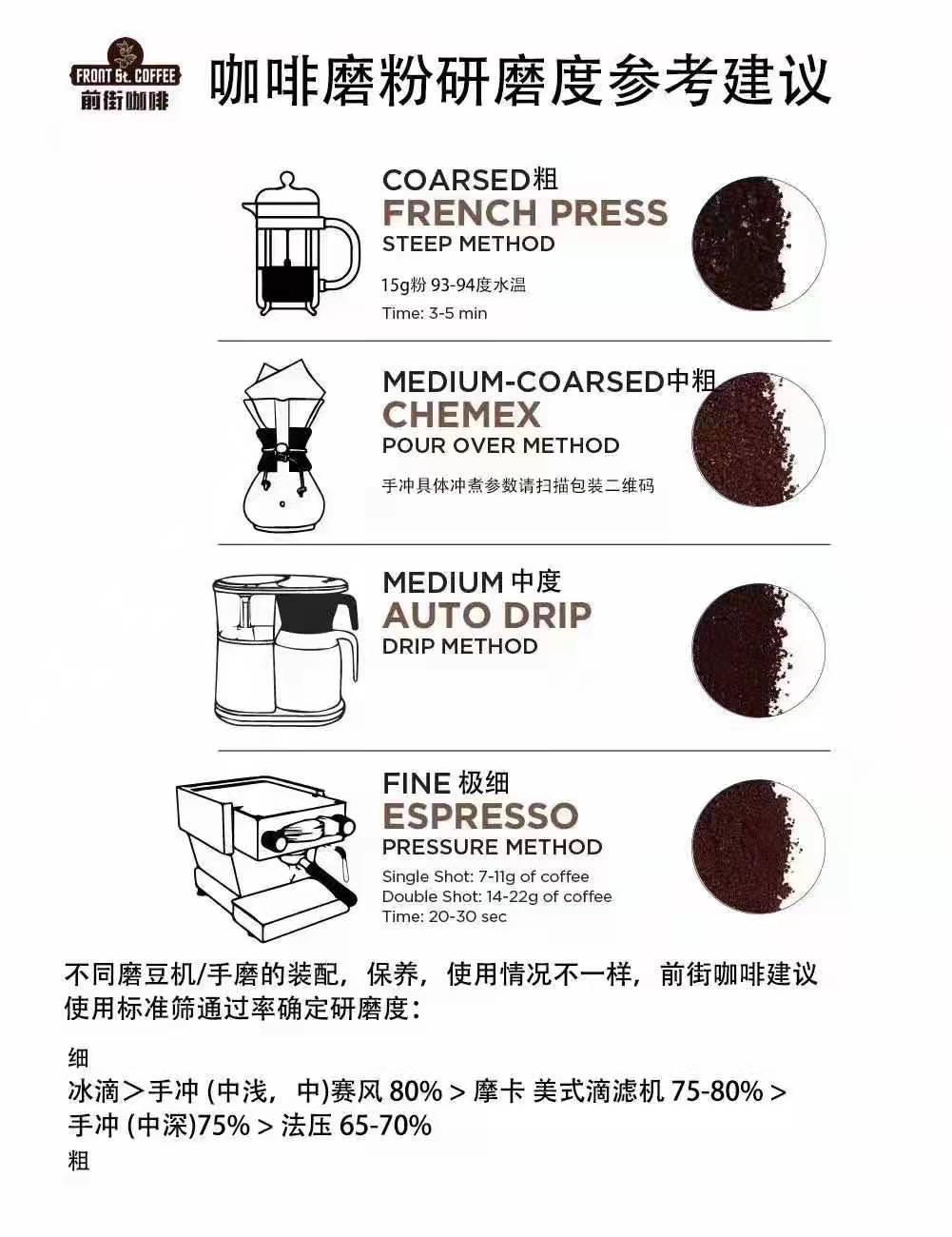
Beyond that, FrontStreet Coffee has a few more tips for drip bag coffee. Everyone knows three factors govern pour-over: grind size, water temperature, and coffee-to-water ratio. FrontStreet Coffee has already covered water temperature, so let's turn to the ratio and the grind. A drip bag's grounds are already ground, and the grind size is set by the merchant. At FrontStreet Coffee, the grind for drip bag coffee matches the grind for pour-over, since both are drip-style brews. If you're brewing at home, though, remember to adjust the grind to suit your equipment — each brewing device calls for a different grind size. FrontStreet Coffee has put together the chart below for reference.
The coffee-to-water ratio is a topic that keeps coming up. If the water-to-coffee ratio is too large, the coffee tastes weak — what FrontStreet Coffee usually calls "watery." If the ratio is too small, the brew grows more concentrated and the overall taste turns heavier.

Differences Between Drip Bag and Pour-Over Coffee
If the steps and methods are the same, what actually separates drip bag coffee from pour-over coffee? In FrontStreet Coffee's view, the biggest difference is the form the brewing takes. Pour-over requires equipment — a dripper, a pour-over kettle, a grinder. A drip bag, by contrast, asks only that you carry a small packet to enjoy good coffee. Another difference is that drip bag coffee is pre-ground, while pour-over coffee generally is not ground in advance — better to grind it within two minutes before brewing.
Can Drip Bag Coffee Be Brewed Multiple Times?
Some neighbors ask FrontStreet Coffee whether a drip bag can be brewed repeatedly. It's best not to. Everyone drinks coffee for its flavor, and once a drip bag has been brewed, the essence is already gone — what's left is mainly bitterness. A second brew won't harm your health, but it will taste watery and more astringent, so FrontStreet Coffee strongly advises against reusing the bag. If you really don't want to waste it, you can reuse the grounds to absorb odors, fertilize plants, and so on. Coffee grounds have endless possibilities, and everyone can explore them.

Is Drip Bag Coffee Black Coffee?
Drip bag coffee may seem widespread to FrontStreet Coffee, but that's a view from inside the coffee world. The Chinese market is enormous, and coffee has really only just begun here, so plenty of people haven't encountered drip bag coffee yet — which is why the question of whether it counts as black coffee comes up. In fact, drip bag coffee is simply ground coffee sealed in a non-woven bag, so yes, drip bag coffee is black coffee.
FrontStreet Coffee Recommendation
Since brewing a drip bag is really just pour-over in miniature, the natural next step is a dripper of your own. Hario, the company behind the V60, was founded in Tokyo in 1921 as a maker of heat-resistant glassware for scientific institutions; in 2004 it redesigned the V60's prototype into the shape we know today, named for its distinctive 60° cone and "V" form, and launched it a year later. That cone and the single large hole mean the water must travel to the center before dripping through, extending contact between water and grounds, while the flow rate depends almost entirely on the brewer's control — which is why the V60 rewards light-roast, floral-and-fruity coffees so well.
These are exactly the beans FrontStreet recommends for the cup. The FrontStreet Ethiopia Yirgacheffe Gudingding, often a beginner's first specialty coffee, brings bright citrus, berry, and floral notes with a green-tea-like sweetness, and its acidity is soft and fruit-like rather than sharp. The FrontStreet Ethiopia Huakui is prized for its intense tropical-fruit aroma — strawberry, passionfruit, jackfruit, even lychee — with pronounced sweetness and very little bitterness. For something in the Gesha direction, FrontStreet Strawberry Candy shows delicate florals and sweet fruit, and FrontStreet Mozart carries a raisin character. All of them suit a V60, and all of them make a fine drip bag too.
Important Notice :
FrontStreet Coffee is a long-established specialty coffee roaster in Guangzhou China, selling freshly roasted beans from its own farm in Yunnan as well as dozens of carefully selected single-origin beans from around the world for both pour-over and espresso. The products deliver consistently excellent quality and great value, with shipping within 24 hours. Guangzhou's FrontStreet Coffee shop is recommended by many coffee lovers, and the beans are now available online at the Tmall 。
FrontStreet Coffee has moved to a new address:
FrontStreet Coffee Address: 315,Donghua East Road,GuangZhou
Tel:020 38364473
 Scan and follow the En Gafei WeChat official account. Please indicate that the reprint comes from "En Gafei".

