How to Choose Coffee Beans for Moka Pot? Moka Pot Usage Guide and Ideal Coffee Grind Size
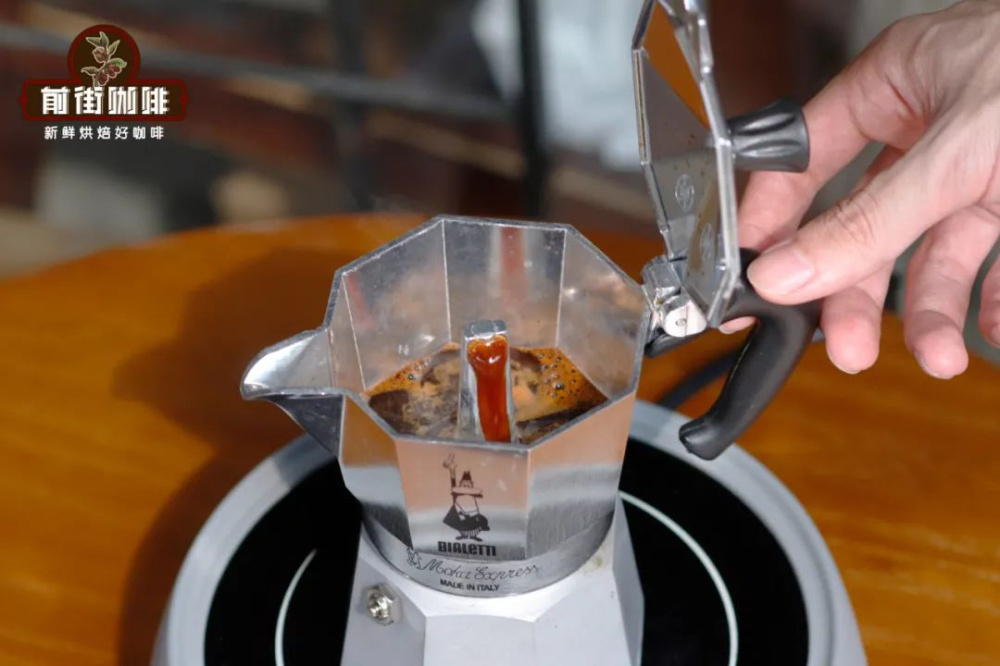
The Moka pot may not be especially common in China, but it is a standard fixture in Italian kitchens, where it lets home cooks brew a rich, full-flavored black coffee with almost no fuss. As interest in coffee has grown, more readers have asked FrontStreet Coffee for advice on using one. This article walks through the practical details.
What are the characteristics of coffee extracted by a Moka pot?
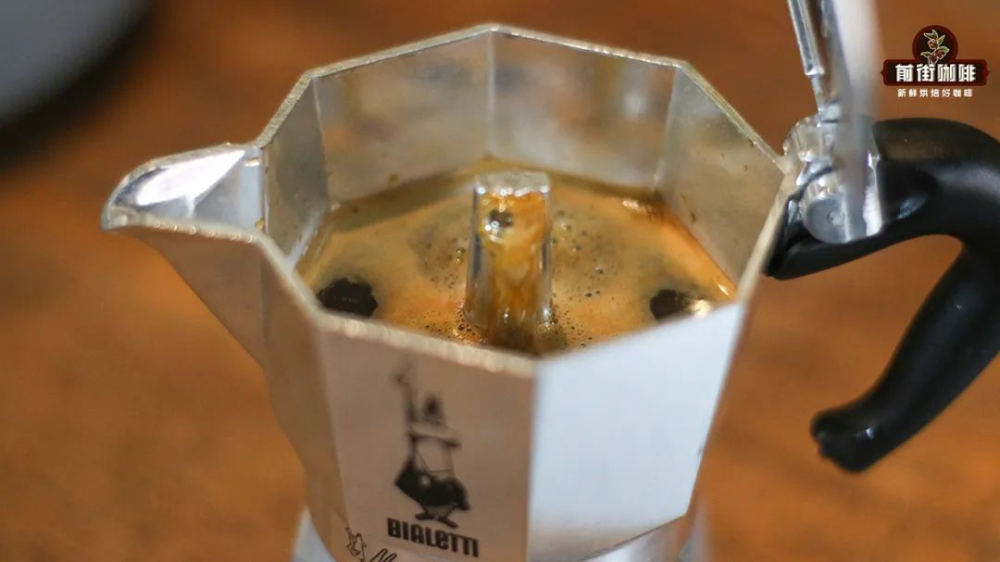
A typical Moka pot has three main parts: the lower chamber that holds the water, the basket that holds the coffee grounds, and the upper chamber that collects the brewed coffee.
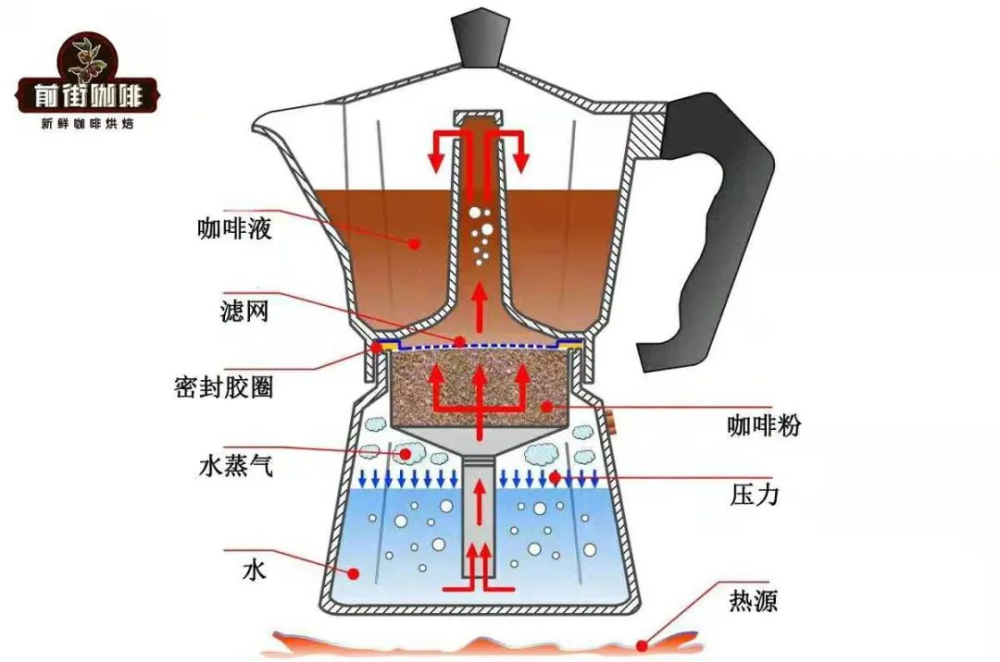
When the pot is heated, the water in the lower chamber warms first and turns to steam, building pressure that pushes it upward. As the hot water rises through the coffee grounds, the steadily increasing pressure carries the extracted coffee into the upper chamber, where it collects as the rich liquid we are after.
The Moka pot's high-temperature, pressurized extraction is similar in spirit to espresso. Because the added pressure concentrates flavor compounds more effectively, coffee from a Moka pot tastes rich and mellow. A dual-valve Moka pot adds a second pressure-accumulating valve on top of the standard design; the extra pressure boosts concentration and produces more crema.

Unlike espresso, though, a Moka pot's pressure and precision fall far short of a real espresso machine. In a cafe you can watch a freshly pulled espresso sitting under a layer of golden, thick crema, whereas a Moka pot extracts at lower pressure and produces a thinner liquid. It cannot truly be called espresso; FrontStreet Coffee thinks "strong coffee" is the more accurate term.
How to choose coffee beans?
Roast level governs how much acidity or bitterness a coffee develops. Dark roasting is meant to spotlight chocolate and caramel notes, while light roasting preserves more florals and fruit acidity. That is why pouring over different single origins lets you taste such varied flavors. Moka pot coffee, however, is not the same as pour-over. Its pressurized extraction concentrates flavors and builds a stronger cup, so light-roasted beans can easily turn sharp and acidic in a Moka pot, while dark-roasted beans tend to come out thick and bitter. Choosing the right beans therefore matters a great deal.
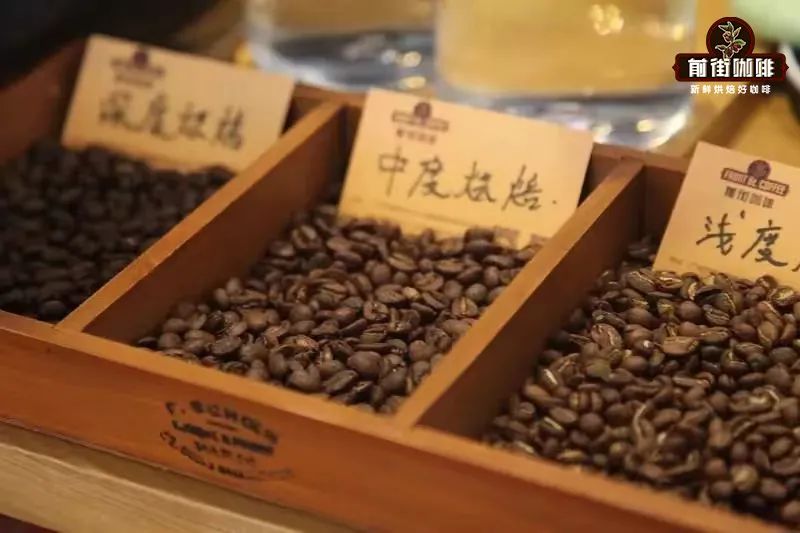
1. Italian Blend Coffee Beans with Balanced Flavors
Because the Moka pot works much like an espresso machine, the bean choice is similar too. Professional roasters select beans from different origins with different flavor profiles and blend them (or roast them separately and combine by proportion), usually to a medium or medium-dark level. FrontStreet Coffee's view of blends is that they should deliver stable, balanced flavor, letting the whole become greater than the sum of its parts and giving a more even taste in the Moka pot.
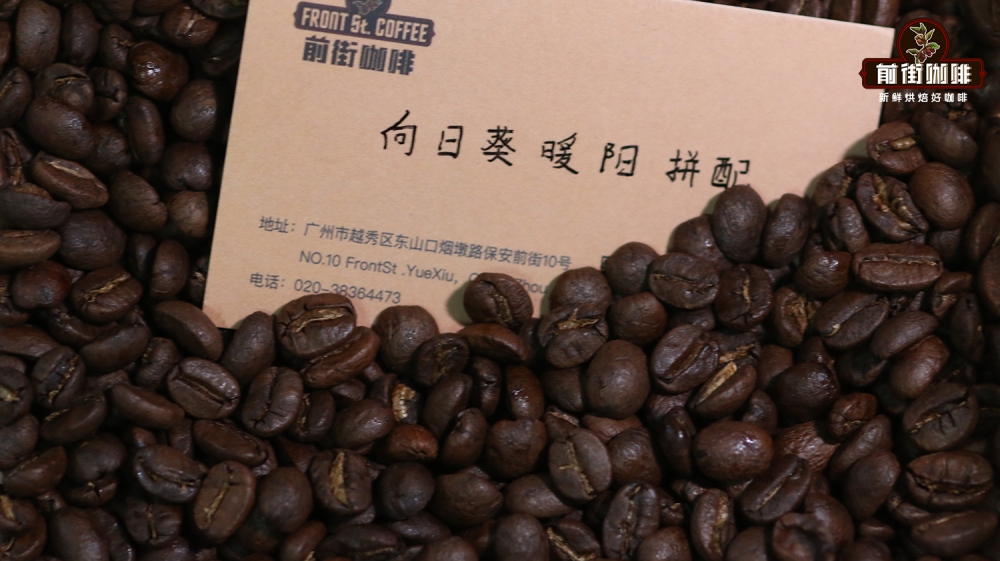
FrontStreet Coffee's bean menu lists four Italian-style blends, all suited to Moka pot extraction. The store favorite is the Sunflower Warm Sun Blend, a 3:7 combination of sun-dried Yirgacheffe Red Cherry and Honduras Sherry coffee. Brewed in a Moka pot it shows whiskey and vanilla notes alongside the sweet-and-sour character of tropical fruit, and even without milk or sugar it avoids a harsh, aggressive edge, instead unfolding in rich layers.
2. Medium-Light Roast Single-Origin Coffee Beans with Obvious Flavor Performance
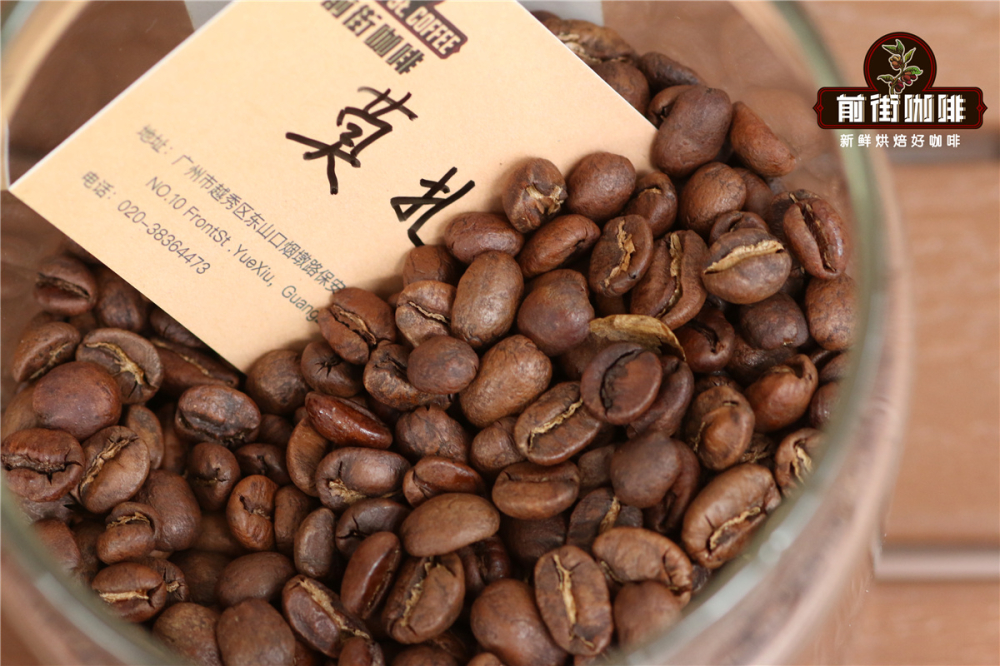
As specialty coffee has taken off, more single origins with refined flavors have appeared on the market. Single origins are increasingly used for espresso, and the Moka pot is no exception. FrontStreet Coffee suggests choosing single-origin coffees processed in ways that make their flavors stand out, such as the Mozart beans from the Costa Rica Musician Series. This Mozart uses raisin honey processing, keeping 100% of the mucilage with a zero-water method to emphasize the sweet-and-sour richness of tropical fruit. In a Moka pot it presents the acidity of raisins and berries with a very prominent sweetness.
3. Medium-Dark Roast Single-Origin Coffee Beans with Nutty Flavors
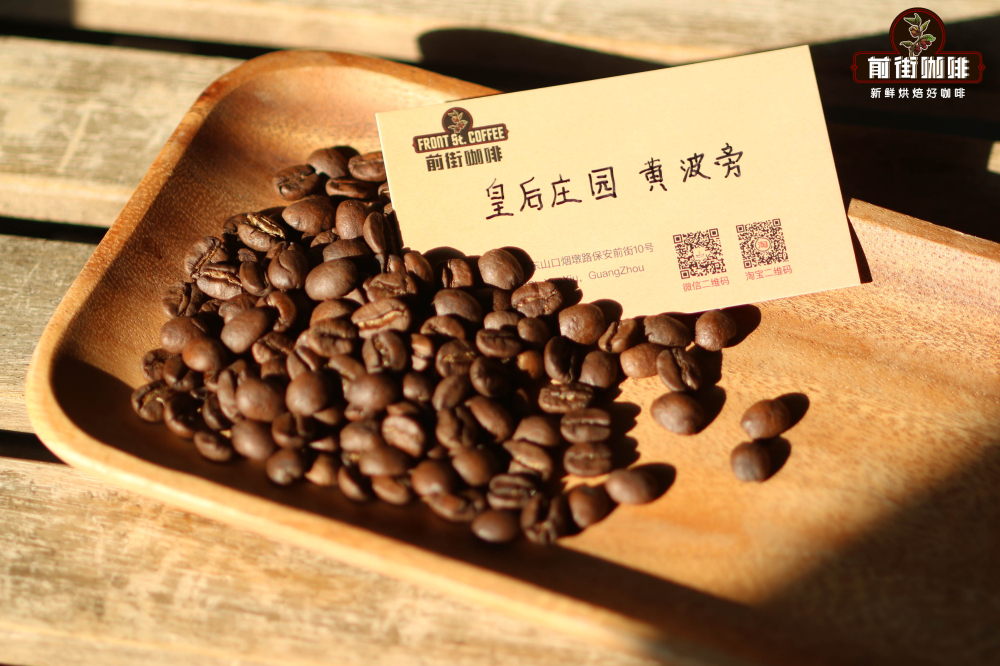
For anyone who loves roasted aromas, FrontStreet Coffee recommends medium-dark single origins such as the Brazil Queen Estate on the bean menu. Its variety is Yellow Bourbon, which carries a richer mucilage layer than ordinary Red Bourbon. Enhanced by natural processing, sweeter fructose-like compounds work into the raw beans and give a clear sweetness. Brewed in a Moka pot it shows aromas of dark chocolate, cream, and peanut, and with milk it turns into a silky chocolate-milk texture.
Tips for Using a Moka Pot
Because the Moka pot extracts at lower pressure, you need a finer grind to get a rich black coffee, increasing the contact between water and coffee particles. FrontStreet Coffee recommends keeping the particle size between 0.3 mm and 0.55 mm, close to an espresso grind but slightly coarser. Using the EK43s grinder found in FrontStreet Coffee's stores as a reference, the setting would be about 0.5.
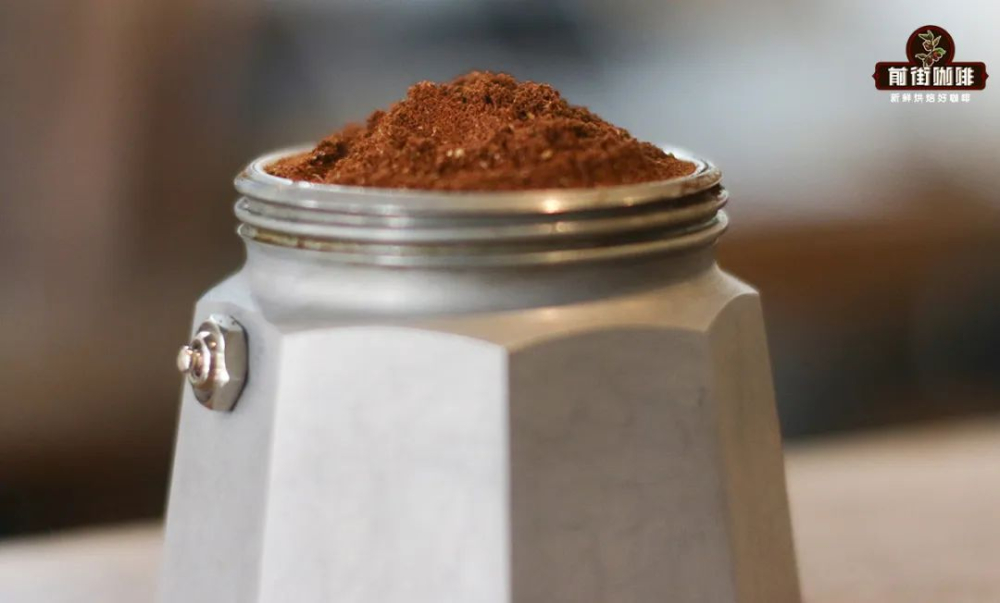
Most people fill the lower chamber with cold water, but the drawback is that a little water can seep into the coffee basket before the temperature is high enough, leading to uneven extraction. Adding warm water instead brings more stability to the brew.
After you turn off the heat, if too little liquid has come through you can let the residual heat finish the job a little longer. Once the extraction reaches about eight-tenths full, set the pot on a cold towel to cool it down, which prevents the residual heat from over-extracting the coffee. If the pot whistles during heating but no coffee comes out, turn off the heat first to avoid the danger of excessive internal pressure.
Clean the Moka pot promptly after each use so coffee residue does not build up into stains, which can taint flavor and turn the cup bitter. Old deposits left on the filter plate, gasket, or extraction channels can also cause blockages that affect extraction.
Freshly roasted beans are essential for good brewing. Coffee beans need a 4-7 day degassing period after roasting before they settle into their optimal tasting window with stable flavors. Over time the aroma gradually fades, and beans roasted more than two months ago may have lost so much aroma that the original flavors are hard to recover. That is why FrontStreet Coffee ships only beans roasted within 5 days.
FrontStreet Coffee Recommendation
For anyone just starting out with a Moka pot, FrontStreet Coffee's Classic Blend is the bean the store designs specifically for espresso and Moka pot use. Its standout strength is crema: even a beginner working with an ordinary home machine can pull a dense, delicate layer with ease, and the rich body it brings to a latte, cappuccino, or Dirty is exactly what you want. Built on the traditional Mamba recipe, it is mellow and rounded enough for both seasoned drinkers and newcomers, and it performs equally well at home or in a cafe. If you prefer to control cost without giving up body, the 100% Arabica Dark Cocoa Blend offers ample crema and a thick mouthfeel at a friendlier price. Either way, pair it with the slightly coarser-than-espresso grind and warm-water technique above for a consistently rich Moka pot cup.
Important Notice :
FrontStreet Coffee is a long-established specialty coffee roaster in Guangzhou China, selling freshly roasted beans from its own farm in Yunnan as well as dozens of carefully selected single-origin beans from around the world for both pour-over and espresso. The products deliver consistently excellent quality and great value, with shipping within 24 hours. Guangzhou's FrontStreet Coffee shop is recommended by many coffee lovers, and the beans are now available online at the Tmall 。
FrontStreet Coffee has moved to a new address:
FrontStreet Coffee Address: 315,Donghua East Road,GuangZhou
Tel:020 38364473
 Scan and follow the En Gafei WeChat official account. Please indicate that the reprint comes from "En Gafei".