What Makes Single-Origin Coffee Beans Delicious? What Are the Best Single-Origin Coffee Recommendations?
What is Single-Origin Coffee?
Nowadays it is said that those who truly know how to appreciate coffee must drink single-origin coffee. On one hand, this shows respect and support for coffee farmers in the producing regions, and on the other hand, it allows one to experience the unique terroir characteristics from thousands of miles away through a single cup. Indeed, single-origin coffee possesses this magical quality. Single-origin coffee is made from coffee beans produced in a single growing region and is typically consumed without sugar or milk, presenting pure coffee with strong flavor characteristics - either fresh and gentle, or mellow and smooth. In short, each has its own merits, with no two being exactly alike.
Single-origin coffee refers to coffee made from coffee beans of the same variety harvested from a single growing region of origin.
Single-origin coffee is related to its place of origin. Generally, coffee beans from the same region are divided into many grades, with the biggest distinction being between specialty and non-specialty coffee. Non-specialty coffee is further classified within commercial grades, where grade and price are linked.
Single-origin coffee beans generally need to be traced back to their origin. Different regional terroirs will create coffee beans with obvious regional characteristics, and what is traced back is not just the growing area that produces the coffee beans, but also the coffee plantation owner, coffee processing factory and trader's warehouse - all of which are particularly important for the quality of coffee beans.
There are many processing methods: washed, natural, honey, etc. Nowadays there are also some processing methods using probiotic fermentation. The same bean with different processing methods will have different flavors.
Roast level: generally divided into light, medium and dark, though they can be further subdivided. Basically, light roasts tend to be more acidic, while dark roasts have a heavier taste and higher body.
Varieties and Main Origins
01 Varieties
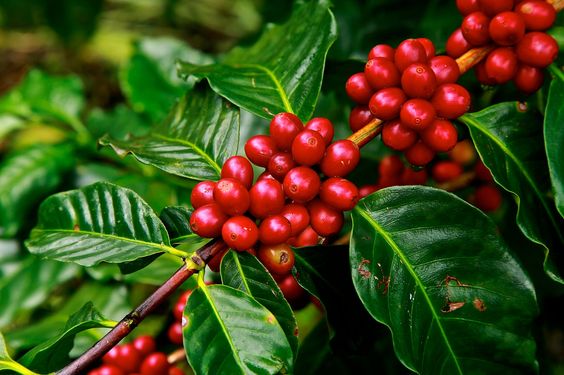
Coffee trees, as a plant, have many varieties - about 70 species. The ones we mainly drink are basically Arabica and Robusta. (Liberica species have too low yield and are basically no longer discussed.)
Arabica species have many specialty varieties and are the bean species used for single-origin coffee, such as Typica, Bourbon, Blue Mountain and Kilimanjaro - these are all sub-varieties of the Arabica species.
Robusta species (commonly known as "Robusta beans") are actually sub-variety beans of the Canephora species, gradually becoming synonymous with the Canephora species. Robusta beans have a heavier bitter taste; they are generally used for instant coffee and have higher caffeine content.
02 Main Growing Regions
Coffee growing regions are mainly distributed between 25° south latitude and 25° north latitude centered around the equator. This region is also known as the "Coffee Golden Belt." (Is not the slogan familiar?) Because there are too many types of single-origin coffee, I will choose a few that you often see in coffee shops and write about their basic flavor characteristics for your convenience in selection. (As mentioned before, factors like processing methods, roast level and barista skill will all affect the final flavor, so the introduction here is just the most basic, without too much difference.)
1. Mandheling
Main origin: Sumatra Islands, Indonesia. The taste is rich and smooth, with a bitterness similar to dark chocolate, but also with a sweet aftertaste and slight acidity.
2. Yirgacheffe
From Ethiopia (formerly Abyssinia). The fruit flavor is obvious, with acidity similar to wine. If you cannot drink very bitter coffee, you can start with this bean. (Also my favorite to drink.)
3. Brazil
Brazilian beans have a mellow taste, low acidity, a heavy nutty flavor, good chocolate sweetness and body, but with a slight woody and earthy taste, and no obvious floral or citrus aroma. South American beans are generally all Colombian.
4. Colombia
Colombian beans generally have a more balanced taste, full body, caramel sweetness, and also some fruit acidity.
5. Guatemala
Coffee from here often has a slightly charred taste, with clearer acidity. High-altitude plantations have exceptionally flavored good coffee.
6. Kenya
Kenyan coffee has a rich berry aroma, as well as the sour and sweet aroma of plum juice and grapefruit, and the clear sweet aroma of sugarcane. The overall acidity is moderate, with rich fragrance.
7. Yunnan, China
Yunnan region coffee beans are grown at altitudes of 1000-2000 meters, with fertile soil, sufficient sunlight, abundant rainfall and large temperature differences between day and night. These excellent attributes create Yunnan small-seed coffee. This coffee is strong but not bitter, with aroma. When processed using the honey method, it can have chocolate and toffee sweetness, with a bit of acidity. In recent years, Yunnan beans have gradually been understood and loved by everyone.
Of course, there are many more varieties, including many good beans, such as some red-label, blue-label Geisha, auction-level beans, etc., though getting started is quite luxurious. Professional stores will have them. There are also many blended beans that can create rich flavors (though those cannot be considered single-origin). There are many other small coffee knowledge points to discuss slowly later.
FrontStreet Coffee Recommendation
If you want to begin exploring single-origin coffee, a few FrontStreet washed coffees make excellent benchmarks. FrontStreet Yirgacheffe Gedingding Cooperative comes from a well-regarded processing team in Gedingding village in Ethiopia; the washed process lets it show jasmine and bright citrus acidity, and a medium-light roast adds green tea and honey notes, with pour-over, cold brew and espresso all working well. FrontStreet Kenya Cherry Tomato is one of the most famous examples of Kenyan double washing, repeatedly soaked and washed so the juice-like quality comes through as cherry tomato, smoked plum, pear, black plum and yellow sugar, juicy and balanced. FrontStreet Jamaica Blue Mountain No.1 demonstrates what clean washed processing can do in a humid island climate, delivering pure hazelnut, cream, chocolate and caramel in a balanced cup where no single note dominates.
For a gentle, low-acid option, FrontStreet Yunnan Small Bean is a washed, medium-roasted coffee from Baoshan that shows soft nutty and chocolate notes with a light plum-like tartness. Start with whichever origin appeals to you, brew it black, and let the terroir speak for itself.
Important Notice :
FrontStreet Coffee is a long-established specialty coffee roaster in Guangzhou China, selling freshly roasted beans from its own farm in Yunnan as well as dozens of carefully selected single-origin beans from around the world for both pour-over and espresso. The products deliver consistently excellent quality and great value, with shipping within 24 hours. Guangzhou's FrontStreet Coffee shop is recommended by many coffee lovers, and the beans are now available online at the Tmall 。
FrontStreet Coffee has moved to a new address:
FrontStreet Coffee Address: 315,Donghua East Road,GuangZhou
Tel:020 38364473
 Scan and follow the En Gafei WeChat official account. Please indicate that the reprint comes from "En Gafei".