What is Single Origin Coffee? What Types Does Starbucks' Single Origin Series Include?
What are Single Origin Series Coffee Beans?
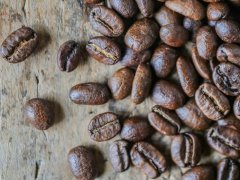
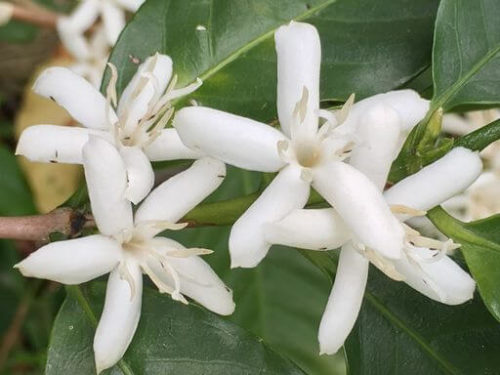
Coffee beans carry a great many characteristics from their origins, drawn from factors such as climate, rainfall, soil and altitude. The flavour profile of a bean varies enormously with variety, country and even the specific growing region. Yet because of various limitations, it can be difficult to trace the true origin of some beans, and it was this difficulty that gave rise to single-variety and single-origin specialty coffees.
Many readers will have noticed that, since the launch of single origin Yunnan coffee beans in late 2017, Starbucks has introduced a "Single Origin Series Coffee Beans" category to its bean lineup.
First, let us look at the name. As the phrase suggests, the series features coffee beans from a single growing region. We often say that geography is flavour, and the vision behind the Single Origin Series is to deepen that idea of how geography shapes what ends up in the cup.
Some might ask why, given that the Reserve series already exists, another Single Origin Series was needed. Reserve is excellent, but its rarity means Reserve beans cannot be available in every store because supply is so limited.
Consider a simple scenario: there may be a Starbucks downstairs from you, while the nearest Reserve store is several miles away. What if you still want to drink something special? This is exactly where the Single Origin Series comes into its own. To illustrate the idea of geography driving flavour, every coffee in the Single Origin Series is carefully selected and of high quality.
So far Starbucks has launched beans from regions such as Rwanda, Guatemala, East Timor and Papua New Guinea, all of them among the world's major coffee-producing areas.
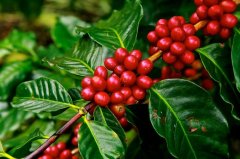
Coffee's growing requirements are mostly met within the tropics: a relatively cool climate with frost-free winters, moderate rainfall, well-drained soil with volcanic ash being the most suitable, and altitudes between 200 and 2,000 metres. Within that altitude range, higher ground generally produces better coffee, with premium coffees mostly coming from highlands and mountains. Some Central American growing regions even use altitude to grade coffee quality.
It is fair to say that beans from a particular origin represent the best quality of that region and convey the unique flavours that region imparts to the coffee.
Finally, though, FrontStreet Coffee would like to remind everyone that single origin only describes where the beans come from; it does not by itself rate or grade their quality. Single origin coffee has its own distinctive significance and flavours with a clear geographical character, but that does not necessarily mean it is high quality or guaranteed to be delicious. The best-tasting coffee is not always single origin, and single origin coffee may not always suit your preferences.
FrontStreet Coffee Recommendation
Yunnan is the origin that made single origin coffee a household idea in China, and FrontStreet Coffee has been working there for years. The FrontStreet Yunnan Small Bean comes from the Baoshan region, where coffee growing began in the mid-1950s, and it uses washed processing and a medium roast, so it shows a soft nutty and chocolate sweetness with a light plum acidity. It is a gentle, affordable first taste of what China's own Arabica can do.
If you want a clearer picture of Yunnan's terroir, the FrontStreet 2013 Sun-Dried Typica is the natural next step. FrontStreet planted its own estate in Yunnan in 2013 with Typica trees, partly because Typica is one of the oldest and purest Arabica varieties and partly because the very first coffee trees planted in Yunnan were Typica, brought in from Vietnam in 1904 by the French missionary Father Tian Deneng, who planted the first tree at Zhugula village in Binchuan county. The 2013 Typica uses only fully ripe red cherries and natural processing followed by a medium roast, giving a balanced, more pronounced sweet-and-sour character with dark berry tones, caramel sweetness, chocolate and a hint of dried apricot, finishing with a black tea aftertaste.
For an espresso take on Yunnan, the FrontStreet Black Cocoa blend pairs Yunnan small beans with Brazil Cerrado: the Brazilian side supplies mixed nut aromas and a balanced body, while the Yunnan side contributes chocolate and citrus, producing an americano that is balanced across sweet, sour and bitter with nut and brown sugar sweetness, and a latte with an almond and cream smoothness.
Important Notice :
FrontStreet Coffee is a long-established specialty coffee roaster in Guangzhou China, selling freshly roasted beans from its own farm in Yunnan as well as dozens of carefully selected single-origin beans from around the world for both pour-over and espresso. The products deliver consistently excellent quality and great value, with shipping within 24 hours. Guangzhou's FrontStreet Coffee shop is recommended by many coffee lovers, and the beans are now available online at the Tmall 。
FrontStreet Coffee has moved to a new address:
FrontStreet Coffee Address: 315,Donghua East Road,GuangZhou
Tel:020 38364473
 Scan and follow the En Gafei WeChat official account. Please indicate that the reprint comes from "En Gafei".