Differences Between Espresso and Single-Origin Coffee Beans: Espresso vs. Regular Coffee, Brewing Recommendations
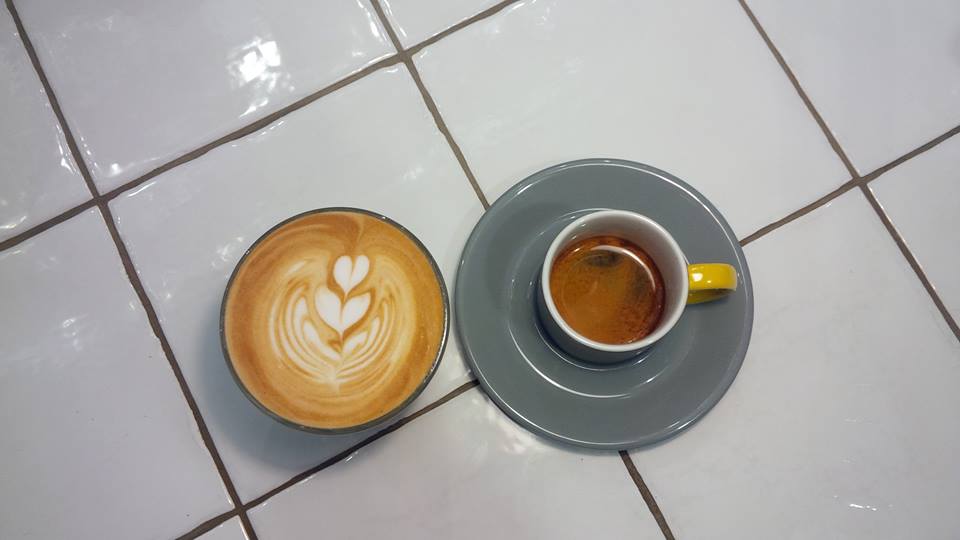
Understanding the Difference Between Espresso Blends and Single-Origin Coffee
Coffee beans can be grouped by origin into two camps: blends and single origins. Blends are typically used only for espresso, so in a narrow sense calling them "espresso beans" is fair. So what exactly separates espresso from single-origin coffee? Can single-origin beans be pulled as espresso? FrontStreet Coffee breaks it down below.
Espresso Blends: Balanced Flavors Through Expert Combination
Espresso blends, sometimes called "comprehensive beans", are created by mixing single-origin coffees to play each component's strengths while covering for individual flaws. Beans from different origins are combined to build a more balanced cup: if one bean lacks body, another with a full mouthfeel is added to compensate, creating a richer new profile through complementarity or reinforcement. Sometimes beans are mixed before roasting ("raw blending"); other times they are blended after roasting ("roasted blending"). Because these blends are typically destined for espresso, they're generally called espresso beans.
Whether raw or roasted blending, building a blend requires a deep understanding of the world's coffee varieties, since beans from different origins carry distinct personalities, subtle differences in acidity, bitterness, sweetness, aroma, and body. To blend well, a roaster must know bean characteristics thoroughly and command high-level roasting technique. Creating a good blend is genuinely difficult.
In general, blends are used for espresso drinks, Espresso, Americano, Latte, Cappuccino. The flavor is more balanced, smoother, and more consistent, which is what makes them broadly appealing.
Single-Origin Coffee Beans: Tracing the Source
Single-origin beans come from a single place and variety. With the third wave of specialty coffee, more and more shops began offering single-origin coffee. As SCAE put it, the rise of single-origin coffee emphasizes traceability, letting enthusiasts understand the specific estate behind a great coffee, with flavors that represent the origin, region, and variety. The third wave's focus on brewing methods and origin flavors made single-origin coffee mainstream. Single-origin beans are generally suited to pour-over, cold drip, and cold brew.
SOE: Single Origin Espresso
The recently fashionable SOE is simply an abbreviation of "Single Origin Espresso." It's not a profound concept, it just replaces the usual blend with a single-origin bean, still extracting an espresso under pressure from an espresso machine.
SOE can produce uniquely characterful espresso. Think of the typical citrus of FrontStreet's Yirgacheffe or the fruit notes of FrontStreet's Kenya beans, and since espresso amplifies flavor, specific characteristics come through more prominently than in pour-over. But because it comes from a single origin, its weaknesses get amplified too, so SOE is not automatically better than blended espresso.
Espresso vs. Regular Coffee: Key Differences
Before the differences, the similarities. Both "regular coffee" and "espresso" are made from coffee beans. The coffee you drink may come from several beans blended together, or from a single variety, but either way, both are roasted and brewed coffee.
◆ What truly distinguishes them is the brewing method.
What most people call "regular coffee" is actually drip coffee, a broad category including pour-over, French press, drip machines, and more. Whatever the device, the principle is the same: use a medium grind and filter through paper. Water temperature should be around 93°C (200°F); gravity pulls hot water through the grounds, extracting their essence, and the coffee is done. Drip coffee offers a fragrant, lingering flavor and is simple to prepare, hence its popularity worldwide.
Espresso works completely differently. Grind much finer, fill the portafilter basket, and tamp with 30–40 pounds of pressure so the water can't channel through and damage the puck, allowing more even, thorough extraction. Espresso is typically served in small ceramic or glass cups and drunk quickly. Extraction time is much shorter, usually 15–20 seconds, and duration directly affects the taste.
Espresso can be divided into three parts:
- Heart: the darker layer at the bottom of the cup
- Body: the light-brown coffee solution
- Crema: the fine-textured foam on the surface
Espresso should be consumed in full within a short time; otherwise the flavor begins to deteriorate.
◆ Next, total volume and caffeine content.
Besides the brewing method, the most obvious distinction is volume, and caffeine differs too. A typical cup of drip coffee is about 8 ounces, while a standard espresso is 1 ounce. Depending on the brewing method, an 8-ounce cup of drip coffee contains roughly 80–185 mg of caffeine, versus 40–75 mg in a standard espresso. By volume, drip coffee carries more caffeine; by concentration, espresso wins.
◆ Finally, flavor.
Flavor is the biggest difference of all. Espresso tastes balanced with a fuller mouthfeel, while drip coffee tends to spotlight specific flavors with a thinner body, because paper filters or screens strain out some soluble compounds. In the end, both espresso and drip coffee have legions of loyal fans. Same roots, different expressions, the choice comes down to personal preference.
FrontStreet Coffee Recommendation
Espresso beans generally come in two kinds: the blends most cafés reach for first, or a single origin chosen for its own flavor, the latter known as SOE.
Blend recommendations: A blend combines beans from different origins to build a more balanced taste, a smooth-but-flat bean gets paired with an aromatic one, and the goal is simply to make the coffee better.
FrontStreet Classic Blend / FrontStreet Commercial Blend: For traditional-style Americanos and lattes, choose the Classic or Commercial Blend. Both build on a classic Italian formula with a small amount of Robusta, delivering butter, nut, spice, dark chocolate, and toast aromas on extraction, a wild, thick body with explosive golden crema that makes latte art easy.
FrontStreet Specialty Blend / FrontStreet Black Cocoa Blend: For those drawn to espresso with marcona-almond, walnut, and almond aromatics, the Specialty Blend and Black Cocoa Blend are the first picks. Both use a large share of Brazilian beans for comfortable bittersweetness and creamy peanut fragrance, and an extremely smooth entry. The Specialty Blend carries Colombia's nut, chocolate, and caramel notes with well-judged acidity; FrontStreet Coffee's Black Cocoa Blend adds the ripe-plum acidity of Yunnan small-bean coffee and releases a creamy chocolate aroma when ground. Balanced and adaptable, it works for lattes and Americanos as well as signature specialty drinks, an ideal partner for opening a café.
SOE recommendations: Compared with blends, SOE is about spotlighting origin character. The defining trait of a single origin is traceability, back to the estate, even a single farmer, which in turn raises growing standards at origin. The more specific the traceability, the better you can judge quality.
FrontStreet Natural Guji Hambella Huakui SOE: Africa is famous for floral-fruity coffees, and FrontStreet's natural Huakui SOE is no exception, its signature is a creamy strawberry flavor, owed to terroir and natural processing. It comes from Guji Hambella in Ethiopia, grown at up to 2,300 meters, giving cherries ample time to develop complex aromatics, while natural drying lifts sweetness. A medium roast preserves the elegant florals and fruit while adding gentle caramelization, so a Huakui SOE Americano or latte carries cream, cocoa, berries, light florals, and black-tea notes.
FrontStreet Costa Rica Blackberry SOE: Many people prefer high-sweetness SOE over acidic coffee, and this is where baristas recommend the Blackberry SOE, a honey-processed single origin from Costa Rica. In honey processing, ripe cherries go straight from harvest to selection and washing at the estate; the skin is removed and the beans move to drying, shortening dry time and letting the beans absorb the blackberry-like aromatics and clean sweetness of the mucilage. Roasted medium, it makes a refreshing, sweet-tart Americano; with milk, a latte showing cranberry cookie, raisin, and nut flavors.
FrontStreet Brazil Fazenda Rainha SOE: Low acidity, soft texture, and an approachable price make Brazil a first choice for espresso. It contributes chocolate, nut, and cream aromas, and its balanced profile supports extraction stability. For a Brazilian SOE, Fazenda Rainha is the pick for many: a distinctive Yellow Bourbon with a quiet sweetness that, roasted medium-dark and pulled on an espresso machine, shows butter cookie, macadamia, and toasted-bread creaminess.
Important Notice :
FrontStreet Coffee is a long-established specialty coffee roaster in Guangzhou China, selling freshly roasted beans from its own farm in Yunnan as well as dozens of carefully selected single-origin beans from around the world for both pour-over and espresso. The products deliver consistently excellent quality and great value, with shipping within 24 hours. Guangzhou's FrontStreet Coffee shop is recommended by many coffee lovers, and the beans are now available online at the Tmall 。
FrontStreet Coffee has moved to a new address:
FrontStreet Coffee Address: 315,Donghua East Road,GuangZhou
Tel:020 38364473
 Scan and follow the En Gafei WeChat official account. Please indicate that the reprint comes from "En Gafei".