Is Indonesian Golden Mandheling Coffee an Arabica Variety? The Difference Between Mandheling and Arabica Coffee Beans
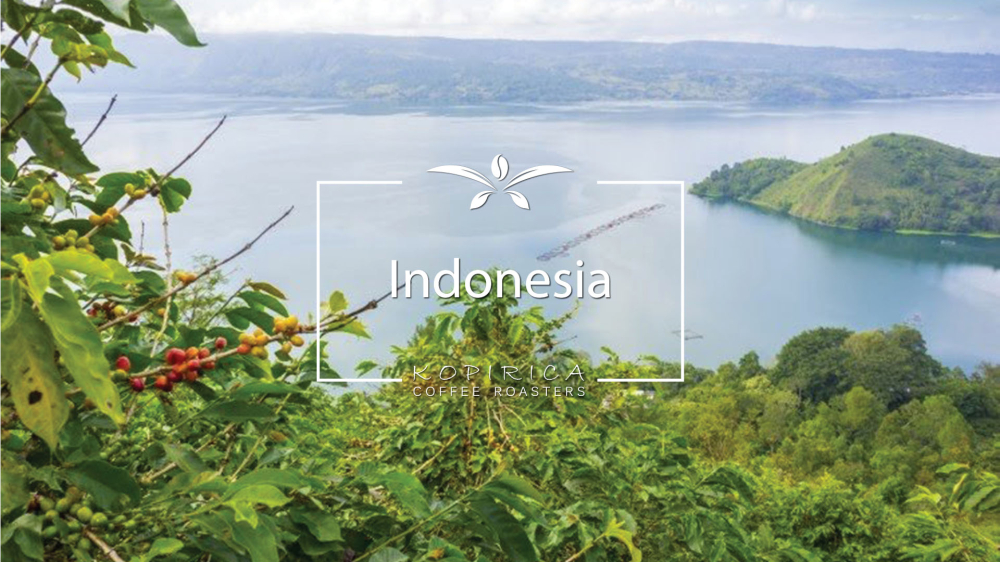
Indonesia ranks as the world's fourth-largest coffee producer, and its coffees are famous for a bold, unmistakable herbal intensity. For most coffee origins, sorting out varieties is straightforward, but Indonesia is a special case. Decades of introduced varieties, followed by generations of wild growth and open hybridization in favorable climates, have blurred the varietal lines so thoroughly that identification is genuinely difficult. Here is how FrontStreet Coffee untangles the story.
First, some context. Three coffee species dominate human cultivation: Arabica, Robusta, and Liberica. Arabica — often called small-bean coffee — offers the finest flavor and the greatest volume, accounting for roughly 70% of the market. Robusta, the medium-bean species, is bitter and caffeine-heavy, serving mostly as raw material for commercial coffee products at over 20% of the market. The remaining 2–5% belongs to the large-beaned Liberica, a West African native now widely grown in the Philippines and Malaysia.
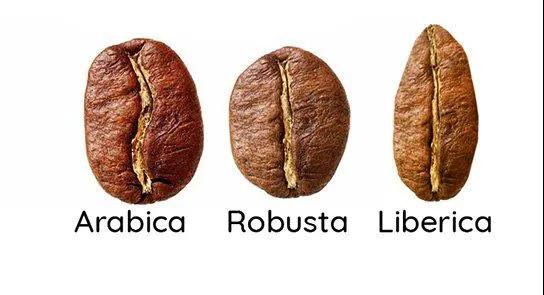
Both Arabica and Robusta are cultivated in Indonesia. So where does Mandheling fit? The name itself is an accident of history. It apparently derives from the Mandailing people who grew the coffee; through a miscommunication and a Japanese pronunciation quirk, the beans were labeled "Mandheling," and the name stuck — especially since the coffee happened to suit Japanese palates perfectly.
The Dutch originally brought Typica — pure Arabica — to Sumatra. Then the leaf rust epidemic that swept Indonesia in 1877 forced the introduction of more disease-resistant stock: Robusta, Timor from Timor Island, Catimor, Kent from India, and S795. Biologically speaking, everything on that list except Robusta still belongs to the Arabica species.
Today, Robusta generally occupies the low-altitude south of Sumatra, while Mandheling coffee grows in the high-altitude north. Locals summarize the famous Mandheling zones as "two lakes": Lake Tawar in Aceh, near the now-celebrated Gayo Mountains, and Lake Toba in the Lintong region.
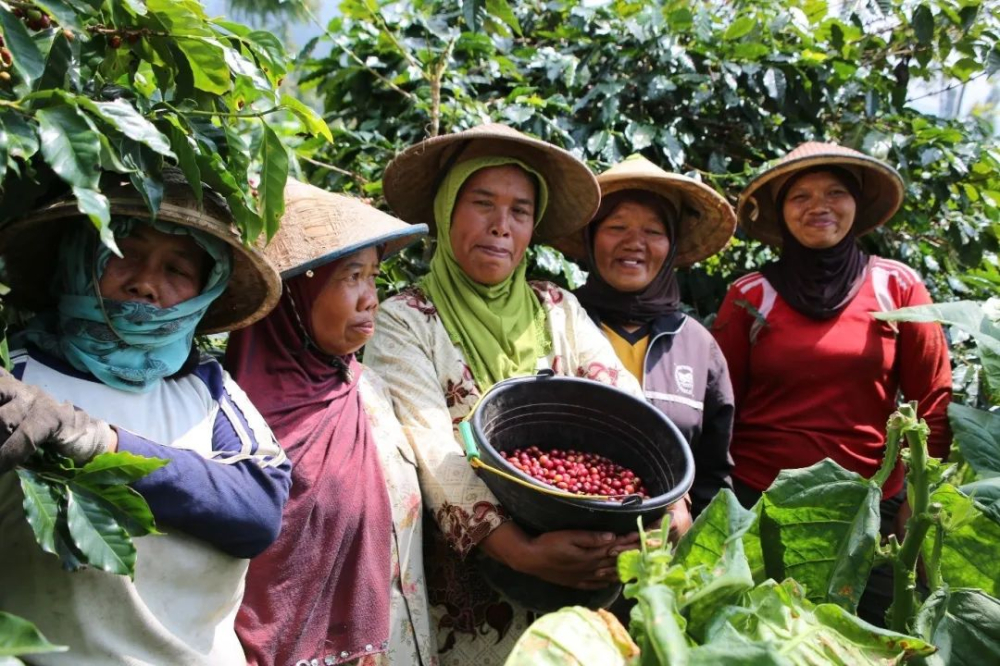
FrontStreet Coffee's Indonesian Mandheling Coffee Beans Characteristics
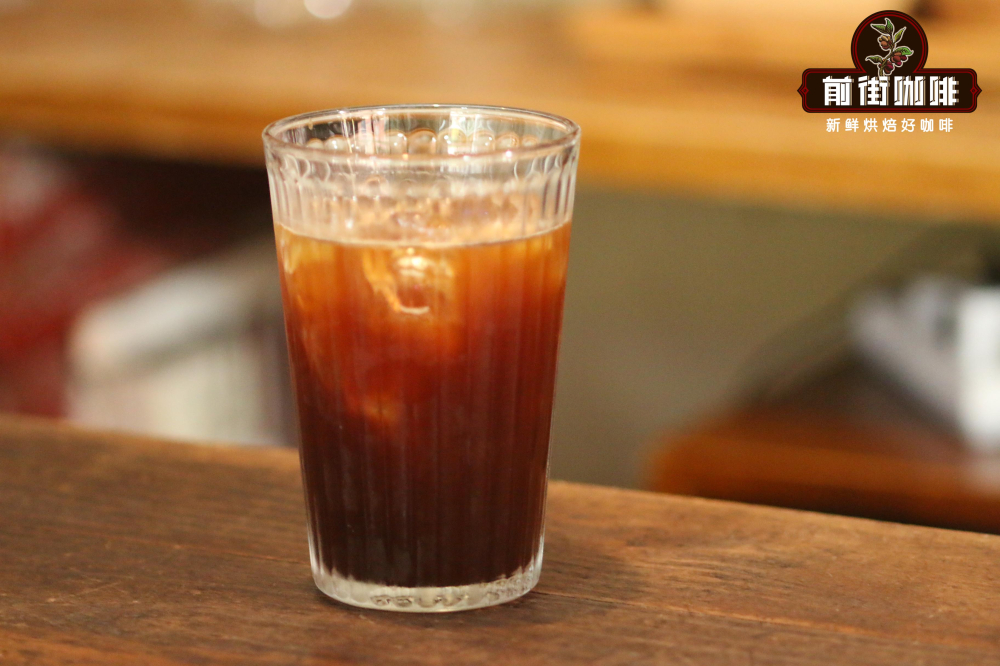
FrontStreet Coffee's Mandheling delivers rich flavor, sweet aromatics, clean bitterness, and heavy body, finishing with a whisper of sweetness. Because these beans carry so little acidity naturally, they never turn sour or astringent as they cool, and they even hold up beautifully over ice.
Roasted, the beans run large, with green beans that lean brownish to deep green and a distinctive caramel-like fragrance. In the cup they are mellow and full. Most drinkers enjoy them straight as a single origin, but Mandheling is also a cornerstone component in espresso blends.
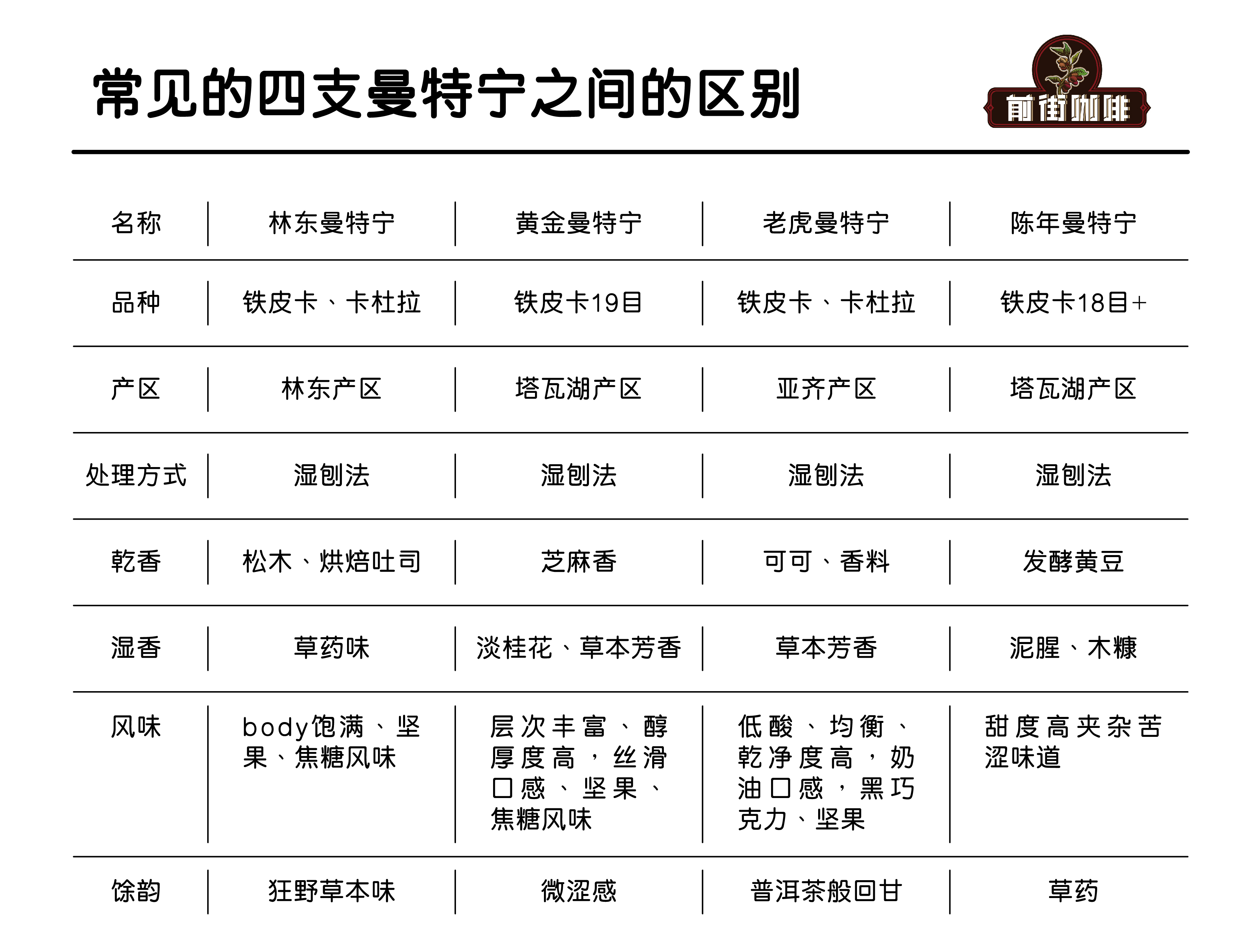
What are the common types of Mandheling?
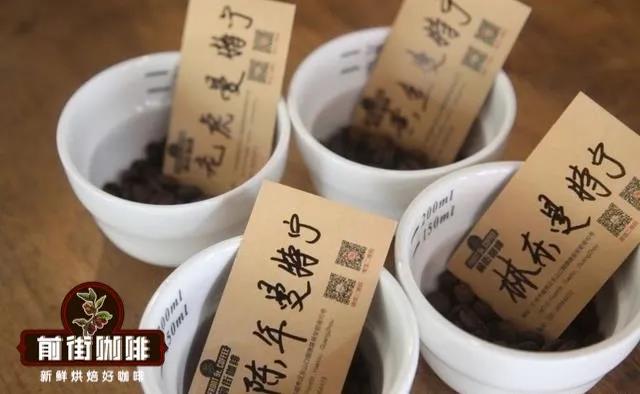
FrontStreet Coffee stocks four classic Indonesian Mandhelings: Lintong Mandheling, PWN Gold Mandheling, Tiger Mandheling, and Aged Mandheling.
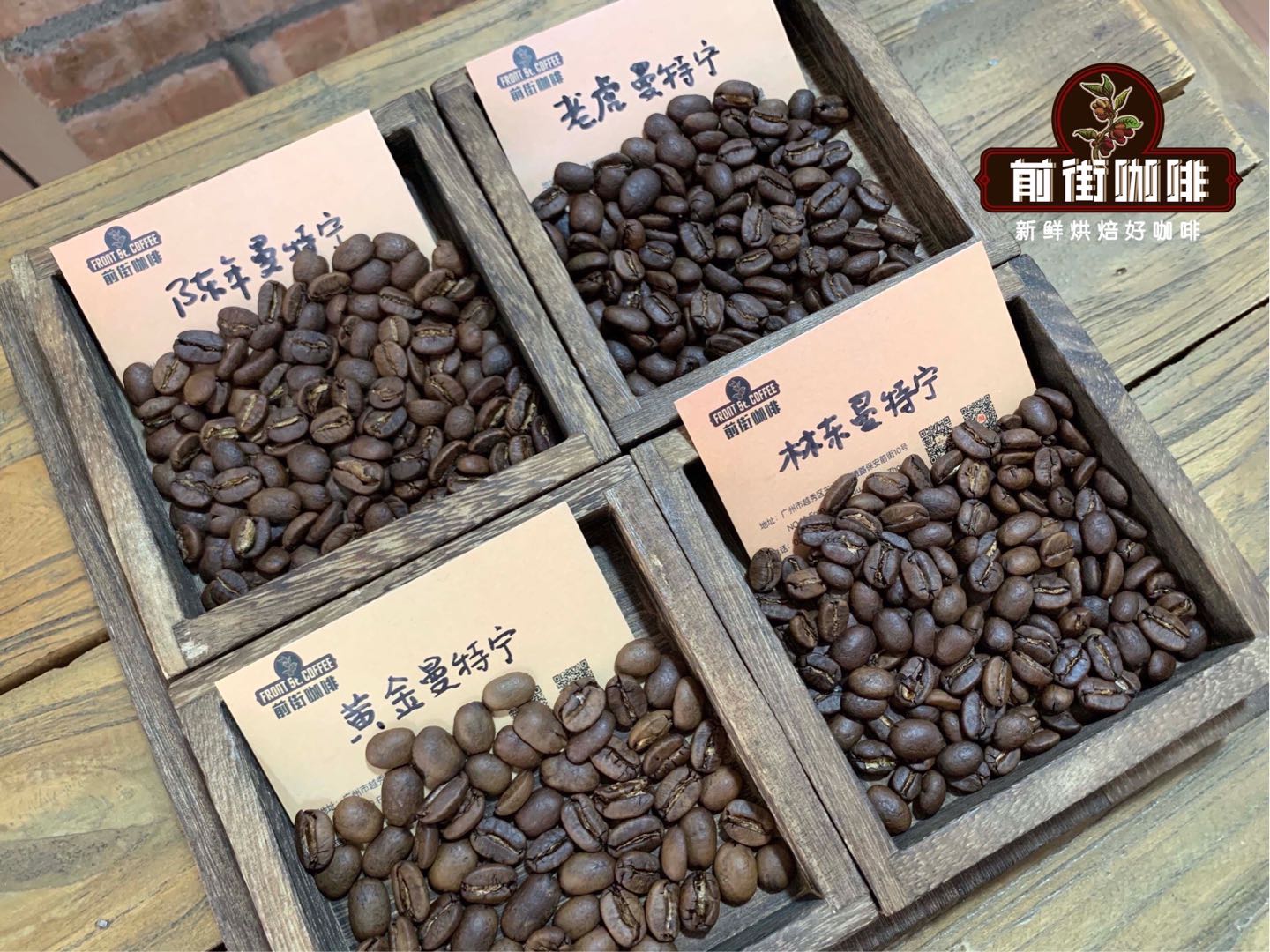
1. FrontStreet Coffee Lintong Mandheling Coffee Beans
These premium beans come from the Lintong region, with relatively large size and hard, dense structure.
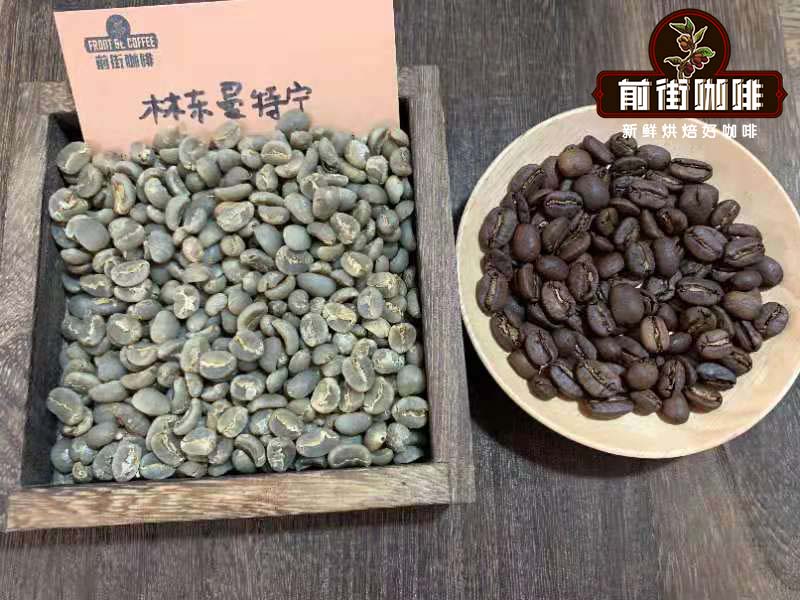
Indonesian coffee quality varies enormously, but what the trade calls Mandheling refers to the Typica and its descendants grown in the mountains around Lake Toba. Cuppers worldwide agree: Sumatran Mandheling produces some of the finest texture of any coffee on earth.
Because the beans carry numerous defects, processing demands rigorous hand sorting. The resulting cup is rich and sweet with clean bitterness, full body, a touch of sweetness, and subtle acidity.
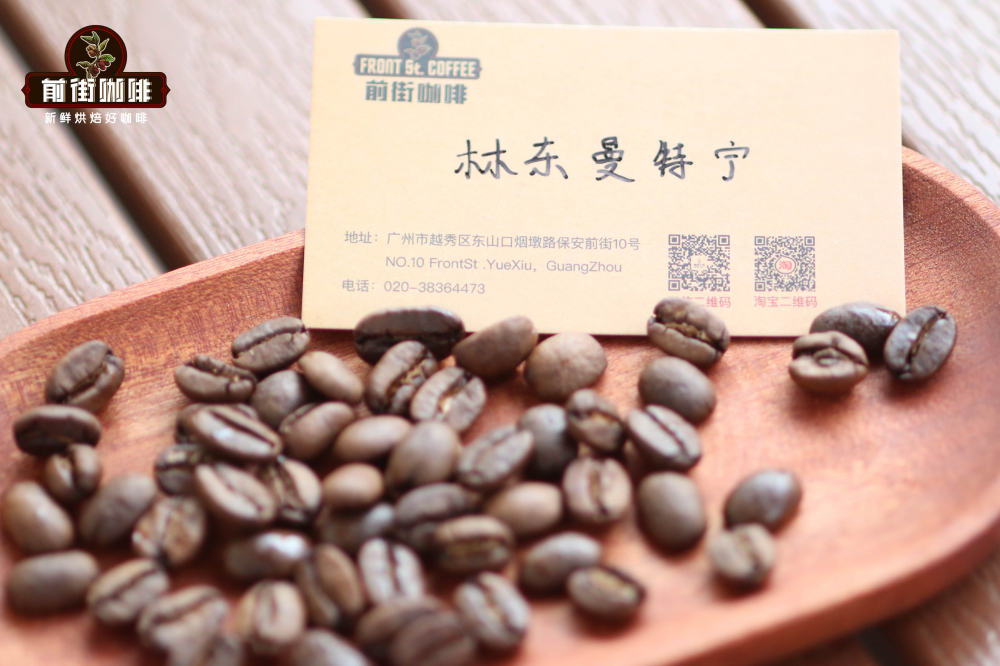
FrontStreet Coffee: FrontStreet Coffee Lintong Mandheling Coffee Beans
- Region: Lintong
- Altitude: 1100-1600m
- Variety: Ateng
- Processing Method: Wet-Hulled
FrontStreet Coffee has selected Lintong Mandheling as its Indonesian daily-drinker. The FrontStreet Coffee daily-brew line focuses on affordable beans that express clear regional character, and Lintong — a traditional Mandheling zone — has maintained consistently high standards. This lot is graded G1, Indonesia's highest classification. It lets you experience full-bodied Mandheling flavor at an entry-level price, making it an ideal first pour-over for beginners.
2. FrontStreet Coffee PWN Gold Mandheling Coffee Beans
"Gold Mandheling" is a trademark held by Indonesia's PWN company — the name belongs exclusively to PWN.
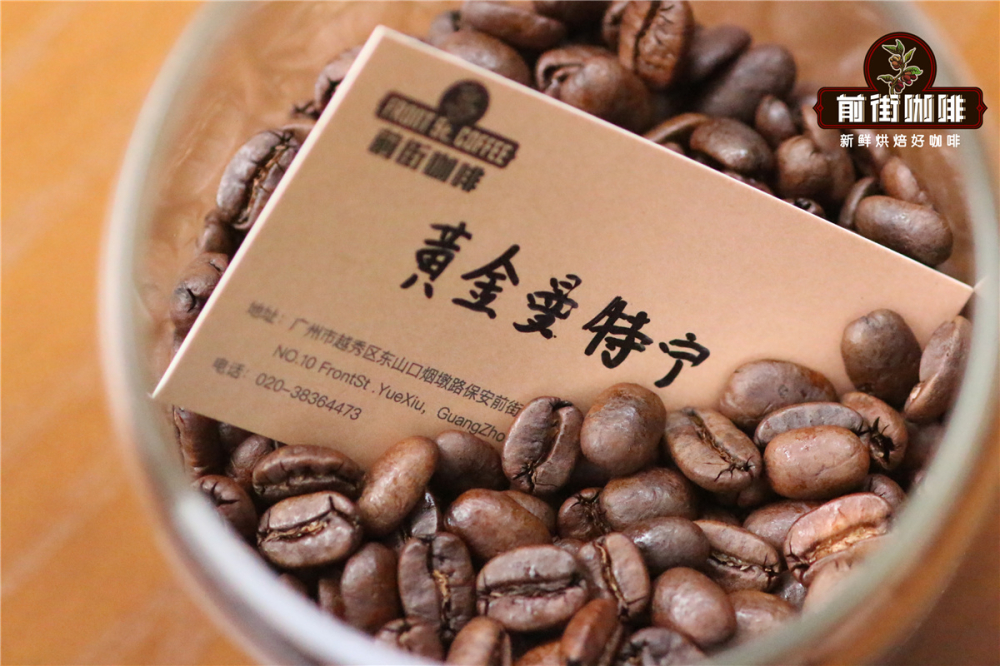
These beans grow in the Gayo Mountains of Aceh, North Sumatra. The variety is Ateng, an Arabica-Robusta hybrid widely planted across Sumatra and the surrounding islands — essentially a branch of the Catimor family, with "Ateng" being the local name. FrontStreet Coffee's Gold Mandheling is sorted to screen 19 and passes through three rounds of manual selection, reflecting the brand's elevated quality bar.
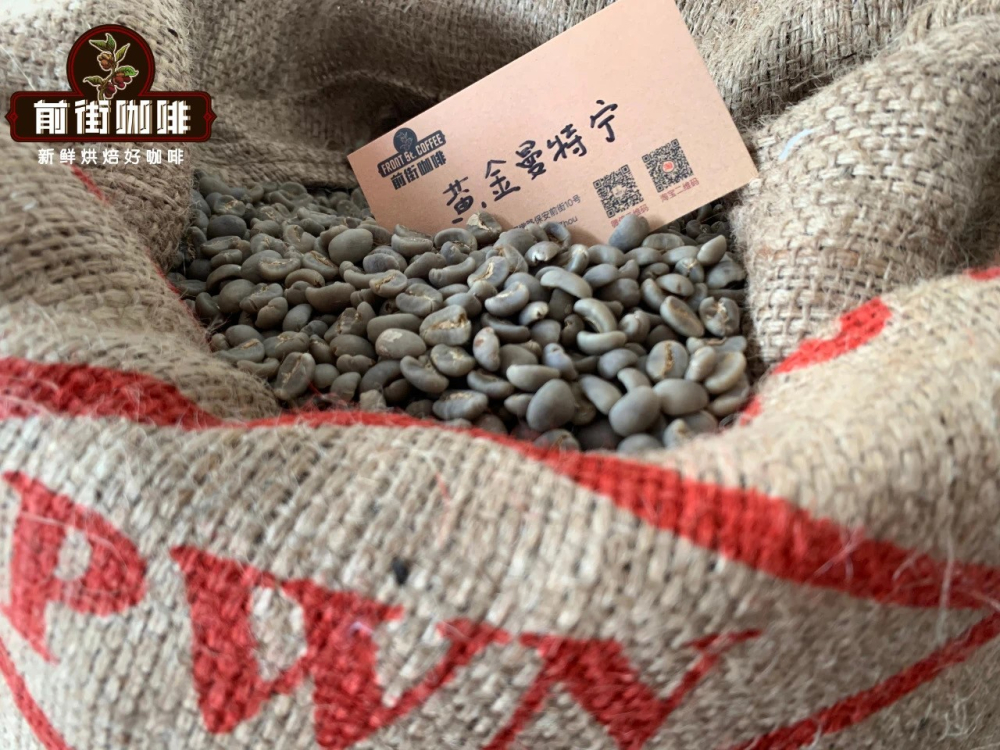
FrontStreet Coffee: FrontStreet Coffee PWN Gold Mandheling Coffee Beans
- Region: Gayo Mountains, Aceh
- Altitude: 1100-1600m
- Variety: Typica
- Processing Method: Wet-Hulled
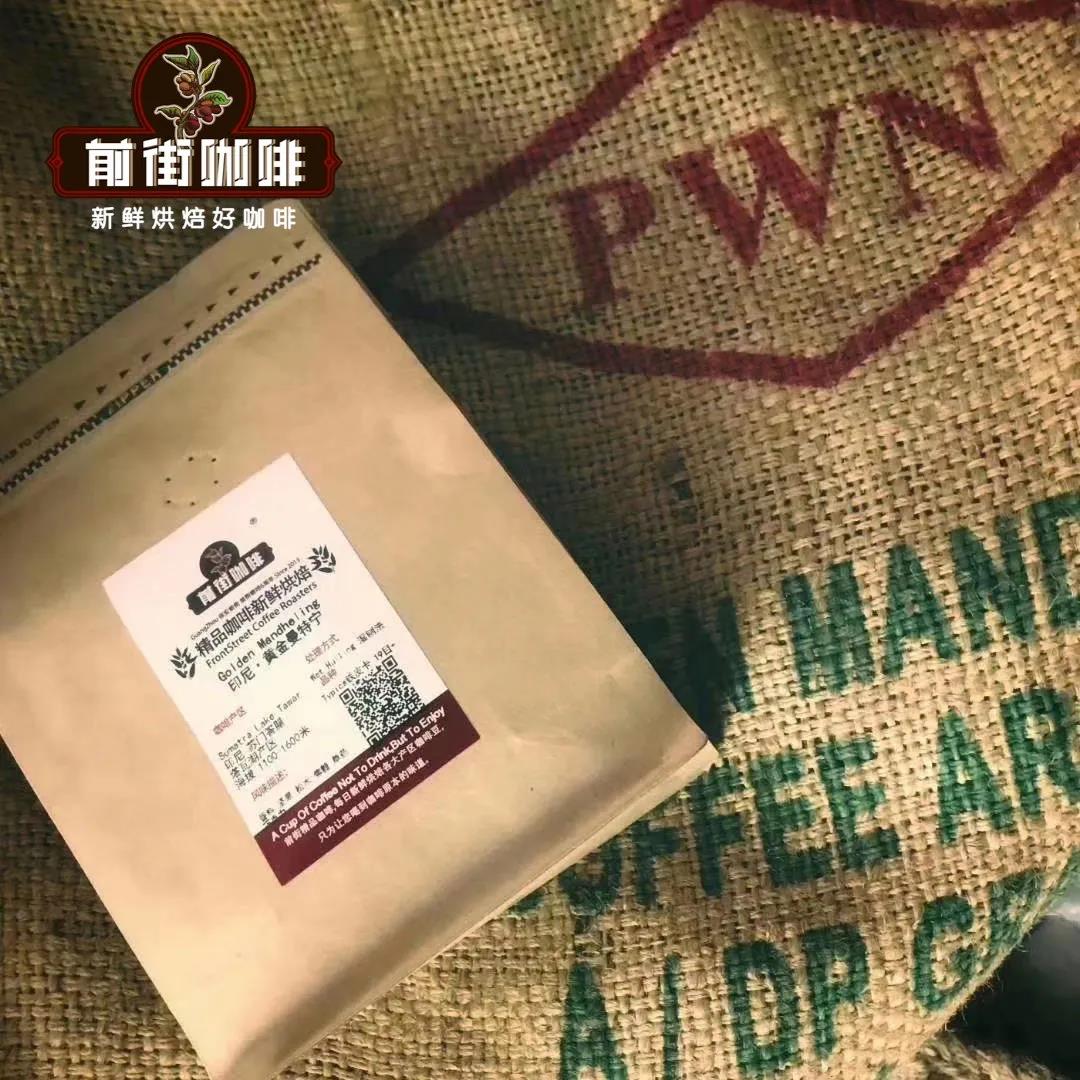
PWN Gold Mandheling is a premium selection from the Indonesian green-bean house Pawani. The trademark was built to position Indonesia's top-tier coffee brand, so Pawani scours Sumatra for exceptional lots — and FrontStreet Coffee's PWN Gold Mandheling stands at the head of those selections.
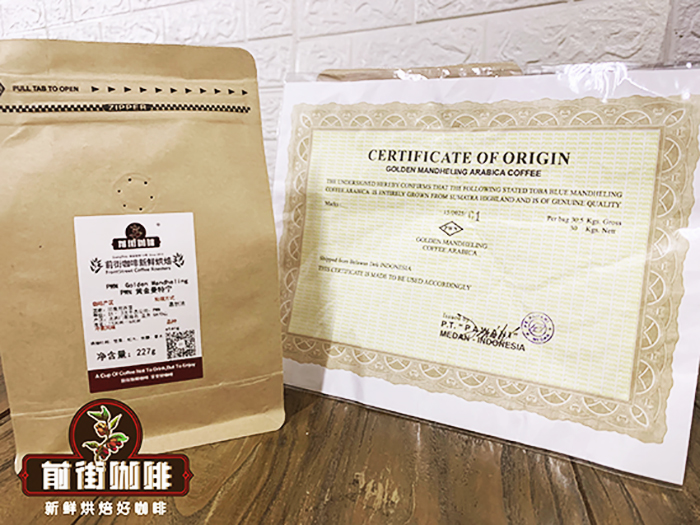
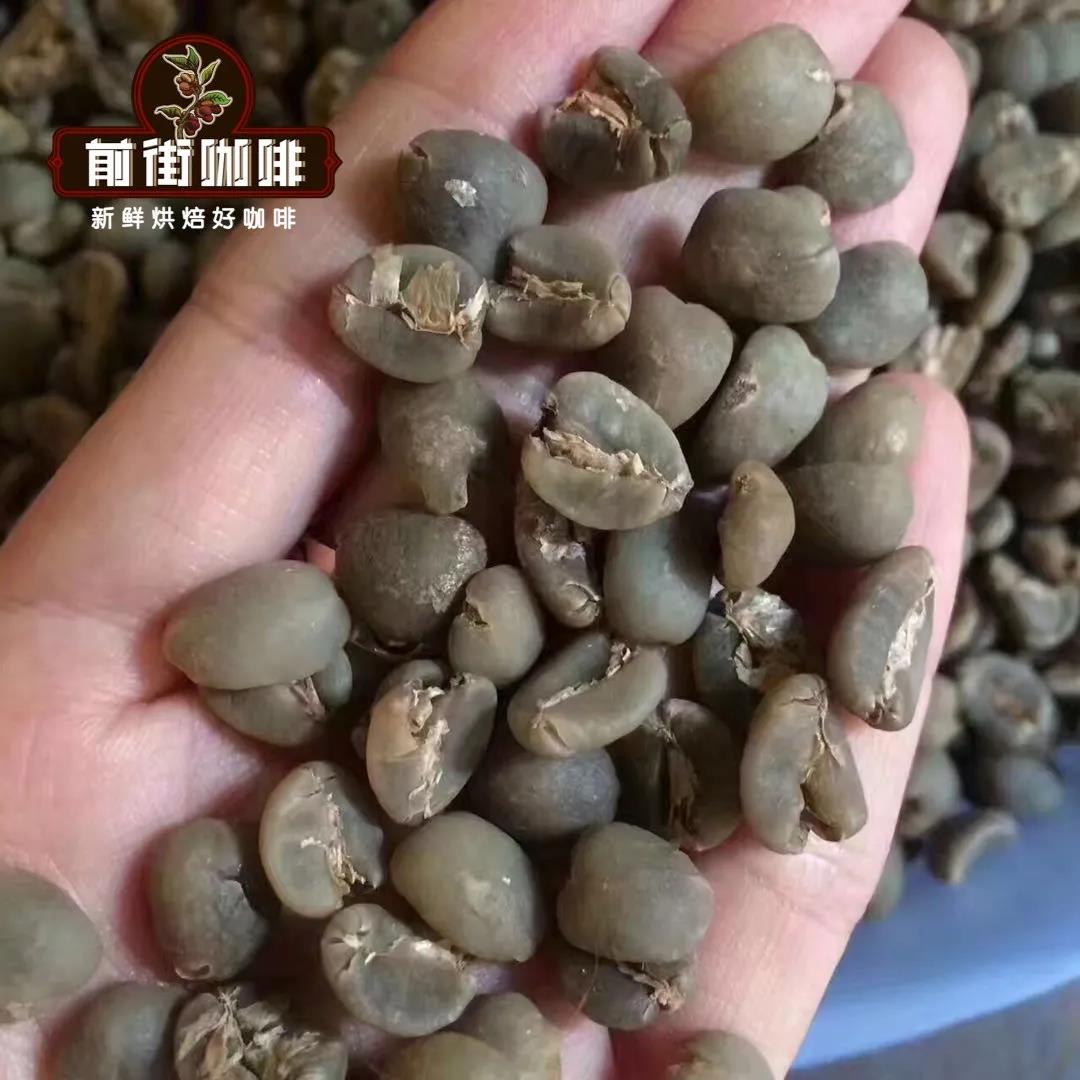
The current harvest's variety is listed as Ateng, a name that may look unfamiliar. Indonesian varietal naming simply diverges from convention: what locals call "Tim Tim" is Timor, and "Ateng" is the local name for Catimor. Ateng is particularly well suited to cultivation and flavor development in Aceh.
FrontStreet Coffee PWN Gold Mandheling Coffee Beans Roasting Record
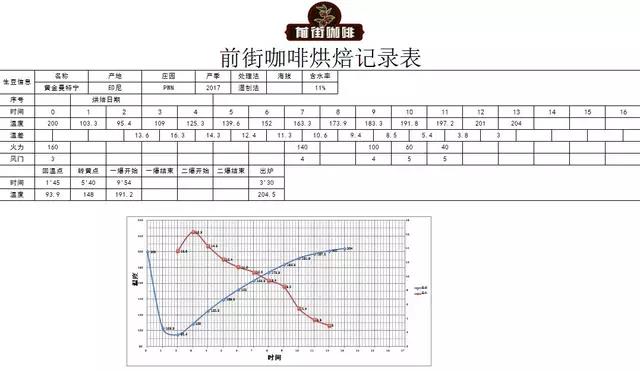
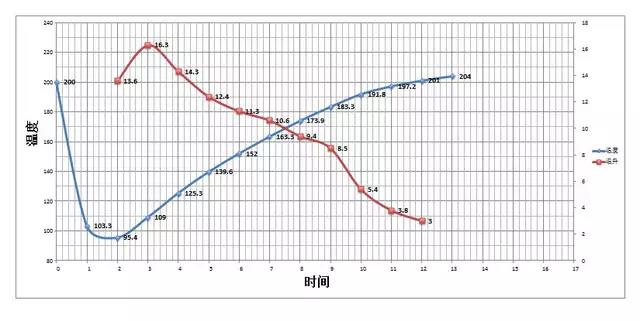
Charge at a roaster setting of 200°C with the air damper at 3 and heat at 160.
Turning point at 1'45", temperature 93.5°C.
Yellowing point at 5'40", 148°C — the bean surface turns yellow, the grassy aroma vanishes entirely, and dehydration is complete.
Drop heat to 140 and open the damper to 4.
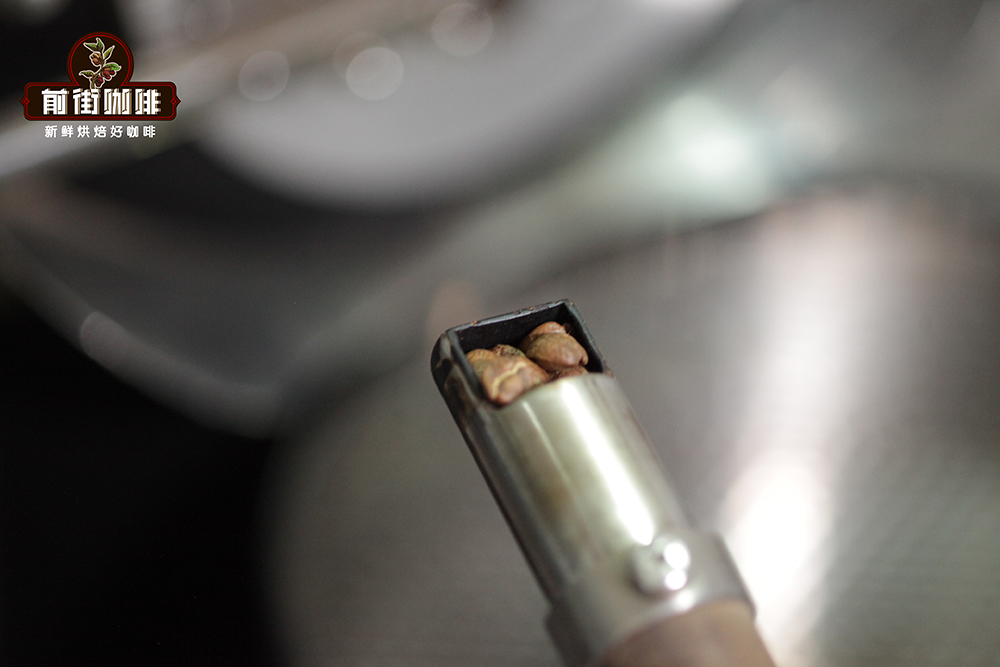
At 9'40", the bean surface shows wrinkling and small black spots as toast aromas give way to true coffee aroma — effectively pre-first-crack.
Key point: listen closely for first crack. It begins at 9'45", 191.8°C, with the damper fully open; discharge at 204.5°C for a development time of 3'30.
FrontStreet Coffee PWN Gold Mandheling Coffee Beans Cupping Report
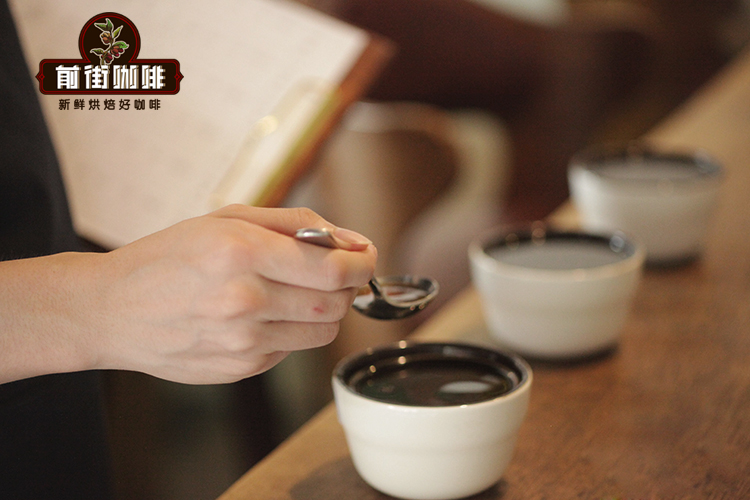
- 1/ Agtron color value #61 — dark roast by SCA standards;
- 2/ At this roast level the cup shows low acidity, richness, herbal notes, and spice.
Cupping flavor description: a syrup-like viscous mouthfeel, stronger caramel sweetness, and a relatively bright, elegant fruit acidity.
FrontStreet Coffee PWN Gold Mandheling Coffee Beans Brewing Process Sharing
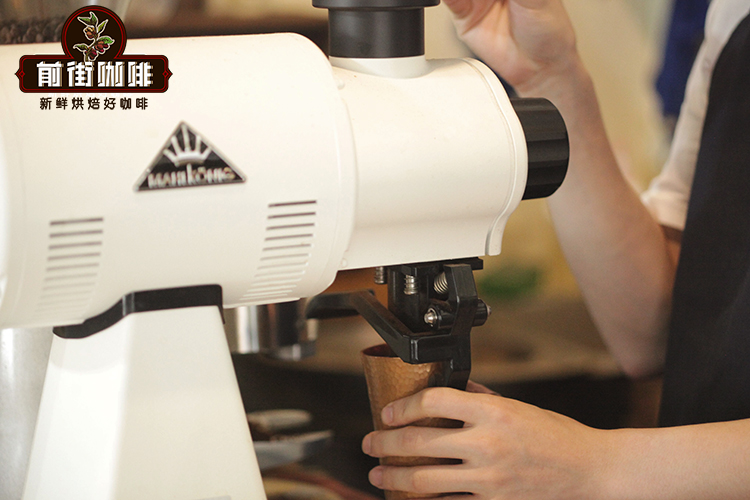
Grind slightly coarser than you would for a light roast — roughly 70% of particles passing a 0.85mm sieve, around setting 11 on an EK43S.
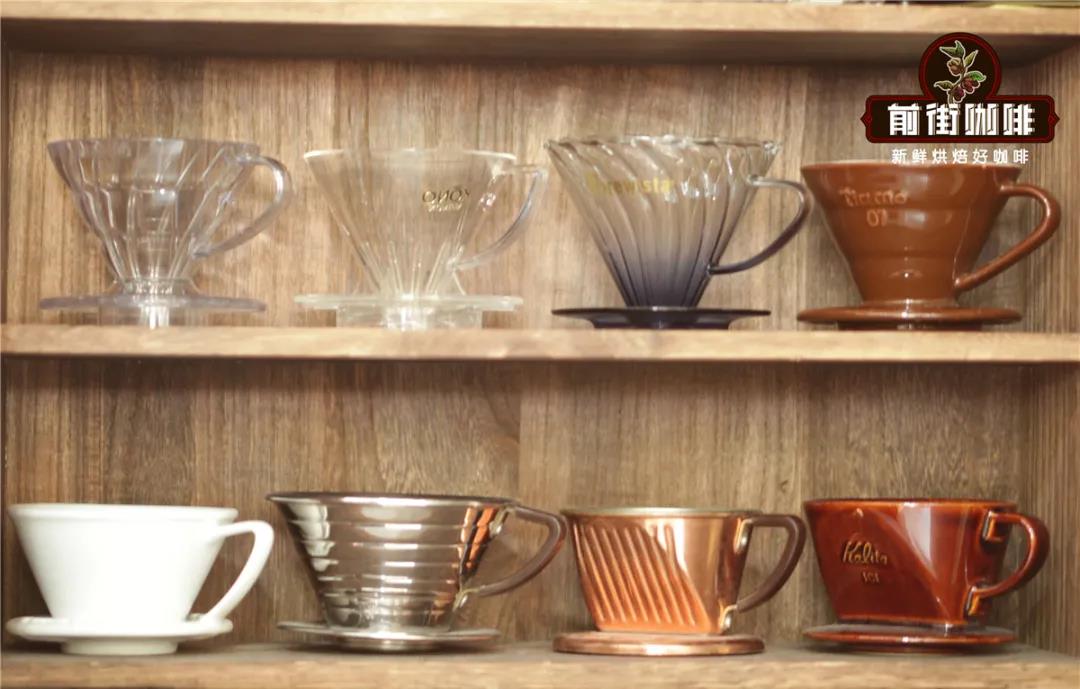
Whereas light roasts get brewed to spotlight origin character and complexity, here the goal is maximum body and richness, so FrontStreet Coffee reaches for the KONO dripper. The dose is 15 grams of coffee at a 1:15 coffee-to-water ratio — 225g of water — with 88°C water to keep high-temperature bitterness in check.
Preheat the dripper, then pour in the grounds gently, keeping the bed level; avoid vigorous shaking or tapping.
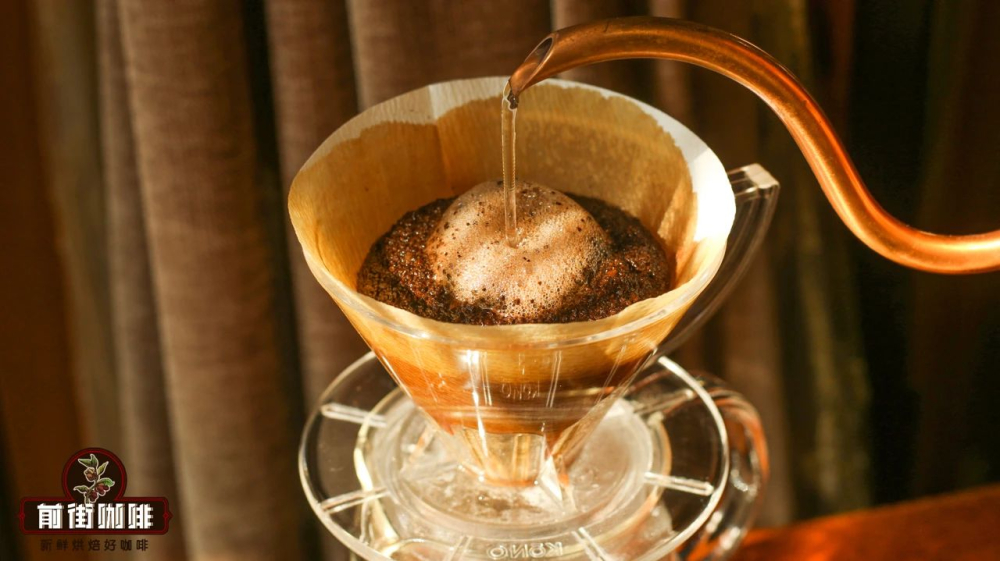
First pour: 30g of water in small circles at the center for a 30-second bloom, during which the bed swells into a "hamburger" shape.
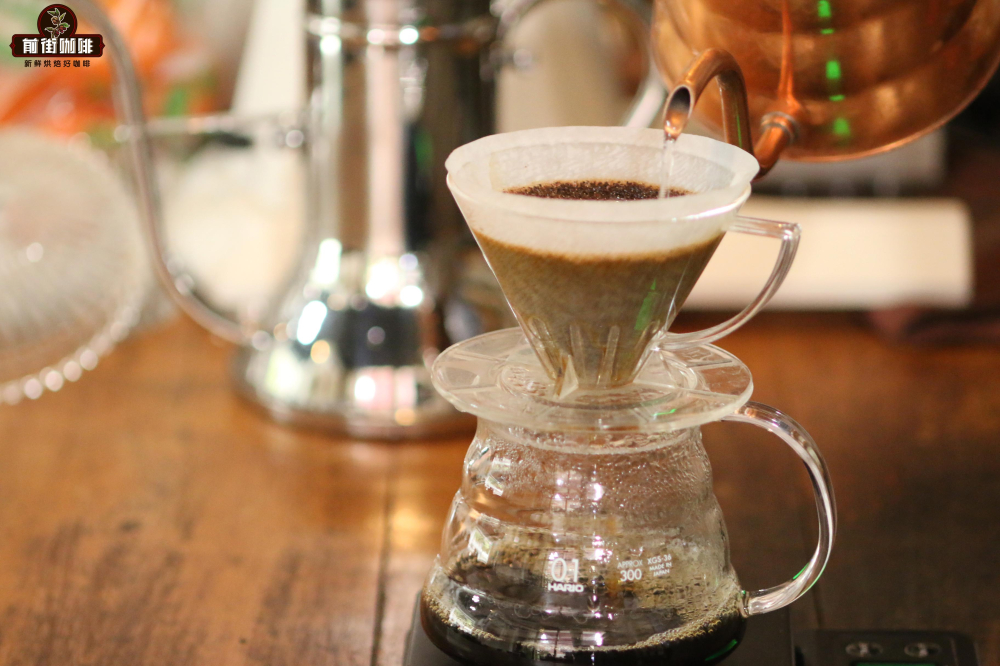
Second pour: 100g of water in spirals working outward from the center, keeping the pour height close to the bed and moving slowly to avoid over-agitation. Final pour: 95g, again in small center circles. End the extraction once all the liquid has drawn down into the server; total contact time should fall between 1 minute 50 seconds and 2 minutes.
Extended Reading: The KONO Dripper
The KONO dripper was designed by Toshio Kawano. It is conical, with ribs running linearly from the bottom up to the midpoint, while the upper section is perfectly smooth. The idea: with dry filter paper, the ribs vent air for a better bloom; once brewing is underway and the water level rises, the paper seats flush against the smooth upper wall, sealing a pseudo-vacuum zone.
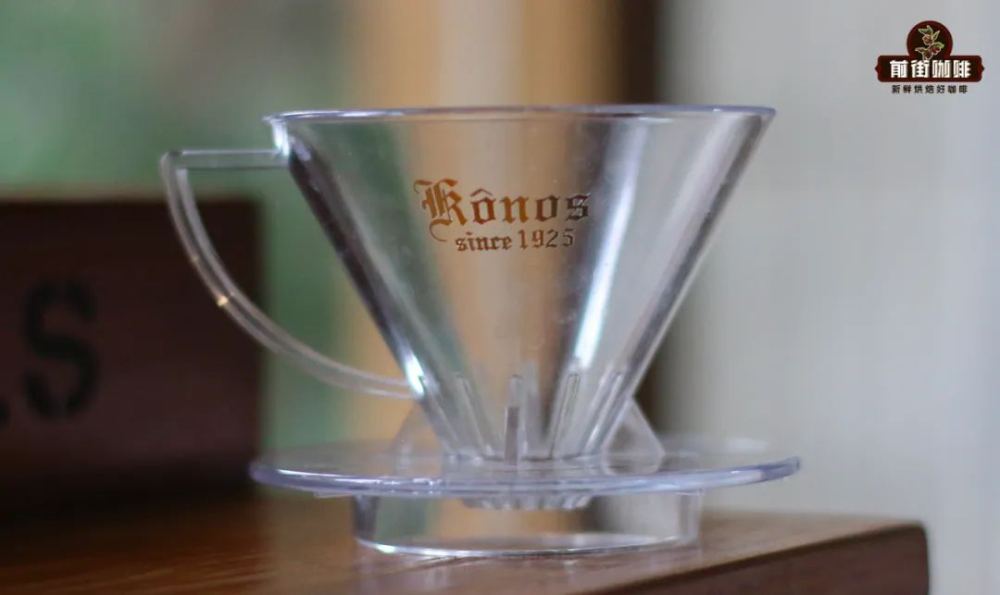
With the upper channels sealed by water and paper, air escapes only through the lower ribs, and the water column presses down on the grounds bed before draining with the escaping air — a siphon-like effect that yields a distinctly rich mouthfeel.
3. FrontStreet Coffee Tiger Mandheling Coffee Beans
Only lots with a defect rate below 4% at screen 17 or larger earn the Tiger Mandheling designation. The principal varieties are Caturra and Typica: Caturra contributes citrus and lemon acidity, while Typica adds a lingering finish and full sweetness. The overall cup is even, with high clarity.
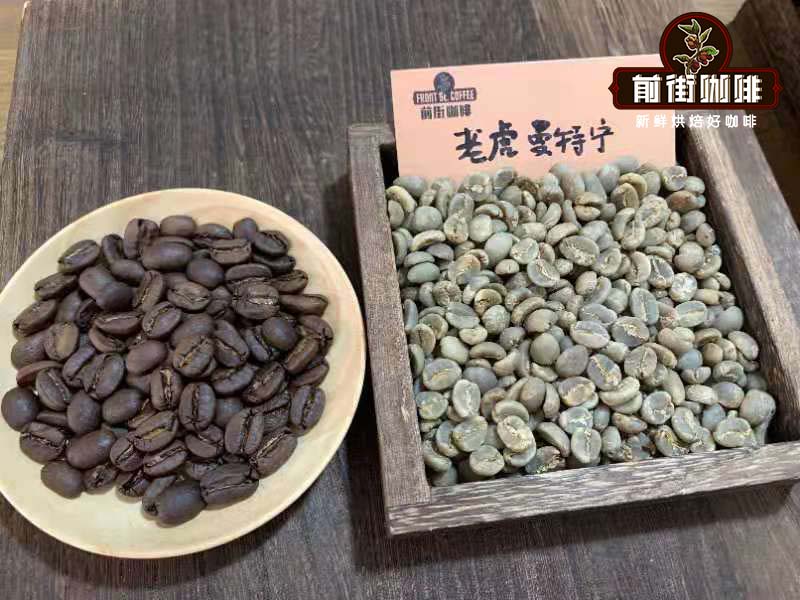
FrontStreet Coffee: FrontStreet Coffee Tiger Mandheling Coffee Beans
- Region: Aceh
- Altitude: 1500m
- Varieties: Typica, Caturra, Sidikalong
- Processing Method: Wet-Hulled
4. FrontStreet Coffee Aged Mandheling Coffee Beans
Aged beans are emphatically not green coffee that was simply forgotten in a warehouse. Left alone, green beans deteriorate — fading from fresh green to white, then yellow, and finally becoming flavorless or insect-damaged. Like aged wine, true aged coffee requires deliberate processing and long-term storage.
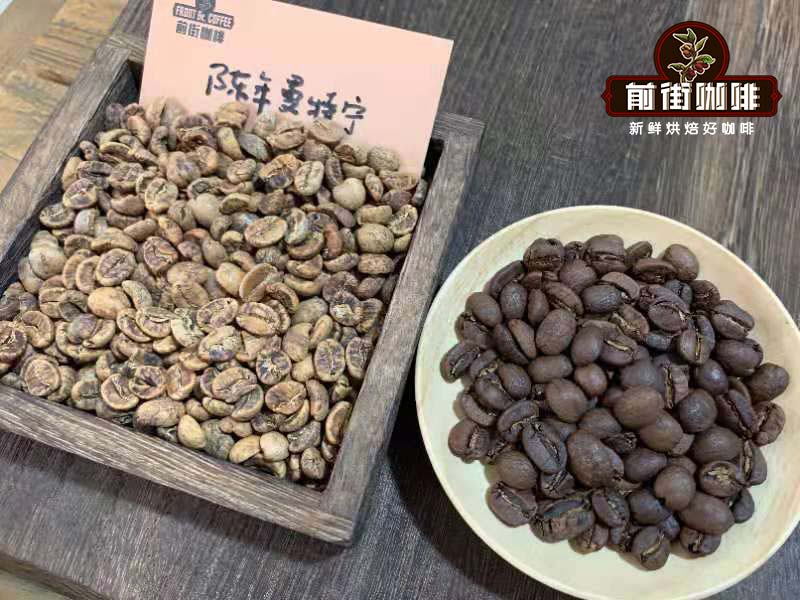
FrontStreet Coffee: FrontStreet Coffee Aged Mandheling Coffee Beans
- Region: Sumatra
- Variety: Typica
- Altitude: 1500m
- Processing Method: Wet-Hulled
Extended Reading: What Are Aged Coffee Beans?
Aged coffee develops through extended storage — typically 2–3 years — during which acidity softens, color shifts, and the bean structure thickens. The storage environment must remain cool and well ventilated.
Because of the dim storage conditions and the long timeline, aged coffee often carries complex, leathery notes that cuppers describe as burlap or leather.
FrontStreet Coffee Recommendation
If you want the definitive Mandheling experience, start with FrontStreet Coffee's PWN Gold Mandheling. Produced to PWN's exacting standard — beans of screen size 18 and above, fewer than three defective beans per 300-gram green sample to meet the top G1 grade, followed by three rounds of hand sorting — it achieves a cleanliness and sweetness intensity that ordinary Mandhelings cannot match. Roasted medium-dark, it shows low acidity, heavy body, and the wild herbal-and-earth character that wet-hulling creates, alongside pronounced caramel sweetness and notes of dark chocolate and roasted nuts.
For brewing, FrontStreet Coffee suggests 15 grams of coffee at a medium-coarse grind (coarse sand texture), 87–88°C water, and a 1:15 ratio. A three-stage pour works best: a 30-gram bloom to wet the grounds and degas, a 100-gram second pour to lift the bed and draw out the golden crema, then a gentle 95-gram center pour to build sweetness. The result is a thick, syrupy cup with caramel sweetness, chocolate, and nut tones.
Prefer espresso? Mandheling shines there too — as a single origin it pulls a shot with dense crema and intense caramel character, and it is the backbone of FrontStreet Coffee's classic blend, where its buttery, roasted-chestnut and spice notes ride on a Brazilian base of cream and nuts, with a touch of Robusta for extra crema. It pours a latte or a layered Dirty with ease.
Important Notice :
FrontStreet Coffee is a long-established specialty coffee roaster in Guangzhou China, selling freshly roasted beans from its own farm in Yunnan as well as dozens of carefully selected single-origin beans from around the world for both pour-over and espresso. The products deliver consistently excellent quality and great value, with shipping within 24 hours. Guangzhou's FrontStreet Coffee shop is recommended by many coffee lovers, and the beans are now available online at the Tmall 。
FrontStreet Coffee has moved to a new address:
FrontStreet Coffee Address: 315,Donghua East Road,GuangZhou
Tel:020 38364473
 Scan and follow the En Gafei WeChat official account. Please indicate that the reprint comes from "En Gafei".