Differences Between Mandheling Coffee and Sumatra Coffee - What Variety is PWN Golden Mandheling Coffee Bean
The Origin and Identity of Mandheling Coffee
Mandheling coffee is enormously popular across Asia. Its distinctive herbal flavor and thick, full body are treasured by coffee connoisseurs, and to many drinkers Mandheling is practically synonymous with Sumatran coffee, Indonesian coffee, or even Arabica coffee itself. So what exactly separates Mandheling from Sumatra coffee? And what variety are Mandheling beans? Let FrontStreet Coffee clear up these questions.
Indonesian Coffee Origins
Let's begin with Indonesia. As everyone knows, it is the world's largest archipelagic country. Coffee was first cultivated there in the 18th century, when Arabica varieties were brought in from the Netherlands, and the first exports were completed by the Dutch East India Company in the early 17th century. Today Indonesia is one of the world's major coffee producers, with three main growing regions: Sumatra, Java and Sulawesi. All of them offer excellent conditions for coffee, and each island has developed its own distinct coffee according to its climate and topography. When it comes to sourcing coffee, Indonesia is by far the most diverse and difficult region, and one of the most complex in the world for varieties.
The Story Behind the Name Mandheling
Mandheling comes from Sumatra, Indonesia's largest island. It is named after the Mandailing people of North Sumatra - an ethnic group, not a place name, bean variety or port, which sets it apart from most coffee naming conventions. The story begins during Japan's occupation of Indonesia in World War II. Legend has it that a Japanese officer tasted a particularly delicious coffee locally and asked the shopkeeper what kind it was. The shopkeeper, however, thought the officer was asking about his ethnicity and answered "Mandailing." Back in Japan, the officer could not forget that Indonesian coffee and asked a local coffee trader to source it for him. It became wildly popular almost overnight. Yet thanks to the officer's mispronunciation, "Mandailing" had become "Mandheling," and by that fortunate mistake the name stuck. That same Indonesian coffee vendor was the founder of what is now the renowned PWN Mandheling company.
The Distinction Between Mandheling and Sumatra Coffee
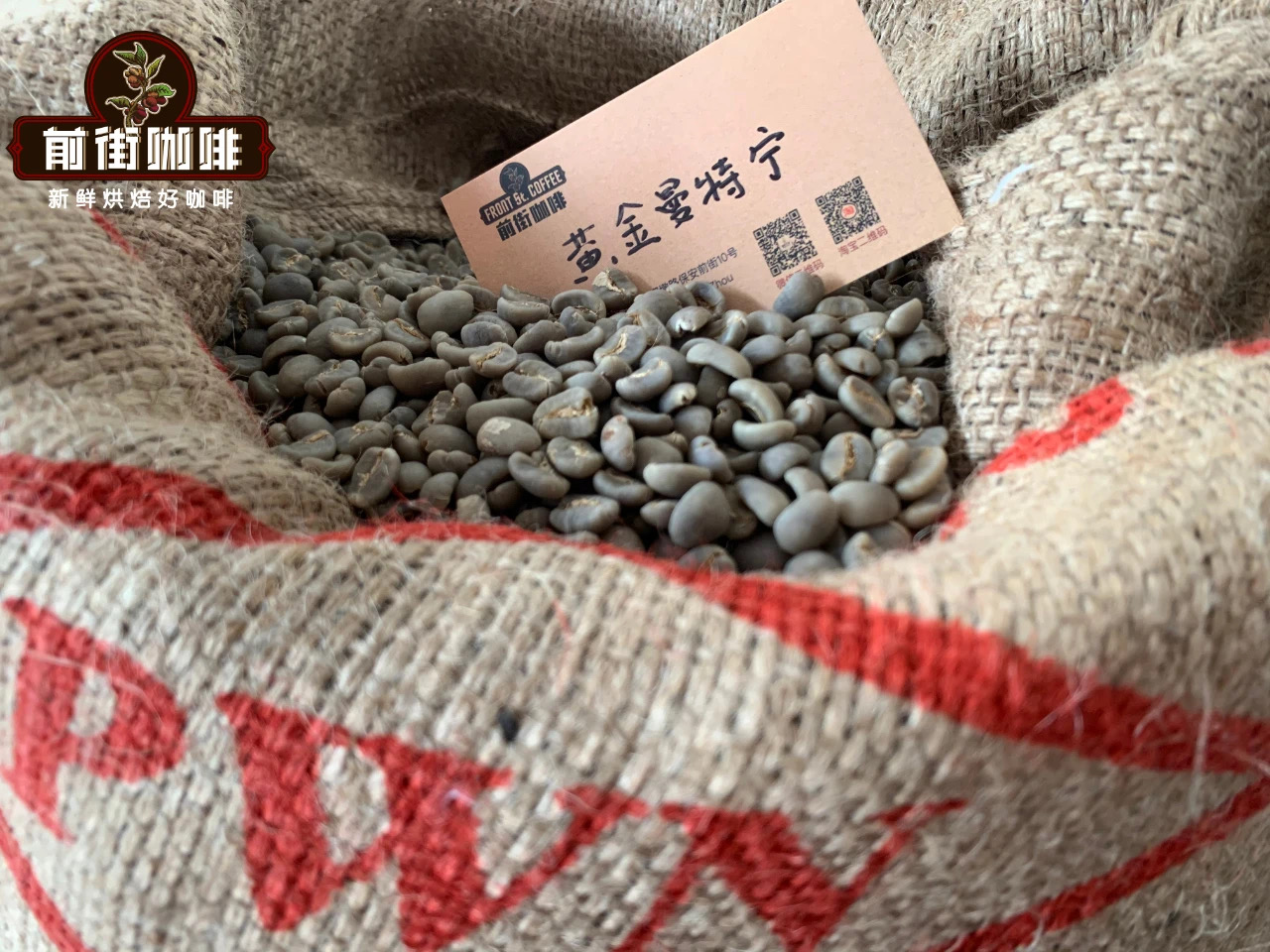
By now the difference should be clear. Mandheling coffee is simply one type of coffee bean produced in Sumatra. It is only because Mandheling is grown there and has won such fame that people often lump the two together as Sumatran Mandheling coffee.
Mandheling Coffee Varieties
So what variety is Mandheling coffee, exactly? Taking FrontStreet Coffee's current offerings as an example, its Lintong Mandheling, Sumatra Wahana Estate Natural Mandheling, Tiger Mandheling and Aged Mandheling are all Typica. Today Sumatran Typica is distributed mainly around Lake Toba and the Lintong region. Traditional Mandheling refers specifically to Lintong Mandheling - the Typica and its variant coffees grown north of Lake Toba.
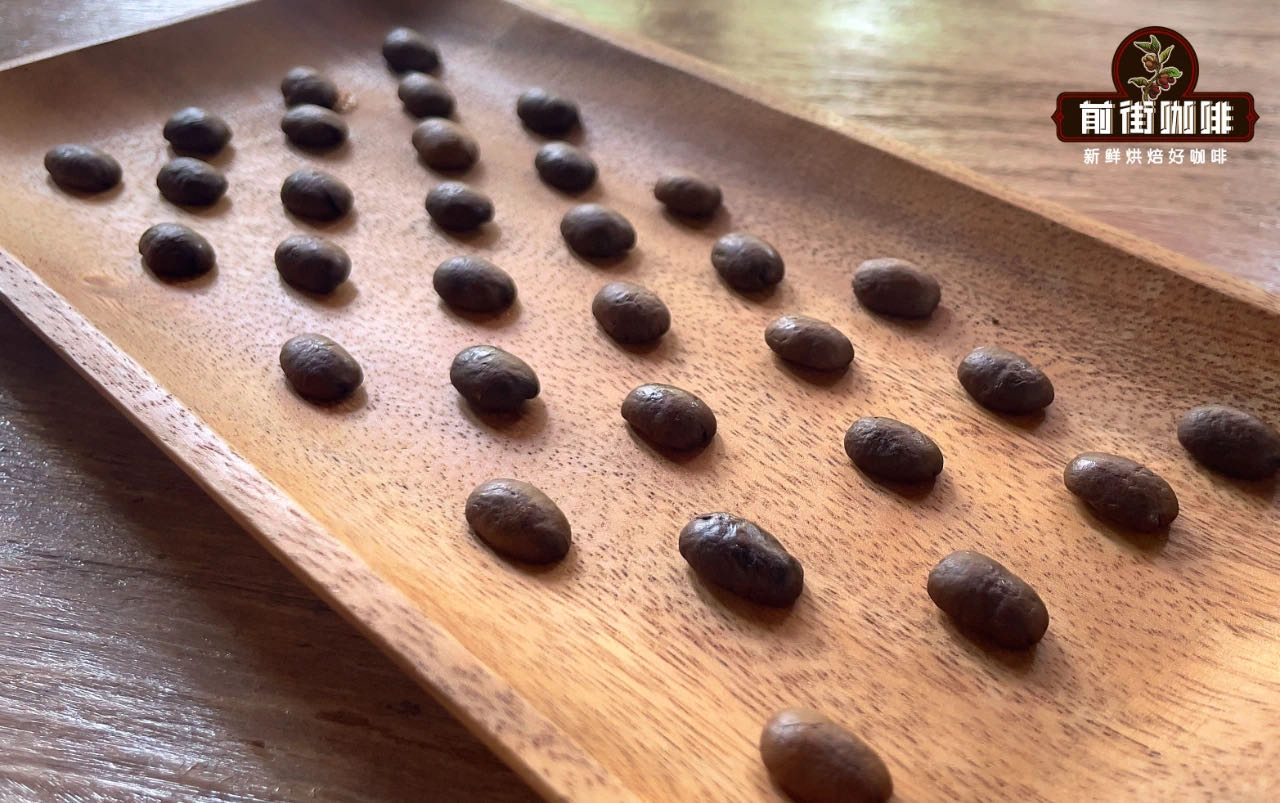
Regulars who buy FrontStreet Coffee's Mandheling may have noticed that the new-harvest Golden Mandheling has shifted from the original Typica to a less familiar variety called "Ateng." So what is Ateng? It is simply the local Indonesian name for Catimor. On the subject of Golden Mandheling, FrontStreet Coffee wants to share a little knowledge: the genuine article, also written "Gold Mandheling," has been registered as a trademark by Indonesia's Paniwangi Coffee Company (PWN), making Golden Mandheling an exclusive brand under PWN. Golden Mandheling is not a grade, nor does it simply mean cleaner beans among Mandheling green coffee. It is called PWN Golden Mandheling because of its irreplaceable texture and flavor.
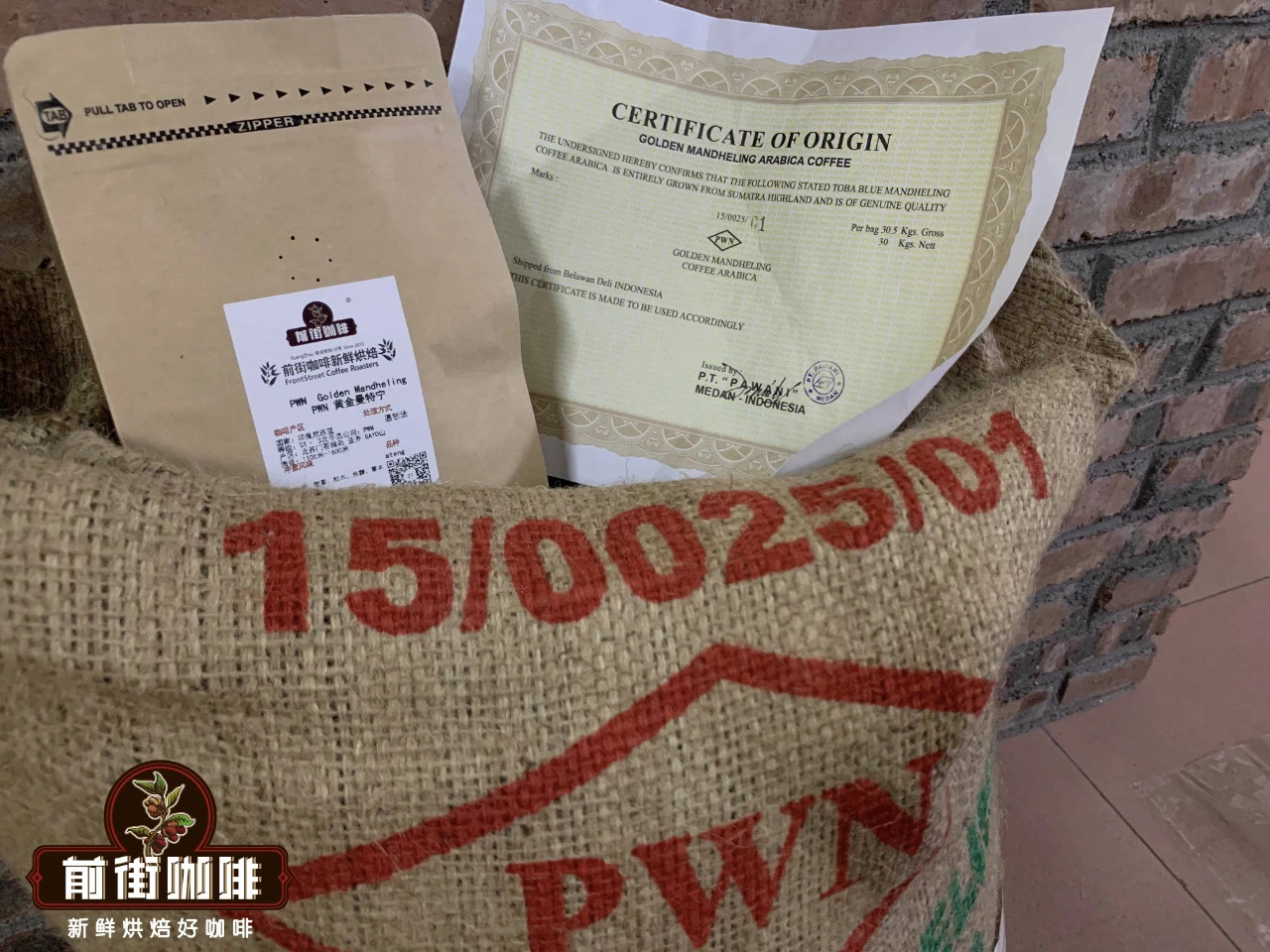
Every batch of PWN brand Golden Mandheling, like genuine Jamaican Blue Mountain, comes with a production certificate, and the batch numbers match those printed on the burlap sacks.
We mentioned PWN's founding story earlier. Today PWN Coffee Company is a famous coffee procurement institution in Indonesia and an expert in sourcing and producing high-quality Mandheling worldwide. Nearly all of the best beans from Sumatra are purchased by this company, and FrontStreet Coffee's Golden Mandheling is procured from PWN.
Golden Mandheling vs. Other Mandheling Varieties
So how does Golden Mandheling differ from other Mandheling coffees? Its selection requirements are stricter. After one machine selection, FrontStreet Coffee's Golden Mandheling goes through three further hand-sortings so that defects in the green coffee are kept to a minimum and the beans are full and uniform in size. It is precisely this strictness that gives FrontStreet's Golden Mandheling its exceptionally rich yet clean texture. It keeps the traditional herbal character of Mandheling, but compared with the counterfeit "Golden Mandheling" on the market, the texture is smoother and the sweet aftertaste stronger. The hard-to-remove herbal, or rather earthy, notes are in fact inseparable from Mandheling's processing method.
Wet Hulling Processing Method
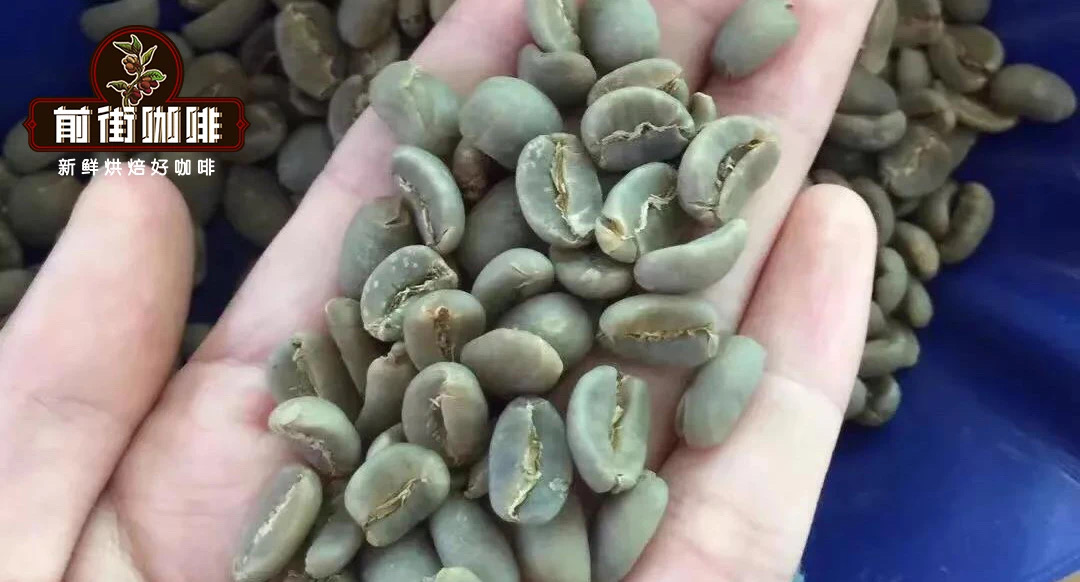
Wet hulling, or Giling Basah, is a processing method unique to Indonesia. Although the name sounds similar to the everyday wet process, it is actually quite different. Two forces drove its development: moisture and money. Indonesia's humid climate makes it hard to dry coffee for long periods, so local farmers adopted the faster wet-hulling method. This lets beans reach market more quickly and also uses less water than traditional processing.
Wet Hulling Processing Steps:
① Remove the skin and pulp, keeping the parchment and mucilage
② Ferment in water tanks
③ Wash off the mucilage
④ Sun-dry with parchment for 2-3 days until moisture content reaches 20-24%
⑤ Hull off the parchment
⑥ Dry the green beans until moisture content reaches 12-13%
⑦ Prepare for export
Of course, besides Typica and Catimor, Mandheling also includes other varieties such as Jember (an Indonesian-localized S795) and Tim Tim, as the locals call it.
Brewing Perfect Mandheling Coffee
Good Mandheling coffee brings quality herbal aromas, stronger caramel sweetness, a calm and elegant fruit acidity, rich sweetness and thick, wild spice flavors. How do you make the most of these strengths? Beyond roasting, FrontStreet Coffee believes the brewing method matters. Below is FrontStreet Coffee's approach for Golden Mandheling.
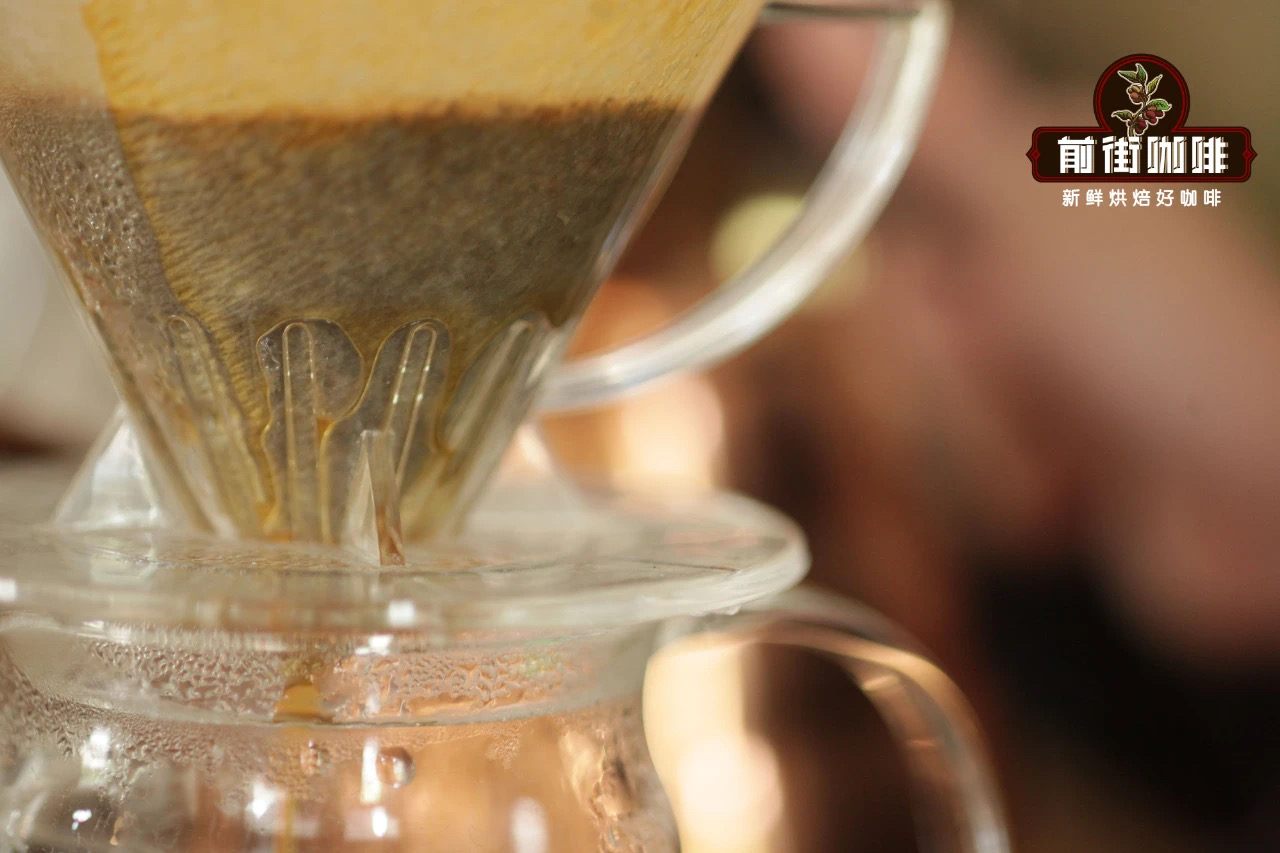
Dripper: KONO
Water Temperature: 88°C
Grind Size: Medium-coarse
Coffee-to-Water Ratio: 1:15
Roast Level: Medium-dark roast
Brewing Technique: First pour 30g of water for a 30s bloom. Pour to 120g and stop. When the water level in the coffee bed drops to half, continue pouring slowly to 225g. Once all the water has filtered through, remove the dripper. Extraction time is approximately 2 minutes.
FrontStreet Coffee Recommendation
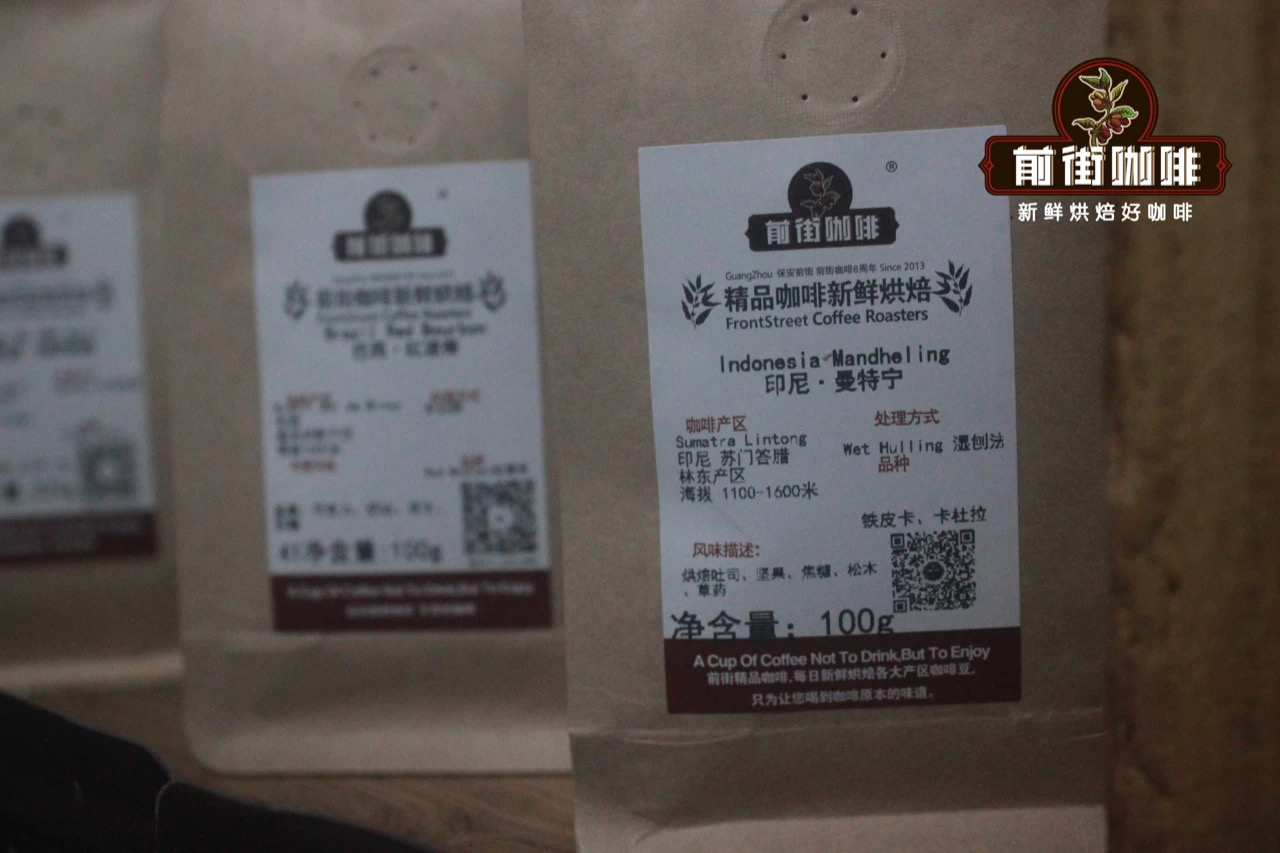
The clearest expression of the wet-hulled style above is FrontStreet PWN Indonesia Golden Mandheling. It is grown in the Gayo Mountains of Aceh, Sumatra, at 1100-1600 meters, on the Ateng variety, graded G1 with three rounds of hand sorting and processed by wet hulling. FrontStreet roasts it medium-dark so the acidity recedes and the cup turns thick and long, opening with herbs and dark chocolate and a faint earthy note underneath - the bean of choice for anyone who likes a bold, low-acid coffee.
For a more traditional, everyday Mandheling, FrontStreet Lintong Mandheling comes from the Lintong highlands near Lake Toba at 1100-1600 meters, made from Typica and Caturra and also wet-hulled. Toasted bread, nuts, caramel, pine and herbs define the cup, with the low acidity and heavy body that wet hulling is known for.
If you want to take the same thick, sweet profile to an espresso machine, FrontStreet Classic Blend is worth a look. It layers the creamy nut character of Brazilian coffee with medium-dark Sumatran Mandheling, so butter, roasted chestnut and caramel stand out, while the Mandheling lifts the body and adds sandalwood, herbal and spice notes. A small share of Robusta rounds out the crema, making latte art or a layered Dirty easy to pull off.
Important Notice :
FrontStreet Coffee is a long-established specialty coffee roaster in Guangzhou China, selling freshly roasted beans from its own farm in Yunnan as well as dozens of carefully selected single-origin beans from around the world for both pour-over and espresso. The products deliver consistently excellent quality and great value, with shipping within 24 hours. Guangzhou's FrontStreet Coffee shop is recommended by many coffee lovers, and the beans are now available online at the Tmall 。
FrontStreet Coffee has moved to a new address:
FrontStreet Coffee Address: 315,Donghua East Road,GuangZhou
Tel:020 38364473
 Scan and follow the En Gafei WeChat official account. Please indicate that the reprint comes from "En Gafei".