Panama Geisha Coffee Beans: Flavor Profile, Characteristics, and Story - Differences Between Green Top and Red Top Geisha
The Rise of Geisha Coffee
In the last century, the most celebrated coffees were undoubtedly Blue Mountain and Kona. Drinkers of that era preferred full-bodied, rich coffee, and Geisha went largely unnoticed, quietly developing in Panama.
That changed in 2003, when Hacienda La Esmeralda entered its Geisha in the Best of Panama (BOP) competition, and the variety began to shine on the world stage. At the 2004 BOP, Hacienda La Esmeralda won the championship with Geisha and broke the auction record for green coffee beans. Geisha and the estate became famous overnight. Because Panamanian Geisha was so genuinely distinctive next to other varieties, BOP eventually had to split the green coffee competition into two groups - Geisha and non-Geisha - for fear that Geisha would overshadow everything else.

The Origins and Journey of Geisha
The Geisha variety was first discovered and harvested in the 1930s in the Geisha forest of Ethiopia. It was later sent to several coffee research stations in Africa, but its ordinary flavor kept it from standing out. In the 1950s it reached CATIE in Costa Rica and was named T2722. In the 1960s it was distributed to Panama for cultivation, but low yields and fragile plants meant farmers paid it little attention, using it as a windbreak. After more than forty years, the Peterson family of Hacienda La Esmeralda recognized and developed its potential, and Geisha has been the rising star ever since.
Geisha is demanding about where it grows, needing high altitude, cloud and shade cover, fertile soil, and enough accumulated heat. That particular combination of environment and climate is what cultivates the king of coffees. Notably, those who know the variety well have observed two types: bronze-tipped Geisha and green-tipped Geisha. Most Geisha grown in South and Central America likely traces back to the T2722 line. Each farm's conditions differ, and cross-pollination or the exchange of Geisha seed between plantations can occur.
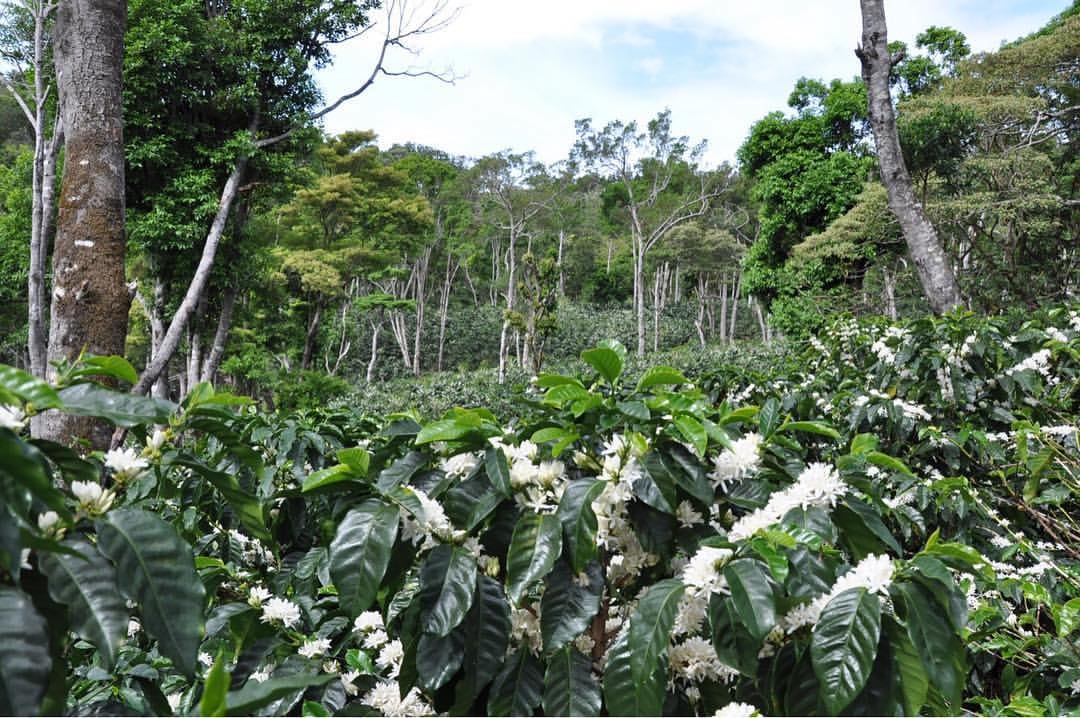
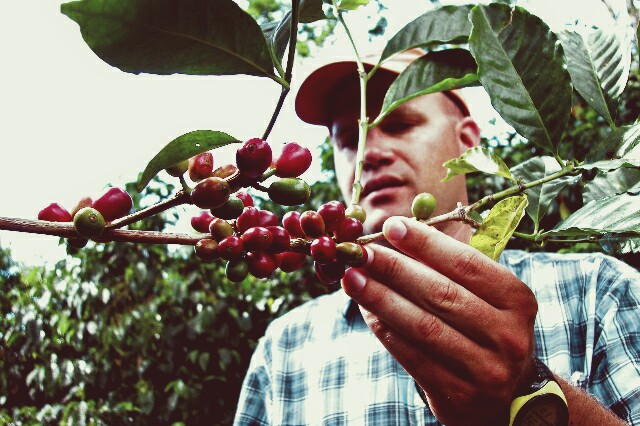
In the book "God in a Cup: The Obsessive Quest for the Perfect Coffee," Price Peterson of the Peterson family even acknowledges the possibility that the Geisha at Hacienda La Esmeralda differs from T2722. As he explains, early botanical descriptions indicated that the Gesha cultivar had bronze-colored young leaves, inferior cupping performance, and considerable fungal resistance. In contrast, Panamanian Geisha has light green leaf buds, excellent cup quality, and resistance to leaf rust - though not to the coffee leaf spot disease (Ojo de Gallo) that worries most farmers in Central and South America.
FrontStreet Coffee currently sources Panamanian Geisha from two estates: the well-known Hacienda La Esmeralda and the rising star of recent years, Deborah Estate.

Hacienda La Esmeralda
Hacienda La Esmeralda is both the discoverer and the promoter of Geisha's flavors. Since rising to fame in 2004, it has kept its Geisha quality consistent. Today the estate's Geisha is divided into two grades, Red Label and Green Label. Both are harvested from red Geisha cherries grown above 1600 meters. The difference is that Red Label can be traced to a specific plot, while Green Label is a blend of micro-lots from different plots that cannot be traced to one location.
The flavor of the Green Label sometimes closely resembles the Red Label and sometimes differs noticeably, which gives it a lottery-like excitement. FrontStreet Coffee's Green Label Geisha shows intense, fresh jasmine and ginger flower aromas, bright citrus acidity, and a full, juicy body. We consider it the most cost-effective Geisha from Hacienda La Esmeralda.

FrontStreet Coffee: Hacienda La Esmeralda Green Label Geisha Coffee Beans
Region: Boquete, Panama
Estate: Hacienda La Esmeralda
Altitude: 1600-1800 meters
Variety: Geisha
Processing Method: Washed
Deborah Estate
This estate began planning and construction in 2007, planted Geisha trees at 1900 meters in 2010, started small-scale harvesting in 2015, and began commercial harvesting in 2016. Deborah Estate sits in the Volcan coffee region of Panama, above 1900 meters near Baru Volcano. The area has dense primary forest, a wide day-night temperature swing, pervasive mist, abundant rainfall, and rich biodiversity, making it one of the highest and most remote coffee plantations in Panama.

The Geisha variety does not merely survive in such harsh conditions - it thrives, showing rich, intense flavors and superior quality.
The Savage Series Geisha that FrontStreet Coffee sources is acquired by Deborah Estate's owner through the Savage Coffee Project, buying equally high-quality, high-altitude (2000-2350 meters) Geisha cherries from nearby farmers, then processing them with Deborah Estate's post-harvest techniques.
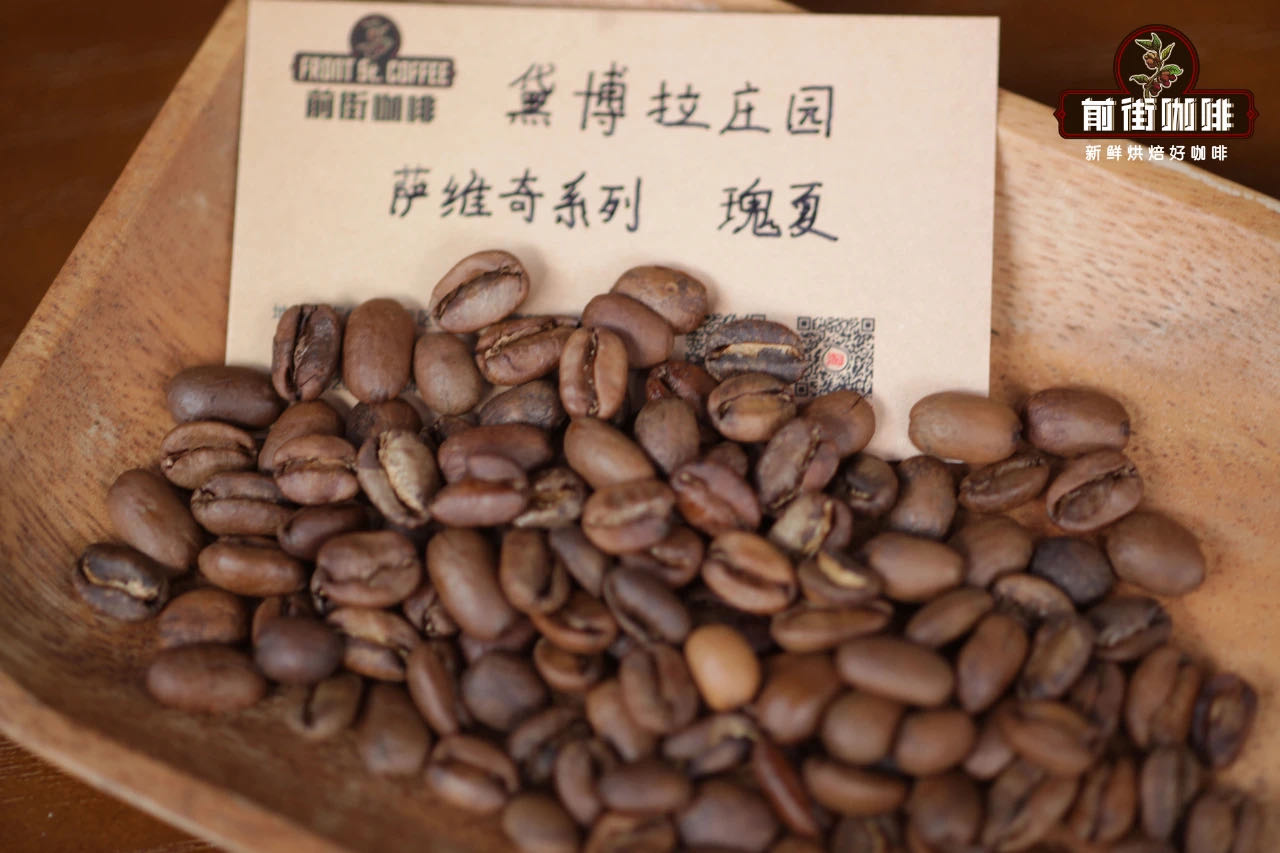
FrontStreet Coffee: Deborah Estate Savage Series Geisha
Origin: Volcan, Panama
Estate: Deborah Estate
Owner: Jamison Savage
Altitude: 2000-2350 meters
Variety: Geisha
Grade: SHB
Processing Method: Anaerobic Natural
High-altitude Geisha is naturally sweet and sour with rich flavors. This Savage Series Geisha is specially processed by anaerobic natural fermentation: the cherries are sun-dried in greenhouses until they become raisin-like, then placed in sealed, oxygen-free containers for 36 hours of dry fermentation, and finally depulped while retaining 100% of the fruit pulp for fermentation. After such elaborate processing, FrontStreet Coffee's Savage Series Geisha shows extremely sweet, fruity flavors with prominent fresh fruit and floral aromas.
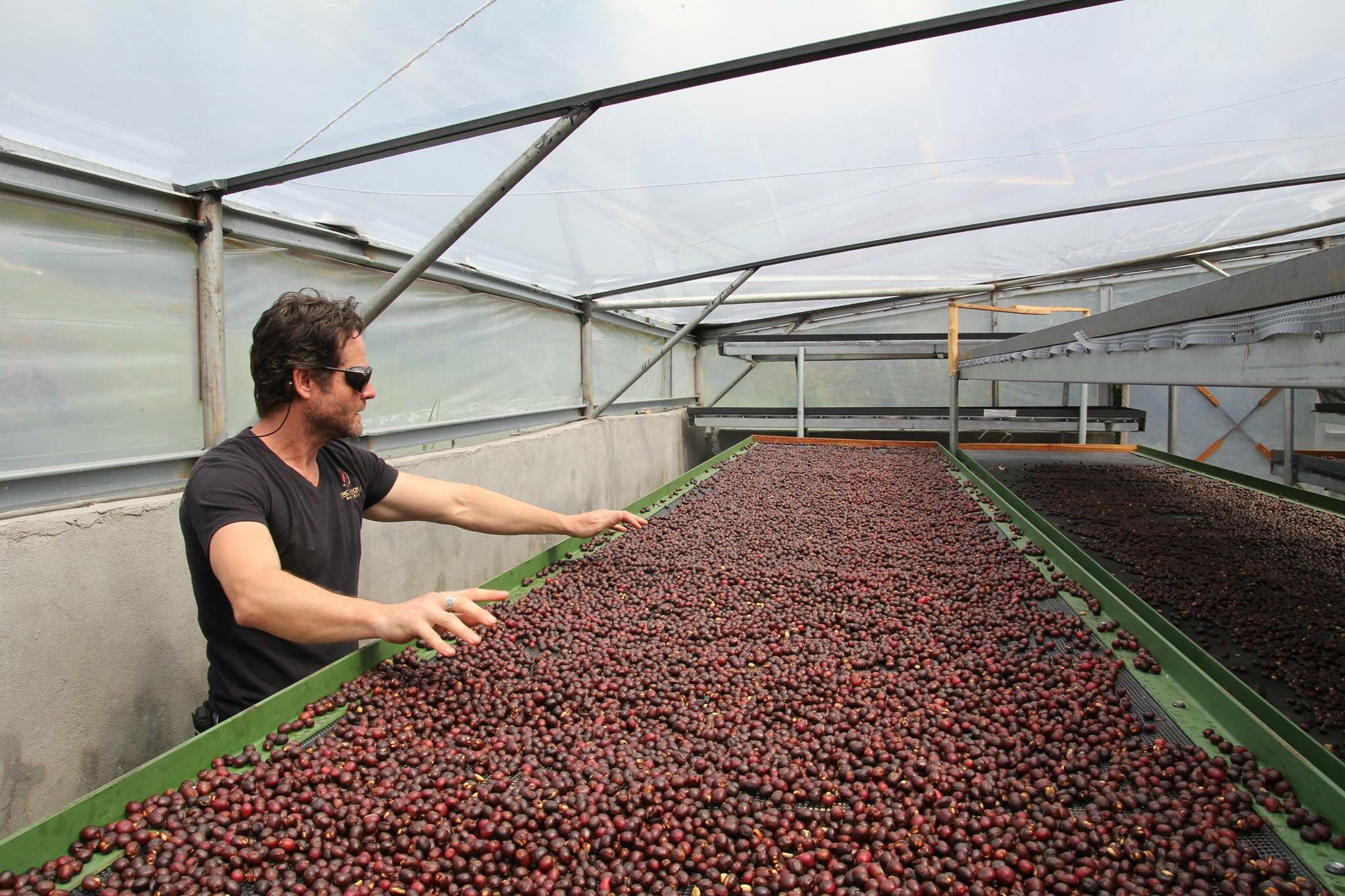
Because Panamanian Geisha has such excellent floral and fruit aromas and acidity, FrontStreet Coffee's roasters use a light roast. For brewing, we suggest higher water temperature, a medium-fine grind, and a fast-draining dripper, with a coffee-to-water ratio of 1:16, which helps you experience Geisha's layered complexity.
Dripper: Hario V60
Water Temperature: 92°C
Coffee Dose: 15 grams
Coffee-to-Water Ratio: 1:16
Grind Size: 80% retention through Chinese standard #20 sieve
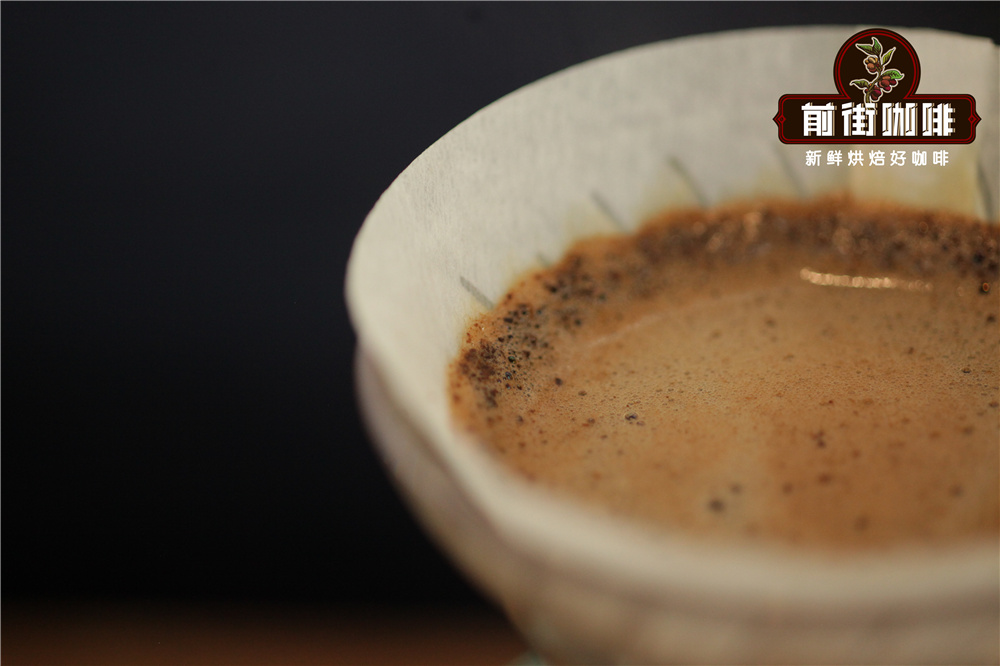
FrontStreet Coffee brews in three stages: pour 30 grams of water to fully saturate the grounds and bloom for 30 seconds; then pour slowly in small circles to 130 grams for the second stage; and when the water level drops to just above the coffee bed, continue pouring to 240 grams. When all the water has drained into the server, remove the dripper. Total extraction time is approximately 2 minutes.
[Washed Green Label] Rich jasmine floral aroma, high sweetness, citrus, berries, juicy body, cream, green tea, orange peel, cantaloupe, with rich layered flavors and a persistent floral and citrus aftertaste.
[Savage Geisha] Distinct white floral aroma, pineapple-like character, fermented milk sweetness and acidity, full body, overall clean and balanced.
FrontStreet Coffee Recommendation
This article opens with the era when Blue Mountain and Kona ruled the coffee world, before Geisha displaced them. That classic style is still worth tasting on its own terms, and it is where FrontStreet Coffee's own heritage lies.
FrontStreet Jamaica Blue Mountain No.1 - the highest grade from the historic Clifton Mount Estate, which has been growing and processing coffee since the mid-18th century (around 1750). The estate's growing and processing area sits at an average of 4,300 feet (1,310.64 meters), where altitude, gentle afternoon cloud cover, ample sunshine, and mineral-rich soil give the trees superb growing conditions and lengthen cherry ripening. Roasted medium-dark, it shows nuts, dark chocolate, and creamy caramel layered over gentle sweetness, with acidity, sweetness, bitterness, and aroma in careful harmony.
FrontStreet Jamaica Blue Mountain (Clifton Mount) - the estate's classic tier, shipped within 5 days of roasting so the beans arrive at full flavor. Tradition calls for a medium-dark roast that emphasizes body and the classic bitter-then-sweet arc of coffee. We brew it with a Kono dripper to lift the body: 15g of beans rested 4-7 days from the roast date (counting the roast date as day 1), a grind coarser than a light roast at roughly granulated-sugar size, and 87-88°C water, since water that is too hot is the usual cause of a scorched, bitter cup. Use a 1:15 ratio and pour in three stages - 30g to bloom for 30 seconds, then to 120g, then to 225g - with the water and circling speed a little faster on the last stage to keep the bed from clogging and over-extracting. The cup is very clean, complex, and gentle, with chocolate sweetness, strong body, and a persistent fruity finish.
Important Notice :
FrontStreet Coffee is a long-established specialty coffee roaster in Guangzhou China, selling freshly roasted beans from its own farm in Yunnan as well as dozens of carefully selected single-origin beans from around the world for both pour-over and espresso. The products deliver consistently excellent quality and great value, with shipping within 24 hours. Guangzhou's FrontStreet Coffee shop is recommended by many coffee lovers, and the beans are now available online at the Tmall 。
FrontStreet Coffee has moved to a new address:
FrontStreet Coffee Address: 315,Donghua East Road,GuangZhou
Tel:020 38364473
 Scan and follow the En Gafei WeChat official account. Please indicate that the reprint comes from "En Gafei".