What Does Espresso Taste Like? Is Espresso Bitter? How to Drink Espresso
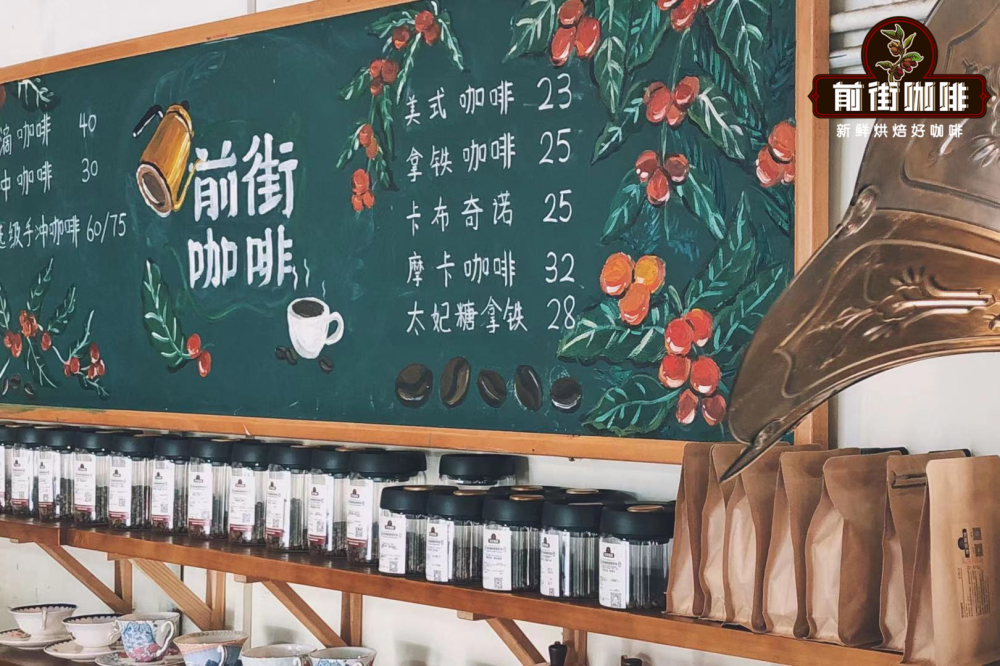
Espresso is the drink least often ordered on its own. At FrontStreet Coffee's store, it doesn't even appear on the printed menu - it only shows up when a customer specifically asks. Today, let's talk about what this tiny cup actually tastes like, and how it's meant to be enjoyed.
Is Espresso Very Bitter?
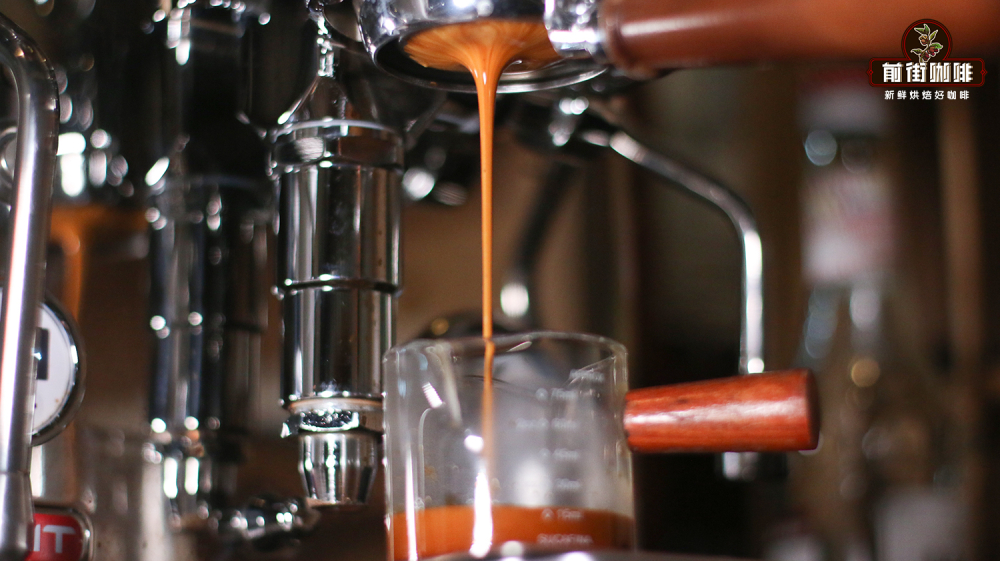
When a customer orders "a cup of Espresso," our barista gets to work. Two minutes later, they'll set down a glass of water and a small cup of intensely flavored coffee crowned with a golden-brown crema. Before drinking, take a sip of water first to cleanse your palate so nothing interferes with your sense of taste. A well-made Espresso shows thick crema and a full, heavy body, though every shop's Espresso carries its own personality depending on the beans. At FrontStreet Coffee, the house espresso is our own "Warm Sunshine Blend," composed of 30% sun-dried Yirgacheffe Red Cherry and 70% Honduras Sherry.
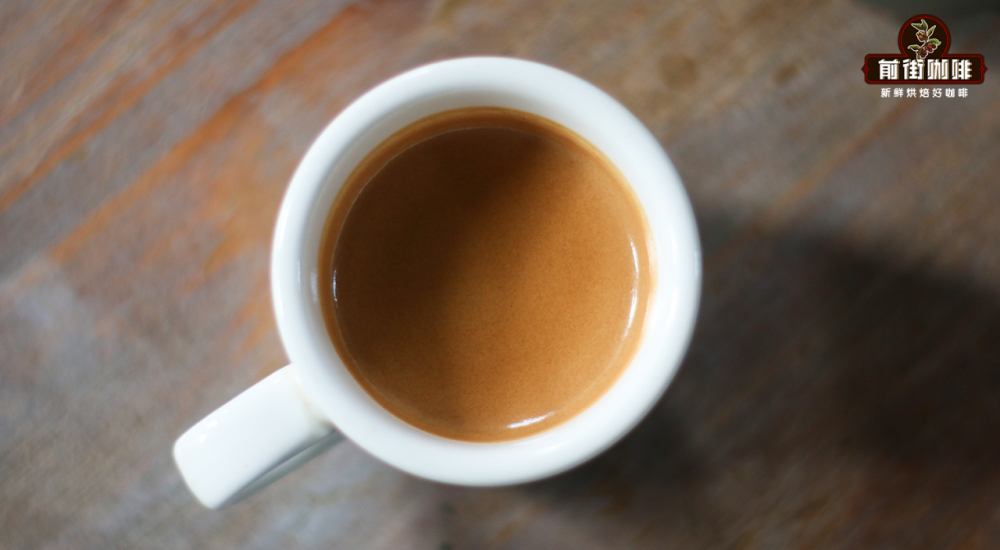
When savoring a freshly extracted Espresso, start by smelling the cup. This particular coffee offers rich notes of whiskey, vanilla, nuts, and cream. You can drink it straight, or dress it up with sugar or milk as you prefer.
Stir the coffee gently with a small metal spoon to marry the liquid and the crema. The first sip introduces that delicate crema with its full, roasted aromatics. Then the warm liquid hits your palate, where the flavors intensify into nuts, chocolate, berries, and winey notes. Halfway through, take another sip of water and notice the clean, sweet aftertaste it leaves behind. And when the cup is empty, the rich caramel aroma clinging to the bottom is the parting note that stays with you.
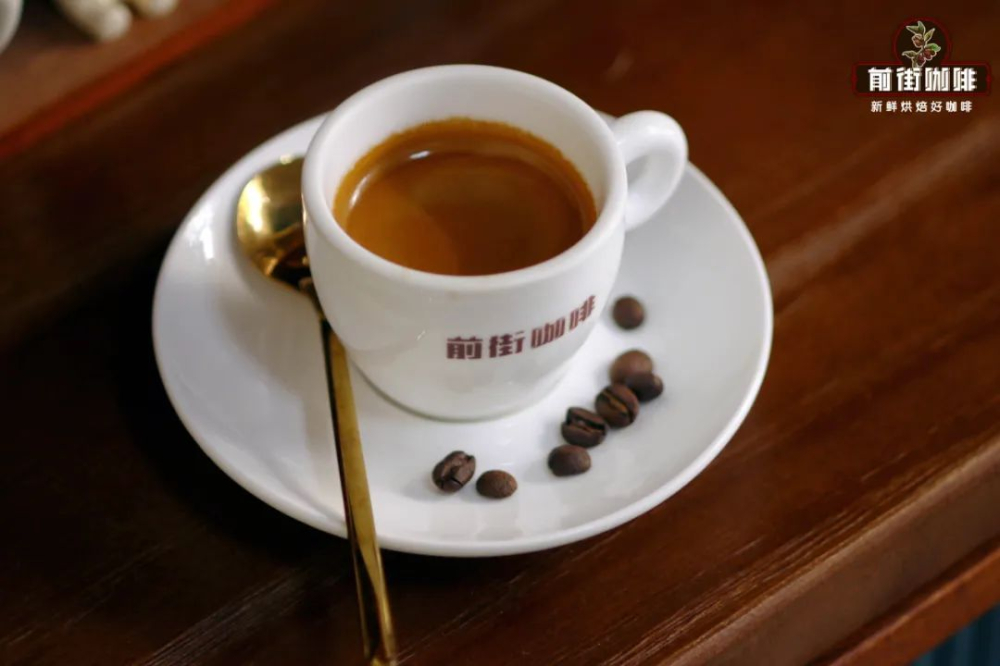
What Are the Characteristics of Espresso?
"Espresso" is Italian for "fast" (express) - and the name is earned. From preparation to serving, an Espresso takes only a few minutes, which is exactly why the Italians named it after speed.
The biggest difference between Espresso and other brewing methods is the equipment: it requires an espresso machine capable of generating pressure. Commercial machines typically deliver stable pressure above 9 atmospheres and water above 90°C. That pressure forces hot water through finely ground, compacted coffee in seconds, extracting a liquid rich in crema, intense in aroma, and full in body. To pull an ideal shot, a barista has to master the many parameters that shape flavor and adjust them until the extraction sits in its sweet spot.
In theory, Espresso isn't restricted to any particular bean type or roast level - any coffee you like can be run through an espresso machine. In practice, because Espresso extracts under fine grinding, high water temperature, and high pressure, the resulting concentrate piles flavor upon flavor, hitting your taste buds with multiplied intensity. A lightly roasted coffee that shows elegant, sweet fruit character in pour-over may taste harsh and sharply sour as an Espresso; the gentle body of a pour-over turns burnt and bitter under the same extraction. That's why most coffee shops use espresso-style blends to get consistently high-quality shots.
An espresso blend is a combination of beans from different origins and flavor profiles, selected and proportioned by the roaster (either roasted together or blended after separate roasting). The goal is to amplify Espresso's rich aromatics, keep the flavors balanced, and make espresso-based drinks consistent from cup to cup across the store. Our view at FrontStreet Coffee is that a blend should deliver stable flavors and balanced mouthfeel, achieving an effect where one plus one is greater than two. If one bean is smooth but quiet in aroma, you can add a highly aromatic bean to complement it, creating a richer new experience than either could offer alone.

Recommended Espresso Coffee Beans
Many people fall for the unique charm of Espresso and want to recreate café-quality coffee at home. FrontStreet Coffee recommends several blends here that make stable extraction easier. We want everyone to taste coffee at its most aromatic, so we only ship beans roasted within the last 5 days. Since freshly roasted beans need time to release the carbon dioxide trapped inside them (medium-dark roasts take 7-10 days), they'll usually still be degassing when they reach you. Rest them a few more days in a cool, dark place, and extraction will be all the more stable.

Delicate Wine Aroma Type — Sunflower Warm Sunshine Blend Coffee Beans
Ethiopia Sun-dried Red Cherry Coffee Beans (30%) + Honduras Sherry Barrel Coffee Beans (70%)
This blend is the daily espresso formula used at FrontStreet Coffee's own store. As an Espresso it delivers deep dark chocolate flavors with strong caramel notes, followed - after swallowing - by a released whiskey aroma and sweet-tart tropical fruit character that our customers adore. Diluted with water it makes a layered Americano; stretched with milk, a latte with equally layered aromas and texture.

Slightly Acidic and Full-bodied Type — FrontStreet Coffee Basic Blend Coffee Beans
Yunnan Washed Arabica Coffee Beans (30%) + Brazil Semi-washed Coffee Beans (70%)
Softly acidic Yunnan small-bean coffee is paired with the rich, full aroma of Brazil Cerrado, producing an espresso with flavors of caramel, nuts, and a gentle plum acidity.

Balanced and Rich Aroma Type — FrontStreet Coffee Premium Blend Coffee Beans
Colombia Washed Coffee Beans (30%) + Brazil Semi-washed Coffee Beans (70%)
Colombian coffee layered over the classic nuttiness of Brazilian coffee yields an espresso with dark chocolate flavors, caramel sweetness, and full roasted aromas.

Classic Full-bodied Type — FrontStreet Coffee Commercial Blend Coffee Beans
Robusta Washed Coffee Beans (10%) + Colombia Washed Coffee Beans (30%) + Brazil Semi-washed Coffee (60%)
The extracted espresso shows rich golden crema and nutty aromas. On tasting there is a roasty bitterness, but what carries the cup is the creamy, full-bodied texture; once swallowed, the bitterness fades and a lingering aroma stays on the palate.
FrontStreet Coffee Recommendation
If the 30% sun-dried Yirgacheffe in our Warm Sunshine Blend has you curious about the origin itself, start with FrontStreet's classic Washed Yirgacheffe daily bean. Yirgacheffe is a small town in Ethiopia's Sidamo region, sitting at roughly 1700-2100 meters with coffee planted above 1800 meters - among the highest coffee-growing zones in the world. The washed version is beloved for its white jasmine florals, bright citrus and lemon acidity, and tea-like finish, and its friendly price makes it the classic first bean for anyone stepping into specialty coffee.
For a taste of the same origin with sun-dried intensity, try our Red Cherry beans: only fully ripe, defect-free cherries are harvested, then dried whole on raised beds for three to five weeks, turned every 2-3 hours in the early days to prevent uneven heating. The result carries classic Yirgacheffe citrus acidity alongside the tropical fruit character of the natural process - berry-like juiciness, honeyed sweetness, and a smooth, creamy mouthfeel.
Important Notice :
FrontStreet Coffee is a long-established specialty coffee roaster in Guangzhou China, selling freshly roasted beans from its own farm in Yunnan as well as dozens of carefully selected single-origin beans from around the world for both pour-over and espresso. The products deliver consistently excellent quality and great value, with shipping within 24 hours. Guangzhou's FrontStreet Coffee shop is recommended by many coffee lovers, and the beans are now available online at the Tmall 。
FrontStreet Coffee has moved to a new address:
FrontStreet Coffee Address: 315,Donghua East Road,GuangZhou
Tel:020 38364473
 Scan and follow the En Gafei WeChat official account. Please indicate that the reprint comes from "En Gafei".