What is Honey Processing? Detailed Introduction to the Process and Flavor Characteristics of Black Honey Processed Coffee Beans
Coffee Processing Methods: An Introduction to Honey Processing
Coffee processing methods on the market today fall into three broad categories: washed, natural, and honey — plus Indonesia's special local method, wet-hulling. In this piece, FrontStreet Coffee introduces the honey processing method most closely associated with the Costa Rican growing region.
Nearly all Costa Rican growing regions use honey processing, and the method is popular across Central America generally. The basic steps: first, float the coffee cherries in a water tank to remove defective beans. Then remove the skin and pulp while retaining the mucilage, leaving the beans coated in plenty of it. The mucilage-coated beans then go straight out to dry in the sun.
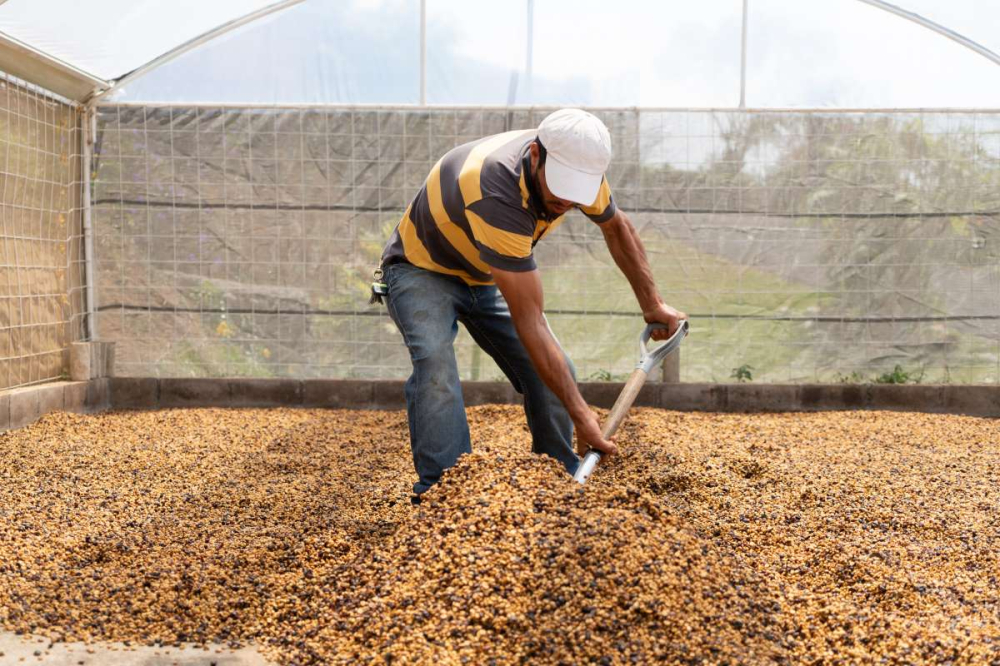
This is the point where honey processing diverges from washed processing. In the washed method, beans stripped of skin and pulp are poured into a water tank so the mucilage washes away and decomposes — that's the fundamental difference: washed processing removes the mucilage entirely, honey processing keeps it. Once the beans' moisture content drops to about 11%, the honey process is complete.
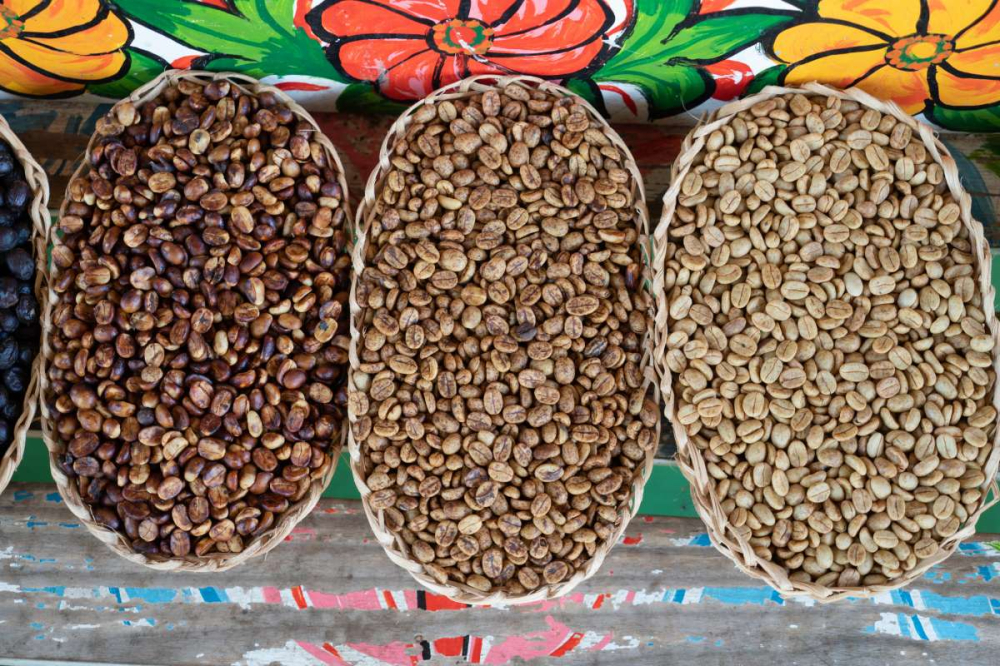
FrontStreet Coffee notes that honey processing is also classified by how much mucilage is retained. Beans with about 40% of the mucilage removed are called yellow honey; beans with 25% removed are red honey; and beans that retain 100% of the mucilage are black honey.
Drying honey-processed beans demands real attention. Because they retain their mucilage, the beans are sticky, and they must be turned constantly during drying to prevent mold and over-fermentation. Compared with natural processing, this is time-consuming, labor-intensive work. With natural processing, the whole cherry dries as one piece, so the beans never stick together — but because the fruit husk is included, natural drying actually takes longer than honey processing.
Anaerobic Honey Processing: Mozart Coffee
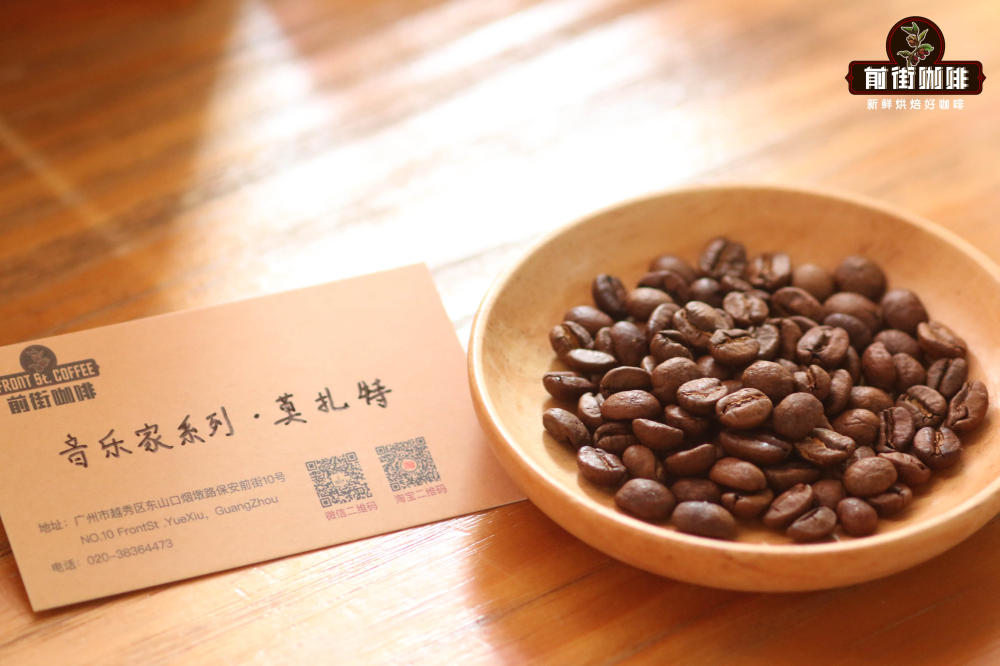
Costa Rica also produces an anaerobic honey-processed coffee, and FrontStreet Coffee's own Mozart uses this evolution of the honey method. Compared with ordinary honey processing, anaerobic honey delivers more stable flavor, because the desired profile can be achieved through controlled conditions. The general method: remove the skin and pulp, retain the mucilage, and place the beans directly into a sealed fermentation tank for low-temperature fermentation at roughly 10-15 degrees Celsius. After three days, the beans move to sun-drying.
Flavor Comparison of Different Processing Methods
So how do these methods actually differ in the cup? FrontStreet Coffee was just as curious as you are, so we ran cupping and pour-over comparisons across the various processing styles.
For honey processing, FrontStreet Coffee selected beans from Costa Rica's Mira Su estate processed by the raisin honey method — our FrontStreet Strawberry Candy. Because honey-processed coffee is inherently sweet, we roast it lightly to highlight that sweetness while keeping the fruit and floral notes intact.
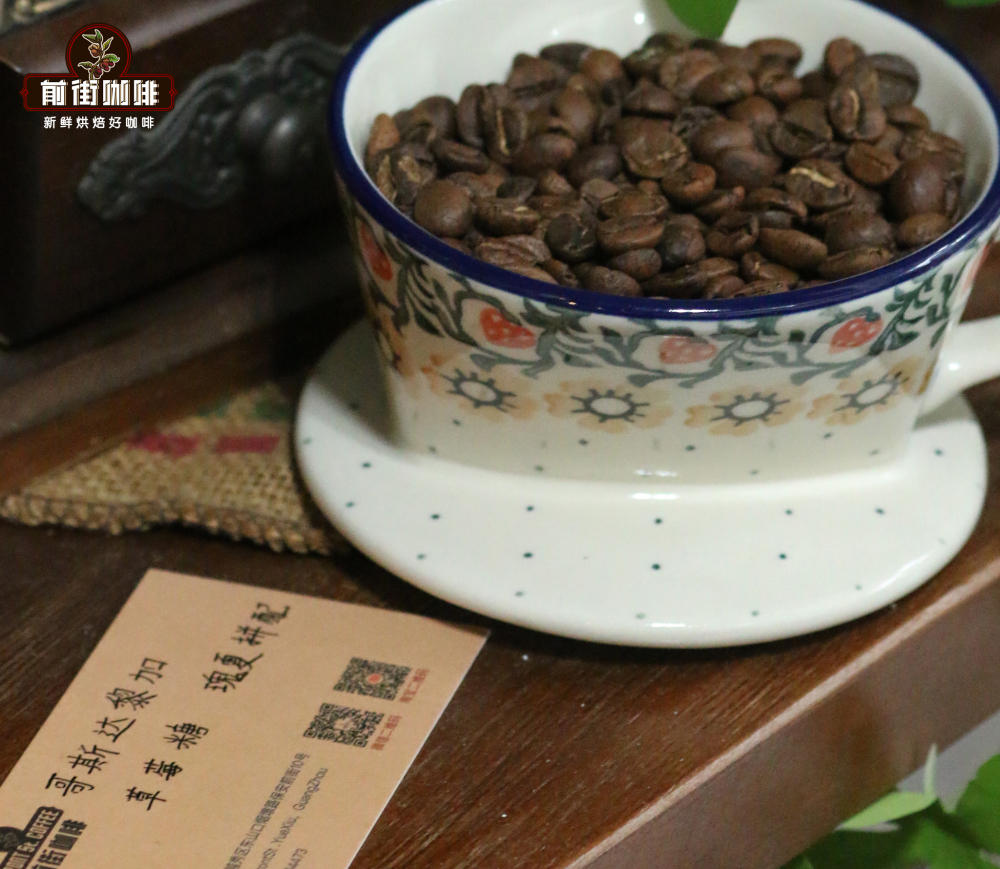
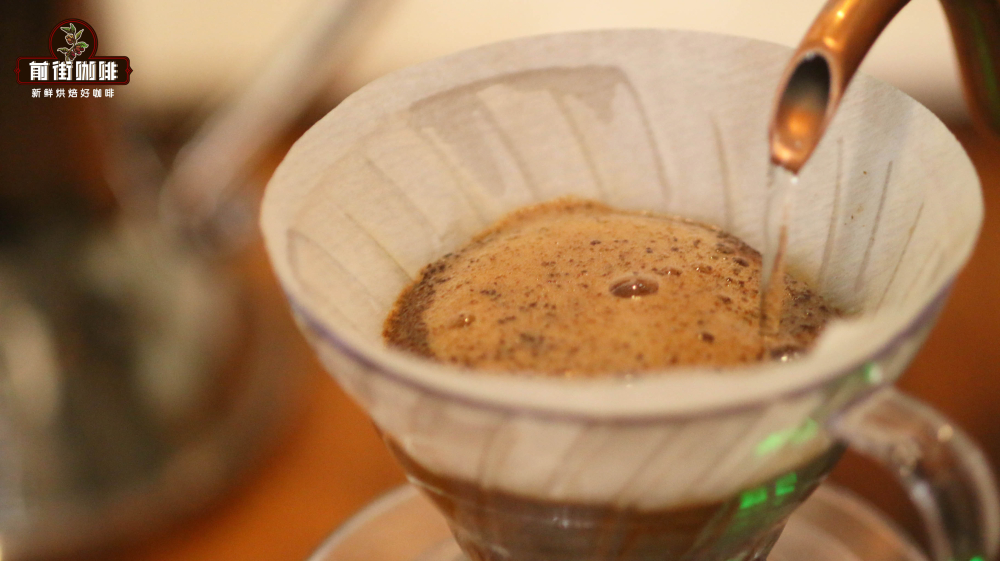
For brewing, to draw out the coffee's high sweetness, we recommend a water temperature of 91-92°C, 15 grams of coffee, and a 1:16 ratio — suited to extracting a relatively mellow cup.

FrontStreet Coffee brews these with the standard three-stage method. First, wet the filter paper and preheat the dripper and carafe before brewing. Stage one: 30 grams of water to bloom for 30 seconds. Stage two: a small, circular pour up to 125 grams, then stop. When the water level drops and is about to expose the bed, stage three follows — pour in circles again up to 225 grams, stop, and remove the dripper once the bed is about to show. (Timing starts from the bloom.) Total extraction time is exactly 2 minutes. This is the three-stage pour-over method, FrontStreet Coffee's most frequently used brewing approach.
Tasting Notes and Conclusions
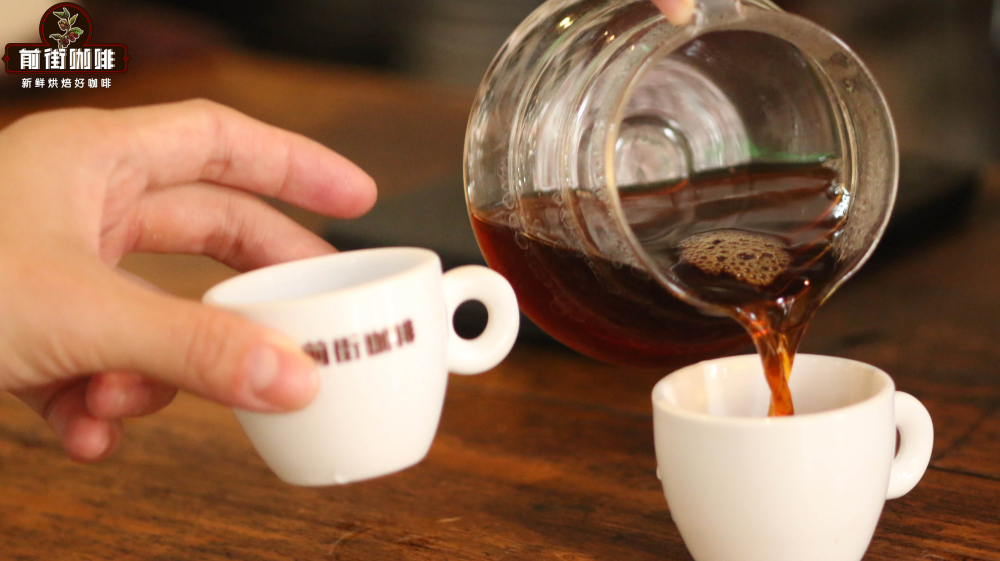
Having tasted through the set, FrontStreet Coffee's conclusions were:
Costa Rica Mira Su Estate: jasmine fragrance, sweet raisin on entry, strawberry-candy sweetness, and a nutty, cream-like mouthfeel.
Washed Yirgacheffe: rich citrus and lemon fruit acidity, strong jasmine florals, a light elegant body with tea-like notes — like refreshing, clean lemon tea.
Natural Red Cherry: distinct ripe tomato aroma and floral notes, cherry tomato and black plum flavors on entry, bright acidity, clean and full juiciness, berry sweetness, and a brown sugar finish.
Lindong Mandheling: herbal medicinal notes on entry, black chocolate, caramel, and a sweet aftertaste.
From these comparisons, the broad differences between washed, natural, and honey processing are clear. Among the four styles, honey-processed beans show the highest sweetness and rich floral notes. Natural-processed beans come next — not as sweet as honey, but sweeter than washed. Washed processing, meanwhile, delivers the brightest acidity. And Indonesia's wet-hulled beans stand apart with pronounced spice notes and a unique herbal character, with some sweetness in the aftertaste. Those are the general signatures of each processing method.
FrontStreet Coffee Recommendation
And if that wet-hulled profile intrigues you, FrontStreet Coffee's Indonesian beans are the reference standard. FrontStreet Mandheling, from the Lake Toba area of the Lindong region in Sumatra, is wet-hulled and medium-dark roasted: low acidity, full and mellow, with rich caramel, dark chocolate, and toasted bread aromas and a long sweet finish. FrontStreet PWN Golden Mandheling raises the bar further — G1-grade beans sorted for density, size, shape, and color, then machine- and hand-selected — showing sandalwood, herbal, spice, roasted hazelnut, caramel, and dark chocolate flavors with a clean, fragrant, layered cup. Taste them against a honey-processed Costa Rican and you'll hear the whole processing-method conversation in two sips.
Important Notice :
FrontStreet Coffee is a long-established specialty coffee roaster in Guangzhou China, selling freshly roasted beans from its own farm in Yunnan as well as dozens of carefully selected single-origin beans from around the world for both pour-over and espresso. The products deliver consistently excellent quality and great value, with shipping within 24 hours. Guangzhou's FrontStreet Coffee shop is recommended by many coffee lovers, and the beans are now available online at the Tmall 。
FrontStreet Coffee has moved to a new address:
FrontStreet Coffee Address: 315,Donghua East Road,GuangZhou
Tel:020 38364473
 Scan and follow the En Gafei WeChat official account. Please indicate that the reprint comes from "En Gafei".