Guji Natural Ethiopian Coffee Special Report | Coffee with Lychee Flavor
GUJI NATURAL
Natural Sun-dried Guji
Country: Ethiopia
Region: Guji
Altitude: 1800-2100 meters
Processing Method: Natural Processing
Variety: Local Landrace

Guji Region
Guji has become a highly notable coffee-producing area in recent years, achieving excellent results in both flavor expression and quality. Formerly part of the Sidamo region, Guji was established as an independent region by the Ethiopia Commodity Exchange (ECX) in 2010.
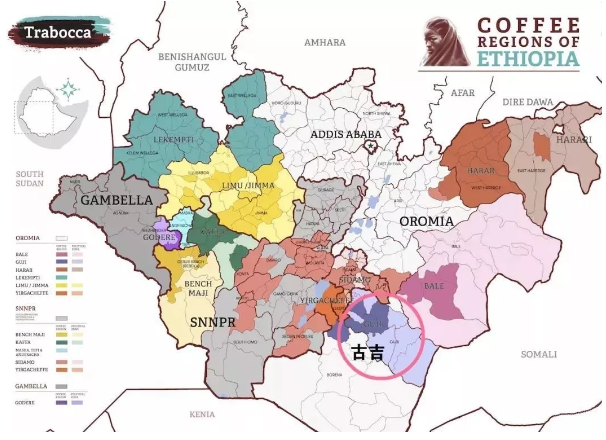
Located southeast of Yirgacheffe, Guji borders Sidamo and Gedeb, with complex topography spanning towering mountains, highlands, plateaus, valleys, and plains.
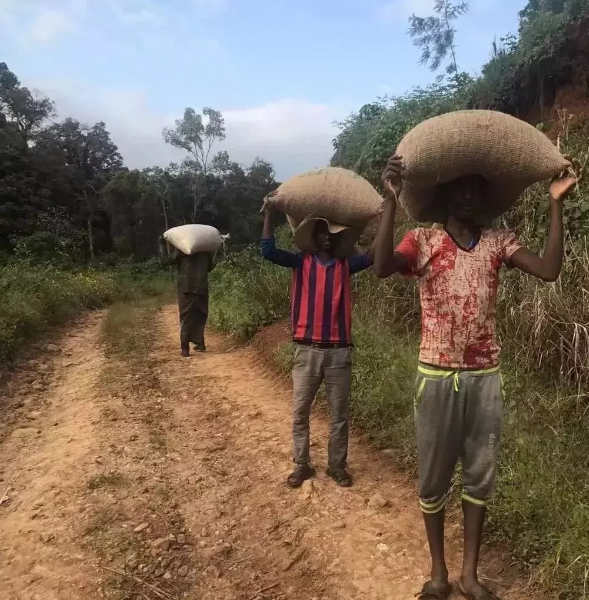
The region's geology is nutrient-rich vertisol soil nearly two meters deep, at an average altitude above 1800 meters. The pronounced day-night temperature differences these conditions create provide ideal terroir for high-quality specialty coffee.
The region's greatest advantage is how it maintains soil vitality through the circulation of natural organic matter: fallen leaves, debris from surrounding trees, and plant residues serve as natural fertilizers.
Natural Processing
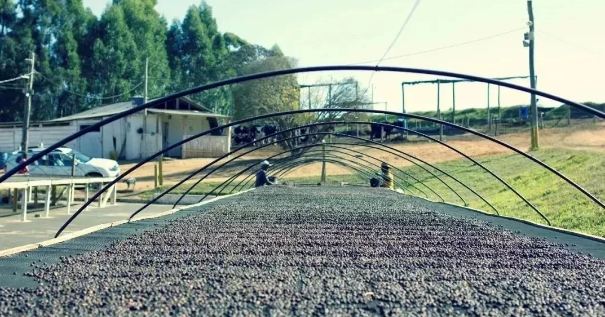
Natural processing is one of the oldest green coffee techniques, and this FrontStreet Coffee Guji is processed naturally.
1. Removing Floating Beans
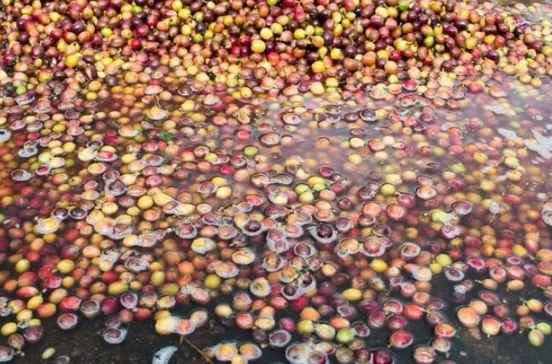
Harvested cherries are poured into large water tanks. Mature, full cherries sink, while underdeveloped or overripe ones float — and the floaters are removed.
2. Sun Drying
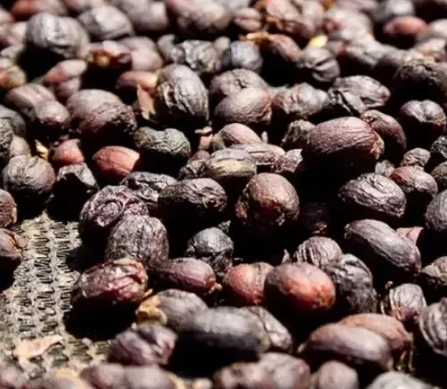
Whole cherries — pulp, skin, and mucilage intact — are laid on drying beds to sun-dry naturally until moisture reaches approximately 12%. This takes about two to four weeks, depending on the local climate.
3. Hulling
The dried cherries are run through hulling machines to strip away the dried hard pulp, fruit flesh, and parchment, revealing the green beans.
Local Landrace
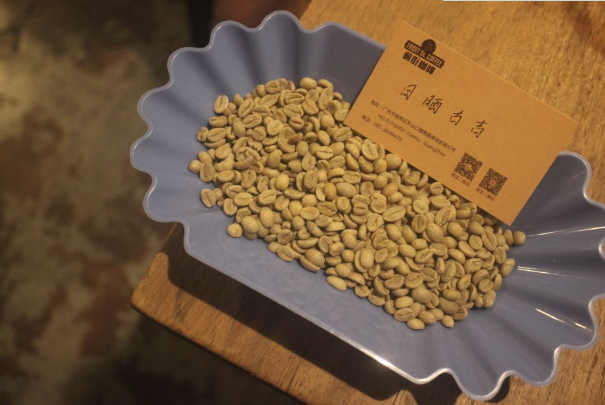
The variety here is Ethiopia's local landrace.
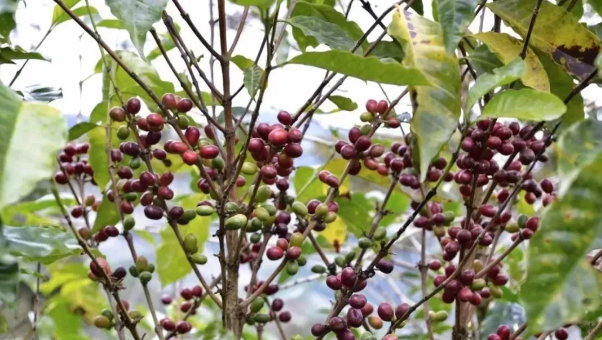
It is called landrace because Ethiopia holds an immense variety of coffee cultivars — a natural gene bank for Arabica. On one hand, the sheer number of varieties makes identification and classification difficult; on the other, the Ethiopian government, out of a desire to protect them, is reluctant to disclose details. Hence the collective name "Heirloom landrace."
Roasting Analysis
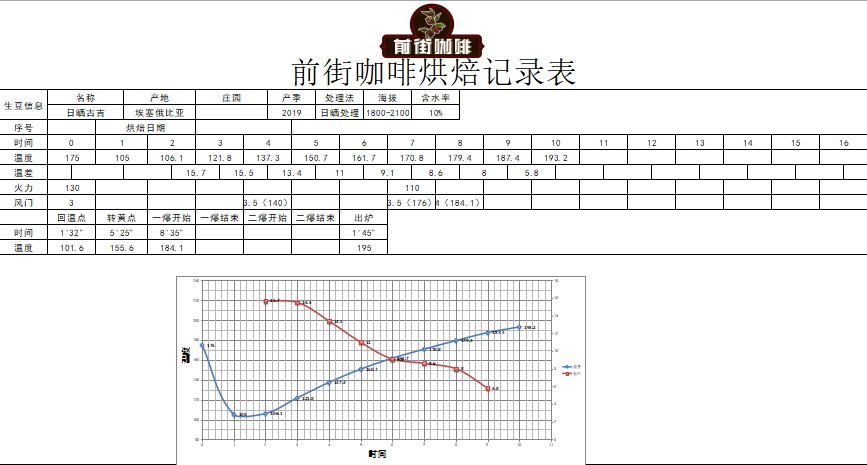
Heat the drum to 175°C before charging, with heat at 130 and damper at 3. Turning point at 1'32". When drum temperature reaches 140°C, open the damper to 3.5 with heat constant; at 155.6°C the bean surface turns yellow and the grassy aroma fully disappears — entering the drying stage. At 176°C, reduce heat to 110, damper unchanged.
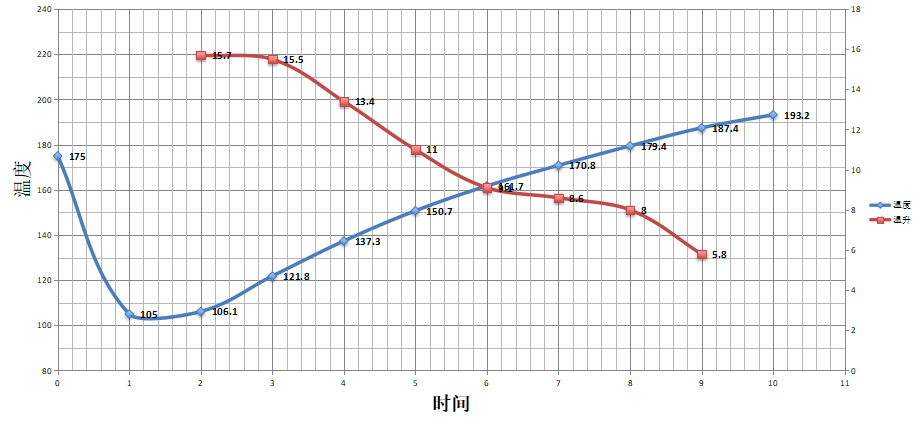
At 7'28", pronounced wrinkles and black spots appear on the bean surface and the toasted-bread aroma clearly shifts to coffee aroma — the prelude to first crack, so listen carefully now. First crack begins at 8'35"; damper to 4, develop 1'45" after first crack, drop at 195°C.

Agtron bean color value is 63.7 (left image), Agtron ground color value is 76.9 (right image), roast delta 13.2.
Cupping Notes
Tropical fruits, lychee, citrus, cream, caramel
1. Flavor descriptions vary from person to person and are influenced by water temperature and brewing method. This cupping report uses the flavor wheel with the same brewing equipment and parameters throughout, and is intended for reference.
2. Content is updated promptly as new information arrives; the latest version prevails.
FrontStreet Coffee Recommendation
If this lychee-scented Guji natural wins you over, the wider Ethiopian natural lineup has more to offer. The Sidamo natural Oiran carries the same mature tropical-fruit character — berries, florals, jackfruit, melon, and honey — from traditional sun-drying, while the washed Yirgacheffe Gudingding Cooperative shows the region's other face: jasmine florals, lemon acidity, and berry tones from a clean, classic wash.
For brewing, keep the light-to-medium roast and go gentle: a V60 at 90-91°C, 15g of coffee at 1:15, a 30-second bloom with 30g of water, finishing the pour around 1:35 for a total extraction of about 2:00-2:10 — enough to bring out the fruit without tipping into over-fermented harshness.
Important Notice :
FrontStreet Coffee is a long-established specialty coffee roaster in Guangzhou China, selling freshly roasted beans from its own farm in Yunnan as well as dozens of carefully selected single-origin beans from around the world for both pour-over and espresso. The products deliver consistently excellent quality and great value, with shipping within 24 hours. Guangzhou's FrontStreet Coffee shop is recommended by many coffee lovers, and the beans are now available online at the Tmall 。
FrontStreet Coffee has moved to a new address:
FrontStreet Coffee Address: 315,Donghua East Road,GuangZhou
Tel:020 38364473
 Scan and follow the En Gafei WeChat official account. Please indicate that the reprint comes from "En Gafei".