What is Cold Brew Coffee | How to Make Cold Brew Coffee | How to Drink Cold Brew Coffee | Cold Drip Coffee
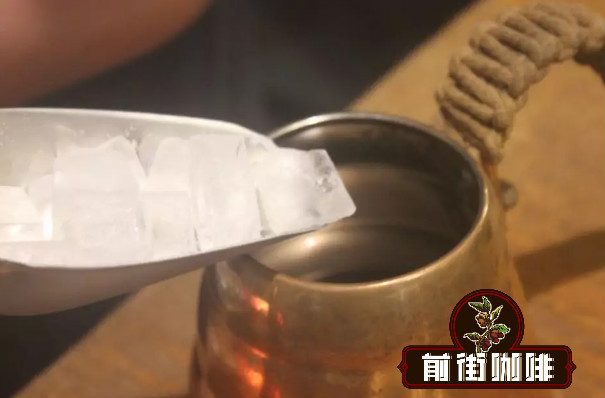
What is Cold Brew Coffee?
Customers often ask FrontStreet Coffee: what exactly is cold brew coffee? Is it any good? Or they simply walk into the shop and order one!
Here's the thing: "cold brew coffee" is actually a very broad term. It covers ice-drip coffee, immersion cold brew, and other coffees extracted with anything but hot water. Typically, when people say "cold brew," they mean immersion cold brew specifically. So how should you make it?
Characteristics of Cold Brew Coffee
Compared with hot-brewed coffee, cold brew has softer acidity, less bitterness, and a smoother mouthfeel. Because low-temperature extraction pulls fewer harsh compounds, the delicate aromatics come through more clearly, so floral and fruity notes are far more prominent.
Step 1: Weigh the Coffee Beans
First, choose a coffee you genuinely enjoy drinking, at a 1:13 coffee-to-water ratio. That means for 30g of beans, use 390 c.c. of room-temperature water. This ratio may need adjusting depending on your grinder, water quality, and beans — tweak it to your own taste.
Step 2: Grind the Coffee
Grind the beans. You can use the same grind setting as for your regular pour-over. You can also grind slightly finer to pull out more delicate aromas, but be careful: ground too fine, the long steep risks over-extraction and extra bitterness.
Step 3: Fill Tea Bags with Coffee Grounds
Buy a pack of empty tea bags from the supermarket and fill them with the grounds — very convenient! One thing to note: tea bags don't usually seal tightly, so the shop owner wraps the grounds in two bags positioned opening-to-opening. That way nothing spills when you pull the bag out later.
Step 4: Add Water and Refrigerate for 12 Hours
Now the final step. Find a suitably sized container, drop in the filled tea bag, add room-temperature water, and place the container in the refrigerator for 12-14 hours. Afterwards, remove the coffee bag and let the liquid rest a few more hours to ferment and mature — this deepens the aroma and softens the astringency before drinking!
One caution in this step: when removing the coffee bag, do not squeeze it. Squeezing presses the bitter compounds out of the grounds and into your drink!
See? Making a cup of cold brew coffee really isn't difficult.
Tips for Adjusting Flavor
Once you've tasted your cold brew, you can fine-tune it: "If the flavor seems weak, lengthen the steeping time or grind finer. If it tastes bitter, shorten the steep or grind coarser!"
Beyond grind size and steeping time, water quality and the beans themselves matter enormously. Finding your perfect flavor takes a little experimentation, but this is far more forgiving than pour-over, ice-drip, or siphon brewing — all you need is a little patience!
END
FrontStreet Coffee Recommendation
Cold brew amplifies floral and fruity tones while muting woody and roast flavors, so a light-to-medium roast is the best starting point. For a fragrant iced coffee, FrontStreet Coffee recommends the natural-processed Huakui from Ethiopia: because the beans dried inside the cherry, they absorbed abundant sweetness, and in cold brew they show magnolia, creamy strawberry, dried mango, guava, and black tea notes — so smooth and juicy that many drinkers call it "the coffee for people who don't like coffee."
If you want a full juice-like cup, go for the FrontStreet Kenya Cherry Tomato from the Thika region: SL28 and SL34 varieties grown at 1,550-1,750 meters and processed with Kenya's distinctive 72-hour double-washed fermentation. Under cold extraction the cherry tomato, snow pear, black plum, and dried dark plum tones come through vividly — low bitterness, full acidity, and wonderfully refreshing over ice.
For a playful, wine-like option, try the FrontStreet Strawberry Candy Geisha blend, which pairs Panama Geisha (delicate rose and orange) with Costa Rica honey-processed coffee (grape, dried blueberry, strawberry candy sweetness). It makes a lively, sweet-tart cold brew, and if you let it ferment and settle in the fridge, it even takes on a fruit-wine character. Since cold brew uses more grounds than pour-over, budget-conscious drinkers can also blend the FrontStreet Colombia Sidra with Costa Rica Tarrazu at a 1:2 ratio — keeping the passion-fruit florals and gaining a clean citrus acidity at a much friendlier cost.
Important Notice :
FrontStreet Coffee is a long-established specialty coffee roaster in Guangzhou China, selling freshly roasted beans from its own farm in Yunnan as well as dozens of carefully selected single-origin beans from around the world for both pour-over and espresso. The products deliver consistently excellent quality and great value, with shipping within 24 hours. Guangzhou's FrontStreet Coffee shop is recommended by many coffee lovers, and the beans are now available online at the Tmall 。
FrontStreet Coffee has moved to a new address:
FrontStreet Coffee Address: 315,Donghua East Road,GuangZhou
Tel:020 38364473
 Scan and follow the En Gafei WeChat official account. Please indicate that the reprint comes from "En Gafei".