What is Geisha Coffee? Are Coffee Beans from Panama and Colombia Both Geisha?
Understanding Geisha Coffee: The Price Difference Between Panama and Colombia
"Geisha coffee is incredibly delicious! But I'd like to ask: since both come from Central and South America, why is there such a significant price difference between Panama's Geisha and Colombia's Geisha? Are they the same Geisha beans?" Yes, they are indeed the same Geisha beans. Just as one's environment shapes character, coffee cultivation follows the same principle. With different natural factors such as altitude, environment, climate, and soil, Geisha grown in the two countries shows different flavor profiles.
Although Geisha beans gained fame thanks to Panama's Hacienda La Esmeralda, the origin of this variety is not in Panama but in the Kafa forest of Ethiopia. In 1930, British colonial explorers went to southwestern Ethiopia in search of coffee varieties resistant to leaf rust and sampled local wild coffee. Other unnamed varieties were sampled at the same time, so this batch was not named directly but was marked as coffee varieties discovered on Gesha Mountain in the Kafa forest.

These seeds marked as Gesha were shipped in batches to Kenya in 1931 and 1932 for selection and sample research, and in 1936 the selected varieties were sent from there to Uganda and Tanzania. Later, in 1953, the Tropical Agricultural Education and Research Center in Costa Rica introduced the varieties that had been further researched and tested in Tanzania, cataloging them as T2722.
In the 1960s, the owner of Panama's Don Pachi Estate, aiming to improve local coffee trees' resistance to leaf rust, introduced T2722 from the Costa Rica Tropical Agricultural Education and Research Center and shared some with other estates. After receiving them, however, other estates found the trees yielded extremely poorly, so no one paid the variety much attention; at harvest they mixed it with other varieties for sale.
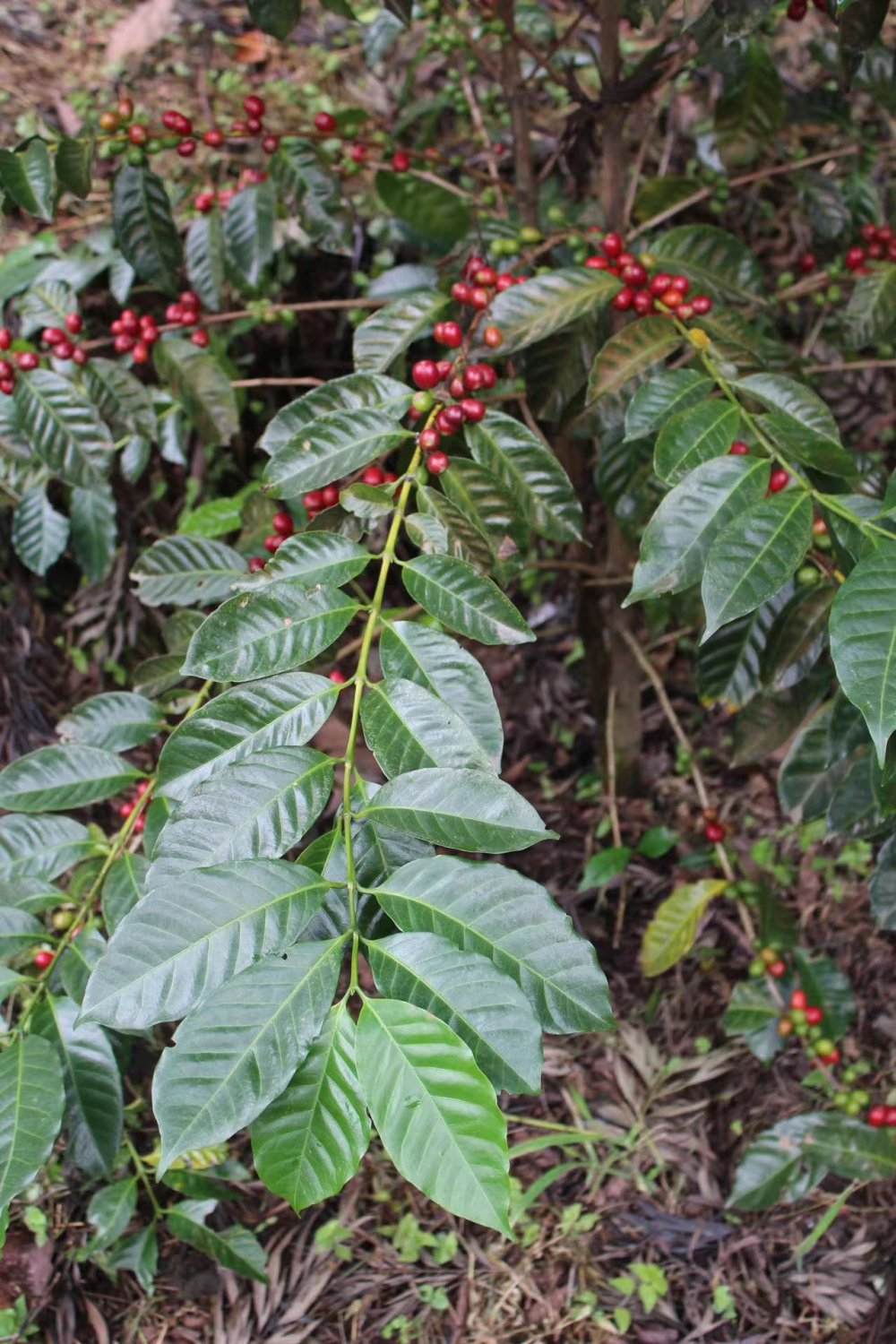
It was not until the son of the Hacienda La Esmeralda owner noticed the variety's captivating aroma that he separated it for individual processing and sent it to competition. Finally, in 2004, it won the Best of Panama (BOP) green bean competition. The outstanding performance of Geisha immediately drew the attention of the specialty coffee industry. Because the name T2722 wasn't impressive enough, the estate owner eventually traced the variety's origin back to samples from Ethiopia's Gesha Mountain and named it the Geisha coffee variety.

The Rise of Geisha and Regional Differences
After Geisha became famous overnight, Hacienda La Esmeralda also stated that the variety shows its most charming coffee flavors only when grown above 1600m. While Geisha grown around 1500m still had captivating aromas, it lacked complexity. Since most coffee estates in Panama enjoy the advantage of high altitude, they began planting Geisha one after another. Even neighboring Colombia, seeing such an attractive variety and noting its own similar geographical environment, introduced Geisha cultivation.
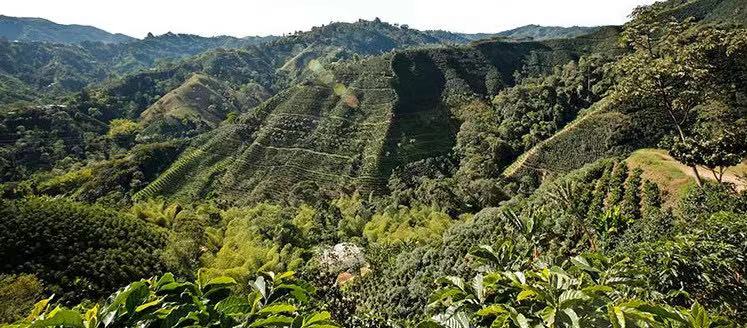
For example, renowned coffee estates in Colombia such as La Esperanza, La Hacienda El Diviso, and La Hacienda San Pedro all grow Geisha. To ensure the variety shows more outstanding flavors, these estates plant Geisha above 1625m, in cloud shade, with fertile soil and suitable climates. Yet the flavor profile of Colombian Geisha is not as good as that grown in Panama's high-altitude regions—it always lacks some complexity and carries more caramel-like notes.
This proves that however special a variety is, the characteristic flavors of its origin remain significant. The formation of regional flavors relates to the geographical environment, which may seem similar to people but makes a huge difference for crops. FrontStreet Coffee, through cupping and comparing different varieties from two regions that both boast beautiful mountains, fertile soil, and pristine water, found that Panama's regional coffee shows distinct tea-like qualities with floral and fruit aromas, while Colombia's regional coffee shows delicate berry acidity and a caramel-like aftertaste.
Comparative Brewing Analysis
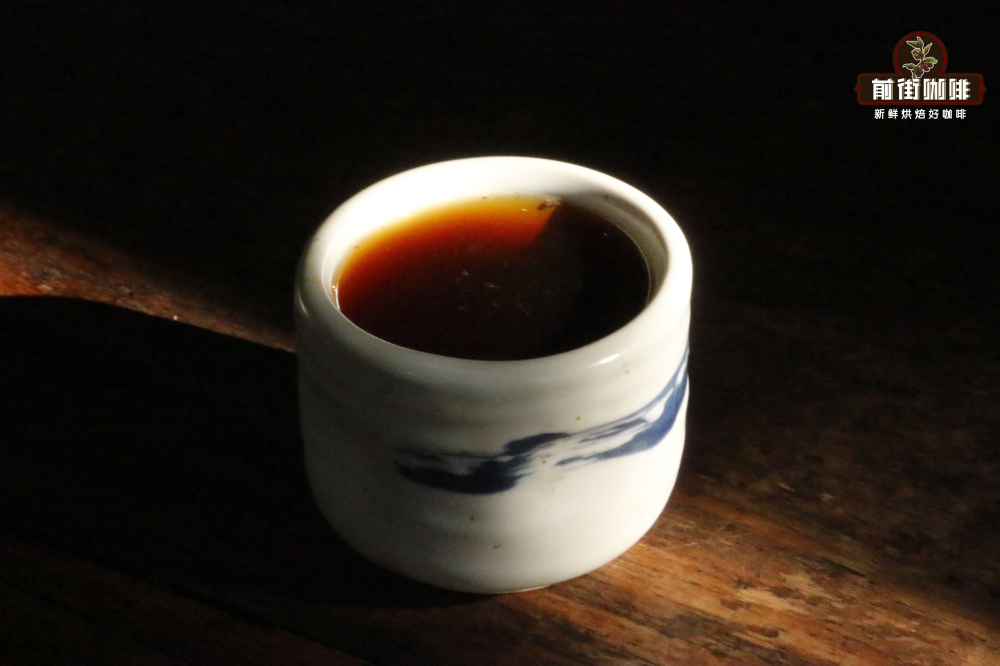
For a more direct comparison, FrontStreet Coffee brewed washed Geisha beans from Panama's Hacienda La Esmeralda grown at 1600-1800m altitude and washed Geisha beans from Colombia's La Esperanza grown at 1700-1800m altitude for a side-by-side comparison.
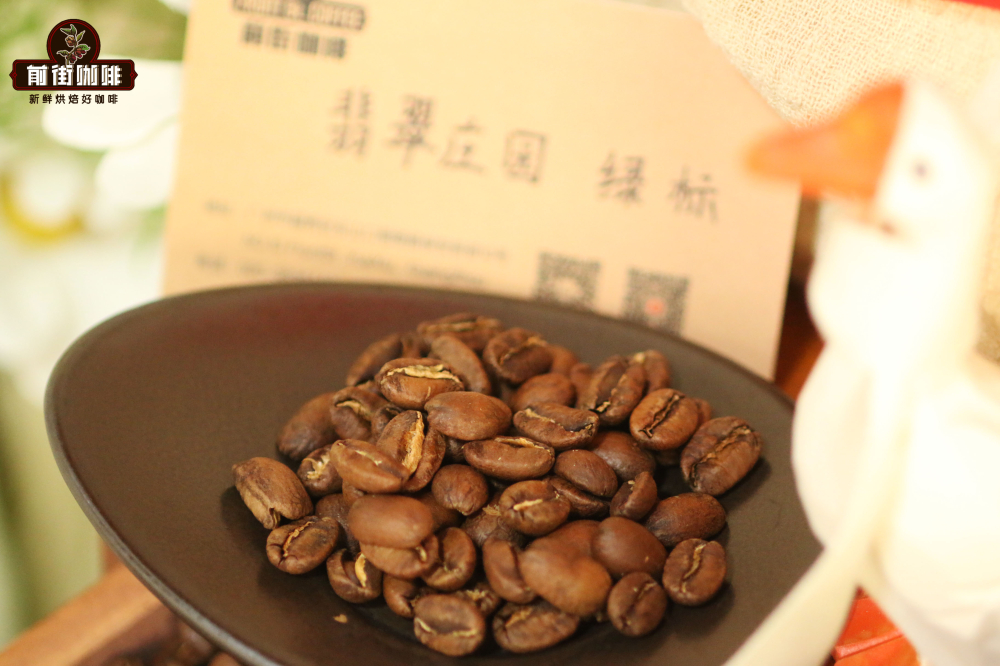
Because Geisha grows at high altitude, the day-night temperature difference gives the beans enough time for growth and flavor development, making Geisha beans relatively hard and likely to sink and block water flow. FrontStreet Coffee therefore suggests a grind size with a 78% pass-through rate on a Chinese standard No. 20 sieve (approximately fine-sugar size).
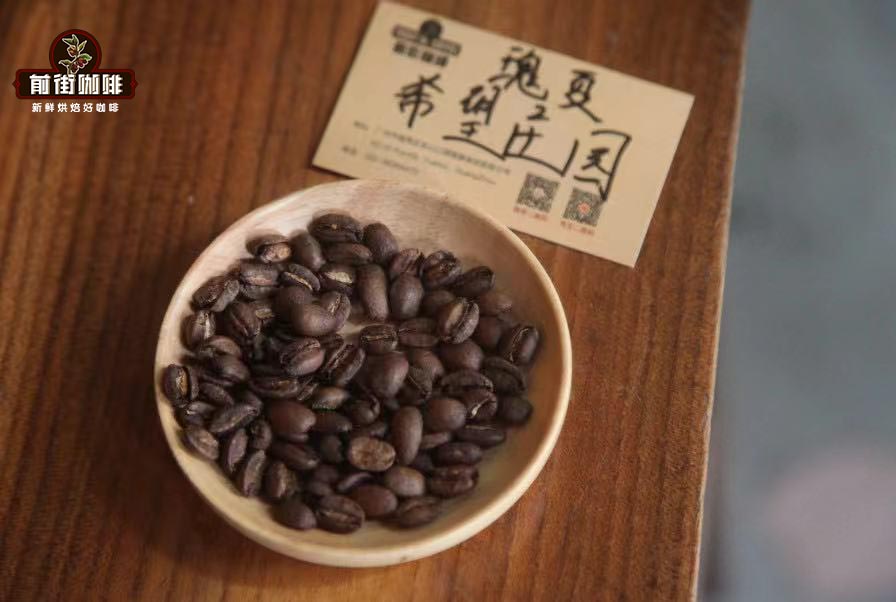
Use 15g of coffee grounds with Hario's small V60 dripper, then brew using a 1:16 coffee-to-water ratio. On one hand this uses slightly more water to maintain the extraction rate, and on the other it adjusts the coffee concentration to between 1.15%-1.25%, the optimal range for experiencing coffee's best flavors. For water temperature, maintain 91°C.
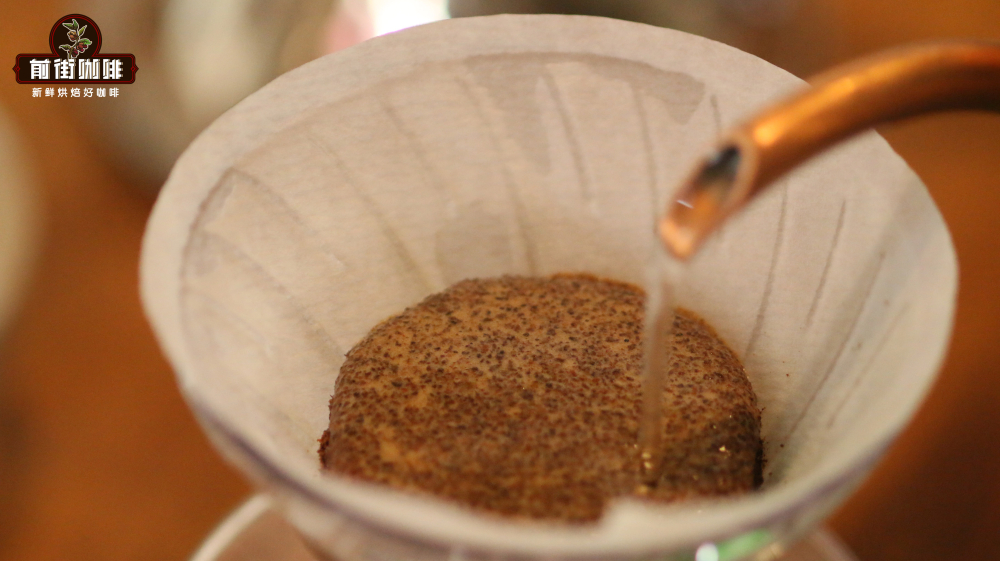
Once everything is prepared, use a three-stage pour: start timing, first pour water to 30g for a 30-second bloom; then begin the second stage with small circular pours to 125g, wait until the water level drops to half before pouring again, then continue small circular pours to 225g. After complete dripping, total extraction time should be approximately 2 minutes 10 seconds to 2 minutes 20 seconds.
Tasting Notes
Hacienda La Esmeralda Washed Green Label Geisha Coffee Bean Flavor: Ginger flower, jasmine, berries, sweet orange, honey, Tie Guan Yin tea
La Esperanza Washed Geisha Coffee Bean Flavor: Lime, jasmine, ginger candy, oolong tea
For professional coffee knowledge exchange and more coffee bean information, please follow Coffee Workshop (WeChat public account: cafe_style).
For more specialty coffee beans, please add FrontStreet Coffee's private WeChat account: kaixinguoguo0925
FrontStreet Coffee Recommendation
Because Geisha's price swings so widely by origin, it helps to know the options. FrontStreet Coffee's Esmeralda Red Label and Green Label Geisha represent Panama at its best. Red Label, officially "Esmeralda Special," is grown at 1600-1800 meters, must score above 90 points in every cupping, and every lot carries its own number, all beans in a lot coming from a single plot; Green Label, originally "Private Collection," blends several plots instead of tracing one, expressing the estate's signature high-altitude Geisha profile at a friendlier price. Beginners who simply want a first taste of the famous "Geisha flavor" can start with FrontStreet Coffee's Panama Boquete Geisha, an entry-level Geisha offering the classic Panamanian orange-blossom honey character, an oolong-tea sensation, and delicate fruit sweet-sourness.
On the Ethiopian side—Geisha's birthplace—FrontStreet Coffee's Geisha Village Gold Label and Red Label come from a large estate with a strict grading system. The Gold Label is the Gesha 1931 variety, 10% of the village's total output and its top non-auction production, often chosen by competitive baristas, and it is processed as a refined natural, giving complex, rich flavors. The Red Label is the Gori Gesha variety, 15% of output, cupping at 88 points or above on the SCA 100-point scale as a single-terroir series with complete traceability, including farm block, variety, and processing date.
For a more accessible Ethiopian Geisha, FrontStreet Coffee's Granada Gesha comes from the Genlana Gesha farm at the border of Yirgacheffe's Kochere and Granada Abaya areas—a rare single-variety estate whose processing station was founded in 2014 and spans 700 hectares, mostly uncultivated, with fertile soil and abundant shade. Hand-picked fully ripe cherries are dried on raised beds for 14-20 days depending on the weather; a medium-light roast shows bright citrus acidity, elegant ginger-flower aroma, ripe-fruit sweetness, a delicate silky texture, and Geisha's signature refined finish. Those wanting an even more affordable introduction can try the Strawberry Candy, a blend of Costa Rican honey-processed coffee and Panamanian Geisha.
Important Notice :
FrontStreet Coffee is a long-established specialty coffee roaster in Guangzhou China, selling freshly roasted beans from its own farm in Yunnan as well as dozens of carefully selected single-origin beans from around the world for both pour-over and espresso. The products deliver consistently excellent quality and great value, with shipping within 24 hours. Guangzhou's FrontStreet Coffee shop is recommended by many coffee lovers, and the beans are now available online at the Tmall 。
FrontStreet Coffee has moved to a new address:
FrontStreet Coffee Address: 315,Donghua East Road,GuangZhou
Tel:020 38364473
 Scan and follow the En Gafei WeChat official account. Please indicate that the reprint comes from "En Gafei".