What Makes Ethiopian Gesha Coffee Beans Special and How It Differs from Other Gesha Varieties
Rich florals, tropical fruit, and an intense sweet-tart acidity that recalls fresh juice: that is FrontStreet Coffee's impression of Geisha. The story behind it is one many drinkers have never heard. Geisha is an ancient Ethiopian variety from the Gori Geisha forest. A sample was sent to Kenya for research, then carried to Uganda and eventually Panama, where this Ethiopian variety finally flourished.
Introduction to Geisha Coffee
Panamanian Geisha has featured in many FrontStreet Coffee articles, so today we turn to Geisha's birthplace, Ethiopia, and to Geisha Village in particular. Both are African coffees, and both share the intense fruit and floral character associated with the Yirgacheffe region. Weather, soil, and altitude still set them apart, however.
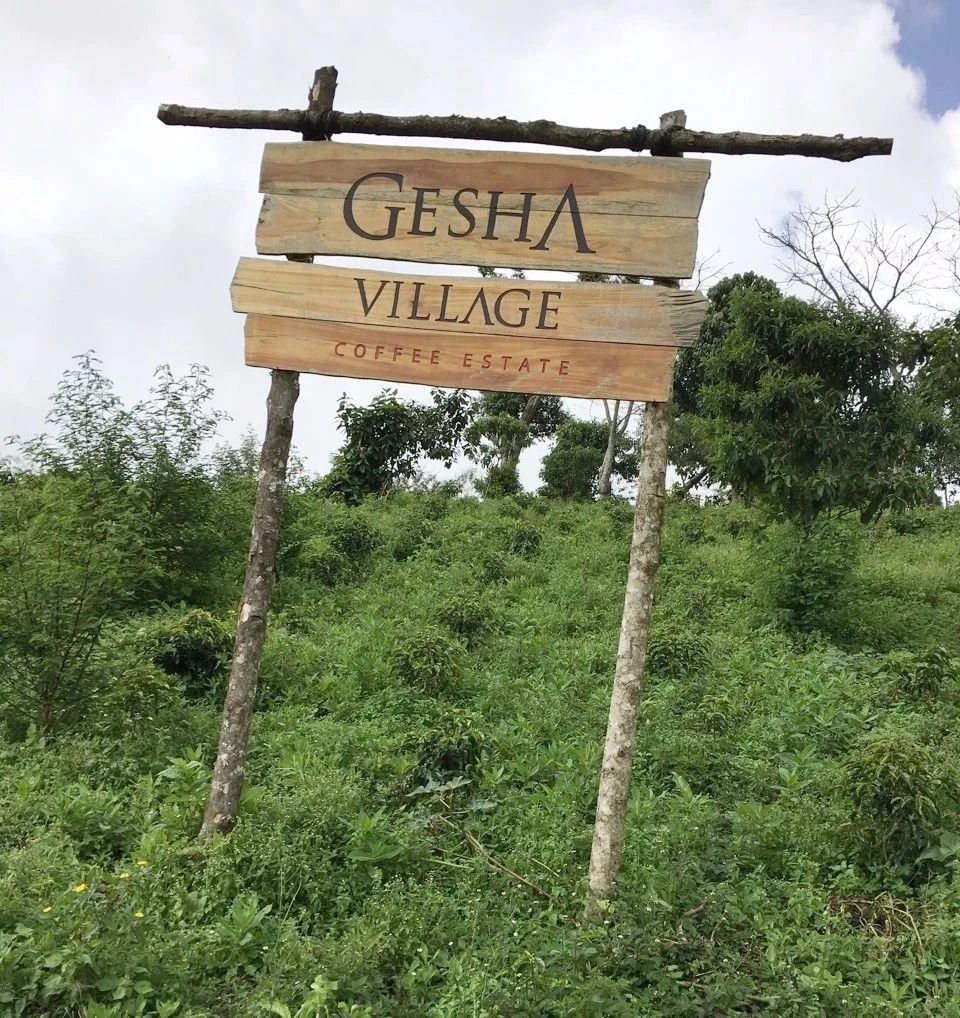
Geisha takes its name from the fact that the word sounds similar to Japanese. It is in fact a derived variety of the Typica family, the name of a coffee variety rather than a specific blend. Cultivation at Geisha Village differs from the mixed wild plantings typical of Ethiopia: only Geisha varieties are grown there, alongside Illubabor supplied by the local Ethiopian Coffee Research Center. The owners, documentary director Adam Overton and his photographer wife Rachel Samuel, planted Geisha varieties collected from the Gera coffee forest in the Bench Maji region on their own estate, which is the Geisha Village Estate FrontStreet Coffee is introducing here.
Panamanian vs. Ethiopian Geisha
Geisha Village shares Ethiopia's high floral and fruit intensity, yet the two countries' Geishas are not the same coffee. Panama's Geisha was shaped by different weather, soil, and altitude, and the comparison below shows how far that influence reaches.
Geisha Village Classification System
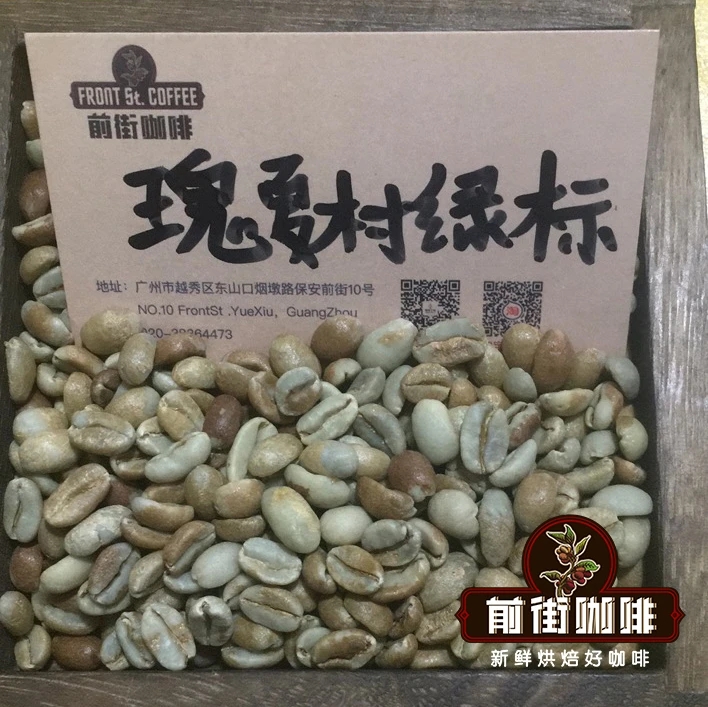
Geisha Village Estate, much like Panama's Hacienda La Esmeralda, applies a strict classification system that includes Auction, Gold Label, Red Label, Green Label Geisha, and Chaka batches. FrontStreet Coffee also carries Geisha beans from Geisha Village. Cupping Panamanian Geisha against Geisha Village Geisha, we found the flavors quite different. In our comparison, Hacienda La Esmeralda's Green Label showed excellent cleanliness with no off-flavors, a very smooth texture, and more prominent floral and tea-like notes, while Geisha Village's Green Label leaned toward candied fruit and carried higher sweetness. Part of that gap comes down to growing altitude.
Altitude's Effect on Coffee Flavor
Geisha Village sits relatively high, with coffee trees generally planted between 1900 and 2000 meters, higher even than the Geisha at Hacienda La Esmeralda in Panama. For reference, Panama's Red Label and Green Label Geisha are cultivated between 1600 and 1800 meters, while Blue Label is planted lower, generally between 1400 and 1500 meters. Geisha Village's altitude strongly favors the formation of flavor compounds. The higher the altitude, the harder the beans, and the better the flavor in the cup.
Another country famous for honey processing also grows Geisha: Costa Rica's Las Lajas Estate. Besides Geisha Village and Panama, Las Lajas has a climate well suited to Geisha. Its large day-to-night temperature swing slows the growth of the coffee trees, letting them accumulate flavor compounds over a longer period. FrontStreet Coffee believes high-altitude coffee generally tastes better than coffee from lower regions.
Costa Rican Geisha Coffee
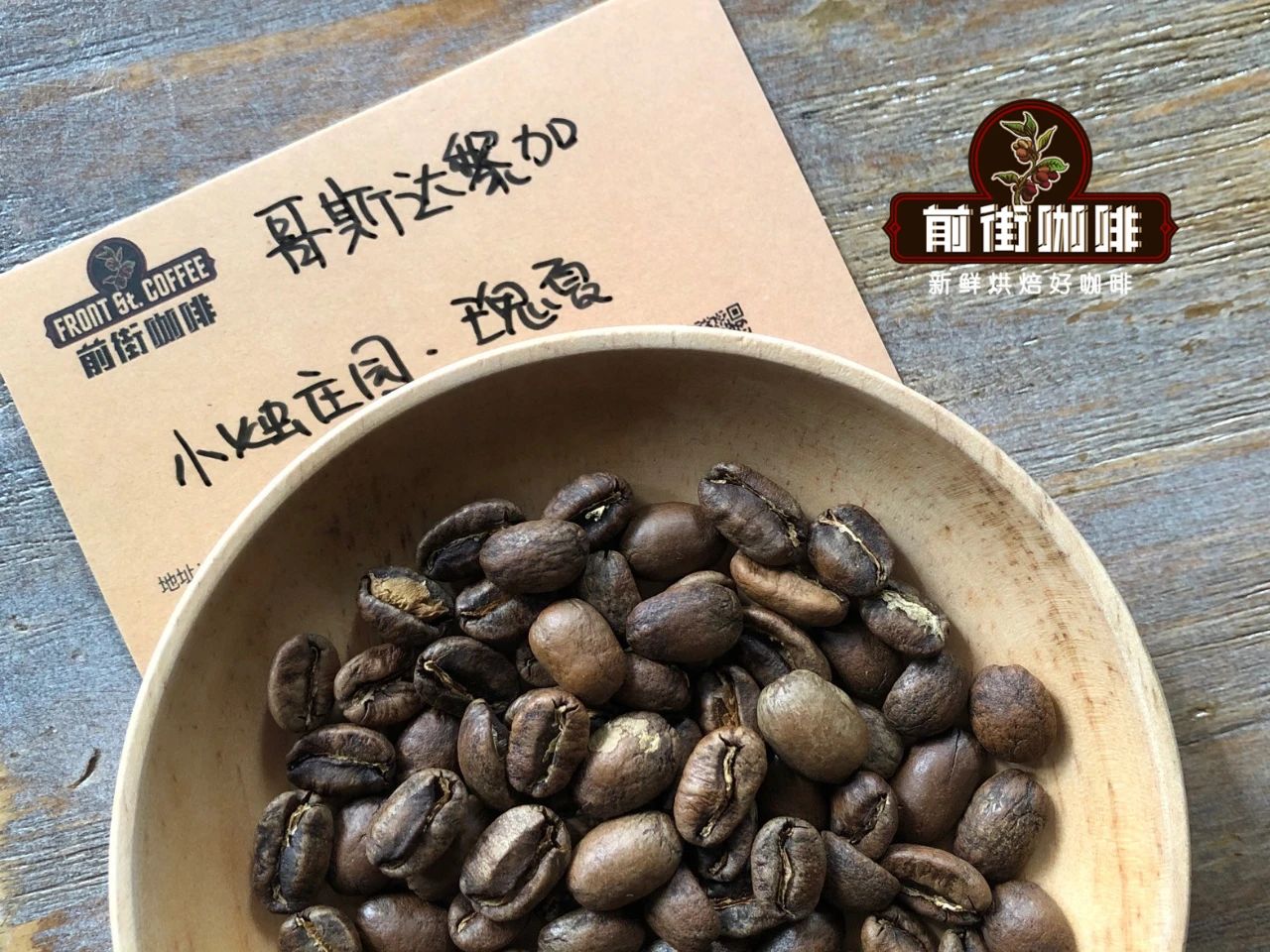
Curious about Costa Rican Geisha, FrontStreet Coffee acquired beans from Las Lajas Estate. This is a washed Geisha, unlike Geisha Village Geisha, which is processed only as natural. Las Lajas favors washing mainly to highlight Geisha's bright acidity and intense florals.
The washed process runs as follows: selected cherries are first passed through a depulper to remove skin and pulp; the beans with mucilage still attached are then fermented in water for about 24 hours; after fermentation the parchment is washed in flowing channels to remove the remaining pulp and mucilage; the beans are dried naturally or with dryers to about 12% moisture content; and finally the parchment is removed from the green beans.
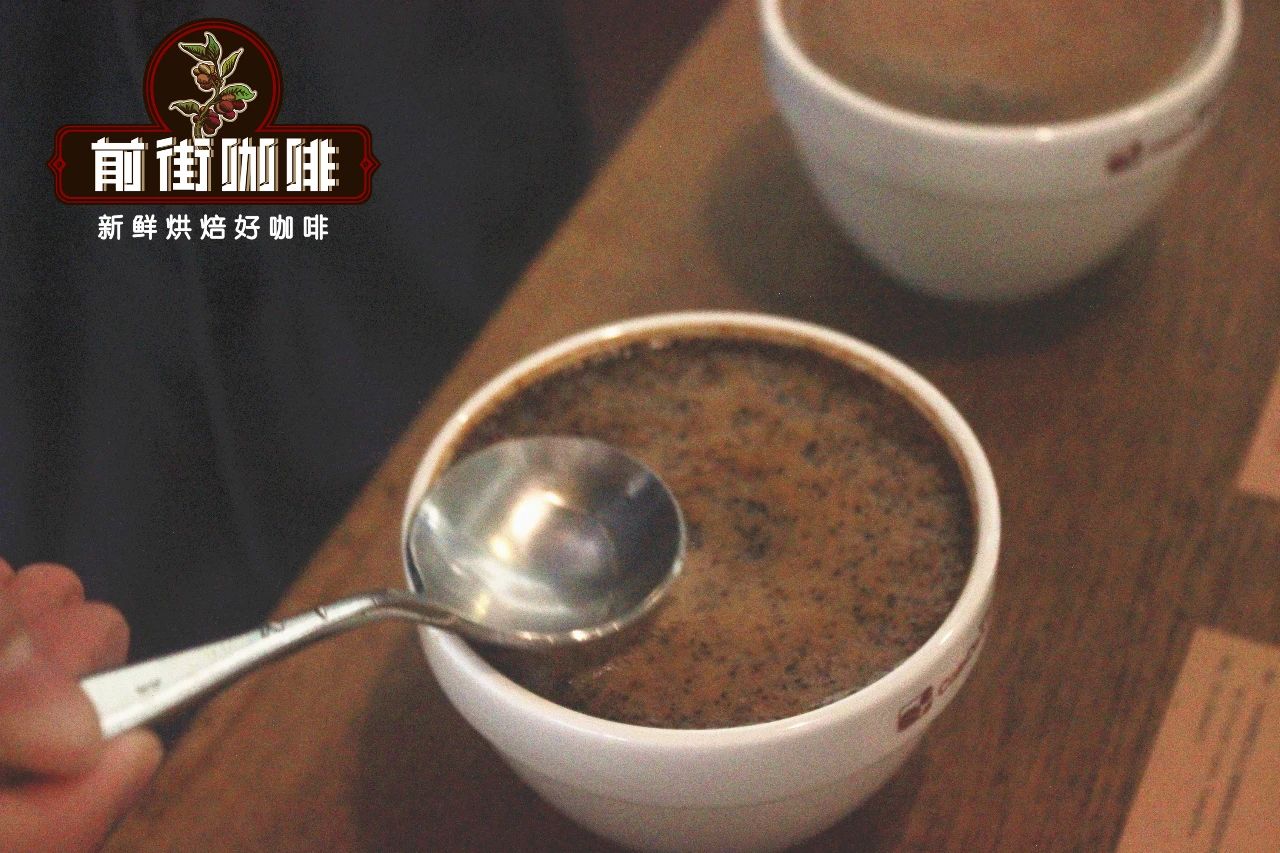
FrontStreet Coffee cups 8 hours after every roast, using 200ml standard cupping bowls, a grind of 70-75% passing through a #20 sieve, and 11.1g of coffee. The water temperature is 94 degrees Celsius. After grinding, FrontStreet Coffee smells the dry aroma, and this Las Lajas coffee gives off citrus. Water is then added to fill the bowl, and the wet aroma reveals intense florals. After 4 minutes the crust is broken and removed for tasting. The overall flavor profile is jasmine, lemon, green tea, and honey. FrontStreet Coffee then uses the following brewing parameters:
Brewing Parameters
Dripper: V60 #01
Dose: 15g
Ratio: 1:15
Grind: BG6m (80% passing through a #20 sieve)
Temperature: 90-91 degrees Celsius
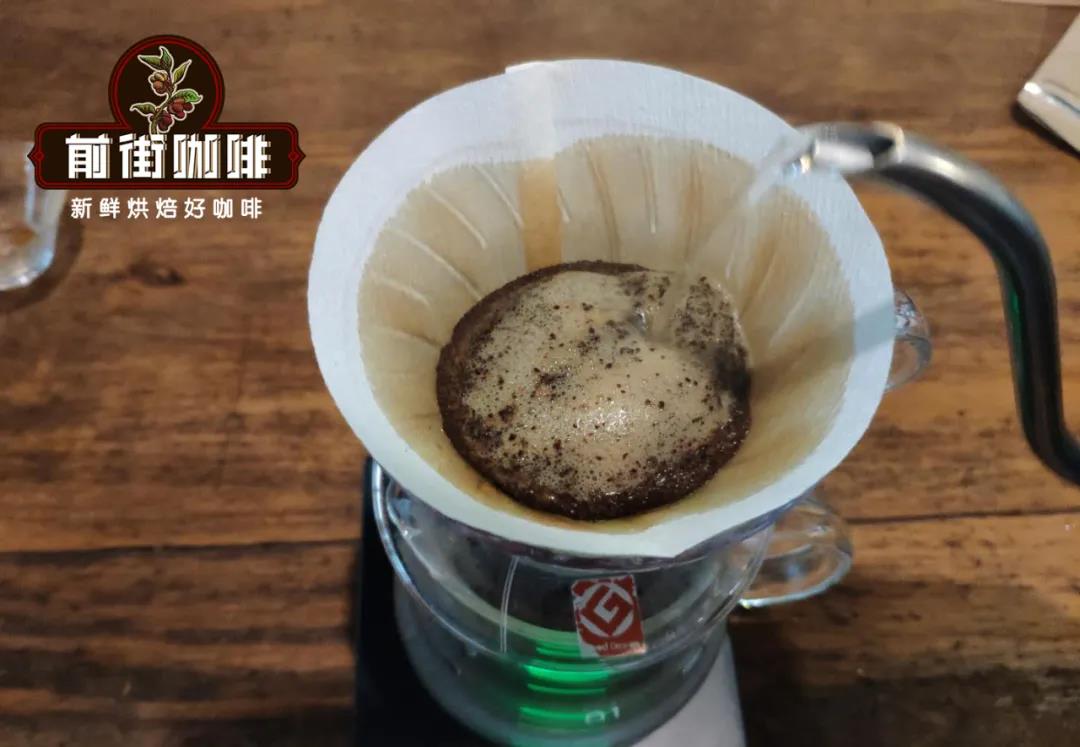
FrontStreet Coffee then uses the common three-stage method: bloom with 30g of water for 30 seconds, then continue pouring in a circular motion with a small stream to 125g for the first stage, and when the water level is about to expose the coffee bed, continue pouring to 225g and stop. When the bed is about to show again, remove the dripper, timing from the start of the bloom. Total extraction time is 2'01".
Flavor Comparison
Brewed this way, the coffee matches FrontStreet Coffee's cupping notes closely: intense jasmine, lemon-like acidity, and a honey-green-tea aftertaste. Compared with Geisha Village Geisha, Las Lajas Geisha has fewer flavor layers than the high-altitude coffee and lighter sweetness than Geisha Village.
The Geishas discussed above each have their own character. Geisha stands out among Panamanian coffees, on a par with the world's most expensive Jamaica Blue Mountain and Hawaii Queen Kona, a clear demonstration of how distinctive its flavors are.
FrontStreet Coffee Recommendation
For an approachable introduction to the Yirgacheffe family, start with FrontStreet washed Yirgacheffe. It is known for white jasmine, bright citrus and lemon acidity, and a tea-like body, and its modest price has made it the first specialty bean for countless beginners. Yirgacheffe is a town in the Sidama region of southern Ethiopia, at roughly 1700-2100 meters, with the coffee trees planted above 1800 meters, making it one of the highest coffee regions in the world.
For a cleaner, more precise cup, try FrontStreet Gutingding Cooperative, from the Woka area at the southeastern edge of Yirgacheffe. Gutingding was once part of the Woka cooperative under the Yirgacheffe Coffee Farmers' Cooperative Union, and it later became a single-origin producer in its own right. Its traditional washed processing leaves no bitter edge, just fresh, bright citrus and lemon acidity with jasmine fragrance.
For a fruitier option, FrontStreet Sun-Dried Red Cherry uses only fully ripe cherries, dried on raised beds for three to five weeks and turned every two to three hours in the first days. Alongside the typical Yirgacheffe character it brings tropical fruit from the natural process: citrus acidity, berry-juice sweetness, honey, and a creamy, smooth body. Brew it in a V60 at 90-91 degrees Celsius, with 15g of coffee to a 1:15 ratio and a grind of EK43s setting 10, or fine-sugar size at an 80% pass-through rate on a #20 sieve.
Important Notice :
FrontStreet Coffee is a long-established specialty coffee roaster in Guangzhou China, selling freshly roasted beans from its own farm in Yunnan as well as dozens of carefully selected single-origin beans from around the world for both pour-over and espresso. The products deliver consistently excellent quality and great value, with shipping within 24 hours. Guangzhou's FrontStreet Coffee shop is recommended by many coffee lovers, and the beans are now available online at the Tmall 。
FrontStreet Coffee has moved to a new address:
FrontStreet Coffee Address: 315,Donghua East Road,GuangZhou
Tel:020 38364473
 Scan and follow the En Gafei WeChat official account. Please indicate that the reprint comes from "En Gafei".