How to Best Enjoy Geisha Coffee Beans: What Are the Professional Techniques for Tasting Geisha Coffee Flavors?
Professional Coffee Knowledge Exchange
For more coffee bean information, follow Coffee Workshop (WeChat public account: cafe_style).
The Legend of Geisha Coffee
Ever since Geisha coffee rose to fame at Panama's Hacienda La Esmeralda, it has ranked among the most expensive coffees in the world, and it is even more celebrated than Blue Mountain. Today Geisha is grown all over the world, including in Yunnan, China. Yet Geisha from other regions rarely matches the exceptional quality of Panamanian Geisha, largely because of Panama's unique microclimate. In other words, Hacienda La Esmeralda's Geisha has been endlessly imitated but never surpassed.
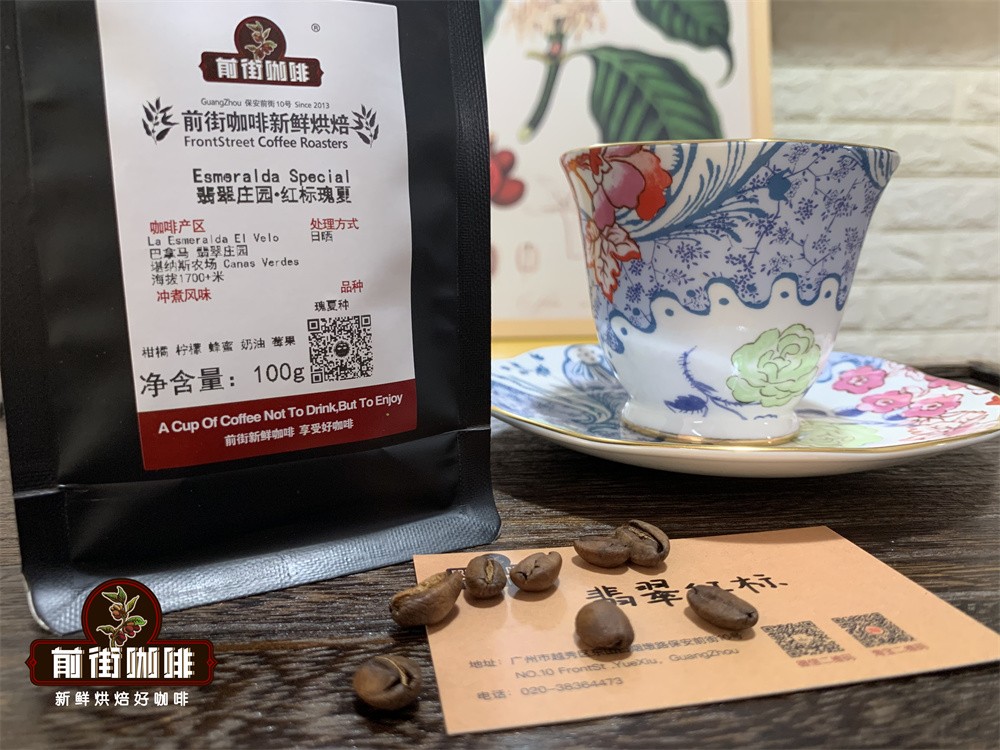
How to Appreciate Premium Geisha Coffee
So how should you enjoy a coffee this expensive? FrontStreet Coffee believes in tasting from hot to cold to experience the full range of flavors at different temperatures. Don't let it sit too long, though. Try to finish it within about 20 minutes; leaving it out amplifies off-flavors and dulls the overall taste. So how should you approach such a costly, unusual coffee? FrontStreet Coffee suggests focusing on the following:
- Smell the aroma - it should be full, rich, fresh, and delightful.
- Taste the flavor - balanced and slightly sweet, with light bitterness, no astringency, and a clean, long-lasting finish.
- No defects - no cardboard, diesel, aged vinegar, scorched, smoky, or other faults (judged against the flavor wheel).
- Right portion and temperature - a well-made coffee should smell full and rich when hot, with a delicate, smooth texture. As it cools toward room temperature the flavor and texture may shift, but no defects should appear. Hot and cold states should be consistent, with a stable flavor throughout.
Geisha Coffee Origins
Ethiopia is the birthplace of coffee and home to countless varieties. Geisha was discovered in an Ethiopian forest, where its low yield, tall plants, and difficult harvesting made it far less popular than Catuai and Caturra, so Geisha trees were often used as windbreaks. In 1931 it was taken from Ethiopia's southwestern Geisha Mountain to coffee research institutes in Kenya and Tanzania, and later transplanted to Uganda and Costa Rica. In the 1960s and 70s it was brought from Costa Rica to Panama by Don Pachi Estate. In 2004, Hacienda La Esmeralda entered Geisha in Panama's national coffee competition (BOP) and won in decisive fashion, beating perennial champions such as Bourbon, Caturra, Catuai, and Typica. It then took gold in Panama's National Treasure Bean Cupping Competition in 2005, 2006, and 2007.
Ethiopian Geisha Coffee
Although Ethiopia is coffee's genetic homeland, the refined, elegant flavor of Geisha stems from its specific growing environment. The variety is quite demanding: it needs higher altitudes, cloud cover or abundant shade trees, and fertile soil to develop rich, captivating floral aromas, refined and elegant fruit acidity, and a tea-like sweet aftertaste. Ethiopian Geisha is divided into three varieties. Gori Gesha (GG) mirrors the genetic diversity found within the Gori Gesha coffee forest. Illubabor Forest 1974 (IF) was discovered on a 1974 expedition to the Illubabor forest and later developed by the Ethiopian Research Center into a disease-resistant variety. Gesha 1931 (G31) combines various forest varieties and is very close to Panamanian Geisha; it was selected by observing plant morphology, bean appearance, screen size, and cupping flavor.
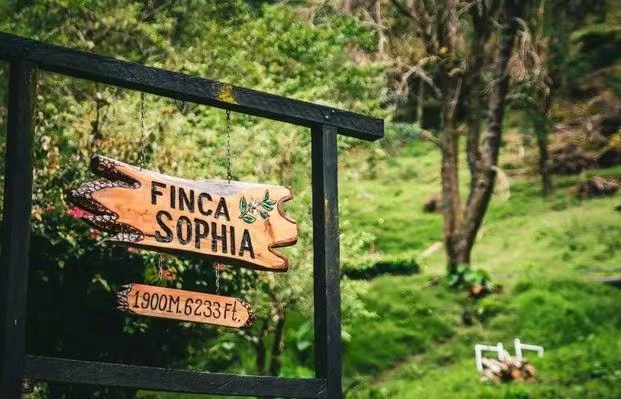
The first two of these Ethiopian Geisha varieties are genetically completely different from Panamanian Geisha. Take Gesha 1931: official sources describe its plant shape and cupping performance as the closest to Panamanian Geisha, yet the actual genetic consistency is very low. So you could say Ethiopian Geisha and Panamanian Geisha have entirely different flavors.
As coffee's birthplace, Ethiopia offers a different flavor in every producing region, and FrontStreet Coffee has sourced more than a dozen varieties from across the country.
Panamanian Geisha Coffee
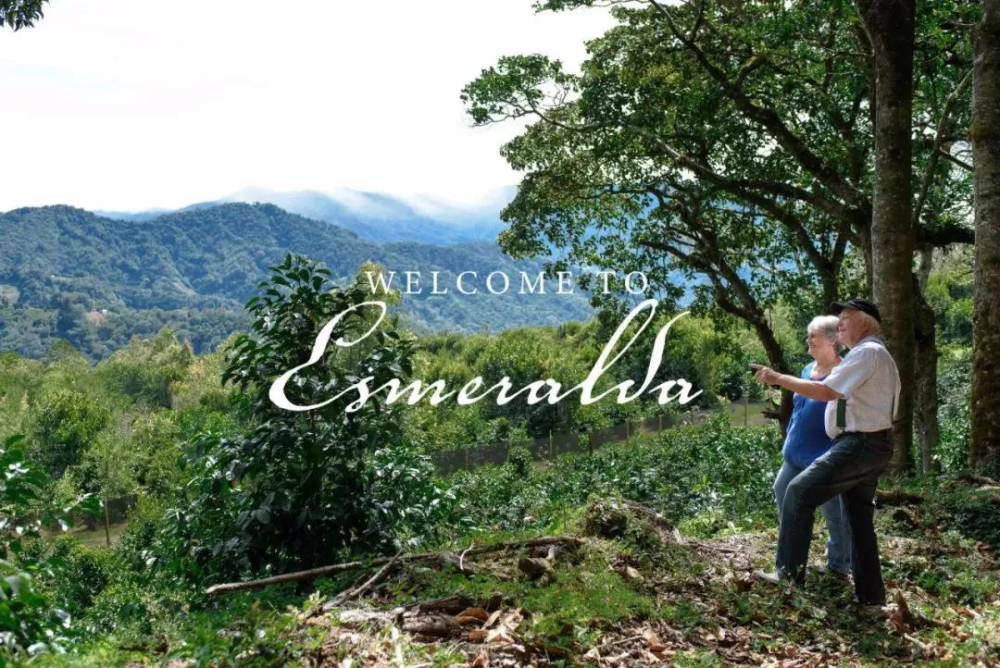
Panama's most famous coffee is undoubtedly Hacienda La Esmeralda's Geisha. But the Boquete region where the estate sits is also home to many other renowned Geisha estates, such as Elida Estate and Kotowa Duncan Estate, all producing premium specialty coffee. Bordering Costa Rica and Colombia, Panama's east-west environmental pattern lets cold air currents flow through the central mountain range and converge at altitudes above 1,900 meters. This creates a highly unusual microclimate in the Boquete and Piedra de Candela regions, with temperatures and rainfall well suited to plant growth, and this microclimate zone is Panama's primary coffee-producing area. Beyond climate, the surrounding land is nutrient-rich, and the fertile soil gives coffee perfect growing conditions and shapes many distinctive, high-quality coffees. These factors together let Panamanian Geisha develop refined, elegant fruit acidity and distinct floral aromas, which is precisely why it took the world by storm.
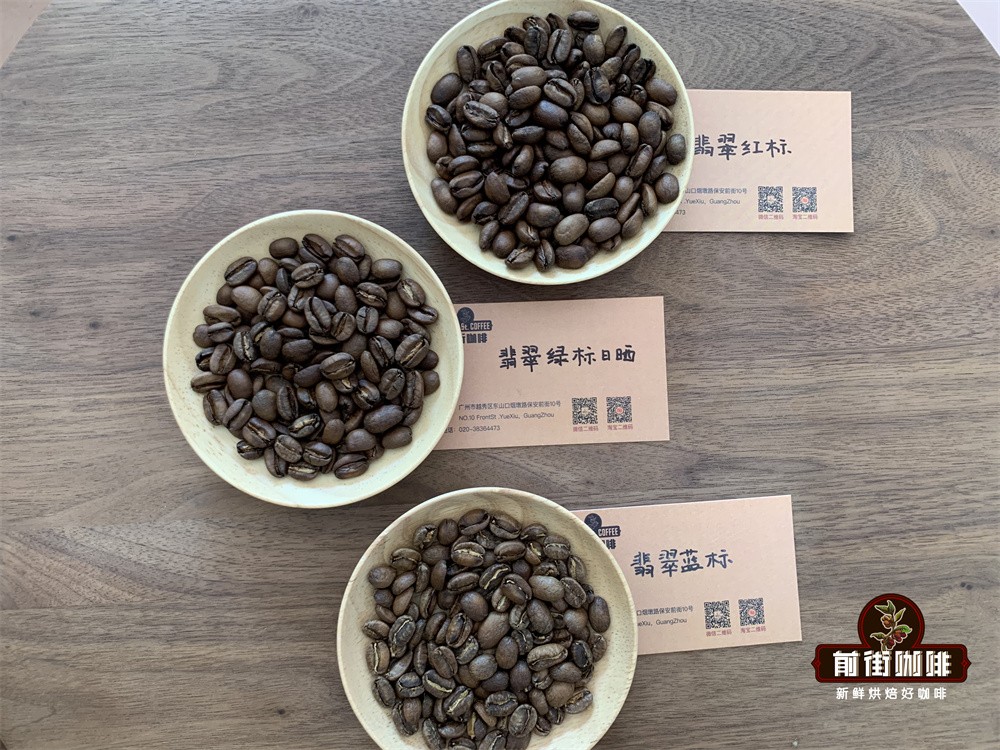
Given how good Geisha tastes, and to let more enthusiasts experience it, FrontStreet Coffee has made a washed Boquete Geisha from the Boquete region one of its everyday offerings.
Costa Rican Geisha Coffee
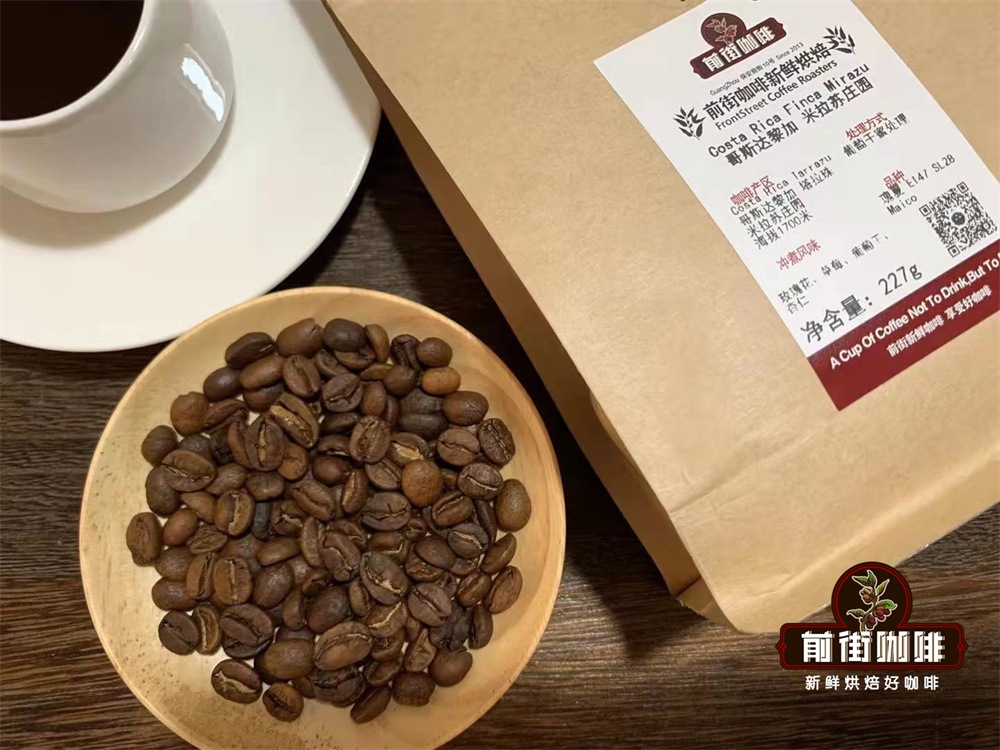
Costa Rica has been growing coffee for nearly two hundred years. As an important economic crop, the country's coffee industry is very mature. Many new estates have since been established, most of them with the resources and the will to grow Geisha. Among them, the best known for Geisha beans is Candlelight Estate, whose coffee includes FrontStreet Coffee's Costa Rica Mirasu Geisha blend.
FrontStreet Coffee's Roasting and Brewing Parameters
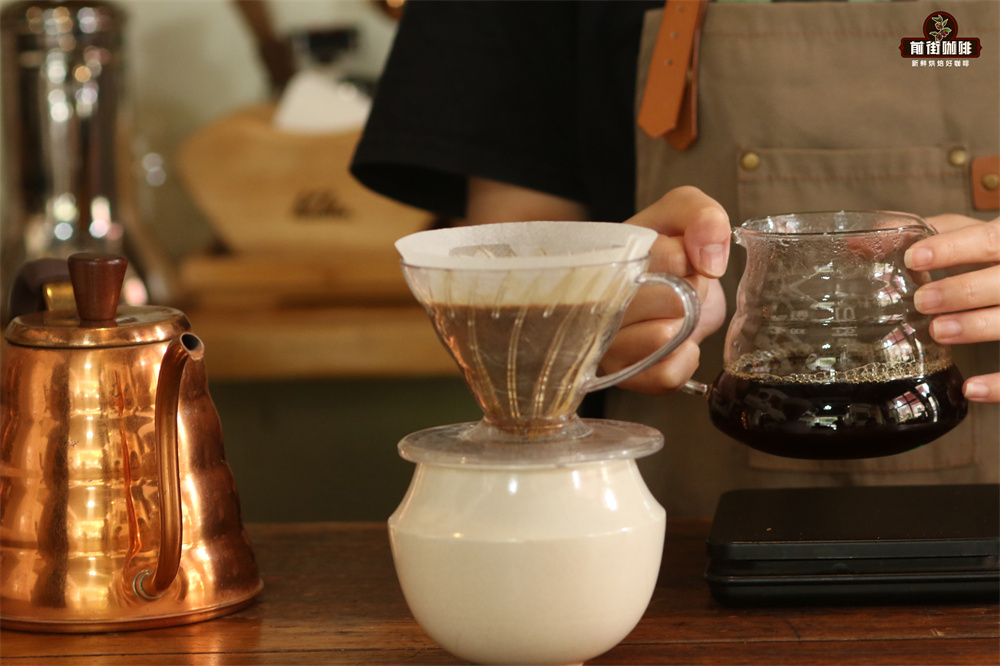
To bring out this bean's character and aroma, FrontStreet Coffee roasts it light, which reveals the bean's inherent qualities most fully. A darker roast would flatten the floral aromas and fruit acidity. Of course, this should also be adjusted according to the bean and the roaster's understanding of it. Through cupping, FrontStreet Coffee found that Panamanian Geisha is richly layered, so it suggests slightly lowering the coffee concentration when brewing, letting the layers come through more clearly. Filter cup: Hario V60. Water temperature: 91 degrees C. Coffee dose: 15 g. Coffee-to-water ratio: 1:15. Grind size: 80% pass-through rate on a Chinese standard #20 sieve.
Coffee Appreciation
Coffee deserves to be savored slowly so you can catch its essence. Whatever the brewing method, there is no need to rush. First smell the coffee's original aroma, then take a small sip to taste its base flavor. Then add sugar to taste and stir with a small spoon. As the coffee swirls, slowly add creamer so the oils float on top. This keeps the coffee warm while letting its heat lift the milk's aroma.
A well-brewed coffee can be appreciated in three stages, generally called the front, middle, and back phases.

The front stage is tasting the coffee as soon as it is brewed, at around 85 degrees C, to feel its mouthfeel. Good coffee should have aroma, purity, richness, and a smooth entry. The middle stage is the lingering fragrance released at a medium temperature. Experts say that at medium temperature, coffee in the mouth can reveal more than 100 different aromas, varying from person to person. The back stage is the residual sweetness after the coffee has cooled.
Step One: Visual Observation
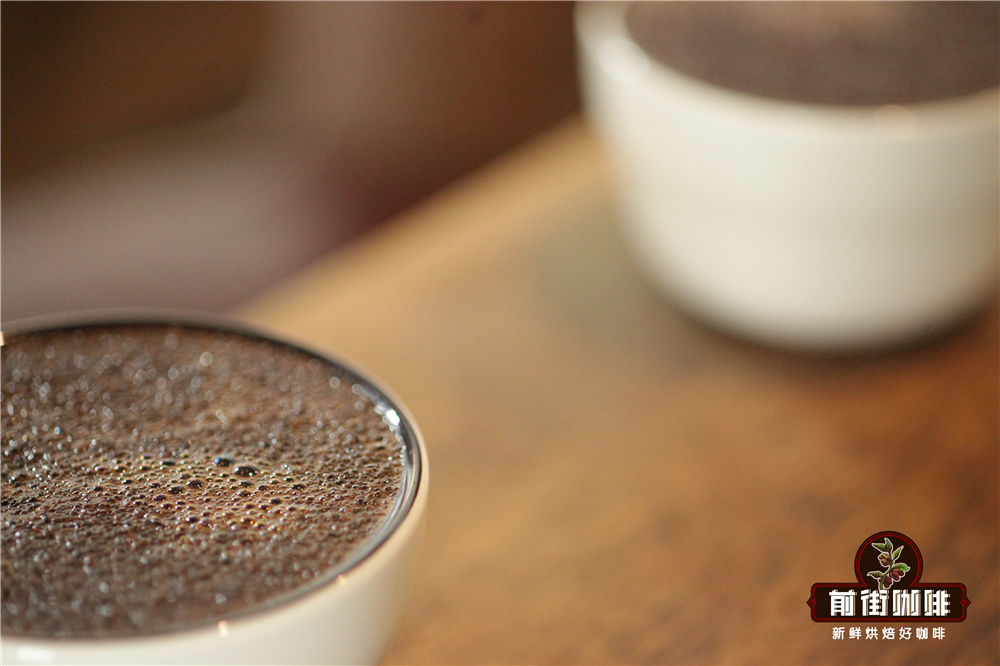
To look at a coffee's appearance, scoop it up with a spoon and observe. Good coffee should be clear, not cloudy, and have a luster. For espresso, there should be a layer of reddish-brown crema. Too dark a color means over-extraction, too light means under-extraction, and an off-white tone means extraction took too long. Too little crema can point to coffee that isn't fresh, too coarse a grind, or too little tamping pressure.
Step Two: Nasal Olfaction
The second level of flavor appreciation begins with grinding. At this point, volatile aromatic compounds are released in large quantities. To appreciate the dry fragrance of the grounds, it's best to use the "approach and retreat" method, constantly changing the distance between your nose and the coffee.

This is because the lightest floral, fruity, and acidic aromas - what the cupping world calls "fermentation" flavors - are highly volatile and are released first. Next come the medium-weight caramel, nut, chocolate, and almond aromas, but they travel a shorter distance than the light ones, so you have to get a bit closer. Finally come the heavy pine resin, thiol, and roasted aromas. Because these molecules are heaviest, their aroma travels the shortest distance and mostly appears only in medium to dark roasts, so you need to bring your face right above the grounds to catch them. While appreciating coffee, frequently changing the distance between nose and grounds helps you detect low-, medium-, and high-molecular-weight aromas alike.
Some volatile aromatic compounds, however, cannot vaporize at room temperature and need hot water to release their aromas. This is the wet fragrance of brewed coffee, and it represents the third level of flavor appreciation. Here too, use the approach-and-retreat method of smelling. At this point, the coffee's floral and fruity acidic aromas and caramel fragrance, as well as defective medicinal, carbonized, woody, and earthy notes, are more obvious and easier to detect in the wet fragrance than in the dry fragrance.
Step Three: Oral Tasting
Dry and wet fragrances are volatile aromas. The water-soluble taste of brewed coffee - the fourth level of flavor - has to be captured by the tongue's taste buds. When coffee enters the mouth, the sweet, sour, bitter, and salty receptor cells of the taste buds immediately catch the water-soluble flavor molecules. In principle, all areas of the tongue can perceive these four tastes, but the tip is more sensitive to sweetness, the sides to sour and salty, and the root to bitterness. These four flavors interact and compete. If one is too prominent, it can suppress or enhance the expression of the others, and can even affect mouthfeel.
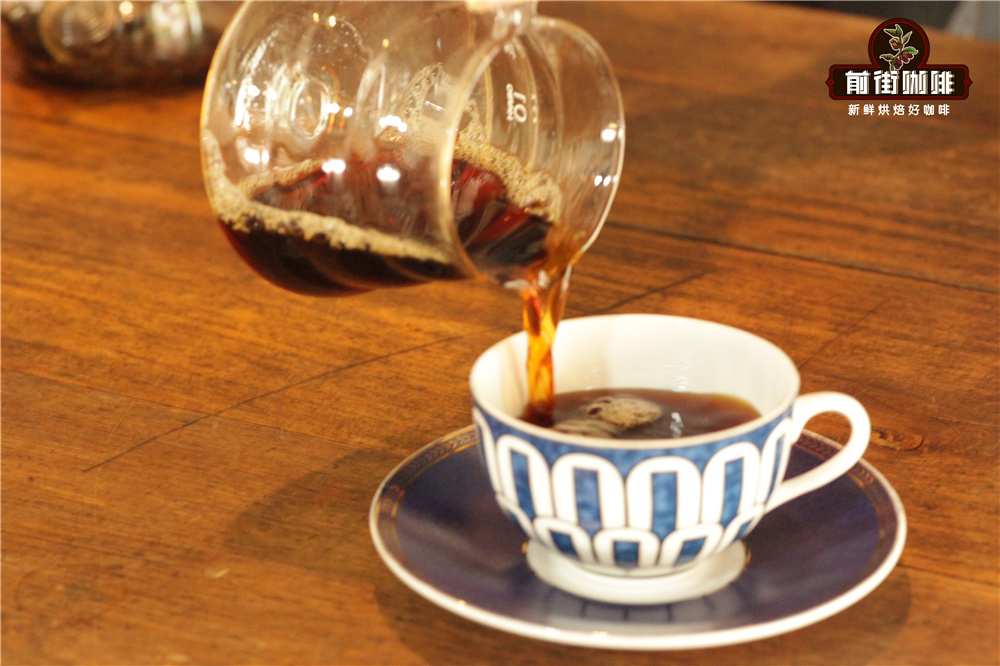
To appreciate coffee, you need to both drink and smell it. Although there's no absolute formula for judging coffee quality, FrontStreet Coffee believes that with enough drinking, tasting, and practice, you can truly experience coffee culture and appreciate the local character of a coffee.
FrontStreet Coffee's Brewing Recommendations
On the brewing side, FrontStreet Coffee has always believed that bean freshness strongly affects flavor. FrontStreet Coffee therefore ships beans roasted within 5 days. Its roasting philosophy is "Freshly Roasted Good Coffee," ensuring every customer who orders receives the freshest coffee possible. The resting period is about 4-7 days, so by the time customers receive it, the flavor is at its peak.
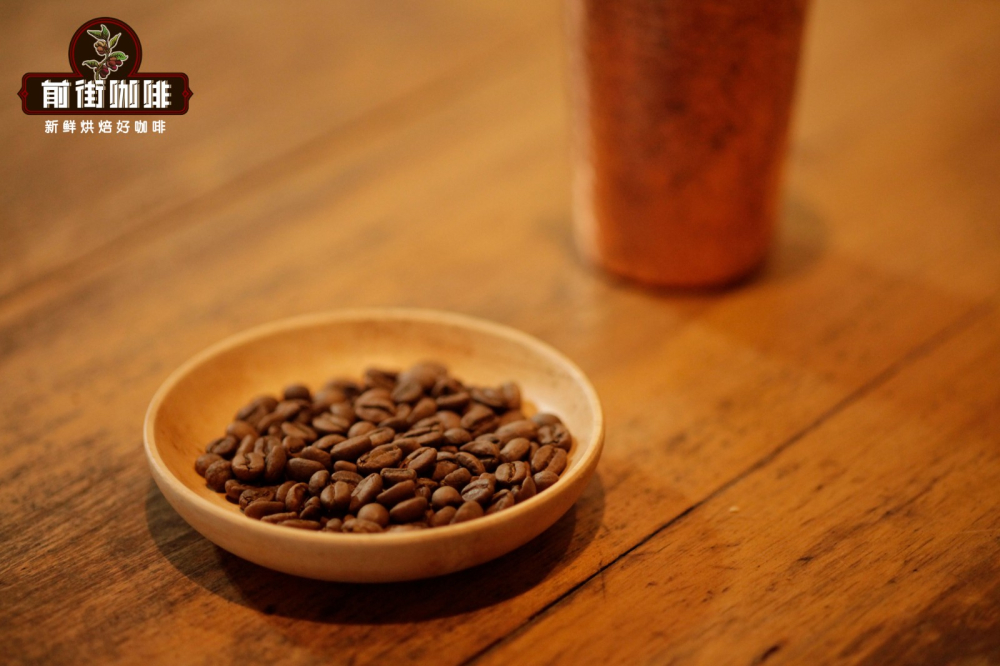
For those who prefer ground coffee, a friendly reminder: pre-ground coffee doesn't need further resting, because during shipping the pressure from carbon dioxide buildup in the package also helps mellow the flavor, so you can brew a cup the moment it arrives. Ground coffee should be brewed promptly, though, since it oxidizes quickly when exposed to air, so the flavor dissipates relatively fast and the coffee won't taste as good. FrontStreet Coffee therefore recommends buying whole beans and grinding fresh right before brewing to get the best flavor.
FrontStreet Coffee Recommendation
Geisha often gets compared with Blue Mountain, and if you enjoy a coffee defined by flawless balance, FrontStreet Jamaica Blue Mountain No. 1 is worth seeking out. It has none of the aggressive fruit acidity of some African coffees and none of the heavy bitterness of a dark roast; instead it balances acidity, sweetness, bitterness, and aroma almost perfectly, layering cream, caramel, chocolate, nuts, honey, and a light fruity note. It enters soft and rounded, fills the middle with sweetness, and finishes clean and long.
When you buy Blue Mountain, authenticity matters. Genuine FrontStreet Blue Mountain No. 1 comes from Jamaica's Blue Mountains with a Jamaican government certificate and proof of origin, and it ships in the original wooden barrels that traditional Blue Mountain uses, stamped with the green bean's batch details - so the barrel itself is one of the marks of the real thing. The green beans are consistent and plump, slightly raised at both ends and green in color, and the brewed cup is rich, dense, and clean with no off-flavors at all.
FrontStreet Coffee roasts its Blue Mountain within 5 days and uses a medium-dark roast that emphasizes the coffee's rounded body and the classic "bitterness that turns to sweetness." Rest the beans 4-7 days (counting the roast date as day one) and brew with a Kono dripper: 15 g per serving, a grind a little coarser than for a light roast - about the texture of granulated white sugar - and 87-88 degrees C water at a 1:15 ratio. Many bitter, scorched cups come from water that is too hot, while water that is too cool leaves the coffee flat and lifeless.
Important Notice :
FrontStreet Coffee is a long-established specialty coffee roaster in Guangzhou China, selling freshly roasted beans from its own farm in Yunnan as well as dozens of carefully selected single-origin beans from around the world for both pour-over and espresso. The products deliver consistently excellent quality and great value, with shipping within 24 hours. Guangzhou's FrontStreet Coffee shop is recommended by many coffee lovers, and the beans are now available online at the Tmall 。
FrontStreet Coffee has moved to a new address:
FrontStreet Coffee Address: 315,Donghua East Road,GuangZhou
Tel:020 38364473
 Scan and follow the En Gafei WeChat official account. Please indicate that the reprint comes from "En Gafei".