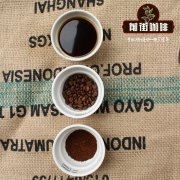
How Should Sun-Dried Yirgacheffe Red Cherry Coffee Be Brewed? Introduction to the Red Cherry Project
When the conversation turns to Yirgacheffe, most coffee lovers think immediately of floral aromatics and lemon acidity. Today FrontStreet Coffee wants to share its Red Cherry Project beans from Yirgacheffe, natural process.
What Is the Red Cherry Project?
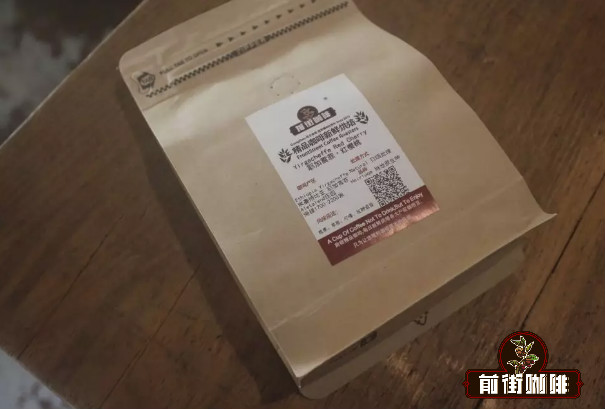
You see the term often on Ethiopian coffees. In fact, it was introduced in 2007 by Trabocca, the largest green coffee importer in the Netherlands, in pursuit of higher-quality Ethiopian beans. In other words, the Red Cherry Project (ORC) is an initiative aimed at improving the quality of coffee from smallholder farms.
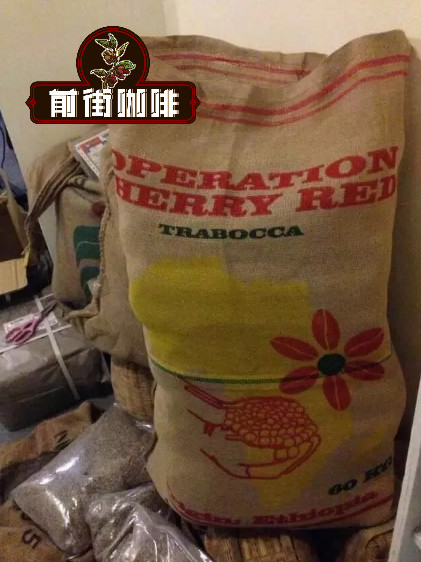
The project encourages farmers to be more diligent at every stage of picking and processing by paying more for high-quality green coffee. Better beans bring better quality and taste, earn better recognition in the end market, and in turn justify the relatively high purchase price.
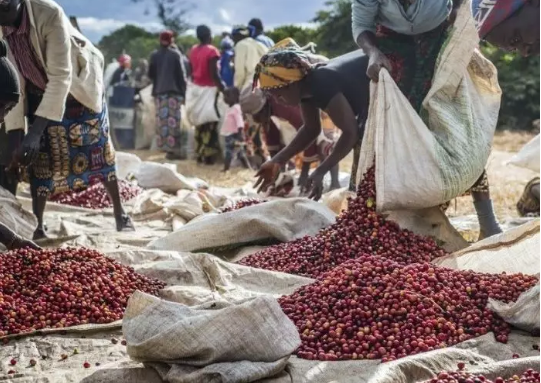
The Red Cherry Project also reinforces good habits, giving farms a reason to spend more effort on screening and selecting beans. Naturally, these coffees tend to cost a little more.
Brewing Notes
Strawberry Dripper
The ribs inside this dripper are laid out in a dot pattern that closely resembles the seeds on a strawberry, and the bottom aperture is fairly small. That tells you the flow rate is relatively slow, which helps raise the extraction yield.
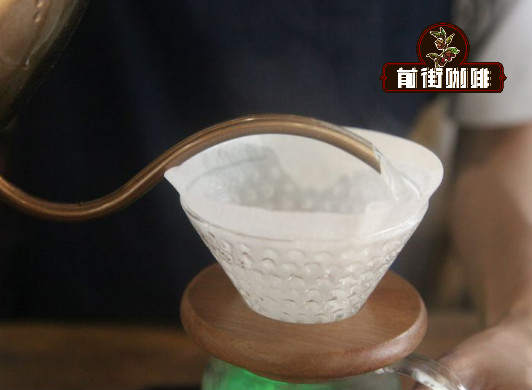
Once the filter paper is in, the many raised points mean the paper doesn't sit tightly against the dripper. Water can slip through the paper and drain away between those points, which guards against over-extraction, while the points themselves catch fine powder. With the fines held against the wall, the bottom is mostly soaked with coarser particles—greatly reducing the odds of over-extraction while still lifting the extraction yield.
Parameters & Technique: 15g coffee grounds; medium-fine grind (BG 6T: 58% pass rate through China standard #20 sieve); water temperature 90°C, coffee-to-water ratio 1:15.
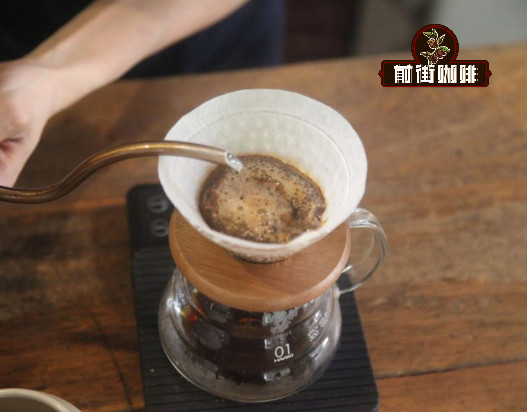
Bloom with 30g of water for 30 seconds, then pour with a small stream down the center to 120g. When the water level drops and is about to expose the coffee bed, continue pouring to 226g. When it drops again and the bed is about to show, remove the dripper. (Timing starts at the beginning of the bloom.) Extraction time is 1'50".
Flavor: Floral aromas, with citrus and sweet-orange acidity up front. As the cup cools, honey and preserved-fruit sweetness emerge.
Origami Dripper
The Origami has many relatively deep vertical grooves on its sides and a fairly large outlet at the bottom, so its flow rate is fairly fast. The ceramic version conducts and holds heat particularly well.
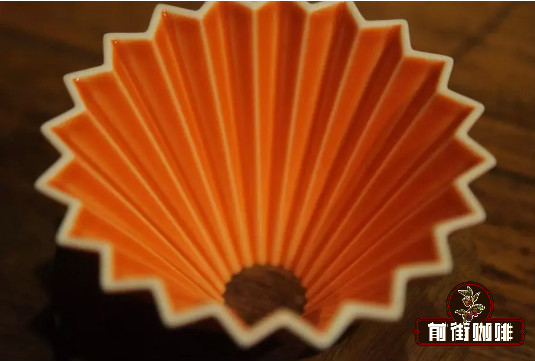
This time FrontStreet Coffee chose a conical filter paper. Because the cone narrows toward the bottom, the coffee layer is thicker in the middle and thinner around the edges. The poor fit between the conical paper and the dripper also lets the grounds degas more freely during brewing; if the water level runs high, it can easily escape through the gap between paper and dripper.
Parameters & Technique: 15g coffee grounds; medium-fine grind (BG 6T: 58% pass rate through China standard #20 sieve); water temperature 90°C, coffee-to-water ratio 1:15.
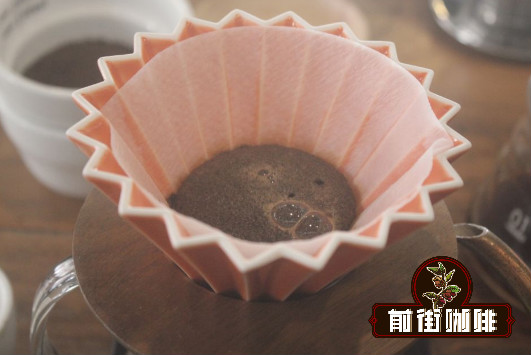
Bloom with 30g of water for 30 seconds, then pour with a small stream down the center to 120g. When the water level drops and is about to expose the coffee bed, continue pouring to 226g. When it drops again and the bed is about to show, remove the dripper. (Timing starts at the beginning of the bloom.) Extraction time is 1'55".
Flavor: Citrus and lemon acidity up front, with sandalwood aroma and honey sweetness.
Cake Dripper
The cake dripper has a flat bottom. That flat base lets the coffee extract more thoroughly, and with only three small holes at the bottom its flow rate is also fairly slow. The grounds stay soaked and the resulting cup is relatively balanced.
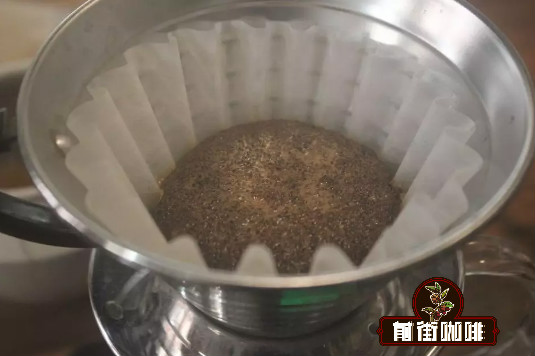
Parameters & Technique: 15g coffee grounds; medium-fine grind (BG 6T: 58% pass rate through China standard #20 sieve); water temperature 90°C, coffee-to-water ratio 1:15.
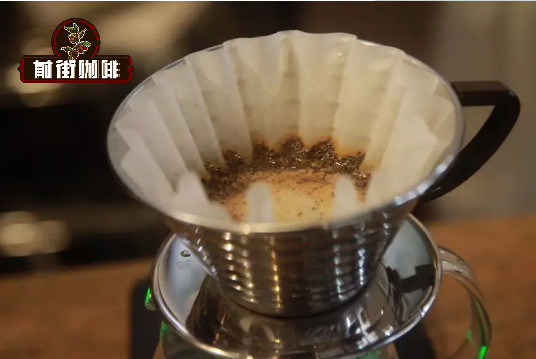
Bloom with 35g of water for 30 seconds, then pour with a small stream down the center to 120g. When the water level drops and is about to expose the coffee bed, continue pouring to 226g. When it drops again and the bed is about to show, remove the dripper. (Timing starts at the beginning of the bloom.) Extraction time is 1'56".
Flavor: Light floral aroma, with citrus and lemon acidity up front, cane sugar sweetness, a black tea sensation, and a fairly thick mouthfeel.
AeroPress
The AeroPress extracts by stirring the grounds with water and then pressing the coffee out with air. It combines the paper filtration of pour-over, the immersion of a French press, and the rapid pressure extraction of espresso. This time FrontStreet Coffee chose the inverted method.
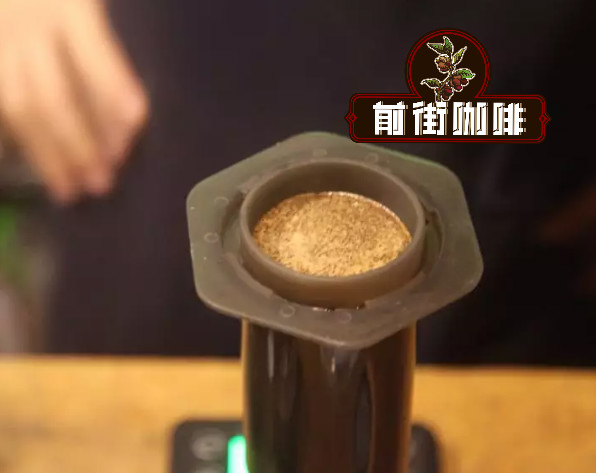
Parameters & Technique: 15g coffee grounds; medium-fine grind (BG 6T: 58% pass rate through China standard #20 sieve); water temperature 90°C, coffee-to-water ratio 1:15.
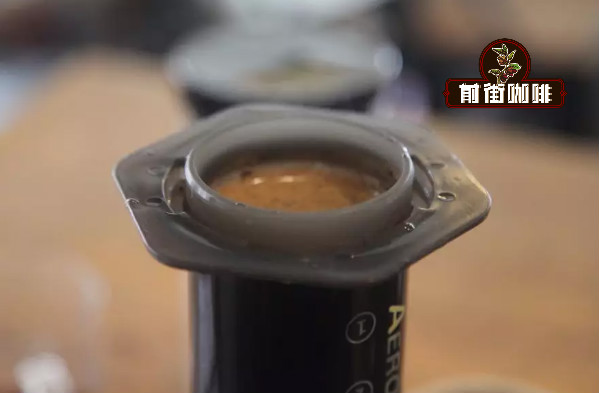
Pour directly to 225g, then stir the coffee bed so the grounds and water make full contact. After soaking for 30 seconds, stir five times. At the one-minute mark, invert and press out. (Timing starts at the end of pouring.) Extraction time is 1'30".
Flavor: Starfruit, grapefruit, and lemon acidity up front, with cane sugar sweetness and a tea-like finish.
SOE
Finally, FrontStreet Coffee wants to share an SOE made with Red Cherry Project beans.
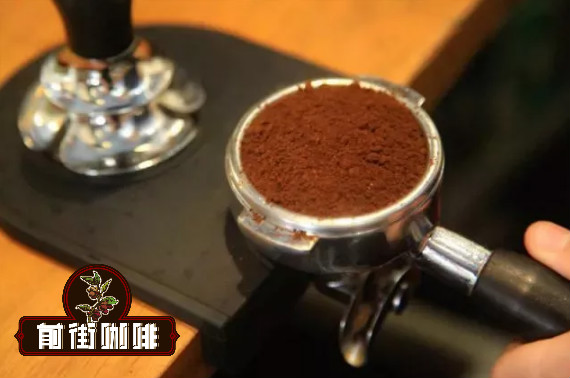
SOE stands for "Single Origin Espresso"—an espresso pulled from a single origin, a concept that exists in contrast to blended espresso.
Parameters: Grind setting: Pegasus 900N grinder at 1.6, coffee-to-water ratio 1:2, double portafilter, 20g of coffee grounds, extracting 40g of coffee liquid, in 24 seconds.

Flavor: Rich fermented fruit aroma, obvious citrus acidity, honey sweetness, and an oolong tea sensation.
Conclusion
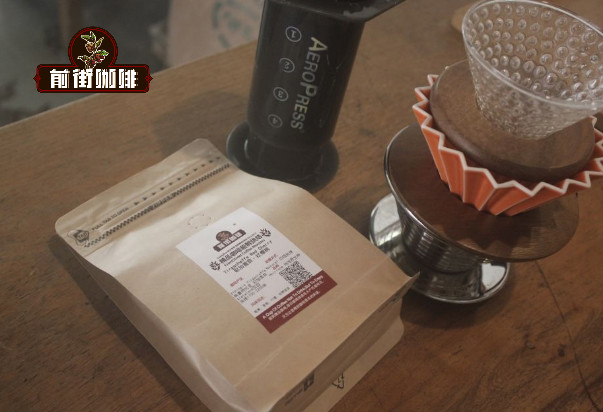
Different brewing gear draws different expressions out of the same beans. Choose your equipment around the flavors you want to bring forward, and enjoy the variety a single coffee can offer.
FrontStreet Coffee Recommendation
For anyone who wants to explore the Red Cherry Project and the wider Yirgacheffe terroir, FrontStreet Coffee roasts a set of Ethiopian lots worth trying.
FrontStreet Yirgacheffe Natural Red Cherry
Full-red-cherry natural processing, meaning only fully ripe, sound cherries are picked. The fruity, sun-dried character sits alongside the classic Yirgacheffe profile—citrus-like acidity, a juicy berry note, honeyed sweetness, and a creamy smoothness.
FrontStreet Gotiti Cooperative
A washed lot from a team in Gotiti village in the Worka area, on Yirgacheffe's southeastern edge. Washing brings out jasmine florals and bright citrus and lemon acidity, with green tea and honey notes after a medium-light roast. Great for pour-over, cold brew, or espresso.
FrontStreet Washed Yirgacheffe
The everyday benchmark for getting to know Ethiopia: white jasmine, bright citrus and lemon acidity, and a tea-like body, at a friendly price. Many drinkers' very first specialty coffee.
Important Notice :
FrontStreet Coffee is a long-established specialty coffee roaster in Guangzhou China, selling freshly roasted beans from its own farm in Yunnan as well as dozens of carefully selected single-origin beans from around the world for both pour-over and espresso. The products deliver consistently excellent quality and great value, with shipping within 24 hours. Guangzhou's FrontStreet Coffee shop is recommended by many coffee lovers, and the beans are now available online at the Tmall 。
FrontStreet Coffee has moved to a new address:
FrontStreet Coffee Address: 315,Donghua East Road,GuangZhou
Tel:020 38364473
 Scan and follow the En Gafei WeChat official account. Please indicate that the reprint comes from "En Gafei".