What is the taste profile of cold drip coffee? Production method, process, time, water-to-coffee ratio, and parameters
What is Cold Drip Coffee? Why is Cold Drip Coffee So Expensive?!
As specialty coffee culture spreads, more and more people have fallen for the pure flavor and taste of coffee. Coffee shops also offer various extraction methods for black coffee—Americano, pour-over, cold brew, cold drip, and more—at different prices. Cold drip coffee, in particular, is always far more expensive than other iced coffees. Is it just a nice name? Of course not; it is mostly because its production process is long and demands constant attention.
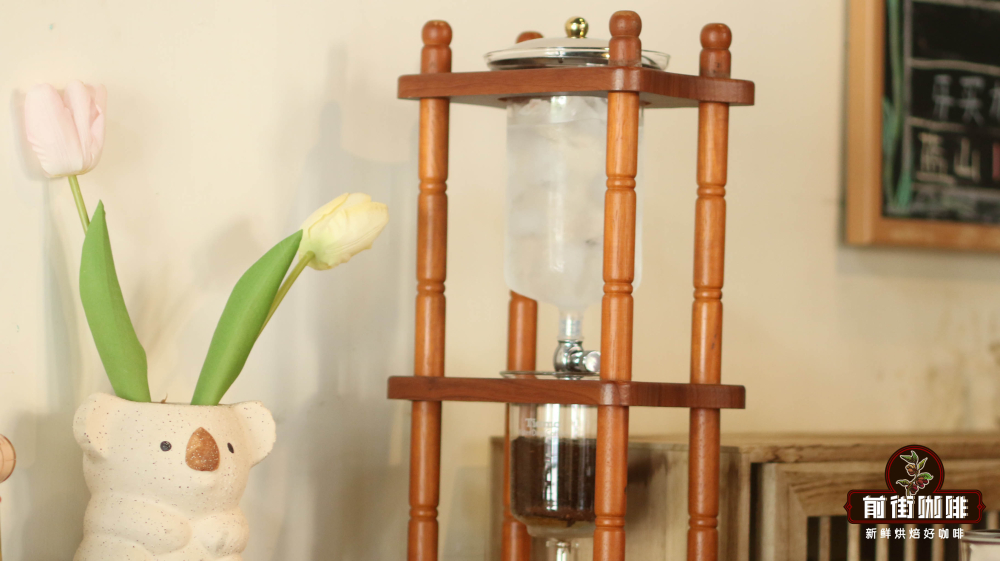
Unlike other iced coffees, cold drip coffee is extracted with ice water in a drip method. Because it drips, making cold drip requires a special cold drip coffee maker, and durable makers are usually quite expensive. Compared with cold brew, which needs only a clean, sealed container, cold drip adds equipment cost. Beyond equipment, the higher price is mainly due to the long production time: depending on the maker and quantity, it typically ranges from 4-12 hours, and each batch yields a limited amount—but it is truly delicious.
What Makes Cold Drip Coffee Special?
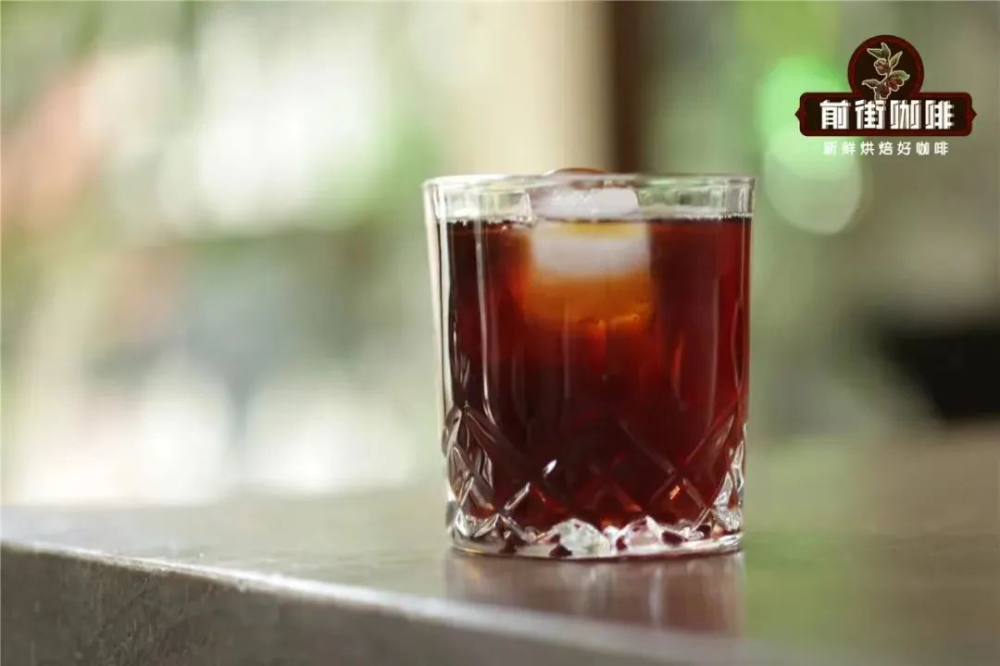
The most appealing aspect of cold drip coffee is that its low-temperature extraction does not easily dissolve astringent compounds. It also uses a drip method, and the liquid is filtered through filter nets or filter paper layers before dripping out. So regardless of the beans used, cold drip coffee shows a rich yet non-astringent, mellow yet non-bitter, rounded mouthfeel—very suitable for those who enjoy high body but worry about bitterness and astringency.
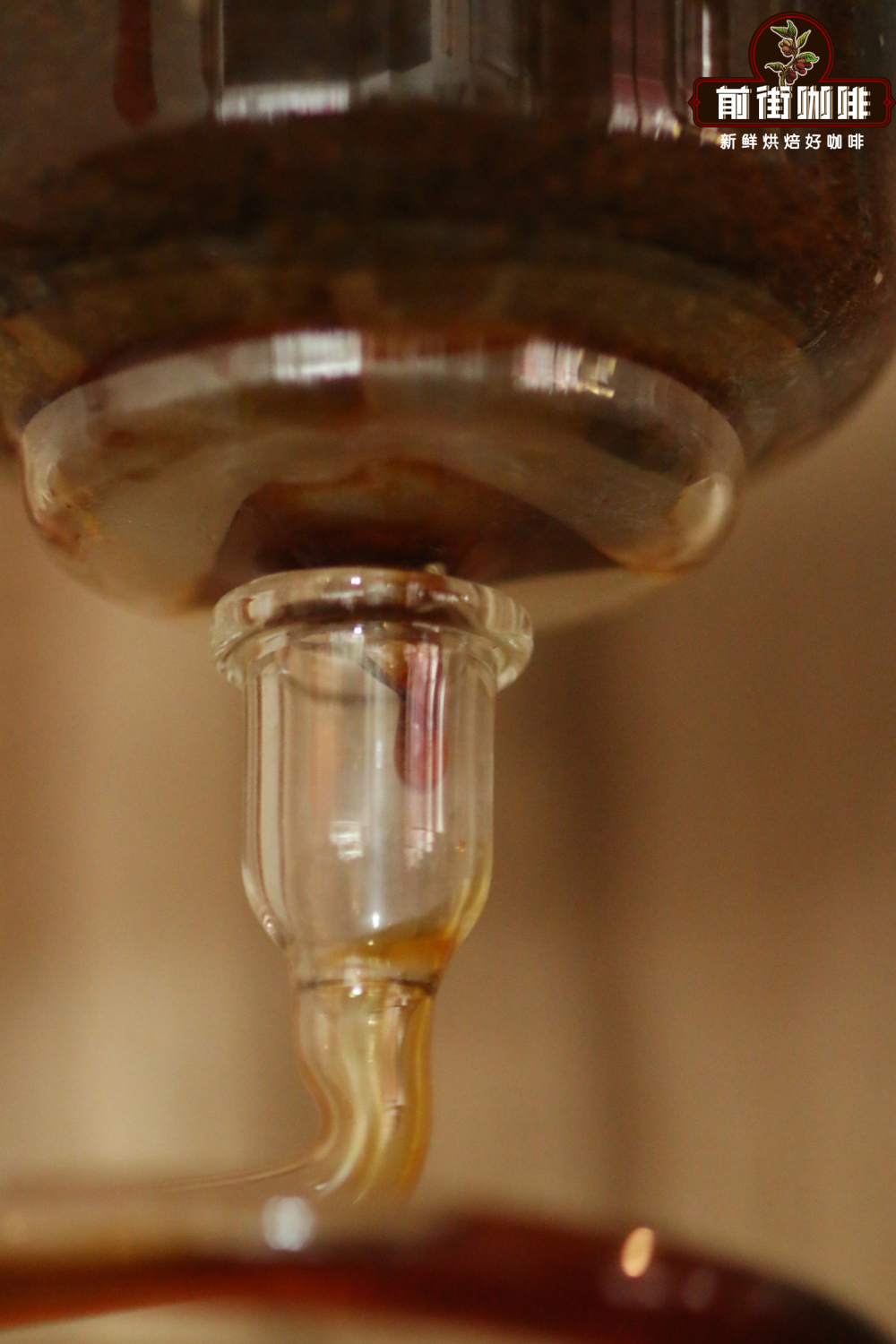
Structure of Cold Drip Coffee Makers
Cold drip makers on the market fall into two types: one is an ice container plus a coffee grounds container plus a coffee pot, and the other adds a coiled tube between the grounds container and the pot. FrontStreet Coffee uses the latter for daily cold drip production, while the former is generally suited to home use. The difference the coiled tube makes is that it further precipitates tiny particles (the powdery texture) from the extracted liquid, giving a cleaner final taste.
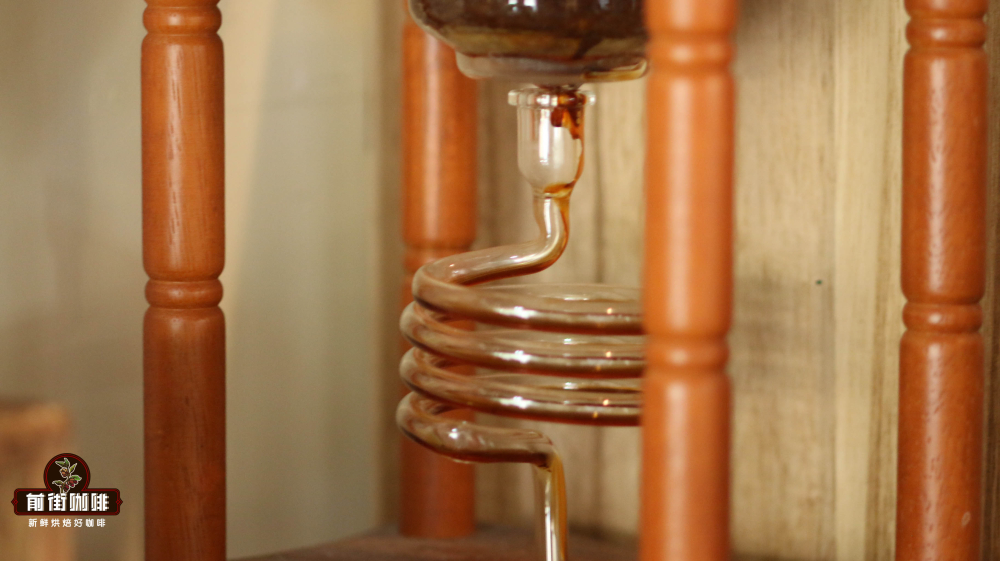
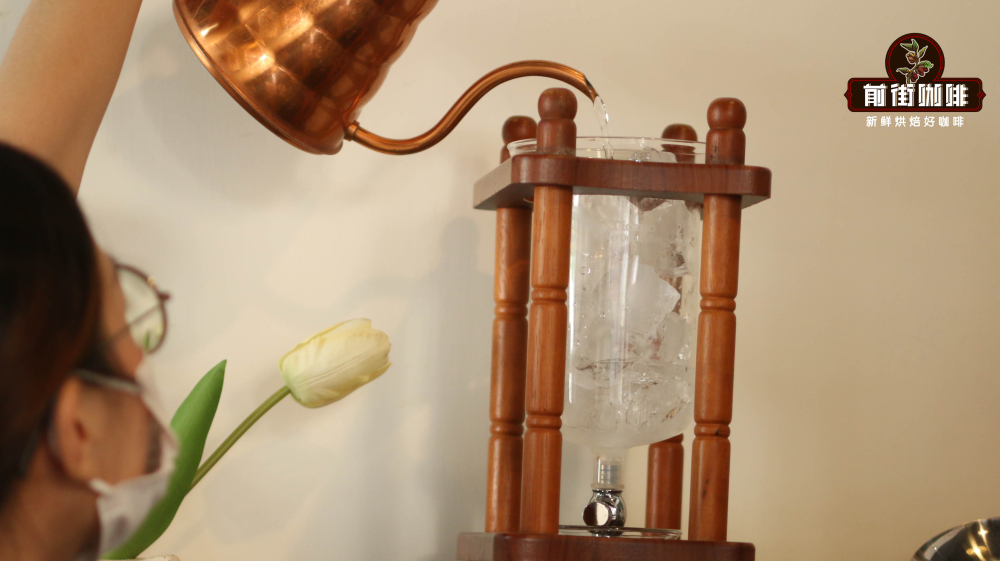
The ice container holds the ice-water mixture but has a small hole to control dripping speed; some have adjustable valves so users can set the speed as needed. FrontStreet Coffee suggests that when making cold drip daily, the dripping speed should be about 7-8 drops per 10 seconds. Throughout production you must watch for the drip being blocked by small impurities in the water, and also watch the ice melting—add ice promptly so the dripping water stays ice-cold.
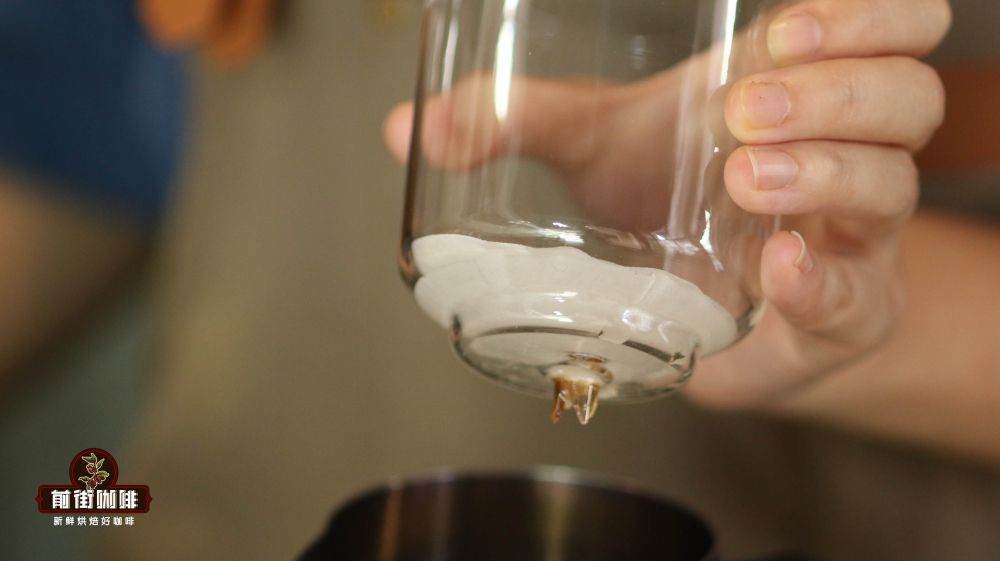
The coffee grounds container holds the ground coffee and comes in two types. One requires a circular filter paper at the bottom; the other has built-in filter nets. For those needing filter paper, you first place a paper, wet it with water, use a tool to fit it to the filter cup, then place another dry circular filter paper to add support and keep the first paper from being pushed up and losing its filtering effect when the grounds are poured in.
Whichever type you use, after pouring in the coffee you need to make the surface of the grounds as even as possible (without tamping), then place a circular filter paper on top to distribute the water flow and avoid uneven extraction of the particles. For cold drip grinding, FrontStreet Coffee recommends medium-fine (granulated sugar size, 75% pass rate on a Chinese No. 20 standard sieve) for light-medium roast beans, and medium (white sugar size, 70% pass rate on a Chinese No. 20 standard sieve) for medium-dark roast beans.
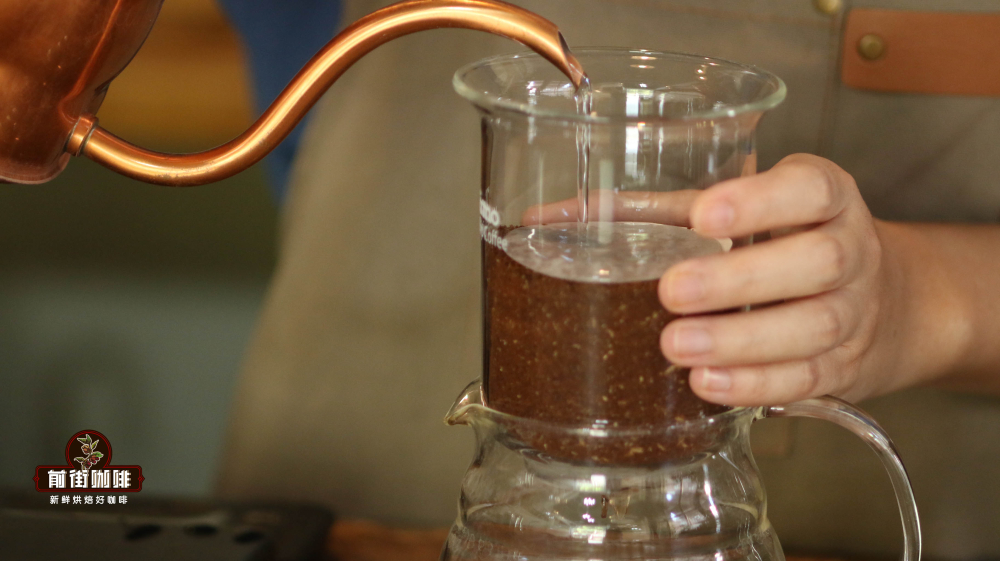
The coffee pot is where the extracted liquid is stored. Keep it as clean and oil-free as possible, and keep the pot at room temperature when in use.
FrontStreet Coffee's Cold Drip Coffee Making Guide
1. FrontStreet Coffee's cold drip uses a water-to-coffee ratio of 1:10, meaning 60 grams of coffee powder extracts 600 milliliters of coffee liquid.
2. Place a circular filter paper at the bottom of the powder cup, wet it with water to fit the cup walls, add the ground 60g of coffee (raw sugar size), then shake to level the surface. You can also use the weight of the tamper itself to lightly press the layer flat.
3. Remember to place a filter paper on the surface of the grounds. The paper's tension lets water distribute evenly; without it, long dripping would carve a pit in the coffee bed.

4. Use ice water for "pre-soaking," which is similar to the bloom in pour-over. This improves extraction efficiency and consistency. Dripping with ice directly could wet the bed unevenly, over-extracting some grounds while leaving others out of the extraction entirely.
5. Place a 1:1 ice-water mixture in the water container and set the valve to about 7-8 drops per 10 seconds.
6. When finished, pour the liquid into a sealed glass bottle and refrigerate overnight to ferment, letting the flavors meld for a better, easier-drinking taste.
Cold Drip Coffee Bean Recommendations
Because low-temperature extraction makes mellow compounds hard to extract, FrontStreet Coffee recommends beans with sweet and sour notes. For example, lightly roasted beans from Africa and Central and South America: the Ethiopia Guji coffee beans sold by FrontStreet Coffee (berry juice notes), the Panama Finca Deborah Geisha Natural Blend (floral tea notes), and the Costa Rica Mozart coffee beans (preserved fruit notes) are all highly suitable for cold drip.
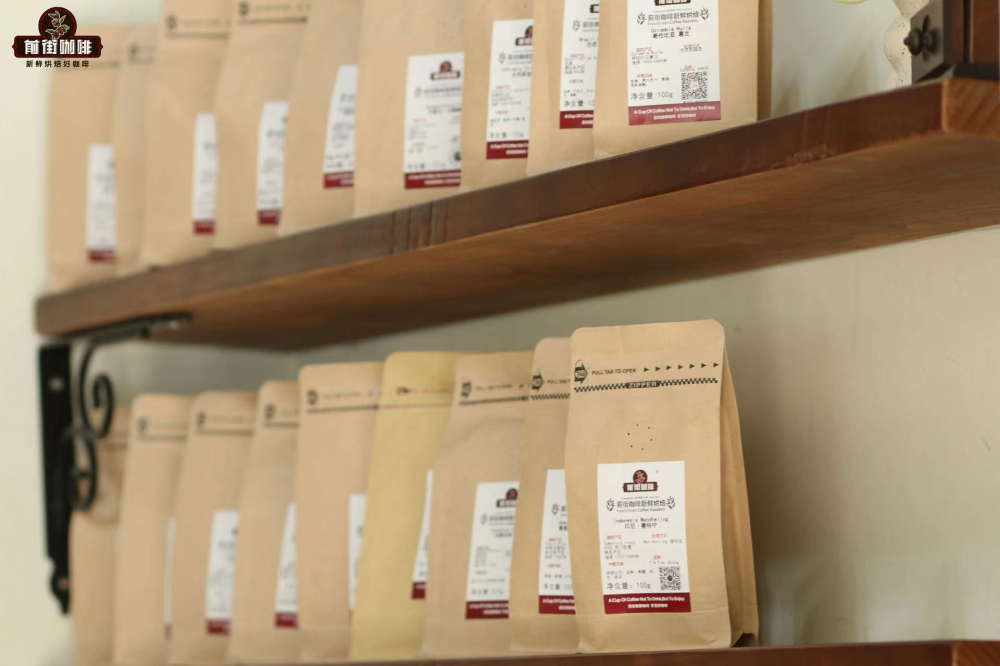
FrontStreet Coffee Recommendation
For cold drip, FrontStreet's Strawberry Candy Gesha blend is a standout choice: it pairs the most representative Panama Geisha variety with a Costa Rican honey-processed coffee, one contributing delicate rose and orange notes and the other a grape, raisin, and strawberry-fudge sweetness, so the cup is full of layered complexity. Made as cold drip—or cold brew—it is sweet-sour and lively, and if allowed to ferment and settle it can even take on a fruit-wine character.
If you prefer florals, FrontStreet's naturally processed Huakui is ideal. Grown in Ethiopia, the birthplace of coffee, it absorbs abundant sweet aromatics from the fruit and skin during natural drying, and in cold brew it shows magnolia, cream strawberry, dried mango, guava, and black tea notes. For a juicy, fruit-forward cup, FrontStreet's Kenya Tomato is a washed Kenyan single origin from the Sika region, grown at 1,550–1,750 meters from the classic SL28 and SL34 varieties and reaching the high AA TOP standard; a Kenyan-style 72-hour double-wash fermentation and a light roast keep the bright acidity, giving clear cherry-tomato and smoked-plum flavors with a full, juice-like body, prominent mid-palate sweetness, and a clean finish of yellow-sugar sweetness and green tea.
Because cold brewing uses more coffee, FrontStreet also suggests stretching expensive beans with a blend. Many drinkers love the complex passion fruit, grape, apricot, and dried-fruit sweetness of FrontStreet's Colombia Sidra, and because the cost is high it can be blended 1:2 with FrontStreet's Costa Rica Tarrazú—yielding the Sidra's fruit and florals plus the Tarrazú's crisp citrus acidity while improving value. And FrontStreet's washed Yirgacheffe Geddingding cooperative lot rounds out the lineup: as a representative washed Yirgacheffe it is bright, sweet-sour, and affordable, works for pour-over, siphon, French press, or cold brew, and in cold brew shows sweet berry layers and honey.
Important Notice :
FrontStreet Coffee is a long-established specialty coffee roaster in Guangzhou China, selling freshly roasted beans from its own farm in Yunnan as well as dozens of carefully selected single-origin beans from around the world for both pour-over and espresso. The products deliver consistently excellent quality and great value, with shipping within 24 hours. Guangzhou's FrontStreet Coffee shop is recommended by many coffee lovers, and the beans are now available online at the Tmall 。
FrontStreet Coffee has moved to a new address:
FrontStreet Coffee Address: 315,Donghua East Road,GuangZhou
Tel:020 38364473
 Scan and follow the En Gafei WeChat official account. Please indicate that the reprint comes from "En Gafei".