
What is the flavor period of coffee beans? What is the resting period of coffee? How should coffee beans be rested?
Are freshly roasted coffee beans always the best tasting?
No. The roast date tells you how fresh the beans are, but many people compare roasting coffee to baking a cake and assume that anything roasted within two or three days still counts as fresh coffee. Freshness, though, is not the same thing as peak flavor.
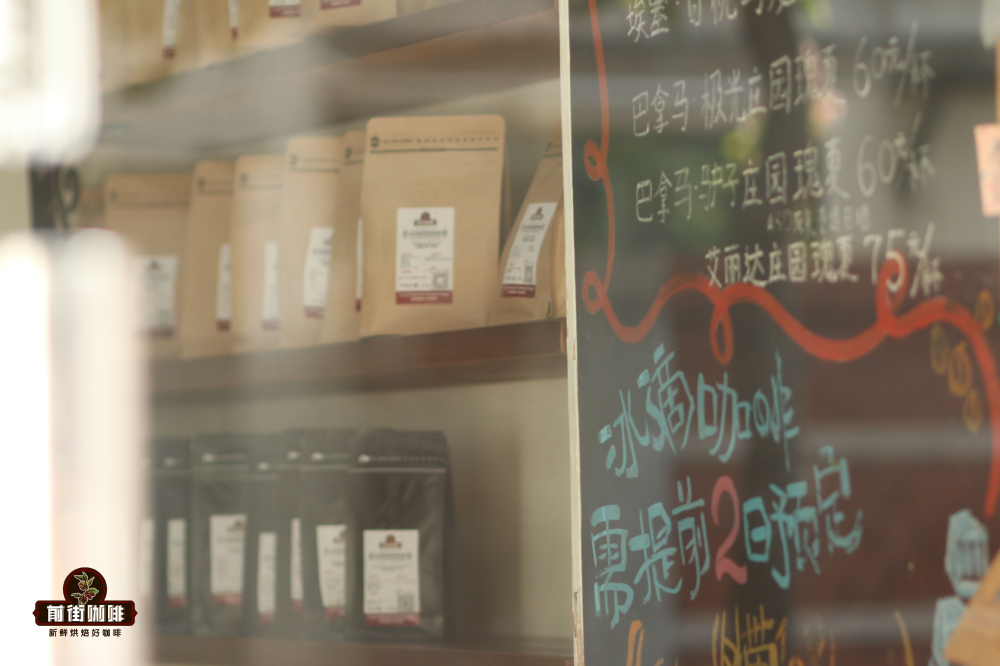
Beans that were roasted only one or two days ago usually still carry the smoky notes of roasting along with the beans' own raw odors. According to FrontStreet Coffee's years of roasting experience and cupping comparisons, freshly roasted beans are simply not at their best yet.
Why shouldn't freshly roasted coffee beans be brewed right away?
Freshly roasted beans have what is commonly called "dryness," which shows up mainly as a sharp, ill-rounded acidity, insufficient sweetness, and a slight astringency that lingers on the tongue. Roasting is a complex chemical and physical process with variables we may never fully understand, but this dryness is definitely a texture you can taste.

Under unsaturated conditions, every kilogram of coffee beans releases roughly 6 to 10 liters of carbon dioxide, equal to about 1% to 1.2% of the bean's total weight, and around 35% of that escapes within the first three days after roasting. As the carbon dioxide leaves, volatile aromatic compounds leave with it. Coffee beans continue degassing for about 48 hours after roasting, so brewing them immediately yields a disappointingly flat cup.
What is coffee bean resting?
This is why freshly roasted beans generally need proper resting, which simply means giving the beans time to release carbon dioxide naturally.
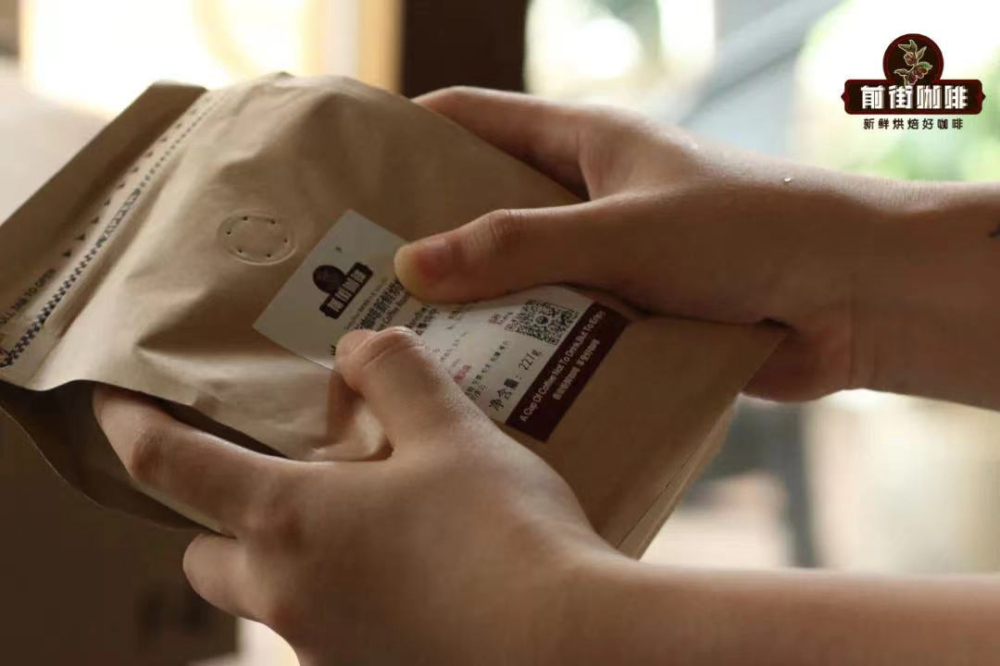
FrontStreet Coffee recommends resting beans in sealed packaging fitted with a one-way degassing valve, which lets carbon dioxide escape while blocking outside oxygen, and keeping them in a dry, cool place for 3 to 7 days. This allows the beans to release some carbon dioxide naturally, reducing dryness and making extraction more stable. The flavor also becomes rounder and fuller.
Resting time for freshly roasted coffee beans
All coffee beans sold by FrontStreet Coffee are shipped within 5 days of roasting and are packaged with one-way degassing valves, guaranteeing 100% freshness. Only freshly roasted beans carry a truly abundant and rich aroma.
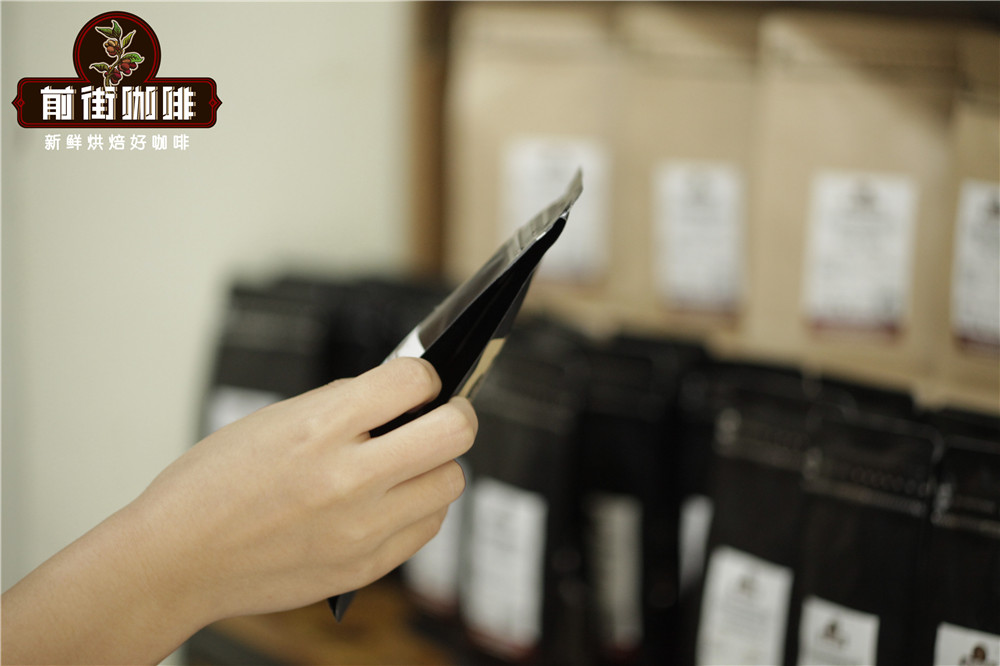
Different roast levels need different resting periods. For the beans FrontStreet Coffee sells, light to medium roasts are best rested for 3 to 4 days, medium roasts for 4 to 5 days, and medium-dark roasts for 6 to 7 days.
Optimal flavor period for freshly roasted coffee beans
The optimal flavor period of coffee is not the same as its shelf life, so pay attention to the roast date. With freshly roasted beans, the flavor continues to change over the following one to two weeks, offering a second journey in which you can watch the coffee's flavors rise and fall like flowers blooming and fading. That said, the best flavors usually appear around the one-week mark.
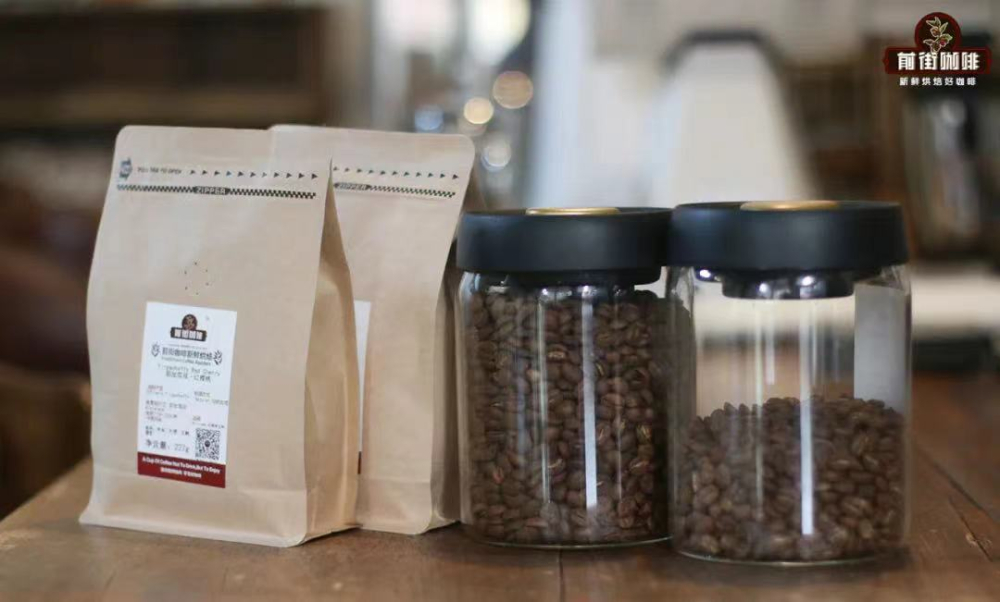
Based on FrontStreet Coffee's roasting experience, the optimal flavor period of coffee beans lasts roughly 15 to 30 days depending on roast level, which means that after resting, the window from day 7 to day 20 after roasting is when the coffee tastes best.
Do freshly roasted coffee beans have an absolute "optimal flavor period"?
Even though the roast level of a given bean can stay fairly consistent, there are still variations of a few degrees from one batch to the next, even when the same curve is followed strictly, because factors such as the surrounding environment come into play. The days when you personally think the coffee tastes great are the bean's ideal state, and that is its "optimal flavor period."
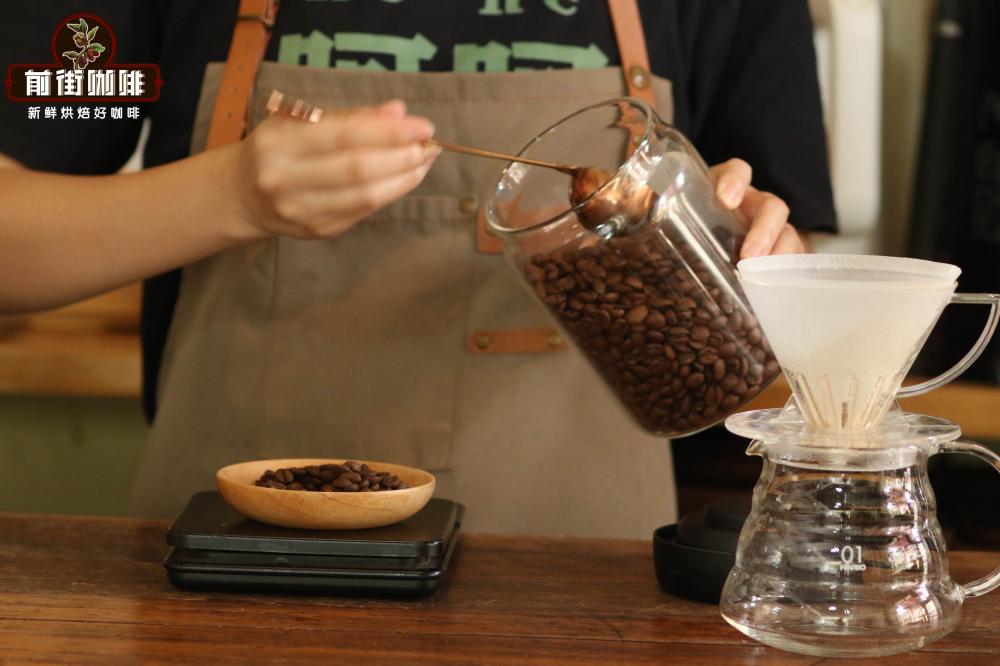
Once the optimal flavor period has passed, the beans are no longer fresh. Not only have the good flavors left, but off-flavors have begun to form. Compounds inside the beans are affected by oxidation and the flavor turns negative. That is why we recommend buying about 2 to 4 weeks' worth of coffee at a time, storing it sealed in a cool, dry place, and using it within 2 to 4 weeks for the best flavor and aroma. Properly stored coffee past its shelf life generally will not cause health problems, but if it tastes unpleasant, it is best to throw it out.
Shelf life of roasted coffee beans
The shelf life of pre-packaged food refers to the period during which the product can be safely consumed. It is set by the producer and printed on time-limited products. During that period, the manufacturer is responsible for the product meeting the relevant standards or the quality conditions it has explicitly guaranteed, retailers can sell it with confidence, and consumers can use it safely.
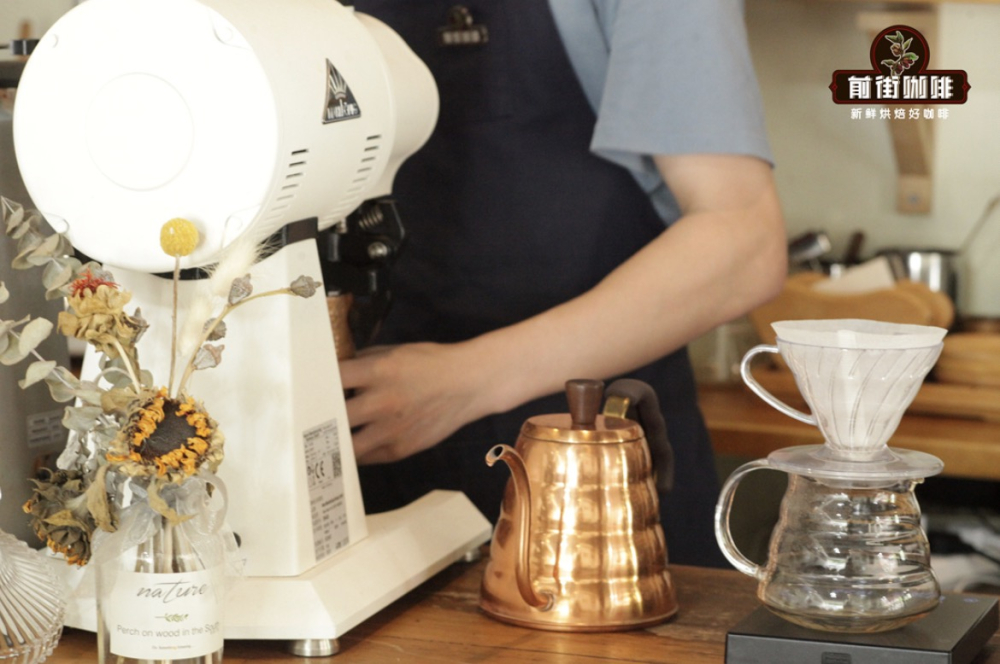
Before a shelf life is established, an objective analysis of quality changes is required, including microbial testing, physicochemical testing, and sensory inspection. Microbial indicators are often the most direct factor affecting human health. Coffee beans and ground coffee have a relatively long shelf life because their low moisture does not easily support microbial growth. Generally, coffee in aluminum foil packaging has a shelf life of 12 months, while imported coffee often carries a 2-year shelf life.
FrontStreet Coffee's roasted coffee beans are sampled regularly and sent to professional institutions for testing, with a guaranteed shelf life of 12 months.
FrontStreet Coffee Recommendation
Resting and optimal flavor windows are closely tied to roast level, which makes a medium roast a comfortable choice for anyone still learning to read a roast date. FrontStreet Coffee's Brazil Queen's Estate coffee is medium roasted and easy to brew at almost any point in its window: grown in Brazil from the Yellow Bourbon variety, it drinks clean and gently sweet, with creamy peanut, chocolate, toasted bread, and sugarcane notes that stay stable whether you use a pour-over, a moka pot, or an espresso machine.
If you would rather keep a bag on the shelf and enjoy it as it evolves, FrontStreet Coffee's 2013 Natural Typica is a rewarding option. A Yunnan coffee and a fine representative of Chinese specialty beans, it is medium roasted for a balanced, gentle character, with notes of nuts, brown sugar, black tea, and dried apricot that hold up well over pour-over, cold brew, and drip. Whichever you choose, remember to check the roast date first and let the beans rest before you brew.
Important Notice :
FrontStreet Coffee is a long-established specialty coffee roaster in Guangzhou China, selling freshly roasted beans from its own farm in Yunnan as well as dozens of carefully selected single-origin beans from around the world for both pour-over and espresso. The products deliver consistently excellent quality and great value, with shipping within 24 hours. Guangzhou's FrontStreet Coffee shop is recommended by many coffee lovers, and the beans are now available online at the Tmall 。
FrontStreet Coffee has moved to a new address:
FrontStreet Coffee Address: 315,Donghua East Road,GuangZhou
Tel:020 38364473
 Scan and follow the En Gafei WeChat official account. Please indicate that the reprint comes from "En Gafei".

