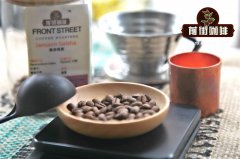
What's the Difference Between Various Processing Methods for Kenyan Coffee? Introduction to Natural and Washed Kenya
Professional coffee knowledge exchange. For more coffee bean information, please follow Coffee Workshop (WeChat official account: cafe_style).
Recently we have taken in quite a variety of beans, among them a natural-processed Kenya, detailed in our bean-hunting notes on the Natural Kenya from Othaya Cooperative. So today our editor wanted to compare this natural Kenya against our washed Kenya to see how the two differ.
Bean Introduction
Let us briefly introduce the two beans.
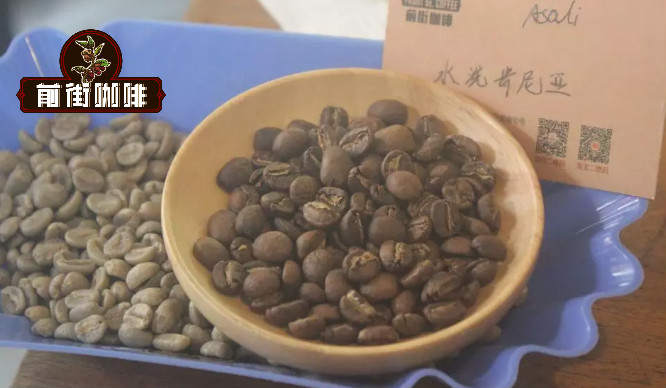
Washed Kenya - Asali
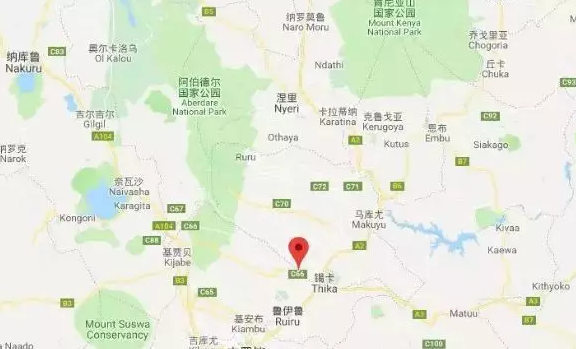
This bean comes from the Asali processing plant in the Thika region of Kenya. Thika is a coffee-growing area in central Kenya with the highest altitude within the region. Thika itself is a sub-area of that growing region, located at the foot of the Aberdare mountain range, with red volcanic soil rich in organic matter.
The processing method is K72 washed processing.
What is K72 washed processing?
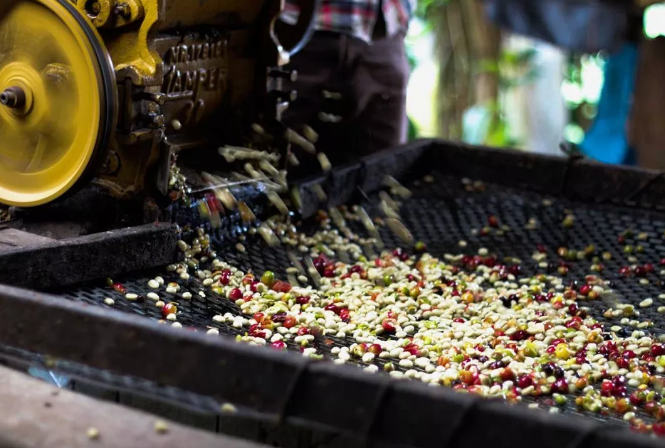
It is a cyclical, repeated method of washing after harvesting and fermentation. On the day of harvest, the highest-quality cherries are selected for depulping and fermentation, with a fermentation time of 24 hours. After 24 hours they are washed with clean river water. Then they are fermented again in clean river water for 24 hours and washed again, and this cycle is repeated three times to reach 72 hours, which is why it is called the Kenyan-style 72-hour fermentation washed method, abbreviated K72.
This method lets the beans ferment for a long time at low temperature, and it finishes only after drying and dehydration, giving the coffee a brighter, cleaner yet fuller flavor.
Natural Kenya - Othaya
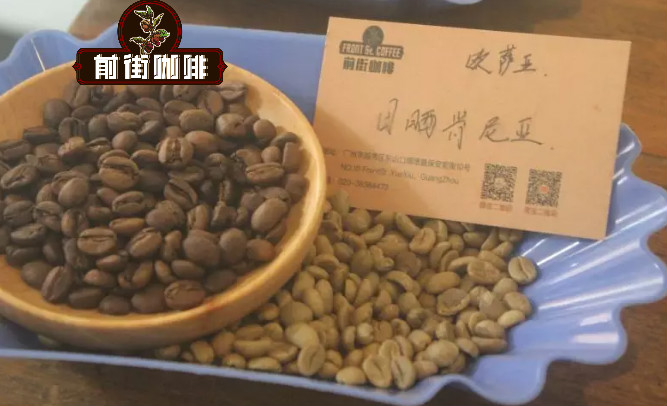
Most Kenyan coffees we drink are washed, so natural-processed Kenyans are quite rare.
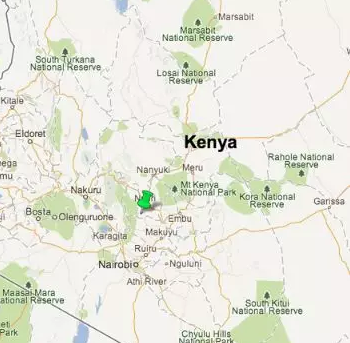
This natural Kenya comes from the Thika processing plant under the Othaya Cooperative in the Neri region. Neri lies west of Mount Kenya in central Kenya, where the red soil has nurtured many excellent Kenyan coffees.
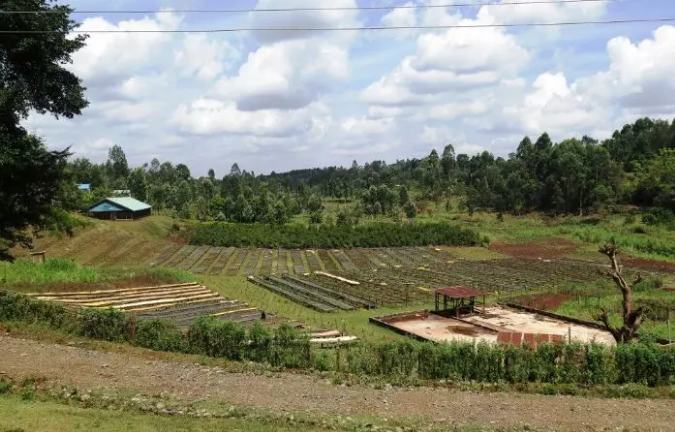
In terms of processing, the refined natural method is used. Refined natural processing typically requires 2 to 4 weeks or even longer, depending on the weather and the desired flavor expression. During drying, great care must be taken to avoid both excessively high temperatures and mold or off-flavors from over-fermentation. This method can transform Kenya's normally bright acidity into rich, complex fruity acidity.
Green Bean Comparison
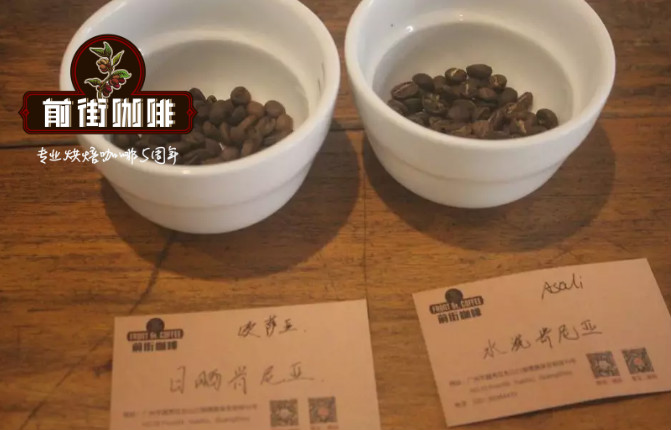
Both beans are of the SL28 and SL34 varieties, two varieties that are quite common in Kenya.
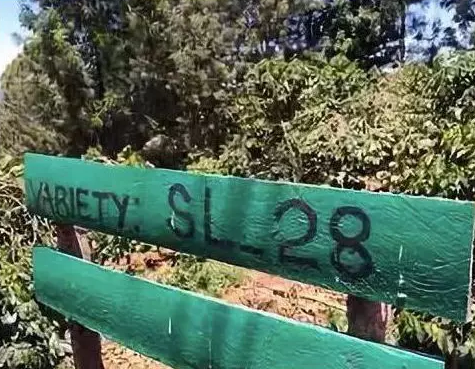
SL28 is a direct Bourbon line selected and cultivated in Kenya by French and British missionaries and researchers in the early 20th century, with mixed heritage from French Mission, Mocha and Yemen Typica. High sweetness, refined balance, prominent citrus and dark plum flavors, strong and rich fruit acidity, a rich mouthfeel and beautiful balance: those are the characteristic features of Kenyan SL28.
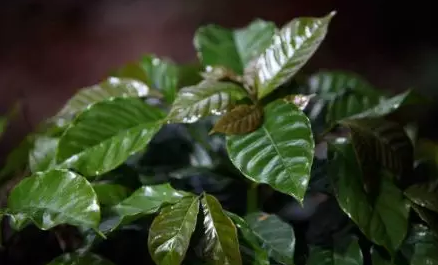
SL34 has flavors similar to SL28, but with a complex and varied acidity and a great sweet finish; the mouthfeel is heavier and richer than SL28, and cleaner. SL34 has French Mission, Bourbon and more Typica heritage. The bean appearance is similar to SL28, but it is more adaptable to sudden heavy rains.
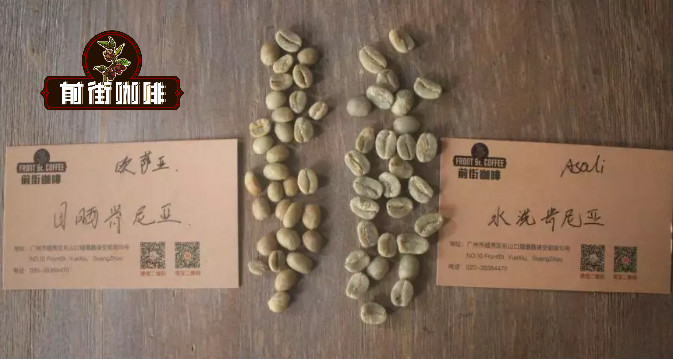
Although both beans are SL28 and SL34 varieties, the green beans look quite different.
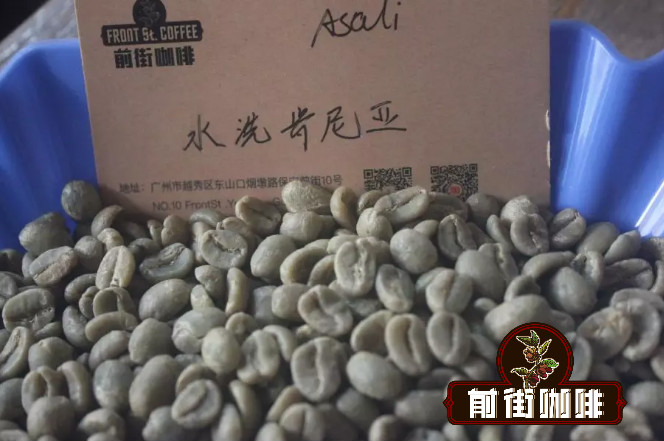
The washed Kenya Asali green beans are blue-green with less residual silver skin on the surface, and the bean sizes are relatively uniform and full.
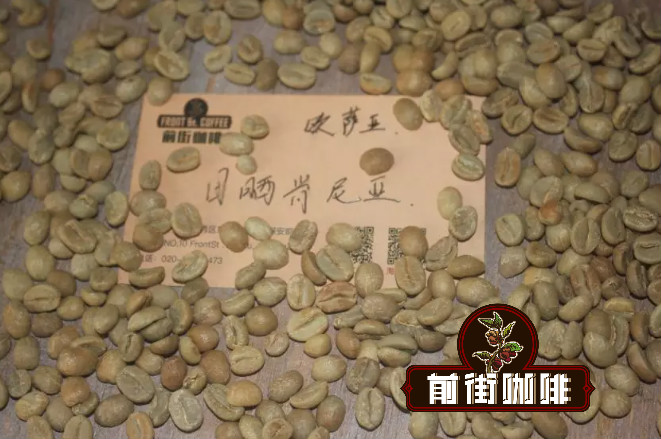
The natural Kenya Othaya green beans are yellow-green with more residual silver skin on the surface, and the beans vary noticeably in size, with a distinct fermented aroma.
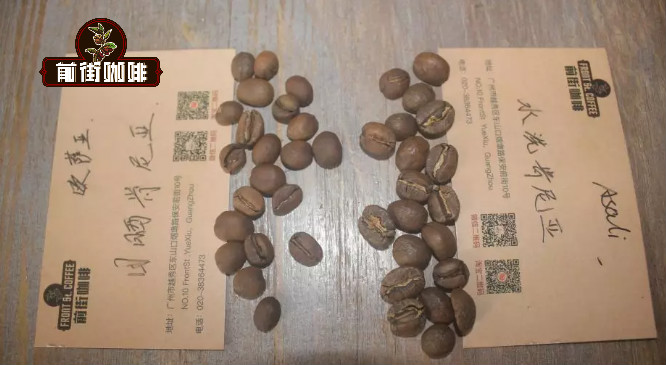
Looking at the roasted beans as well, we can clearly see that the washed Kenya Asali roasted beans are larger and retain more silver skin after roasting, while the natural Kenya Othaya roasted beans vary in size and retain less silver skin after roasting.
Flavor Comparison
Cupping
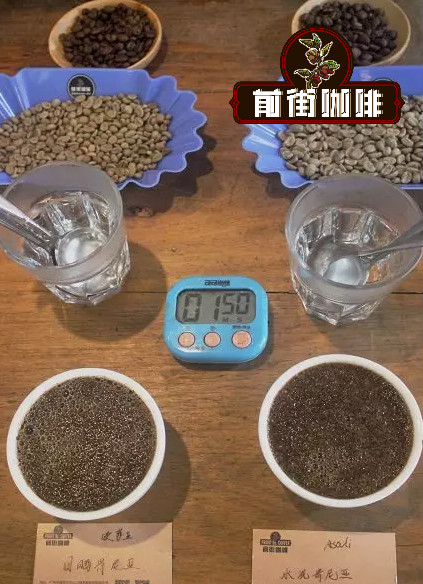
Washed Kenya - Asali has pine aroma, dark plum, lemon and grapefruit acidity, with brown sugar sweetness; overall the flavor is clean, with a bright and lively fruit acidity.
Natural Kenya - Othaya has a fermented wine aroma, with black berries, citrus, cherry tomatoes, mango and purple grape flavors, as well as cream aroma and brown sugar sweetness; overall the flavor is richly layered, with full sweetness.
After cupping, our editor felt that both beans would work quite well as iced pour-over, and very suitable for enjoying a cup in the heat of summer. So we brewed a pot of each, keeping the parameters and technique basically consistent.

Parameters: 18 g of grounds, water temperature 90 degrees Celsius, medium-fine grind (BG 5M, 60 percent pass rate through the China standard #20 sieve), grounds-to-water ratio 1:10 not counting the ice, with 100 g of ice added to the server.
Use about twice the weight of the grounds for the bloom, and stop the bloom and start pouring when the coffee bed changes from wet to dry, after about 30 seconds. When the pour reaches 110 g, break it into segments, and continue pouring to about 180 g when the water level drops and is about to expose the coffee bed. Remove the filter cup when all the water in it has filtered through.
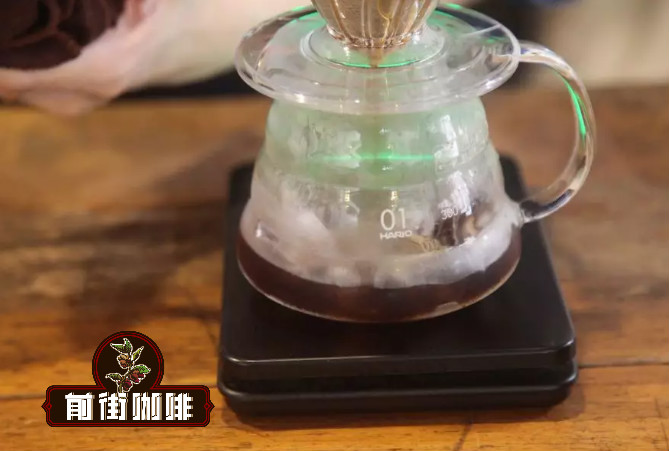
Washed Kenya - Asali smells of light jackfruit, floral notes and pine aroma, with dark plum, lemon, citrus and cherry tomato acidity in the mouth, a caramel aftertaste and a juicy sensation.
Natural Kenya - Othaya smells of rich jackfruit and a light blackcurrant aroma with fermented wine notes, and in the mouth there is grape, cherry tomato, citrus and lemon, with brown sugar sweetness; the finish is a persistent fruit-wine aftertaste with noticeable sweetness.
Flavor descriptions vary from person to person and are influenced by water temperature and brewing method. These notes were taken with the same brewing equipment and parameters and are limited by the flavor wheel, so treat them as a reference.
Conclusion
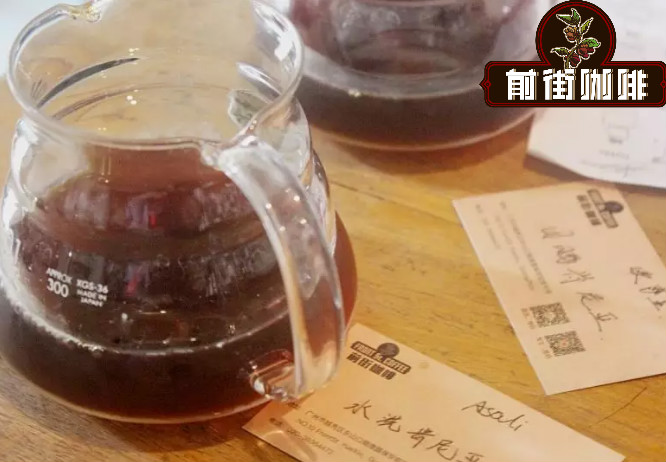
Comparing the two differently processed Kenyans, our editor feels that both show distinct berry acidity, but the washed Kenya - Asali presents a bright, lively acidity with floral notes and an obvious pine aroma, dark plum acidity and a grapefruit aftertaste. The natural Kenya - Othaya, by comparison, has richer acidity, a strong wine aroma, a solid mouthfeel and higher sweetness, with a dark berry aftertaste and full, distinct flavors.
FrontStreet Coffee Recommendation
The trade-off between washed clarity and natural fruit is exactly what defines FrontStreet Coffee's washed lineup. Our Gotiti Cooperative Yirgacheffe comes from the Worka area at the southeastern end of Yirgacheffe and keeps the traditional washed method, which removes the fruit before drying so the bean's own aroma comes through more clearly: jasmine fragrance with bright citrus and lemon acidity, medium-light roasted for green tea and honey notes.
If the washed Kenya - Asali profile appeals to you, FrontStreet Coffee's Kenya Little Tomato is a natural companion. Kenya is a master of double washing, repeating the wash cycle so the juice and transparency are pushed to the limit, and this Thika-grown lot, using the SL28 and SL34 varieties and roasted light, gives cherry tomato, smoked plum, snow pear and black plum, sweet and sour and full of juice.
And for the original washed island bean, FrontStreet Coffee's Jamaica Blue Mountain No.1 delivers a pure, balanced cup of hazelnut, cream, chocolate and caramel, with none of the sharp acidity of Africa and none of the heavy bitterness of a dark roast, a useful reference point when comparing how processing shapes a coffee.
Important Notice :
FrontStreet Coffee is a long-established specialty coffee roaster in Guangzhou China, selling freshly roasted beans from its own farm in Yunnan as well as dozens of carefully selected single-origin beans from around the world for both pour-over and espresso. The products deliver consistently excellent quality and great value, with shipping within 24 hours. Guangzhou's FrontStreet Coffee shop is recommended by many coffee lovers, and the beans are now available online at the Tmall 。
FrontStreet Coffee has moved to a new address:
FrontStreet Coffee Address: 315,Donghua East Road,GuangZhou
Tel:020 38364473
 Scan and follow the En Gafei WeChat official account. Please indicate that the reprint comes from "En Gafei".