Kenyan Coffee Bean Flavor Characteristics | Kenyan Coffee Origins, Varieties, and Taste Profiles

Kenya Coffee Overview
Kenya lies in eastern Africa, with the equator running through its center. It borders Somalia to the east, Tanzania to the south, Uganda to the west, and Ethiopia and Sudan to the north, while its southeastern coast faces the Indian Ocean. The country is mostly highland, with an average elevation of 1,500 meters. Kenya's climate is diverse, and the entire territory sits in the tropical monsoon zone. The coastal areas are hot and humid, the highlands are mild, and mountains above 3,500 meters occasionally see snow. The highest annual temperature is 26°C and the lowest is 12°C. South of the equator the climate is mainly tropical forest and savanna; the coast is hot with year-round rain; further inland it grows increasingly arid, and the northern desert and semi-desert regions account for about 56% of the country's total area. Because of the monsoon climate, Kenya does not have four distinct seasons but rather a distinction between rainy and dry seasons.
Coffee Growing Conditions
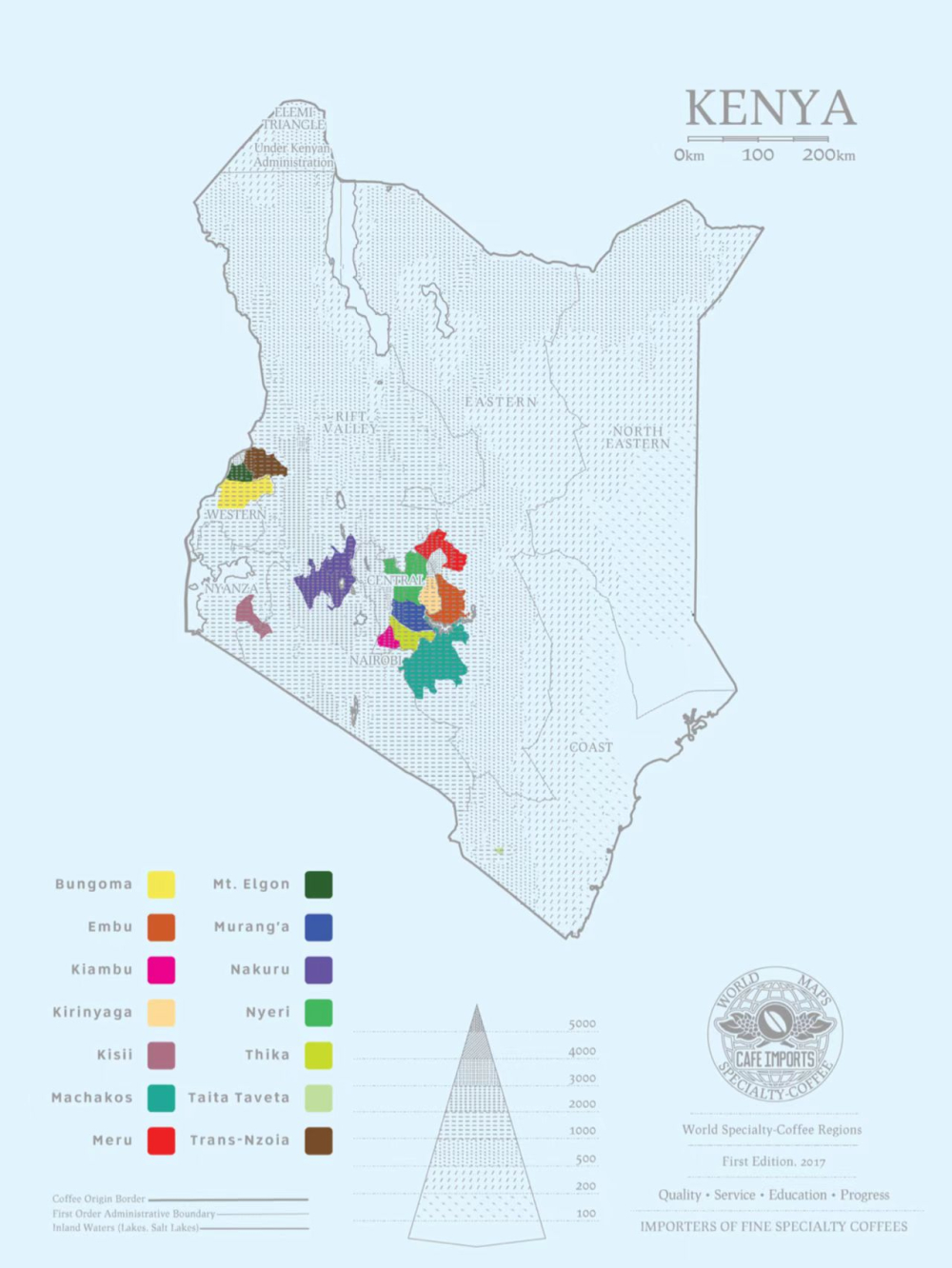
Most of Kenya's coffee grows at elevations between 1,300 and 2,000 meters, with average temperatures of 15-24°C and annual rainfall reaching 900-1,200 millimeters. The high-altitude plateau regions near Mount Kenya provide the best growing environment, including the Aberdare Mountains, Nyanza, Kisii, Bungoma, Kericho, and Nakuru areas. The Arabica varieties cultivated in these regions were originally introduced from Ethiopia.
Coffee Growing Regions
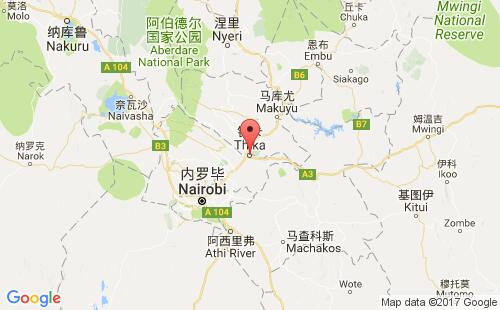
Coffee produced in central Kenya yields the highest quantity and quality in the country. Coffee from growing regions in western Kenya, including Kisii, Trans-Nzoia, Keiyo, and Thika in the south, has also begun to draw attention.
Coffee Varieties
As early as the 1930s, Kenya developed the SL28 and SL34 varieties through selection at the Scott Laboratories, which were then promoted for nationwide cultivation. Because of their excellent berry-like acidity, these varieties were later introduced to some Central American estates. The champion bean at the Costa Rica Cup of Excellence two years ago was an SL28 and Geisha variety.
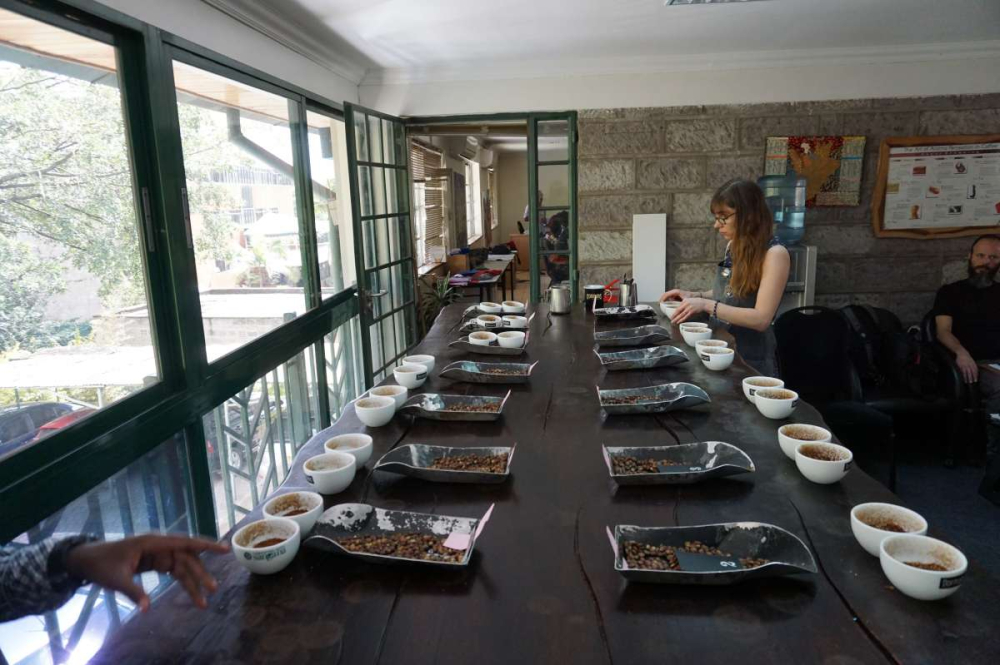
Since then, Kenya has worked relentlessly to develop varieties resistant to leaf rust. Ruiru11 was the first successful variety recognized by the Kenya Coffee Committee, and it can be understood as Kenya's version of Catimor. In cupping tests of Kenyan coffee mixed with Ruiru11, FrontStreet Coffee found the profile showed slightly less sweet-and-sour character with a hint of complexity. This shows how much varieties affect flavor.
Processing Methods
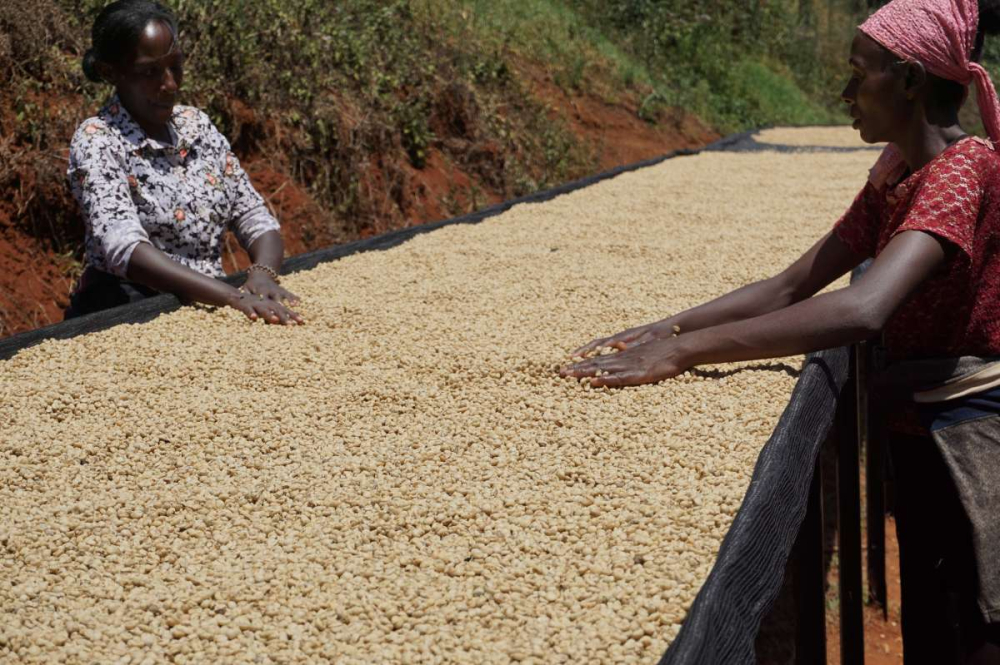
FrontStreet Coffee believes the bright acidity characteristic of Kenyan coffee is inseparable from Kenya's unique washed method, the K72 process. A normal washed process soaks the beans in fermentation tanks for 24-48 hours before drying. Kenya's process instead runs a 24-hour washing fermentation, removes the loosened mucilage, then ferments a second time in clean water for 24 hours, after which it is cleaned again and fermented for another 24 hours, totaling 72 hours. This extensive washing stably controls quality and expresses bright acidity with clean, sweet notes.
Grading System
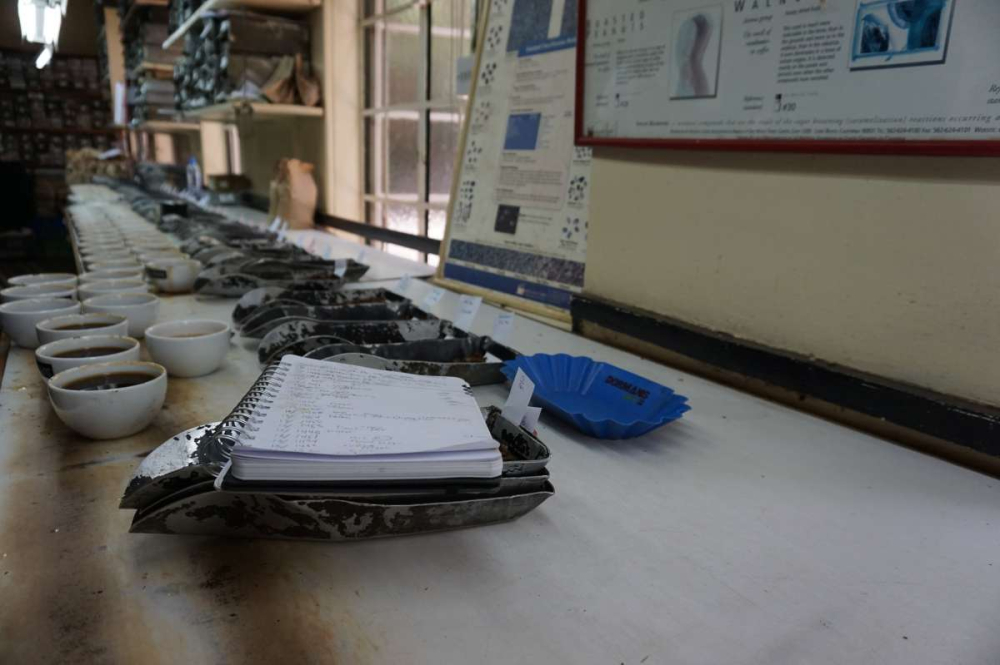
Kenya's coffee beans are graded by size, with AA the best and AB next. Grading by size is useful because, after varietal selection, larger beans represent fullness and quality, which is also very favorable for roasting. This ensures consistency in Kenyan coffee quality. Although specific flavor differences between regions like Nyeri, Kirinyaga, and Kiambu can still be distinguished, they generally share the Kenyan character of bright acidity and tomato and berry-like flavors, recognizable as Kenyan from the first sip.
Brewing Recommendations
Now that we understand Kenyan coffee beans, we can build a brewing plan around their character. Kenya's high altitude, volcanic soil, excellent varieties, and meticulous processing create full, large, hard beans with a fine appearance.
To avoid channeling during brewing, FrontStreet Coffee does not recommend excessive fine powder. Choose a high-quality grinder or use a sieve to remove fines. The grind size should be based on 75% pass-through through a #20 standard sieve.

For water temperature, this Kenyan coffee is suited to relatively high temperatures to bring out its fruity sweetness, the small tomato note. FrontStreet Coffee suggests water at 93°C.
FrontStreet Coffee recommends a 1:16 coffee-to-water ratio. The solid body of this Kenyan coffee holds up even at 1:16, while the concentration at that ratio is very gentle, with bright plum acidity paired with the sweet-and-sour aroma of small tomatoes, making for a very pleasant cup.

For dose, if using a small V60 dripper, FrontStreet Coffee recommends at least 15 grams of coffee powder; if using a large V60 dripper, at least 25 grams.
When pouring, raise the coffee bed and avoid large circular pours, which can thin the bed and unbalance extraction. Keep the pour even to prevent channeling at the edges and blockage at the bottom.

First, pour 30ml of water and let it bloom for 30 seconds. For the second pour, add 120ml of water, pouring from the center outward in circles until the surface is completely covered with golden foam, then circle back to the center. The coffee bed should reach half the height of the short ribs. For the third pour, add 90ml of water, pouring in coin-sized circles. Once all the coffee liquid has dripped into the serving pot, end the extraction, which should take about 2 minutes, within a 10-second margin.

This brewing method highlights the aroma and sweetness of small tomatoes in Kenyan coffee while ensuring a solid and bright plum acidity.

For more specialty coffee knowledge, visit FrontStreet Coffee.
FrontStreet Coffee Recommendation
Among Ethiopia's specialty coffees, a washed Yirgacheffe is the classic entry point, offering clear jasmine floral notes and bright citrus acidity. Yirgacheffe is a small town in southern Ethiopia, mild all year round, wrapped in mist and cool, humid air, where thousands of coffee trees flourish and produce the town's signature blend of floral aroma and fruit acidity, with a light, elegant cup that carries a tea-like quality and drinks like a clean, refreshing lemon tea.
Most Ethiopian coffee is grown as garden coffee: each smallholder delivers harvested cherries to a village-level processing station, and the coffee is finally sold under the name of the production team, which is why so many cooperatives of different sizes exist, such as the Yirgacheffe, Worka, and Konga cooperatives. The Yirgacheffe cooperative sits at the southeastern edge of Yirgacheffe, in the Worka region, and was originally part of the Worka cooperative under the Yirgacheffe union. As demand for traceability grew, individual single-origin areas were uncovered by coffee hunters around the world, and in 2012 the roughly 300 farmer members formed an independent cooperative. Because the fruit is stripped before drying, its inherent aroma comes through more clearly, showing citrus and lemon notes and elegant white florals, with a bright, fine overall flavor.
Natural processing works differently. Cherries are first sorted to remove broken or moldy fruit, then dried directly in the sun for two weeks until the sugars and essence of the fruit have seeped into the beans and the moisture content has fallen to 12%. The hardened fruit, mucilage layer, and parchment are then scraped off with a hulling machine, and the beans pass density and color screening to remove defects before workers hand-sort any remaining flaws. The result is a thoroughly clean, deeply aromatic coffee. FrontStreet Yirgacheffe Red Cherry natural beans show peach, cocoa, honey, and lemon.
FrontStreet Huakui comes from the Hambela region of Guji, Sidamo. The farm covers 200 hectares and uses the traditional natural process. To keep the drying cherries from molding or picking up earthy off-flavors, workers spread the ripe cherries on raised beds to dry in the sun for 21 days, turning them constantly for even drying and loss of moisture and hand-sorting out any defective or moldy beans every three to five days. Once the skin is dry and hard, a hulling machine removes it, and after the green beans are obtained, farmers sort once more to chase a perfect cup. Because the fruit and skin stay on throughout drying, a medium-light roast delivers a gentle fermented wine note, flowers, citrus, and mango, with a richer, more complex cup, honey sweetness, a cocoa edge with a touch of spice, a full body, and a lasting finish.
Hamasho, also in Sidamo, has become a regular on Ethiopian green coffee competition lists thanks to its quality and distinctive flavor, and it has drawn plenty of attention. Its coffee is mainly based on the disease-resistant 74 series released by the Jimma Agricultural Research Center, and the small-grained 74158 stands out for its floral and fruit aroma. FrontStreet Hamasho 74158 has an inviting aroma with notes reminiscent of perfume lemon, strawberry, and starfruit, and the entry shows clear sweet aromas of strawberry, starfruit, and green grape, followed by a light floral note that gradually emerges.
Unlike the garden-coffee model, in which farmers plant coffee in their own backyards, the Kafa forest is best known for its wild coffee, with trees growing in shaded conditions at 1,400 to 2,100 meters. Its pristine ecosystem, microclimate, red soil, and abundant rainfall give the trees an excellent growing environment. FrontStreet Kafa Forest is roasted medium-light and, once ground, carries clear white floral notes, with bright lemon acidity on the entry, sweet orange and bergamot flavors, a faint melon and nut sweetness on the finish, and a tea-like body.
Important Notice :
FrontStreet Coffee is a long-established specialty coffee roaster in Guangzhou China, selling freshly roasted beans from its own farm in Yunnan as well as dozens of carefully selected single-origin beans from around the world for both pour-over and espresso. The products deliver consistently excellent quality and great value, with shipping within 24 hours. Guangzhou's FrontStreet Coffee shop is recommended by many coffee lovers, and the beans are now available online at the Tmall 。
FrontStreet Coffee has moved to a new address:
FrontStreet Coffee Address: 315,Donghua East Road,GuangZhou
Tel:020 38364473
 Scan and follow the En Gafei WeChat official account. Please indicate that the reprint comes from "En Gafei".