
Salvadoran Finca El Olivo Kenya SL28 Coffee Bean Variety Flavor Characteristics and Taste Profile
A rare variety growing on volcanic soil, roasted light to keep its fruit intact: FrontStreet Coffee's El Salvador Montes El Corazo SL28 is worth a close look, cup by cup.
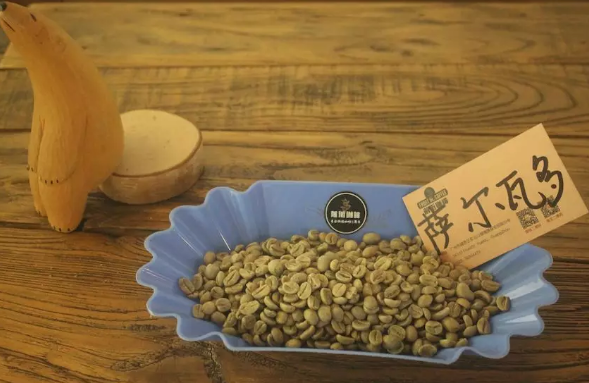
The shop's editor had just received new beans and could not wait to roast and cup them, wanting to taste the flavor of this 2017 WBC championship bean - from El Salvador's Finca Montes El Corazo estate. Let's explore this together~~
Finca Montes El Corozo
FrontStreet Coffee - El Salvador - Montes El Corazo Estate
- Estate: Montes El Corazo Estate
- Altitude: 1800-1950M
- Variety: Kenya SL28
- Processing Method: Washed
- Grade: SHB
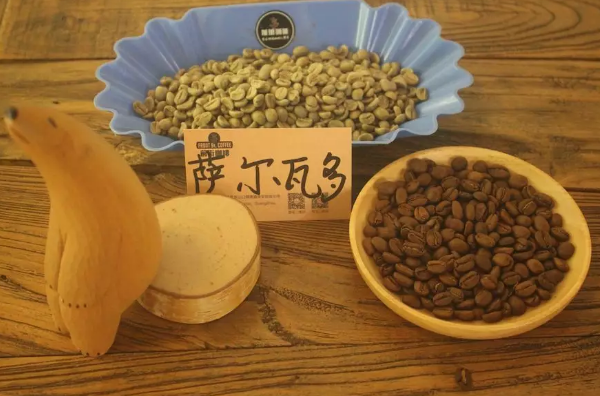
Estate Information
Montes El Corazo Estate
Montes El Corazo Estate began planting coffee in 1930, surrounding El Salvador's famous "LOS VOLCANES" (Volcanoes) National Park. Rare volcanic flowers grow around the estate, along with wild animals from the national park such as deer, raccoons, and wild boars, creating an interesting wildlife ecosystem.
Since the estate is located on a volcano, it benefits from very fertile volcanic terrain. In 2006, the Ilamapepec volcano erupted, and volcanic ash directly covered the estate. Although the coffee plantation was damaged at the time, a few years later, the coverage of this fertile volcanic soil created an even more fertile growing environment for the estate.
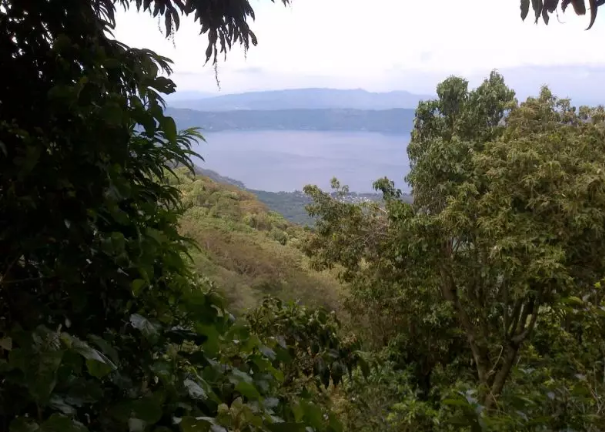
Since 2016, Montes El Corazo Estate has been a completely organic farm and also holds Rainforest Alliance certification. Coffee production is managed using traditional methods, washed with clean water, and dried on clay patios.
Montes El Corazo Estate grows coffee using El Salvador's century-old heritage methods. Local Ingas trees, pomelo trees, and olive trees are used as shade trees, with more than 75 tree species interplanted to create a natural forest alternating with coffee trees. This volcanic soil nourishment contributes to this beautiful coffee plantation.
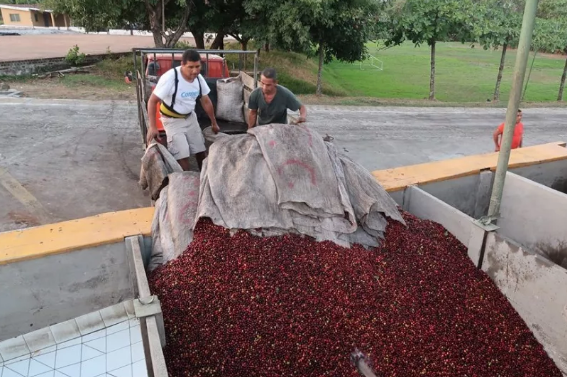
Those same organic practices continue today: since 2016 the farm has been fully organic and Rainforest Alliance certified, and the crop is still managed by traditional methods, washed with clean water and dried on clay patios, which is why the estate's cup stays so consistent from year to year.
Variety
Kenya SL-28 is one of the two most revered varieties produced in the 1930s by Kenya's Scott Laboratories. Although Scott Laboratories no longer exists, it is now the National Agricultural Laboratory, part of the Kenya Agricultural and Livestock Research Organization. Both varieties are Bourbon-derived cultivars, though from different lineages: SL-28 was developed from drought-resistant varieties originally planted in Tanganyika, which is part of modern Tanzania; it is generally considered the highest quality but has lower yields compared to other commercial Arabica varieties.
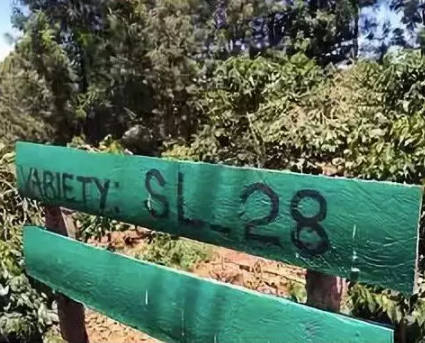
These SL variants show bronze-colored young leaves. The yield from SL28 is not as high as expected, but the copper leaf color and kidney-shaped beans have wonderful sweetness, balance, and complex, changing flavors, as well as prominent citrus and plum characteristics. In terms of coffee flavor, it has strong, rich fruit acidity, rich texture, and beautiful balance.
Washed Processing Method
Screen coffee cherries - Remove pulp - Ferment - Wash - Dry - Hull
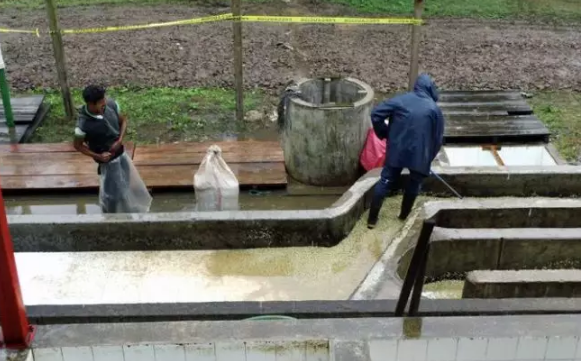
Place the screened coffee cherries into a depulper to initially remove their skin and pulp; place the coffee beans with remaining pulp and mucilage into water to ferment for about 24 hours; after fermentation, place the coffee beans with parchment into a flowing water tank to wash away their pulp and mucilage; after washing, air-dry the coffee beans or use a dryer to reduce the moisture content to about 12%. Finally, remove the parchment from the coffee beans.
Roasting Analysis
Yangjia 800N Roaster (300g batch size)
Start with drum temperature at 170°C, heat at 140, damper at 3; Return temperature at 1'42", when drum temperature reaches 140°C, open damper to 4, heat unchanged; When drum temperature reaches 149.7°C, bean surface turns yellow, grassy smell completely disappears, entering dehydration stage. When drum temperature reaches 158.1°C, adjust heat to 110, damper unchanged.
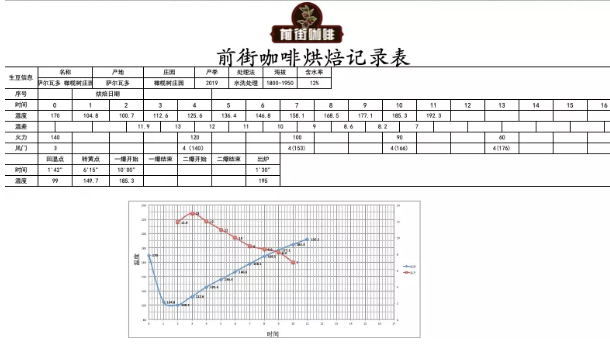
At 9'11", ugly wrinkles and black spots appear on the bean surface, toast smell clearly turns to coffee aroma, which can be defined as the prelude to first crack. At this time, listen carefully for the sound of first crack. At 10'00", first crack begins, damper unchanged. Develop for 1'30" after first crack, discharge at 195°C.

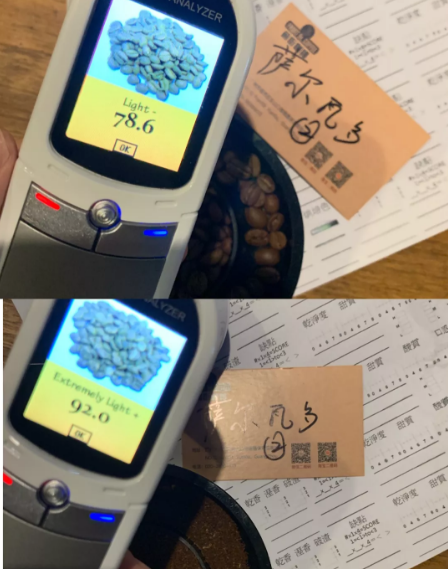
Agtron bean color value is 78.6 (upper image), Agtron ground color value is 92 (lower image), Roast Delta value is 13.4.
Cupping Chart
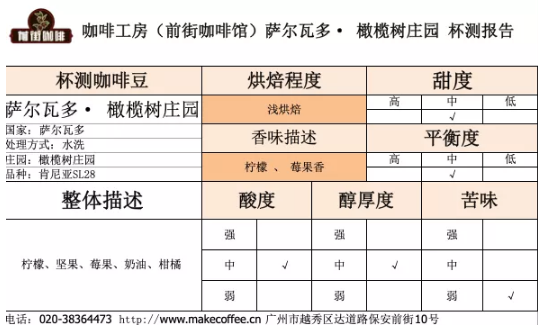
Flavor: Lemon, nut, berry, citrus, cream
Pour Over Brewing Suggestions
Recommended brewing method: Pour over
- Dripper: V60
- Water temperature: 88-90°C
- Coffee-to-water ratio: 1:15
- Grind size: BG 5R (China standard 20 mesh screen pass rate 58%), which is medium-fine grind
Brewing technique: Segmented extraction. Use 33g of water for a 30-second bloom. When the water level drops to just expose the coffee bed, continue pouring in small circular motions to 125g. When the water level drops again to just expose the coffee bed, continue pouring to 228g and stop pouring. When the water level drops to just expose the coffee bed again, remove the dripper. (Timing starts from the bloom) Extraction time is 1'56".
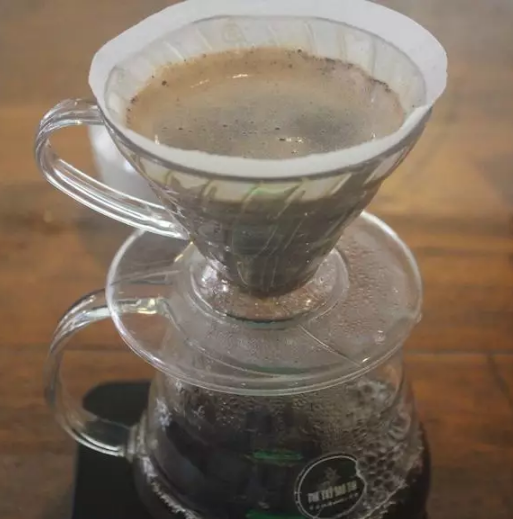
FrontStreet Coffee El Salvador Montes El Corazo Estate Washed SL28
Flavor: Aromas of berries, with notes of citrus, berries, and lemon on the palate. The finish has a faint herbal taste, and the aftertaste has nutty cream aromas. The overall texture is relatively clean and bright.

FrontStreet Coffee Recommendation
Washed coffee is the reference point for most drinkers learning to taste origin character. The process uses water to remove the fruit before drying: the steps are floatation, depulping, soaking and fermenting to break down the mucilage, washing or further soaking, drying and finally hulling. Because the beans spend so long in water, some chemical changes take place and much of their simple sugar (fructose and glucose) is consumed, which lowers the sugar content while increasing various organic acids. The result is a coffee that keeps more of the bean's own aroma and shows bright fruit acidity, cleanliness and freshness.
A good example is FrontStreet Coffee's Yirgacheffe Gedeb cooperative coffee. Many people know Yirgacheffe but not that local growers often deliver small harvests to a cooperative for centralized processing; the Gedeb cooperative is an excellent processing team from Gedeb village with skilled experience, and its coffee became famous for being especially refined and clean. Because it uses the washed process, it expresses jasmine and bright citrus acidity to the fullest, and after a medium-light roast it gives off green tea and honey notes. It suits pour-over, cold brew and espresso.
Kenya is the other classic name in washed coffee, and FrontStreet Coffee's Kenya Cherry Tomato is one of the best-known examples, since Kenya excels at double washed processing. The beans are floated, soaked and washed to remove mucilage, then soaked again, dried, hulled and stored; repeated rinsing and soaking brings the juicy character out to the maximum, with cherry tomato, dark plum, snow pear, black plum and yellow sugar notes and a sweet, juicy, mouth-filling body.
Washed processing also shaped Jamaica Blue Mountain, since the island's relatively short sunshine hours made it important to reduce the risk of spoilage. Removing skin, pulp and mucilage before drying reduces the water trapped around the bean and shortens drying time, producing bright, low-defect beans. That is what keeps Blue Mountain's aroma intense, with pure hazelnut, cream, chocolate and caramel notes in the cup and a balance in which no quality stands out too far or falls short - the essence of the washed style.
Important Notice :
FrontStreet Coffee is a long-established specialty coffee roaster in Guangzhou China, selling freshly roasted beans from its own farm in Yunnan as well as dozens of carefully selected single-origin beans from around the world for both pour-over and espresso. The products deliver consistently excellent quality and great value, with shipping within 24 hours. Guangzhou's FrontStreet Coffee shop is recommended by many coffee lovers, and the beans are now available online at the Tmall 。
FrontStreet Coffee has moved to a new address:
FrontStreet Coffee Address: 315,Donghua East Road,GuangZhou
Tel:020 38364473
 Scan and follow the En Gafei WeChat official account. Please indicate that the reprint comes from "En Gafei".

