Introduction to Flavor Characteristics of Costa Rica Natural Process Dota Microlot Coffee Beans
Costa Rican coffee always calls to mind the country's honey process, so coming across a Costa Rican coffee made by another method is genuinely exciting. Today FrontStreet Coffee is sharing a natural process coffee from Dota, in the Tarrazu region of Costa Rica.
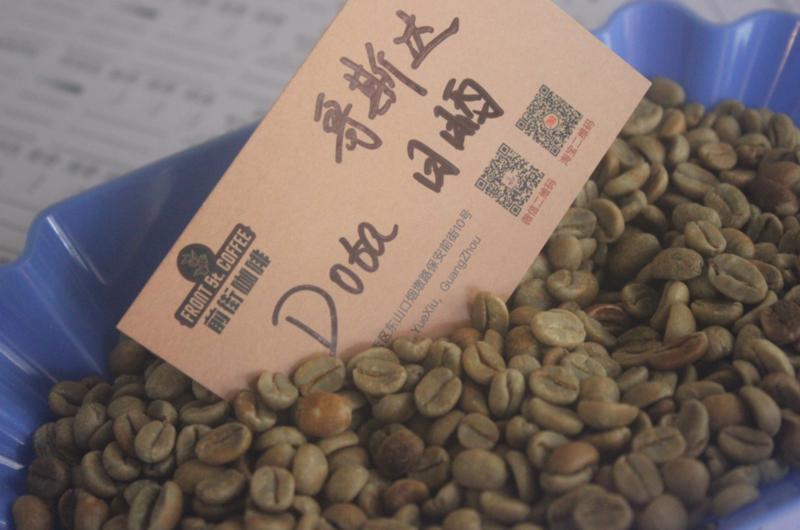
Costa Rica Dota Microlots
Origin: Tarrazu, Dota
Processing Method: Natural Process
Variety: Caturra, Catuai
Altitude: 1200-1700m
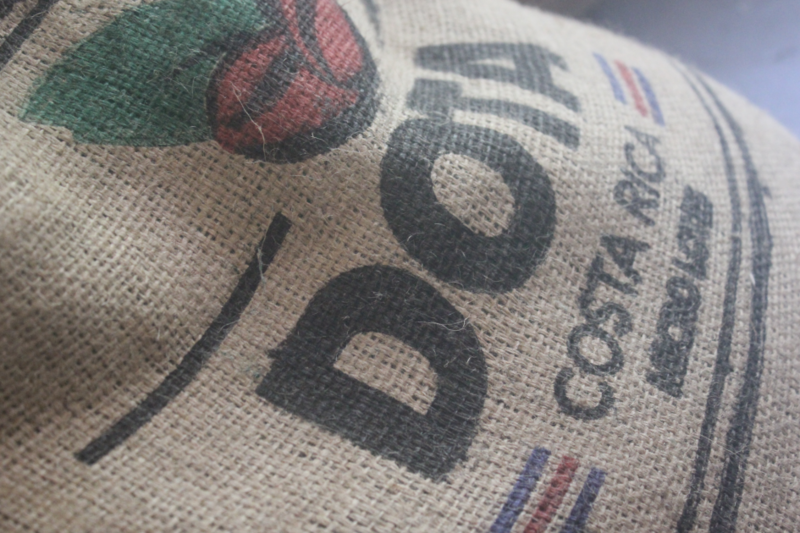
Costa Rica
When coffee first reached Central America for cultivation, it arrived in Costa Rica. The country has a long history of growing coffee. Sitting on the Central American isthmus, it benefits from volcanic soil that is extremely fertile and well-drained, making it close to ideal for coffee.
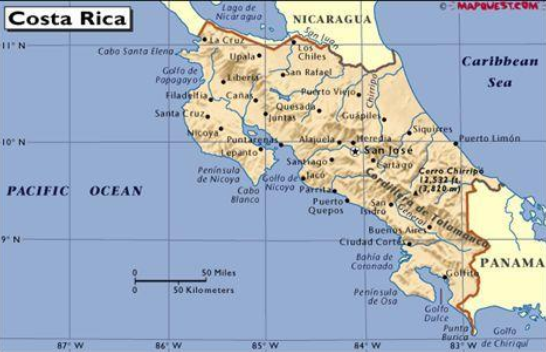
Costa Rica has eight major producing regions: West Valley, Central Valley, Tarrazu, Tres Rios, Orosi, Brunca, Turrialba, and Guanacaste.
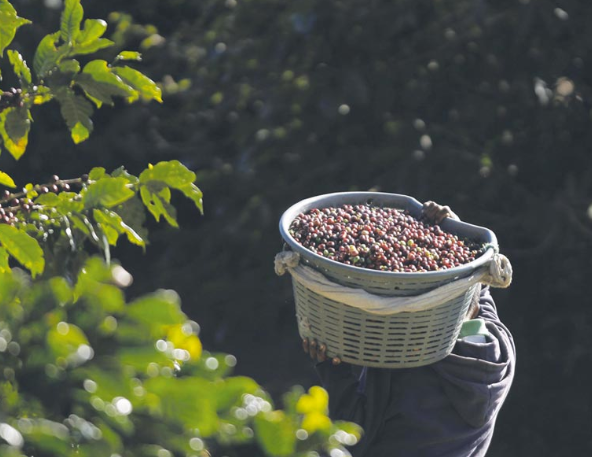
Among them, Tarrazu deserves special mention. The region lies south of Costa Rica's capital, San José, and its considerable altitude produces coffee with rich flavor. It is no surprise that Tarrazu is one of Costa Rica's most valued coffee-growing areas.
Today FrontStreet Coffee is sharing this natural process microlot from the Dota area of Tarrazu.
Dota
Dota sits on the Pacific side of Costa Rica, so it has clearly defined wet and dry seasons. Coffee farms here average 1200-1700 meters in planting altitude, making it a high-altitude region. Coffee grown here therefore qualifies as SHB, or Strictly Hard Bean.
Interestingly, farmers in Dota believe their coffee outshines coffee from elsewhere in Tarrazu. As early as 1865, most Costa Rican coffee came from the Dota area. Later, when Costa Rica built roads through the Dota valley, the route passed through Tarrazu, and the Dota area was eventually folded into the Tarrazu region.
That is why, when high-quality coffee was exported in the past, it was labeled "Dota Tarrazu."
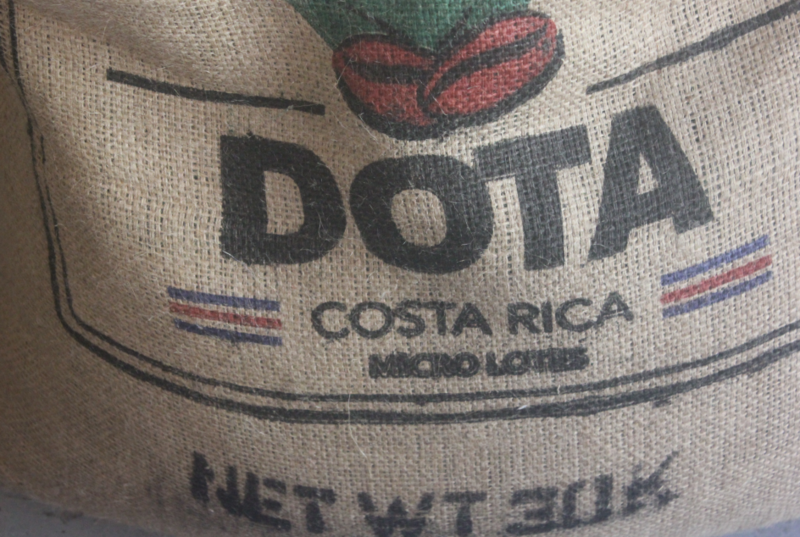
Local smallholder farmers traditionally use California earthworms to improve the soil, supplying nutrients directly to the coffee trees during the fertilization period.
What is a Microlot?
Microlot coffee comes from a specific section of a farm, sometimes from a very small farm, or from a small plot shared by several producers.
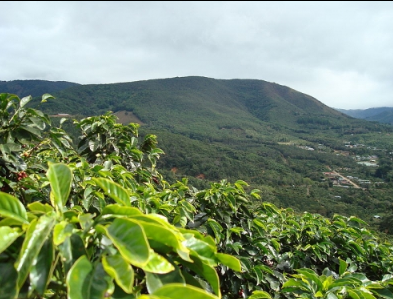
The coffee is harvested and processed in small batches. Because that raises labor costs and therefore end prices, microlots tend to be of exceptional quality.
Simply put, a microlot is a further selection of the best-performing beans from an already outstanding batch.
Processing Method
This coffee uses a natural process, which is rare in Costa Rica.
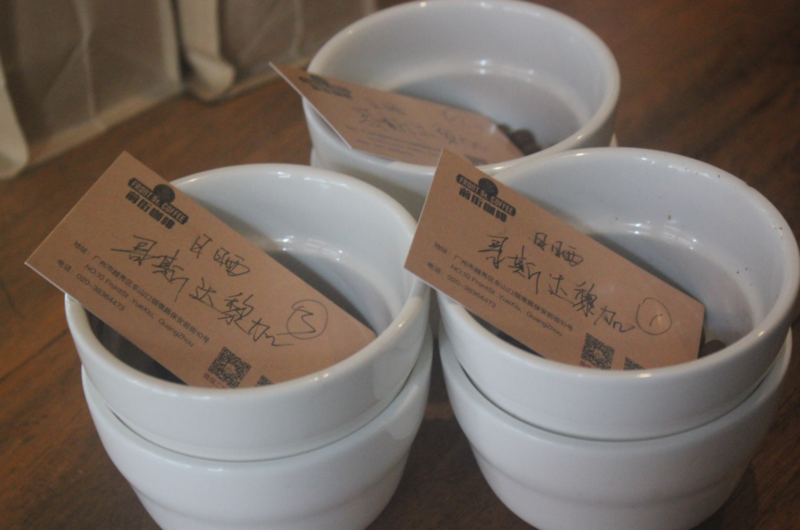
Natural process, as the name suggests, means drying the harvested coffee cherries in the sun.
1. Removing Floating Beans: The harvested cherries are poured into large water tanks. Ripe, full fruits sink, while underdeveloped or overripe fruits float to the surface. Those floating beans must be removed.
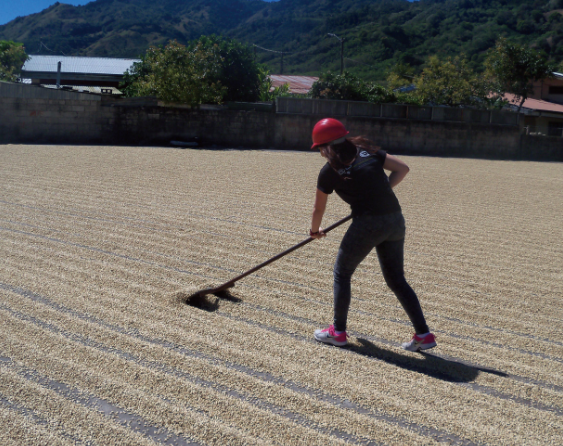
2. Sun Drying: The whole fruit, pulp, skin, and parchment included, is laid out on drying patios to dry naturally in the sun until moisture content reaches about 12%. Depending on the local climate, this takes roughly two to four weeks.
3. Hulling: The dried fruit pods are run through a hulling machine to remove the dry, hard skin, pulp, and parchment layer, revealing the green coffee beans.
Roasting Analysis
Roasting Machine: Yangjia 800N (Batch size: 550g)
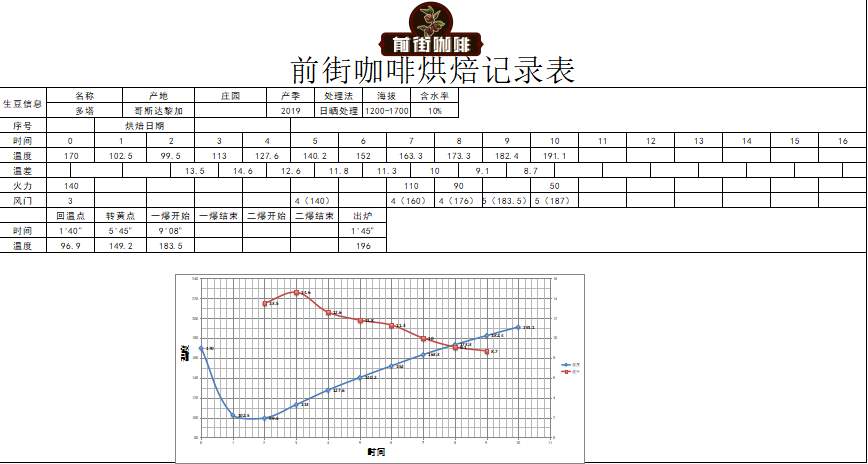
The roast starts at 170°C with heat at 140 and damper at 3. The return temperature is reached at 1'40". When the temperature reaches 140°C, open the damper to 4 and keep the heat unchanged. When the temperature reaches 149.2°C, the bean surface turns yellow and the grassy aroma disappears completely, marking the start of the dehydration stage. At 160°C, adjust the heat to 110 and leave the damper unchanged.

At 8'11", ugly wrinkles and black spots appear on the bean surface, and the toast aroma clearly shifts into coffee aroma, which can be read as the prelude to first crack. Listen carefully for the crack itself. At 9'08", first crack begins; open the damper to 5. After first crack, develop for 1'45 and drop at 196°C.
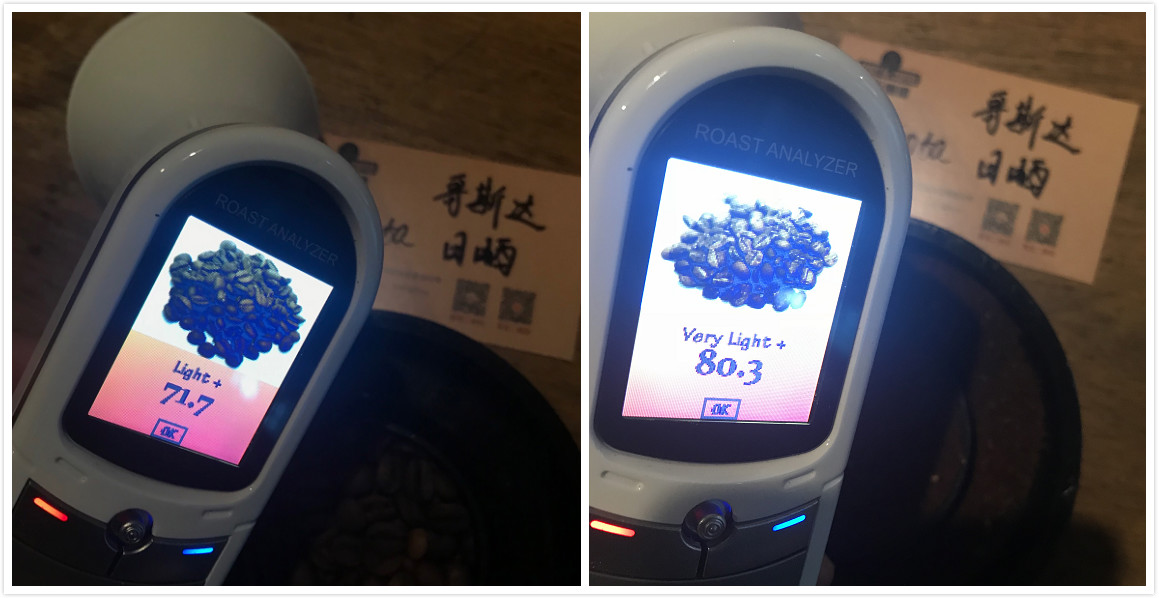
The Agtron bean color value is 71.7 (left image) and the ground color value is 80.3 (right image), for a Roast Delta of 8.6.
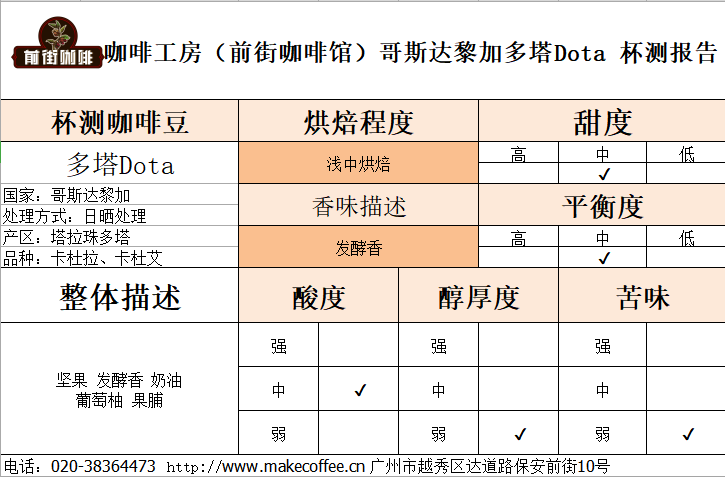
Cupping Notes: Nuts, fermented aroma, cream, grapefruit, dried fruit
Pour-over Brewing
Recommended Brewing Method: Pour-over
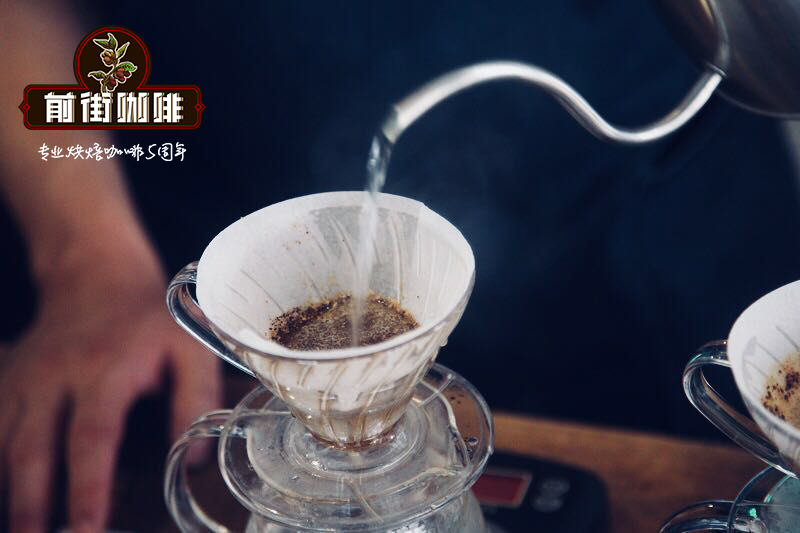
Parameters: Water temperature 89-90°C; grind size medium-fine (BG 5R: 58% pass-through on a China standard #20 sieve); coffee-to-water ratio 1:15; brew using a segmented pour.
Use 30g of water for the bloom and let it rest for 30 seconds. Pour in a small stream down the center until 124g, then increase the flow and pour until 225g as the water level is about to expose the coffee bed. Remove the filter when the bed is about to be exposed again. Timing starts at the bloom; extraction time is 1'46".
The wet aroma carries fermented notes. The first sip reveals citrus acidity with flavors of raisins, caramel, and chocolate. The mouthfeel is relatively full-bodied.

FrontStreet Coffee Recommendation
The Dota lot above is a natural process in a country that built its reputation on honey processing, and that contrast is a good reason to explore the honey side of Costa Rica as well. FrontStreet Coffee's Costa Rica Blackberry is the flagship example. It is made with black honey processing, a method that removes almost none of the mucilage, which means a longer drying period of at least two weeks under shade cloth so the sugars can convert fully. The result, after a medium-light roast, is a deeply floral fragrance on grinding and a cup of grape, berry, and ripe blackberry.
Two other Costa Rican lots show how far the honey family can be pushed. The Mozart uses raisin honey processing, an unusual variation in which the cherries are pre-dried on raised beds for at least three days before the skin and pulp are removed, leaving 100% of the mucilage in place. It demands strict timing and is harder to control than black honey, but it delivers a richer, riper fruit sweetness, with osmanthus, pineapple, and raisin showing through in a pour-over, a cold brew, or a moka pot. For something built on the same honey character with a different accent, the Strawberry Candy blend pairs Panama Geisha with a raisin-honey Costa Rican coffee, keeping the Geisha floral-tea lift while adding grape and dried blueberry, a soft fruit acidity, an almond finish, and clear sweetness.
Important Notice :
FrontStreet Coffee is a long-established specialty coffee roaster in Guangzhou China, selling freshly roasted beans from its own farm in Yunnan as well as dozens of carefully selected single-origin beans from around the world for both pour-over and espresso. The products deliver consistently excellent quality and great value, with shipping within 24 hours. Guangzhou's FrontStreet Coffee shop is recommended by many coffee lovers, and the beans are now available online at the Tmall 。
FrontStreet Coffee has moved to a new address:
FrontStreet Coffee Address: 315,Donghua East Road,GuangZhou
Tel:020 38364473
 Scan and follow the En Gafei WeChat official account. Please indicate that the reprint comes from "En Gafei".