How to Make Cold Drip Coffee? Can You Make Cold Drip Coffee at Home? Cold Drip Coffee Maker Not Flowing
In the height of summer, iced coffee is one of the best ways to cool down. But if you've ever wondered why cold drip coffee costs noticeably more than a regular iced coffee when you order at the counter, the answer is simple: cold drip isn't just iced coffee with a fancier name. Its time-hungry extraction process and its exceptionally sweet, mellow, layered flavor are exactly what justify the premium.
What is Cold Drip Coffee?
Cold drip coffee is brewed by dripping ice water through coffee grounds. Because different water temperatures draw out different flavors, low-temperature extraction has a distinct advantage: the astringent compounds in coffee barely dissolve in the cold, producing a full-bodied yet smooth cup - rich without harshness, mellow without bitterness. That's what makes it a favorite method for crafting iced coffee.
Basic Principles of Cold Drip Coffee Brewers
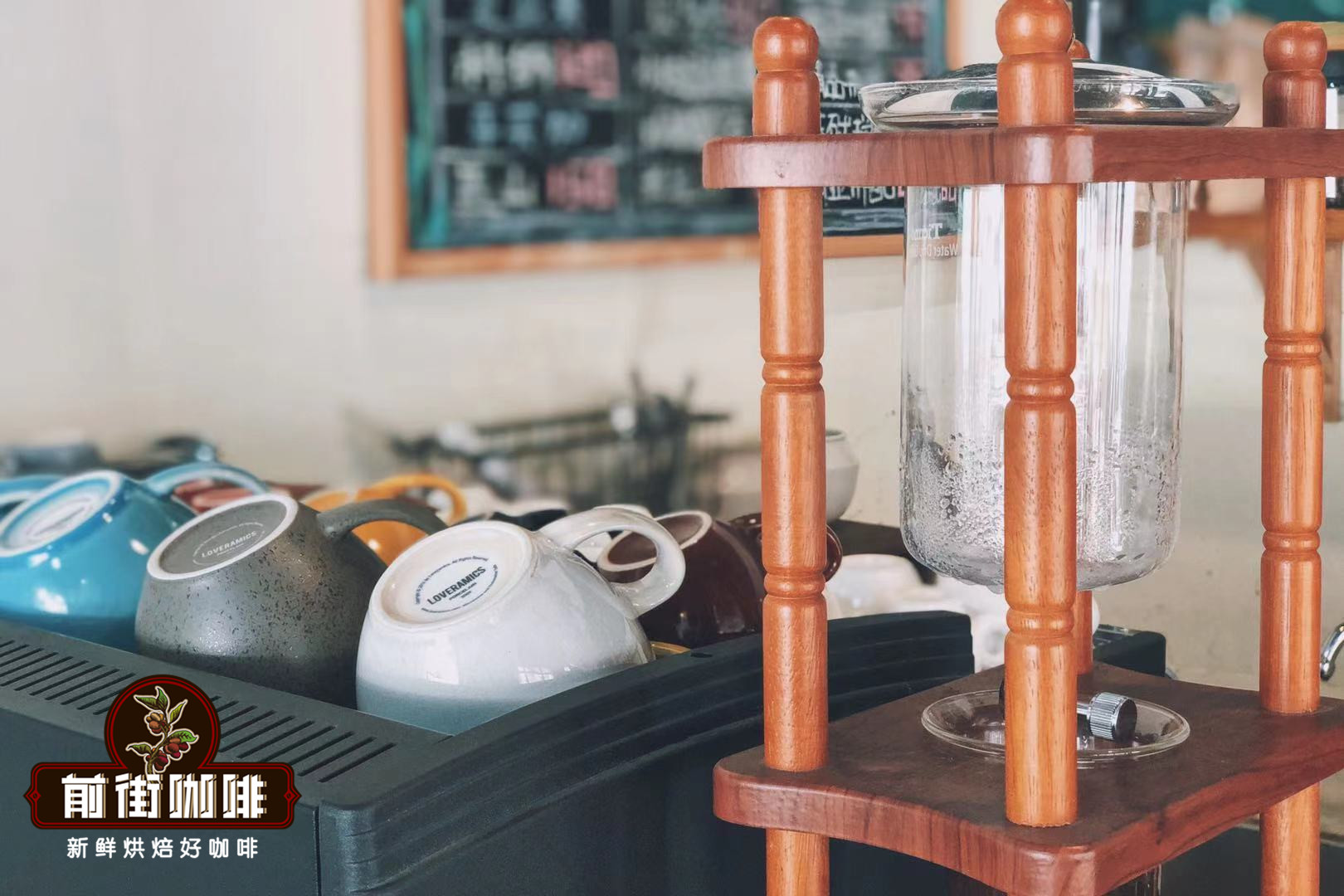
The cold drip brewer is said to trace back to Dutch immigrants on the island of Java - hence "Dutch coffee." Its three-tiered vessel system holds ice water in the upper chamber, coffee grounds in the middle, and the finished coffee in the lower chamber, making it a slow, continuous form of multiple extraction.
Making Cold Drip Coffee at Home
Unlike methods that use hot water, cold drip is defined by its long extraction: cold water drips through the grounds for anywhere from 3 to 12 hours. And the coffee isn't drunk right away - it's transferred to a sealed container and refrigerated for 2 to 5 days to mature further, which rounds the flavor out even more. A well-made cold drip can offer taste and aroma to rival fine wine. Drink it as is, over ice, or diluted with cold water; it also takes sugar and milk beautifully. This unhurried, cold-steeped style of extraction has earned devoted fans among coffee enthusiasts.
Origin and Principles of Cold Drip Coffee
First, a bit of theory: brewing coffee is essentially the process of using water to release the aromatic compounds held inside the grounds - what we call "extraction." The degree of extraction depends on water temperature, contact time, and grind size. Under-extracted coffee tastes bland and hollow, while over-extracted coffee turns bitter and astringent, leaving an unpleasant feeling on the palate.
Cold drip is credited to the Dutch, which is why it's also known as Dutch drip coffee. Instead of hot water, it uses ice water, and low-temperature extraction needs far more time to dissolve the coffee's aromatics. So, using a dropper assembly reminiscent of a chemistry experiment, ice water falls drop by drop, slowly permeating through the bed of grounds. In the traditional cold drip towers you'll see in cafés, the drip rate can be adjusted precisely.
Accordingly, a cold drip brewer divides into three parts: the upper chamber for ice water, the filter assembly holding the grounds, and the lower chamber that collects the coffee. Some brewers add a decorative serpentine glass tube at the front of the lower chamber, so the amber liquid winds its way down in a mesmerizing display.
The typical ratio is 1:6 to 1:8 - so 100 grams of coffee grounds will yield 600-800cc of cold drip coffee. Beyond adjusting the concentration to your own taste, remember that adding ice will dilute the drink slightly. And before you actually start dripping, saturate the grounds completely with cold water to prevent channeling, which can cause the extraction to fail.
Like fine wine, delicious cold drip demands patience. The hours-long extraction is only half the story: the finished coffee should then be sealed in glass bottles and refrigerated for one to three days. That gentle maturation makes the coffee sweeter and smoother still, with a richness reminiscent of whiskey.
Sometimes the water simply won't drip properly. FrontStreet Coffee's diagnosis: 1. The grind is too fine, or there are too many fines, slowing the drip rate; or 2. The grounds were tamped after being loaded into the filter, and too much pressure packed them down too tightly.
FrontStreet Coffee Recommendation
Cold drip rewards expressive beans. For a cup with dark berry depth, FrontStreet's Costa Rica Mozart is outstanding: processed by anaerobic honey fermentation in a region famous for honey-processed coffees, it carries a distinctive raisin aroma, and as cold drip it opens up into clear blueberry, black grape, and winey fermented flavors - refreshing, with a fragrance that lingers. If you prefer something clean and crisp, the Kenya Cherry Tomato is a classic washed Kenyan given a 72-hour double-wash fermentation; its extra 48 hours of soaking and rinsing produce wonderfully lively acidity, and as cold drip it shows the fresh fragrance of cherry tomato and grapefruit - light, juicy, and perfect for summer.
Don't overlook dark roasts, either. Few shops dare to cold drip them, but our PWN Golden Mandheling, a deep roasted Mandheling rich in black chocolate, cocoa, and toasted-bread aromas, matures in the refrigerator for 24 hours and then poured over ice into a sweet, translucent cup with just a whisper of chocolate bitterness and a pleasant fermented depth. For floral elegance, Ethiopia Huakui from Guji Hambella - grown above 2200 meters and sun-dried - turns into a cold drip of strawberry-cream and guava sweetness layered with dried mango, florals, and a black-tea finish.
Important Notice :
FrontStreet Coffee is a long-established specialty coffee roaster in Guangzhou China, selling freshly roasted beans from its own farm in Yunnan as well as dozens of carefully selected single-origin beans from around the world for both pour-over and espresso. The products deliver consistently excellent quality and great value, with shipping within 24 hours. Guangzhou's FrontStreet Coffee shop is recommended by many coffee lovers, and the beans are now available online at the Tmall 。
FrontStreet Coffee has moved to a new address:
FrontStreet Coffee Address: 315,Donghua East Road,GuangZhou
Tel:020 38364473
 Scan and follow the En Gafei WeChat official account. Please indicate that the reprint comes from "En Gafei".