Siphon Brewing: Characteristics of Siphon Coffee and Principles & Techniques for Brewing

Professional coffee knowledge exchange. For more coffee bean information, stay tuned to FrontStreet Coffee.
The siphon pot is a brewing device that looks like laboratory equipment yet has real theatrical flair. Although the brewing process takes longer, it yields a cup with bright, clean flavor! FrontStreet Coffee has run many brewing experiments before, including comparative articles on siphon brewing that covered many key points. But since siphon is not a mainstream method, some points went unmentioned - so today FrontStreet Coffee shares another full guide to siphon brewing.
The Siphon Pot: A Brewing Device Built on Scientific Principles
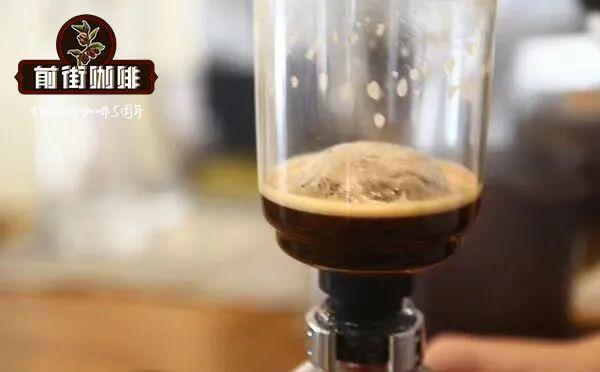
How does a siphon pot work? When the water in the lower chamber is heated, gas begins to escape, creating pressure that pushes water up into the upper chamber. When the heat source is removed, the air cools and the coffee draws back down into the lower chamber. It sounds complicated, but operating it once is not that difficult (making siphon coffee taste consistently good, of course, is very challenging).
What Kind of Coffee Can a Siphon Pot Brew?
Siphon combines immersion brewing (like a French press) with drip brewing (like a V60), producing a coffee that is both rich and clean in texture. The siphon pot is excellent at showcasing coffee quality, and this balance of flavor and texture is exactly what makes siphon coffee so distinctive.
How Does FrontStreet Coffee Use a Siphon Pot to Brew Coffee?
Take FrontStreet Coffee's Costa Rica Piedras Negras Honey as an example:
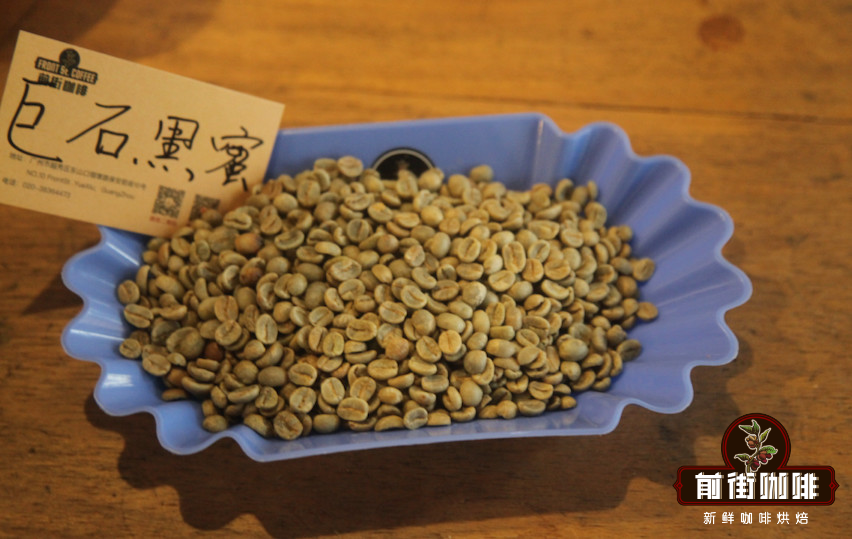
Coffee Information:
- Estate: Piedras Estate
- Grade: SHB
- Processing: Black Honey
- Altitude: 1700-1800m
- Varieties: Caturra, Catuai
- Flavor Notes: Fermented wine aroma, citrus, almond, hazelnut, cream
FrontStreet Coffee's brewing parameters: 15g of coffee, water temperature 90°C, coffee-to-water ratio 1:15, medium grind (BG 6L: 80% pass rate through the Chinese standard #20 sieve)
First, boil water and rinse the filter. Seat it at the bottom of the upper chamber and hook it onto the bottom of the glass tube. Add 225ml of boiling water to the lower chamber and switch on the heat source. Position the upper chamber over the lower one. As the water begins to rise, grind 15g of coffee beans - use a medium-fine grind slightly finer than for pour-over.
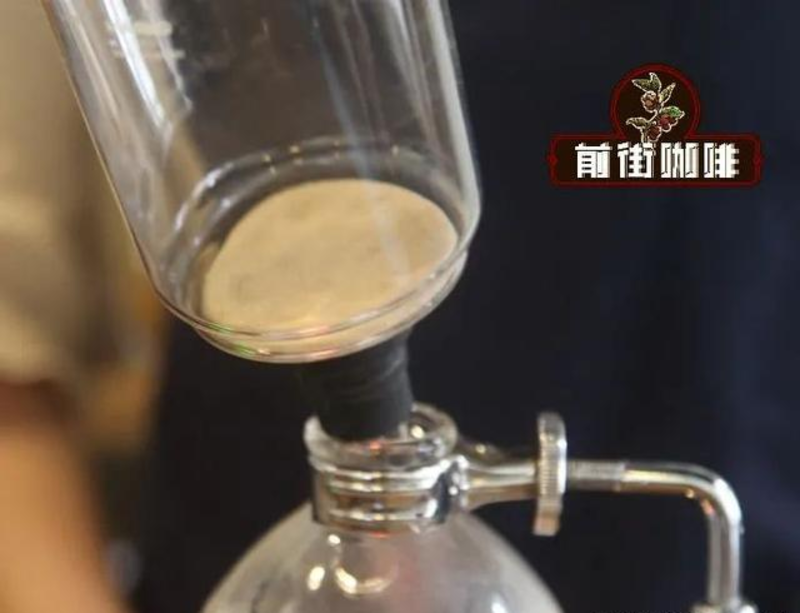
Once all the water has risen into the upper chamber, reduce the heat as much as possible without causing the water to fall back. Stir a few times to cool the water in the upper chamber (the ideal temperature is between 90-96°C). Add the coffee to the water, start timing, and use a stir stick or spoon to wet all the grounds with minimal turbulence.
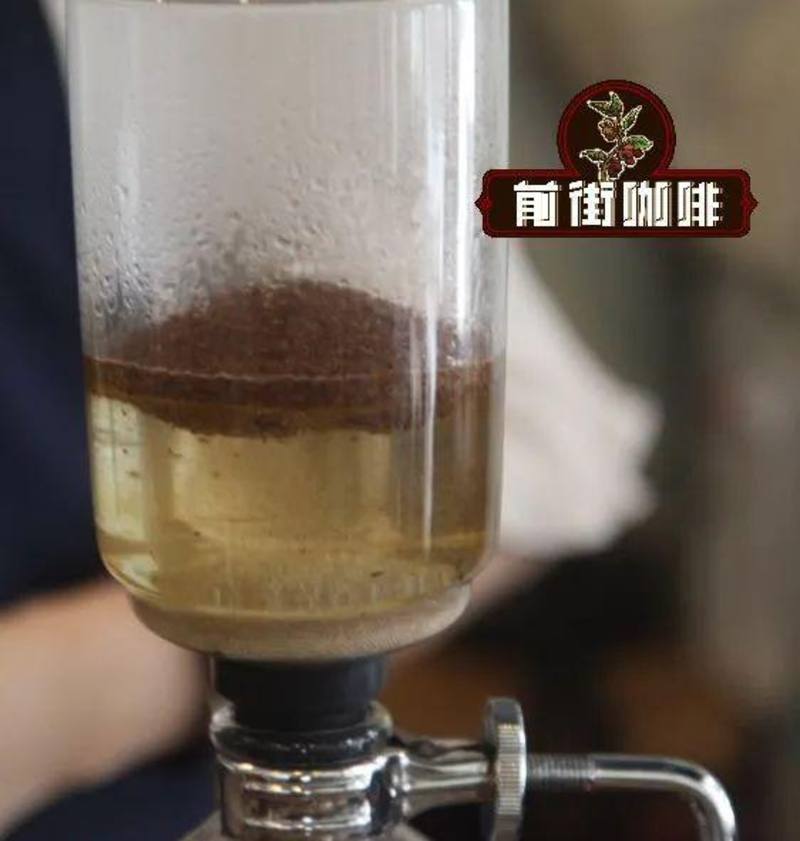
Let the brew steep undisturbed for about 90 seconds (the time varies with your recipe and may be shorter), then switch off and remove the heat source, giving the coffee a few more stirs. As the coffee in the upper chamber cools, it will begin to flow back down - a process that takes a few tens of seconds. When the drawdown is complete, the coffee in the lower chamber will bubble as air is drawn in through the remaining grounds.
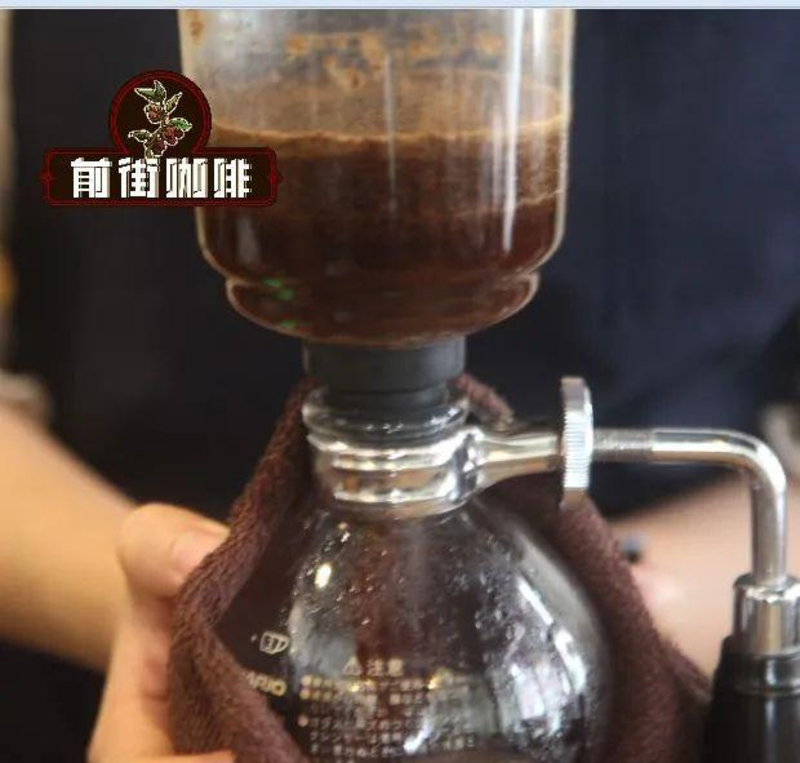
Remove the glass upper chamber and let the coffee cool (siphon coffee comes out quite hot; some people pour it through a Chemex at this stage to help). Finally, don't forget to clean the upper chamber and maintain the filter. If you use a cloth filter, boil it in hot water, let it cool, and store it in the refrigerator to prevent residual odors and keep the cloth from drying out and turning brittle.
FrontStreet Coffee Recommendation
The siphon pot is a full-immersion brewer with a metal-filter character, so it rewards beans with sweetness and body. For a fragrant, floral cup, FrontStreet recommends the Strawberry Candy Gesha Blend - a custom marriage of Costa Rica honey-process coffee and Panama washed Gesha that concentrates the best of Central American coffee; steeped in a siphon or French press it releases rose, citrus, grape, and dried-blueberry aromas, and turns to strawberry-gummy sweetness with milk. For a low-acid, full-bodied black coffee, choose the FrontStreet PWN Golden Mandheling - one of Asia's most famous specialty coffees, sorted three times by hand plus once by machine, and roasted medium-dark to bring out intense spice, caramel, cedar, and dark chocolate with a rich, full mouthfeel.
Whichever you pick, mind the grind: aim for a coarse-granulated-sugar texture (EK43s at 10.5, or a hand grinder at 26 clicks), a 1:15 ratio (15g of coffee to 225g of water), water just off the boil rested 2-3 minutes to about 90°C, and a 3-5 minute immersion - starting at 4 minutes is the safest bet.
Important Notice :
FrontStreet Coffee is a long-established specialty coffee roaster in Guangzhou China, selling freshly roasted beans from its own farm in Yunnan as well as dozens of carefully selected single-origin beans from around the world for both pour-over and espresso. The products deliver consistently excellent quality and great value, with shipping within 24 hours. Guangzhou's FrontStreet Coffee shop is recommended by many coffee lovers, and the beans are now available online at the Tmall 。
FrontStreet Coffee has moved to a new address:
FrontStreet Coffee Address: 315,Donghua East Road,GuangZhou
Tel:020 38364473
 Scan and follow the En Gafei WeChat official account. Please indicate that the reprint comes from "En Gafei".