How to Roast Beans for Different Brewing Methods? What's the Difference Between Pour-Over and Espresso Bean Roasting?
For professional coffee knowledge exchange and more coffee bean information, please follow Coffee Workshop (WeChat official account: cafe_style)
Enthusiasts who visit FrontStreet Coffee often know that it specializes in pour-over coffee and espresso coffee. Pour-over coffee uses single-origin beans, while espresso coffee uses blended beans. To highlight their distinctive characteristics and flavors, FrontStreet Coffee's roasters also apply different roast levels to different beans. In this article, FrontStreet Coffee will discuss the differences in roast levels between espresso beans and pour-over beans.
What is Pour-Over Coffee?
First, what exactly is pour-over coffee? The pour-over coffee served at FrontStreet Coffee is what the market commonly calls specialty coffee, also known as single-origin coffee. This refers to beans produced from a single origin that can be traced back to their source, down to specific estates and their characteristics. Understanding the origin stories of coffee from the very beginning is the charm of single-origin pour-over coffee.
The countries producing specialty coffee are spread across the world and can be divided into three major continents: Latin America, Africa, and Asia. Because altitudes and climates differ in each region, coffee flavors vary significantly, letting enthusiasts taste coffees with different profiles.
Among these, Brazilian coffee, one of FrontStreet Coffee's representatives from Latin America, has a very sweet and mellow flavor. Meanwhile, Ethiopia's most famous producing region, Yirgacheffe, captivates a group of FrontStreet Coffee enthusiasts with its bright citrus and lemon acidity. For Asian coffee, Indonesian Mandheling is the most popular, winning fans with its unique herbal and spice flavors.
For these beans, FrontStreet Coffee applies different roast levels to highlight their respective flavor characteristics, bringing them to enthusiasts in their best possible state. Generally, the deeper the roast, the more mellow the bean's flavor becomes.
Dark roasts are therefore suitable for Indonesian Mandheling or Brazilian coffee. Conversely, lightly roasted beans better highlight acidity, making them more suitable for Ethiopian Yirgacheffe. If Yirgacheffe were given a dark roast, it would destroy its bright acidic flavor. FrontStreet Coffee's roasters must therefore consider the appropriate roast level for each bean with different flavor characteristics.
How to Roast Pour-Over Coffee Beans
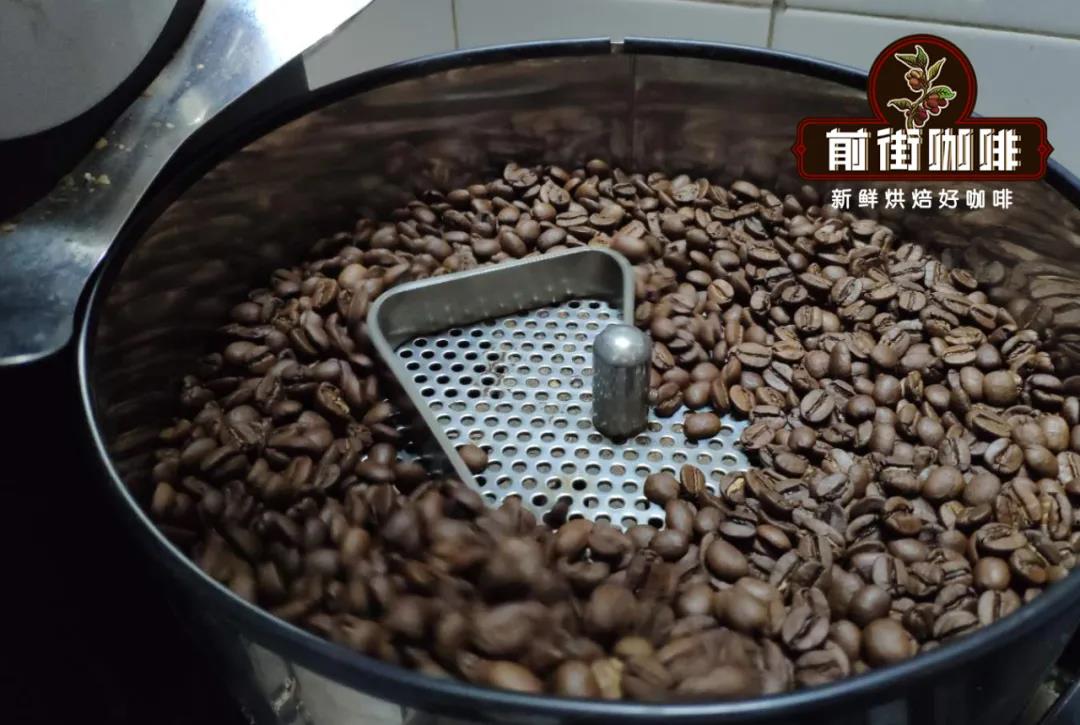
Pour-over coffee enhances the unique flavor characteristics of coffee, so when FrontStreet Coffee's roasters roast these beans, their goal is to preserve specific regional flavors. As mentioned above, the longer the coffee bean's development phase during roasting, the higher the body will be, but this also sacrifices some acidity and fruit flavors.
Typically, the longer the development time during roasting, the more caramelized flavors and sweetness will be present. To emphasize fruit flavors, you can shorten the development time. To aim for caramelized flavors like chocolate, you can try extending it.
What are Espresso Coffee Beans?
Espresso coffee is what FrontStreet Coffee commonly calls blended coffee. What is blending? It means mixing various single-origin beans together, usually two or three beans. Several espresso beans currently produced by FrontStreet Coffee use two- and three-bean blending.
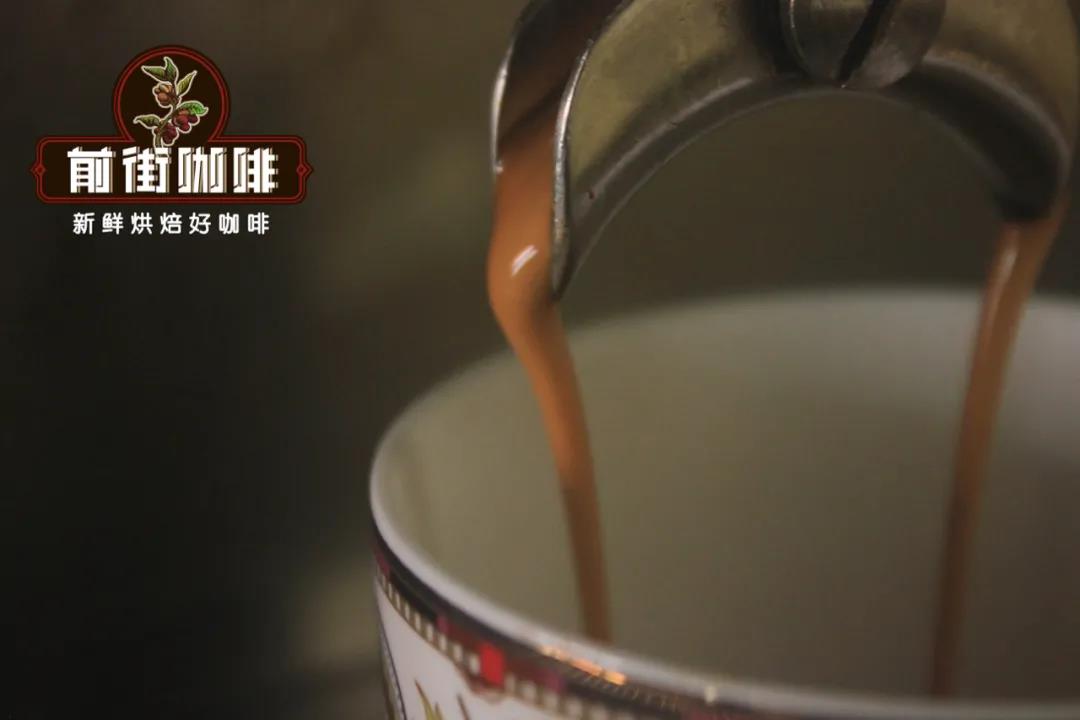
The purpose of blending is quite obvious: to bring together the flavors of different beans and present a completely new flavor for a more balanced effect. For example, if one bean is smooth but lacks aroma, you can add another bean with rich aroma, complementing each other's strengths and weaknesses. FrontStreet Coffee believes it is precisely this complementary nature of espresso beans that makes them more widely accepted. For instance, the blended beans currently used at FrontStreet Coffee to make espresso are a combination of Honduras Sherry coffee beans and Ethiopian natural red cherry coffee beans, which show prominent characteristics in aroma, fermentation sensation, and body.
How to Roast Espresso Coffee Beans

Espresso blend roasting is generally divided into two schools of thought. One prefers to blend first and then roast—what FrontStreet Coffee commonly calls "green blending." The other is to roast beans from different origins separately and then blend them, called "roasted blending." These two methods naturally result in different coffee flavors.
According to FrontStreet Coffee's roasters' practical experience, blending green beans first and then roasting produces more uniform color and more consistent flavor presentation, making this method more convenient.
With the roast-first-then-blend method, you need prior understanding of the different characteristics of beans from different origins, including their hardness and moisture content. The roasting process is adjusted according to these conditions. Roasting first and then blending is equivalent to a one-to-one model, presenting the flavors of each bean one by one. The flavor layers are richer than the former method, but it also challenges the roaster's understanding of the beans.
Why Are Coffee Beans Roasted Differently for Pour-Over and Espresso?
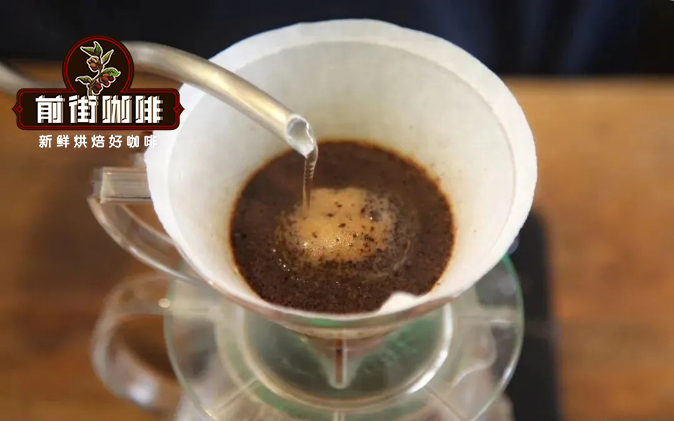
Enthusiasts who have visited FrontStreet Coffee know that espresso and pour-over coffee are essentially completely different brewing methods. When making espresso, an espresso machine uses hot water and pressure to extract the coffee puck, with a very short extraction time, so fine grinding is used to extract substances in a short time.
Pour-over coffee extraction takes longer and typically uses a coarser grind than espresso. Pour-over uses more water, letting hot water absorb coffee substances over a longer time rather than through pressure extraction. Even with the same bean, the acidity and body of pour-over coffee will be lower than that of espresso.
Dark-roasted beans have more pores than light-roasted ones, which means darker roasts extract substances more easily—that is, at a faster rate—and can be used with a wider range of brewing methods than light roasts. Roast levels must therefore be adjusted to ensure coffee bean flavors are perfectly presented.
The above is the knowledge about pour-over and espresso coffee bean roasting compiled by FrontStreet Coffee. We hope it helps enthusiasts who want to understand coffee roasting. Next, FrontStreet Coffee will recommend some coffee beans suitable for making espresso and pour-over single-origin coffee.
FrontStreet Coffee Espresso Blend Recommendations
1. FrontStreet Coffee Premium Blend
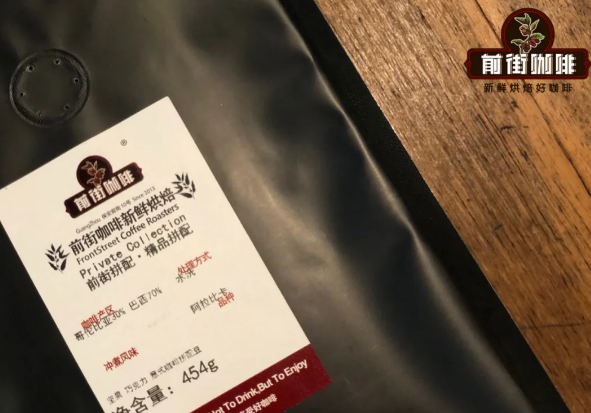
Selected Colombia and Brazil in a 3:7 ratio.
Flavor characteristics: A comfortable sweet-and-bitter taste, an extremely smooth entry, with a light grassy fragrance, a fresh fragrance with a slight bitterness, sweet, smooth, and pleasant, with a refreshing aftertaste.
2. FrontStreet Coffee Sunflower Warm Sunshine
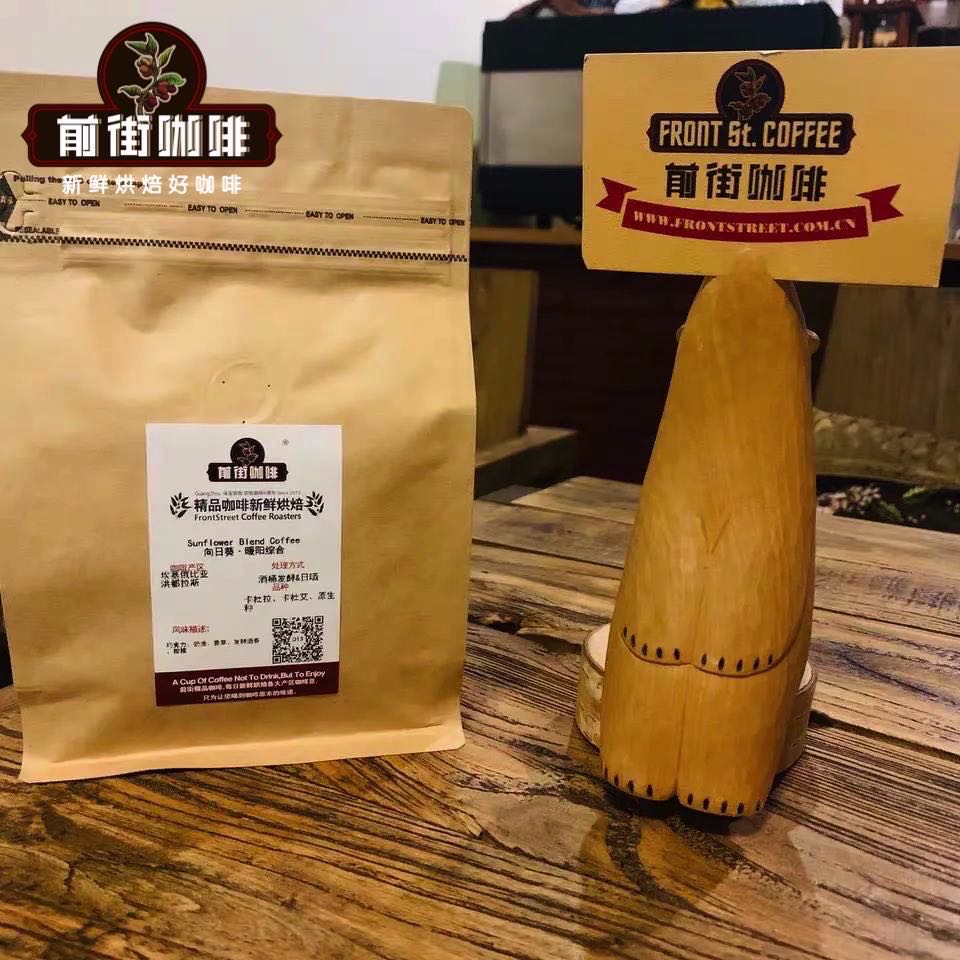
Selected Honduras Sherry and Yirgacheffe Red Cherry in a 6:4 ratio.
Flavor characteristics: Distinct fruit acidity, with a lingering light berry aroma, rich wine and chocolate flavors, with a comfortable sweet aftertaste.
3. FrontStreet Coffee Commercial Blend
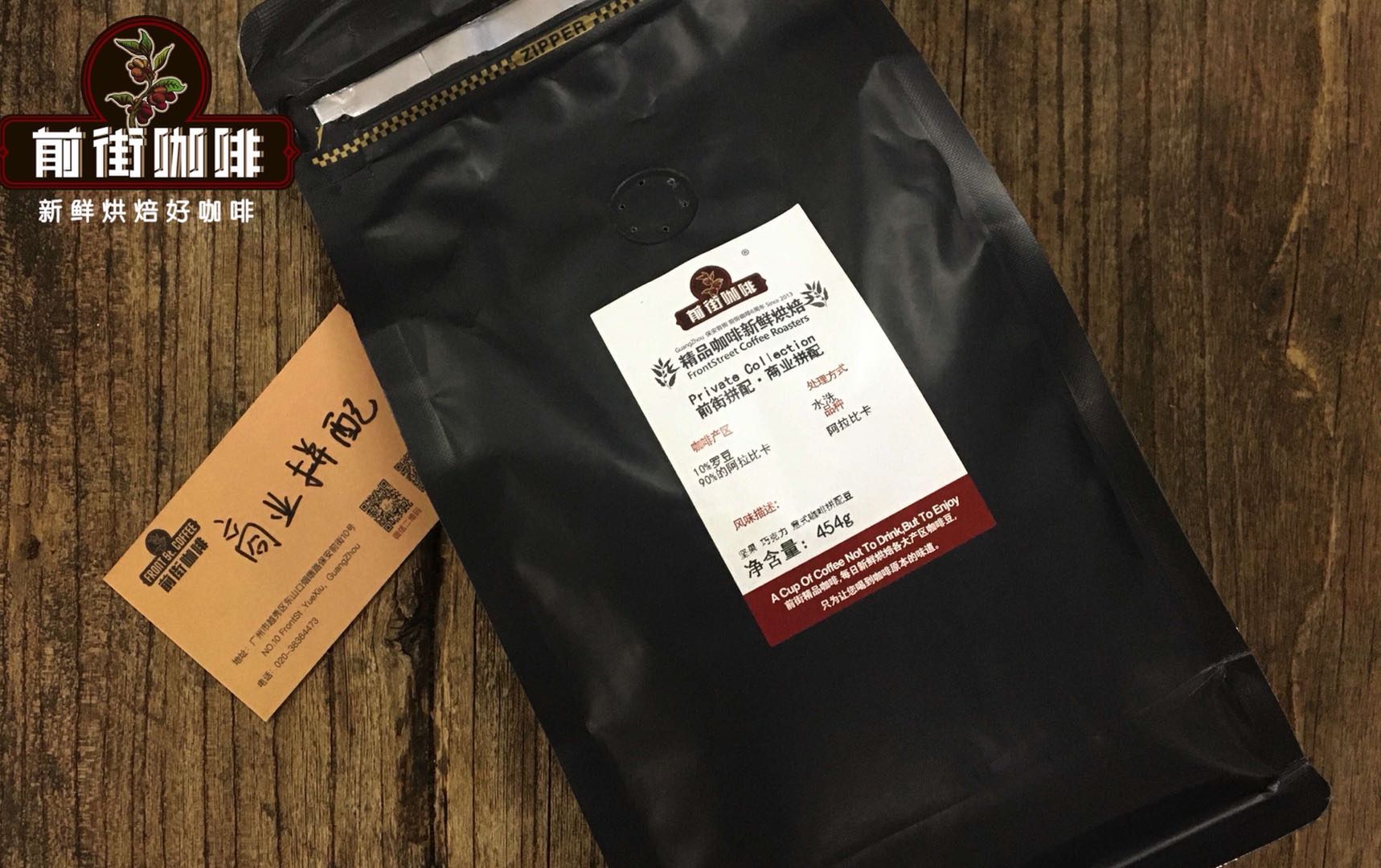
Selected Colombia, Brazil, and Robusta in a 3:6:1 ratio.
Flavor characteristics: Richer crema, a classic taste, with caramel sweetness, nutty and cocoa flavors, dark chocolate notes, balanced sweet and sour, with a slight bitterness and a long aftertaste.
4. FrontStreet Coffee Basic Blend
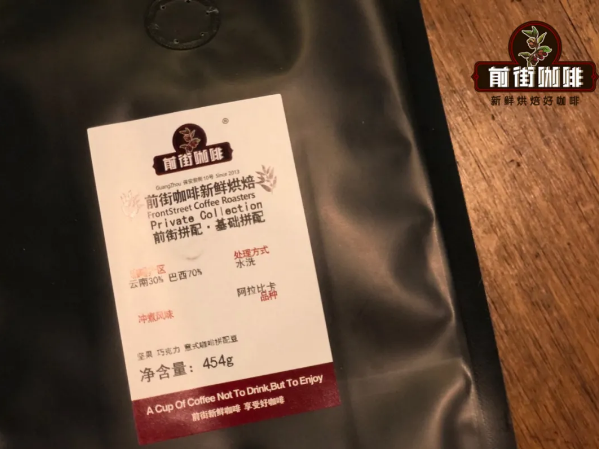
Selected Yunnan coffee beans and Brazilian coffee beans in a 3:7 ratio.
Flavor characteristics: Features gentle fruit acidity, caramel sweetness, nutty and dark chocolate flavors, smooth and viscous, but with a relatively lighter taste.
FrontStreet Coffee Pour-Over Coffee Bean Recommendations
FrontStreet Coffee Yirgacheffe Gedeb Gotiti Cooperative Coffee Beans
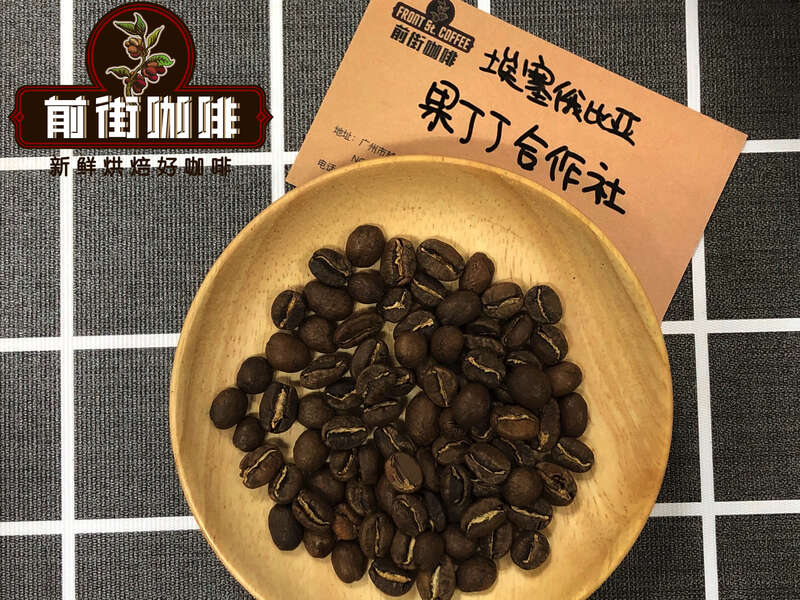
Region: Yirgacheffe, Gedeo Zone
Altitude: 1900-2300m
Variety: Heirloom
Processing: Natural
Grade: G1
Brewing flavors: An overall solid mouthfeel, with prominent fermentation aroma and tropical fruits. As temperature changes, berry and cream flavors emerge, with a lasting citrus sweet-and-sour sensation lingering between teeth and lips.
FrontStreet Coffee La Esmeralda Washed Green Label Coffee Beans
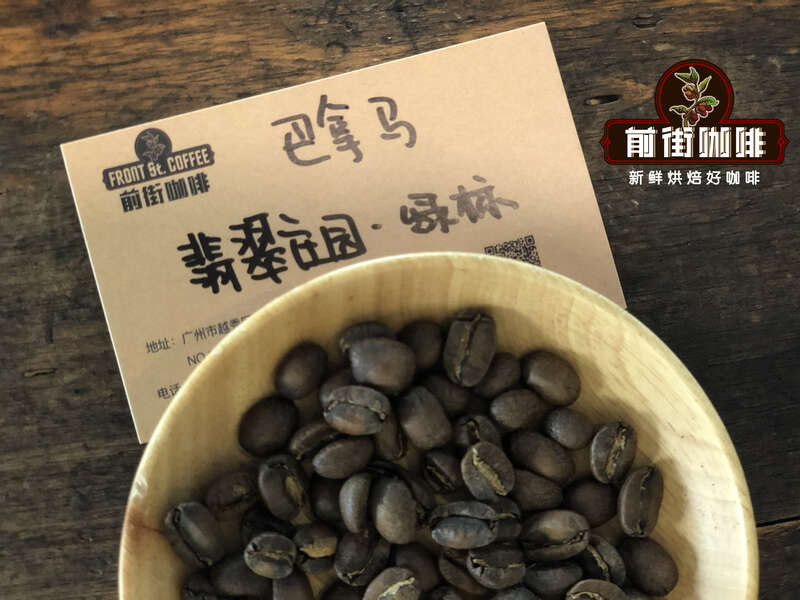
Region: Boquete, Panama
Estate: La Esmeralda
Altitude: 1600-1800m
Variety: Geisha
Processing: Washed
Brewing flavors: Rich jasmine fragrance, high sweetness, citrus, berries, a juicy sensation, cream, green tea, orange peel, cantaloupe, with rich overall flavor layers and a lasting floral and citrus aftertaste.
FrontStreet Coffee Costa Rica Canet Musician Series · BAHÁ Coffee Beans
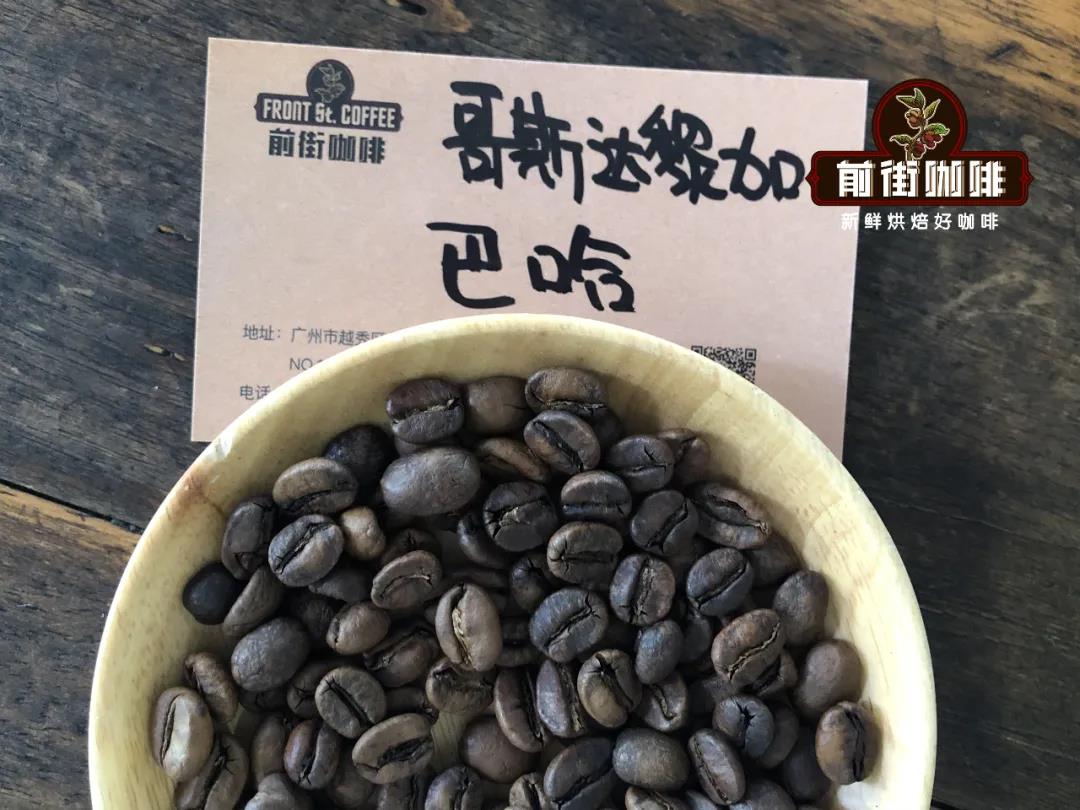
Country: Costa Rica
Region: Tarrazú
Altitude: 1950m
Processing: Raisin Honey
Grade: Strictly Hard Bean (SHB)
Variety: Caturra
Brewing flavors: An aroma reminiscent of rice wine fermentation, with sweet-and-sour notes of ripe tropical fruits and berries, nutty and creamy flavors, a caramel aftertaste, and a light floral finish.
For more specialty coffee beans, please add FrontStreet Coffee on WeChat: kaixinguoguo0925
FrontStreet Coffee Recommendation
For pour-over, the roast level should match the bean's character, and Ethiopian Yirgacheffe is the classic example of a bean that rewards a light roast. FrontStreet Coffee's Washed Yirgacheffe daily bean is the entry-point choice, known for white jasmine, bright citrus and lemon acidity, and a clean tea-like body at an accessible price. Yirgacheffe is a small town in southern Ethiopia within the Sidamo zone, at roughly 1700-2100 meters with coffee generally planted above 1800 meters, making it one of the highest coffee-growing regions in the world.
For a more specific origin, FrontStreet Coffee's Gudingding Cooperative coffee comes from the Woka area at the southeastern edge of Yirgacheffe. Originally part of the Woka Cooperative under the Yirgacheffe Coffee Farmers Cooperatives Union (YCFCU), it follows traditional fully washed processing, giving a clean and bright cup with citrus and lemon acidity and an elegant white floral note; removing the fruit pulp before drying lets the bean's innate aroma read more clearly.
FrontStreet Coffee also offers a sun-dried Red Cherry Yirgacheffe, made from fully ripe red cherries dried whole on raised beds and turned every 2-3 hours during the first days until the moisture content falls to about 12%, keeping the typical Yirgacheffe character while adding tropical fruit, berry-juice body, honey sweetness, and a creamy smoothness. To brew these, FrontStreet Coffee suggests a V60 dripper, 90-91°C water, 15g of coffee, and a 1:15 ratio, with a grind around EK43s setting 10—roughly fine-sugar size, or an 80% pass rate through a No. 20 sieve.
Important Notice :
FrontStreet Coffee is a long-established specialty coffee roaster in Guangzhou China, selling freshly roasted beans from its own farm in Yunnan as well as dozens of carefully selected single-origin beans from around the world for both pour-over and espresso. The products deliver consistently excellent quality and great value, with shipping within 24 hours. Guangzhou's FrontStreet Coffee shop is recommended by many coffee lovers, and the beans are now available online at the Tmall 。
FrontStreet Coffee has moved to a new address:
FrontStreet Coffee Address: 315,Donghua East Road,GuangZhou
Tel:020 38364473
 Scan and follow the En Gafei WeChat official account. Please indicate that the reprint comes from "En Gafei".