
Ethiopian Gesha Coffee Beans - What's the Difference Between Ethiopian Gesha and Panamanian Gesha
Ask any coffee enthusiast about Geisha and the first name that comes to mind is almost certainly Panama's La Esmeralda. But as the specialty coffee market has matured, Ethiopia — the birthplace of the Geisha variety — has in recent years also produced estate-grown Geisha of the highest caliber, most famously at Gesha Village Estate. How do these two origins differ in flavor, and what makes each estate unique? FrontStreet Coffee breaks it down in this article.
Origin of the Geisha Variety
According to FrontStreet Coffee, the Geisha variety was first collected in Ethiopia's Gesha forest in 1931. It was then sent to the Coffee Research Institute in Kenya, introduced to Uganda and Tanzania in 1936, to Costa Rica in 1953, and finally to Panama in 1970.
For decades, however, Geisha attracted little attention. The trees yield very little, are difficult to cultivate, and offer poor returns, so growers largely ignored the variety — some even used the trees as windbreaks for other crops.
Panama La Esmeralda Estate
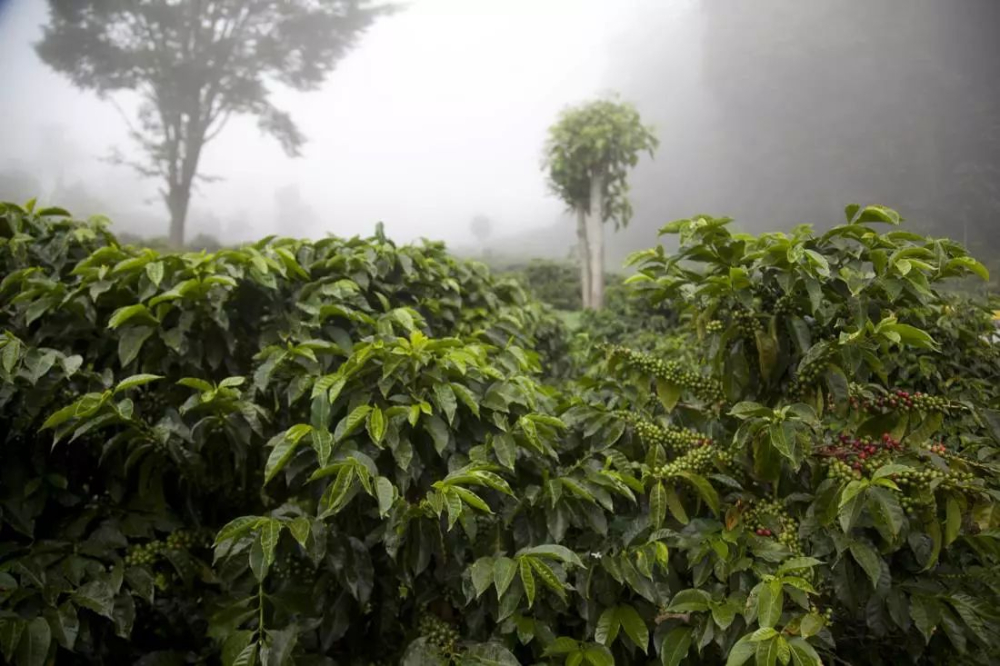
Let's start with Panama's La Esmeralda. Although Geisha originated in Ethiopia, it was at La Esmeralda that the variety was truly discovered and elevated — the estate that first recognized Geisha's potential.
The estate's story began in 1964, when the American banker Rudolph A. Peterson retired, moved to Panama, and bought Hacienda La Esmeralda in Boquete. The farm initially focused on dairy. Later his son Price Peterson left a medical career to help run it. In 1987 they planted Caturra and Catuai, and in 1994 they built a washed processing mill of their own.
The discovery of Geisha there was pure accident. Because Geisha trees were low-yielding and uneconomical, the farm's previous owners had used them as windbreaks, sheltering the high-yielding Caturra and Catuai in other blocks.
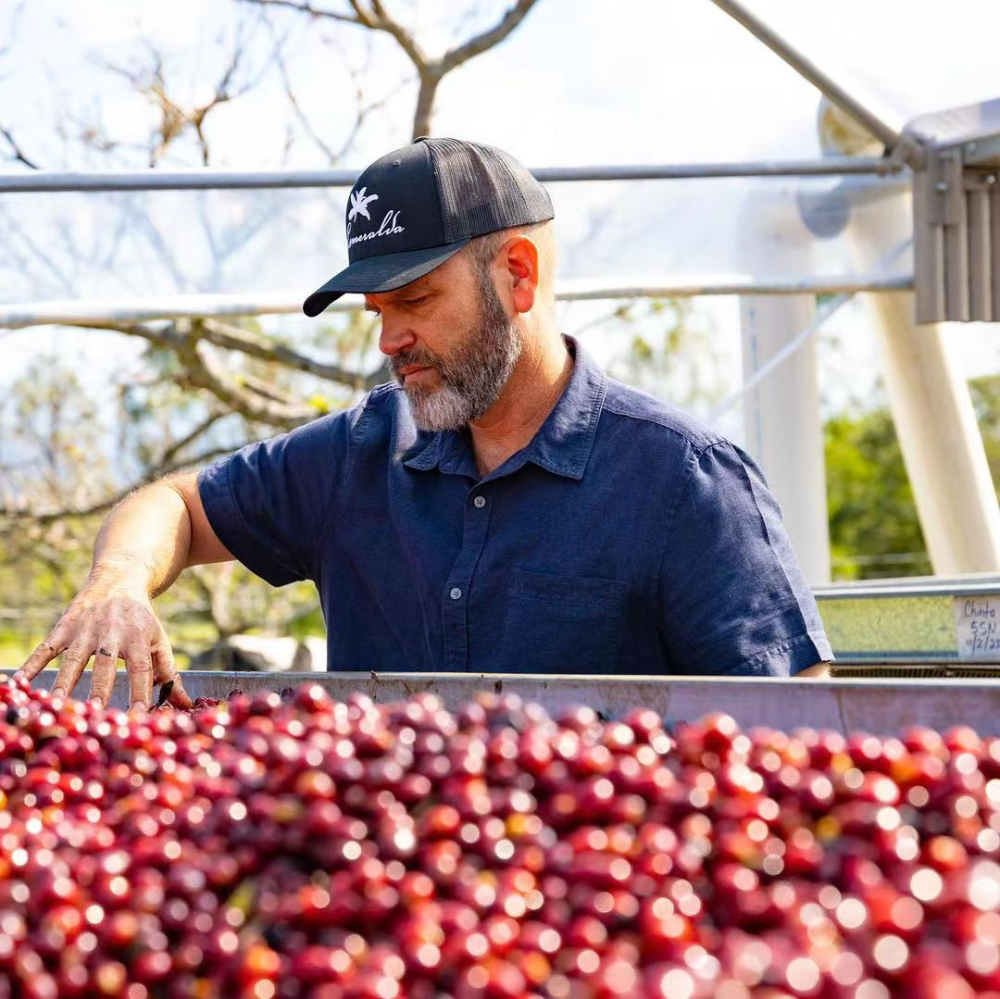
That is how La Esmeralda's pickers came to harvest Geisha cherries as well. During cupping, the family realized this coffee was something extraordinary, packed with citrus and floral character. They traced the trees back to their plots and began developing the variety's potential. In 2004, La Esmeralda entered Geisha as a standalone lot in competition — and the beans did not disappoint, taking first place at Panama's Best of Panama (BOP) cupping competition and cementing the estate's place in specialty coffee history.
Characteristics of Geisha Coffee
Geisha's stunning debut at BOP triggered a planting boom across Panama. But Geisha is not easy to grow: yields are very low, the trees demand specific altitudes, and harvesting and green-bean handling call for exceptional care. Precisely because of these challenges, not every farm can produce high-quality Geisha — one reason La Esmeralda still dominates the Geisha market.
Geisha also has a fascinating trait: the harsher the growing conditions, the better the cherries tend to taste — and the harder they are to harvest.
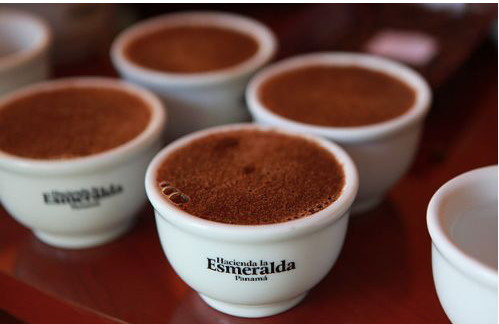
La Esmeralda therefore invests heavily in infrastructure for meticulous lot separation and processing, classifying its Geisha by plot. That is why you see Red Label, Green Label, and Blue Label Geisha at FrontStreet Coffee today.
La Esmeralda's Planting Zones
As noted above, La Esmeralda's coffee is classified by zone — strictly sorted by altitude, microclimate, cup performance, and variety — into five major brands. Of these, three are Geisha brands: Esmeralda Special (Red Label), Private Collection (Green Label), and Geisha 1500 (Blue Label).
The estate's three main plots are Jaramillo, Cañas Verdes, and El Velo, each subdivided into smaller blocks.
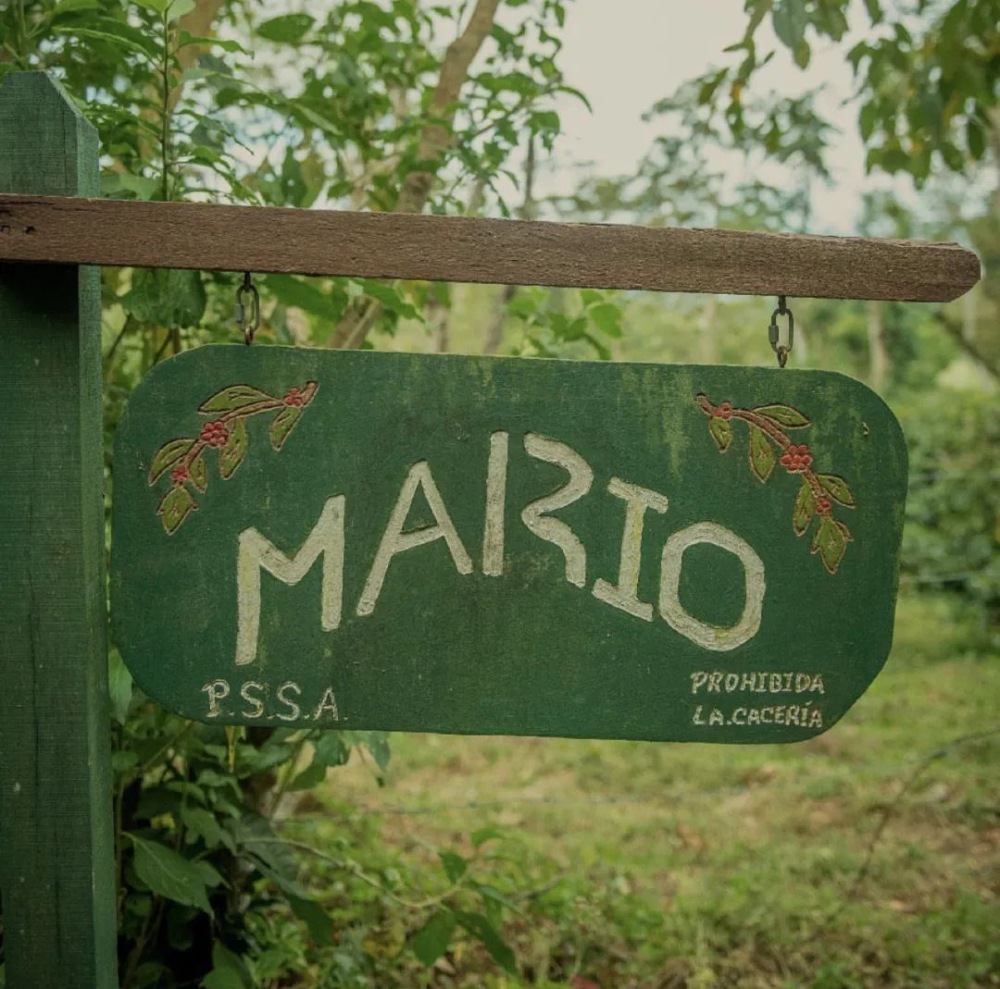
Jaramillo
Annual rainfall of 4,000mm, average daytime temperatures of 19–25°C, average nighttime temperatures of 11–15°C, and an average altitude of 1,600–1,700m. Jaramillo is subdivided into five blocks: Mario, Noria, Reina, Bosque, and Buenos Aires.
Cañas Verdes
Annual rainfall of 3,500mm, average daytime temperatures of 16–23°C, average nighttime temperatures of 10–15°C, and an average altitude of 1,600–1,800m. Cañas Verdes includes nine blocks: Lino, Coronado, Fundador, León, Montaña, Trapiche, Chinta, Cabaña, and Tumaco.
El Velo
The estate's newest acquisition, with an average altitude of 1,700–1,900m. Alongside Geisha and Catuai, El Velo also grows small amounts of other exotic varieties such as Laurina, Pacamara, Mocca, and SL28. It is divided into seven blocks: Guabo, Portón, Durazno, Mural, Higo, Buena Vista, and Águila.
La Esmeralda's Red, Green, and Blue Label Grades
Red Label Geisha
Esmeralda Special, better known as Red Label, comes from Geisha grown at 1,600–1,800 meters with cupping scores above 90 points, produced in the Jaramillo and Cañas Verdes zones.
It must also be entered into the estate's own independent auction; only Geisha lots from designated plots submitted to the auction become auction Red Labels. That said, non-auction Red Label also exists on the market today — Geisha from the same designated plots that was not auctioned and was sold directly. Variety and quality are identical; only the pricing differs.
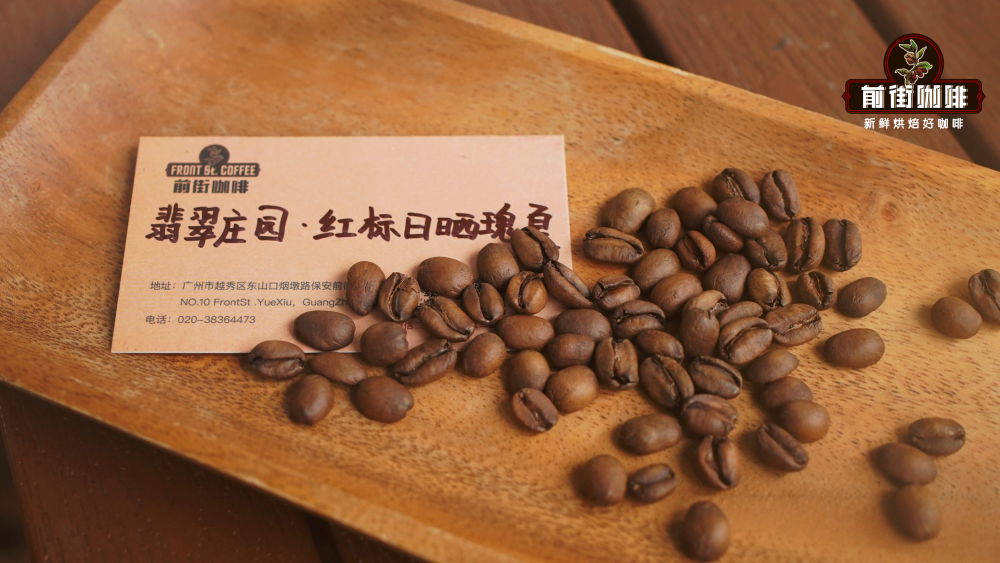
FrontStreet Coffee Panama La Esmeralda Red Label Geisha Coffee Beans
Country: Panama
Region: Boquete (Hacienda La Esmeralda)
Altitude: 1,700 m
Variety: Geisha
Process: Natural
Flavor: Citrus, complex fruits, rose tea, honey
Green Label Geisha
Private Collection, better known as Green Label, differs from Red Label in that it is not drawn from individual competition lots, but it is still excellent Geisha. Green Label is composed of micro-lot blends grown at 1,600–1,800 meters across plots such as Jaramillo and Cañas Verdes.
Because it is blended without plot-level detail, Green Label can sometimes taste remarkably similar to Red Label.
And although Green Label sits a tier below Red Label, it still delivers the classic Geisha profile — signature florals and fruit, citrus acidity, and a thick, juicy mouthfeel. FrontStreet Coffee considers Green Label the best value of the three labels.

FrontStreet Coffee Panama La Esmeralda Green Label Geisha Coffee Beans
Country: Panama
Region: Boquete (Hacienda La Esmeralda)
Altitude: 1,700 m
Variety: Geisha
Process: Natural
Flavor: Jasmine, citrus, honeydew melon, berries
Blue Label Geisha
Geisha 1500, the Blue Label, is drawn from Geisha grown at 1,400–1,500 meters across the estate's three plots. Geisha from this zone is now sold for export as "Volcanic" Geisha, matching the original Blue Label profile — the Blue Label brand itself has since been discontinued by the estate. Volcanic Geisha shows delicate florals and fruity sweetness, with a somewhat lighter body than the other two labels.
FrontStreet Coffee Panama La Esmeralda Washed Blue Label Geisha Coffee Beans
Country: Panama
Region: Boquete (Hacienda La Esmeralda)
Altitude: 1,400–1,500 m
Variety: Geisha
Process: Washed
Flavor: Lemon, oolong tea, cane sugar, peach
That covers FrontStreet Coffee's overview of Panama's La Esmeralda Geisha. Next, we turn to the flavor characteristics of Ethiopian Geisha.
Ethiopia's Gesha Village Estate
Gesha Village Estate is Ethiopia's most famous Geisha producer. Its founding, too, began by chance. In 2007, documentary filmmaker Adam Overton and his photographer wife Rachel Samuel were shooting a film about Ethiopian coffee for the government and came to know the coffee forests of the Bench-Maji region. Along the way, they fell in love with the land and began to imagine an estate and brand of their own.
In 2009 they had the good fortune to meet Willem Boot, the renowned estate owner and BOP judge, whose idea of "returning to Ethiopia to find Geisha's birthplace" opened the door. In 2011 the couple traveled back to Bench-Maji, where several areas — collectively known as Gesha — were the most likely home of the original Geisha variety.
Adam trekked into the surrounding forests with Willem Boot. In dense jungle — the Gori Gesha Forest — they found numerous wild coffee trees, and the thrilling discovery among them was the native Geisha. They collected seeds from those trees, screened them, and planted them at the site, which they named Gesha Village Coffee Estate.
Growing Conditions at Gesha Village
Gesha Village lies in western Ethiopia's Bench Maji zone, ringed by dense jungle. The scenery is beautiful and the climate mild, with views of ancient forest from the higher elevations. Adam and Rachel spent three years searching for the right site; with local guides, they made their way to the forest of Geisha's native homeland, a two-day drive from the capital, Addis Ababa.
The estate covers roughly 471 hectares, of which about 320 are planted with coffee in brown-red loam soil, at a density of 7,000 trees per hectare. Many plots are named in honor of revered local figures, including the Oma plot, named for respected religious leaders. Gesha Village coffees are remarkably complex and rare, and are frequently chosen by competing baristas for international competitions. Committed to protecting the local ecosystem and to its relationship with residents, the estate founded the Gesha Village Foundation, which supports education through two schools near the farm.
Gesha Village Varieties
In just over a decade, the estate has planted three Geisha varieties: Gesha 1931 and Gori Gesha, both named for the expeditions that found them, and Illubabor, a variety provided by the Ethiopian coffee research center.
Gesha 1931 has been shown — through plant morphology, bean shape and size, and cupping — to be the closest relative of Panama's Geisha. The Gori Gesha native variety was collected by the estate's owners on their 2011 expedition into the Gori Gesha wild coffee forest, about 20 kilometers from the present estate, and has not been found anywhere else.
Gesha Village's Grading System
Willem Boot also brought Panama's business model to Gesha Village, shaping the estate's internal grading system — the tiers you see on FrontStreet Coffee's menu: Gesha Village Auction, Gold Label, Red Label, Green Label, and Chaka.
These grades differ considerably from La Esmeralda's. FrontStreet Coffee currently stocks Gesha Village Gold Label, Red Label, and Chaka lots; here is a brief guide to the system.
Auction Lots: Just 3.7% of Gesha Village's annual production. These are the estate's top lots, selected through rigorous screening and sold exclusively through the 2018 Gesha Village global auction, with cupping scores ranging from 88.15 to 92.67. They are further divided into Champion's Reserve and Farm Reserve; Gesha Village 2018 Auction Lot RSV.6 is one such lot.
Gold Label Lots: Gold Label makes up only 5% of annual production and is nearly on par with the auction lots — the usual choice of competition baristas (the Australian and Japanese champions both selected Gold Label for the 2018 World Barista Championship in the Netherlands) and of roasters with exacting standards. Traceability is complete, and each lot shows prominent flavor and high complexity, making Gold Label the second-best tier after the auction lots. FrontStreet Coffee's Gold Label comes from the Oma 059 lot.
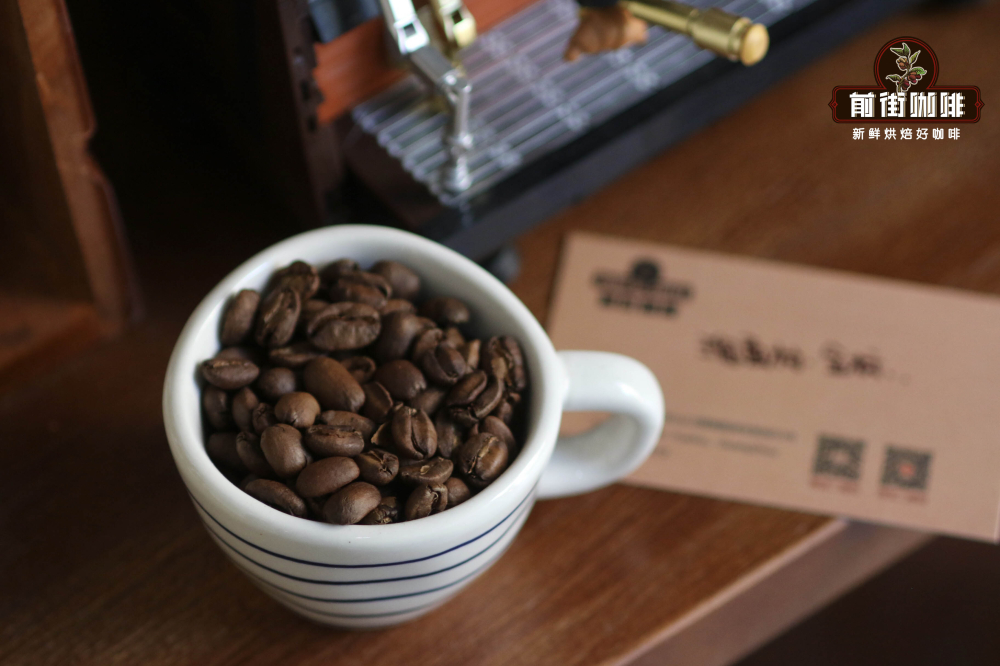
FrontStreet Coffee Ethiopian Gesha Village Gold Label Geisha Coffee Beans
Region: Ethiopia, Bench Maji zone
Estate: Gesha Village Estate, Oma plot
Altitude: 1,900–2,040 meters
Variety: Gesha 1931
Process: Natural
Flavor: Citrus, lemon, tropical fruits, cream, nuts, tea-like finish
Red Label Lots: Fully traceable lots with the classic Gesha Village profile. Flavor intensity and complexity are a touch below Gold Label, which makes them outstanding value among single-origin lots.
FrontStreet Coffee Ethiopian Gesha Village Red Label Geisha Coffee Beans
Region: Ethiopia, Bench Maji zone
Estate: Gesha Village Estate
Altitude: 1,909–2,069 meters
Variety: Gori Gesha
Process: Natural
Flavor: Coconut, licorice, cream, chocolate, toffee, citrus, almond, strawberry
Green Label Lots: Officially called SINGLE-TERROIR, these coffees come from a single farm block within Gesha Village, with full traceability for every lot number — farm block, variety, and processing date. FrontStreet Coffee has not yet stocked Green Label, but they are on the way. Here is the basic information on the Gesha Village Green Label Geisha.
FrontStreet Coffee Ethiopian Gesha Village Green Label Geisha Coffee Beans
Region: Ethiopia, Bench Maji zone
Estate: Gesha Village Estate
Altitude: 1,911–2,001 meters
Variety: Gori Gesha
Process: Natural
Flavor: Citrus, cherry, berries, honey, fermented notes
Chaka Lots: A Gesha blend produced by the estate, combining three varieties: Gori Gesha, Gesha 1931, and Illubabor (an Ethiopian disease-resistant native variety).
FrontStreet Coffee Ethiopian Gesha Village Chaka Geisha Coffee Beans
Region: Ethiopia, Bench Maji zone
Estate: Gesha Village Estate
Altitude: 1,909–2,069 meters
Variety: Gori Gesha
Process: Natural
Flavor: Citrus, grapefruit, cream, chocolate caramel
That completes FrontStreet Coffee's overview of Ethiopian Geisha. To make the differences between the two origins more tangible, FrontStreet Coffee ran a side-by-side brew comparison of Panama's La Esmeralda Red Label Geisha and Ethiopia's Gesha Village Red Label Geisha.
FrontStreet Coffee Roasting Suggestions
To showcase Geisha's florals, fruit, and bright acidity, FrontStreet Coffee roasts it lightly. Even so, the same variety receives different roast curves depending on label — judging each bean's individuality takes years of roasting experience.
La Esmeralda Green Label: Charge at 160°C with heat at 110 and damper at 3; turning point at 1'28". When drum temperature reaches 140°C, open the damper to 3.5, keeping heat unchanged. At 153.3°C the beans yellow, the grassy smell disappears entirely, and the drying stage ends. At 161°C reduce heat to 90, damper unchanged. At 6'54" the bean surface shows pronounced wrinkles and dark spotting, and the bready aroma shifts unmistakably to coffee — the prelude to first crack. Listen closely for the crack, which begins at 7'50"; open the damper to 4 and develop for 1'20" after first crack, dropping the beans at 192.5°C.
Gesha Village Green Label: On a Yangjia 800N roaster with a 500g charge: charge at 175°C with heat at 130 and damper at 3; turning point at 1'36". When drum temperature reaches 92.8°C, at the 3-minute mark open the damper to 4 and raise heat to 140. At 152.6°C (6 minutes 26 seconds) the beans yellow, the grassy smell disappears, and the drying stage ends; reduce heat to 100. At 8'20" the bean surface shows wrinkles and dark spotting and the aroma turns to coffee — the prelude to first crack. The crack begins at 9'55"; open the damper to 5 and develop for 1'30" after first crack, dropping the beans at 193.5°C.
FrontStreet Coffee Brewing Notes
Dose: 15g
Ratio: 1:15
Grind: fine pour-over grind (78% pass rate on a #20 standard sieve)
Water temperature: 90°C
Method: FrontStreet Coffee uses segmented extraction — the classic three-pour pour-over.
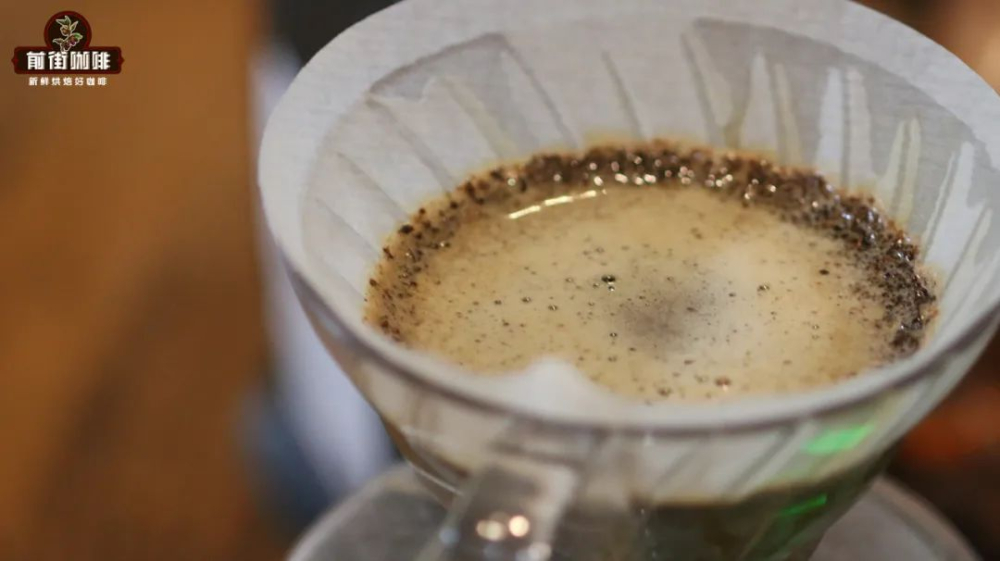
Pour 30g of water for a 30-second bloom, then continue pouring in small circles up to 125g. When the water level drops and the coffee bed is about to be exposed, pour again up to 225g and stop. When the bed is about to be exposed once more, remove the dripper. (Timing starts from the bloom.) Total extraction time: 2'00".
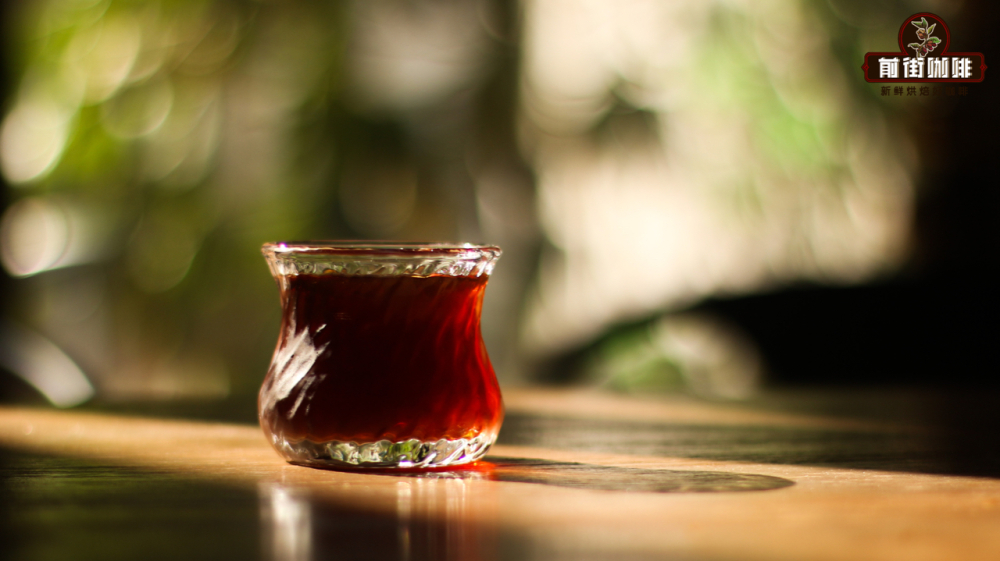
La Esmeralda Green Label in the cup: rich jasmine florals, high sweetness, citrus, berries, a juicy sensation, cream, green tea, orange peel, and cantaloupe. The layers are abundant, with a long floral-and-citrus finish.
Gesha Village Green Label in the cup: sweet, fragrant berry aromatics with a full, thick mouthfeel, notes of cherry, red berries, and honey, and a finish that carries gentle fermented aromatics.
FrontStreet Coffee Recommendation
If this article has you curious about Geisha's two homelands, FrontStreet Coffee carries both. Our Panama Hacienda La Esmeralda Red Label and Green Label Geisha showcase the classic Panamanian profile — orange blossom, honeyed sweetness, juicy fruit acidity, and a tea-like finish that pour-over brings out in full. For an approachable Ethiopian take, try the Genlana Estate Gesha from the Kochere/Genlana Abaya border: a medium-light roast that offers bright citrus acidity, elegant ginger flower aromatics, and the ripe-fruit sweetness of a native Ethiopian Gesha. And for a true estate-level experience, the Gesha Village Gold Label (Gesha 1931) and Red Label (Gori Gesha) — grown beside the original Gesha forest — are essential pour-over beans for the advanced enthusiast.
Important Notice :
FrontStreet Coffee is a long-established specialty coffee roaster in Guangzhou China, selling freshly roasted beans from its own farm in Yunnan as well as dozens of carefully selected single-origin beans from around the world for both pour-over and espresso. The products deliver consistently excellent quality and great value, with shipping within 24 hours. Guangzhou's FrontStreet Coffee shop is recommended by many coffee lovers, and the beans are now available online at the Tmall 。
FrontStreet Coffee has moved to a new address:
FrontStreet Coffee Address: 315,Donghua East Road,GuangZhou
Tel:020 38364473
 Scan and follow the En Gafei WeChat official account. Please indicate that the reprint comes from "En Gafei".
![[FrontStreet Coffee Bean Hunting] Natural Process Micro-Batch Kenya · Endebess Estate Special Report](https://en.gafei.com/uploads/allimg/190724/19-1ZH4123923202-lp.jpg)
