Flavor Characteristics of Honduran Coffee and Flavor Description of Honduras Sweet Orange Estate Coffee
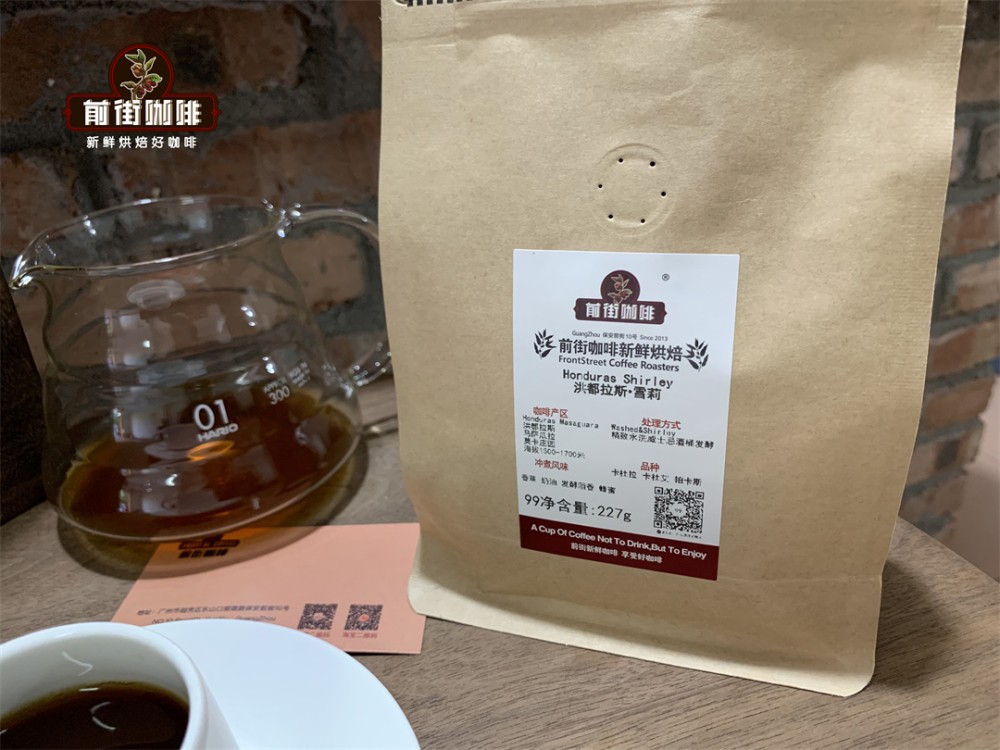
Every coffee-producing country has its own regional flavor signature, and Honduras was not always famous for its coffee. It was the arrival of Sherry coffee and Lychee Lan coffee - both finished in spirits barrels - that put Honduran coffee on the map. Coffee is an agricultural product at heart, but after special processing it can take on wine-like notes, and that combination quickly won over coffee lovers who also appreciate fine spirits.
Brew a cup of Sherry coffee and you can smell the sweet vanilla and cream from a distance. On the palate, the whiskey character echoes through the mouth, followed by a sweet aftertaste of honey and chocolate. Neither acidic nor bitter, it is FrontStreet Coffee's most popular single-origin offering.

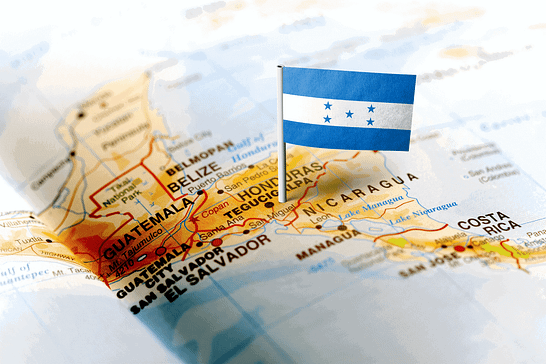
Honduras sits in northern Central America, bordered by the Caribbean Sea to the north and the Gulf of Fonseca of the Pacific Ocean to the south. It shares borders with Nicaragua and El Salvador to the east and south, and with Guatemala to the west. The terrain is predominantly mountainous. The country covers 112,492 square kilometers with a coastline of roughly 1,033 kilometers; apart from the coastal plains it is mountains end to end. Elevations in the northwest reach up to 3,000 meters, while the south also tops 2,400 meters. Major rivers include the Coco, Patuca, and Ulua, all rising in the interior mountains and crossing the country toward both oceans. Between the ranges lie numerous basins and valleys - among the larger basins are the Sula and Repartimiento, and among the main valleys the Comayagua and Humuya.
Coastal islands are scattered like stars, with the main groups being the Bay Islands and the Tigre Islands in the Gulf of Fonseca. Honduras has complex terrain and varied climates. The Central American coastal plains have a tropical rainforest climate with an average annual temperature of 31°C, while the mountains have a subtropical forest climate averaging 23°C. The rainy season runs from June to November with mild temperatures and abundant rainfall - ideal conditions for coffee. But the lack of transport infrastructure linking growing regions to ports helped delay Honduras's emergence as a coffee producer.
Honduras has 280,000 hectares of coffee plantations, mostly small farms under 3.5 hectares, which together account for sixty percent of the country's total coffee output. Given the mountainous terrain, beans are harvested by hand and then carefully processed to raise quality. Honduras harvests three million bags of coffee annually, supplying abundant, high-quality coffee to the market, and now ranks among the world's top ten coffee-exporting countries.
Honduran Coffee Growing Regions
Honduras is currently Central America's largest coffee producer. Its growing regions are generally divided into six: Copán, Montecillos, Agalta, Opalaca, Comayagua, and El Paraíso.
Copán
Located in western Honduras along the Guatemalan border, Copán averages 1,000 to 1,500 meters in elevation, with high humidity and wide temperature swings - minimum temperatures can drop to 11.5°C.
Montecillos
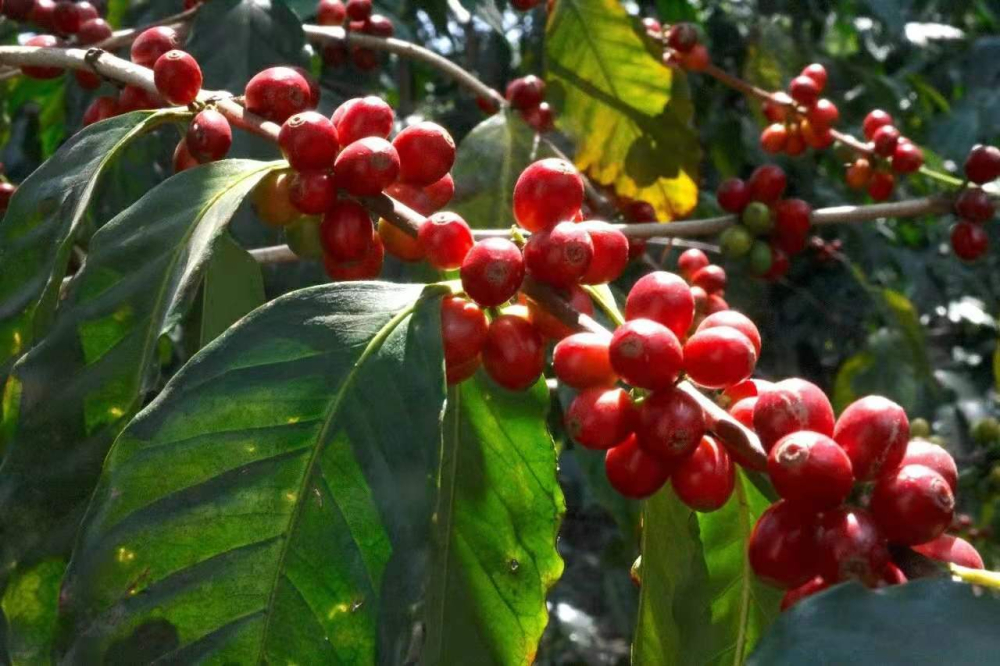
Growing areas in Montecillos average 1,200 to 1,600 meters. Cooler nighttime temperatures suit slow cherry maturation, producing sweeter coffees. The cup shows citrus, peach, and apricot fruit notes, caramel-like sweetness, and a smooth mouthfeel.
Agalta
Agalta lies in southeastern Honduras, where the climate is more typically tropical; growing elevations run from 1,100 to 1,400 meters. Its coffees carry tropical fruit and chocolate flavors, with low acidity and caramel sweetness.
Opalaca
Opalaca borders Copán. Common varieties here include Bourbon, Catuai, and Typica, grown between 1,100 and 1,500 meters. Opalaca coffees show more complex layers, more refined acidity, and a more balanced aftertaste.

Comayagua
Comayagua sits in central Honduras. In 2016 it recorded the highest coffee production in the country. Its coffees feature citrus acidity and a creamy mouthfeel.
El Paraíso
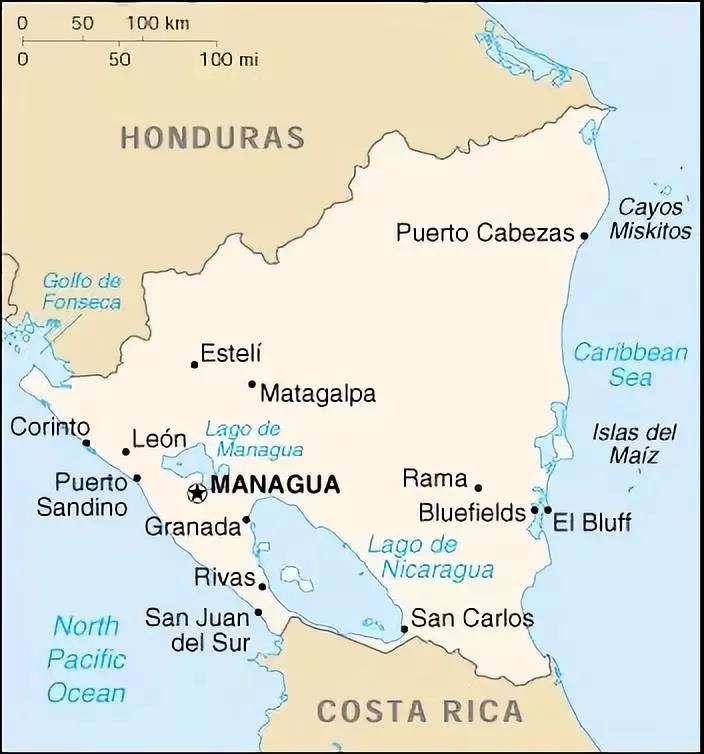
El Paraíso lies in southern Honduras along the Nicaraguan border. Growing elevations range from 1,000 to 1,400 meters, with warmer temperatures between 16°C and 22.5°C. It is Honduras's largest and oldest coffee-producing region.
Finca Moca
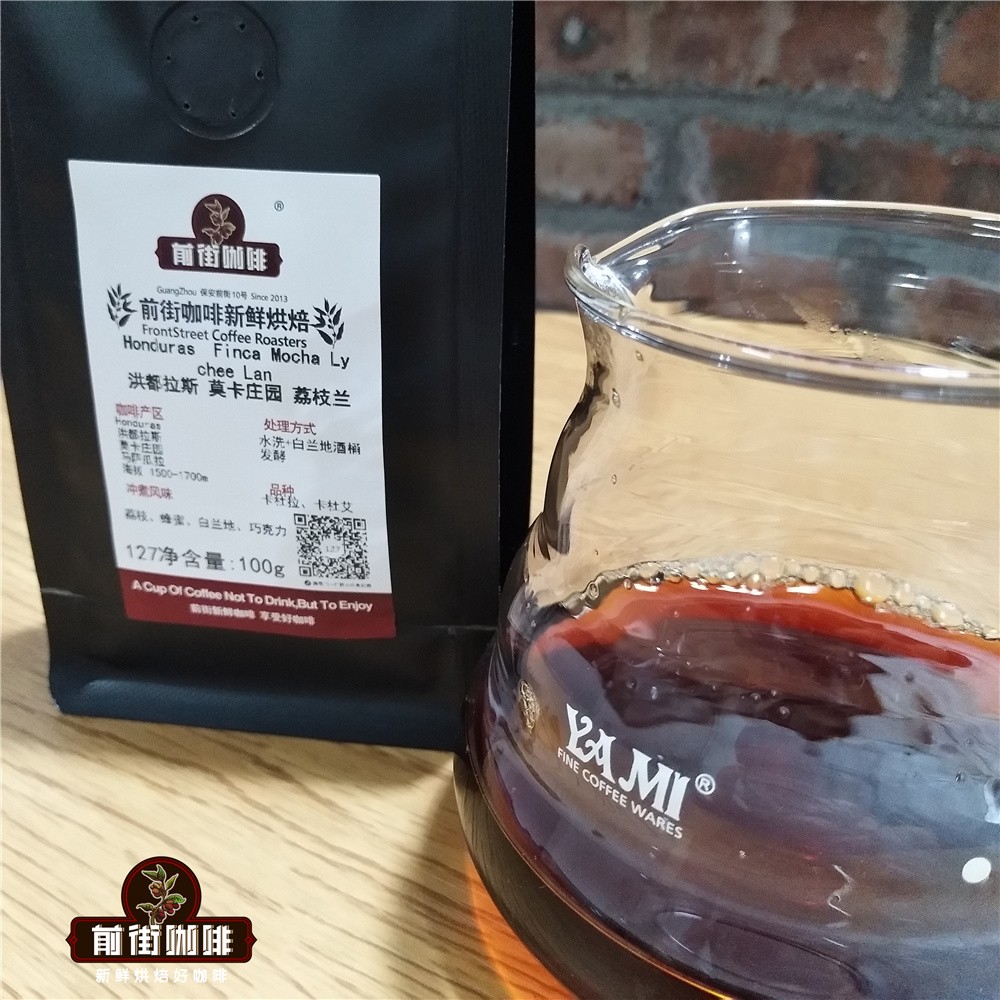
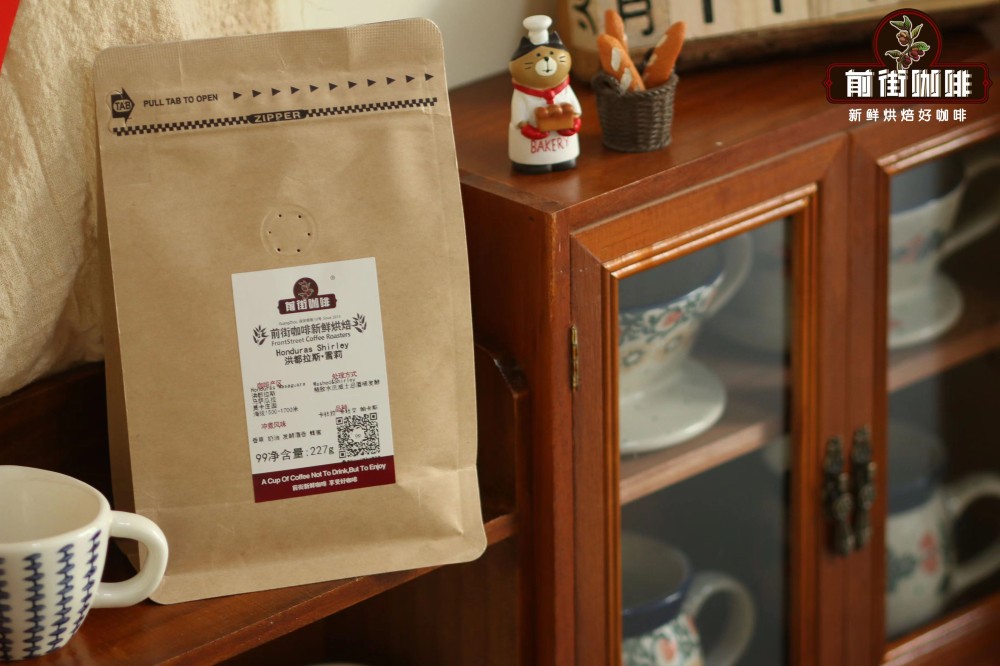
Finca Moca is located in the southern part of the Jesús de Otoro valley in Masaguara, Honduras, ringed by mountains and hills. The estate is devoted primarily to coffee and serves as the main economic engine of the local area, while the surrounding valley focuses on staple grains and livestock. The average elevation here is 853 meters, with higher ground exceeding 1,500 meters. FrontStreet Coffee's Sherry and Lychee Lan coffees both come from Finca Moca.
Characteristics of Honduran Coffee Beans
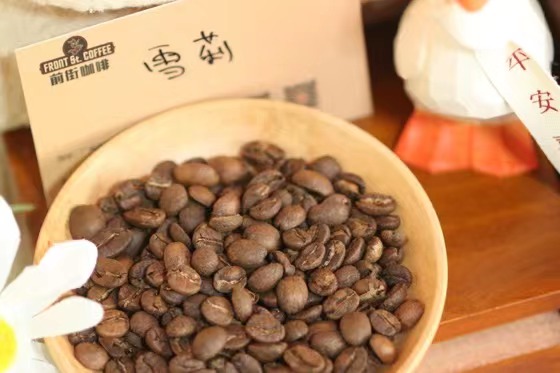
Honduran beans are relatively large and uniform in shape, with a consistent, glossy color. For easier harvesting, farmers prune trees to stay under 150 centimeters tall - anything taller would need ladders, which is slow and risks damaging branches. Because each cherry ripens on its own schedule, hand-picking plus careful sorting of ripe fruit is essential to quality; a single branch may need several weeks of repeated picking to be fully harvested.
Honduran Coffee Varieties
Nearly all coffee grown in Honduras is Arabica, dominated by Bourbon, Caturra, Catuai, Typica, and the Pacas derivative.
Caturra
Caturra is a natural Bourbon mutation discovered between 1915 and 1918 at a plantation in Minas Gerais, Brazil. The plants are compact, allowing higher planting density. Caturra was introduced to Guatemala in the 1940s and later spread from there to Costa Rica, Honduras, and Panama.
Catuai
Catuai was developed by the Agronomic Institute of São Paulo in Brazil by crossing Mundo Novo with Caturra. The plants are even more compact, permitting still denser planting, but they are more susceptible to pests and diseases.
Pacas
Pacas was discovered in 1949 on a farm owned by the Pacas family in El Salvador's Santa Ana region. In 1960, the Salvadoran Coffee Research Institute (ISIC) began a pedigree selection program for it, and Honduras's IHCAFE introduced and started cultivating Pacas in 1974. Like Caturra, it is a natural Bourbon mutation with relatively compact plants, but it offers higher yields and excellent quality.
Honduran Coffee Processing Methods
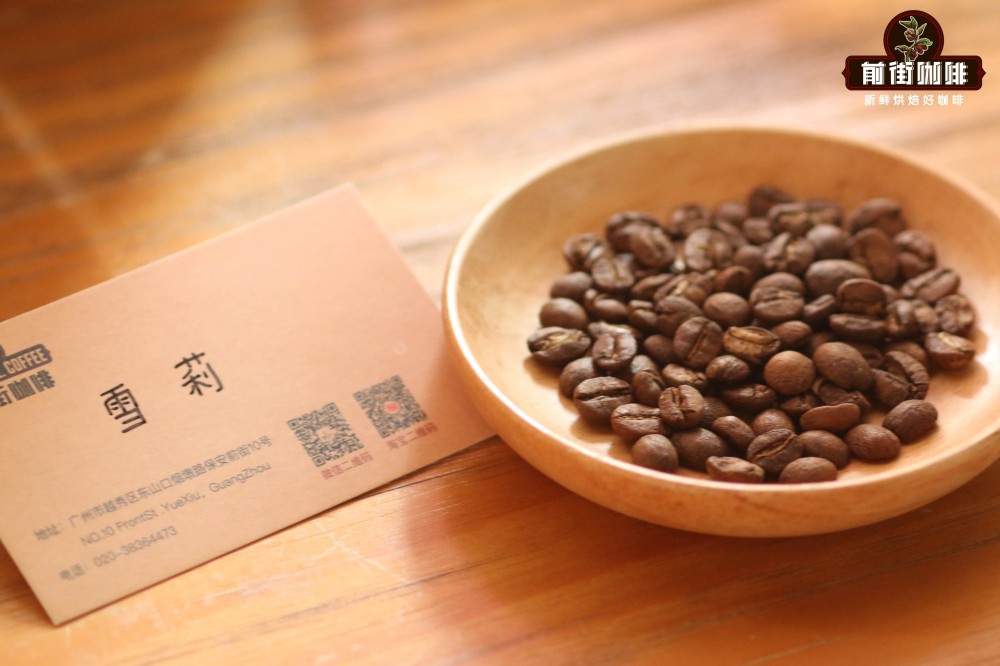
Flavor is tied directly to processing. FrontStreet Coffee's Sherry and Lychee Lan coffees both undergo barrel aging - Sherry in whiskey barrels, Lychee Lan in brandy barrels. Before barrel fermentation emerged, Honduran beans were typically washed. Farmers first pour harvested cherries into large water tanks: underdeveloped, inferior beans float while mature, full fruits sink, and the floaters are skimmed off.
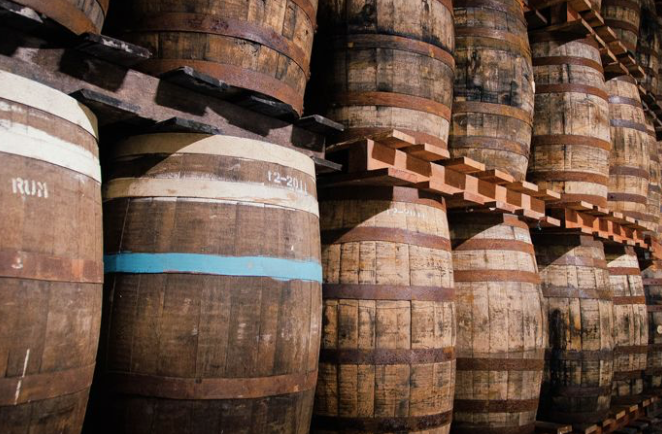
Next, a pulper removes the skin and pulp, leaving a slippery layer of mucilage on the beans. The beans go into fermentation tanks for 16-36 hours, during which microorganisms break down the mucilage. Once fermentation is complete, plenty of clean water washes away any remaining residue. The beans are then placed in barrels that previously held Sherry or rum for low-temperature fermentation of 30-40 days at roughly 15-20°C, followed by drying in the shade.
FrontStreet Coffee's Brewing Parameters for Honduran Coffee:
To highlight the wine aroma and fruit flavors of Honduran coffee, FrontStreet Coffee roasts it to a medium-light level. For brewing, use a V60 dripper with a 1:15 coffee-to-water ratio, a medium grind (roughly coarse sugar grain size / 80% retention on the China #20 standard sieve), and water at 91°C.
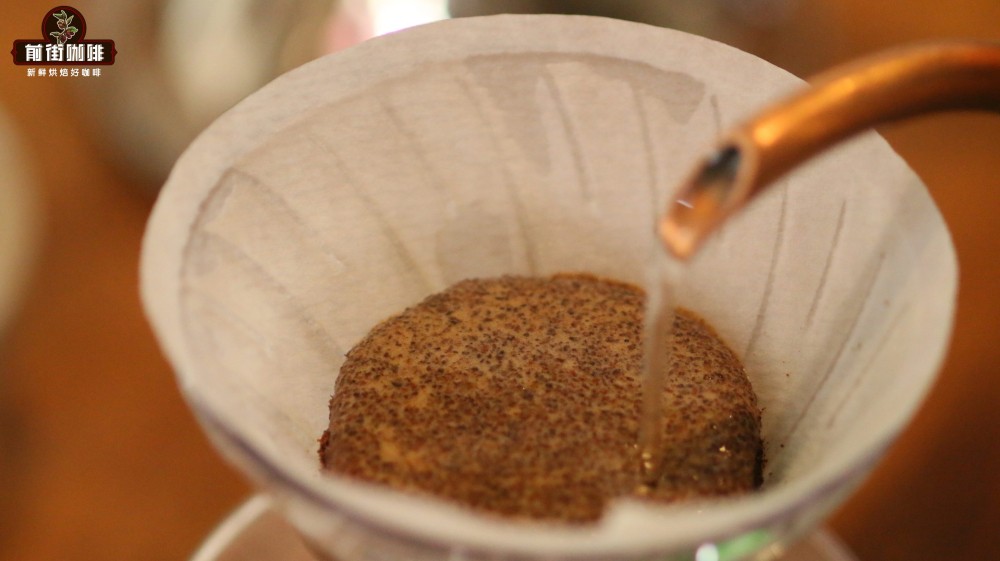
Brew in segments: bloom with twice the water to coffee - 30 grams of water for 30 seconds. The bloom lets the grounds release internal carbon dioxide, keeping the later extraction more stable. Then pour in small circles with a gentle stream up to 125 grams, continue to 225 grams, and stop. Once dripping finishes, remove the dripper. Timing from the start of the first pour, total extraction should run 2'00". Give the full cup a gentle swirl before pouring into tasting cups.
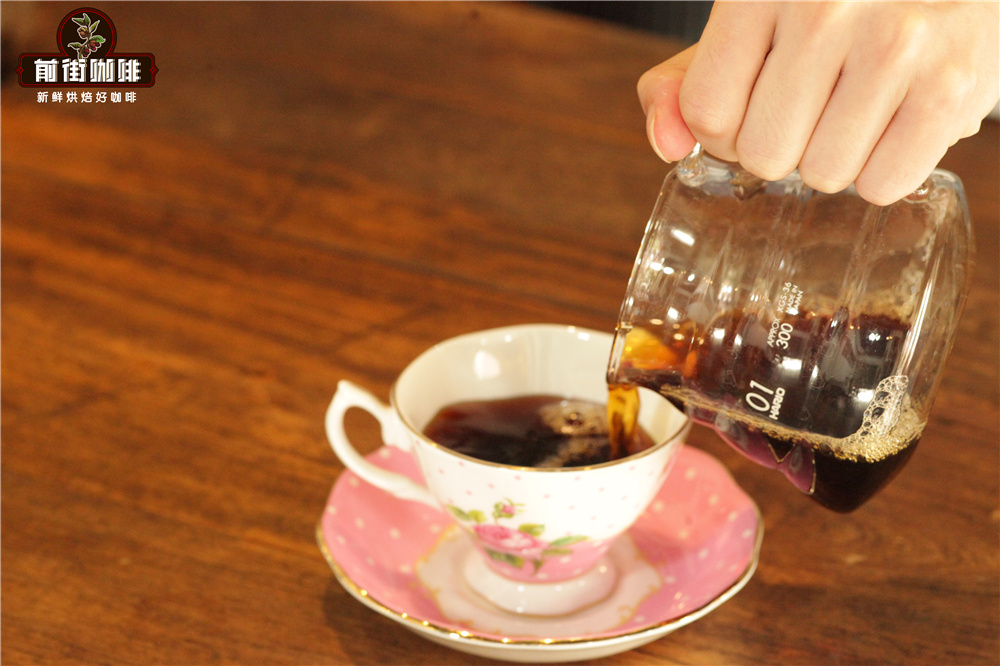
FrontStreet Coffee's Sherry Coffee Flavor Characteristics:
Aromas of vanilla and cream, with flavors of whiskey, berries, almonds, and dark chocolate in the cup, and a maple-like sweet aftertaste.
FrontStreet Coffee's Lychee Lan Coffee Flavor Characteristics:
Cream, dark chocolate, honey, lychee, and brandy, with a relatively rich mouthfeel and prominent sweetness. As the cup cools, the spirit note grows more pronounced with each sip.
FrontStreet Coffee's Brewing Suggestions:
When it comes to brewing, FrontStreet Coffee has always believed that bean freshness is decisive for flavor. That is why all beans we ship are roasted within 5 days of dispatch. Our roasting philosophy is "Freshly Roasted Good Coffee" - every order arrives at peak freshness, and with a resting period of about 4-7 days, the coffee is at its flavor peak when it reaches your door.
For those who need pre-ground coffee, a friendly reminder: ground beans do not need a resting period, since during shipping the pressure of built-up carbon dioxide in the packaging actually helps round out the flavor - you can brew immediately on arrival. But grounds oxidize quickly in air, so flavor dissipates faster and the cup will not be as good. FrontStreet Coffee therefore recommends buying whole beans and grinding fresh before each brew.
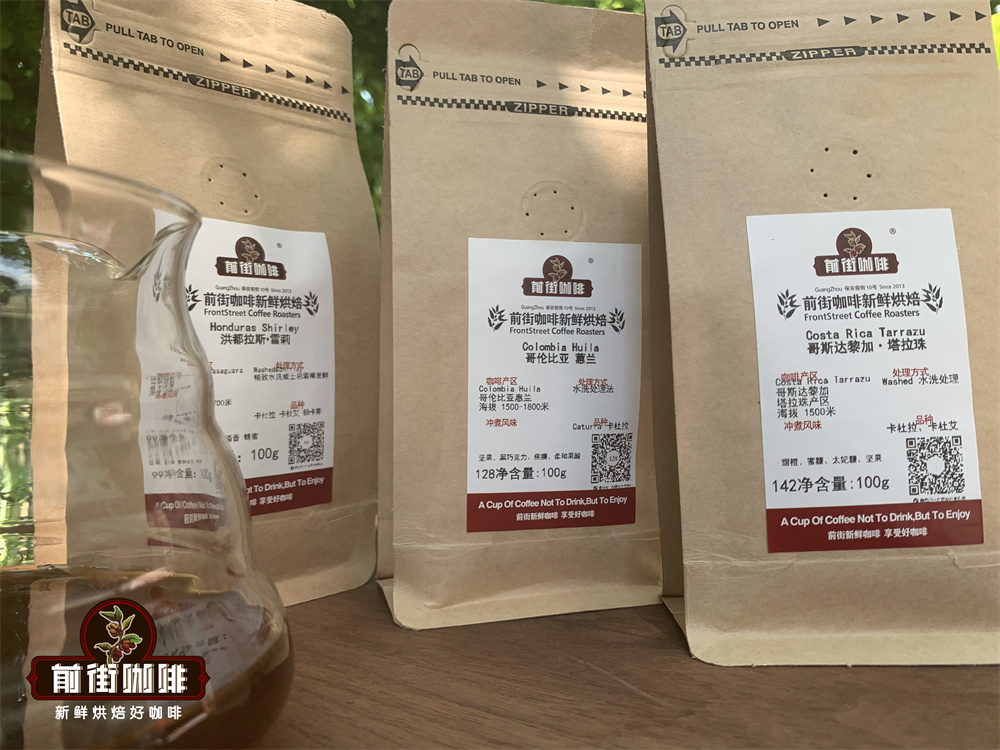
As specialty coffee has grown, new processing methods keep appearing - honey process, anaerobic fermentation, wine fermentation, and more - all derived from the two fundamentals, washed and natural. FrontStreet Coffee believes washed beans showcase a region's character most faithfully, so most of our daily beans are washed: Colombia's Huila, Costa Rica's Tarrazú, Ethiopia's washed Yirgacheffe, Guatemala's Huehuetenango, and Panama's Boquete Geisha. FrontStreet Coffee's daily-bean range showcases the signature flavors of each producing country at excellent value - a highly recommended starting point for coffee enthusiasts.
FrontStreet Coffee Recommendation
If the bright, fruity side of coffee appeals to you more than the winey richness of barrel-aged Honduras, FrontStreet Coffee's Kenya Cherry Tomato is a light-roast standout. Grown at 1550-1750 meters in Thika on classic SL28 and SL34 varieties and finished with Kenya's signature 72-hour double washed fermentation, it offers vivid cherry tomato and dried plum acidity with full, fresh-pressed-juice body, mid-palate sweetness of snow pear and black plum, and a clean finish of golden sugar and gentle green tea.
Alternatively, FrontStreet Coffee's Ethiopia Yirgacheffe Guodingding is one of the most beloved entry points into light-roast specialty coffee: bright citrus, berry, and floral notes with a green-tea-like sweet finish - softly and brightly acidic rather than harsh, and wonderfully easy to enjoy.
Important Notice :
FrontStreet Coffee is a long-established specialty coffee roaster in Guangzhou China, selling freshly roasted beans from its own farm in Yunnan as well as dozens of carefully selected single-origin beans from around the world for both pour-over and espresso. The products deliver consistently excellent quality and great value, with shipping within 24 hours. Guangzhou's FrontStreet Coffee shop is recommended by many coffee lovers, and the beans are now available online at the Tmall 。
FrontStreet Coffee has moved to a new address:
FrontStreet Coffee Address: 315,Donghua East Road,GuangZhou
Tel:020 38364473
 Scan and follow the En Gafei WeChat official account. Please indicate that the reprint comes from "En Gafei".