[FrontStreet Coffee Bean Hunting] Natural Process Micro-Batch Kenya · Endebess Estate Special Report
FrontStreet Coffee's Bean Hunt Diary
Special Report: Natural Micro-batch Kenya · Endebess Estate
Washed Kenyan coffee is known for bright, lively fruit acidity and a refreshing mouthfeel, while natural Kenyan coffee offers prominent fruit flavors, high sweetness, and a rich body. Today, let's look at this natural micro-batch from Endebess Estate in Kenya's eastern Rift Valley.
Kenyan Endebess Estate
Kenya · Endebess Estate
Region: Northern Rift Valley
Altitude: 1750-1950m
Processing Method: Natural (sun-dried)
Grade: AA
Varieties: SL28, SL34
Region Introduction
The Great Rift Valley, in eastern Africa, is a geographical wonder formed 35 million years ago by the movement of the African tectonic plate. Stretching across East Africa, it is the world's largest fracture zone and belongs to a divergent boundary.
The eastern Rift Valley section within Kenya is particularly deep. Its deepest part lies north of Nairobi, and because this section has no outlet to the sea, its lakes are shallow with high mineral and salt content — Lake Magadi is composed almost entirely of sodium carbonate, while Lake Elmenteita, Lake Baringo, Lake Bogoria, and Lake Nakuru are all quite alkaline.
Estate Introduction
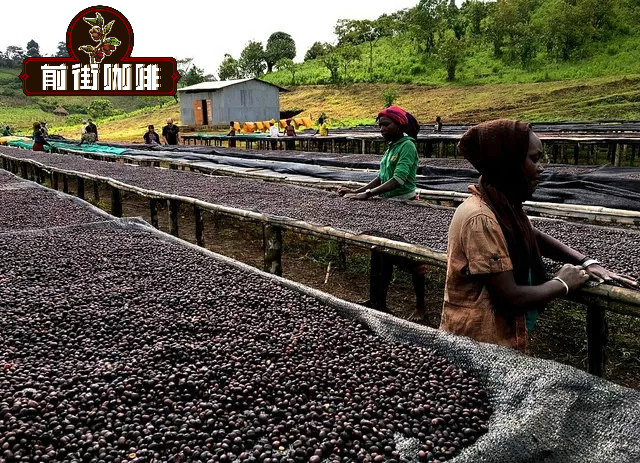
Endebess Estate sits in the northern part of Kenya's eastern Rift Valley, near the township of Kitale in Trans-Nzoia County. It covers roughly 758 acres, of which 248 acres are planted with coffee. The naturally processed coffee is thoroughly washed in fresh river water from the Koitobos River, then dried on raised beds for typically 21 to 28 days depending on the weather, with the beans rotated at least four times daily.
The Rift Valley holds the Cherang'any Hills and a chain of volcanoes, some still active. The Cherang'any Hills are one of Kenya's five major forests and catchment areas, spanning three counties: Trans-Nzoia, Elgeyo Marakwet, and West Pokot. The estate farm itself lies at the foot of Mount Elgon, an extinct volcano on the Uganda–Kenya border.
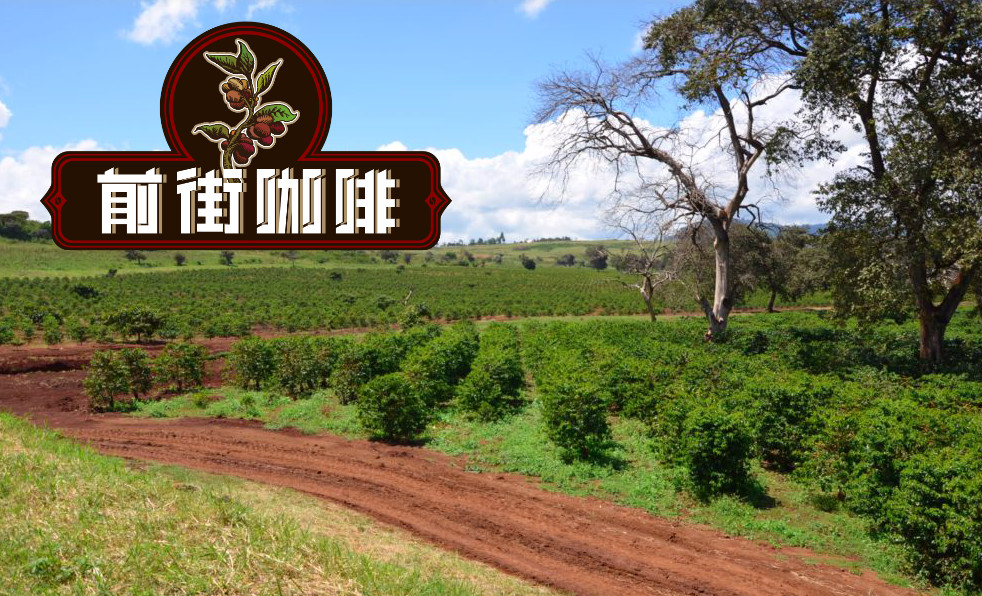
As early as the 1940s, Endebess Estate was processing its own coffee as well as that of neighboring smallholder producers. It was once owned and managed by Mr. EW D'Ollier, sold to Gatatha Farmers Co Ltd in 1976, and sold again in 2011 to its current owner and manager, Kaitet Tea Plantations.
Kaitet Tea Plantations emphasizes employee welfare and social responsibility: the farm has funded 15 housing renovation projects and sponsored two high school students, with plans to expand these programs as the farm becomes more profitable. In the short term, Endebess Estate is improving its infrastructure certification status.
Varieties
SL-28 & SL-34
The story of these two varieties begins in the 1930s, when the Kenyan government commissioned Scott Laboratories to select varieties suited to the country. After sequential screening and numbering, SL-28 and SL-34 were chosen, both descending from Bourbon. SL-34 can grow at slightly lower altitudes.
SL28 carries mixed lineage from French Mission, Mocha, and Yemen Typica. The original goal was to mass-produce beans combining high quality with resistance to pests and diseases.
Although SL28's yield later proved lower than hoped, its copper-colored leaves and broad beans deliver wonderful sweetness, balance, and complex, varied flavors, with prominent citrus and plum characteristics.
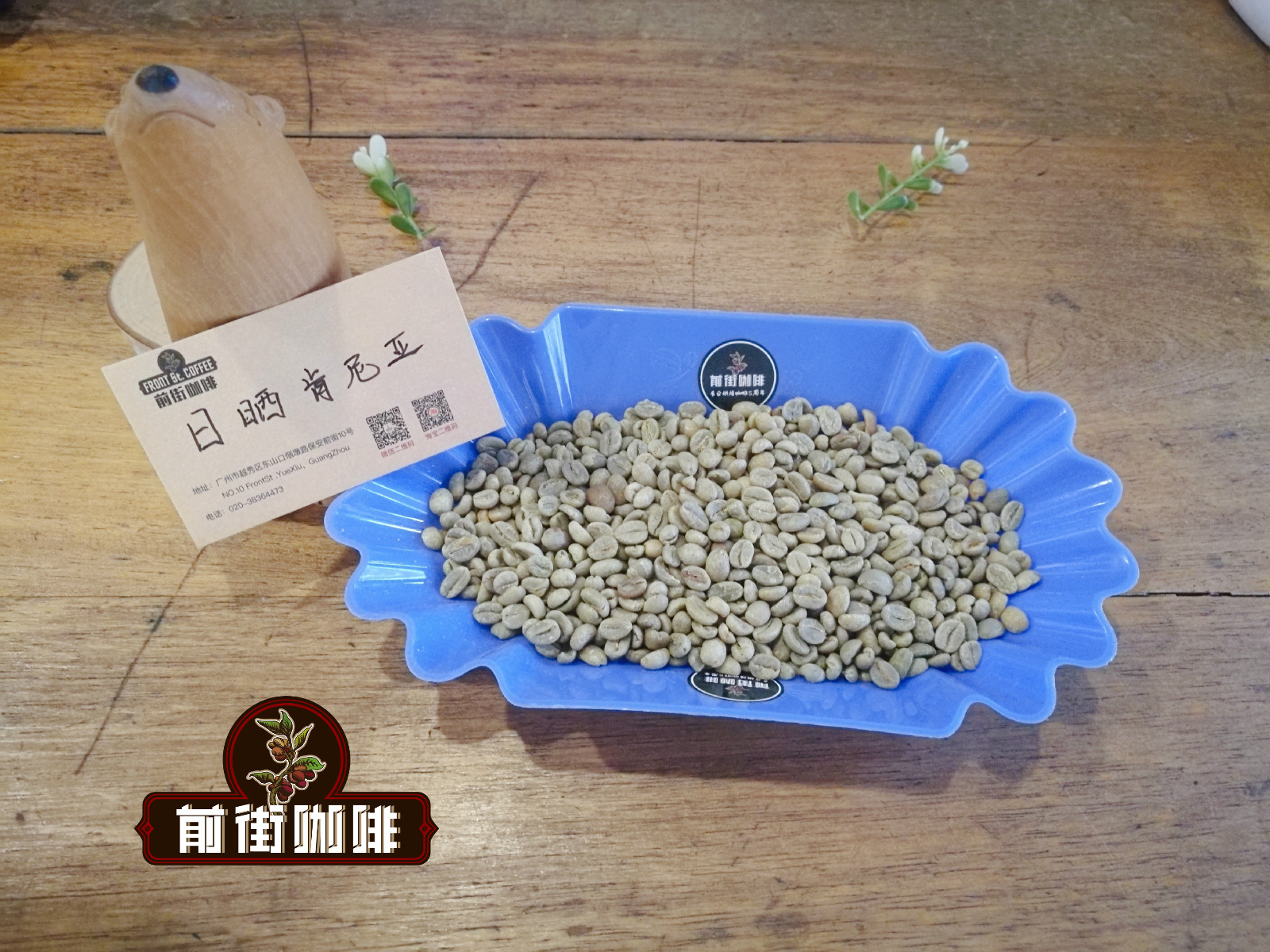
SL34 tastes similar to SL28 but with a heavier, richer body and a cleaner finish, plus complex acidity and a lovely sweet aftertaste. SL34 has French Mission, Bourbon, and more Typica lineage. Its beans look much like SL28's, but the variety copes better with sudden heavy rainfall.
In practice, the former earns the higher evaluations, typically showing blackcurrant-like acidity and complex flavor; the latter, slightly behind, still impresses with its fruit. Together these two varieties now account for 90% of Kenya's production and are the recognized representatives of Kenyan coffee.
Kenyan Coffee Grading
Kenyan beans are strictly graded, mainly by size, shape, and hardness. From highest to lowest: AA or AA+, AB, PB, C, E, TT, T — a useful reference when selecting, alongside flavor.
Coffee Size Grading:
AA Plus (AA+): AA grade with particularly excellent cup quality (flavor, mouthfeel)
AA: Screen Size 17-18
AB: Screen Size 15-16, the majority of production
C: Smaller than AB screen size
TT: Lighter beans filtered from AA and AB grade lots using air classifiers
T: Lighter beans filtered from C grade lots using air classifiers
E: Elephant Bean — large mutant beans where two have merged, also called elephant ear beans
UG: Those that do not meet the above standards
PB: Peaberry, classified by shape, unrelated to flavor
Processing Method
This micro-batch uses the natural (sun-dried) process. Relying entirely on natural climate, sun-drying gives the bean its rich body and sweetness.
The natural method is the oldest and most original way to process coffee. Compared with the washed method, coffee processed this way is also called "natural coffee" or "dry-processed coffee." The harvested cherries are simply laid out in the sun for about two to four weeks.
1. Harvest mature coffee cherries
2. Preliminary removal of impurities and defective beans
3. Float sorting: pour the cherries into a water tank. Mature, full fruits sink to the bottom, while immature or damaged ones float.
4. Sun-drying: the sunken mature cherries are spread on the drying ground, reducing moisture from 70% to about 10-12%. Turn several times daily for even drying and cover at night to avoid reabsorbing moisture.
5. Hulling: after two to four weeks in the sun, the outer layer of the seeds is dry and hard. Run them through a hulling machine to remove the shell and the process is complete.
Roasting Curve Analysis
Roasting machine: Yangjia 800N (300g batch size)
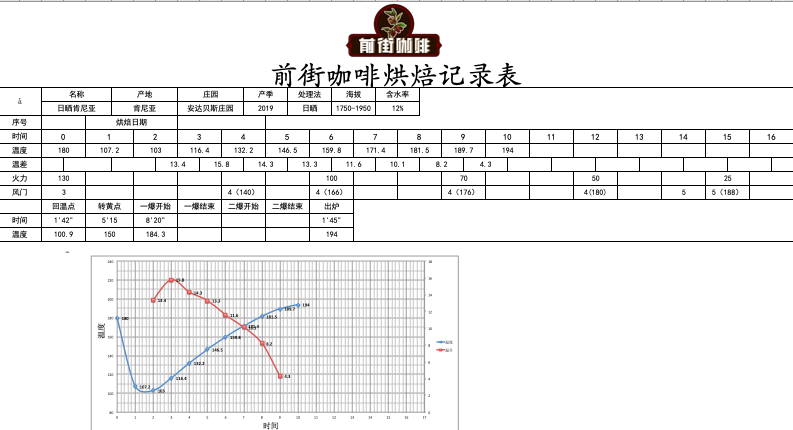
Preheat the roaster to 180°C, set heat to 130, and open the damper to 3. The turning point comes at 1'42". At 140°C, open the damper to 4. At 146°C the bean surface yellows and the grassy smell disappears completely. At 166°C, reduce heat to 100, keeping the damper unchanged.
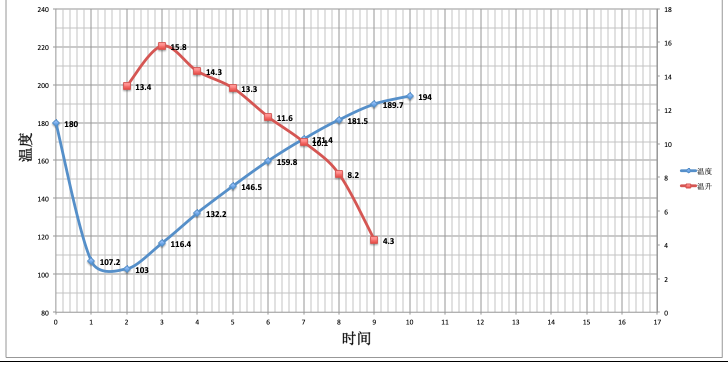
At 7'25", wrinkles and black spots appear on the bean surface and the toasted-bread smell clearly shifts toward coffee aroma — the prelude to first crack. Listen carefully from here. When first crack begins at 8'20", reduce heat to 70 with the damper unchanged. Develop for 1'45" after first crack, then drop the beans at 194°C.

Agtron bean color value 73.4 (upper image), Agtron ground color value 81.7 (lower image); Roast Delta value is 8.3.
Cupping & Flavor
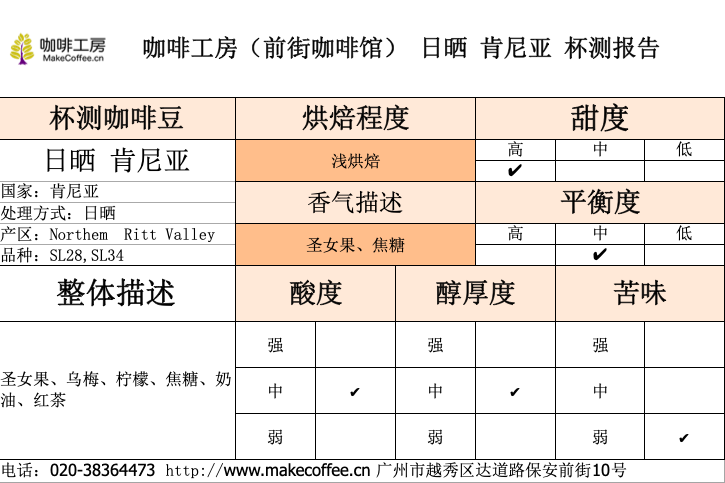
Flavor: cherry tomato, plum, lemon, caramel, cream, black tea
Brewing Parameters
Recommended brewing method: Pour-over
Dripper: V60
Water temperature: 90-92°C
Coffee-to-water ratio: 1:15
Grind size: Medium-fine, similar to fine sugar (BG-5R: 60% pass rate on the China standard No. 20 sieve)
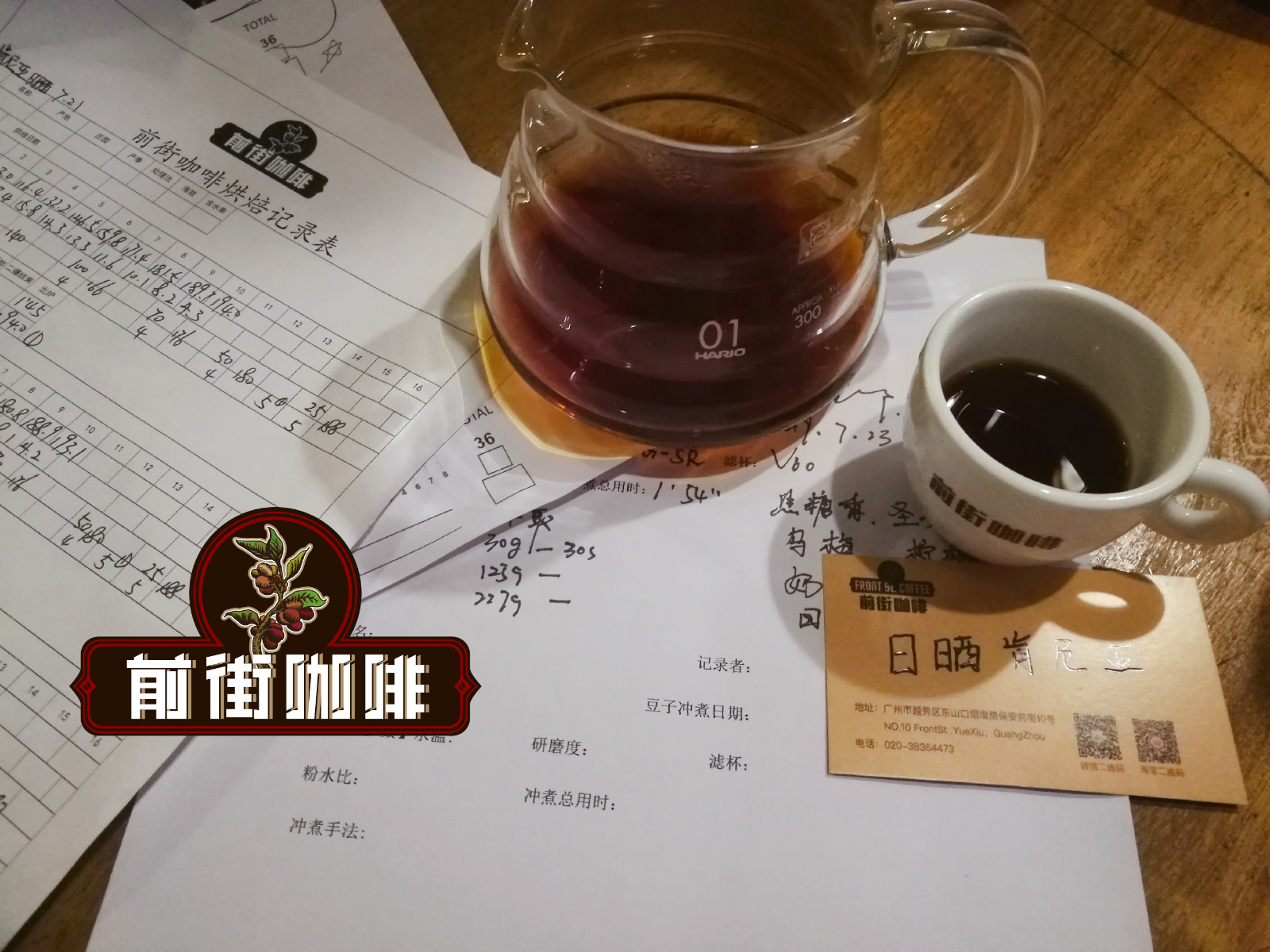
Technique: Segmented extraction. Bloom with 30g of water for 30 seconds, then pour in small circles up to 125g before pausing. When the water level drops and is about to expose the coffee bed, continue pouring up to 227g and stop. When the level drops once more to just above the bed, remove the dripper. (Timing starts from the bloom.) Extraction time is 1'54".
Flavor: A caramel aroma up front, with cherry tomato and plum on entry. As it cools slightly, lemon acidity and creamy smoothness emerge, and the aftertaste carries a black tea sensation with a noticeable sweet finish.
FrontStreet Coffee Recommendation
If this natural Kenyan charmed you, FrontStreet Coffee's Kenya "Little Tomato" is its washed counterpart worth exploring. It comes from Thika at 1550-1750 meters on SL28 and SL34, using Kenya's signature 72-hour double-washed fermentation. A light roast preserves the lively acidity: fresh cherry tomato and dark plum flavors with a full, juice-like body, snow pear and black plum in the mid-palate, and a clean finish of yellow sugar and green tea.
For another washed classic, FrontStreet Coffee's Jamaica Blue Mountain No. 1 shows what washing can do when sunshine is scarce. Jamaica's island climate shortens the drying window, so washed processing was born there — removing skin, pulp, and mucilage before drying to cut drying time and keep defects low. The result: a pure, balanced cup of hazelnut, cream, chocolate, and caramel, with no single note overpowering another.
And if you love the florals washed processing preserves, the FrontStreet Coffee Worka (Guodingding) Cooperative Yirgacheffe maximizes jasmine fragrance and bright citrus acidity, revealing green tea and honey tones after a medium-light roast — great for pour-over, cold brew, or even espresso.
Important Notice :
FrontStreet Coffee is a long-established specialty coffee roaster in Guangzhou China, selling freshly roasted beans from its own farm in Yunnan as well as dozens of carefully selected single-origin beans from around the world for both pour-over and espresso. The products deliver consistently excellent quality and great value, with shipping within 24 hours. Guangzhou's FrontStreet Coffee shop is recommended by many coffee lovers, and the beans are now available online at the Tmall 。
FrontStreet Coffee has moved to a new address:
FrontStreet Coffee Address: 315,Donghua East Road,GuangZhou
Tel:020 38364473
 Scan and follow the En Gafei WeChat official account. Please indicate that the reprint comes from "En Gafei".