
Understanding Coffee: Single Origin, Espresso Blend, and Specialty Coffee - What's the Difference?
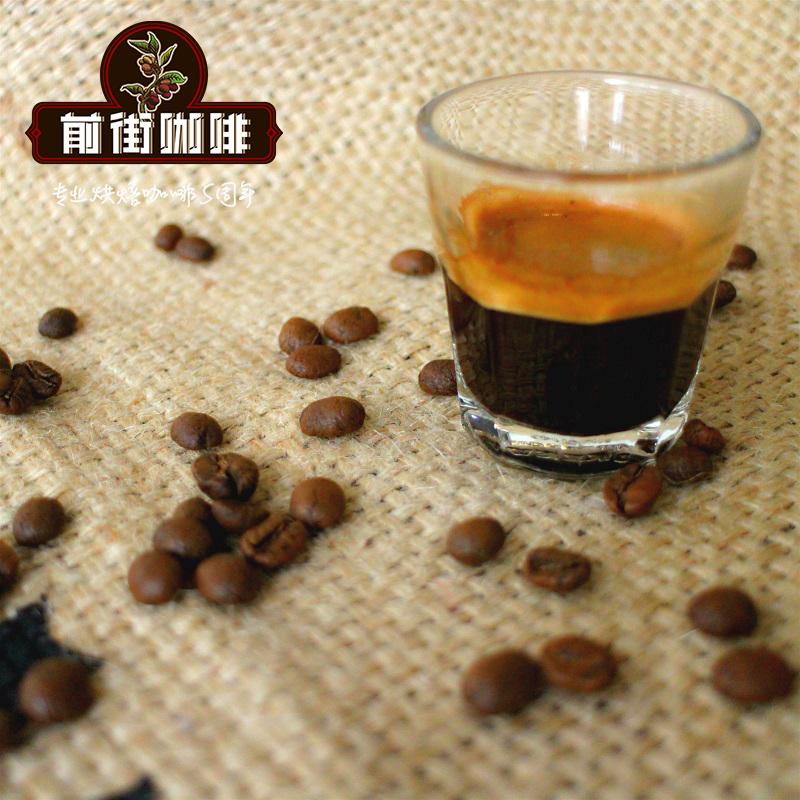
FrontStreet Coffee — Single-Origin vs. Espresso Blend vs. Specialty Coffee
Single-Origin Coffee
Single-origin coffee refers to beans from a single country or region — think of it as a solo performance.
If a bag of coffee is labeled with a coffee-producing country's name, it is generally single-origin. (Mainland Europe grows no coffee; if the label shows European city names such as Italy or Vienna, it is not single-origin.) Examples include Ethiopia Yirgacheffe, Sumatra Lake Tawar, and Guatemala Antigua — specific coffees from a particular country, region, or estate. Because each country and region has its own climate, soil, and natural environment, its coffee develops a character all its own, and tasting single-origin coffee is the best way to understand what a given origin can be.
Espresso Coffee
Espresso is made with an espresso machine, which uses pressure to force hot water through freshly ground coffee to extract its essence. Its defining trait is the very short preparation time, yielding an intensely aromatic drink with less caffeine than other brewing styles. And since espresso is the base for milk drinks, it has branched into remarkable variety: by adding milk in different proportions, you get cappuccino, latte, and a whole family of rich-tasting coffees.
In today's global market, espresso is the biggest mainstream of all. Italy's exquisite craftsmanship and romantic national character carried the espresso trend around the world, and espresso drinkers now account for more than half of the entire coffee market.
Blend Coffee
A blend mixes several single-origin coffees — the concerto to the solo's single origin. Blending can be as simple as the traditional "Mamba" (Mandheling plus Brazil), or it can be a complex art: blended thoughtfully, distinctive single origins create a harmony more wonderful than any part alone. The beans used for espresso drinks — espresso, latte, cappuccino — are usually blends.
Specialty Coffee
Only coffee scoring 80 points or above in cupping may be called specialty coffee. The SCAA and SCAE have since merged into the SCA, but the definition carried over unchanged: through comprehensive blind cupping, coffee scoring 80 or above is classified as specialty; anything below 80 is commercial grade.
FrontStreet Coffee Recommendation
FrontStreet offers five espresso blends in different styles, every bag shipped within five days of roasting so the flavors reach you intact. If you want to learn latte art at home, the FrontStreet Classic Blend is the one to pick: a medium-dark, three-origin recipe inspired by the old-school "Mamba" of Mandheling and Brazil, with a touch of Robusta added to boost aroma and crema — so even a beginner can pull an espresso with a golden crema at home. For drinkers tired of dark, bitter roasts who want an Americano or latte without the bitterness, the FrontStreet Strawberry Sugar Geisha Blend is the answer: a sweet-forward blend of single origins from three regions that carries rose florals in the cup, with grape, dried blueberry, sweet orange, and fruit-candy notes in both Americano and latte — a genuinely distinctive drink. And for a balanced everyday option, the FrontStreet Black Cocoa Blend pairs Yunnan washed small-bean with Brazil pulped-natural, combining nutty acidity like ripe plum with the aroma of creamy chocolate and cocoa cookies, an even flavor, and a golden-gloss crema — equally at home in a café or on your kitchen counter.
Important Notice :
FrontStreet Coffee is a long-established specialty coffee roaster in Guangzhou China, selling freshly roasted beans from its own farm in Yunnan as well as dozens of carefully selected single-origin beans from around the world for both pour-over and espresso. The products deliver consistently excellent quality and great value, with shipping within 24 hours. Guangzhou's FrontStreet Coffee shop is recommended by many coffee lovers, and the beans are now available online at the Tmall 。
FrontStreet Coffee has moved to a new address:
FrontStreet Coffee Address: 315,Donghua East Road,GuangZhou
Tel:020 38364473
 Scan and follow the En Gafei WeChat official account. Please indicate that the reprint comes from "En Gafei".
![[FrontStreet Coffee Bean Hunting] Natural Process Micro-Batch Kenya · Endebess Estate Special Report](https://en.gafei.com/uploads/allimg/190724/19-1ZH4123923202-lp.jpg)