Pour-Over Coffee Lacking Crema: Issues with Insufficient Crema in Pour-Over Coffee
Coffee lovers who drink espresso often know that a shot is topped with a layer of foam, and espresso is no exception. That layer of oil is usually called crema. So why does pour-over coffee have no crema? Aren't they both made from coffee beans? Could it be that espresso beans simply have richer oils? In this article, FrontStreet Coffee explains why pour-over coffee has no crema layer.
How is the crema on espresso produced?
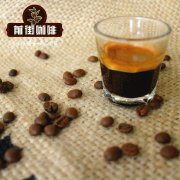
First we need to understand where the crema on the surface of espresso comes from. Generally, when FrontStreet Coffee uses a coffee machine to pull a shot, the grounds are ground extremely fine and extracted under pressure of up to 9 bar. As hot water passes through the coffee puck, the carbon dioxide in the grounds cannot escape because of the high pressure, and the water becomes supersaturated with it. The carbon dioxide cannot be released and dissolves straight into the coffee liquid. The pressure also forces the oils held in the coffee out of the puck, carried along by the hot water.
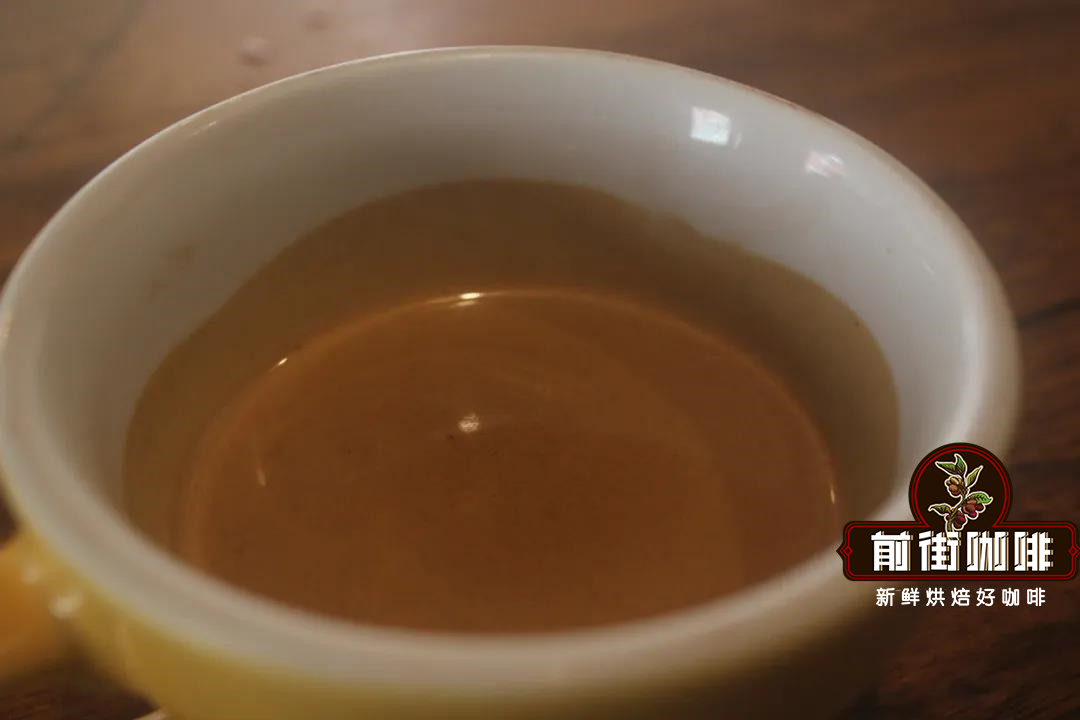
After extraction, when the coffee flows out of the machine and returns to normal atmospheric pressure, the carbon dioxide left in the liquid prepares to return to the air, but it meets the oils in the coffee. Those oils trap the carbon dioxide that is trying to escape, and that is how the crema layer forms. Put simply, the obvious crema we see on espresso comes from the emulsified oil foam produced by high-pressure extraction. Coffee oils on their own are not that visible, and when present they appear as a very thin transparent liquid floating on the surface.
Why can't we see a crema layer in pour-over coffee?
The main reasons pour-over has no crema are, first, that without high-pressure extraction the beans are hard to "squeeze" for much oil, and second, that the filter paper holds the oils back.
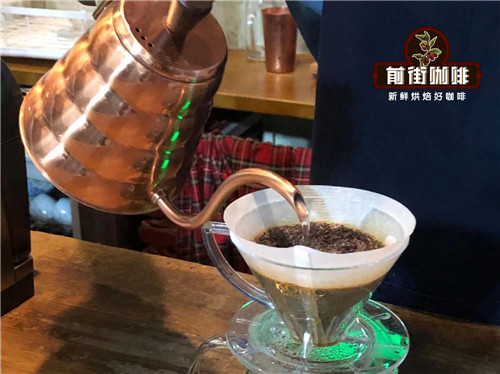
Because coffee filter paper has a tight structure, most colloids are blocked during brewing and only the smallest colloid molecules pass through. So the small amount of oil that pour-over could extract is largely gone after the water passes through the paper, and the coffee that finally reaches the server is naturally much cleaner. In espresso, the machine's powerful pressure extracts a large amount of colloids, which makes the oils richer, the taste fuller and the body more substantial.
How to preserve oils in pour-over coffee?
As FrontStreet Coffee noted above, most pour-over setups use a filter cup with filter paper, and because of that paper almost all pour-over coffee has no crema. But if you want to keep the oils in pour-over, are there workable methods? Of course there are. According to FrontStreet Coffee, besides paper there are actually two other filter materials on the market: metal filters and cloth filters.
Metal filters are shaped like filter paper and have many tiny holes to separate the grounds from the liquid, while cloth filters are represented by the well-known flannel filter cloth. Both keep a certain amount of coffee oil and can be reused. Their drawbacks are obvious too: because of the oil, they must be cleaned thoroughly several times after each use to make sure no residue is left, otherwise it will affect the taste of the next brew.
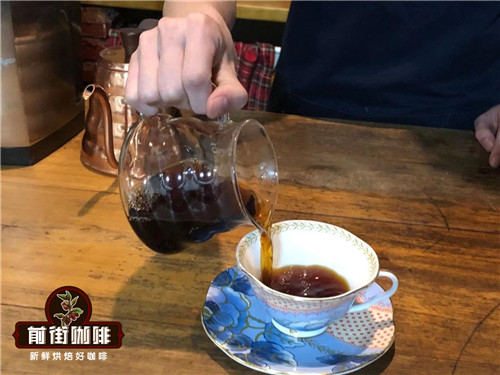
For that reason, FrontStreet Coffee still recommends filter paper for pour-over. Next, FrontStreet Coffee shares some correct methods for making coffee and some basic pour-over knowledge.
Basic knowledge of pour-over coffee
First, what do you need to prepare besides equipment for pour-over? FrontStreet Coffee has combined past pour-over experience and basic knowledge into the following seven elements, to help coffee lovers understand pour-over more intuitively.
1. Fresh coffee beans
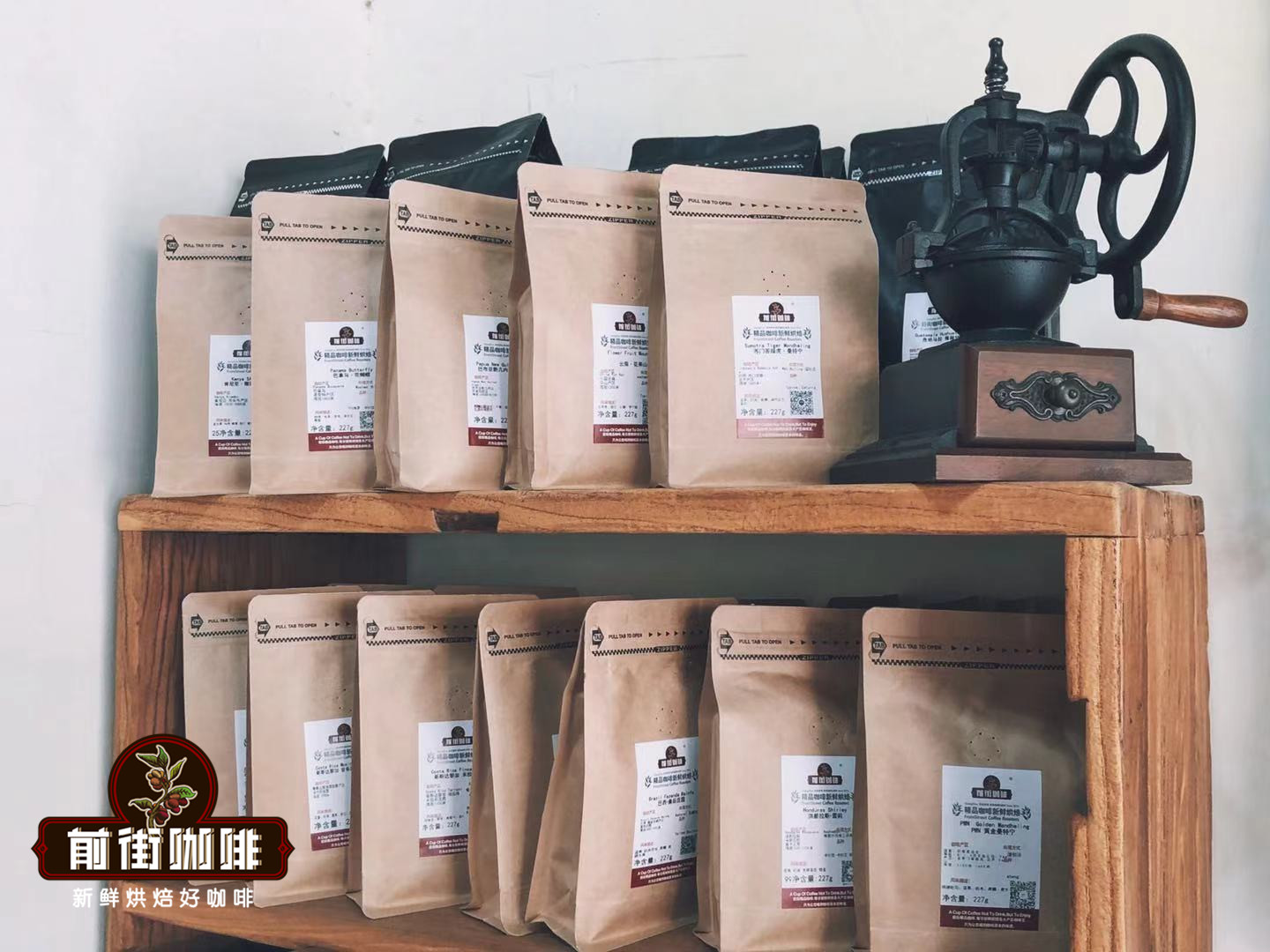
FrontStreet Coffee believes the optimal flavor period for coffee beans is 30 days. After 30 days, because aromatic molecules decrease along with the release of carbon dioxide, beans past their flavor period may taste bland and plain when brewed. This is also why FrontStreet Coffee always emphasizes using freshly roasted beans before sharing brewing knowledge.
2. Grind size standard for pour-over coffee
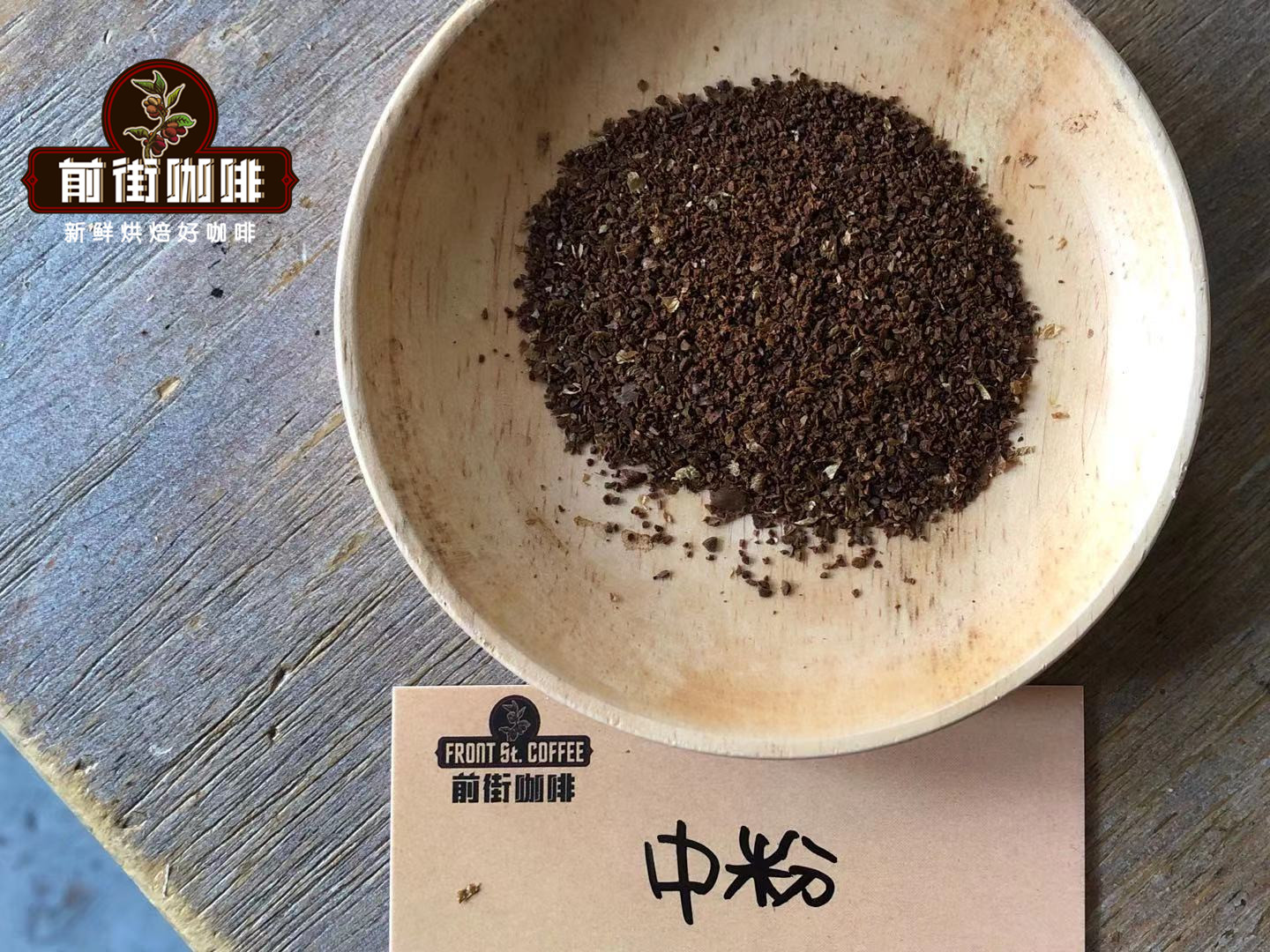
To make sure every type of bean has the most suitable grind, FrontStreet Coffee recommends purchasing a No. 20 cupping calibration sieve with a mesh diameter of 0.85 mm. Weigh out 10 g of beans, set an approximate grind size, grind them, then pour the powder into the sieve and sift. Weigh the powder that passes through, making sure to sift until nothing more passes. If the pass rate is 80%, that is, 10 g of powder sifts out 8 g, that is the most suitable grind for light-to-medium roast beans. If the pass rate is 70%-75%, that is, 10 g sifts out 7-7.5 g, that suits medium-to-dark roasts. If the pass rate is above the suitable range, adjust coarser; if it falls short, adjust finer.
3. Brewing water temperature
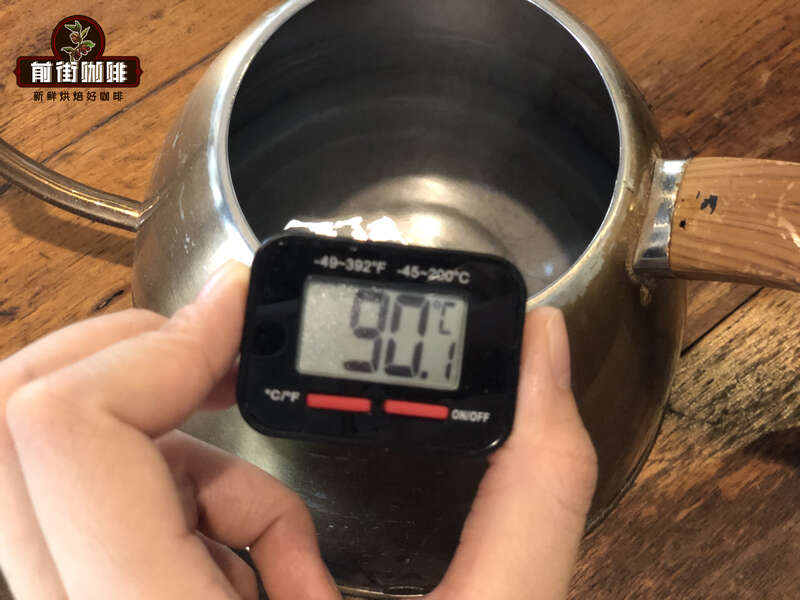
FrontStreet Coffee also chooses different water temperatures for beans of different roast levels. During roasting, the substances in the beans are lost as the roast deepens, so to avoid extracting too many undesirable flavors from dark roast beans we lower the temperature. For light-to-medium roasts, FrontStreet Coffee recommends 90-91C. For medium-to-dark roasts, we recommend 87-89C.
4. Water quality
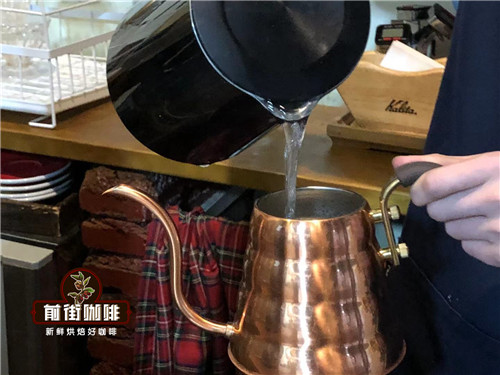
The mineral components in water, mineral ions such as calcium, magnesium, sodium and potassium, affect coffee's thermodynamic extraction ability and therefore change its flavor. FrontStreet Coffee does not recommend brewing with directly heated tap water. Tap water carries many impurities, and the resulting coffee easily picks up an unpleasant taste.
5. Choice of brewing filter cup
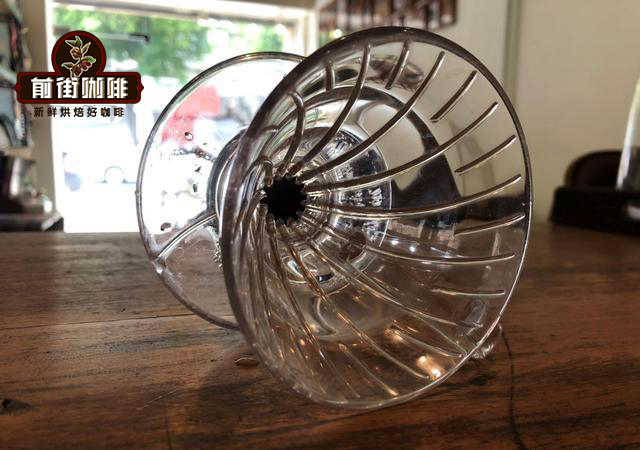
FrontStreet Coffee recommends beginners choose the V60 01 size filter cup. The V60 conical cup has a large opening, and its distinctive spiral rib design lets air escape more easily, which improves extraction quality. The body may not be rich enough, but a high concentration that brings out acidity and sweetness with a distinct aroma is its major characteristic.
6. Coffee-to-water ratio
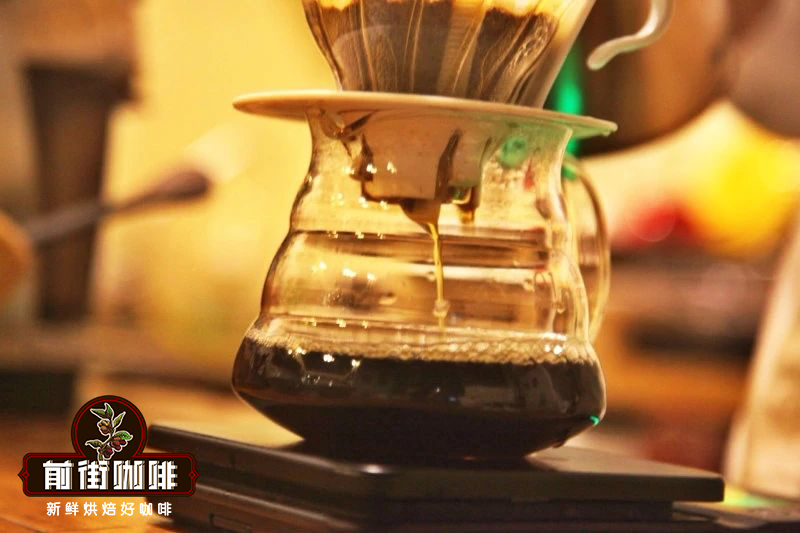
This is based on the SCA Golden Cup extraction theory's pour-over water-to-coffee ratio parameters and the taste differences they produce:
[Bold Flavor] 1:10-1:11 (equivalent to Golden Cup standard's 1:12.5-1:13.5)
[Medium Flavor] 1:12-1:13 (equivalent to Golden Cup standard's 1:14.5-1:15.5)
[Light Flavor] 1:14-1:16 (equivalent to Golden Cup standard's 1:16.5-1:18.5)
A coffee-to-water ratio of 1:14.5-1:15.5 most easily reaches the golden range of 18%-22% extraction and 1.15%-1.35% concentration.
This is also why FrontStreet Coffee has always recommended a 1:15 brewing ratio. From the SCA parameters above, FrontStreet Coffee summarizes the following:
(1) The larger the coffee-to-water ratio, the lighter the coffee flavor; the smaller the ratio, the stronger the flavor.
(2) Adding water to raise the ratio draws out more flavor compounds but results in a lighter taste; reducing water to lower the ratio draws out fewer compounds but gives a richer taste.
(3) Increasing the dose to lower the ratio reduces the extraction of large-molecule substances in the later stages while making the flavor stronger; reducing the dose to raise the ratio extracts more complete flavor compounds before reaching the limit, while reducing flavor intensity.
7. Brewing time
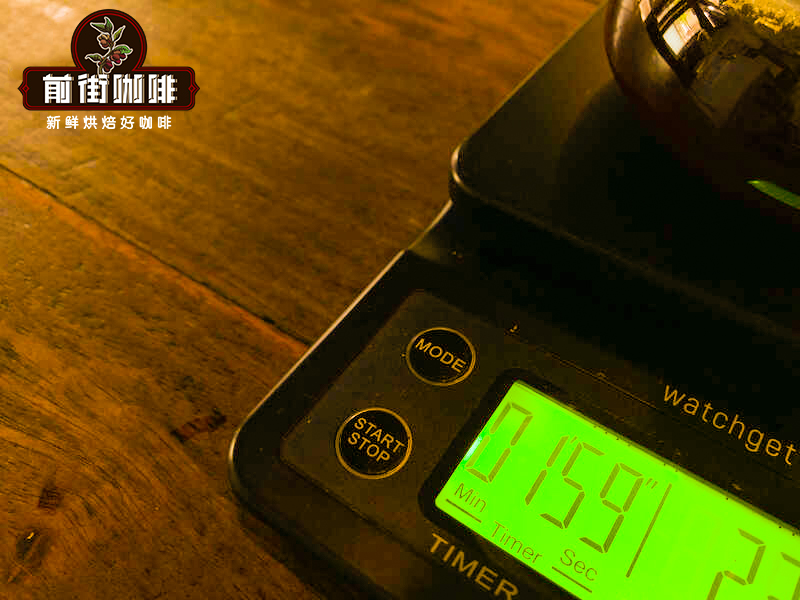
In coffee extraction, the early aroma and flavor are strong and the concentration is high. As extraction proceeds, taste and aroma gradually fade. The amount of water poured also affects extraction time. FrontStreet Coffee generally uses 15 grams of coffee, and depending on the bean, with a 1:15 ratio the brewing time falls within 2 minutes to 2 minutes 30 seconds, which makes over-extraction or under-extraction less likely.
Basic knowledge of pour-over coffee - Pour-over coffee brewing techniques
Next, let's talk about pouring technique. Coffee shops show off various methods today, the common ones being three-stage pour, single pour and drip-by-drip. Here FrontStreet Coffee recommends beginners use the three-stage pour, because it suits light, light-to-medium and medium roast beans. Breaking extraction into three stages clearly separates the front, middle and back-end flavors and better protects the flavor presentation of the coffee.
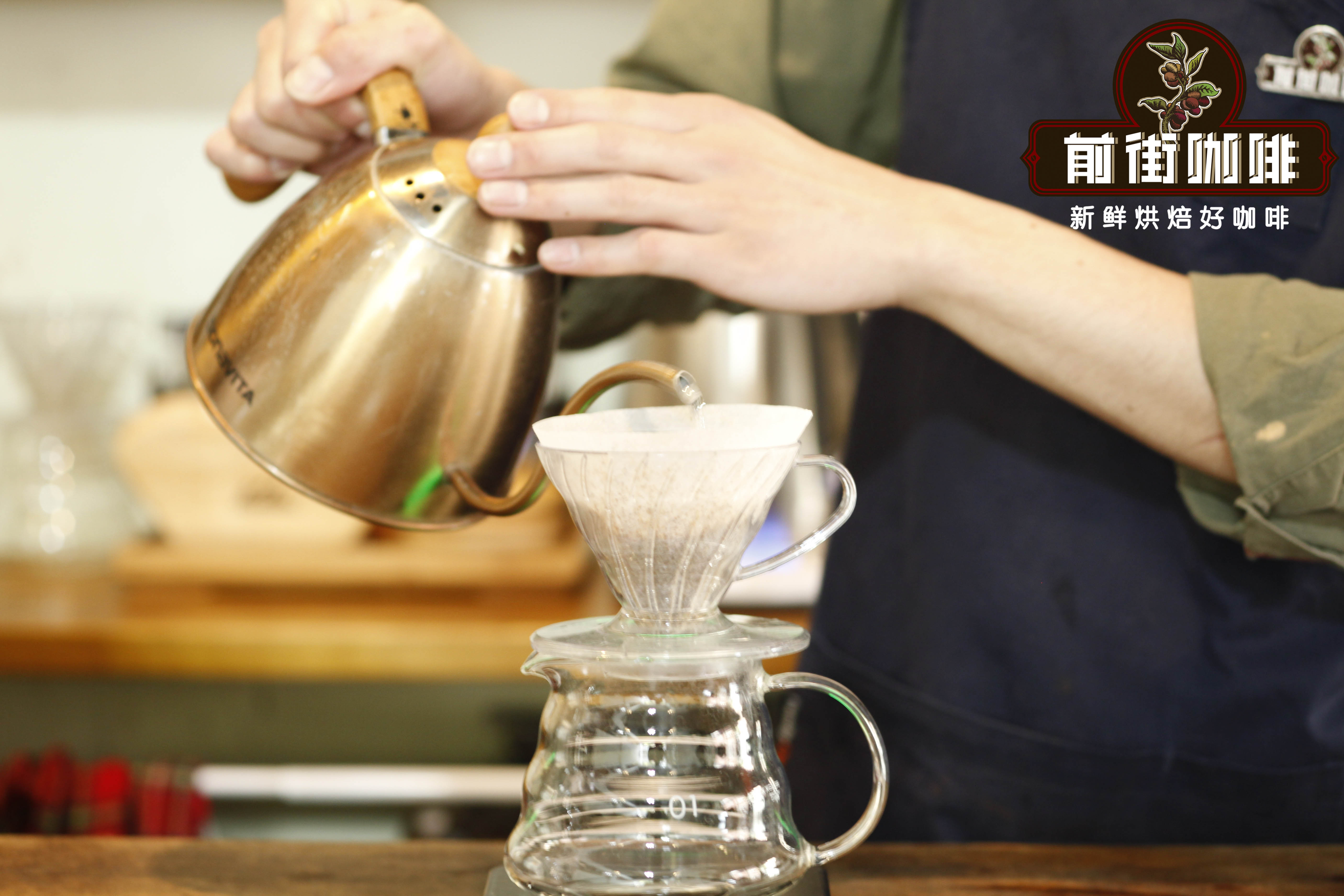
As FrontStreet Coffee noted above, the brewer must pour steadily to extract coffee liquid from the grounds with water at the right temperature and volume. Pour-over can be called an art. Making a dish, for example, needs not only fresh ingredients but attention to heat and the chef's skill, and pour-over is no exception. Next, FrontStreet Coffee will teach the three-stage pour.
Coffee brewing method - Three-stage pour technique:
First pour: Bloom (helps release gas)
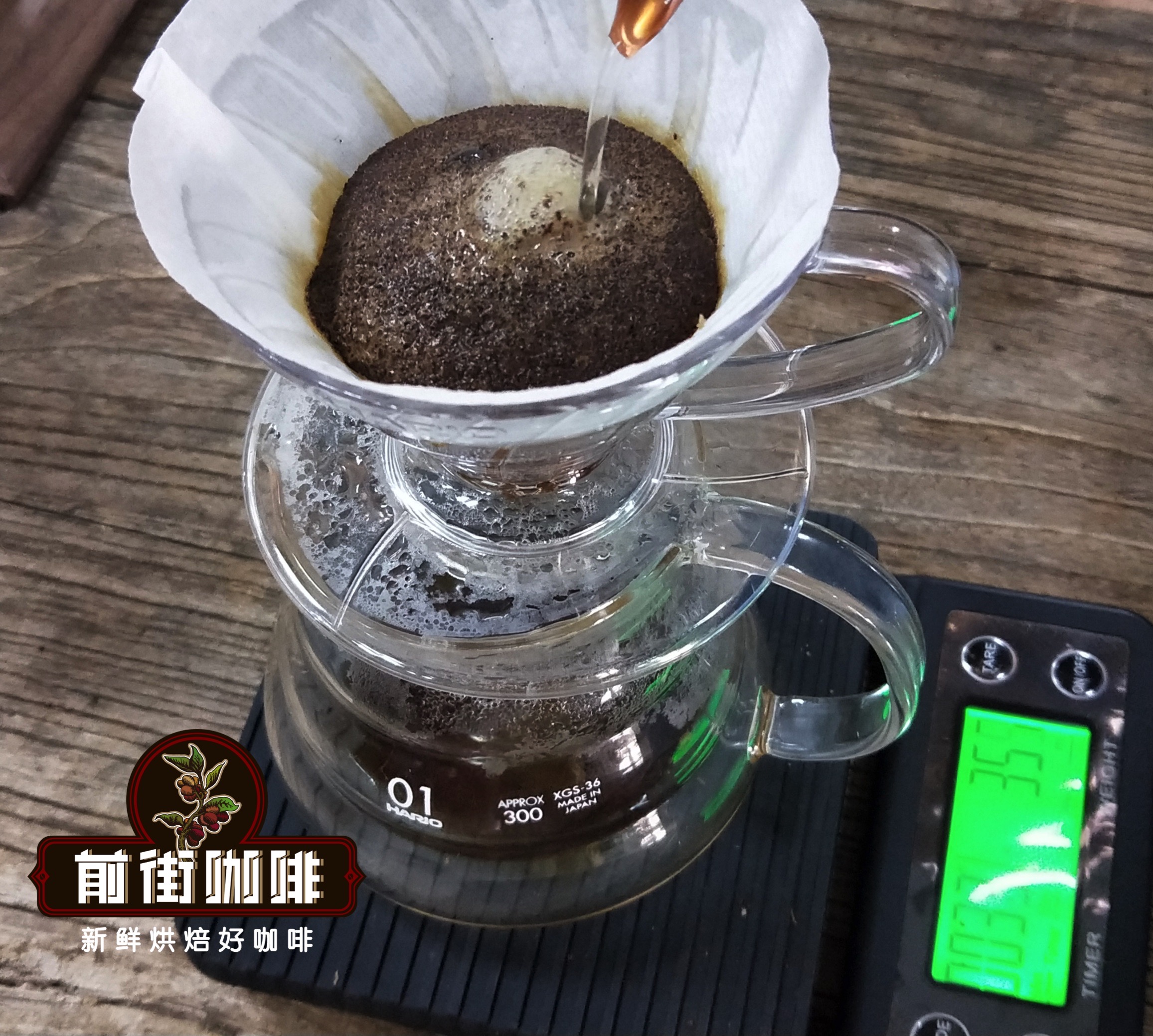
Many coffee lovers do not understand the point of blooming. The reason for it is that beans go through a series of chemical reactions and physical changes during roasting, from green to roasted, and after reaching a certain roast level they accumulate a large amount of gas, mostly carbon dioxide.
Generally, the fresher the beans and the closer to roasting, the more bubbles during blooming. Dark roast beans also release more gas during the bloom than light roasts. FrontStreet Coffee's beans are all freshly roasted, so we generally recommend customers let them rest for three days first, letting the beans release carbon dioxide to avoid instability and under-extraction during brewing.
Once blooming releases the gas, coffee particles can absorb water evenly, allowing more uniform extraction later. A good bloom releases gas quickly, fully and evenly while also letting the particles contact water quickly, which helps them extract evenly. These are the purpose and the meaning of blooming in pour-over.
Second pour
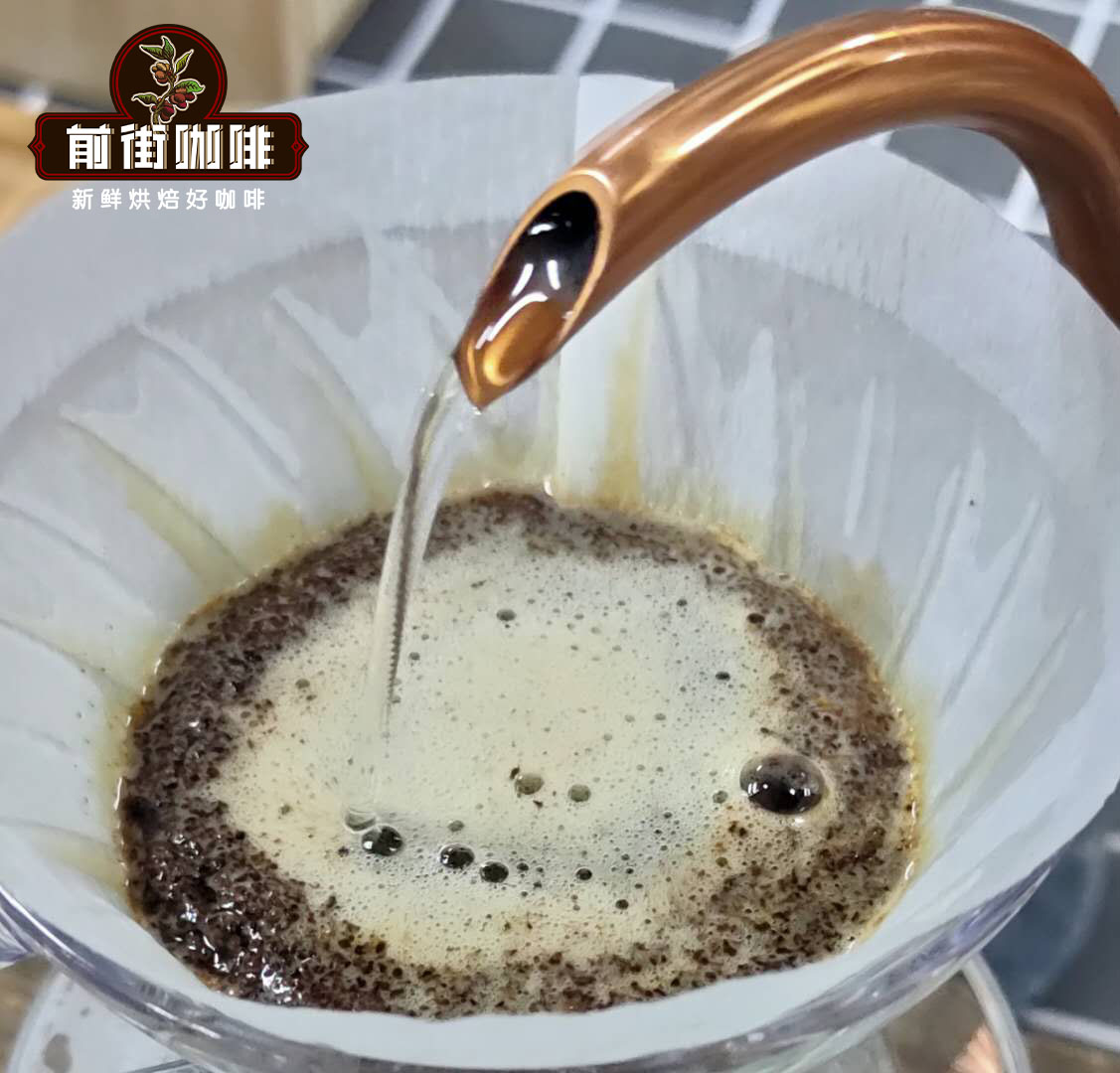
The second pour starts from the center, injecting into the bottom of the coffee bed with a small stream. To concentrate the penetrating power of the water, the circular motion should be small, about the size of a coin, then move outward. From the second pour on, watch the water level and try not to exceed the height of the coffee bed. That is, once the stream nears the filter paper, you can stop pouring.
Third pour
As the thicker layer of grounds at the edge of the filter paper becomes heavier from absorbed water, it slides down and thins as the water level drops. When the level falls halfway, you can perform the third pour.
From the third pour on, watch how far the water level drops. Again start from the center and pour in circles, with the amount not exceeding the height of the bed. At this point you will also see foam filling the surface. The third pour should increase the tumbling of the coffee particles, so that all the settled particles roll and their soluble substances dissolve.
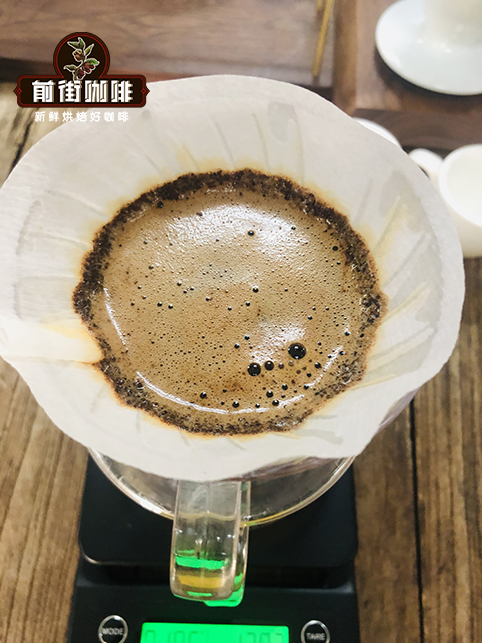
The tumbling particles begin to settle once water addition stops. At that point the flow caused by the dropping water level creates friction between particles, so as soon as addition stops the coffee particles sink and can cause blockage. Pay special attention to the rhythm of pouring. Too many pauses in the pour amount to letting the particles soak in water continuously, which leads to astringency and undesirable flavors in the later stages of extraction.
The above is what FrontStreet Coffee has organized on how to brew pour-over coffee. We hope it helps coffee lovers who already have their equipment and want to show off their skills at home.
FrontStreet Coffee Recommendation
Once your pour-over technique is dialed in, the bean matters just as much. FrontStreet Coffee's Yirgacheffe Gedingin is an ideal training partner: as many drinkers' first specialty bean, it brings clear citrus, berry and floral notes with a green-tea-like finish. A good Yirgacheffe's acidity is soft and bright, more like the sweet-tartness of fruit than a sharp bite, so it is very easy to accept when you are still learning.
If you want something bolder, FrontStreet Coffee's Ethiopian Huakui is one of the most successful star products of recent years. Its tropical fruit aroma is extremely prominent, often showing strawberry, passion fruit, jackfruit and even lychee, with clear sweetness and very little bitterness.
For either bean, a V60 with a 1:15 ratio works well: 15 g of coffee to 225 g of water, water at 90-91C for light-to-medium roasts, and a three-stage pour so you can taste how the front, middle and back-end flavors change.
Important Notice :
FrontStreet Coffee is a long-established specialty coffee roaster in Guangzhou China, selling freshly roasted beans from its own farm in Yunnan as well as dozens of carefully selected single-origin beans from around the world for both pour-over and espresso. The products deliver consistently excellent quality and great value, with shipping within 24 hours. Guangzhou's FrontStreet Coffee shop is recommended by many coffee lovers, and the beans are now available online at the Tmall 。
FrontStreet Coffee has moved to a new address:
FrontStreet Coffee Address: 315,Donghua East Road,GuangZhou
Tel:020 38364473
 Scan and follow the En Gafei WeChat official account. Please indicate that the reprint comes from "En Gafei".