Differences Between Light, Medium, and Dark Roast Coffee Beans - Detailed Guide to Specialty Coffee Roasting Levels
For professional coffee knowledge exchange and more coffee bean information, visit FrontStreet Coffee.
When novice coffee enthusiasts ask FrontStreet Coffee for bean recommendations, FrontStreet Coffee typically recommends based on acidity, sweetness, and bitterness. For those who prefer more pronounced acidity, FrontStreet Coffee recommends African beans. For a more balanced mouthfeel with noticeable sweetness, Latin American beans are recommended. For rich, mellow flavors, Asian beans are the best choice. None of this means coffee flavor depends entirely on origin, though, because the roast level also greatly influences the cup. In this article, FrontStreet Coffee explains how coffee roast levels affect flavor.
Factors Affecting Coffee Bean Flavor
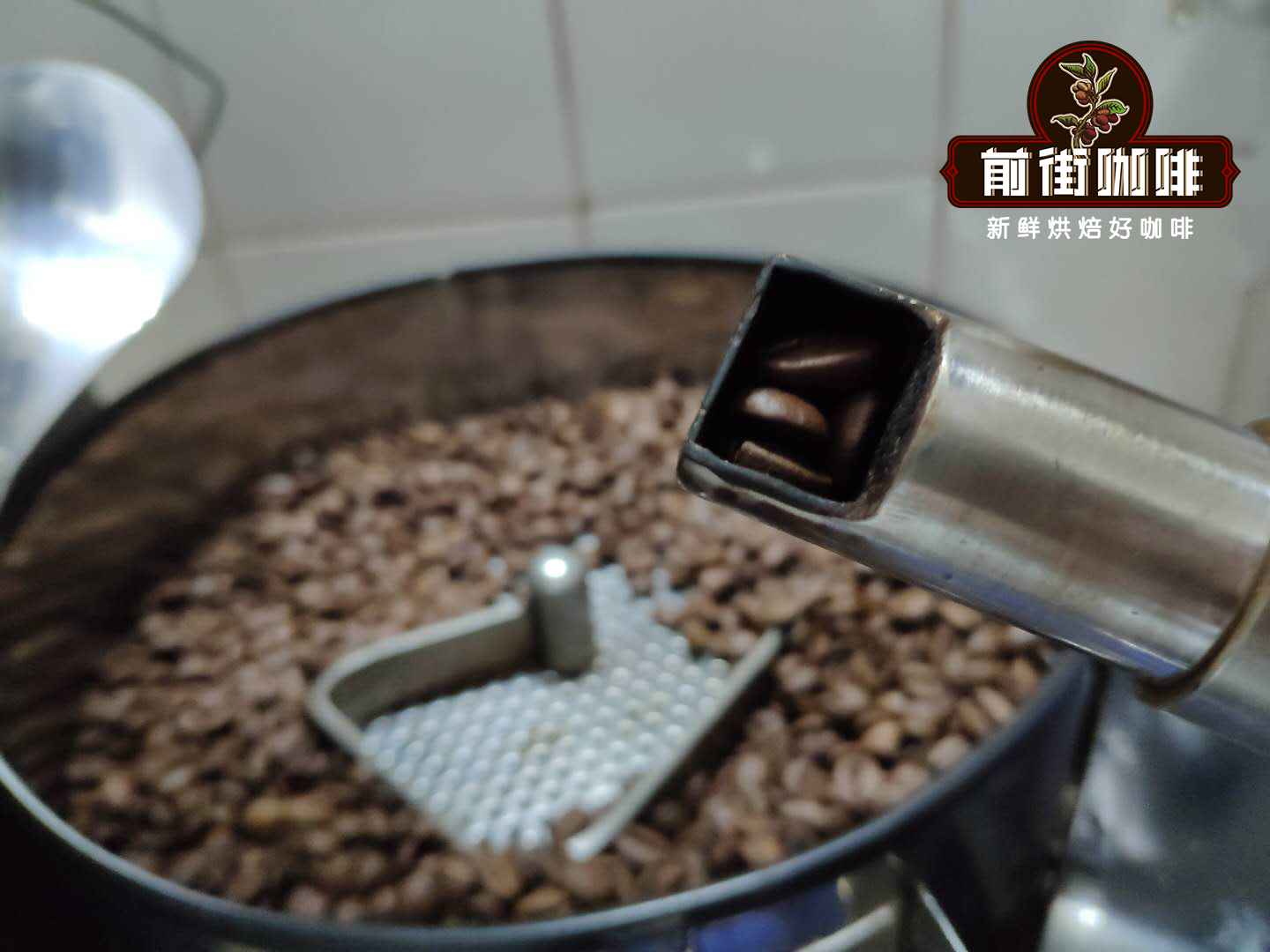
As mentioned in previous FrontStreet Coffee articles, the flavor of coffee beans is mainly determined by origin, variety, and processing method. These only set the potential for a good flavor when the beans are brewed by hand, however. Roasting is what maximizes that potential, and poor roasting can ruin good green coffee. Roasting can therefore be described as the finishing touch for green coffee beans.
Think of preparing a fine dish: the quality of the ingredients depends on their growing environment, variety, and whether fertilizers and pesticides were used. Those merely lay the foundation for a delicious dish, and it is the chef's skill that truly brings out the most fragrant aromas. Coffee is no exception. As an agricultural product, high-quality coffee beans will present even more delightful aromas when they are properly roasted.
Why Do Coffee Beans Need to Be Roasted?
As FrontStreet Coffee mentioned above, coffee beans are originally just the seeds of coffee cherries, which become green coffee beans after processing. Only after roasting can the flavors inside the beans be awakened, and different roast levels bring out different flavors.
So why do green coffee beans present flavor after high-temperature roasting? It is because chemical changes occur during roasting. Here is what takes place.
Maillard Reaction
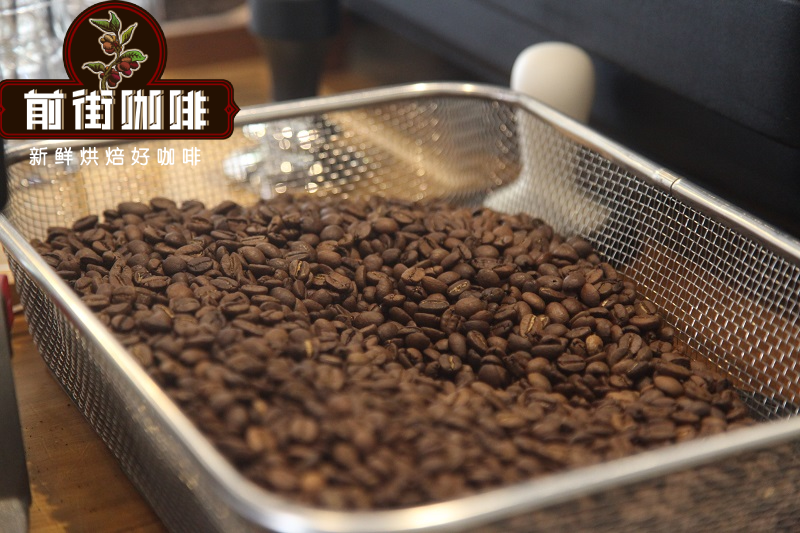
This reaction occurs at approximately 150°C, when the coffee beans are still absorbing heat and continue to release heat during roasting. Heat causes reactions between carbohydrates and amino acids in the beans, leading to changes in color, taste, and nutritional components.
The color change comes mainly from the production of melanoidins. These numerous substances not only turn the coffee beans brown but also affect the coffee's texture and body.
Small variations in temperature and time during the Maillard stage can significantly impact the final flavor.
Coffee that spends a longer time in the Maillard reaction increases in viscosity, while a shorter Maillard reaction produces more sweetness and acidity, because when the Maillard reaction runs too long, the fruit acids and the acids that would convert to sweetness are destroyed.
When FrontStreet Coffee's roasters experiment with roasting coffee beans, they also vary the duration and intensity of the Maillard reaction and record how those changes affect the final flavor.
Caramelization Reaction
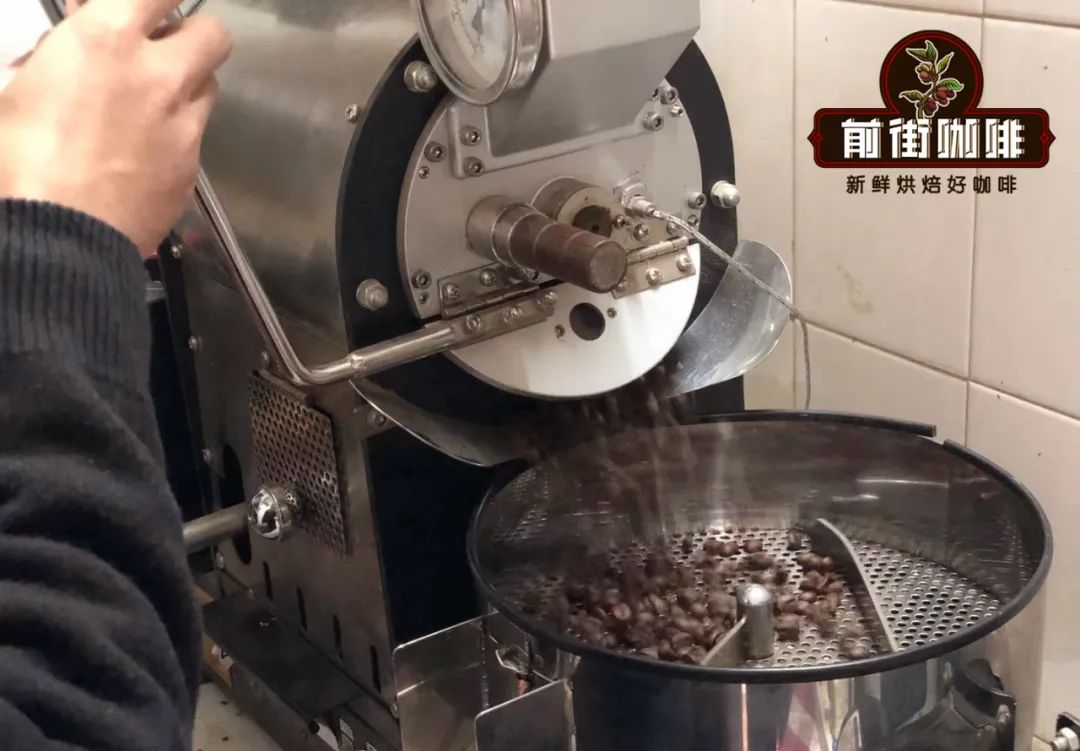
When heated to approximately 170°C, heat causes complex carbohydrates to break down into smaller sugar molecules that can dissolve in water, which means the final brewed coffee will have increased sweetness.
This reaction continues throughout the roasting process and also contributes to sweet aromas in coffee, such as caramel and almond notes.
Through the Maillard reaction and caramelization, you can now see how roasting reactions affect the flavor of a cup of coffee. It is often said that among the factors affecting a cup of coffee, green coffee beans account for 70%, roasting level 20%, and brewing 10%.
Coffee beans have to pass through the high-temperature environment of roasting to gain such intense aromas and a rich taste. As roasting time and temperature vary, the same coffee beans can present diverse and varied profiles.
What Is Roast Level?
So what is roast level? Coffee roast levels are described in American terminology as light roast, medium roast, and dark roast, which can be broken down further into 8 stages. Different regions view the differences between roast levels differently. Below is a brief introduction to coffee roast levels and their flavors.
1. Light Roast: Very Light Roast
Drop time: Around the beginning of first crack
Flavor: The bean surface appears light cinnamon-colored, with strong grassy flavors and insufficient taste and aroma. Generally used for testing, rarely for drinking.
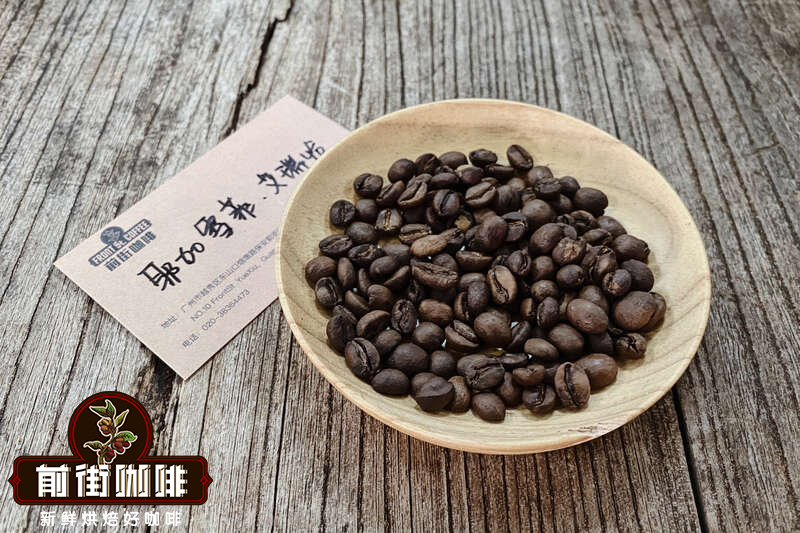
Light roast Yirgacheffe coffee beans
2. Cinnamon Roast: Light Roast
Drop time: From the beginning of first crack to when it becomes frequent
Flavor: The bean surface appears cinnamon-colored. At this point the grassy flavor has been eliminated, with strong acidity and slight aroma. Often used for brewing American coffee.
3. Medium Roast: Medium-Light Roast
Drop time: From frequent first crack to the end of first crack
Flavor: The bean surface appears chestnut-colored, with a light taste, acidity with bitterness, moderate aroma, and the original flavor of the beans preserved. Often used for American coffee or blended coffee.
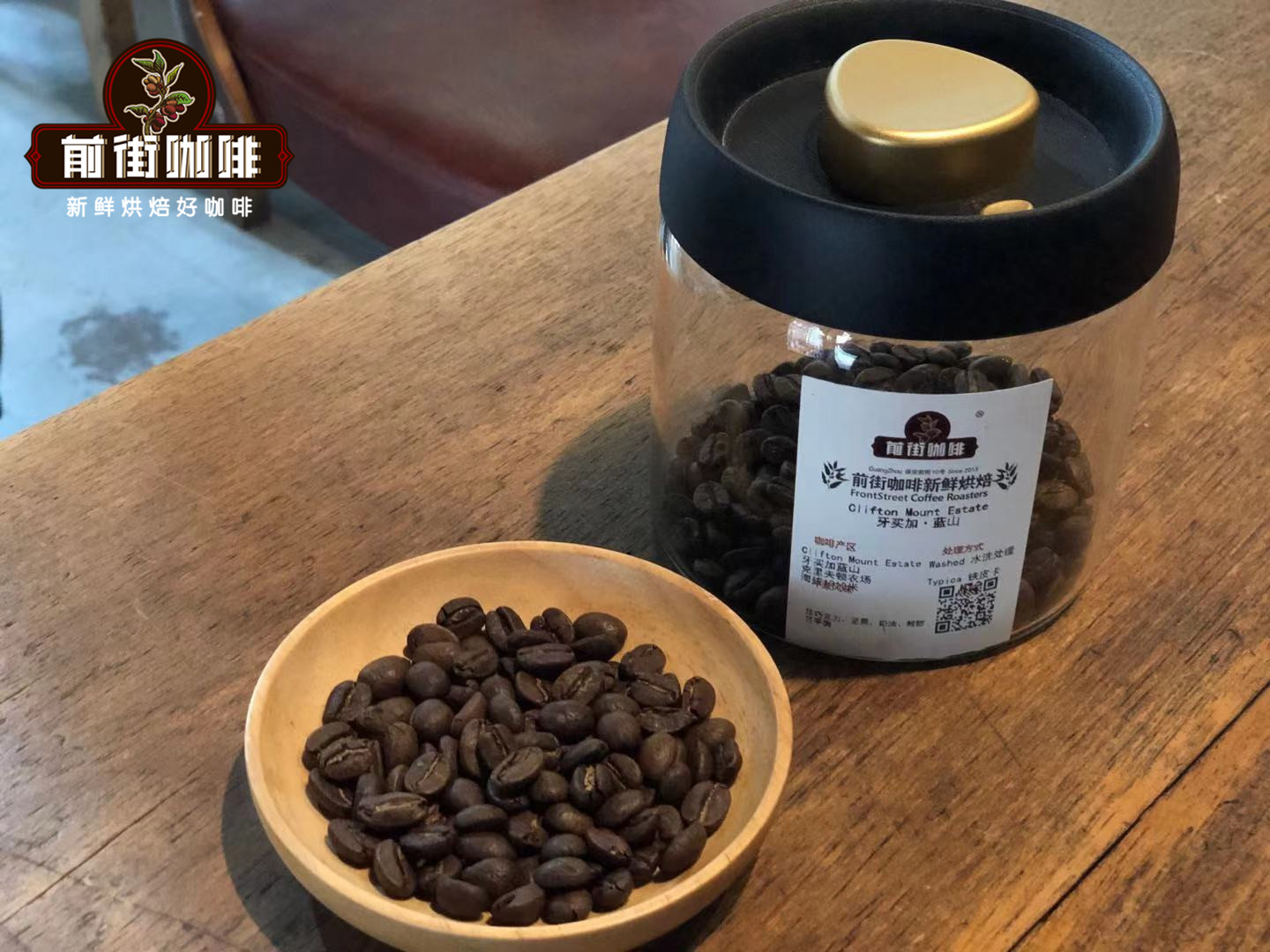
Dark roast Blue Mountain coffee beans
4. High Roast: Medium-Dark Roast
Drop time: End of first crack
Flavor: The bean surface appears light reddish-brown, with a refreshing and rich taste, balanced acidity and bitterness without being harsh, and a slightly sweet note. Both aroma and flavor are excellent. Blue Mountain and Kilimanjaro coffees are suitable for this roast level, favored by Japanese and Northern European drinkers.
5. City Roast: Medium-Dark Roast
Drop time: After first crack, between first and second crack
Flavor: The bean surface appears light brown, with a bright and lively taste, balanced acidity and bitterness with lighter acidity, releasing the fine flavors in coffee. This is the standard roast level and the most popular among the public. Brazilian and Colombian coffees are suitable here, often used for French coffee.
6. Full City Roast: Dark Roast
Drop time: Second crack
Flavor: The bean surface appears brown, with a stable and full taste, stronger bitterness than acidity, a sweet aftertaste, and full aroma. This is the Central and South American roasting method, often used for iced coffee and black coffee.
7. French Roast: Very Dark Roast
Drop time: From frequent second crack to the end of second crack
Flavor: The bean surface appears dark brown with black tones, with a strong and intense taste, stronger bitterness, a light acidity that is almost imperceptible, and rich chocolate and smoky aromas. Popular in Europe, especially France, and often used for cafe au lait and Vienna coffee.
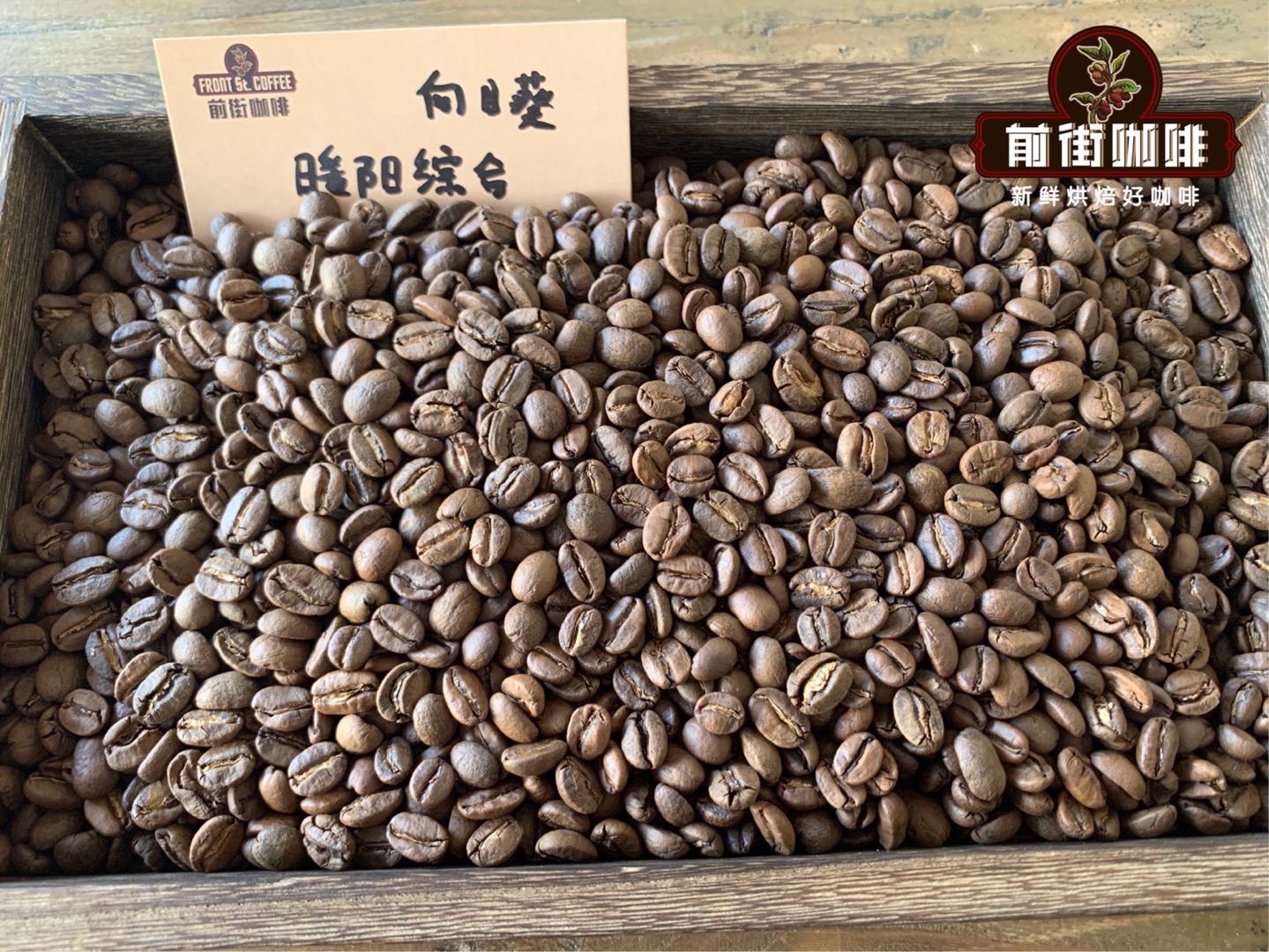
Italian roast coffee beans
8. Italian Roast: Very Dark Roast
Drop time: From the end of second crack to when the bean surface turns black and oily
Flavor: The bean surface appears black with an oily sheen, just before the coffee bean fibers carbonize, with a strong and complex taste, powerful bitterness, and rich roasted and burnt aromas. Mainly popular in Latin countries and Italy, often used for espresso.
The above is FrontStreet Coffee's compilation of coffee roast levels. Coffee enthusiasts often ask FrontStreet Coffee whether medium roast or dark roast coffee beans taste better, and what roast level is better for home pour-over coffee that is both easy to brew and delicious. FrontStreet Coffee's store focuses mainly on medium-light and medium-dark roast beans. Below, FrontStreet Coffee shares some typical and common medium-light and medium-dark roast beans and their flavor characteristics.
Do Medium Roast Coffee Beans or Dark Roast Coffee Beans Taste Better?
In fact, both medium roast and dark roast coffee beans can taste delicious. It mainly depends on personal preference. As FrontStreet Coffee mentioned above, medium-light roast beans have more pronounced acidity and obvious taste variations, while medium-dark roast beans have a rich and smooth mouthfeel. Regardless of roast level, as long as it suits your preference, it is good coffee, and there is no rule that one is better than the other.
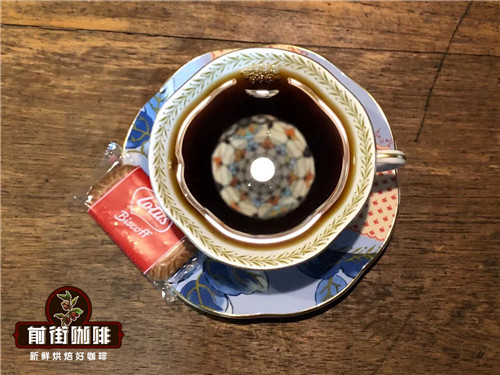
Medium-Light Roast Coffee Beans - Yirgacheffe Coffee Beans
Next, FrontStreet Coffee shares medium-light roast Yirgacheffe coffee beans. At the beginning of the article, FrontStreet Coffee mentioned that African beans have good acidity and a refreshing taste, making them suitable for medium-light roasting to highlight their bright acidity. Ethiopian Yirgacheffe beans are especially representative.
FrontStreet Coffee Yirgacheffe Gedeb coffee beans
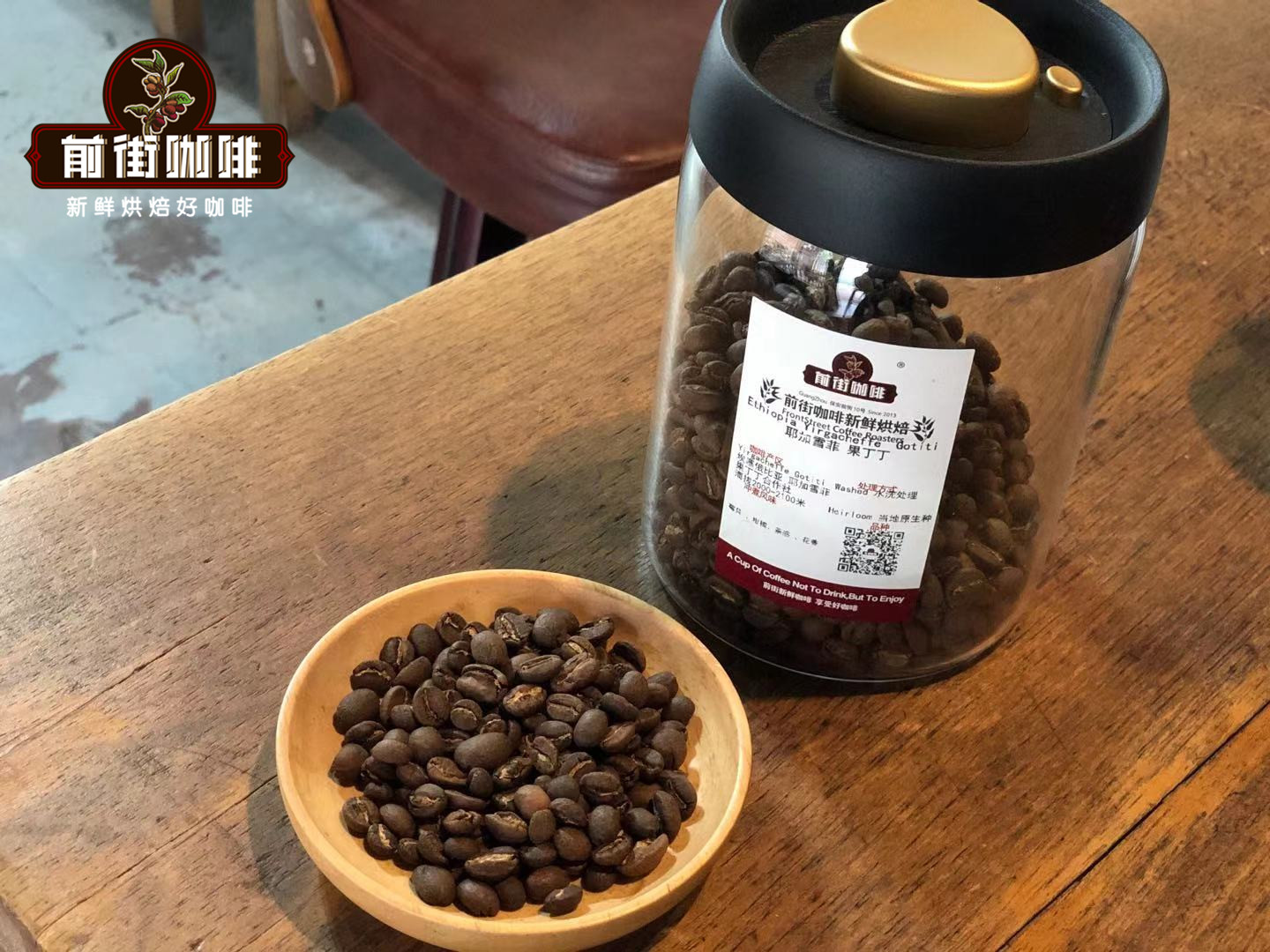
Country: Ethiopia
Region: Yirgacheffe
Altitude: 1900-2300m
Variety: Local heirloom varieties
Processing: Washed
Flavor: Tropical fruits, cream, honey, berries, citrus
The Gedeb cooperative was originally part of the Worka cooperative under the Yirgacheffe Union YCFCU, becoming independent as the Gedeb cooperative in 2012. It currently has about 300+ small farmer members. Because Gedeb village was one of the first village areas to be established independently, and many small farmers were originally members of the Worka cooperative, their coffee production skills are excellent, and the beans they produce naturally have excellent flavor.
FrontStreet Coffee Ethiopian Yirgacheffe Natural Red Cherry coffee beans
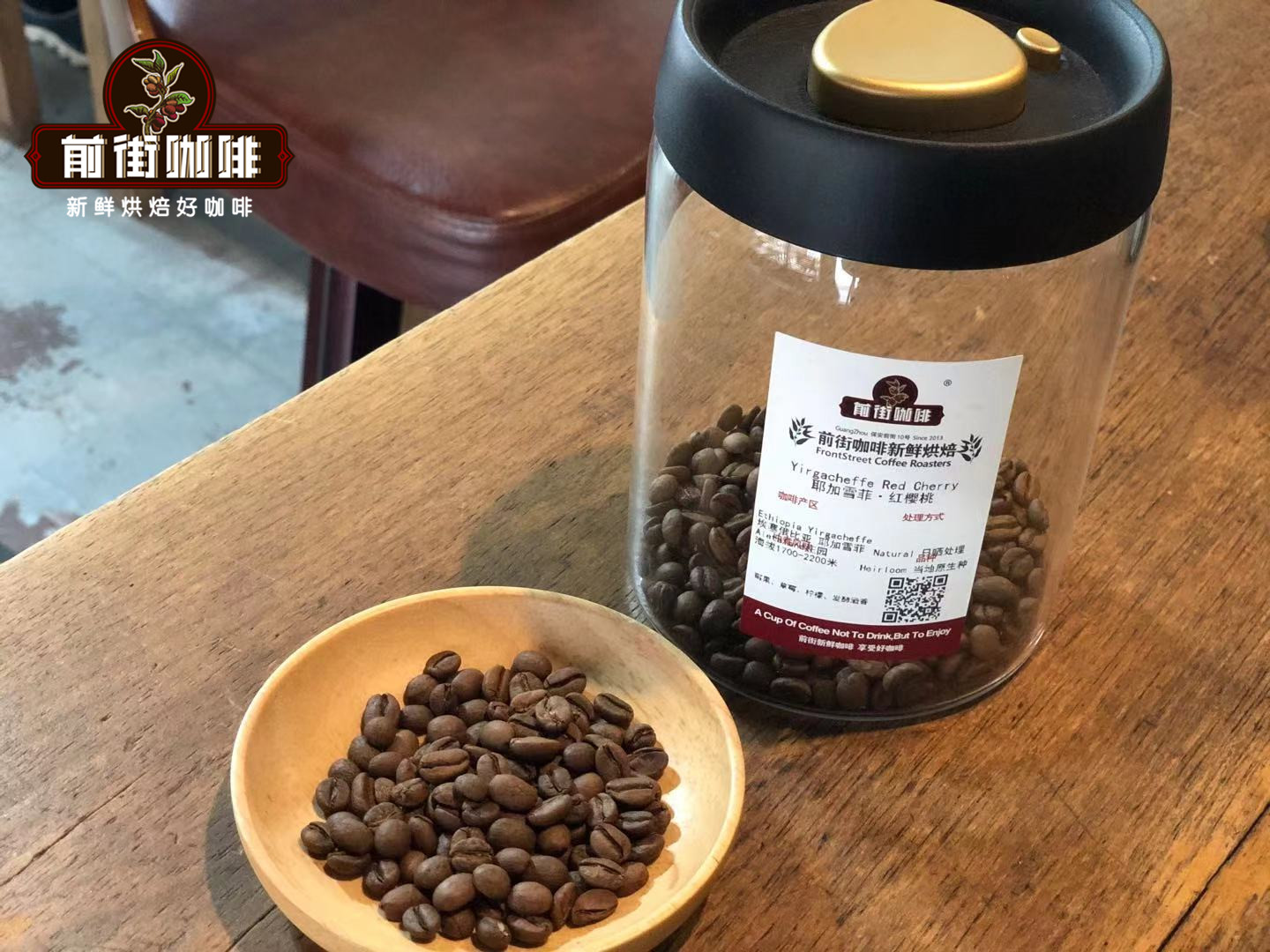
Country: Ethiopia
Region: Yirgacheffe
Altitude: 2300m
Variety: Local heirloom varieties
Processing: Natural
Flavor: Berries, lemon, strawberry, fermented wine aroma
FrontStreet Coffee's natural Red Cherry coffee beans are made from 100% ripe coffee beans using natural processing, so they have abundant aroma, rich sweetness, and fermented characteristics.
The origin of this coffee comes from the "Red Cherry Project" jointly initiated by local Ethiopian coffee farmers and the Dutch trader Trabocca. The project aims to improve the quality of coffee from small-scale farms and increase farmers' income. Harvesting fully ripe cherries requires not only picking fully red, high-maturity fruit but also doing so entirely by hand, and these are only the most basic requirements. There are also corresponding requirements for the processing method.
Dark Roast Coffee Beans - Mandheling Coffee Beans
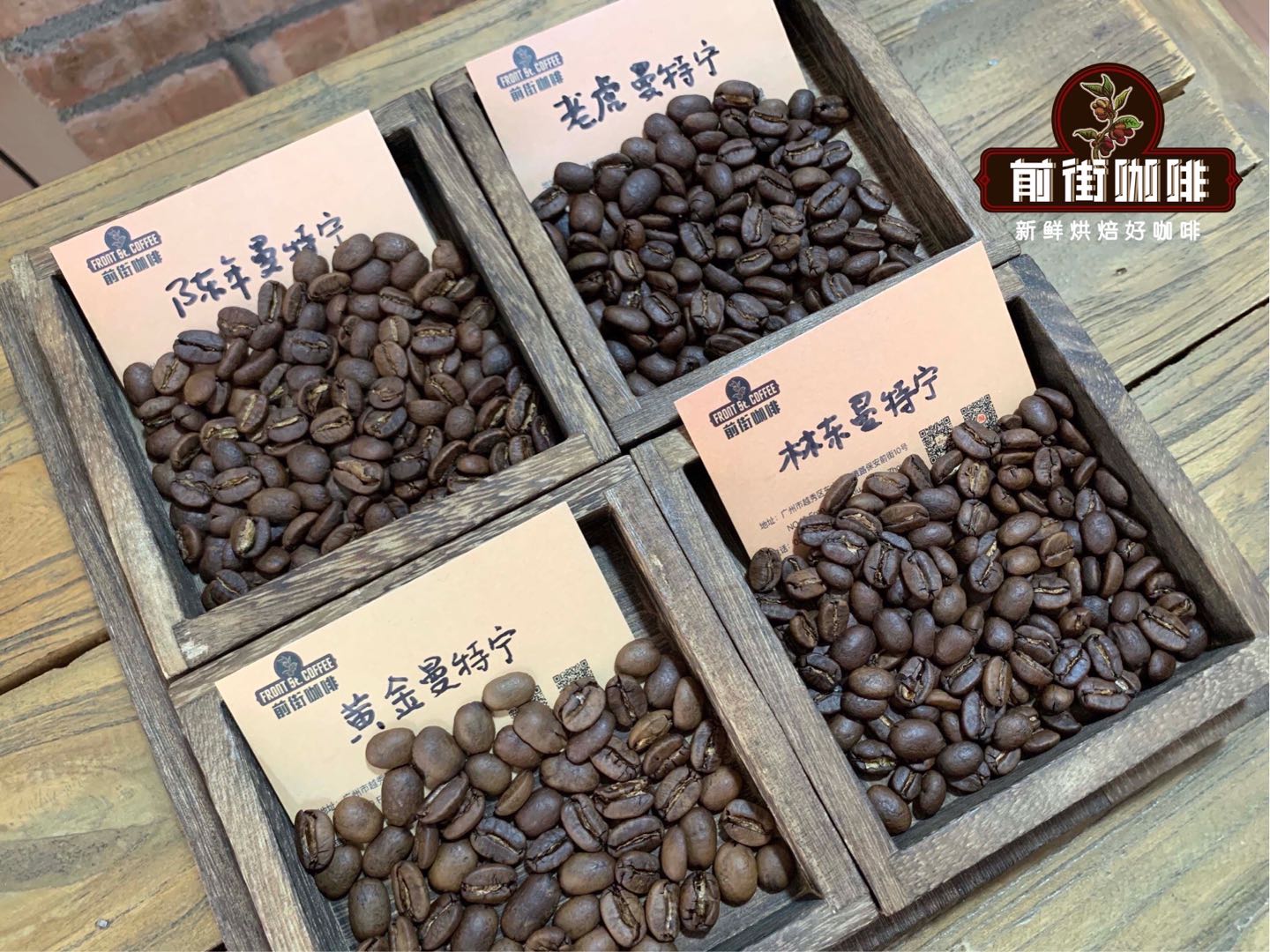
A typical dark roast coffee bean at FrontStreet Coffee's store is Indonesian Mandheling. Its basic regional flavors are spices and herbs, with a rich and smooth mouthfeel. Dark roasting therefore better highlights the basic flavors of Mandheling. A light roast would weaken its original flavors and lose the soul of Indonesian Mandheling. Next, FrontStreet Coffee introduces some dark roast Indonesian Mandheling coffees.
FrontStreet Coffee PWN Gold Mandheling coffee beans
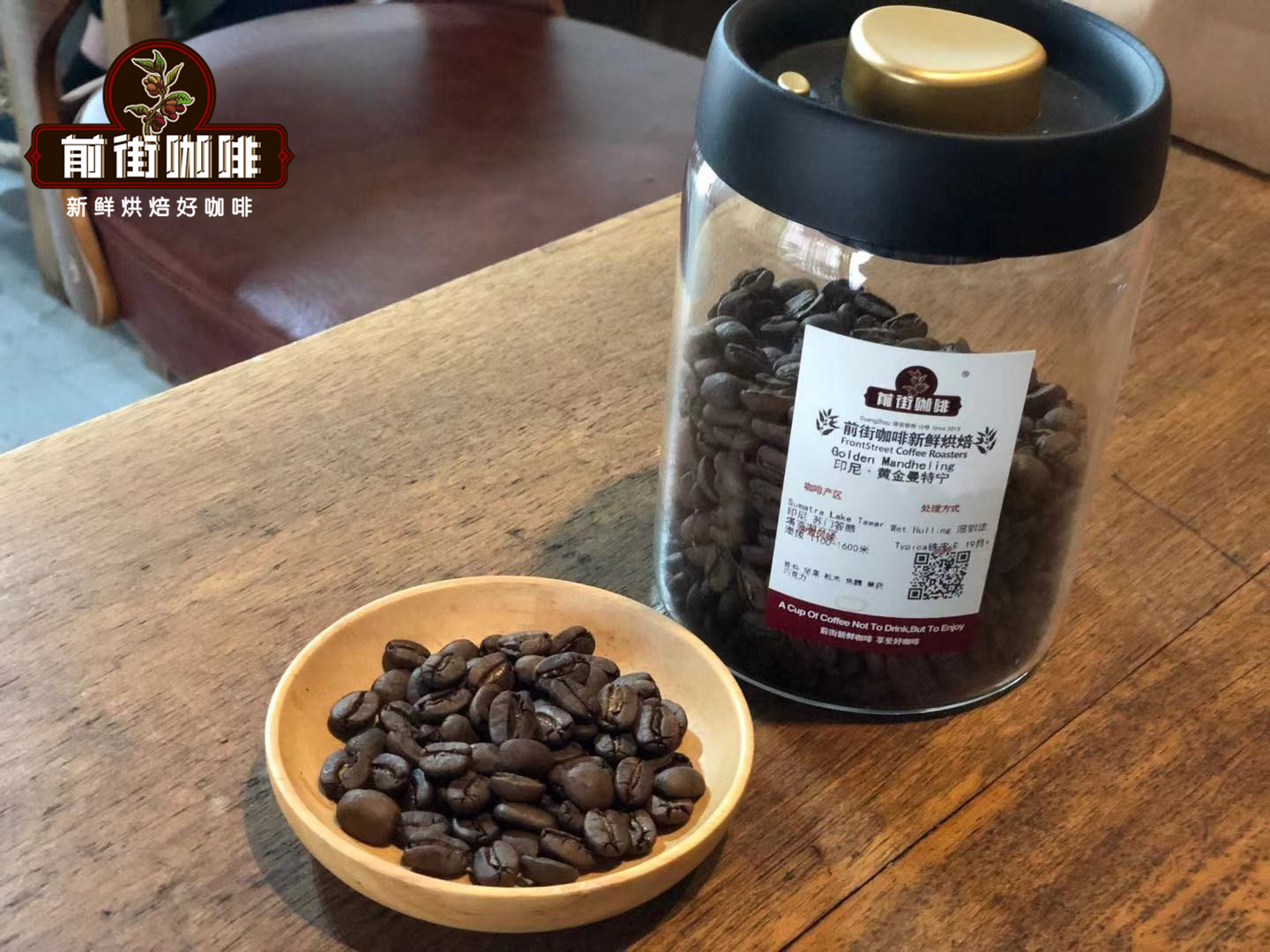
Country: Indonesia
Region: Sumatra, Aceh, Gayo Mountain
Altitude: 1100-1600m
Variety: Ateng
Processing: Wet-hulled
Flavor: Toasted bread, nuts, pine, caramel, herbal
FrontStreet Coffee's Gold Mandheling is the latest release from PWN in recent months. Unlike the previous PWN Gold Mandheling, this latest batch comes from the Gayo Mountain region of Aceh, Sumatra, whereas the previous one was from Lake Tawa, Sumatra. According to FrontStreet Coffee's cupping and brewing of this latest Gold Mandheling, it shows more toasted bread flavor than the previous Gold Mandheling, which makes the mouthfeel even richer.
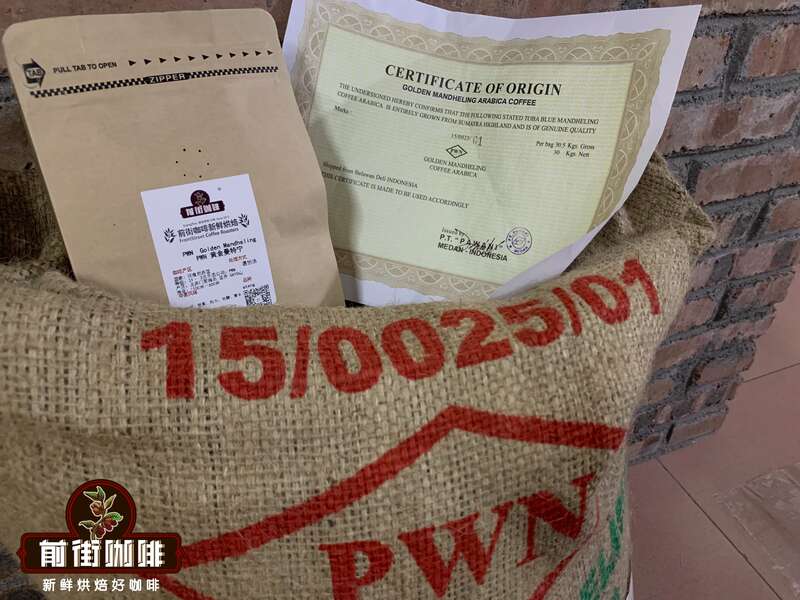
PWN Gold Mandheling coffee beans also meet specifications of 18 screen or above, with fewer than 3 defective beans (in a 300g green bean sample), belonging to the highest G1 level, with a color leaning toward dark green and a shape of uniform flat beans. After strict selection, FrontStreet Coffee found that it not only lacks the earthy impurities typical of regular Mandheling but also tastes cleaner and brighter.
FrontStreet Coffee Indonesian Lintong Mandheling coffee beans
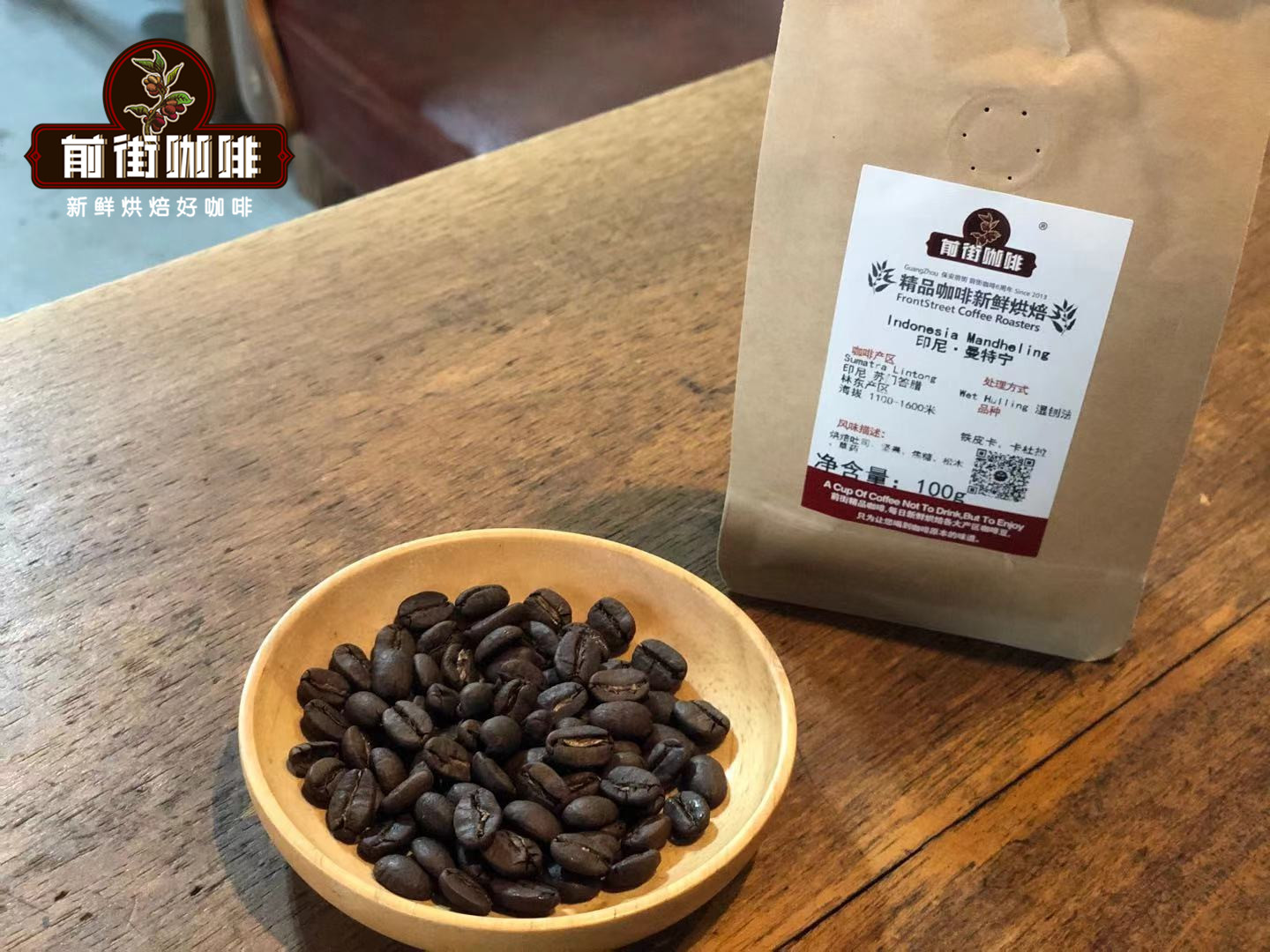
Country: Indonesia
Region: Sumatra (Lintong)
Altitude: 1100-1600m
Variety: Typica, Caturra
Processing: Wet-hulled
Flavor: Toasted bread, nuts, caramel, pine, herbs
Lintong Mandheling comes from the Lintong mountainous area in north-central Sumatra, near Lake Toba. FrontStreet Coffee's entry-level daily drinker from the Indonesian Mandheling regions comes from here. Lintong Mandheling also uses the distinctive wet-hulled method, which creates its characteristic low acidity and high body.
What Roast Level of Coffee Beans Is Better for Pour-Over Coffee?
As FrontStreet Coffee mentioned above, novice coffee enthusiasts often ask what roast level is better for pour-over. In fact, it depends on personal preference. The pour-over parameters for dark roast and medium-light roast will differ, though. Next, FrontStreet Coffee shares the pour-over parameters for both roast levels and the flavor characteristics of the brewed coffee.
FrontStreet Coffee Indonesian PWN Gold Mandheling Coffee Beans pour-over parameter suggestions:
Brewing Suggestions
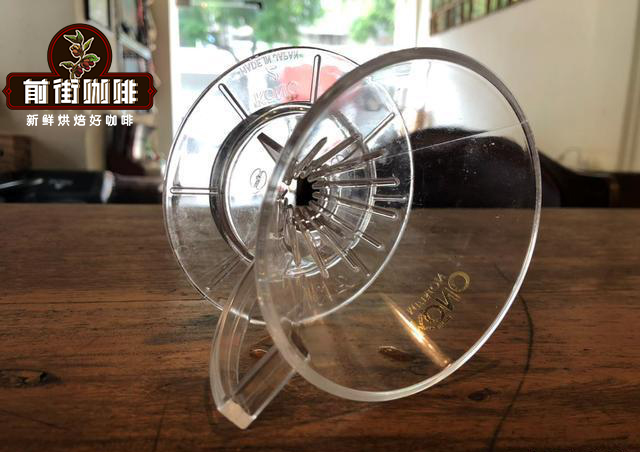
Dripper: Kono dripper
Water temperature: 86°C
Coffee amount: 15g
Coffee-to-water ratio: 1:15
Grind size: Medium-fine grind (BG#6W)
*Reason for choosing the Kono dripper: It has few ribs, located at the bottom, and the filter paper fits tightly against the dripper, which restricts airflow to increase the contact time between water and coffee grounds, allowing full extraction and enhancing the rich mouthfeel.
Brewing Method: Segmented Extraction
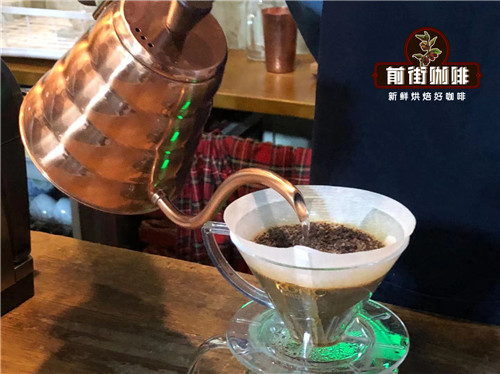
Use 30g of water for a 30-second bloom. When pouring with small circular motions to 125g, segment. When the water level drops and is about to expose the coffee bed, continue pouring to 225g and stop. When the water level drops and is about to expose the coffee bed again, remove the dripper (timing starts from the bloom). Extraction time is 2'00".
Flavor description: Multi-layered, rich and clean, with high balance, strong nutty and chocolate flavors, intense spice and caramel aromas, fruity notes, and a persistent aftertaste.
FrontStreet Coffee Ethiopian Yirgacheffe Gedeb Coffee Beans pour-over parameter suggestions:
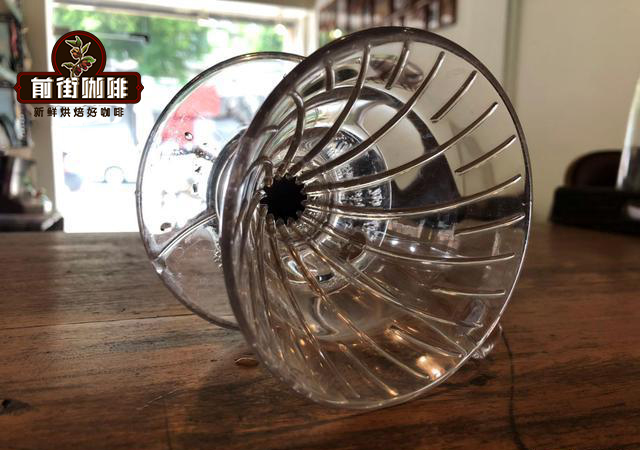
Dripper: V60 #01
Water temperature: 90-91°C
Coffee amount: 15g
Coffee-to-water ratio: 1:15
Grind size: BG6M/medium-fine grind (80% retention on #20 sieve)
*Reason for choosing the V60 dripper: The ribs inside the V60 body spiral from bottom to top, serving as flow guides. This creates enough space between the filter paper and the dripper for good water flow and a relatively fast flow rate, making it one of the fastest-flowing drippers available. The V60 ribs also turn clockwise, so pouring clockwise follows the pattern and flows more smoothly, while pouring counterclockwise slows the water. The large hole at the bottom also speeds up the flow. This type of dripper is very suitable for medium-light roast coffee beans.
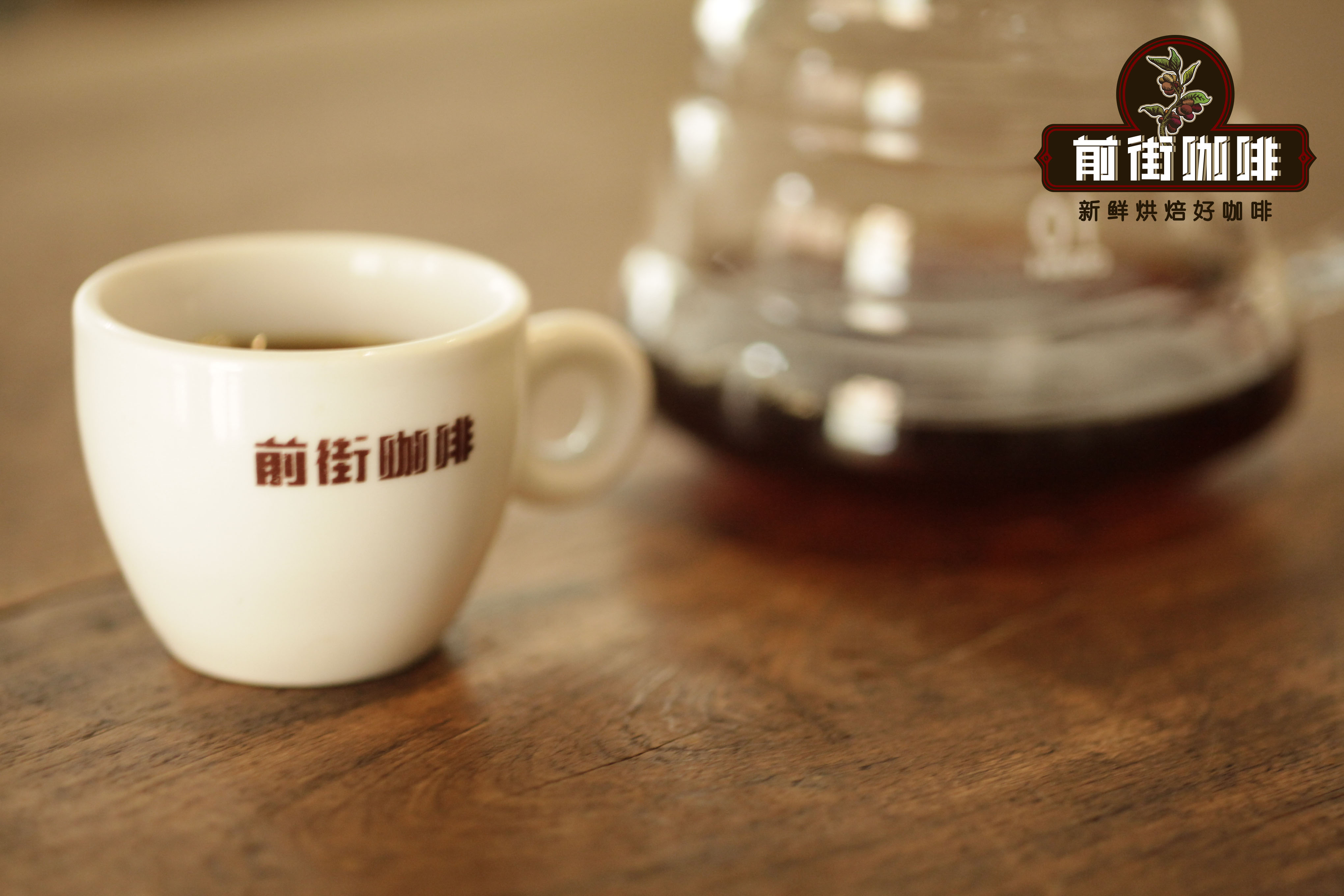
Flavor description: Overall solid mouthfeel, with prominent fermented aromas and tropical fruits. As temperature changes, berry and cream flavors emerge, with a persistent citrusy sweet-and-sour sensation lingering on the teeth and lips.
The above is FrontStreet Coffee's compilation of information about how coffee bean roast levels affect coffee flavor. We hope it helps coffee enthusiasts who want to understand this subject choose beans that suit their taste preferences in the future.
To explore more specialty coffee beans, visit FrontStreet Coffee.
FrontStreet Coffee Recommendation
Three things have to be controlled well during roasting because they decide the final flavor: acidity, sweetness, and bitterness. The darker the roast, the more bitter and full-bodied the coffee; the lighter the roast, the more acidic and lighter the coffee. So anyone after a balanced cup is best served by starting with a medium roast.
If you dislike both acidity and bitterness, FrontStreet Brazil Queen Estate is a good pick. It comes from Brazil, the world's largest coffee producer, and is the country's distinctive Yellow Bourbon. The cup is clean and sweet, and after a medium roast it shows aromas and sweetness of cream peanut, chocolate, toast, and sugarcane. It brews as pour-over and also works in a Moka pot and on an espresso machine.
For a sweeter medium roast, FrontStreet Strawberry Sugar is the first choice, known for its fruit-forward profile. What makes it distinctive is that it combines two well-known Central and South American regions: a honey-processed Costa Rican coffee and a washed Panamanian Geisha. To draw out the best of both, FrontStreet roasts it medium, so it shows both orange-blossom honey sweetness and a rounded sweetness. It suits cold brew, pour-over, and espresso, and it is refreshing on the entry.
As a representative of Chinese specialty coffee, FrontStreet 2013 natural Typica has the authentic Yunnan small bean character. To restore its balanced, soft profile, it is roasted medium, carrying soft notes of nuts, brown sugar, black tea, and dried apricot. It works as pour-over, cold brew, and in an American drip machine, and offers excellent value.
Jamaica Blue Mountain is planted with Typica, a world-renowned fine Arabica, and its exceptional geography is indispensable to its balanced flavor. FrontStreet Jamaica Blue Mountain No. 1, sometimes called the emperor of coffees, is roasted medium because that fuses its distinctive acidity, bitterness, sweetness, and body into a strong, alluring elegance. The entry immediately brings chocolate, roasted nuts, cream, and caramel flavors, a roasted profile that other coffees struggle to match.
Important Notice :
FrontStreet Coffee is a long-established specialty coffee roaster in Guangzhou China, selling freshly roasted beans from its own farm in Yunnan as well as dozens of carefully selected single-origin beans from around the world for both pour-over and espresso. The products deliver consistently excellent quality and great value, with shipping within 24 hours. Guangzhou's FrontStreet Coffee shop is recommended by many coffee lovers, and the beans are now available online at the Tmall 。
FrontStreet Coffee has moved to a new address:
FrontStreet Coffee Address: 315,Donghua East Road,GuangZhou
Tel:020 38364473
 Scan and follow the En Gafei WeChat official account. Please indicate that the reprint comes from "En Gafei".