
What Does SOE Stand For in Coffee? What Are the Key Differences Between Single Origin SOE Coffee Beans and Espresso Blends?
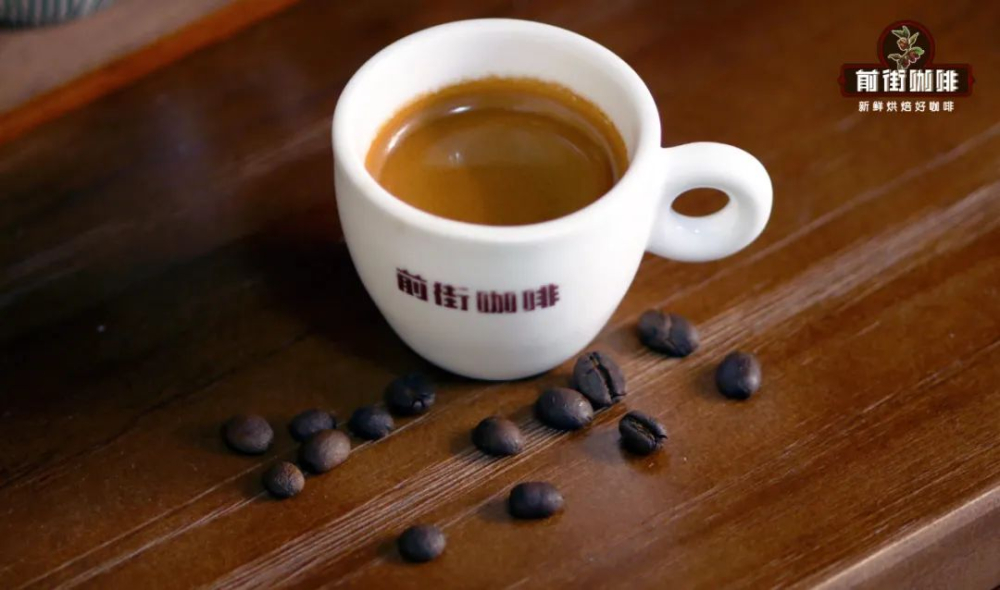
Have you noticed that many coffee shop menus now offer "SOE" options, with some even listing several SOE choices? Many friends have started wondering what these letters actually mean. In this article, FrontStreet Coffee will summarize the differences between SOE and the common blended coffee.
Understanding the SOE Concept
SOE stands for Single Origin Espresso, which means espresso made from single-origin coffee beans. The concept of SOE emerged with the popularization of specialty coffee and single-origin coffee during the third wave of coffee culture.
Specialty coffee refers to high-quality coffee from regions with unique microclimates and geographical conditions, cultivating positive aromas and "terroir flavors." As more consumers learn about coffee bean origin information and are willing to pay higher prices for high-quality coffee beans, producers naturally invest more energy in the source of specialty coffee, leading to the emergence of single-origin coffee beans that emphasize specific regions. Originally, single-origin coffee beans were typically extracted using pour-over methods, but increasingly, single-origin beans have been applied to espresso. Combined with various competitions and promotional campaigns by chain brands, the SOE concept has become increasingly popular.
Therefore, any espresso made from single-origin coffee beans can be called SOE. Both SOE and espresso blends belong to the category of espresso terminology. Espresso blends, by contrast, mix coffee beans from more than two origins, typically using medium-dark roasts to present rich, balanced flavors. SOE aims to highlight the unique characteristics of specific regions, with lighter roasting. For example, the SOE extracted from FrontStreet Coffee's Ethiopian Yirgacheffe Sun-Dried Red Cherry coffee beans presents berry and citrus sweetness.
Are Espresso Blends Definitely Worse Than SOE?
When we choose to switch our coffee base to SOE, we often need to pay a few extra yuan. At this point, many people subconsciously think "SOE must be superior to blended beans." This is not the case, however. SOE only indicates that the coffee beans come from a single origin, so it does not suggest better coffee quality, nor does it guarantee that the taste will necessarily be better than blends.
To this day, the vast majority of coffee shops still feature espresso blends as their main products. The reason blended beans have become mainstream in the market is not only to reduce raw material costs but also to provide stable extraction for daily production and ensure a consistent taste for espresso-based beverages. Simply put, coffee shops choose blends to maintain consistent production standards.
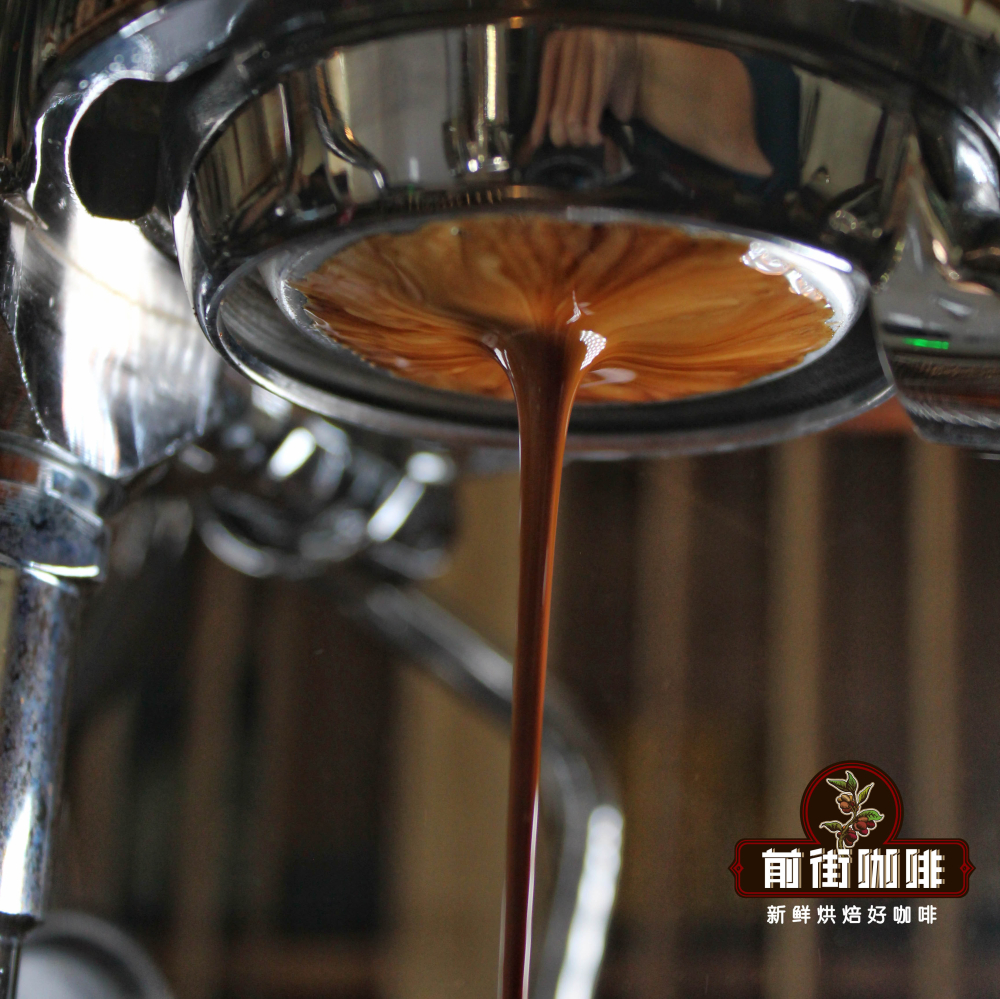
Single-origin beans for pour-over coffee need to consider presenting the unique regional flavors and the inherent aroma of the coffee beans themselves, just as FrontStreet Coffee's Yirgacheffe has fresh, bright citrus and lemon acidity, while FrontStreet Coffee's Blue Mountain coffee should have sweet chocolate and caramel aromas. Similarly, SOE should also express the characteristic flavor profile of its origin. If the roast is too dark, the flavor and aroma can be masked by the heavy compounds created during roasting. If the roast is too light, it can easily lead to under-extraction, resulting in sharp acidity and thin flavor. Whether a cup of SOE coffee tastes good therefore truly tests the roaster's and barista's "interpretation" of SOE.
Why is SOE Often More Expensive Than Blends?
When ordering a blend, the barista does not provide much description, but if you switch to single-origin beans, they will emphasize "SOE" mainly to distinguish it from blended coffee beans. Traditionally, single-origin coffee beans are typically used for drip coffee, such as pour-over. Pressurized espresso would use blended beans as raw material, with producers combining coffee beans from different regions and using dark roasts to highlight rich, mellow, bitter-dominated flavors, basically fixed in caramel, dark chocolate, nut, and cocoa notes.
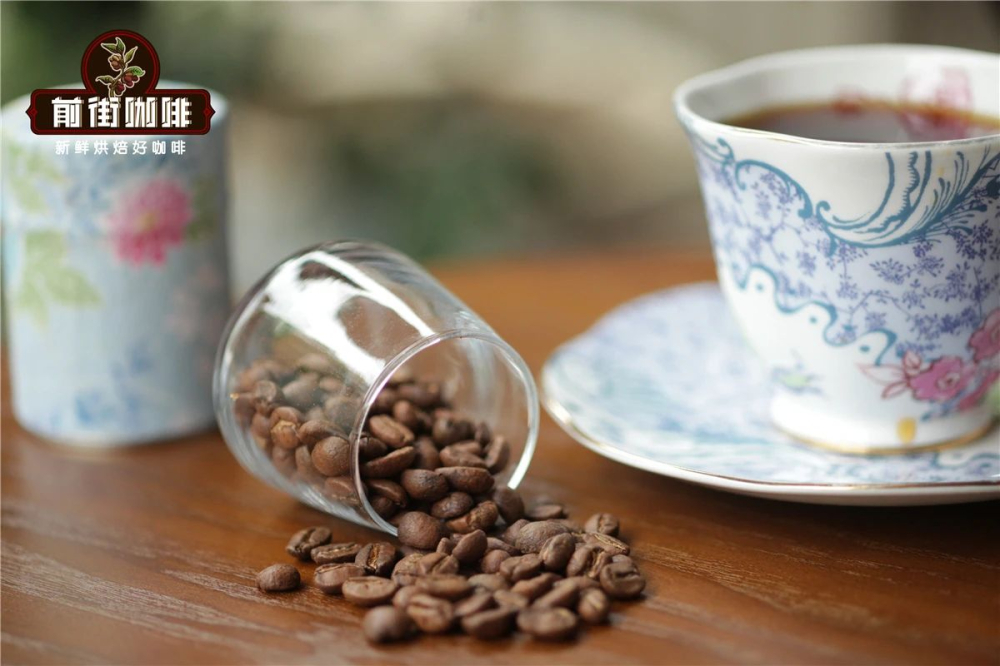
SOE, which emphasizes single origin, uses lighter roasting to present a lighter texture different from traditional bitter profiles, such as Ethiopian beans with mainly citrus and floral flavors. The higher recognizability allows consumers to more easily remember SOE's characteristics. From a cost perspective, however, higher-quality single-origin beans are naturally more expensive, so the additional charge is justified.
Which Coffee Beans Are Suitable for SOE?
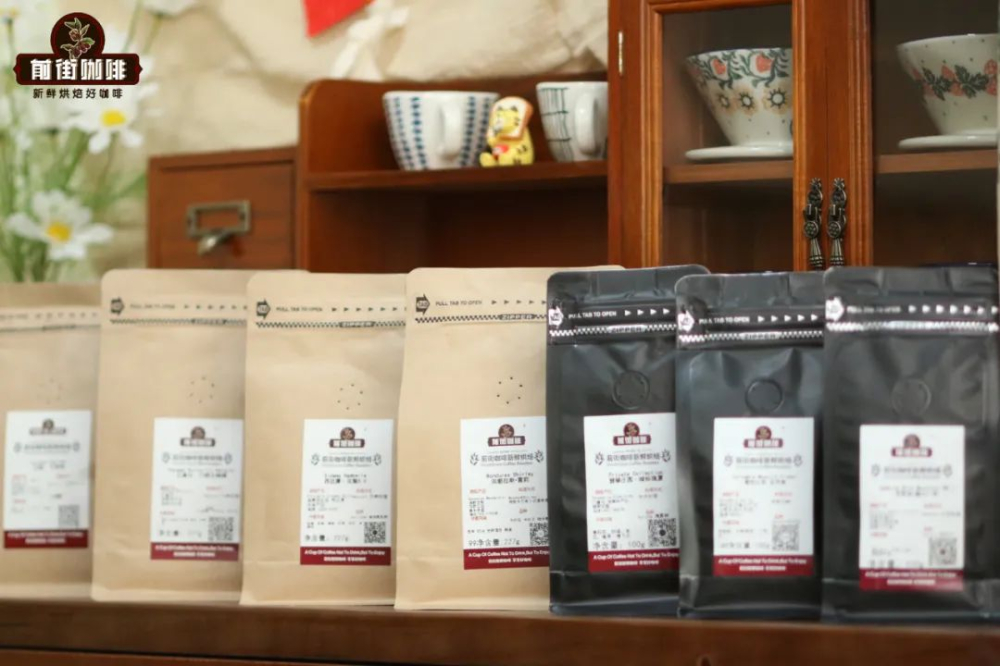
The primary condition for a good cup of coffee is high-quality coffee beans, and SOE should use higher-quality single-origin coffee beans. FrontStreet Coffee's roasting philosophy is "Freshly Roasted Good Coffee," hoping that every guest gets to drink freshly roasted, aromatic coffee beans, with shipped beans being freshly roasted within 5 days. Below, using coffee from FrontStreet Coffee's bean menu as an example, we will introduce which coffee beans are suitable for making SOE.

1. FrontStreet Coffee Yirgacheffe Sun-Dried Red Cherry Coffee Beans
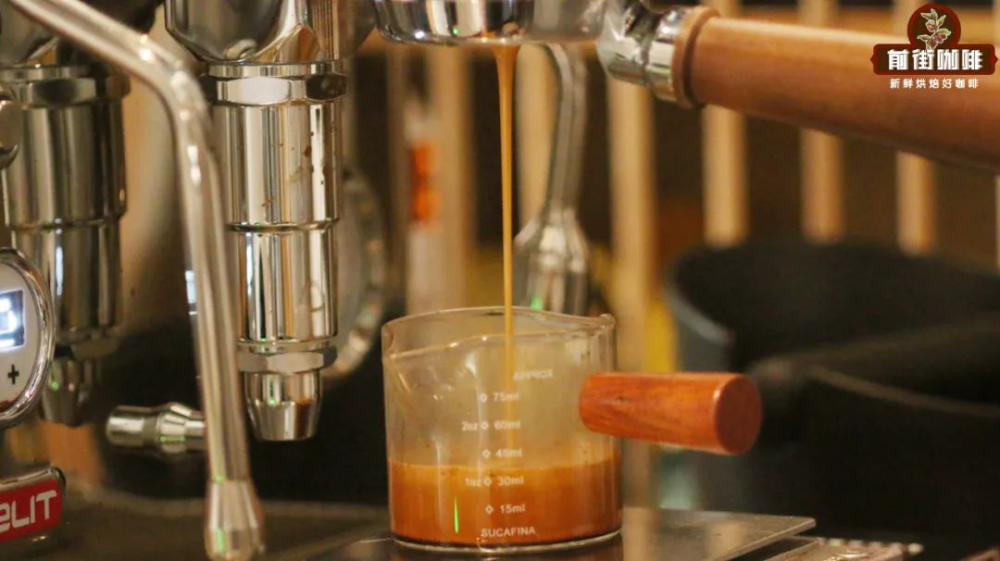
This FrontStreet Coffee Yirgacheffe sun-dried red cherry coffee bean, originally used for pour-over drip coffee, exhibits very high sweetness with strong fruit aromas. When used for espresso extraction (requiring grind adjustment), the surface has fine crema, leaning toward a pale yellow color, with berry sweet aroma, sweet-and-sour berries and caramel, and a clean texture. Adding steamed hot milk presents honey sweetness.
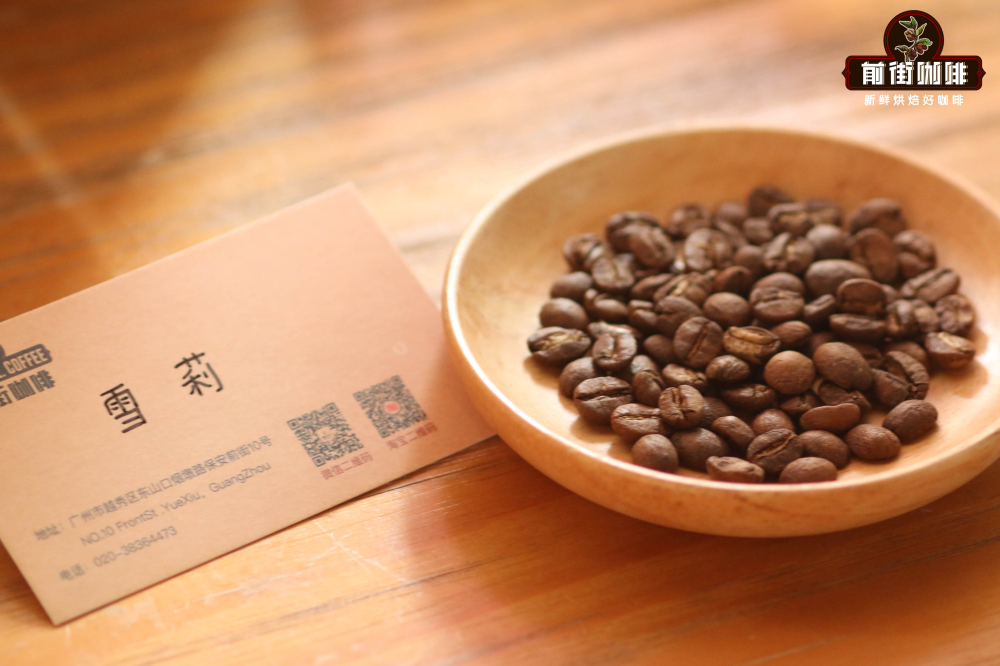
2. FrontStreet Coffee Honduras Whiskey Barrel-Aged Sherry Coffee Beans
Medium roasting allows FrontStreet Coffee's Honduras Sherry coffee to have roasted aroma while preserving berry acidity. The resulting SOE highlights vanilla biscuit and whiskey aromas, presenting chocolate cream smoothness with milk and carrying a captivating aroma, with an overall very gentle texture. FrontStreet Coffee's daily espresso production uses FrontStreet Coffee's Sunflower Warm Sunshine espresso blend, made with FrontStreet Coffee's Sherry and FrontStreet Coffee's sun-dried red cherry coffee beans in a 7:3 ratio, perfectly blending whiskey aroma, fruit sweetness, and chocolate milk smoothness in one cup.
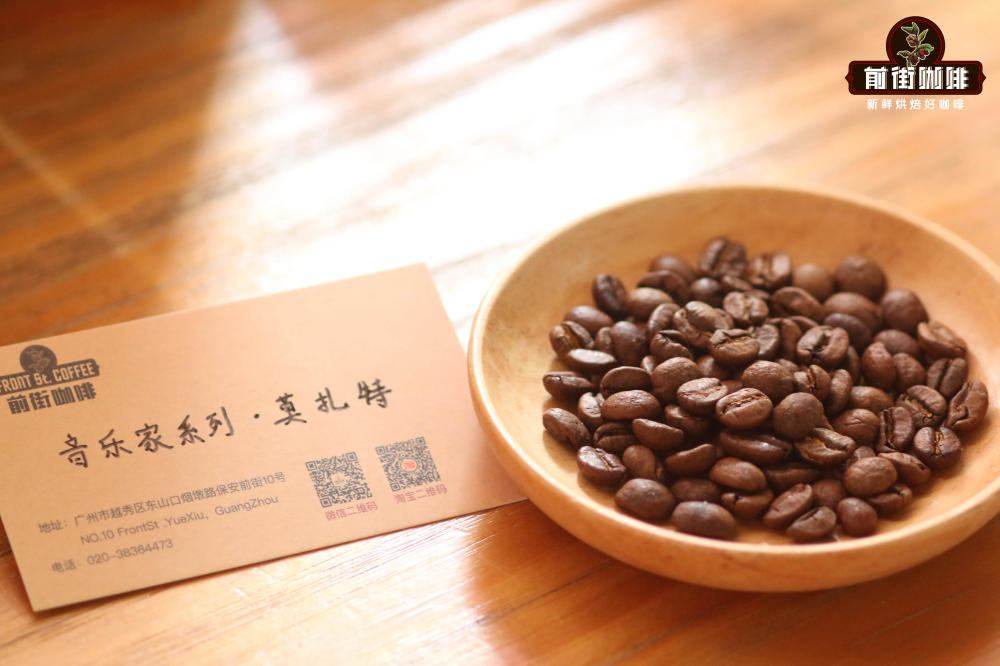
3. FrontStreet Coffee Costa Rica Musician Series Mozart Coffee Beans
Anaerobic honey processing allows coffee beans to retain the mucilage layer for closed fermentation before drying, maximizing the sweetness of the coffee beans. This FrontStreet Coffee Costa Rica Mozart coffee presents rich rose floral aroma and raisin high sweetness when pour-over brewed. Extracted as SOE, it expresses rich tropical fruit and fermented flavor notes.

4. FrontStreet Coffee Brazil Queen Estate Yellow Bourbon Coffee Beans
If the previous few are not your preferred flavor profile, consider this coffee bean from Brazil, the coffee giant. Medium-dark roasting allows the coffee to present rich nut, cream, and peanut aromas, with a sweet chocolate aftertaste. The extracted SOE has a beautiful rich crema, making it very aromatic when prepared as milk coffee.
For professional coffee knowledge exchange and more coffee bean information, please follow Coffee Workshop (WeChat official account: cafe_style)
For more specialty coffee beans, please add FrontStreet Coffee's private WeChat (FrontStreet Coffee), WeChat ID: qjcoffeex
FrontStreet Coffee Recommendation
If you want to explore single-origin beans beyond the SOE bar, start with FrontStreet Gedingding, a washed Yirgacheffe from Gedingding village in the Worka area. It is the first specialty coffee bean for many newcomers, showing bright citrus, berry, and floral notes with a green-tea-like finish, and a soft, luminous acidity that tastes more like fruit than the sharp sourness people often imagine. Roasted light, it is very approachable for someone learning pour-over.
For a bean that shines especially through a V60, FrontStreet Ethiopia Huakui is a standout. The Hario V60 was designed by a Tokyo company founded in 1921 and redesigned in 2004 around its signature 60° cone and single large hole, a shape that forces water to the center and lengthens contact with the coffee, so fast extraction reveals lifted aromatics and lively acidity. That structure suits Huakui's striking tropical fruit aroma of strawberry, passion fruit, jackfruit, and lychee, its pronounced sweetness, very low bitterness, and smooth, juicy body, as well as FrontStreet Panama Emerald Estate Red Label Geisha with its elegant jasmine florals, citrus, bergamot, and black tea notes.
If you prefer a fuller, lower-acid cup, FrontStreet PWN Indonesia Golden Mandheling is roasted dark for a very low acidity and a rich, lingering body full of herbal and dark chocolate notes that suit a moka pot or French press, while FrontStreet Brazil Queen Estate is low in acid, balanced, and rich with nut, cocoa, and caramel sweetness, with excellent crema and strong value as an everyday coffee that works in pour-over, espresso, or a moka pot. For a classic, near-perfectly balanced option, FrontStreet Jamaica Blue Mountain No. 1 avoids the strong fruit acidity of some African coffees and the heavy bitterness of dark roasts, delivering cream, caramel, chocolate, nut, honey, and light fruit notes with a smooth body and a clean, long finish.
Important Notice :
FrontStreet Coffee is a long-established specialty coffee roaster in Guangzhou China, selling freshly roasted beans from its own farm in Yunnan as well as dozens of carefully selected single-origin beans from around the world for both pour-over and espresso. The products deliver consistently excellent quality and great value, with shipping within 24 hours. Guangzhou's FrontStreet Coffee shop is recommended by many coffee lovers, and the beans are now available online at the Tmall 。
FrontStreet Coffee has moved to a new address:
FrontStreet Coffee Address: 315,Donghua East Road,GuangZhou
Tel:020 38364473
 Scan and follow the En Gafei WeChat official account. Please indicate that the reprint comes from "En Gafei".

