History of Chinese Coffee Development: The Development History of Yunnan Specialty Coffee and the Flavor Profile of Arabica Beans
Many people know that Yunnan grows coffee, but few know when it began. FrontStreet Coffee also formed a close bond with Yunnan through a chance opportunity, and in this article FrontStreet Coffee tells the historical story of Yunnan coffee and its own experiences growing coffee there.
Many people know that Yunnan grows coffee, but they don't know when Yunnan started growing coffee. FrontStreet Coffee also formed an indissoluble bond with Yunnan through a fortuitous opportunity. In this article, FrontStreet Coffee will talk about the historical story of Yunnan coffee and FrontStreet Coffee's experiences growing coffee in Yunnan!
Yunnan Coffee Development History
The history of Yunnan coffee can be traced back to 1904, when a French Catholic missionary, Tian Deneng, entered the Dali region of Yunnan via Vietnam to preach, came to Zhukula Village to establish a church, and planted a batch of Typica coffee trees nearby. This was the beginning of Yunnan's coffee cultivation history, after which Yunnan coffee cultivation would experience three waves of development.
The first wave of development was in the 1960s, when Yunnan Agricultural Reclamation grew coffee to repay Soviet loans, with products purchased by the national foreign trade department. At that time, coffee cultivation was distributed across several agricultural reclamation farms: Baoshan Lujiang Farm, Xincheng Youth Farm, Dehong Zhefang Farm, Ruili Farm, Wanding Farm, Wenshan Babu Farm, and Tianbao Farm. The varieties were locally propagated Typica and Bourbon variants, and the total coffee cultivation area of the agricultural reclamation reached 50,000 mu. Afterwards, due to the end of repayment work, the foreign trade department no longer actively purchased coffee, and due to the infection and spread of leaf rust disease, which caused large-scale deaths and to prevent the crazy spread of the disease, trees were cut down, once shrinking the cultivation area to less than 3,000 mu.
The second wave of development was in the 1980s during the reform and opening up period. In 1988, Nestlé decided to support the development of Yunnan's coffee industry and introduced Catimor varieties for widespread cultivation in Yunnan. It was because of this development that Catimor coffee varieties replaced the position of the ancient tree varieties Typica, becoming the main coffee tree species in Yunnan, accounting for 90% of Yunnan's coffee production.
The third wave of development was after 2000, when China's economy took off and China introduced the concept of specialty coffee. At the same time, scientific development was carried out for the selection and cultivation of Yunnan coffee. Currently, Yunnan coffee's journey toward specialty status is still ongoing.
FrontStreet Coffee's Experiences in Yunnan
Many people's impression of FrontStreet Coffee is "a cozy small shop with home roasting". This year is the eighth year of FrontStreet Coffee, but many people don't know that FrontStreet's coffee cultivation actually started half a year earlier than roasting. The predecessor of FrontStreet Coffee was "Dazhen Coffee". We chose this name because we wanted to grow coffee in a place called Dazhen in Guangdong. When we used Catimor to grow seedlings that reached 20cm, more than half a year passed before we finally understood: the relationship and sequence of variety, altitude, and processing method.
Choosing the right variety, planting it at the appropriate altitude, and after maturity, experimenting with processing methods that can express unique flavors-this is FrontStreet Coffee's belief in the only logical relationship for specialty coffee to have distinct regional flavors.
So we gave up our plan to grow coffee in Guangdong. Because the initial coffee roasting location was opened on Bao'an Front Street, we renamed "Dazhen Coffee" to "FrontStreet Coffee". At FrontStreet, while roasting coffee, we continued to move forward with our ideas of specialty coffee cultivation, successively visiting the Tropical Agricultural Science Research Institute (which has in-depth research on coffee cultivation and the Ministry of Agriculture's coffee germplasm repository), a few coffee farmers who grow specialty coffee, and understanding why Yunnan doesn't grow the mainstream specialty coffee varieties Typica and Bourbon. We also found suitable land for cultivation through a fortuitous opportunity.
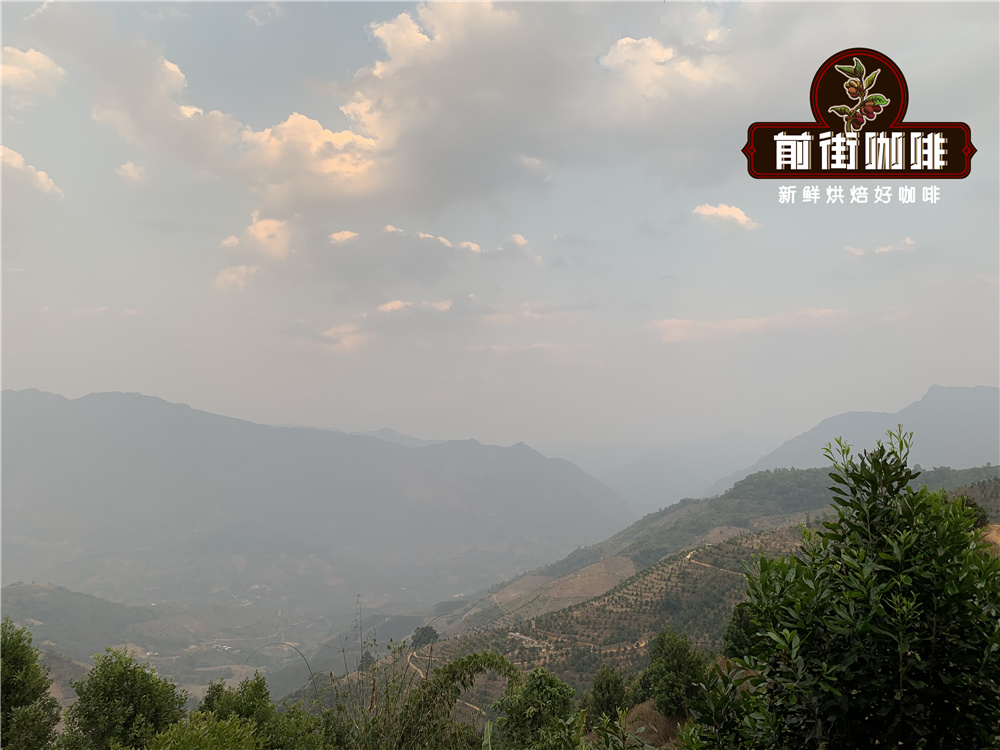
Arabica coffee bean varieties have requirements for cultivation altitude-the altitude must be above 1000 meters. For better flavors, the cultivation altitude needs to be higher. However, the average altitude of Yunnan's mountains is just barely above the qualifying line, which is also a disadvantage for Yunnan coffee. To compensate for the altitude disadvantage, with good coffee varieties as a prerequisite, more excellent agricultural management is necessary.
FrontStreet Coffee did not purchase a ready-made coffee estate but bought a mountain suitable for coffee cultivation, because FrontStreet Coffee deeply understands that even if the land is good, coffee grown from unsuitable coffee varieties will not have good flavors (at that time, Yunnan mostly had Catimor). Therefore, we chose a path of starting coffee cultivation from scratch.
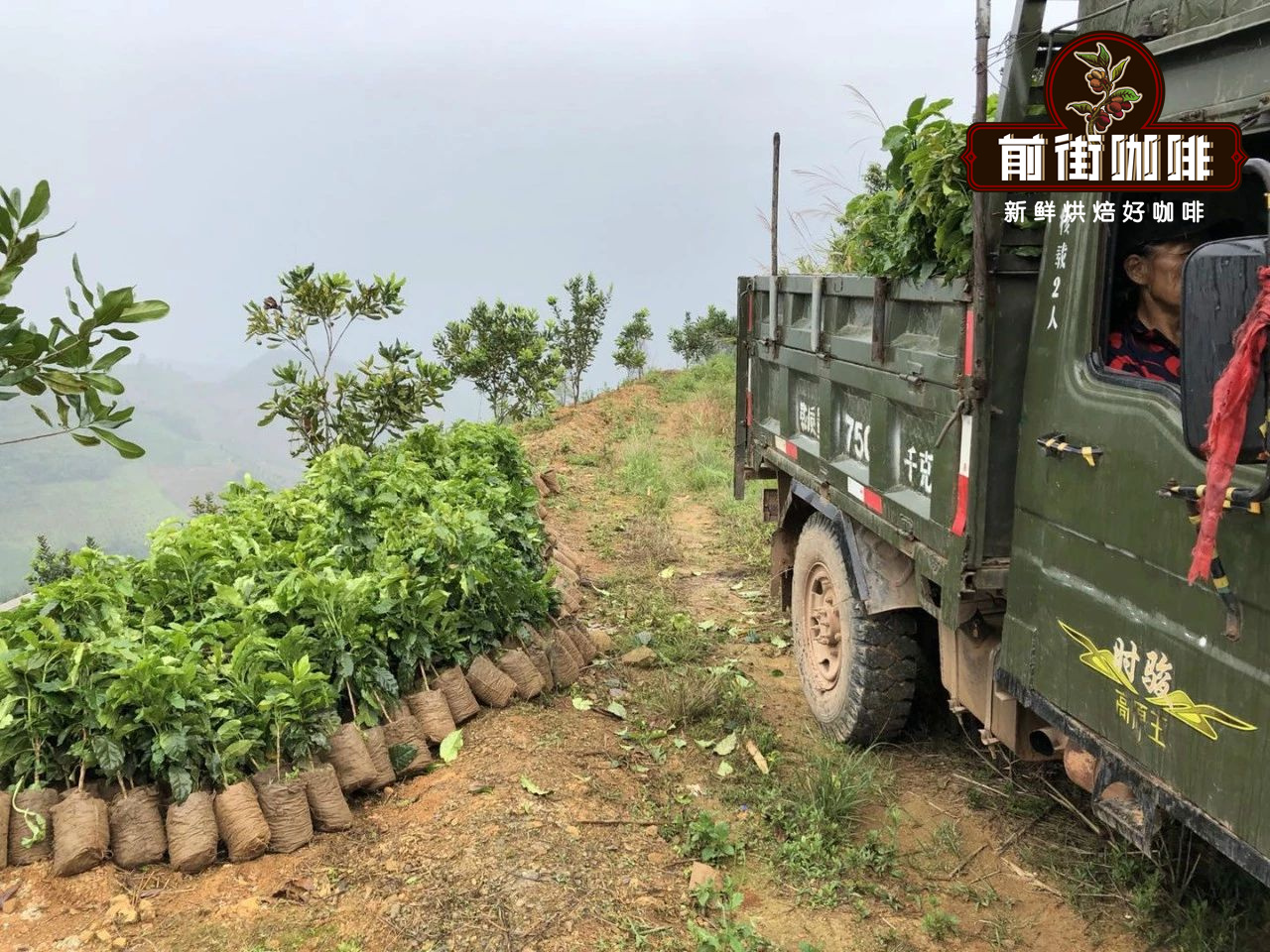
The coffee variety cultivated by FrontStreet Coffee is Typica, which is an Arabica species with excellent flavor in coffee. At the same time, Typica has very low yields, only one-third of Catimor's yield, which is why it is more expensive. At the same time, Typica and Bourbon are also very susceptible to leaf rust disease, which is one of the reasons farmers are unwilling to grow Arabica.
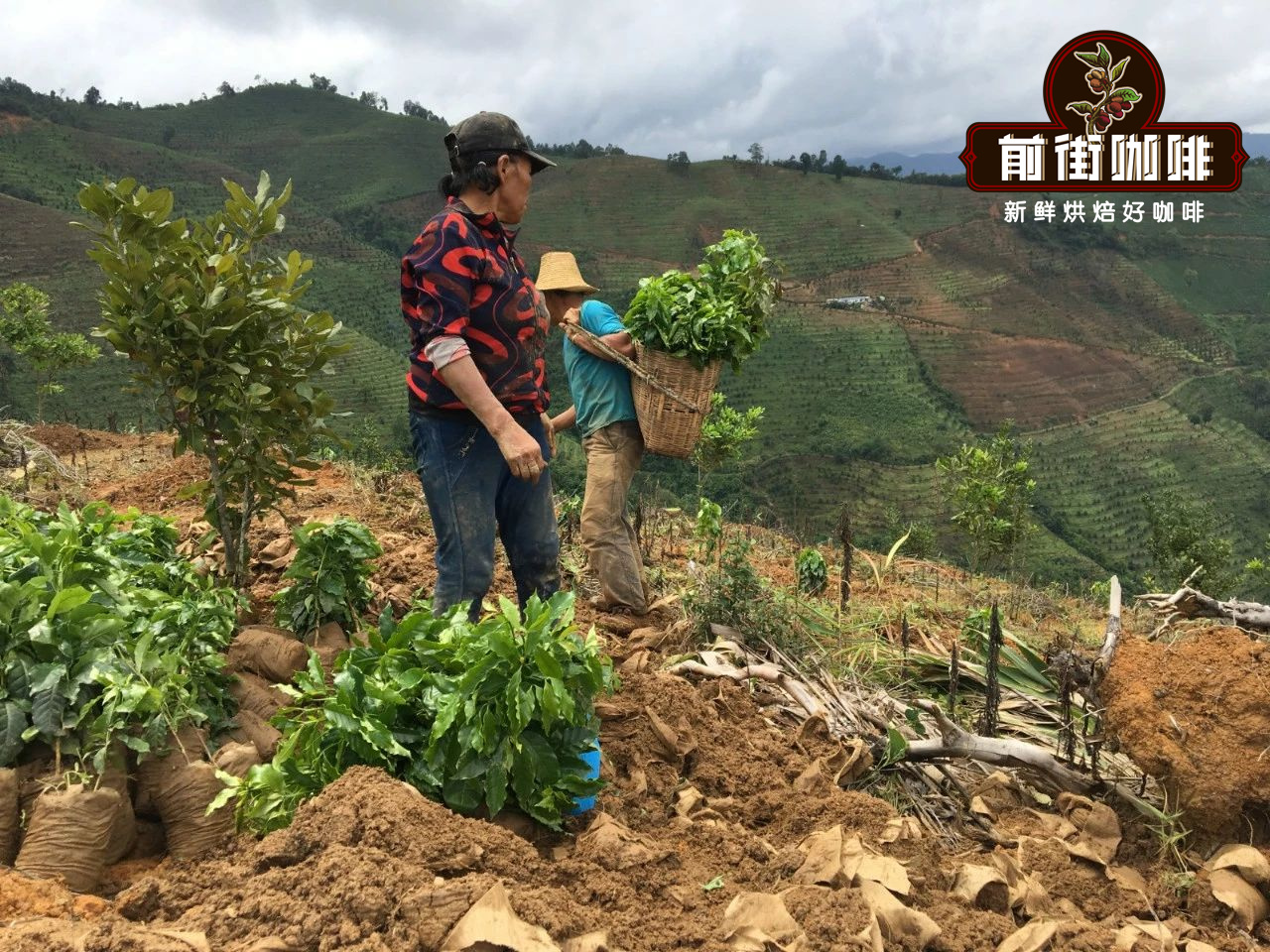
Yunnan does not have four seasons, only a dry season and a rainy season. Most coffee-producing regions also face similar conditions, which is the fundamental reason why some producing areas use the natural processing method. Entering June marks the beginning of the rainy season in the producing areas. The next three to four months will all be rainy, which is the most favorable period for coffee cultivation. Only by planting seedlings at this time, with several months of nourishment from rainwater, can they develop a well-developed root system to survive the first dry season lasting half a year.
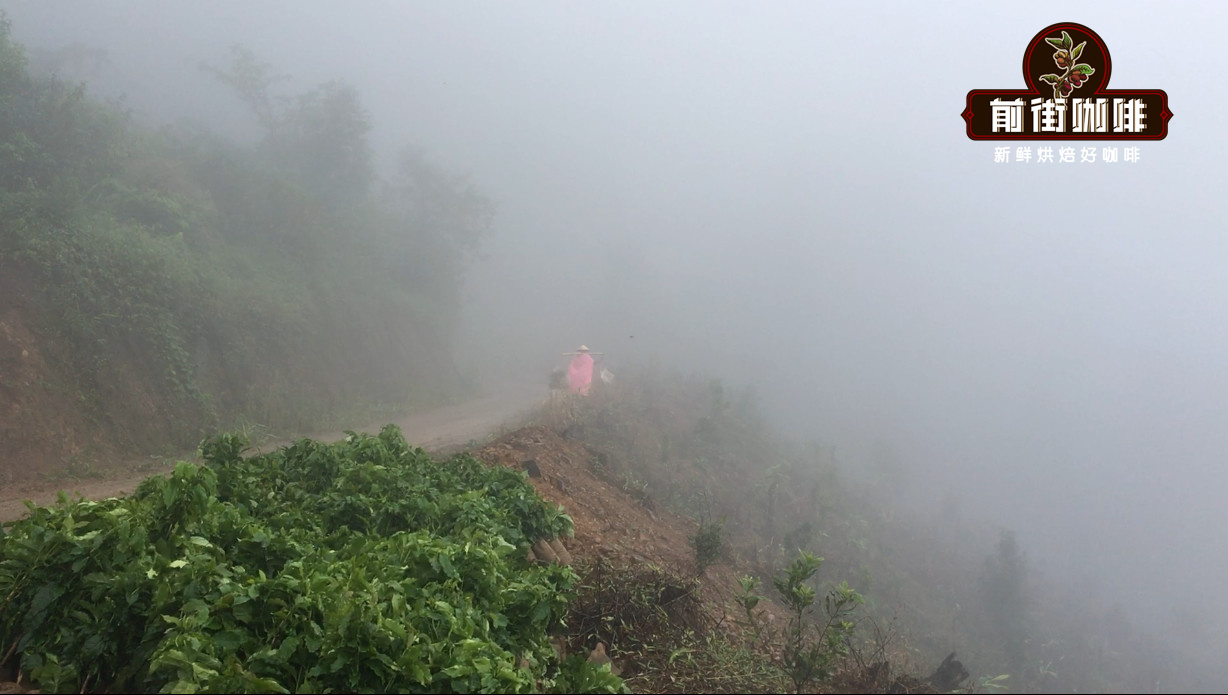
Starting coffee cultivation from scratch is also a matter of high time cost. Coffee takes three to four years from seedling to first harvest, and then experimenting with suitable processing methods and finally reproducing them takes at least five years to get the first batch of coffee. No one can guarantee that high-quality specialty coffee will be produced right away. FrontStreet Coffee deeply believes that there are no such easy things in this world. After multiple variety selections and post-harvest processing experiments, several more years will pass.
Due to the pandemic last year, last year's Yunnan trip was postponed until this year.
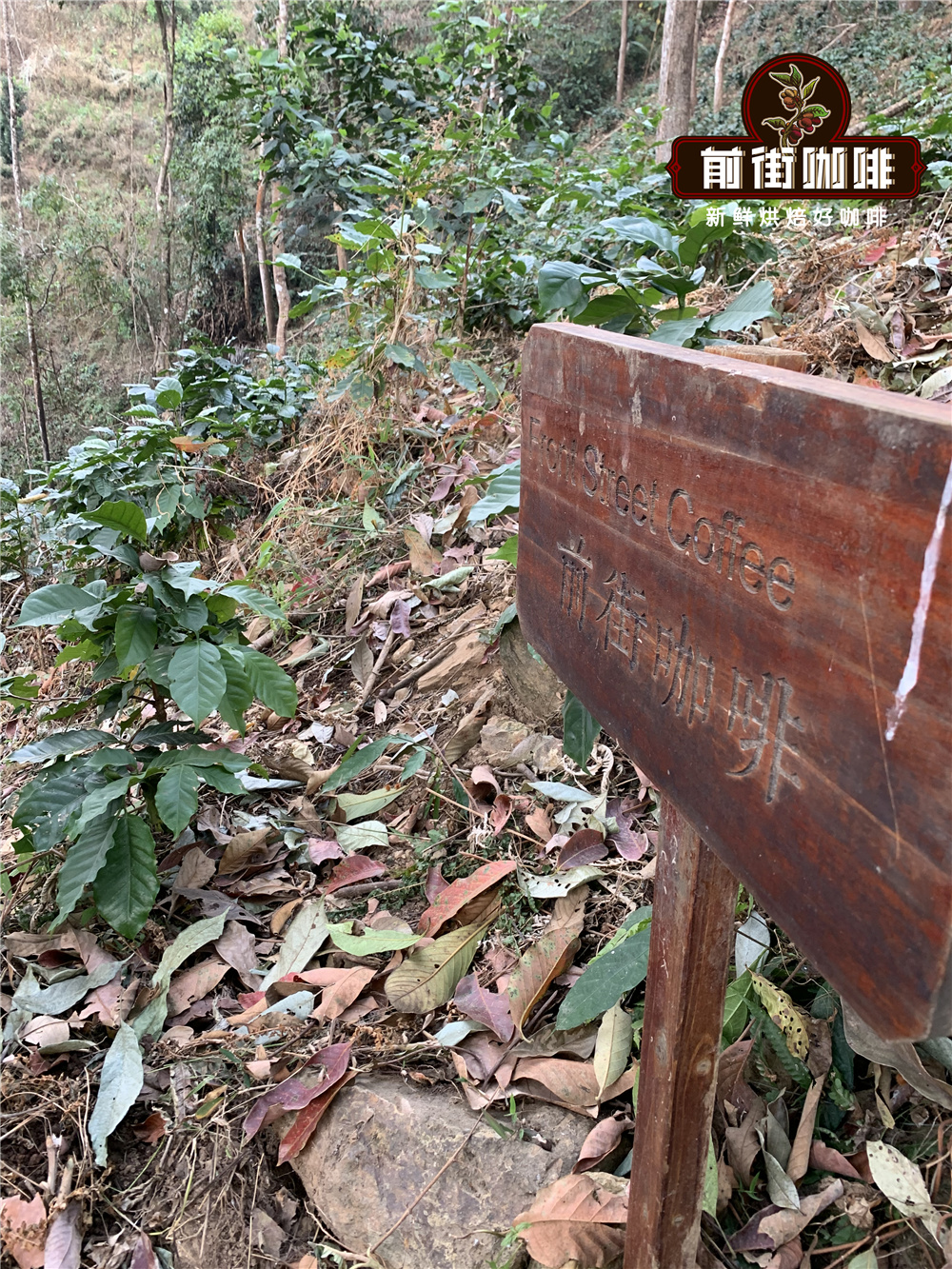
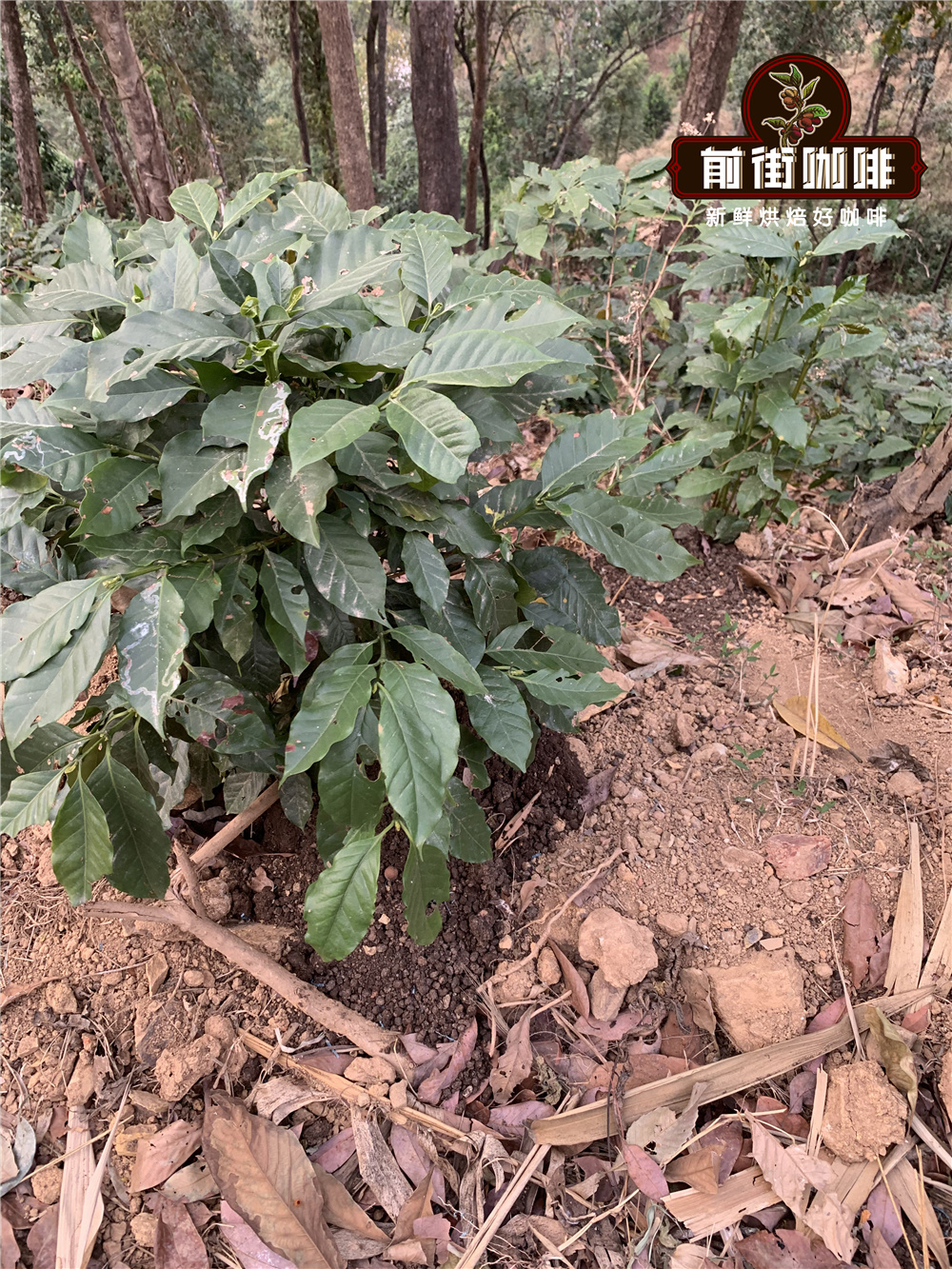
This is the coffee tree that FrontStreet Coffee planted in May 2016, which is now over 3 meters tall.
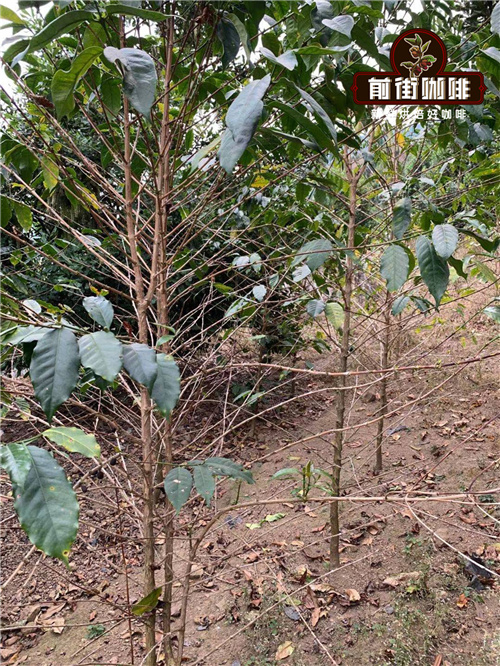
The Typica seedlings planted in May 2019 now have lush leaves.
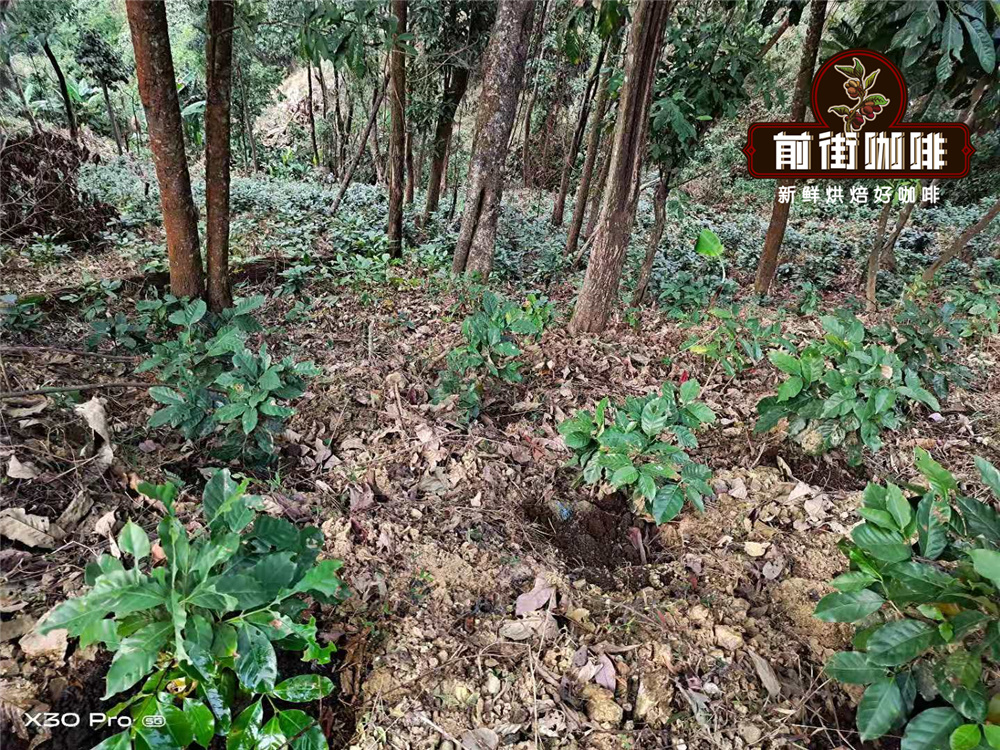
FrontStreet Coffee's coffee production in Yunnan this year is approximately over 100 kilograms.
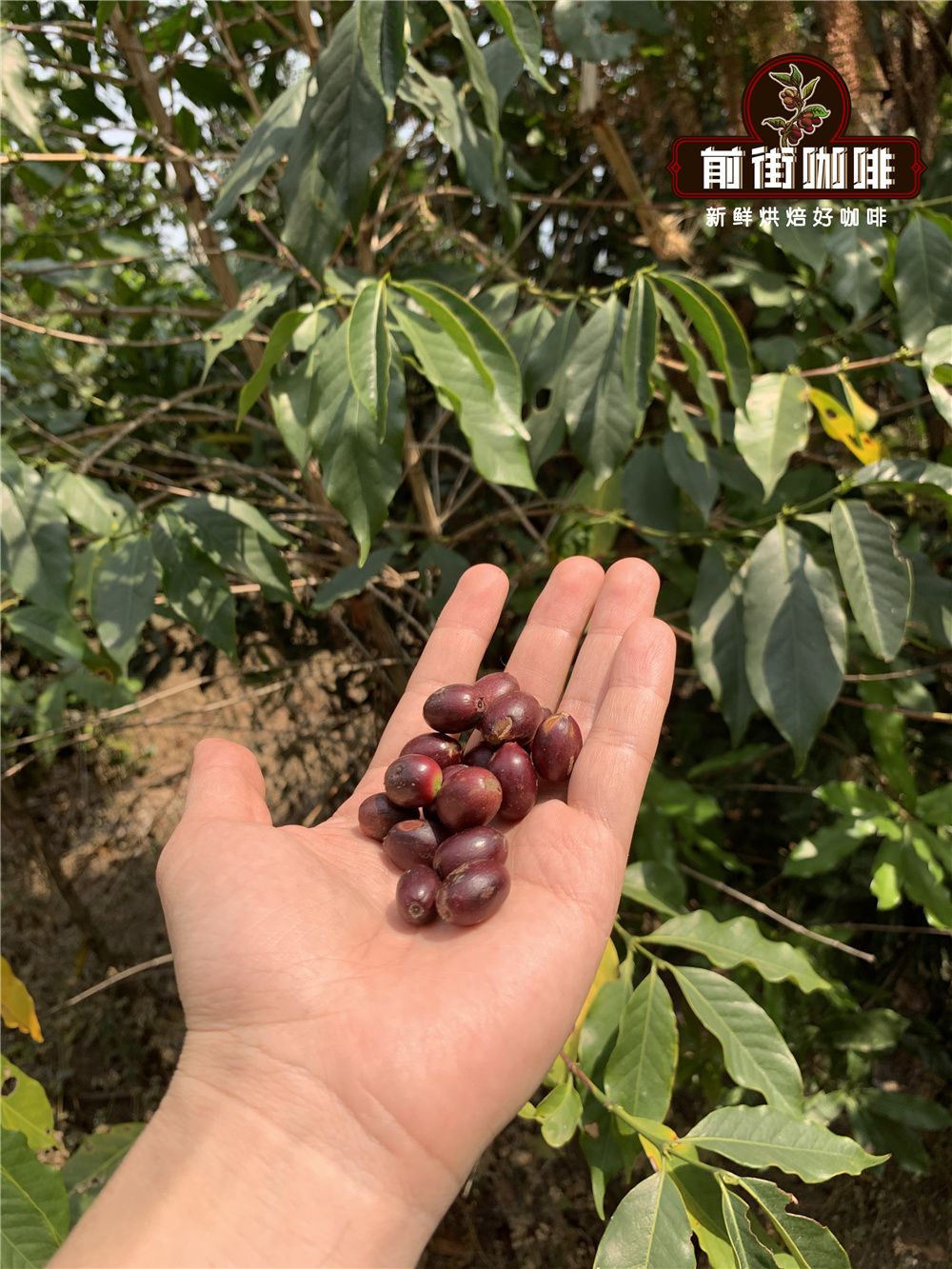
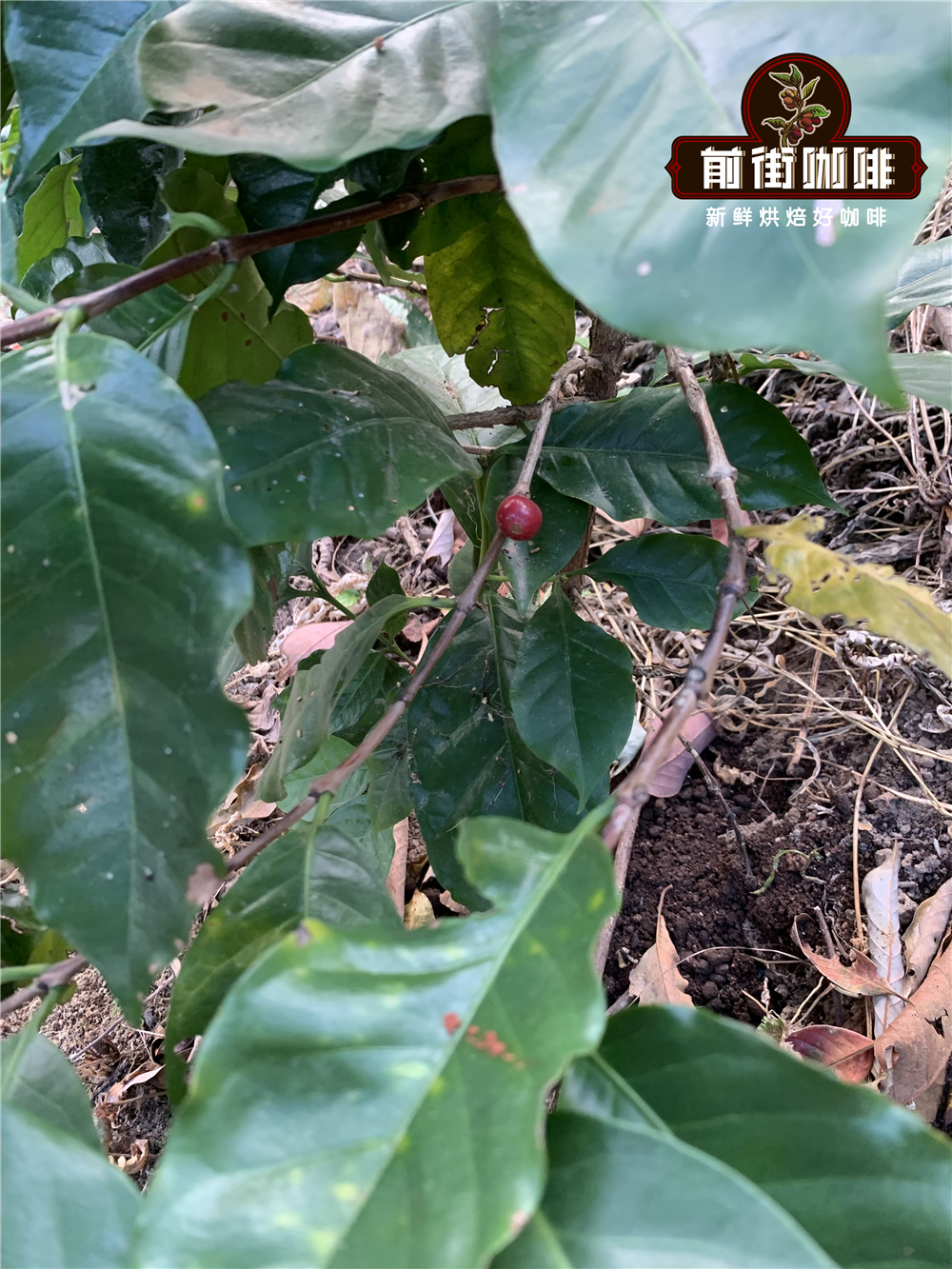
This year, FrontStreet Coffee brought back the first batch of coffee cherries to Guangdong for natural processing.
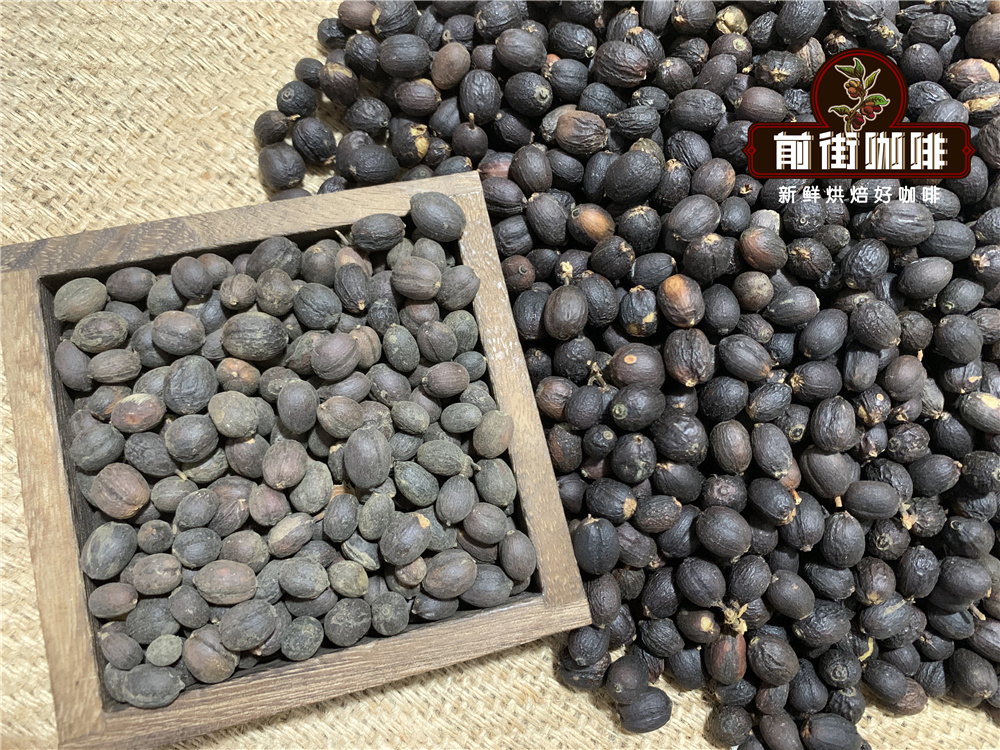
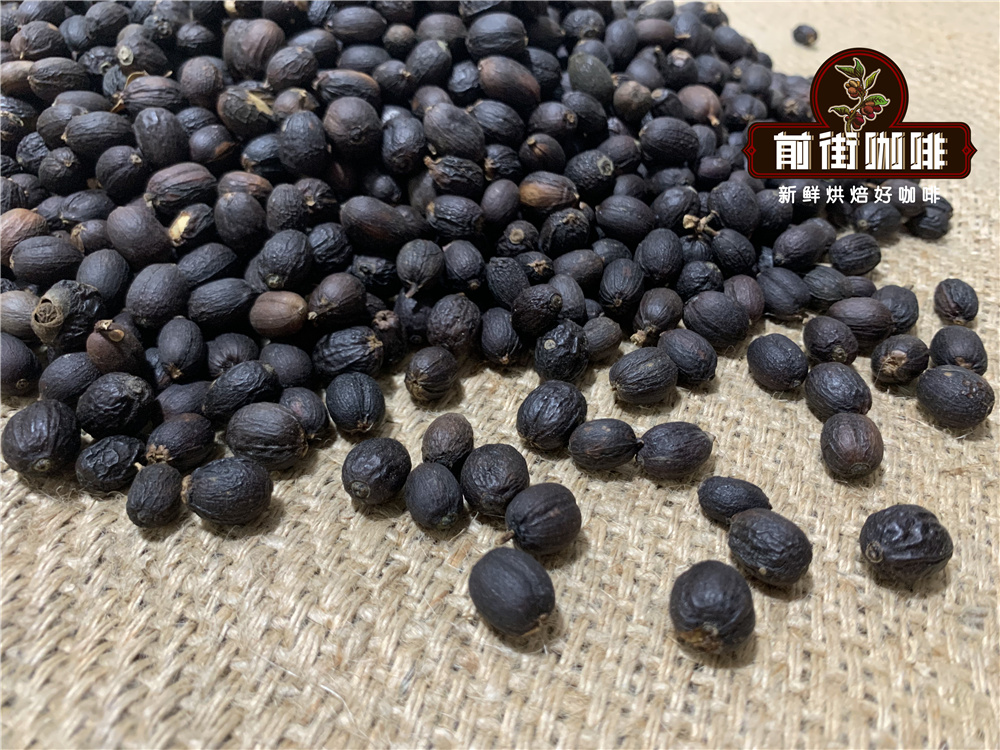
Look forward to this year's Yunnan coffee from FrontStreet Coffee - grown, roasted, and brewed by ourselves.
From a single hillside planting to a finished cup, the Yunnan project is a long-term experiment in what a well-chosen variety and careful farming can do in a region better known for commodity coffee.
FrontStreet Coffee Recommendation
When people talk about Yunnan coffee, they usually say "Yunnan small bean." The small bean is really just another name for Arabica, which is called that because its fruit is the smallest of the three original coffee species. The story goes back to 1904, when the French missionary Tian Deneng brought coffee seeds (Typica) from Vietnam into Yunnan and planted the first coffee tree in Zhukula Village, Binchuan County. Yunnan's favorable geography and climate made small-bean coffee a great success. FrontStreet Coffee's Yunnan small bean comes from the Baoshan region, uses a washed process and a medium roast, and shows soft nutty and chocolate sweetness with a light plum acidity, making it an affordable first taste of Yunnan coffee.
FrontStreet Coffee built its own estate in Yunnan in 2013 and planted a block of Typica, one of the oldest coffee varieties and a pure Arabica line with an elegant, clean flavor; Typica was also the first variety planted in Yunnan, brought in by a French missionary, so the aim was to recover that original regional taste. If FrontStreet Coffee's Yunnan small bean is an easy introduction, the 2013 Typica is the step up: only fully ripe red cherries are used, the coffee is naturally processed and then roasted medium for a more balanced, brighter cup, showing dark berry notes along with caramel sweetness, chocolate and a hint of dried apricot, with a black tea finish.
The natural-process FrontStreet 2013 Typica is a good example of what the region can do at its best, with a rich body, prominent sweet-sour notes, citrus and berry character, a touch of wine-like fermentation, caramel sweetness, a creamy aftertaste and a black tea mouthfeel, while the washed Yunnan Arabica shows herbal and nutty aromas with chocolate and caramel. The natural Yunnan Catimor shows nuts, chocolate, spices, caramel and plum. Yunnan coffee is grown mainly across Baoshan, Dehong, Pu'er and Lincang in the southwest of the province, and FrontStreet Coffee's two daily Yunnan lots come from Baoshan and Lincang.
If you want Yunnan flavor in an espresso, the FrontStreet Coffee Dark Cocoa Blend combines Yunnan small bean with Brazil Cerrado. The Brazilian coffee supplies the mixed-nut aroma and balanced body, while the Yunnan small bean plays the chocolate and citrus role. The Americano it makes is balanced across sweet, sour and bitter with a nutty, brown-sugar sweetness, and as a latte it is smooth and silky with almond and cream - a very approachable choice for beginners.
Important Notice :
FrontStreet Coffee is a long-established specialty coffee roaster in Guangzhou China, selling freshly roasted beans from its own farm in Yunnan as well as dozens of carefully selected single-origin beans from around the world for both pour-over and espresso. The products deliver consistently excellent quality and great value, with shipping within 24 hours. Guangzhou's FrontStreet Coffee shop is recommended by many coffee lovers, and the beans are now available online at the Tmall 。
FrontStreet Coffee has moved to a new address:
FrontStreet Coffee Address: 315,Donghua East Road,GuangZhou
Tel:020 38364473
 Scan and follow the En Gafei WeChat official account. Please indicate that the reprint comes from "En Gafei".