FrontStreet Coffee Barista's Journal: Costa Rica's Earliest Coffee Growing Region - Central Valley
Professional coffee knowledge exchange. For more coffee bean information, follow Coffee Workshop (WeChat official account: cafe_style).
FrontStreet Coffee Barista's Notes: Costa Rica's Earliest Coffee Growing Region - The Central Valley
Original: FrontStreet Coffee.
Lately the editor has been deeply taken with Costa Rican beans. From the previous Costa Rican Piron with its intense red-wine notes, to the Costa Rican Black Soul with its fruit-tea character, to the recently arrived FrontStreet Costa Rican Giant Stone Black Honey with its captivating non-alcoholic fruit-wine aroma, these three beans are the editor's current favorites. It made me want to understand where they grow. Today I'll share Costa Rica's earliest coffee growing region: the Central Valley.
Introduction
The Central Valley was the first part of Costa Rica where coffee was cultivated, long before the industry spread to other regions. With moderate rainfall of 118 inches a year and an average temperature of only 19 degrees C, combined with high altitude, the beans here are hard, aromatic, and smooth, with high acidity, a full body, and rich flavor. As Costa Rica's earliest coffee region, it has rich volcanic soil, sometimes lending chocolate notes. The beans are washed early on and machine-dried at low temperatures later.
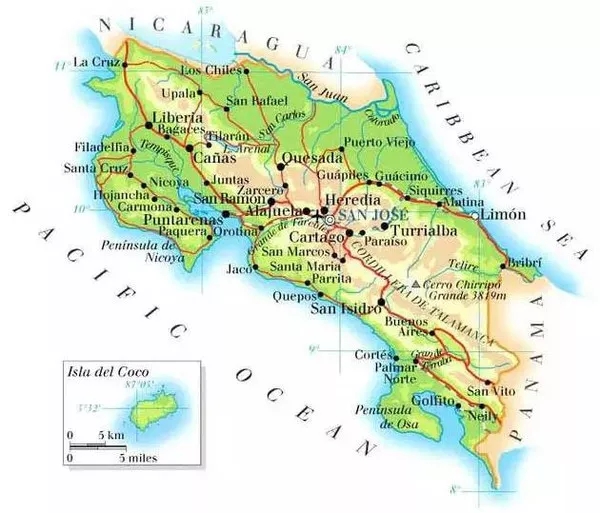
Costa Rica
The first country in Central America to grow coffee, with government support driving its development.
Costa Rica was the first country in Central America where coffee was introduced and cultivated, and it has a long history and a complete system from production to sales. Sitting on the Central American isthmus with very fertile, well-drained volcanic soil, especially on the Central Plateau, its coffee areas have volcanic terrain with fertile volcanic ash, mild and suitable temperatures, and stable, abundant rainfall, making coffee one of the country's main agricultural products. All the beans are Arabica. With pure flavors and pleasant aromas, they show impeccable balance in both acidity and mouthfeel. The beans are full-bodied, with ideal acidity and distinctive, intense aromas.
Coffee first appeared in Costa Rica in 1729, introduced from Cuba at the time. That made Costa Rica the first country in Central America to grow coffee and the first to cultivate it commercially. Later, after Costa Rica gained independence from Spain in 1821, the government began strongly supporting the coffee industry through a series of policies. By then it had been more than a hundred years since coffee arrived, yet about 70,000 coffee trees had already been planted, showing how quickly it developed.
Policy
In 1825, the Costa Rican government implemented tax exemptions. In 1832, the local government enacted a law: "He who plants coffee owns his land." This meant that if a farmer planted coffee on vacant, unoccupied land, he could own that land directly. The policy encouraged many people to grow coffee, promoted its development, and led to the situation today where most of Costa Rica's coffee comes from private estates.
Geographical Location & Coffee Growing Regions
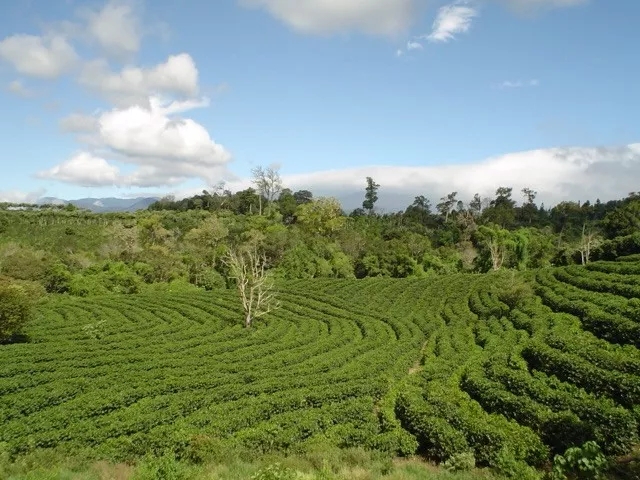
Costa Rica sits on the Central American isthmus and is influenced at once by the climate regulation of Pacific and Atlantic ocean currents and sea breezes. Many of its volcanoes reach altitudes of 2,000 meters, letting coffee cherries grow slowly in fertile volcanic ash soil and high-altitude cool air, which nurtures beans with complete, rich flavors.
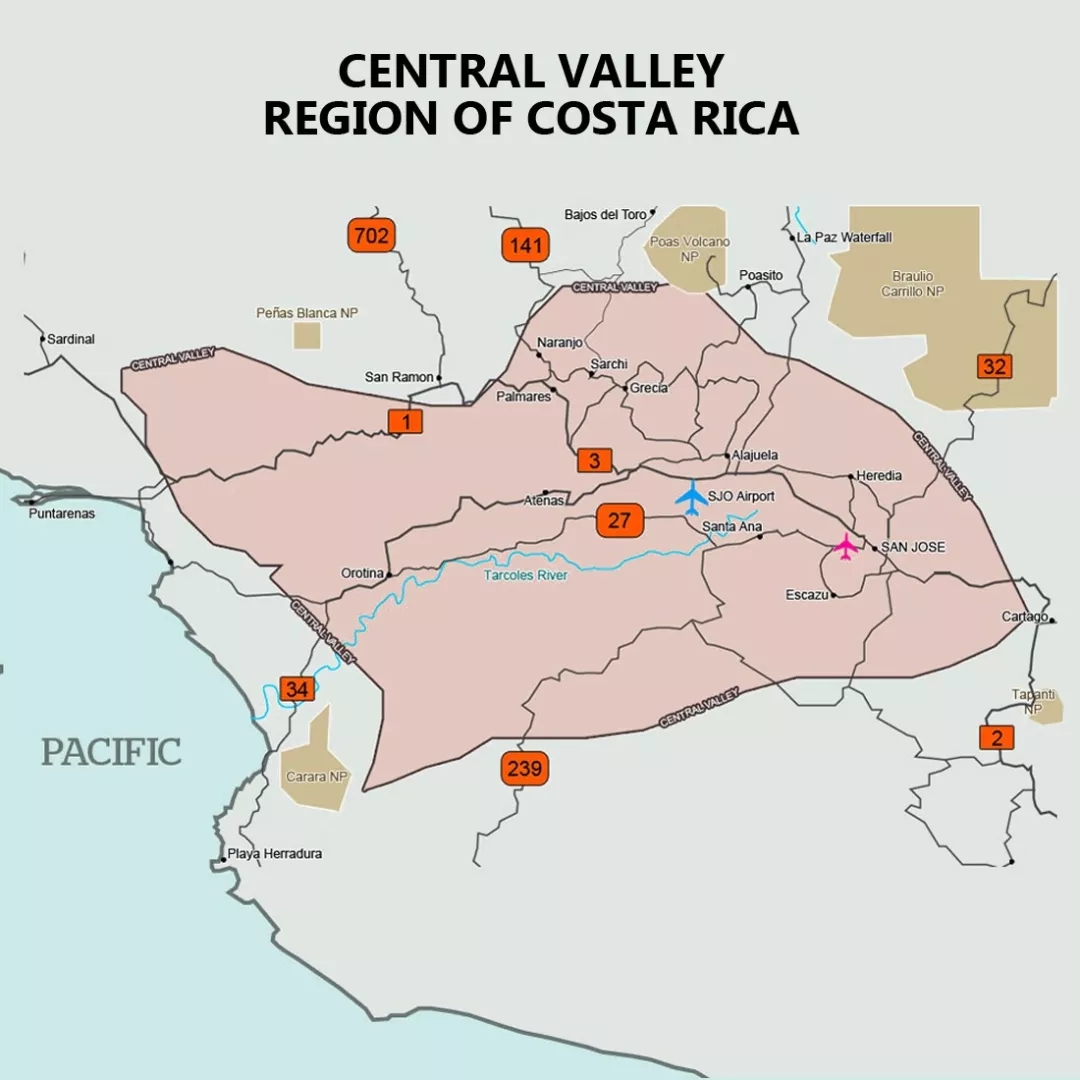
The earliest place coffee was cultivated in Costa Rica was on the slopes of the Poas and Barva volcanoes, in what is today the Central Valley region. After years of development, there are now 8 main coffee growing regions: Western Valley, Central Valley, Tarrazu, Tres Rios, Orosi, Brunca, Turrialba, and Guanacaste. Tarrazu is one of the world's major coffee-producing regions. Today the editor wants to share about one of these eight: the Central Valley.
Central Valley
With altitudes of 1,200-1,600 meters and a harvest season from November to March, this region has three sub-regions: San Jose, Heredia, and Alajuela. It contains three high-altitude volcanoes - Irazu, Barva, and Poas - which feed the surrounding coffee areas with rich nutrients. Superior microclimates combined with the fertile soil of the Poas and Barva volcanoes give beans from this region excellent characteristics, such as chocolate and cocoa flavors, bright fruit acidity, and elegant aromas.
As noted earlier, the Central Valley is also the earliest area in Costa Rica where coffee was cultivated. With moderate rainfall of 118 inches a year and an average temperature of only 19 degrees C, along with high altitude, the beans are hard, aromatic, smooth, and highly acidic, with full bodies and rich flavors. As Costa Rica's earliest coffee region, it has rich volcanic soil, sometimes with chocolate notes.
Speaking of which, the editor would like to share this Costa Rican Black Soul from the Central Valley that I've been drinking often lately.
Finca Las Lajas Alma Negra
Costa Rica - Black Soul
Country: Costa Rica
Region: Central Valley
Altitude: 1300-1500 m
Processing: Natural processing
Grade: SHB
Varieties: Caturra, Catuai
The Estate
This bean comes from Finca Las Lajas, one of the first estates to begin systematic research and processing, and it has long been favored by global buyers. Finca Las Lajas is currently run by third-generation owner Francisca Cubillo and her husband Oscar. The estate is in the Central Valley region, not far from the capital and quite close to Poas Volcano, at altitudes between 1,250-1,500 meters, producing approximately 55,200 kilograms a year.
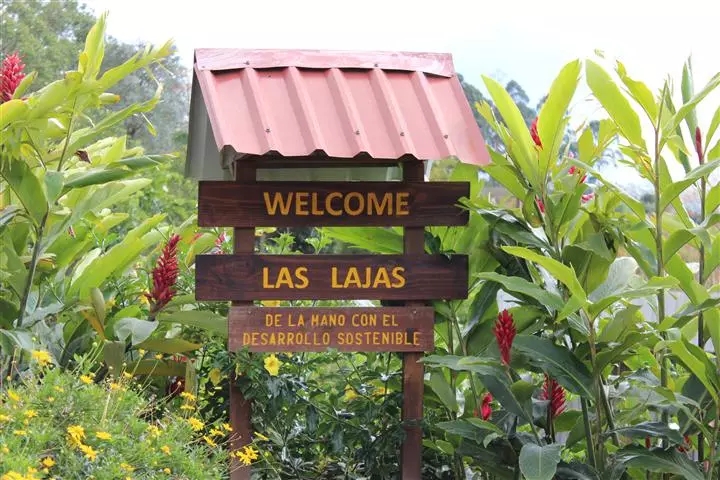
Years ago, owner Francisca hoped to further enhance the flavor expression of the estate's coffee. At the time, the vast majority of Costa Rican farmers used traditional washed processing to serve the American and European markets. So the owner began researching and improving the estate's equipment and facilities to better suit natural and honey processing.
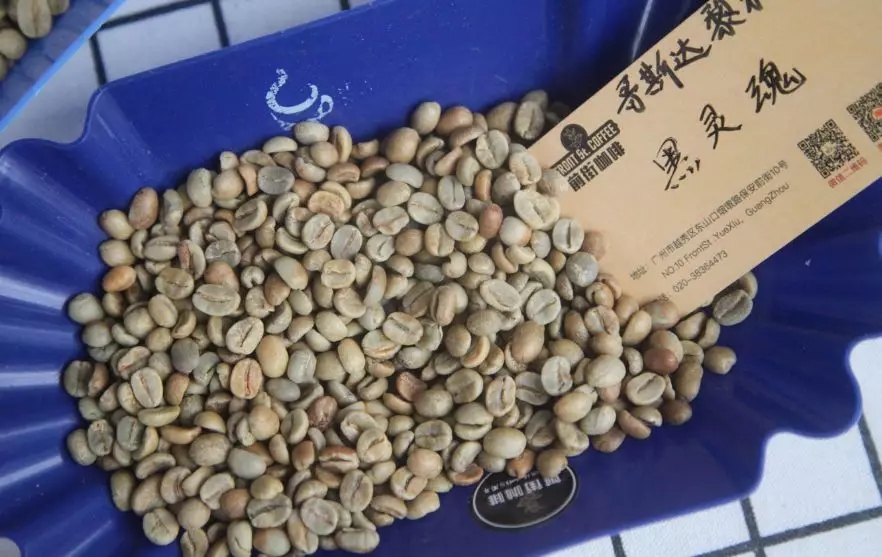
The raw beans of this coffee clearly show the typical yellow-green color after natural processing, with a light hawthorn sour aroma.
Cupping Notes

Cupping flavors: fermented fruit aroma, floral notes, citrus, plum, fruit tea. A noticeable sweet-and-sour sensation, a juicy texture, and overall balance.
Pour Over
The editor used the usual technique to brew this bean: a V60 dripper, water temperature of 90 degrees C, grind size of BG-5R (60% pass rate through a Chinese standard #20 sieve), and a coffee-to-water ratio of 1:15 with segmented extraction.
The extracted coffee has a light fermented wine aroma and an almond scent. The entry brings sour notes of dark plum and citrus, with dark chocolate and nuts in the middle. As it cools, it shows tropical-fruit-like sweet-and-sour notes, cream and honey-like sweetness, and a fruit-tea finish.

Although they are all Costa Rican coffees, the flavors from different growing regions are distinct - that part is undeniable. Even within the same region the editor shared today, the Central Valley, different estates and different processing methods all produce their own unique flavors. Of course, you have to taste and compare them to know.
FrontStreet Coffee Recommendation
Since this piece is about washed processing in Costa Rica's Central Valley, it's worth contrasting it with a few other FrontStreet washed coffees. The FrontStreet Yirgacheffe Gedeb Cooperative comes from a village-level processing team in Yirgacheffe and is washed to maximize its jasmine florals and bright citrus acidity; a medium-light roast adds green tea and honey notes, and it works for pour-over, cold brew, or espresso.
For something more intense, the FrontStreet Kenya Cherry Tomato is a Kenyan top pick for the washed method, since Kenya excels at double washing. The repeated rinsing and soaking push the juice sensation to the limit, giving it cherry tomato, dark plum, snow pear, black plum, and yellow sugar aromas with a sweet-and-sour, juicy mouthfeel.
And for a truly balanced, classic cup, the FrontStreet Jamaica Blue Mountain No. 1 shows why washed processing suits Blue Mountain. Washing removes the pulp and mucilage before drying, shortening drying time and producing bright, low-defect beans, so the cup carries pure hazelnut, cream, chocolate, and caramel notes with a balance in which no single flavor dominates or goes missing.
Important Notice :
FrontStreet Coffee is a long-established specialty coffee roaster in Guangzhou China, selling freshly roasted beans from its own farm in Yunnan as well as dozens of carefully selected single-origin beans from around the world for both pour-over and espresso. The products deliver consistently excellent quality and great value, with shipping within 24 hours. Guangzhou's FrontStreet Coffee shop is recommended by many coffee lovers, and the beans are now available online at the Tmall 。
FrontStreet Coffee has moved to a new address:
FrontStreet Coffee Address: 315,Donghua East Road,GuangZhou
Tel:020 38364473
 Scan and follow the En Gafei WeChat official account. Please indicate that the reprint comes from "En Gafei".