The Distinctive Flavor Profile of Mandheling Coffee: Exploring the Characteristics of Indonesian Sumatran Beans
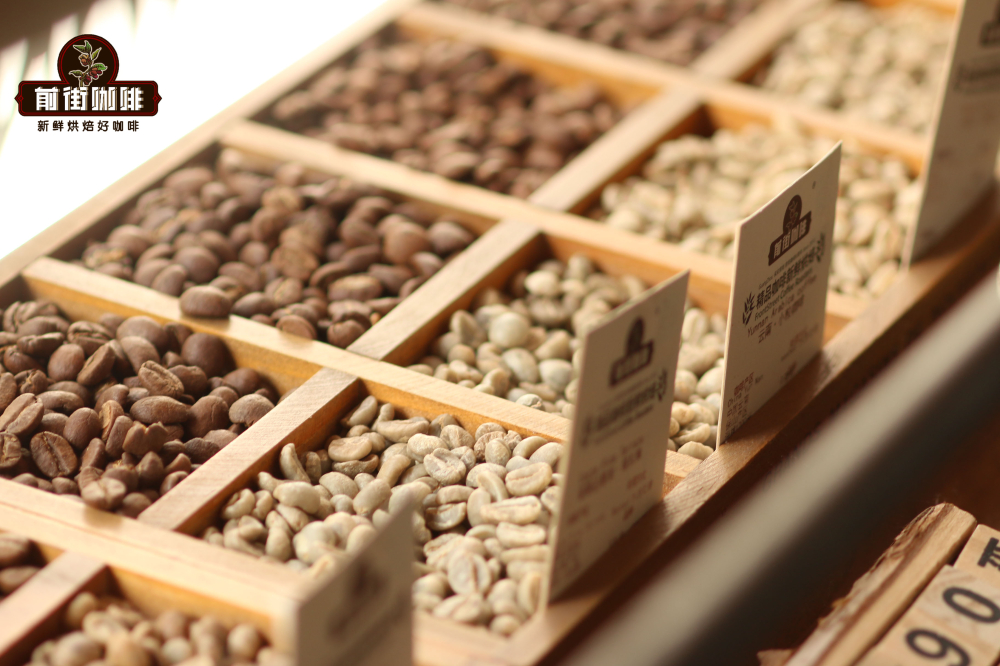
For friends who don't care for sour flavors, FrontStreet Coffee's baristas typically introduce a few single-origin coffees with a bitter profile: Brazil Queen's Manor, Indonesian Mandheling, and Jamaican Blue Mountain. If you want a clear aftertaste, choose Brazil. For a balanced, smooth cup, go for Blue Mountain. If you prefer something thick and rich, Mandheling is your best choice.
The Legacy of Indonesian Mandheling
As Asia's representative on the world coffee stage, Indonesian Mandheling is truly the veteran among bitter-profile single origins. Before Jamaican Blue Mountain became famous, Indonesian Mandheling was what older generations of drinkers meant by good coffee. Its low-acidity, heavy-bodied flavor, combined with the fresh aroma of herbaceous plants, became the classic profile of that era.
Roast Approach and Flavor Profile
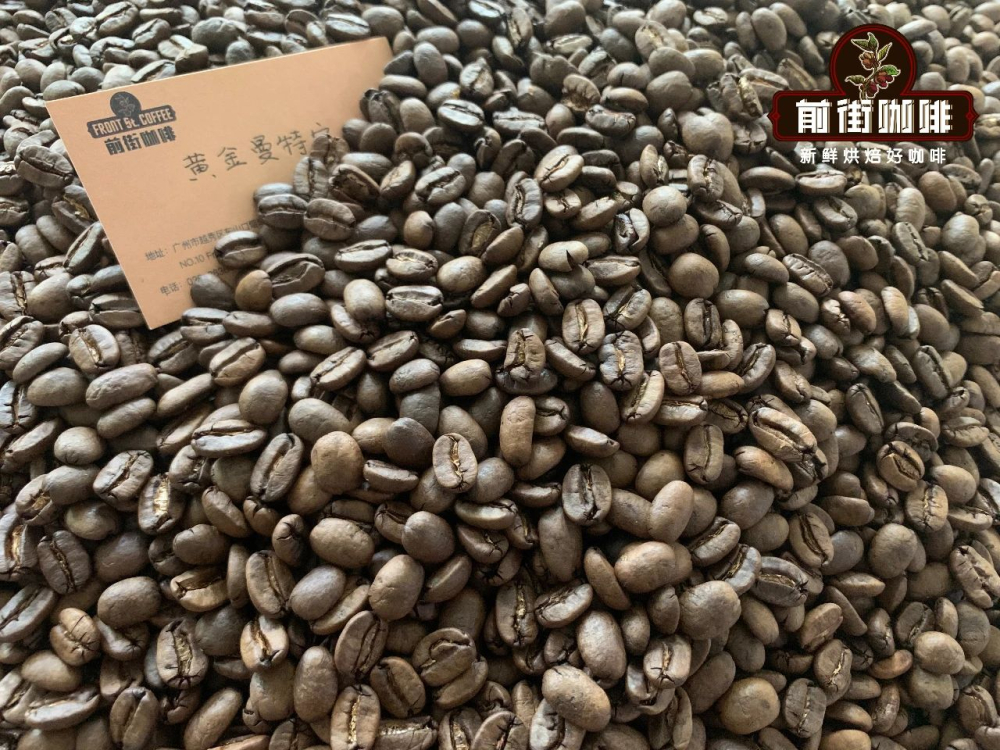
Typically, the Mandheling we drink is roasted dark to tone down the acidity and bring its rich bitterness forward. FrontStreet Coffee's menu carries two Mandheling coffees: Lindong Mandheling Daily Bean and PWN Golden Mandheling, both roasted medium-dark. FrontStreet Coffee aims to present dark chocolate and caramel while preserving Mandheling's wild herbaceous aroma. That distinctive fragrance comes from Mandheling's growing environment and processing method.
Origin and Growing Conditions
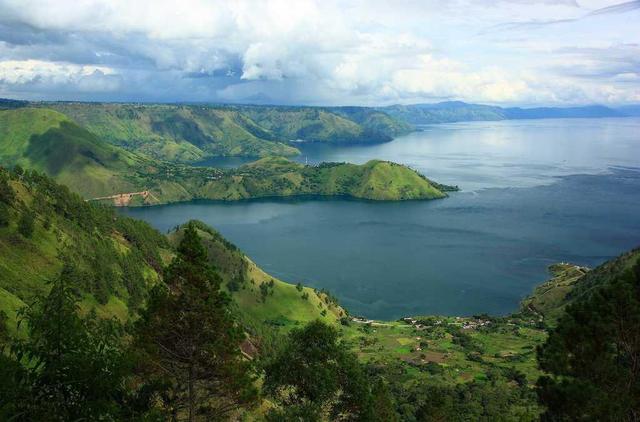
Mandheling comes from Indonesia's mysterious island of Sumatra. Sumatra is divided into eight provinces, but only the high-altitude provinces of Aceh and North Sumatra grow Arabica on a large scale. As part of a tropical rainforest region, the mountains of Sumatra are often wrapped in cloud and mist, which lends the island an air of mystery. Locals plant coffee around two major volcanic lakes, Lake Tawar and Lake Toba. The Gayo mountains around Lake Tawar offer ideal coffee-growing conditions and widely use organic methods. Combined with a long history of coffee cultivation, this area yields coffee of higher quality and quantity. Many green-coffee suppliers value the region, including the well-known local Pwani Coffee Company (PWN).
PWN and Golden Mandheling
PWN mainly buys high-quality Mandheling green beans. After purchase, the beans go through one machine selection plus three rounds of hand-picking to select full, defect-free beans. The result is all specialty grade, and "Golden Mandheling Coffee" is the company's flagship. In the early days, to become the exclusive supplier of Golden Mandheling Coffee, PWN registered the English trademark "Golden Mandheling." That means only Golden Mandheling Coffee produced by PWN is the real Golden Mandheling. FrontStreet Coffee's Golden Mandheling beans are, of course, authentic product purchased from PWN, processed with Indonesia's unique wet-hulling method.
The Wet-Hulling Process
Unlike African countries, where green beans can be dried under long hours of high-temperature sun, or the sophisticated washing conditions of Central and South America, Indonesia's wet-hulling method is a response to the local island rainforest climate — a necessary method rather than a choice. The island is consistently wet and hot, and typhoons are commonplace. In such an unstable environment, farmers shorten the drying time so the beans do not mold and spoil in the humid air.
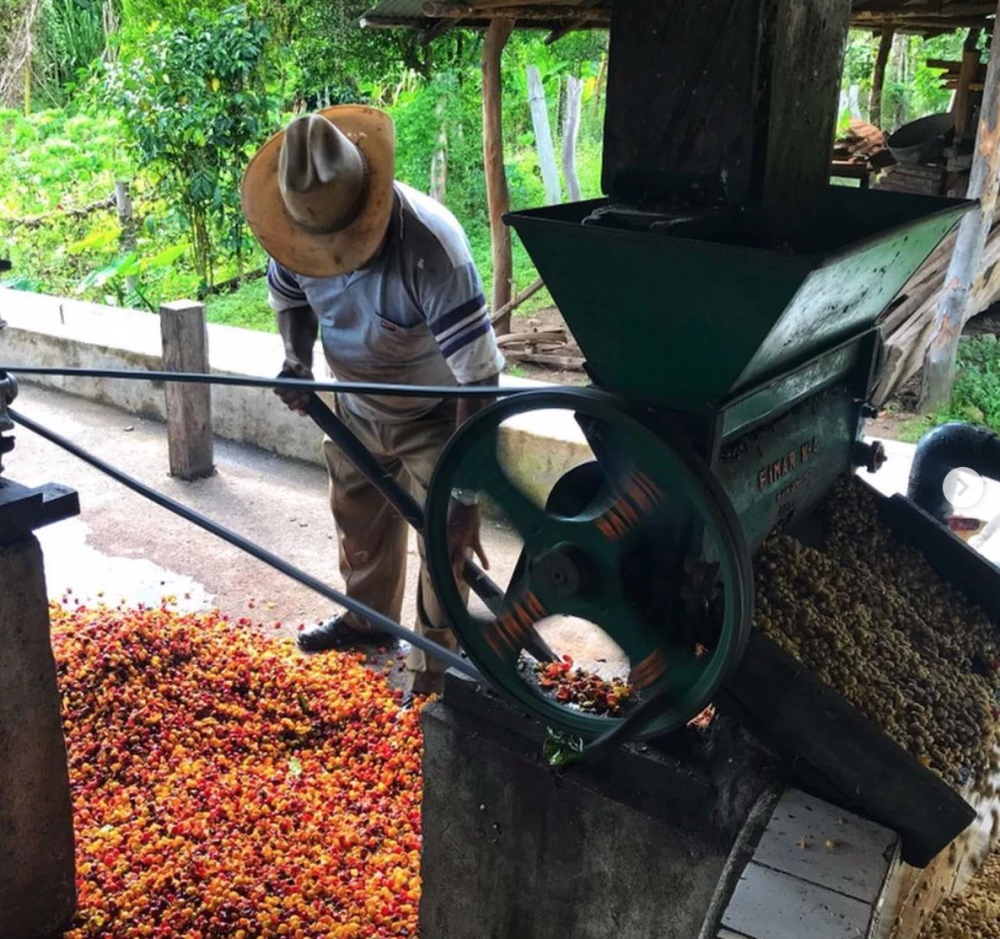
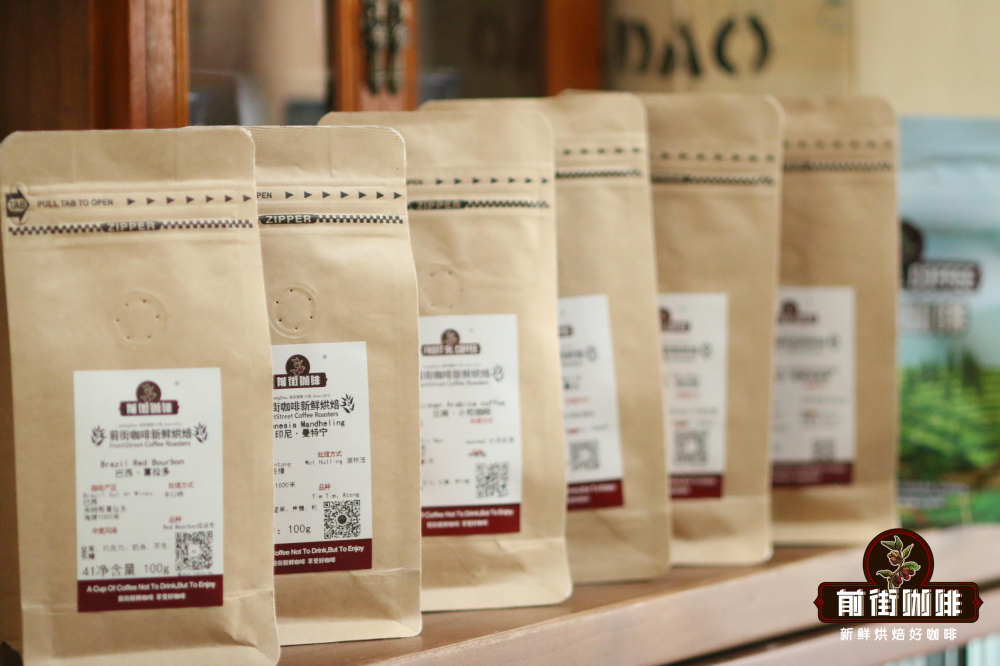
Wet-hulling first removes the skin and pulp of the coffee fruit, followed by a brief fermentation and drying. When the beans are semi-dry, the parchment layer is removed, and drying continues until moisture reaches 12%. Because each step happens in 70-90% humidity, and the parchment is gone before the final drying stage, the "exposed" green beans readily absorb moisture from the air. The resulting coffee therefore carries more woody, herbal, and spicy aromas. Lindong Mandheling also uses wet-hulling. After roasting, acidity drops and body rises, while the grassy and spicy notes remain — the signature profile of Indonesian Mandheling. That is why FrontStreet Coffee added it to the daily bean series, launching it in small 100g packages at 25 yuan each, so everyone can taste a Southeast Asian coffee.
Brewing Guide
FrontStreet Coffee expects some readers are now curious what these Southeast Asian flavors actually taste like. Below, FrontStreet Coffee brews both coffees as a reference. Curious readers can try them at home.
Because Mandheling is roasted medium-dark, the beans expand more than a medium-light roast and hold more internal gas. Freshly roasted Mandheling needs 7-10 days of degassing before it enters its best flavor window. Since FrontStreet Coffee ships beans roasted within 5 days, customers can let them rest a few days after arrival to reach that window before brewing, which helps extraction.
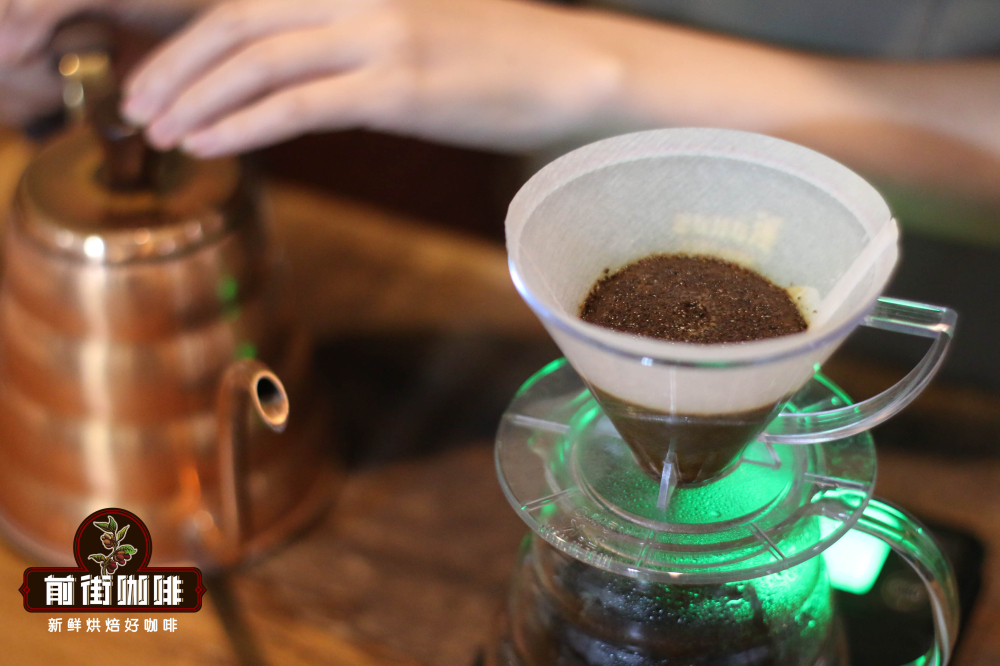
Medium-dark roasted beans change structure significantly and become more porous. Ground into powder, they absorb water more strongly. If the brewing parameters are not adjusted, the coffee easily over-extracts and turns bitter. To get enough aroma without over-extraction, the extraction rate has to come down. FrontStreet Coffee uses a slightly lower water temperature and a coarser grind to reduce the release of large bitter molecules.
Brewing Parameters
Dripper: KONO
Water Temperature: 87°C
Dose: 15g
Ratio: 1:15
Grind: China Standard #20 sieve, 70% pass-through
Pouring Method: Three-stage pour
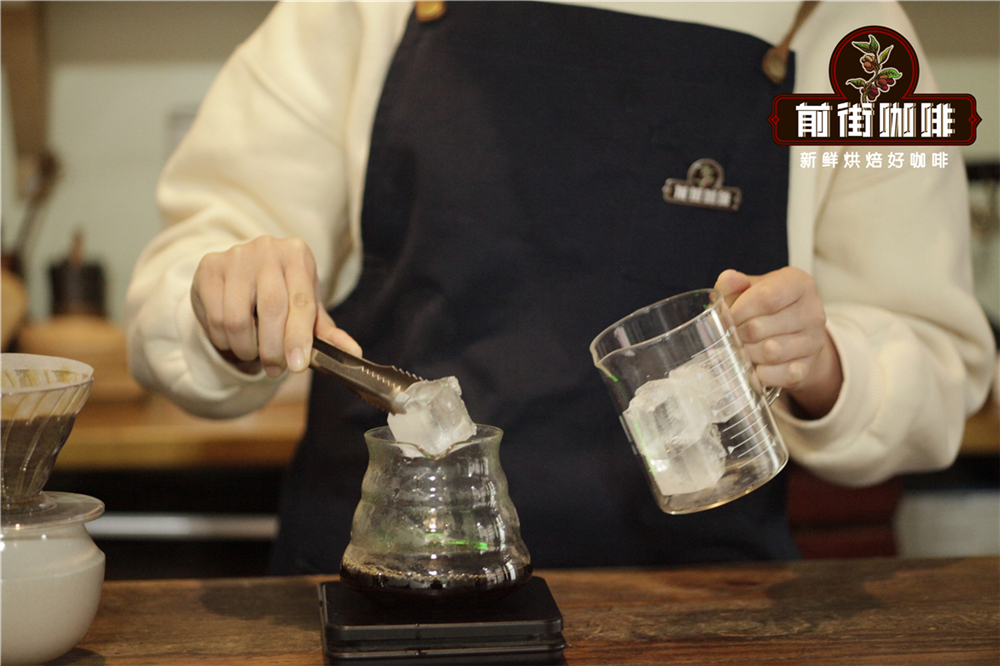
First, pour 30g of hot water for a 30-second bloom. Then pour from the center with a fine stream, slowly circling to 125g. When the water level drops to just before exposing the coffee bed, continue circling to 225g. Total extraction time is about 2 minutes. Gently swirl the coffee liquid before tasting.
Tasting Notes
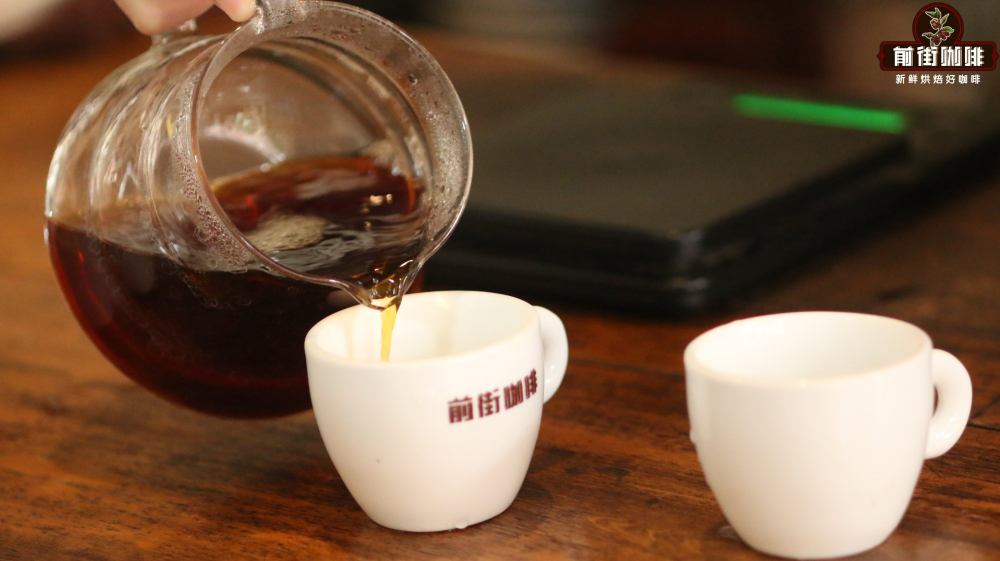
Lindong Mandheling Daily Bean: Aromas of nuts, chocolate, and caramel. The mouthfeel is round and full, with rich herbaceous and woody notes.
PWN Golden Mandheling Coffee: Rich dark chocolate aroma, with well-integrated notes of roasted hazelnut, caramel, and melon. Distinctive spice in the mouth, a thick, clean body, and a long aftertaste.
For professional coffee knowledge exchange and more coffee bean information, please follow Coffee Workshop (WeChat public account: cafe_style).
For more specialty coffee beans, please add FrontStreet Coffee's private WeChat (ID: qjcoffeex).
FrontStreet Coffee Recommendation
To taste wet-hulling at its most refined, FrontStreet Coffee's PWN Golden Mandheling is the one to reach for. PWN selects green beans at 18 screen and above and requires fewer than three defects per 300g sample to meet the top G1 standard, then puts the beans through three rounds of hand-picking. That is why the cup is cleaner and sweeter than an ordinary Mandheling, with a thick, syrupy body and clear dark chocolate and caramel. Brew it as a pour-over at 87-88°C with 15g of coffee to 1:15 water, using a coarse grind like raw sugar and a three-stage pour; a 30ml bloom, a second pour of 100ml that lifts the golden foam, and a gentle 95ml center pour to finish bring out the caramel, chocolate, and nut sweetness.
If you already know Mandheling from espresso, try the Classic Blend. It builds creamy, nutty Brazilian character onto a medium-dark Mandheling base, so butter, roasted chestnut, and caramel come forward while the Mandheling adds body and a sandalwood-herbal-spice lift. A small addition of Robusta rounds out the crema, which makes latte art and layered Dirty drinks easy to pour.
Important Notice :
FrontStreet Coffee is a long-established specialty coffee roaster in Guangzhou China, selling freshly roasted beans from its own farm in Yunnan as well as dozens of carefully selected single-origin beans from around the world for both pour-over and espresso. The products deliver consistently excellent quality and great value, with shipping within 24 hours. Guangzhou's FrontStreet Coffee shop is recommended by many coffee lovers, and the beans are now available online at the Tmall 。
FrontStreet Coffee has moved to a new address:
FrontStreet Coffee Address: 315,Donghua East Road,GuangZhou
Tel:020 38364473
 Scan and follow the En Gafei WeChat official account. Please indicate that the reprint comes from "En Gafei".