Origin Story of Yunnan Small-Grain Coffee: Main Categories and Yunnan Coffee Bean Roasting Curve Parameters Sharing

When people talk about "Yunnan small-bean coffee" these days, they're usually referring to Catimor. Although the term originally described the Typica variety, Catimor now dominates Yunnan's output by sheer volume - in Yunnan's growing regions, 99.99% of the coffee planted is Catimor. Why? FrontStreet Coffee believes it comes down to Catimor's excellent disease and pest resistance and its high yields - put plainly, the economics simply work.
But we also understand what drives coffee flavor, and we'd like to change how people think about Yunnan beans. In our view, liking Yunnan coffee doesn't need a justification - this is our own homegrown coffee.

Yunnan's Four Major Coffee Growing Regions
Lincang, Baoshan, Pu'er, and Dehong are the four key growing regions for Yunnan coffee, all clustered in the southwestern part of Yunnan Province.
Lincang deserves a closer look. (Read on a little longer.) It borders Pu'er to the east, Dali to the north, Baoshan to the west, and Myanmar to the southwest. Average annual temperatures in Lincang City range between 16.8°C and 17.2°C, with sharply distinct dry and wet seasons and abundant sunshine.
FrontStreet Coffee has established its own estate in Yunnan's Lincang region, and in 2021 we harvested our first batch of coffee from our own trees.

In fact, the first variety ever planted in Yunnan was Typica. But thanks to Catimor's strong disease resistance and high yield - and with the opening of the economy, as international brands like Starbucks and Nestlé entered Yunnan to promote it aggressively - Catimor gradually took over. Its one weakness is lackluster flavor, and over time, Yunnan small-bean coffee shifted from the original Typica to today's Catimor.
China's Coffee Producing Region · Yunnan Baoshan
At its best, the high-altitude coffee of Yunnan's Baoshan region can stand alongside Jamaican Blue Mountain. Baoshan is also home to some of the world's most expensive civet coffee. Large-scale cultivation there began as early as 1952, giving the region over 60 years of coffee history, and Baoshan is known as the "Best Coffee Producing Region in Asia."

Coffee is also the most mature, market-oriented industry developed under the Baoshan municipal government since the founding of New China. To grow it further, Baoshan has made many attempts, including projects such as the Yunnan Baoshan Coffee World.
Baoshan sits on a low-latitude plateau famous for the saying "one mountain has four seasons; ten miles, different weather" - climate conditions ideally suited to coffee. Here's one telling statistic: Yunnan Province produces 136,000 tons of coffee, more than 95% of China's total, and exports 60,700 tons, the highest in the country.
With its long cultivation history, Baoshan is recognized as the "Best Small-Bean Coffee Origin," ranking among the better coffee-producing regions both nationally and worldwide.

FrontStreet Coffee · Yunnan Coffee Estate Coffee Bean Introduction
In the 2021 new Yunnan coffee season, we processed a small batch of natural-processed Yunnan Typica ourselves. The quantity was so limited that we could only offer it as a "limited gift" in promotions for customers to sample. Our regular bean list has long included a Yunnan washed Typica Huaguoshan (Fruit Mountain) coffee bean.
FrontStreet Coffee carries two Yunnan small-bean coffees: one Catimor, one Typica. Because Catimor carries Robusta genes, its flavor falls somewhat short of the Typica.

Yunnan has excellent growing conditions, yet we believe current Yunnan coffee hasn't fully reached "specialty coffee" standards, for two reasons: 1. Variety. Most of Yunnan grows Catimor, which is inherently inferior to the excellent Typica. 2. The use of anaerobic processing. It's a fashionable method, but it masks the coffee's original flavor - so how can we speak of specialty coffee?
FrontStreet Coffee's physical stores often share this self-produced natural Typica as a tasting sample, gifted to different customers to try.

Western and southern Yunnan lie between 15°N latitude and the Tropic of Cancer, and most of the area has the high altitudes coffee needs. The terrain is mountainous and sloped with great variation, the soil fertile, sunshine abundant, rainfall plentiful, and day-night temperature swings large.

Pu'er, Xishuangbanna, Wenshan, Baoshan, Dehong, and Lincang - across southern and western Yunnan - are all home to Yunnan small-bean coffee cultivation.
We all know that washed coffees taste cleaner while naturals carry more fruit - but FrontStreet Coffee believes traditional processing methods best express an origin's fundamental character. That's why our bean list holds many washed coffees, from Ethiopia, Panama, Colombia, and elsewhere.
Yunnan beans today offer more processing choices than ever, with many variations having evolved - adding steps during anaerobic fermentation, for example.
The most widely planted variety in Yunnan remains Catimor. In Baoshan, small plantings of Typica and Bourbon survive as well. Though all are Arabica, Typica and Bourbon differ from Catimor in essential ways.
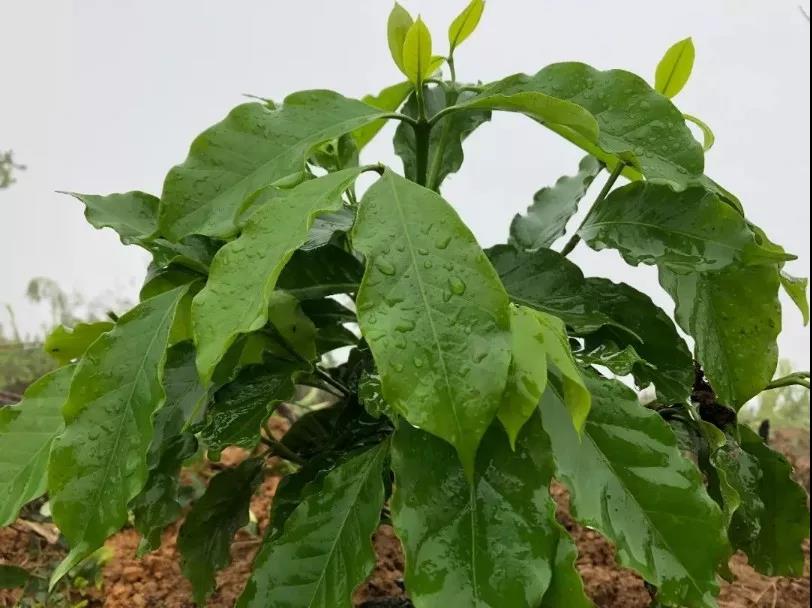
Coffee Varieties Comparison
Let's take a closer look at Typica and Bourbon.
Typica Coffee Variety
Typica originates from Ethiopia and southeastern Sudan and is the most widely cultivated variety in the Western Hemisphere. The plants are relatively robust but intolerant of strong light, and the new top leaves are copper-colored - hence the nickname "red-top" coffee. Many commercial improved varieties descend from Typica.
Typica is universally recognized as a specialty variety, but its yields are extremely low and it is susceptible to rust, demanding more labor and higher care costs. Prestigious estate beans like Jamaican Blue Mountain, Sumatra Mandheling, and Hawaiian Kona are all Typica.
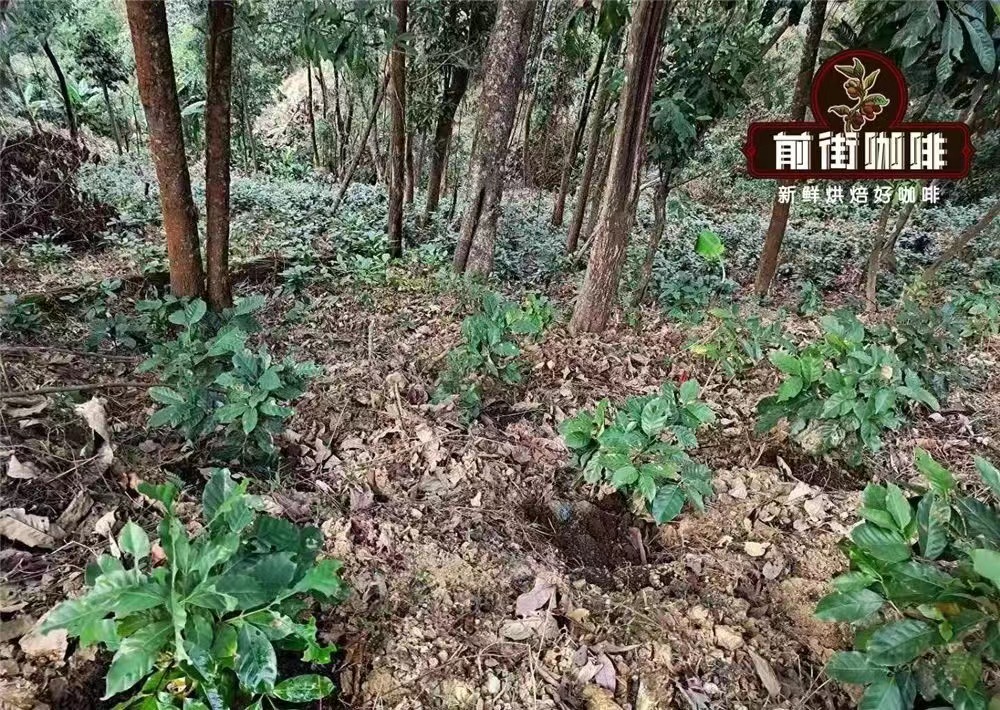
Bourbon Coffee Variety
In the 18th century, the French carried round-bean coffee from Yemen to Réunion Island - then known as Bourbon Island, which gave the variety its name. In 1860, Bourbon was introduced to Brazil and from there spread rapidly across Central and South America, where it is still grown and produced today.
It is a mutation of Typica, with green terminal buds and young leaves - "green-top" coffee. Bourbon beans have excellent aroma and rich layering, but weak disease resistance and low yields, which is why many Central and South American countries plant its natural mutations such as Caturra, or hardier, higher-yielding varieties.
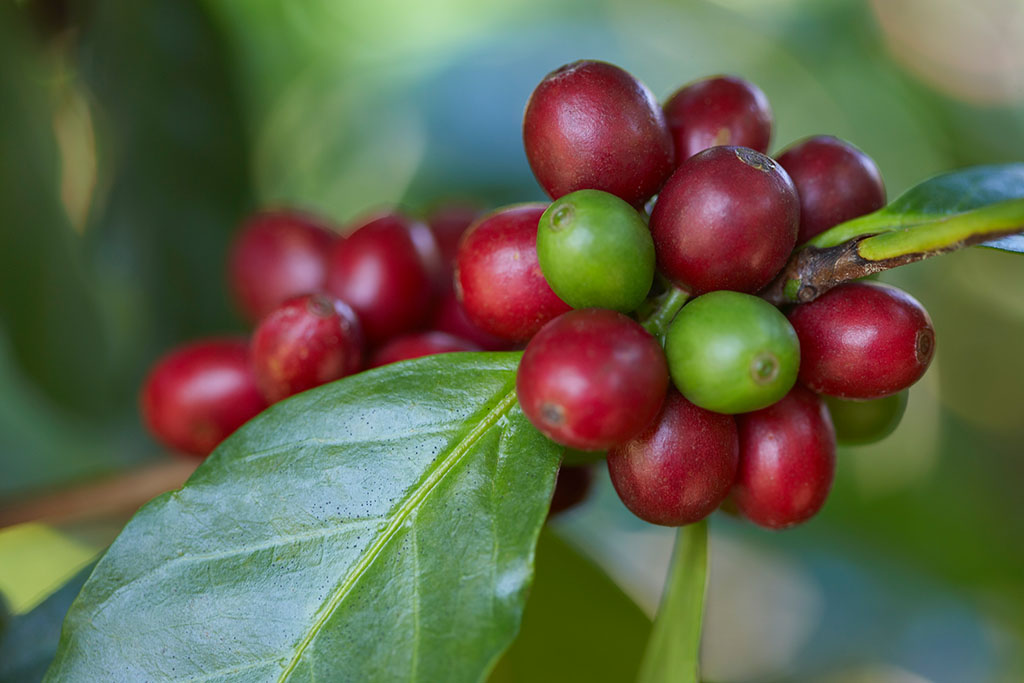
Catimor Coffee Variety
Strictly speaking, Catimor is not pure Arabica. It is a cross between the Timor variety (a Robusta-derived coffee) and Caturra (a mutation of Bourbon), giving Catimor 25% Robusta bloodline.
That Robusta inheritance explains Catimor's flavor shortcomings: insufficient aromatic richness, heavy bitterness, a tendency toward astringency, and relatively pungent musty notes.

Typica yields only about 1/3 of what Catimor produces, which is one reason it costs more. Typica and Bourbon are also highly susceptible to rust - one more reason farmers hesitate to plant them.
Low yields, disease susceptibility, and high care costs mean growers need years of exploration. Many of today's coffee farmers have little "specialty coffee" awareness yet - and even those who do balk at cutting down mature trees and replanting for several years before the harvest returns.

FrontStreet Coffee · Coffee Bean Processing Method Introduction
Natural Processing Method
The oldest processing method, it can be summed up in four words: "dry, then peel." But producing well-executed natural coffee is harder than it sounds; natural processing generally suits dry, warm, sunny regions.
Cherries must be processed immediately after harvest. First comes hand selection to remove defective cherries - overripe, unripe, insect-damaged - and anything that isn't a coffee cherry at all. Float sorting is a common screening method. After screening, the cherries are sun-dried.
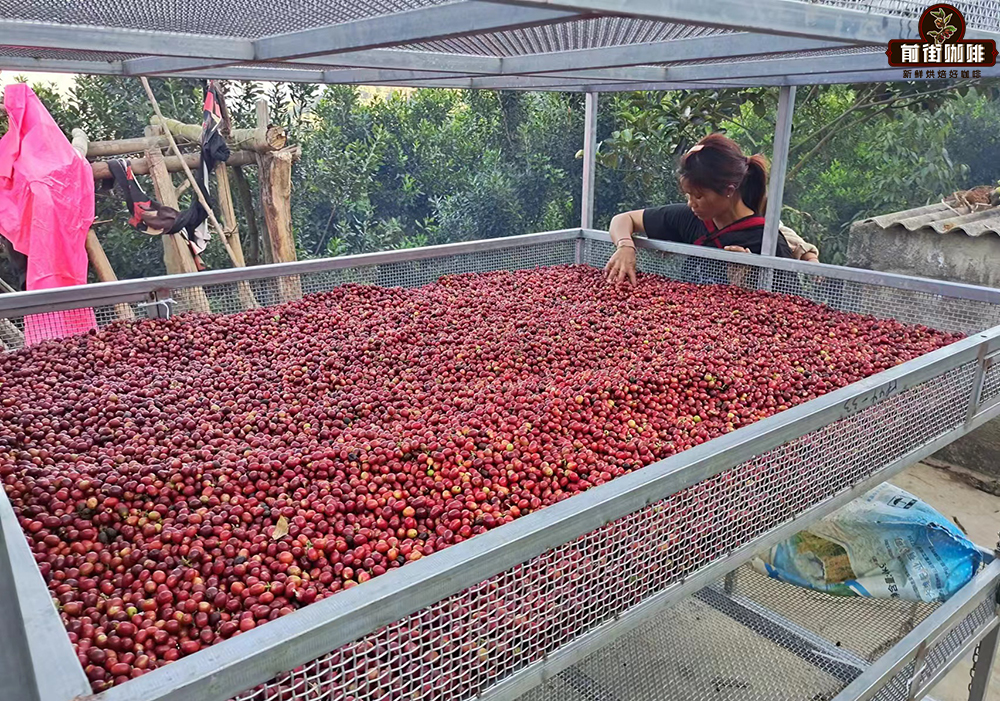
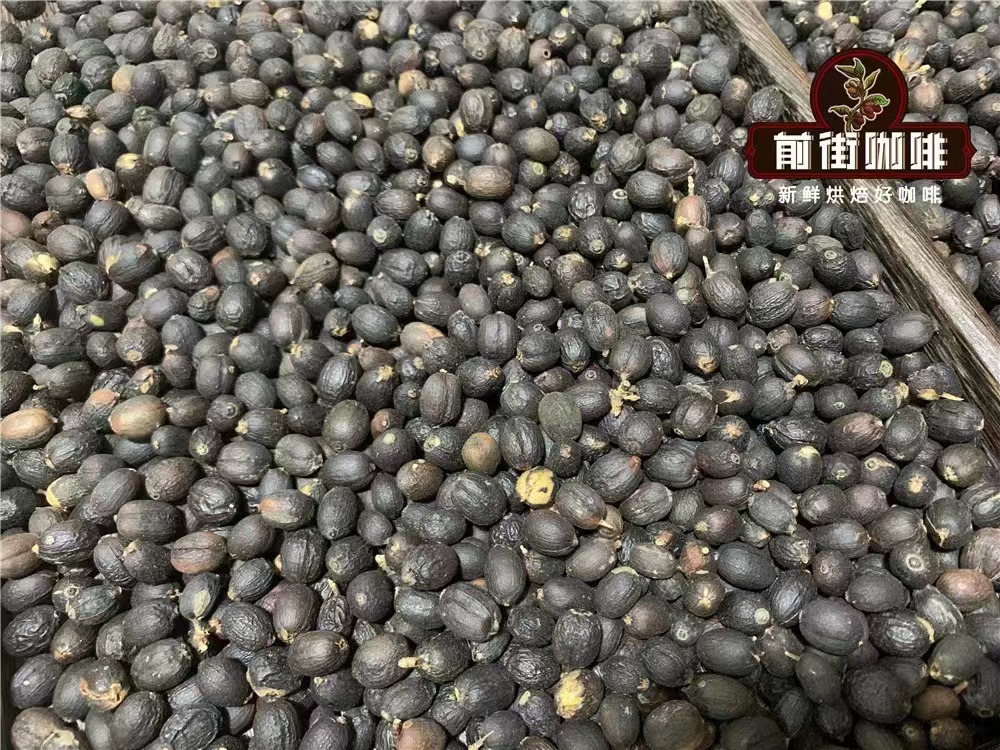
Drying time depends on the weather, generally about 4 weeks. Different regions use different drying surfaces - tarps, raised beds, concrete floors. The average drying period is 3-4 weeks, until the coffee's moisture content falls to 11%, at which point machines remove the dried pulp, skin, and mucilage.
Washed Processing Method
Because Ethiopia's coffee grows at high altitude and water has always been scarce there, the earliest and most traditional method was natural processing. But the rougher steps meant flavors turned too concentrated and the cup lacked cleanliness.

In 1972, Yirgacheffe introduced washed processing from Central and South America to raise quality - an upgrade that lifted Ethiopian coffee by several grades. The jasmine fragrance and lemon-citrus notes of washed Yirgacheffe went on to represent African specialty beans in Europe and America, and washed processing became the mainstream in the region.
After harvest, cherries go straight to the washing station. Workers first float-sort to remove low-density cherries, then machine-remove the skin and pulp, and place the beans in tanks for dry or water fermentation, letting fermentation break down the mucilage layer.

After fermentation, the beans are rinsed clean of mucilage and sun-dried - with drying time cut by more than half, generally about 2 weeks depending on weather, until moisture falls between 11% and 13%. The beans are then stored in parchment, which is hulled only just before export.
FrontStreet Coffee · Yunnan Small-Bean Coffee Beans
Origin: Yunnan Baoshan
Altitude: 1200m
Processing Method: Washed
Variety: Catimor
FrontStreet Coffee · Yunnan Small-Bean Coffee Beans Roasting Record
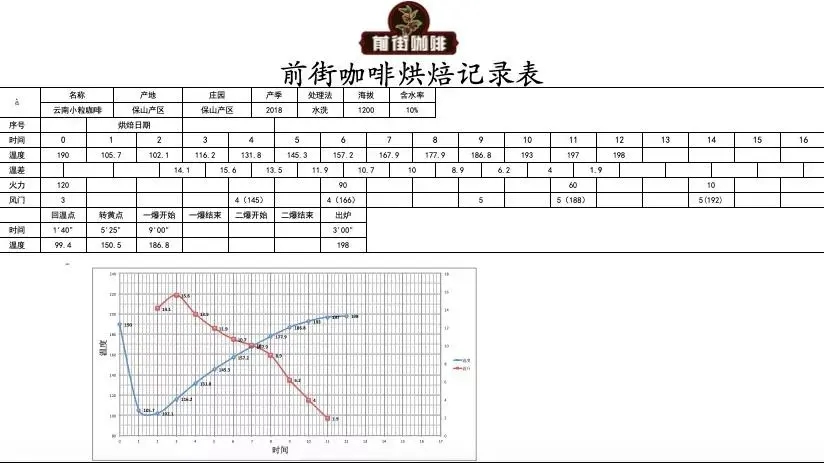
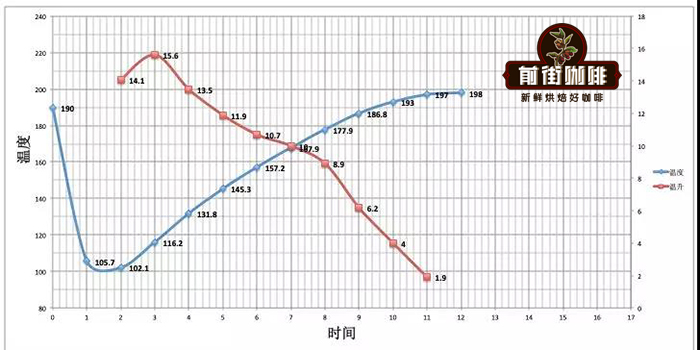
Charge the drum at 190°C with heat at 120 and damper at 3. Turning point at 1'40"; when drum temperature reaches 145°C, open the damper to 4 with heat unchanged. At 166°C the bean surface yellows, the grassy aroma disappears completely, and the drying stage begins. At 188°C, cut the heat to 60 and open the damper to 5. At 8'37", wrinkles and dark speckles appear on the bean surface and the toast aroma shifts clearly to coffee aroma - the prelude to first crack. Listen carefully from here. First crack starts at 9'00"; damper unchanged, develop for 3 minutes after crack, and drop the batch at 198°C.
FrontStreet Coffee · Yunnan Small-Bean Coffee Beans Cupping Results
Smooth entry, with an Asian herbal-plant aroma, lively and bright acidity that makes both cheeks water, soft acidity, a well-balanced body, and rich layering. The aftertaste shows clear dark chocolate, honey, and cane sugar; once fully cooled, brown sugar.

About 6 years ago, FrontStreet Coffee began sourcing Typica from Yunnan's Baoshan region, creating the representative Yunnan Huaguoshan coffee beans that showcase what Yunnan coffee can be.
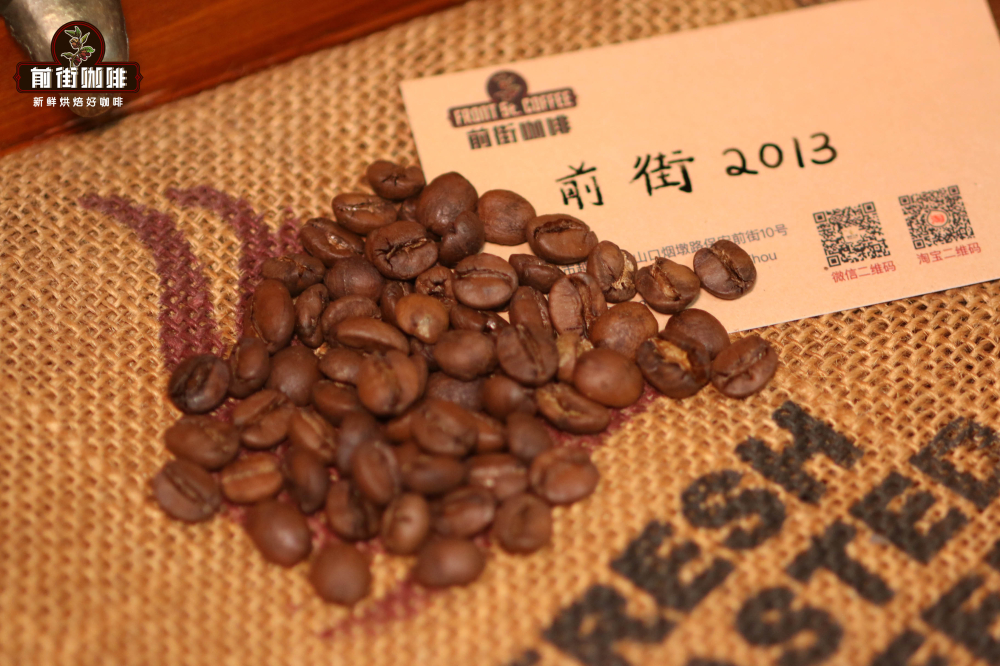
FrontStreet Coffee · Yunnan FrontStreet Coffee 2013 Coffee Beans
Coffee Origin: Lincang
Coffee Variety: Typica
Altitude: 1300m
Processing Method: Natural
FrontStreet Coffee · Yunnan Huaguoshan Coffee Beans Roasting Record
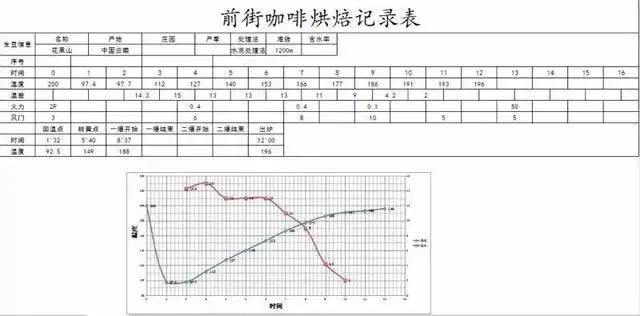
These beans have a moisture content of 10.9%, so the roasting plan charges at 200°C, then uses high heat and a small damper to speed the drying stage. Once drying ends, medium damper and medium heat keep the Maillard reaction from rushing. Develop for 3 minutes after first crack, then drop. Turning point: 1'32", 92.5°C; yellowing point: 5'40", 148.5°C; first crack: 8'59", 188.0°C; develop 3 minutes and discharge at 12'00", 196°C.
FrontStreet Coffee · Yunnan Huaguoshan Coffee Beans Cupping Record
Cupped 12 hours after roasting: rich fruit aroma on entry with melon and herbal-plant notes, smooth entry, nuts and milk chocolate in the middle, finishing with lively, bright plum acidity that makes both cheeks water. Good balance, medium body that feels full. From hot to warm, layered sweet-sour sensations unfold - sweet first, then sour - with apricot-peach, citrus-toned acidity, and a finish of black tea and brown sugar.
FrontStreet Coffee · Brewing Tips for Yunnan Small-Bean and Yunnan Huaguoshan Coffee Beans
FrontStreet Coffee recommends the V60 dripper. Its large opening and unique spiral rib design let air escape more easily, improving extraction quality. The body may not be thick, but the high concentration brings out Yunnan coffee's signature fruit acidity and distinct aroma.
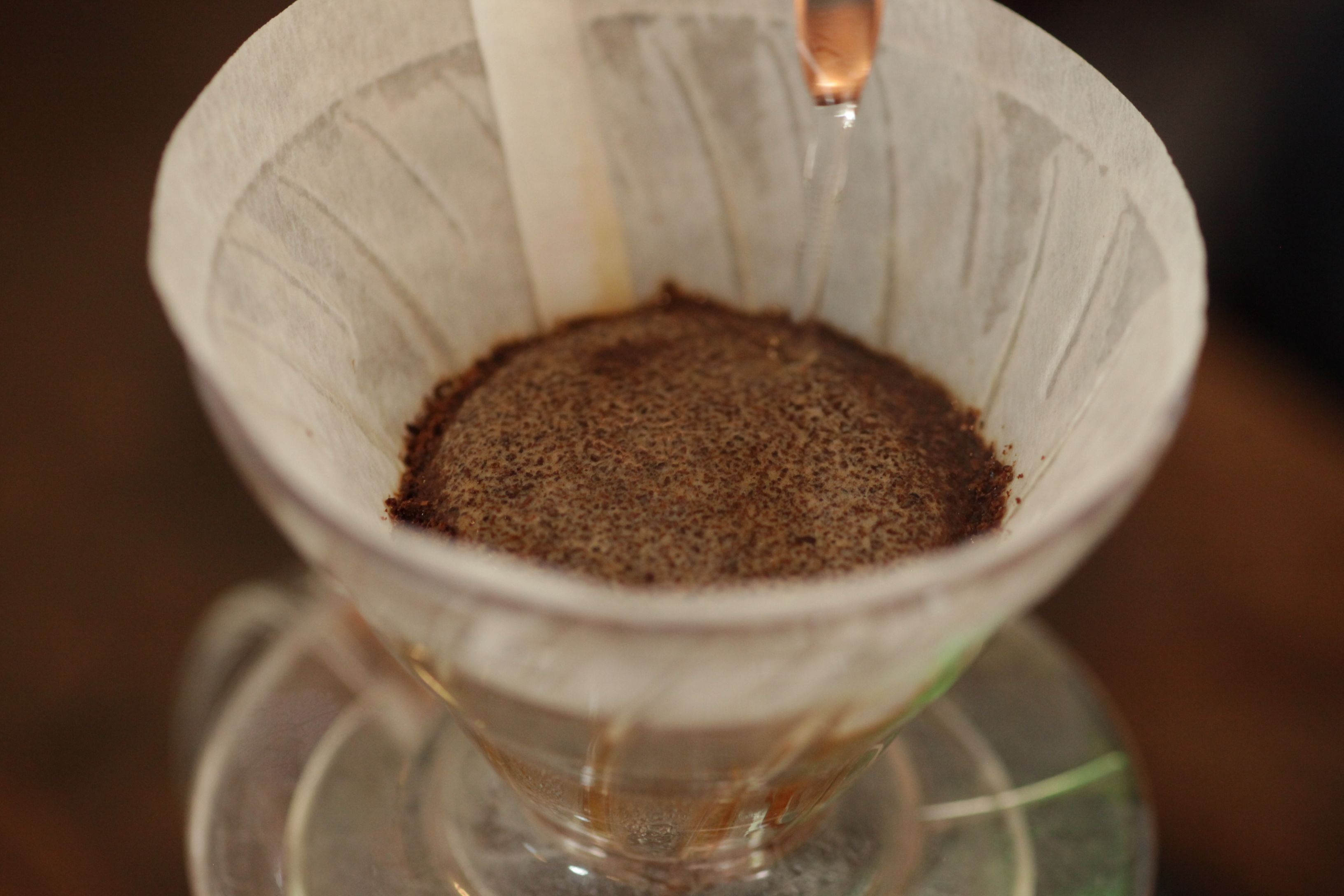
Dripper: V60 #01
Water Temperature: 90-92°C
Coffee-to-Water Ratio: 1:15
Grind Size: Medium-fine, about sugar-crystal size (57% pass rate on China standard #20 sieve)
Brewing Method: Segmented extraction.
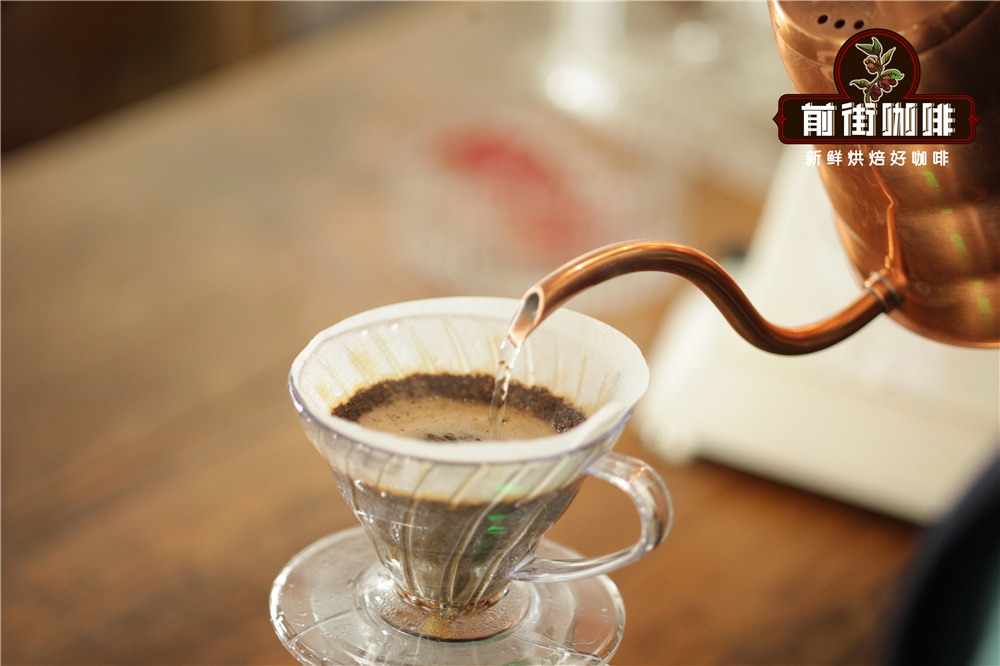
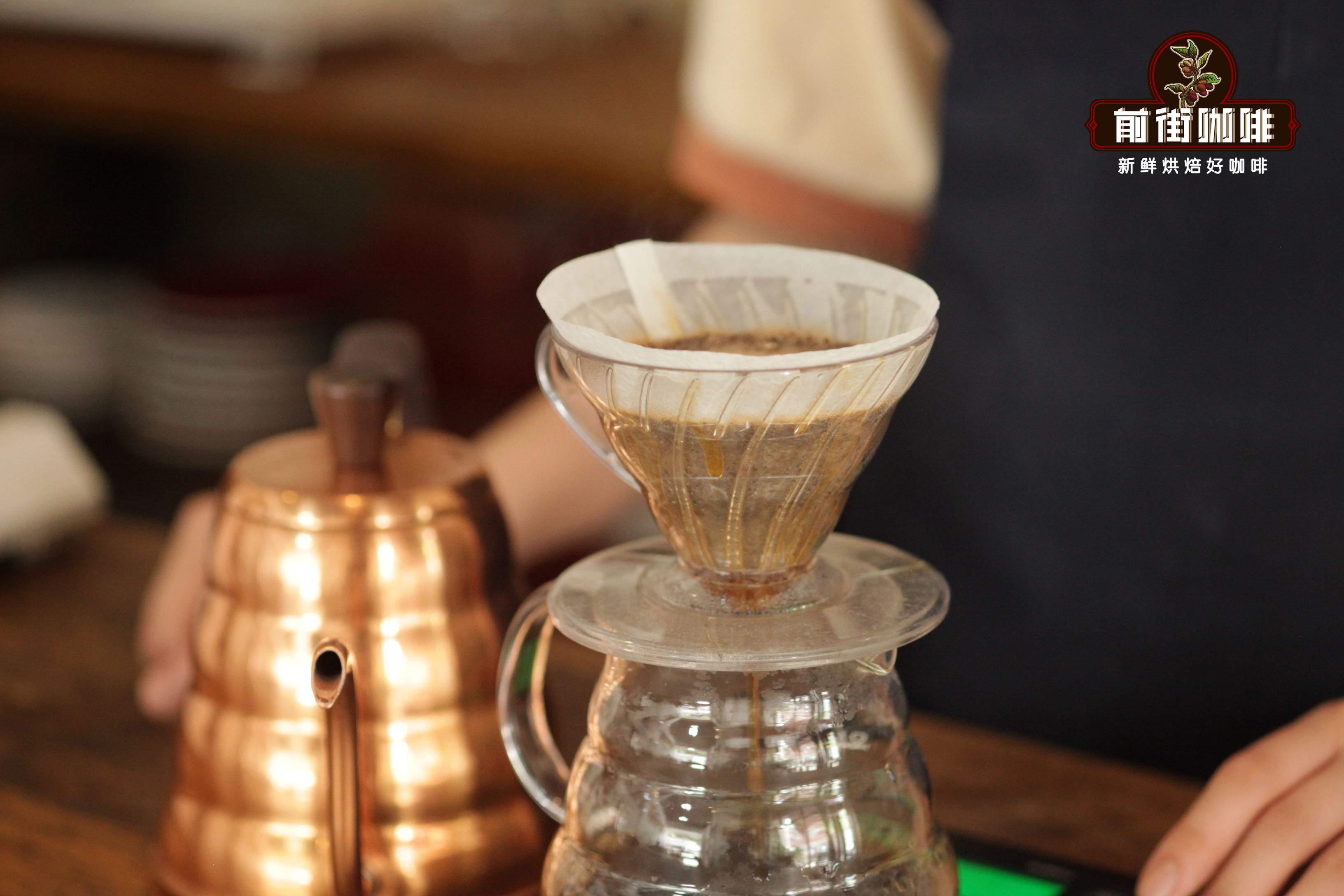
Bloom with 30g of water for 30 seconds, then pour in small circles up to 124g and pause. When the water level drops and the bed is about to be exposed, pour again up to 227g and stop. Once the bed is about to emerge again, remove the dripper (timing starts from the bloom). Total extraction time: 2 minutes.
FrontStreet Coffee · Yunnan Small-Bean Coffee Beans Flavor Description
Nutty aromatics; on the palate, herbal notes, chocolate, and caramel, with a whisper of light fruit acidity in the finish.
FrontStreet Coffee · Yunnan Huaguoshan Coffee Beans Flavor Description
Dry aroma offers light citrus acidity and nuts. In the cup: plum and citrus acidity, nutty flavors, melon-fruit fragrance, and brown sugar sweetness, closing with a black-tea sensation. The flavor layers are remarkably rich.
FrontStreet Coffee Recommendation
If this introduction has you curious about Yunnan, start with FrontStreet's Yunnan small-bean coffee from Baoshan. Small-bean is simply another name for Arabica - the smallest-fruited of the three native coffee species - and the story goes back to 1904, when the French missionary Tian Deneng carried Typica seeds from Vietnam into Yunnan and planted the first coffee tree in Zhugula Village, Binchuan County. Our Baoshan small-bean is washed and medium roasted, showing gentle nut and chocolate sweetness with a touch of plum acidity - an affordable first taste of what Yunnan terroir offers.
For a clearer expression of the origin, step up to our 2013 Yunnan natural Typica from our own estate. Typica is among the oldest and purest Arabica varieties, and the natural process here gives it a fuller body with more pronounced sweet-sour structure: dark berry tones, caramel sweetness, chocolate, and a hint of dried apricot, finishing on black tea. And if you'd rather taste Yunnan as espresso, FrontStreet Coffee's Black Cocoa Blend - Yunnan small-bean joined with Brazil Cerrado - balances the Brazil's mixed-nut aromas with Yunnan's chocolate and citrus, making a well-balanced Americano with nut and brown-sugar sweetness and a latte with an almond-and-cream smoothness that's perfect for beginners.
Important Notice :
FrontStreet Coffee is a long-established specialty coffee roaster in Guangzhou China, selling freshly roasted beans from its own farm in Yunnan as well as dozens of carefully selected single-origin beans from around the world for both pour-over and espresso. The products deliver consistently excellent quality and great value, with shipping within 24 hours. Guangzhou's FrontStreet Coffee shop is recommended by many coffee lovers, and the beans are now available online at the Tmall 。
FrontStreet Coffee has moved to a new address:
FrontStreet Coffee Address: 315,Donghua East Road,GuangZhou
Tel:020 38364473
 Scan and follow the En Gafei WeChat official account. Please indicate that the reprint comes from "En Gafei".