Colombian Coffee Beans: Origin, Flavor, Grade, Characteristics and Stories - An Overview of Colombian Coffee Varieties
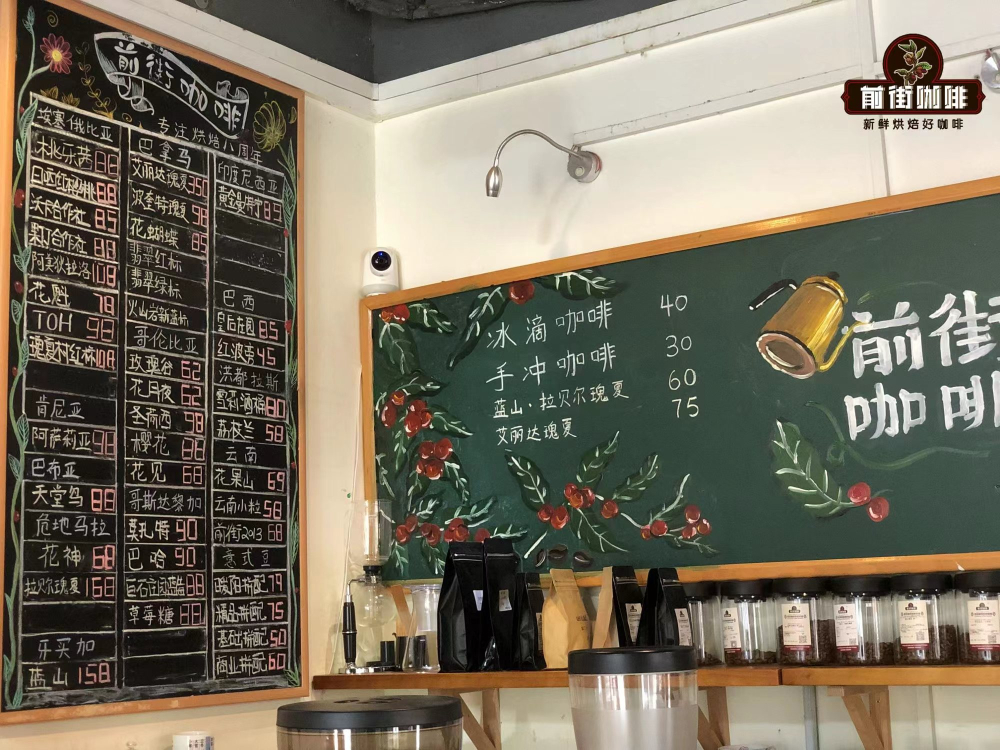 FrontStreet Coffee has noticed that many people meet Colombian coffee for the first time through espresso, since Colombian beans are widely used in blends for their rich aroma and smooth, clean flavor. With the rise of specialty coffee, high-quality single-origin Colombians have become fixtures on shop menus. FrontStreet Coffee's everyday bean lineup alone carries 5 different Colombian coffees — proof of how popular quality Colombian beans have become among enthusiasts.
Where Does Colombian Specialty Coffee Come From?
As the world's second-largest producer of Arabica, Colombia's high altitude and varied climate let it grow coffee of higher quality than most commercial lots. Geographically the country straddles both hemispheres near the equator, and the high Andes split the coffee lands into three mountain ranges and two river systems. The huge north–south span creates two main harvest seasons plus a small flycrop, which is why Colombia produces coffee year-round.
 Colombian coffee is typically grown between 1,200 and 2,000 meters, far higher than Brazil's producing altitudes. Mountains and valleys generate varied microclimates, warm ocean currents deliver rainfall, and volcanic activity has built mineral-rich soil. Together these factors give Colombian coffee its prized acidic aroma.
Cultivation is concentrated in the western part of the country, across 15 producing regions from north to south. The finest specialty coffees cluster in the southwest — especially Cauca, Nariño, and Huila — regions known for rich fruit acidity and smooth flavors.

Nariño
Nariño sits at Colombia's southwestern tip, bordering Ecuador. Several rivers bring abundant water, and sunlight is plentiful all year. Coffee is mostly grown at about 1,600 meters, but warm, humid valley air allows planting as high as 2,300 meters. Combined with the fertility of volcanic ash soils, this yields coffee with a balanced, smooth flavor and a clean cup.
Nariño produces only about 3–5% of Colombia's coffee, with a single harvest per year — modest in quantity but beloved for quality. The rainy season starts each October and lasts half a year; harvesting begins the following April, and picking ripe cherries in the highest zones continues into August.

Cauca
Cauca lies next to Nariño in the southwest, with peaks reaching 2,100 meters and an overall average of 1,758 meters. The terrain is mostly mountainous, and high-altitude temperature swings are large: cherries mature slowly under wide thermal variation, accumulating more nutrients. The result is Cauca's signature smooth sweet-sour profile.
Like Nariño, Cauca has a rainy season from October to December. When it ends, the trees flower in a concentrated burst, followed by the harvest.
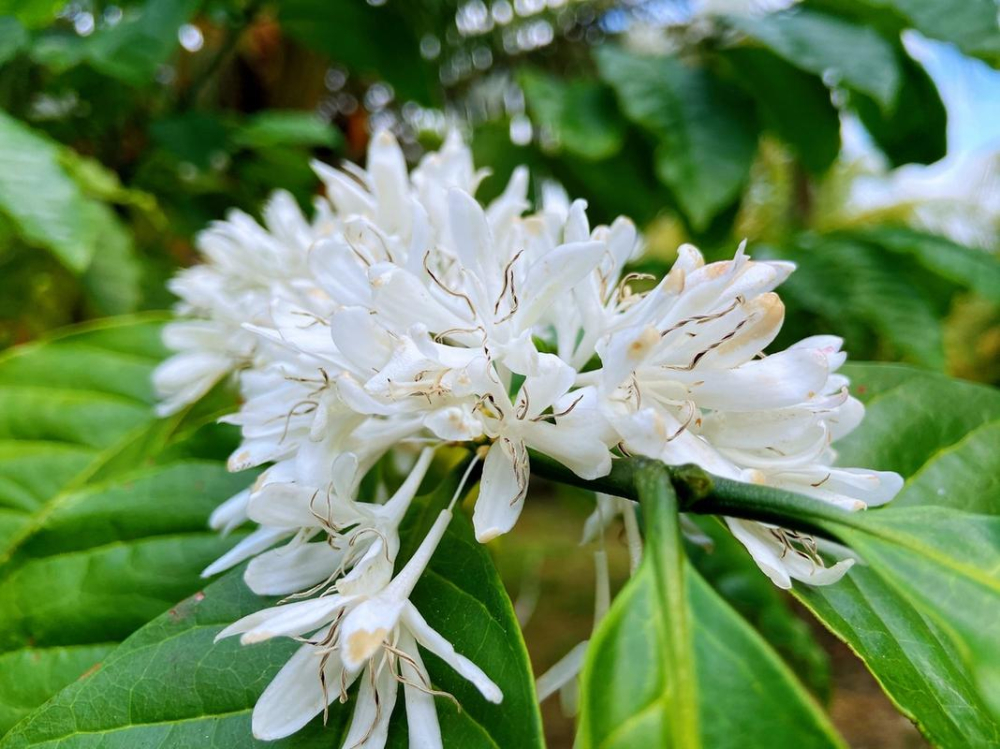
Huila
Colombia's most famous coffee region, Huila province is ringed by mountains with an average altitude above 1,500 meters. Many of the country's major rivers run through it, supplying water and humid air. Cool monsoons form in the valleys, keeping temperatures from climbing too high while blocking cold winds. Together with the fertile volcanic soils, this lets the Arabica here drink deep of nutrients — many of Colombia's most complex, fruit-forward beans come from Huila.
Huila's growing zones span 1,250–2,000 meters, which produces two harvests a year: September–December is the main season and April–May the secondary one. When the cherries ripen, local pickers hand-select fruit across the valleys to guarantee intact, fully ripe cherries and stable bean quality. That reliability is why FrontStreet Coffee added a washed Colombian Huila to its Daily Bean series.
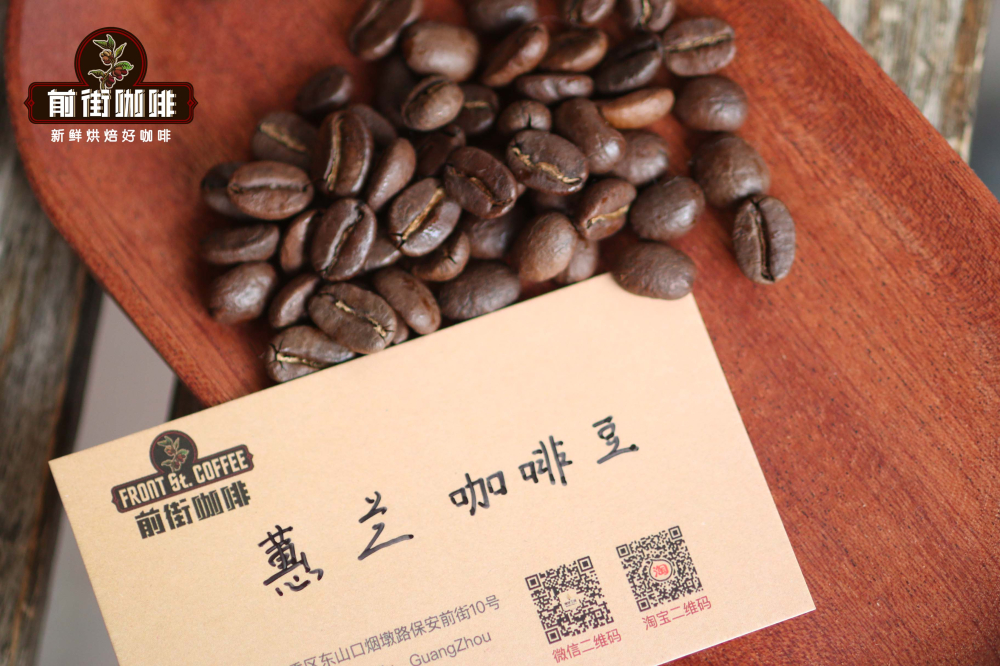
FrontStreet Coffee · Colombian Huila Coffee Beans
Region: Huila
Altitude: 1,500-1,800 meters
Processing: Washed
Variety: Caturra
Flavor: Nuts, dark chocolate, caramel, soft fruit acidity
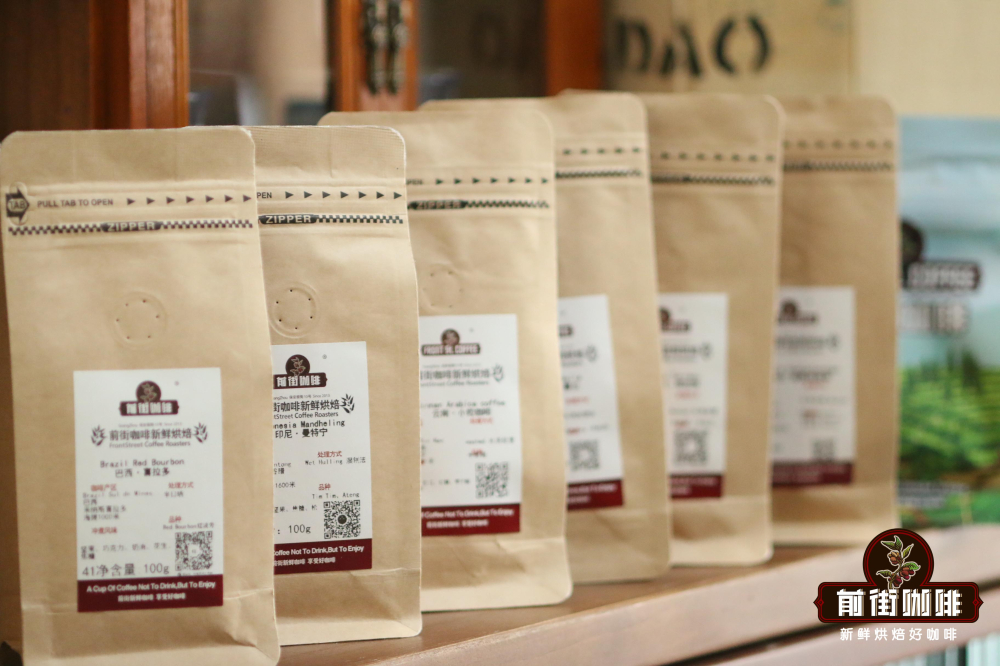
Newcomers to coffee often hesitate over which beans to buy — worried about price, unfamiliar flavors, or packages too big to finish. That is why FrontStreet Coffee launched the Daily Bean series: to let anyone explore the core flavor of each origin at the lowest possible cost. At 25 yuan per 100g bag, you can taste each region's fundamentals without waste. Besides Colombia, six other classic regional profiles are available: the bright, floral-fruity FrontStreet Ethiopian Yirgacheffe; the rich and robust FrontStreet Brazilian Cerrado; the uniquely spiced FrontStreet Indonesian Lintong Mandheling; the prominently sweet FrontStreet Costa Rican Tarrazú; and the smoky, lemon-acidic FrontStreet Guatemalan Huehuetenango.
What Variety is the FrontStreet Colombian Huila Daily Bean?
The FrontStreet Huila Daily Bean is Caturra, a natural mutation of the ancient Arabica Bourbon variety discovered in Brazil in 1927 and now widely planted across Central America. Caturra inherits Bourbon's fine cup but has weak disease resistance; in return it out-yields Bourbon per tree and adapts more readily, thriving without shade trees even under direct sun, which permits dense planting — a combination farmers appreciate.
 Most importantly, Caturra performs beautifully in the cup: the higher it grows, the better the quality, with more pronounced aroma and brighter acidity.
Washed Processing
Because so many Colombian farmers live off coffee, most local farms are equipped with depulping machines. The pulped beans, still in parchment, ferment in tiled tanks for about 24 hours; the acids produced during fermentation loosen the mucilage. Afterward the coffee is washed through flowing-water channels to remove the residue, and the wet parchment beans are spread on clean ground to dry until moisture reaches 12.5%, at which point they can be bagged for inspection.
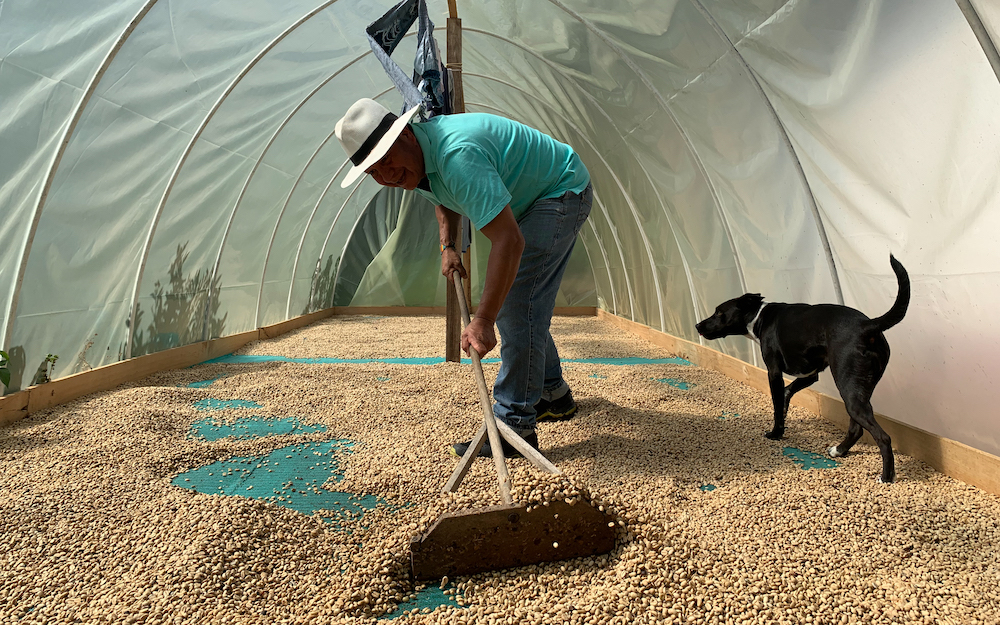 Because washed processing removes skin, pulp, and mucilage completely before drying, it showcases the bean's own character most purely — the truest expression of the terroir. That is why most of FrontStreet Coffee's Daily Beans are washed.
How to Brew Coffee with Colombian Flavor?
Before any technique, FrontStreet Coffee insists on freshly roasted beans. Brew with beans that have sat too long and the aroma may already be gone — no amount of skill can bring it back. FrontStreet Coffee ships every order within 5 days of roasting so customers always receive beans at peak freshness.
For this washed Huila Daily Bean, FrontStreet Coffee's roaster chose a medium roast to keep a touch of soft fruit acidity while highlighting rich nut and chocolate notes. The barista grinds relatively fine to draw out as much aroma as possible, and uses a moderate water temperature and a fast-flowing dripper to avoid over-extraction.
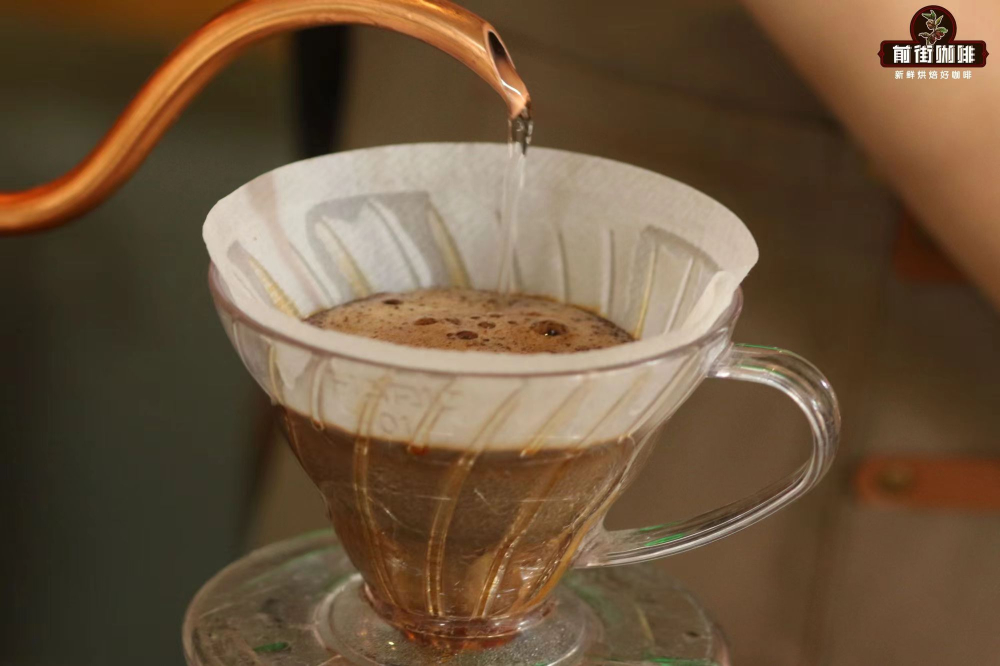
FrontStreet Colombian Huila Daily Bean brewing parameters: 90°C water, 1:15 coffee-to-water ratio, Chinese #20 standard sieve at 80% pass-through, 15 g of grounds, V60 dripper, three-stage pour.
Three-stage extraction: Stage one, 30 g of water for a 30-second bloom, circling evenly to form a dome. Stage two, pour to 95 g. When the bed drops to half, begin stage three with 100 g of water and let the coffee drain fully. Pour from the center outward with a small flow and gentle circles throughout to keep extraction even.
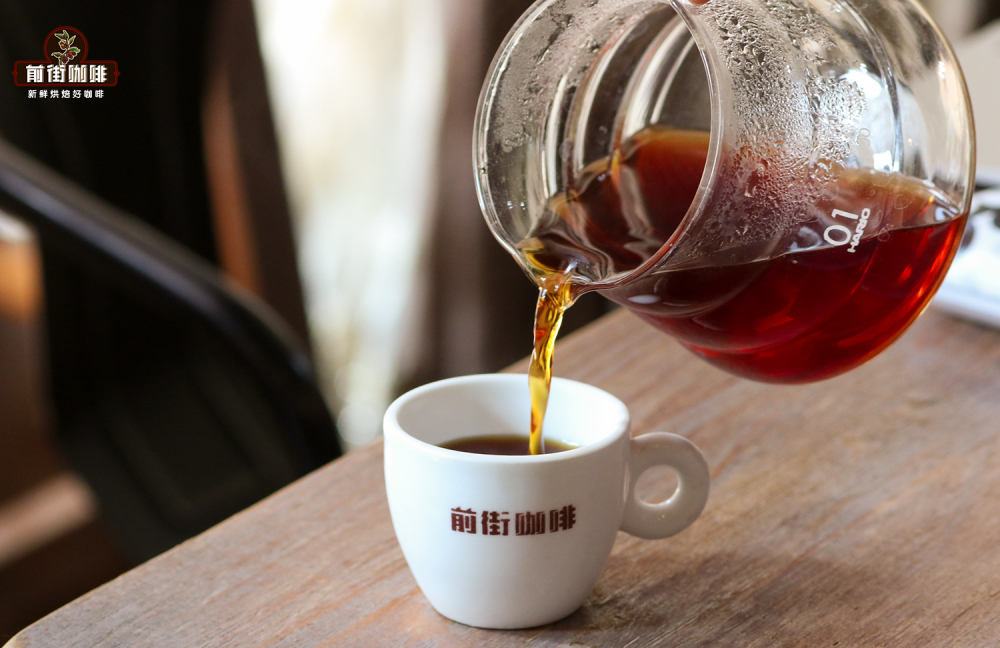
The FrontStreet Colombian Huila Daily Bean tastes of mellow chocolate and nuts, with a caramel aftertaste, light soft fruit acidity, an overall clean cup, and balanced sweetness and bitterness.
For professional coffee knowledge exchange and more coffee bean information, please follow Coffee Workshop (WeChat public account: cafe_style)
For more specialty coffee beans, please add FrontStreet Coffee's private WeChat account: qjcoffeex
FrontStreet Coffee Recommendation
If Colombia's balance wins you over, its South American neighbor deserves a place on your shelf too. Brazil is the world's largest coffee producer, and its beans show moderate acidity with an excellent balance of sweetness, bitterness, and body. That profile makes Brazil the classic choice for medium roasts: nutty aromas leap from the bag, the cup is mellow with a faint tang, and the coffee works equally well as a single origin or in blends.
For a first taste of Brazil, FrontStreet Coffee's pulped-natural Cerrado Red Bourbon is the classic pick. Cerrado is one of Brazil's most respected growing regions, and this Red Bourbon lot, roasted medium, offers dense aromas of cream peanut, toasted bread, caramel, and hazelnut with a round, non-acidic palate and just a touch of bitterness — a bean equally at home in pour-over, moka pot, espresso SOE, siphon, or French press.
FrontStreet Coffee's other Brazilian single origin, the Queen Estate (Rainha) lot from Mogiana near southern Minas, grows in fertile red volcanic soil that builds exceptionally full aromas. The variety is the rare Yellow Bourbon, a mutation of Red Bourbon with an even cleaner fruit character: brewed by hand or machine, it reveals a sugarcane sweetness no other origin can match, alongside fruit notes and chocolate.
Brazil also anchors FrontStreet Coffee's espresso blends. Low acidity, balance, and a friendly price make Brazilian beans the first choice for many espresso recipes: the crema-rich Classic Blend, the nut-forward Premium Blend, the balanced Black Cocoa Blend favored by baristas, and the café-oriented Commercial Blend all contain Brazilian coffee. Beyond chocolate and cream aromas, Brazil lends soft sweet-sour-bitter harmony — a steady foundation that keeps every shot extracting consistently, whether you pull it as espresso or brew it as a dark, cozy filter cup.
Important Notice :
FrontStreet Coffee is a long-established specialty coffee roaster in Guangzhou China, selling freshly roasted beans from its own farm in Yunnan as well as dozens of carefully selected single-origin beans from around the world for both pour-over and espresso. The products deliver consistently excellent quality and great value, with shipping within 24 hours. Guangzhou's FrontStreet Coffee shop is recommended by many coffee lovers, and the beans are now available online at the Tmall 。
FrontStreet Coffee has moved to a new address:
FrontStreet Coffee Address: 315,Donghua East Road,GuangZhou
Tel:020 38364473
 Scan and follow the En Gafei WeChat official account. Please indicate that the reprint comes from "En Gafei".