Raw Blend vs Roasted Blend for Espresso: Which is Better? Proportions, Formulas, and Tasting Guide
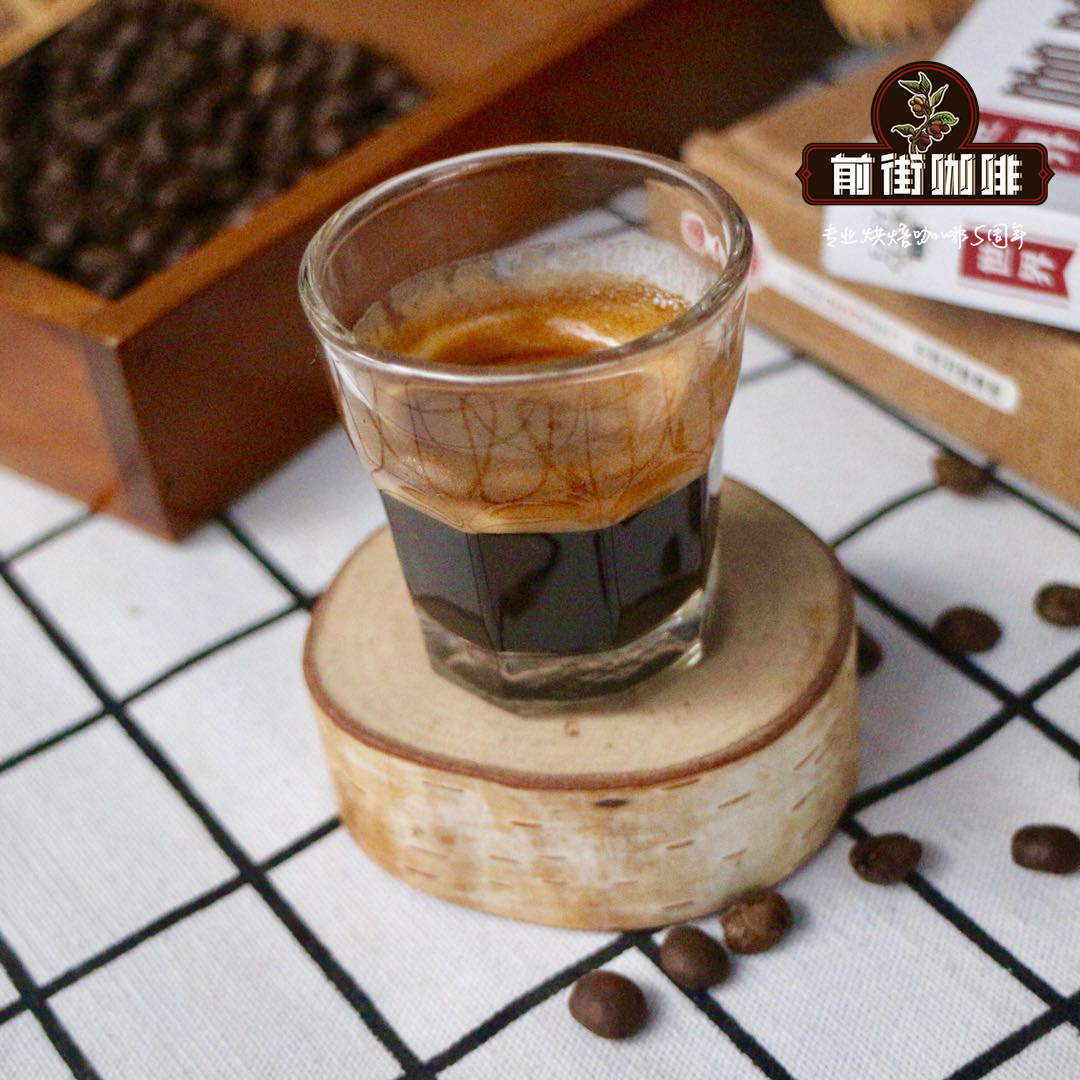
FrontStreet Coffee · The Differences Between Raw and Roasted Espresso Blends and How to Taste Blend Ratios
Understanding Traditional Espresso Blends
Traditional espresso beans are made up of multiple coffee varieties. In Italy, a single bag may contain several, or even dozens, of different coffees. The greatest advantage of blending several beans is flavor stability: when the quality of one component changes, or when supply drops and prices rise, roasters can substitute a similar bean without disturbing the overall profile. That is why some renowned roasters treat their formulas as trade secrets. Espresso blending typically follows two methods: raw blending and roasted blending.
Raw Blending vs. Roasted Blending
Raw blending means mixing raw beans from different regions and processing methods in set proportions before roasting them together, usually using no fewer than three and no more than five varieties. Most commercial brands and chains take this route.
Roasted blending means roasting different beans separately and then combining them in specific proportions. Because it is more complex, demands more of the roaster, and is harder to keep stable, it is typically used in competitions or by independent shops that roast their own coffee. In recent years, as coffee culture spread and consumer tastes shifted, roasters have also begun blending different roast levels of the same bean and different processing methods from the same region.
In short, both raw blending and roasted blending are valid ways to build a blend, and the choice depends on what the roaster wants the finished cup to achieve.
Raw blending works from the green bean up: the components are weighed out to the formula and roasted as one batch, so the flavors develop together and the roaster manages a single roast curve.
Roasted blending works from the finished bean down: each component is roasted to its own profile, then the roasted beans are combined to the formula, letting the roaster tune each origin's development before they meet in the bag.
Addressing Misconceptions About Coffee Blends
Blends often face public skepticism: many believe roasters created them to make use of leftover and expired green beans, using dark roasting to mask undesirable flavors.
While that may happen in isolated cases, most roasters build blends to produce a highly reproducible coffee with consistent flavor all year round. In other words, blends can meet the needs of specific consumers. And when a blended coffee becomes a signature product, it is a significant affirmation of the brand, bringing customers back again and again.
Roast Levels and Flavor Profiles
Roasting is generally divided into three levels—light, medium, and dark—with roasting time varying by the desired coffee type. Lightly roasted beans are lighter in color and more acidic; medium-roasted beans balance acidity and bitterness; dark-roasted beans are dark and more bitter. The lighter the roast, the stronger the acidity; the darker the roast, the more the acidity recedes and the bitterness intensifies.
Regional Coffee Characteristics in Espresso
No single-origin coffee can fully achieve the flavor profile espresso requires. Beans from African and Arab trees are characterized by complexity, abundant berry notes, and floating aromas; Latin American coffee offers clean, strong, refreshing character; Southeast Asian coffee is known for its full body and earthy quality. Many coffees are themselves mixtures of several types, yielding more complex flavor profiles.
FrontStreet Coffee Recommendation
Whichever blending method you favor, FrontStreet Coffee's espresso range shows how the idea plays out in the cup. The Classic Blend is the first-choice option for espresso and moka pot, and its standout strength is exceptional crema—even a beginner on a non-professional home machine can pull dense, fine crema, which is what drinks like latte, cappuccino, and Dirty depend on. Built on the traditional Mamba formula for a rich, mellow, welcoming cup, it suits veterans and newcomers alike and works at home or in a cafe. For value-minded buyers, FrontStreet Coffee's Black Cocoa Blend uses 100% Arabica beans with ample crema, a full body, and an accessible price, balancing quality and cost, while FrontStreet Coffee's Commercial Blend has long been a cafe favorite for keeping costs in check without giving up flavor. The Specialty Blend, used in FrontStreet's own stores for nearly a decade, pairs Brazil Cerrado with Colombia Huila for the classic espresso taste most people recognize instantly.
If you want to feature a single origin instead, SOE highlights regional character. The natural Huakui SOE from Guji Hambela in Ethiopia, grown up to 2,300 meters, brings creamy strawberry with cream, cocoa, berry, light floral, and black tea notes at a medium roast. The Costa Rica Blackberry SOE is a honey-processed single origin that preserves the fruit's blackberry aroma and clean sweetness, making a bright, sweet-tart Americano or, with milk, a latte showing cranberry cookie, raisin, and nut. And the Brazil Queen Estate SOE, from the distinctive Yellow Bourbon variety, shows butter cookie, macadamia, and toasted-bread notes at a medium-dark roast. Tasted side by side, these blends and single origins make the raw-versus-roasted question concrete: what matters most is how the components are developed and combined, not which method is used.
Important Notice :
FrontStreet Coffee is a long-established specialty coffee roaster in Guangzhou China, selling freshly roasted beans from its own farm in Yunnan as well as dozens of carefully selected single-origin beans from around the world for both pour-over and espresso. The products deliver consistently excellent quality and great value, with shipping within 24 hours. Guangzhou's FrontStreet Coffee shop is recommended by many coffee lovers, and the beans are now available online at the Tmall 。
FrontStreet Coffee has moved to a new address:
FrontStreet Coffee Address: 315,Donghua East Road,GuangZhou
Tel:020 38364473
 Scan and follow the En Gafei WeChat official account. Please indicate that the reprint comes from "En Gafei".