Why is the espresso puck wet after extraction? Is the condition of the espresso puck important?
Understanding Espresso Extraction and Coffee Puck Conditions
Anyone who has pulled espresso at home knows the routine: after the shot, there sits a whole puck of coffee in the portafilter. That moist puck can tell you a good deal about whether the extraction went well. In this article, FrontStreet Coffee looks at espresso extraction and what the state of the puck actually means.
What Does a Wet Espresso Puck Indicate?
In FrontStreet Coffee's experience, an overly wet puck usually points to grounds that are too fine, under-extraction, or insufficient machine pressure. Home semi-automatic machines may claim 15 bar of pressure, but they rarely deliver it in practice. And without steam reflux, the puck tends to end up wetter.
That said, if the coffee tastes good, there is no reason to worry about a wet, soupy puck. FrontStreet Coffee sees it as a non-issue, because brewing espresso requires water. Water moves through the puck from top to bottom: before it ever reaches the grounds, it passes through the boiler, the group head, and the dispersion screen. When you start the pump, water fills the gap between the grounds and the dispersion screen, then flows into and through the coffee.
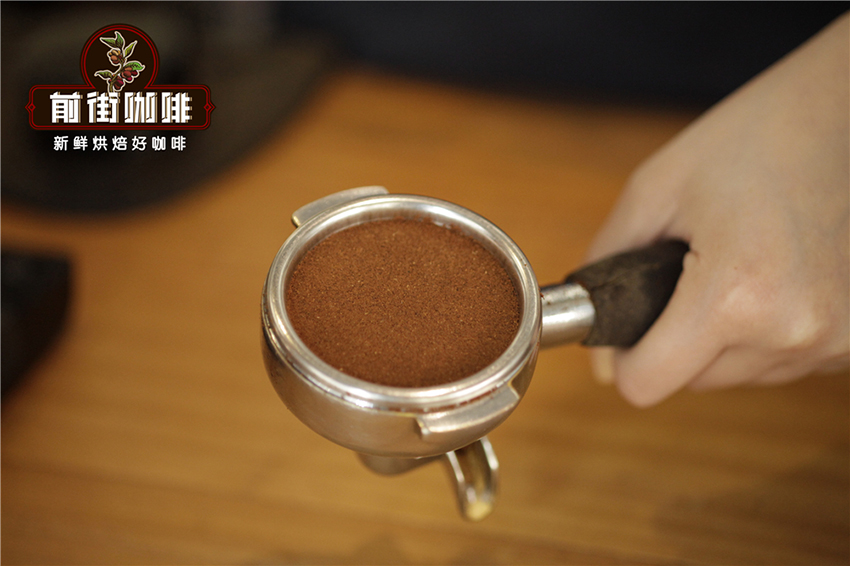
At that moment water is everywhere: above, inside, and below the grounds. When you switch off the pump, a valve inside the machine opens to release the pressure. Water does not compress, so not much escapes at this point; it simply stays above and within the puck. With the pressure gone, there is no force left to push water out of the portafilter or back up through the group head, so the water is trapped in the portafilter.
If you pull the portafilter off quickly after a shot, you will see a small pool of water slowly soaking into the grounds. Within seconds the grounds have absorbed all of it.
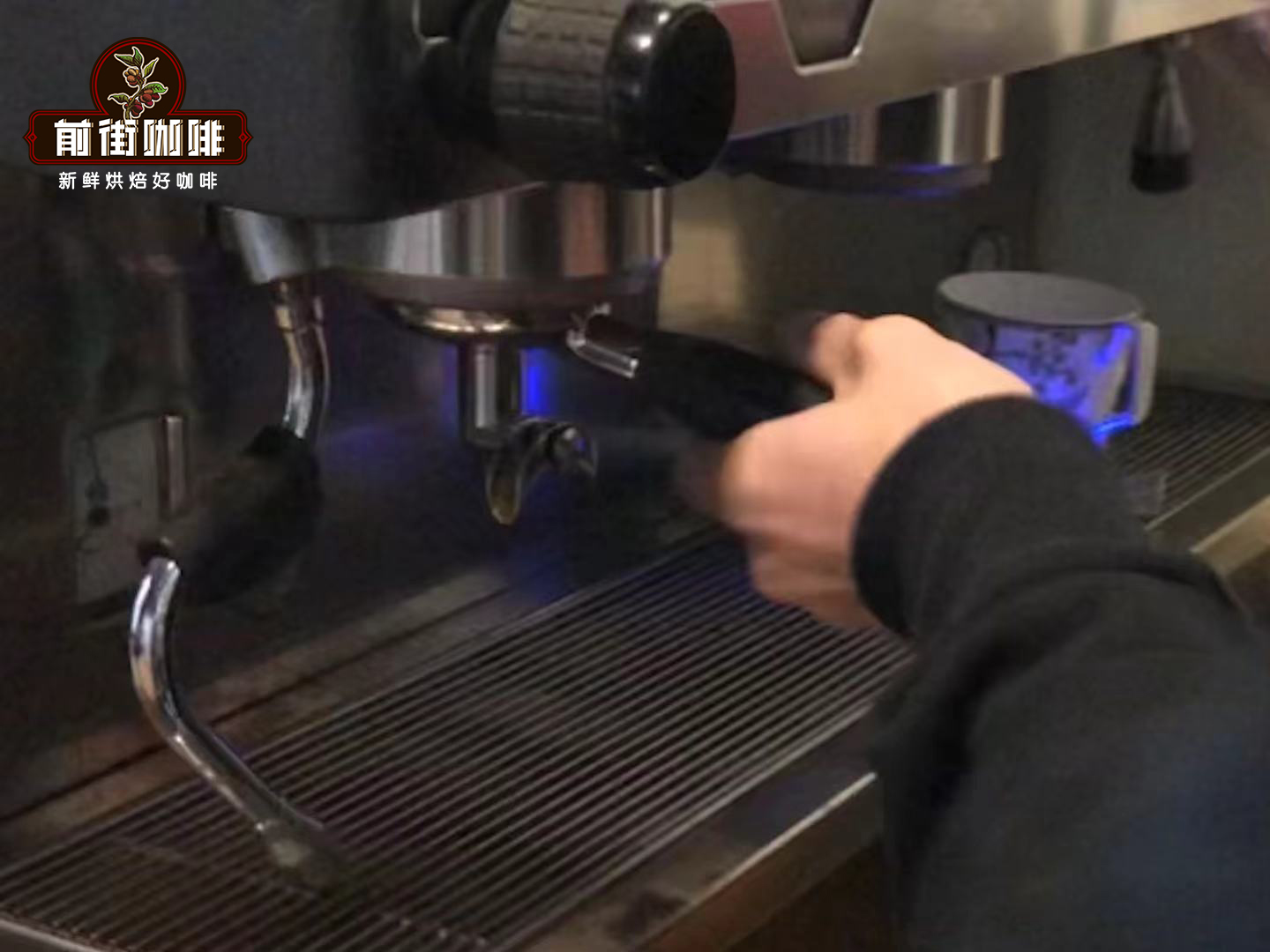
The larger the gap between the grounds and the dispersion screen, the more water remains behind. More residual water means a wetter, soupier puck. Put simply, less coffee with more water makes a wet puck, while more coffee with less water makes a drier one.
How to Make Espresso Drinks
Almost every espresso drink on the market is built from espresso and milk in different proportions, from the mocha to the latte to the cappuccino you find at FrontStreet Coffee. That makes pulling a good shot the single most important step.
FrontStreet Coffee's Espresso Extraction Parameters:
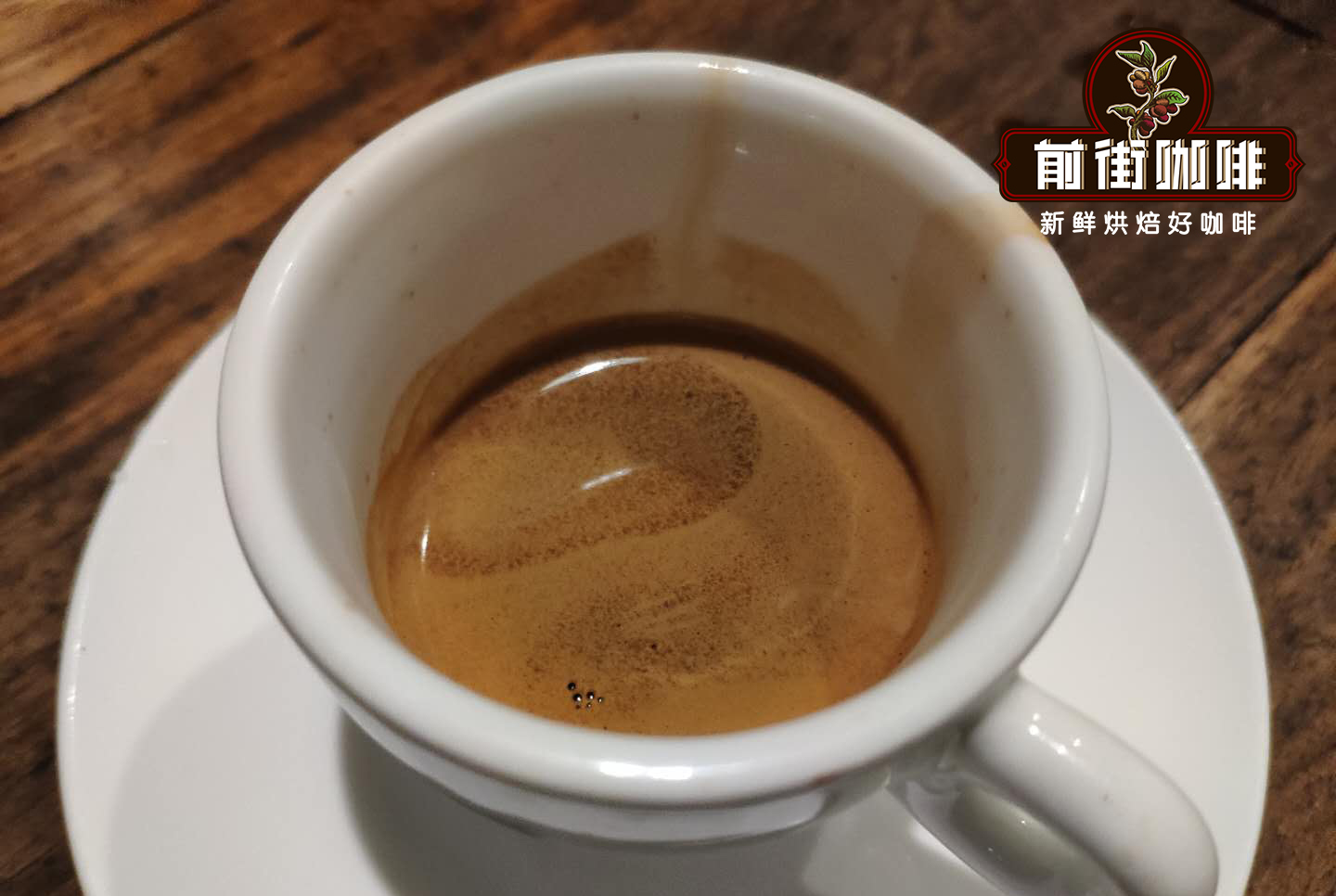
FrontStreet Coffee uses the Faema E98 espresso machine with the following extraction parameters:
- Pressure: 9 bar ±2
- Temperature: 90.5~96°C
- Time: 20~30 seconds
- Coffee-to-water ratio: 1:1.7~1:2
- Dose: 12g (single shot), 20g (double shot)
- Yield: 20ml (single), 40ml (double)
What is Espresso?
Espresso is made by forcing nearly boiling water under high pressure through finely ground coffee. It is typically thicker than coffee brewed by other methods, carrying a higher concentration of suspended and dissolved solids, among them the crema on top, a cream-textured foam. Because it is brewed under pressure, espresso is intense and highly concentrated, and it serves as the base for drinks such as lattes, cappuccinos, mochas, and Americanos. At FrontStreet Coffee, though, plenty of people also drink it straight to enjoy its rich, smooth character.
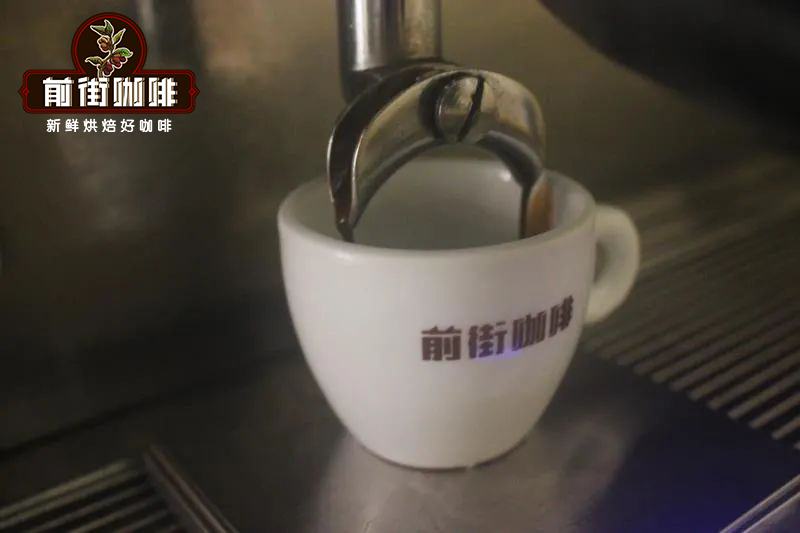
Some espresso drinks are built on a single shot and others on a double. So what exactly is a double shot, and how much espresso is in one cup? FrontStreet Coffee answers those questions below.
Difference Between Single and Double Shots
According to FrontStreet Coffee, the main difference between a single and a double comes down to concentration. A single shot uses approximately 10 grams of coffee grounds, while a double uses approximately 20 grams, with the larger dose yielding roughly twice the volume. Singles are pulled in a single basket with a single-spouted portafilter. Doubles are pulled in a bottomless basket or portafilter, in one extraction.
Beneath that foam, as FrontStreet Coffee notes, sit tiny oil droplets carrying dissolved sugars, acids, proteins, and caffeine, with bubbles and solid particles suspended on the surface. Because grinder burr wear changes gradually with humidity and storage time, the grind size has to be adjusted daily to keep the espresso flavor stable.
Espresso Coffee-to-Water Ratio
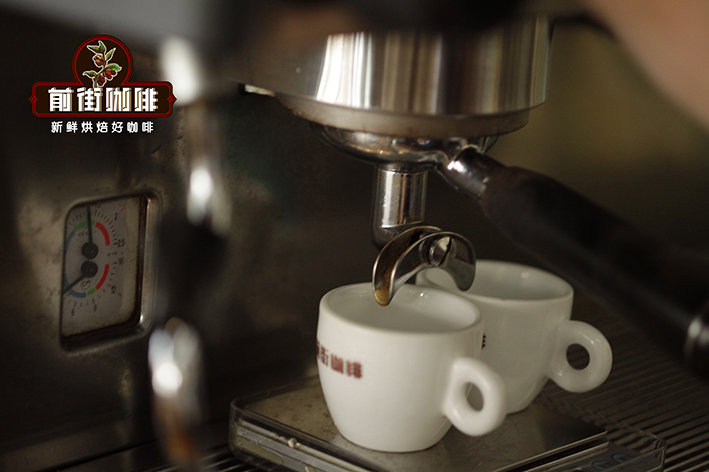
The espresso coffee-to-water ratio matters a great deal, because it directly shapes the quality of the drink. Getting the ratio right is central to making good espresso, so FrontStreet Coffee takes a brief look at the ratio and how to reach it through adjustments.
Espresso comes in single and double doses. Traditionally, a single shot uses 8-9 grams of coffee grounds to extract 25-35 milliliters of espresso in 30 seconds; the classic single-shot ratio is 1:1, the longest-standing convention. A well-pulled single is strong and rich, and many drinkers find it hard to take straight. Weighing is an important step: set the portafilter on a scale, zero it, and weigh out approximately 9g of grounds. Extracting 25-35g of liquid in 25-35 seconds is a reasonable ratio. Singles are commonly used for cappuccinos, with equal parts milk, espresso, and foam, traditionally a 1:1:1 ratio depending on cup size.
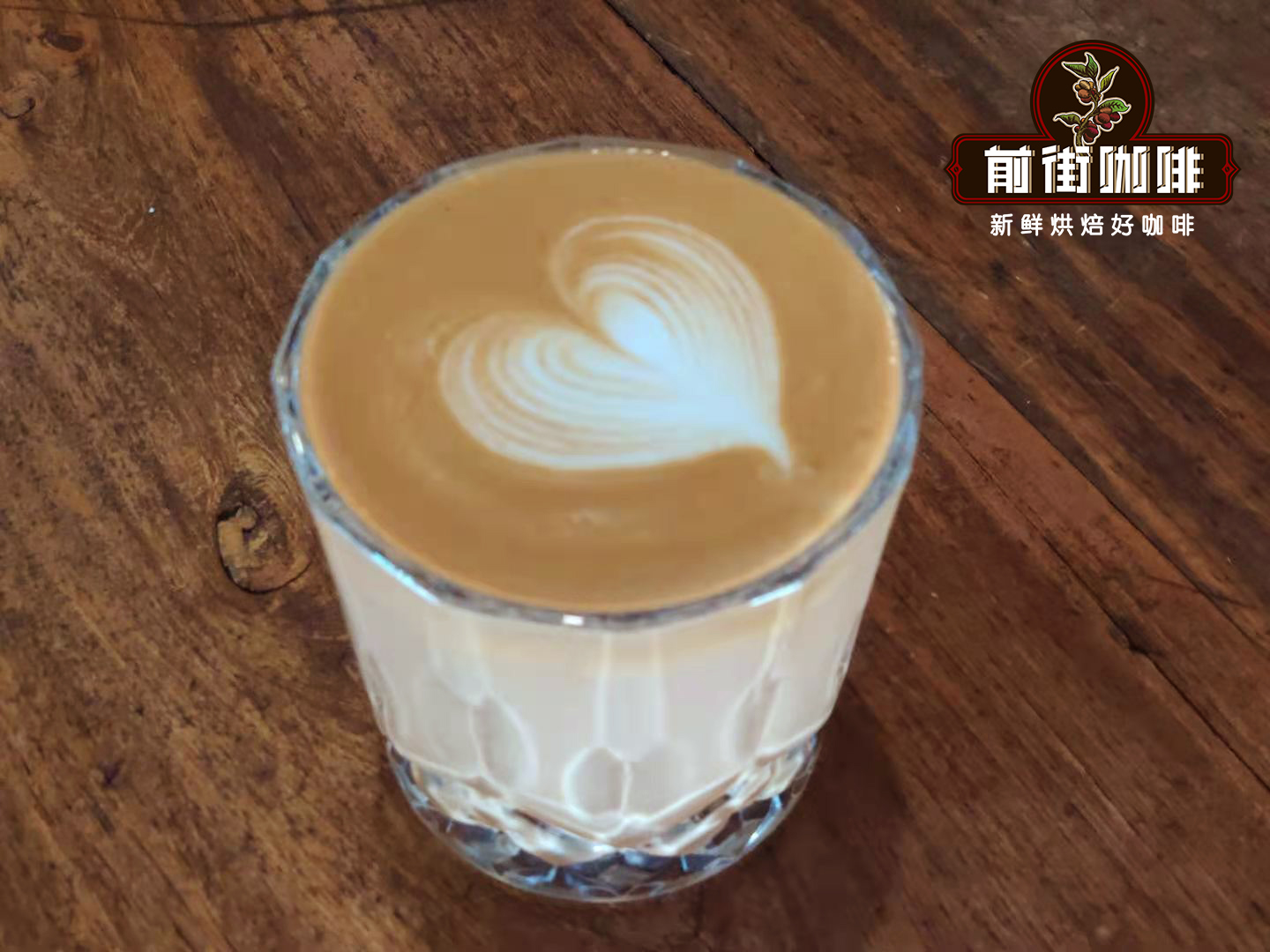
A double shot simply doubles the single. Using 18-20g of grounds to extract 55-65g of espresso in the same 25-35 seconds is a reasonable ratio, again at 1:1. The same weighing and zeroing procedure applies. Doubles are the main dose for lattes and Americanos. In the cup they are richer and heavier than singles, because adding milk and water dilutes the concentration in exchange for a fragrant, smooth mouthfeel. A single would leave the coffee tasting weak, so the choice should be made according to cup capacity.
How do you decide how much coffee to use? The traditional doses above are a starting point. Baskets come in different specifications, with a single basket holding up to 14g, and the dose should be set against the reference line inside the basket. That indented line marks the prescribed fill. Going past it means too much coffee, or possibly a grind that is too coarse, leaving larger gaps between particles.
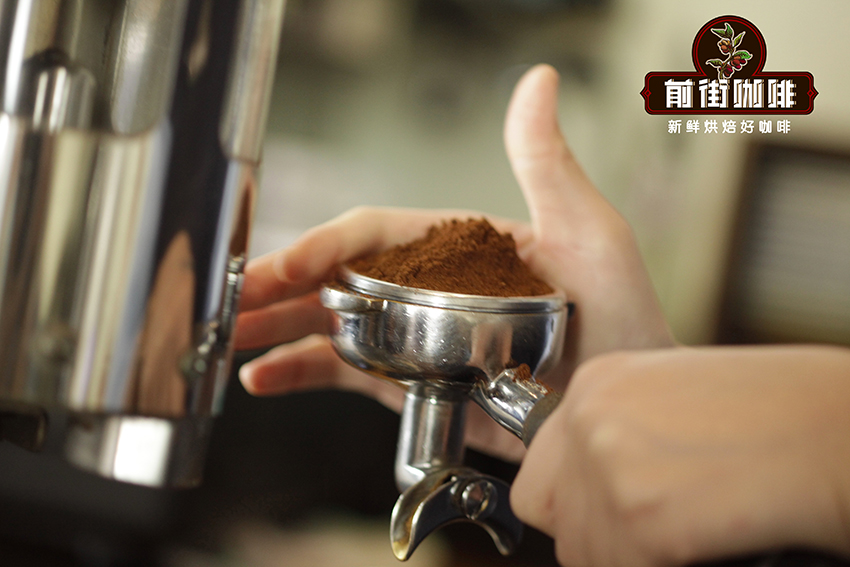
Weighing is the accurate way to hit a sensible ratio. Espresso grind should be flour-fine, typically adjusted between 1 and 1.5 on the finest settings of an espresso grinder. The main adjustments are made against dose and extraction time.
What Coffee Beans to Use for Espresso
Different espresso beans produce different flavors. The espresso beans used at FrontStreet Coffee, for example, blend Honduras Sherry coffee with Yirgacheffe Natural Red Cherry, which brings out rich chocolate, caramel, and a slightly intoxicating note when mixed with milk.
An espresso machine has a way of amplifying whatever is in the bean. Light roasts naturally carry more prominent acidity, and an espresso machine makes that acidity even sharper, so they are not well suited to espresso.
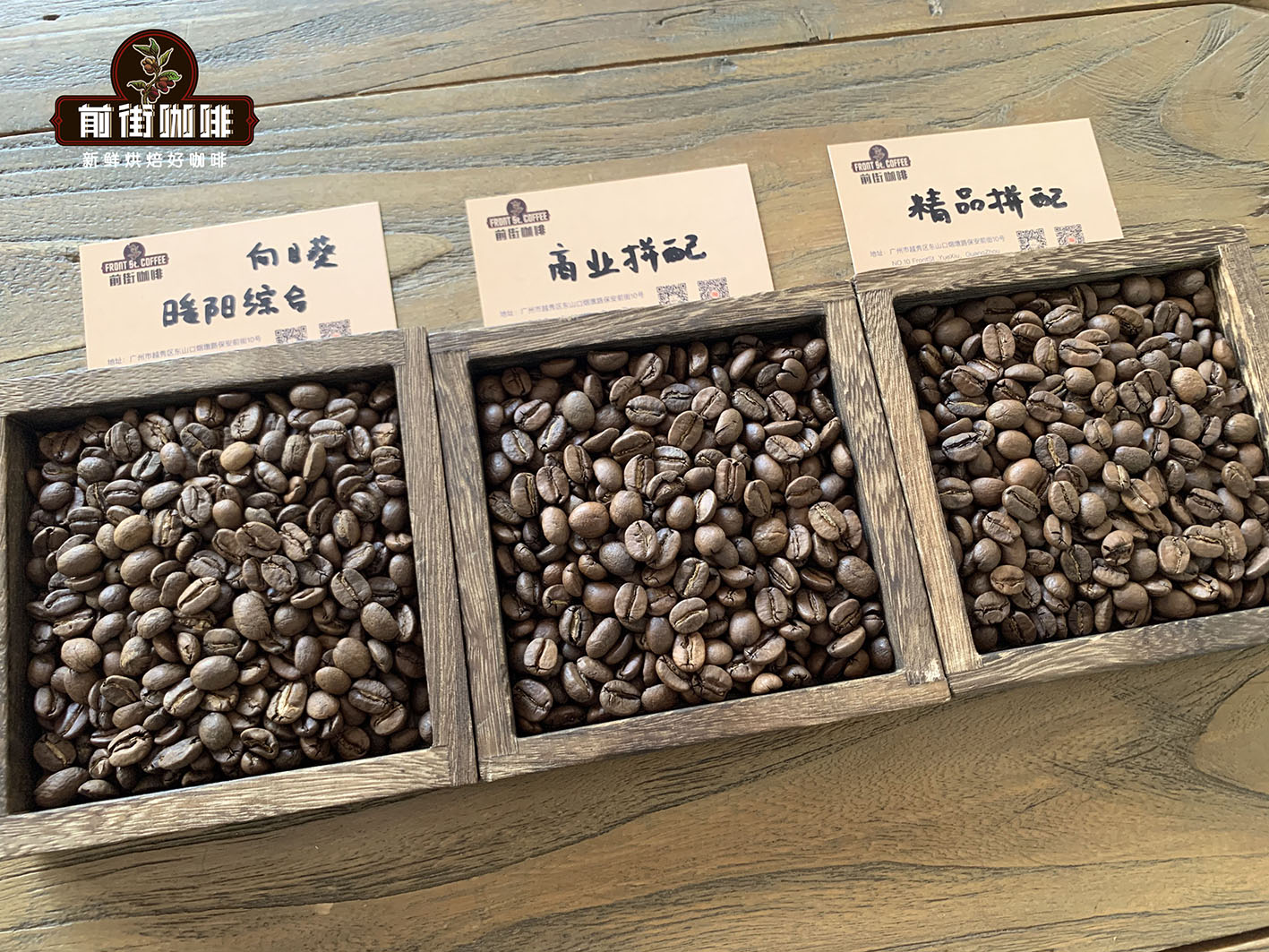
With that in mind, FrontStreet Coffee recommends four espresso blends to choose from.
FrontStreet Coffee Sunflower Warmth Blend
Flavor: Obvious fruit acidity, light berry aroma, wine notes, rich chocolate flavor, obvious sweet aftertaste.
Formula: Honduras Sherry : Yirgacheffe Red Cherry = 6:4
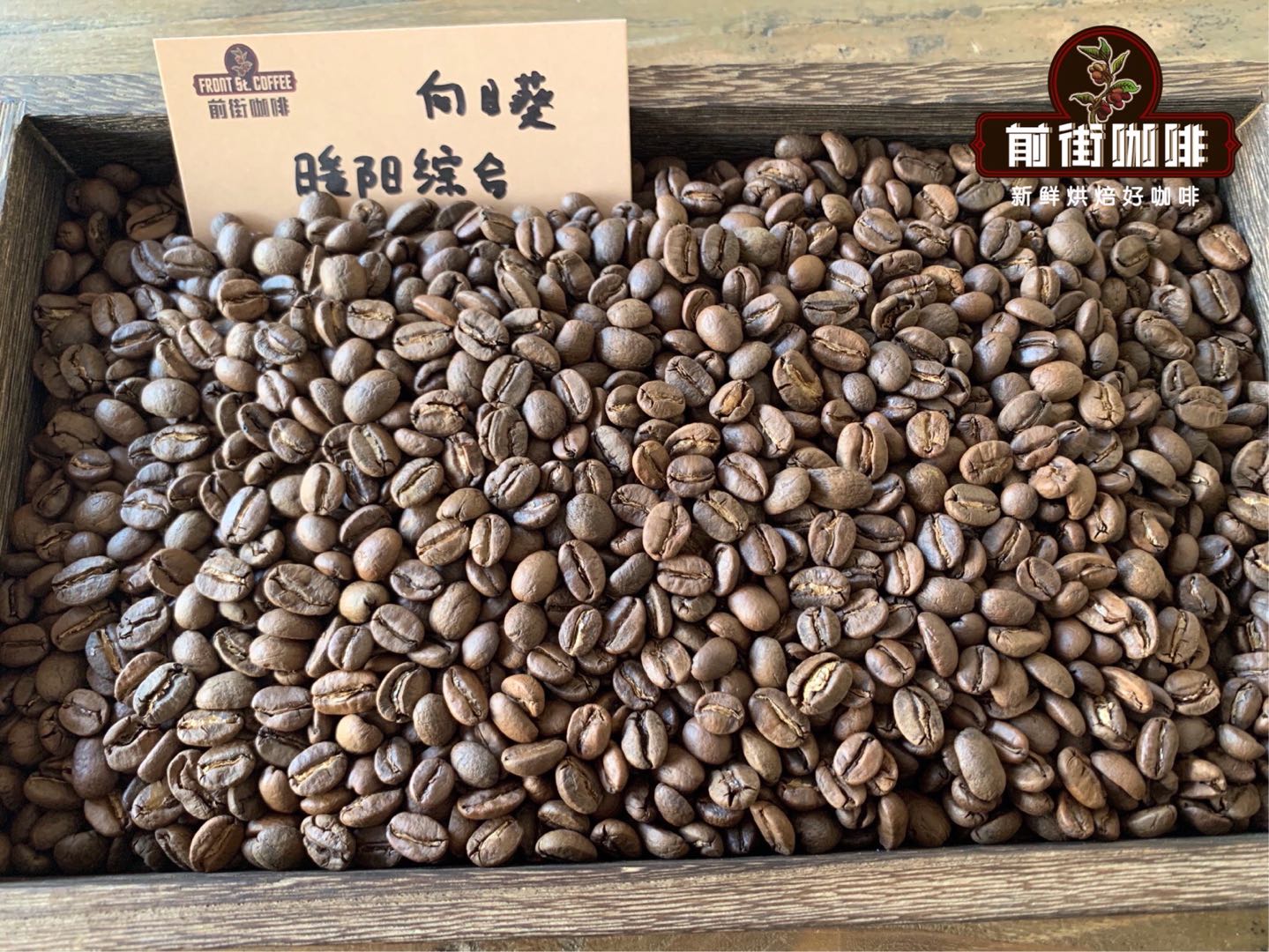
For this blend, FrontStreet Coffee uses Yirgacheffe Natural Red Cherry and Honduras Sherry. The idea behind it is a bean that works for both espresso and pour-over. Pulled as espresso, it releases obvious fermented wine aromas; on the palate, citrus and berry acidity come through immediately, followed by a whiskey-like aroma and a dark chocolate finish.
FrontStreet Coffee Premium Blend
Flavor: Gentle, slightly acidic, light sweetness, nutty aftertaste, overall not too stimulating, balanced, medium crema.
Formula: Colombia : Brazil = 3:7
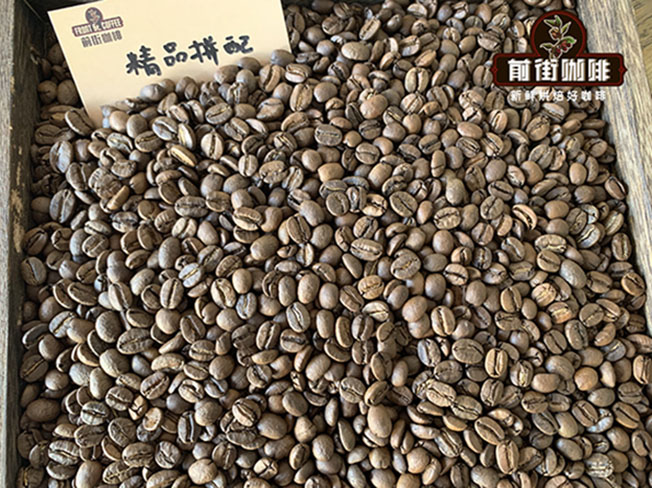
For this blend, FrontStreet Coffee uses Brazil and Colombia. It tastes of light-roasted grass fragrance, with a fresh aroma and slight bitterness, sweet and smooth, with a comfortable finish. Beans from Colombia's Huila region bring a pleasant acidity, an aromatic profile, moderate acidity, and a rich, intriguing sweetness. Beans from Brazil's Cerrado region bring a comfortable bittersweet flavor and exceptional smoothness. Together they make a genuinely wonderful combination.
FrontStreet Coffee Commercial Blend
Flavor: Caramel sweetness, nutty and cocoa notes, black chocolate flavor, balanced sweet and sour, slightly bitter, persistent aftertaste.
Formula: Colombia : Brazil : Robusta = 3:6:1
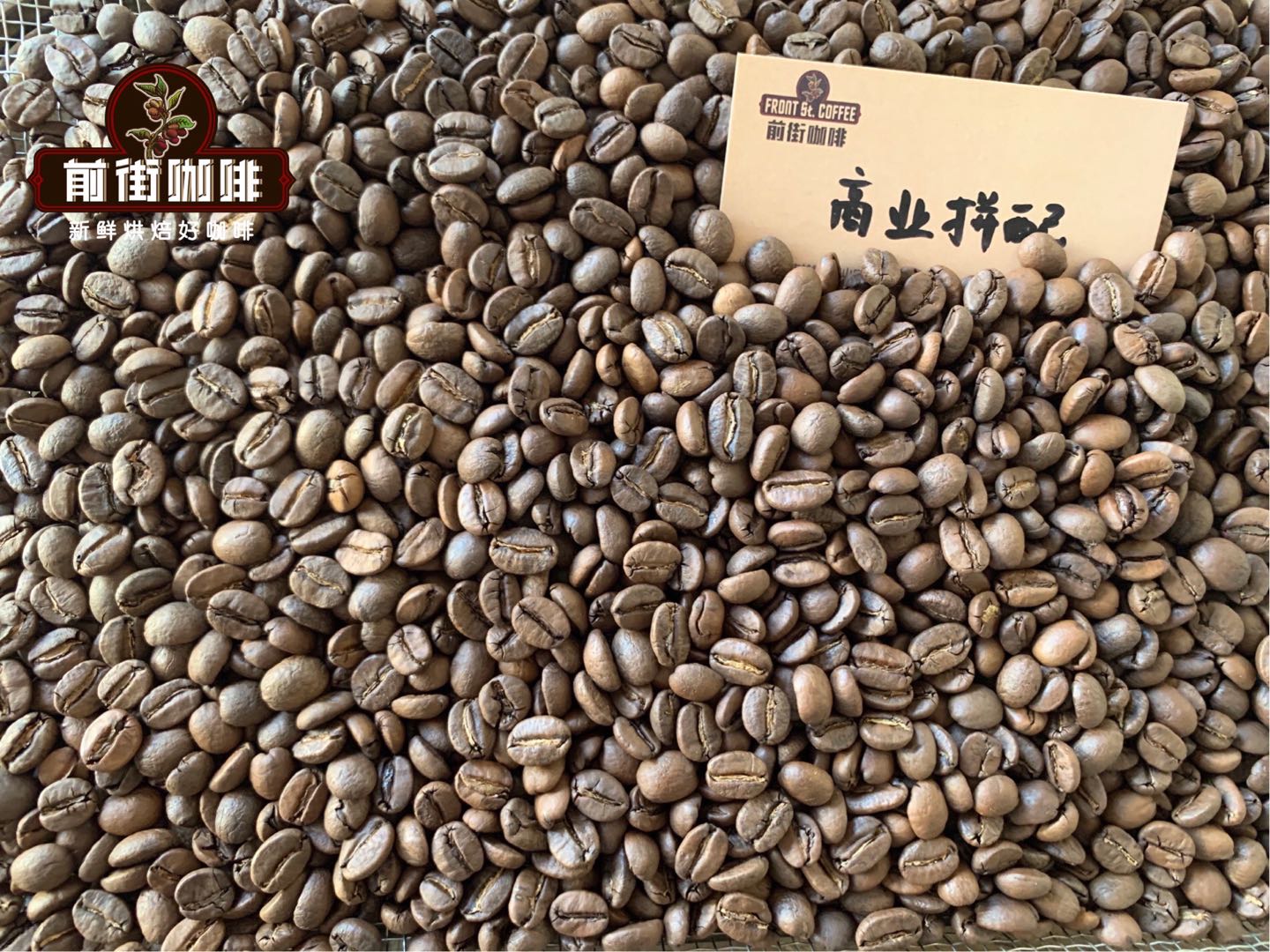
For this blend, FrontStreet Coffee uses Brazilian and Colombian beans with 10% Robusta. It has a classic taste. FrontStreet Coffee finds this blend rich in crema and texture, with caramel sweetness plus nutty and cocoa notes, black chocolate flavor, balanced sweet and sour, a slight bitterness, and a persistent aftertaste. Like FrontStreet Coffee's Premium Blend, FrontStreet Coffee's Commercial Blend leans on Colombian and Brazilian beans, but the addition of Robusta provides a fuller crema that rounds out the texture.
FrontStreet Coffee Basic Blend
Flavor: Gentle fruit acidity, caramel sweetness, nutty and black chocolate flavors, smooth and viscous, but relatively mild in taste.
Formula: Yunnan : Brazil = 3:7
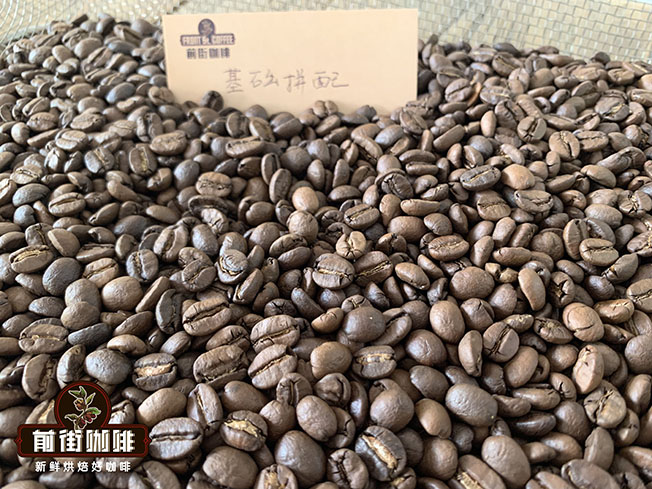
For this blend, FrontStreet Coffee uses Brazil and Yunnan. FrontStreet Coffee finds it tastes of gentle fruit acidity and caramel sweetness, plus nutty and black chocolate flavors, smooth and viscous, though relatively mild in taste. Yunnan's natural conditions closely resemble Colombia's, with high altitude and a wide day-night temperature swing, giving a mellow profile of moderate acidity, a rich, rounded body, uniform particles, high oil content, and fruity notes. Its quality and texture are close to Colombian coffee, though a little milder. Brazil's Cerrado beans add a comfortable bittersweet flavor and great smoothness, so pairing the two produces an excellent cup at real value, suitable for espresso beginners and small coffee shops.
That is FrontStreet Coffee's overview of espresso, and it is our hope that it helps coffee lovers better understand the subject.
FrontStreet Coffee Recommendation
When it comes to choosing beans, FrontStreet keeps a shortlist that suits espresso well. The Classic Blend is built for espresso and moka pot alike, and its strongest point is crema: even a beginner on a non-professional home machine can pull a dense, fine foam, which is what makes lattes, cappuccinos, and Dirty drinks work. Using the traditional Mamba recipe, it is round and warm, easy for veterans and newcomers alike, and a safe choice for both home and commercial use.
For controlling cost without sacrificing quality, FrontStreet Coffee's Black Cocoa Blend is made from 100% Arabica, with plenty of crema, a full body, and an approachable price. FrontStreet Coffee's Commercial Blend has long been the workhorse for cafes, priced below FrontStreet Coffee's Premium Blend but tuned for balanced flavor, and FrontStreet Coffee's Premium Blend, which FrontStreet has used in its own bars for nearly a decade, pairs Brazil Cerrado with Colombia Huila to deliver the familiar classic espresso taste for either home or shop.
If you would rather highlight a single origin, FrontStreet's SOE line is worth a look. The Huakui SOE, a natural-process Ethiopian bean from Guji Hambela grown at roughly 2,300 meters and medium roasted, brings creamy strawberry with cream, cocoa, berry, soft florals, and black tea. The Costa Rica Blackberry SOE is a honey-processed lot whose mucilage contact builds blackberry aroma and clean sweetness, medium roasted for a bright, refreshing Americano or a cranberry-cookie, raisin, and nut latte. And the Brazil Queen Estate SOE, a distinctive Yellow Bourbon, is medium-dark roasted to show butter cookie, macadamia, and toasted-bread notes.
Important Notice :
FrontStreet Coffee is a long-established specialty coffee roaster in Guangzhou China, selling freshly roasted beans from its own farm in Yunnan as well as dozens of carefully selected single-origin beans from around the world for both pour-over and espresso. The products deliver consistently excellent quality and great value, with shipping within 24 hours. Guangzhou's FrontStreet Coffee shop is recommended by many coffee lovers, and the beans are now available online at the Tmall 。
FrontStreet Coffee has moved to a new address:
FrontStreet Coffee Address: 315,Donghua East Road,GuangZhou
Tel:020 38364473
 Scan and follow the En Gafei WeChat official account. Please indicate that the reprint comes from "En Gafei".