How Much Pressure for Espresso Tamping? Professional Techniques for Leveling Espresso Grounds
Making a cup of espresso is quite simple, but sometimes many coffee enthusiasts are not satisfied with the espresso they make according to extraction parameters. Why is this? FrontStreet Coffee believes it's likely because the coffee grounds weren't tamped properly. Although this step may seem insignificant, it greatly affects the uniform extraction of coffee grounds. Next, FrontStreet Coffee will teach everyone how much pressure is needed when tamping coffee grounds for espresso and how to press them evenly!
Why tamp coffee grounds?
When making espresso, everyone knows that first you need to grind coffee beans into very fine grounds, then distribute and extract them. After filling the portafilter with grounds, you need to press them flat. But why do we need to tamp? What exactly is tamping? Why can't I tamp the grounds evenly when making espresso? FrontStreet Coffee will answer these questions one by one through practical demonstrations!
First, FrontStreet Coffee will extract two groups of espresso, with the only difference being whether tamping is applied. One group will be tamped as the control group, while the other will not be tamped as the experimental group, with all other parameters kept the same. Coffee dose: 20 grams, extracting 40 grams of coffee liquid.
The normally tamped espresso group extracted normally with a stable flow rate, with a final extraction time of 27 seconds. Meanwhile, the untamped group immediately sprayed coffee liquid at the beginning of extraction, with an overall fast flow rate, watery consistency, and unstable flow. The entire extraction time was 8 seconds faster than the normal control group, and the taste was more watery and bland compared to the normal group.
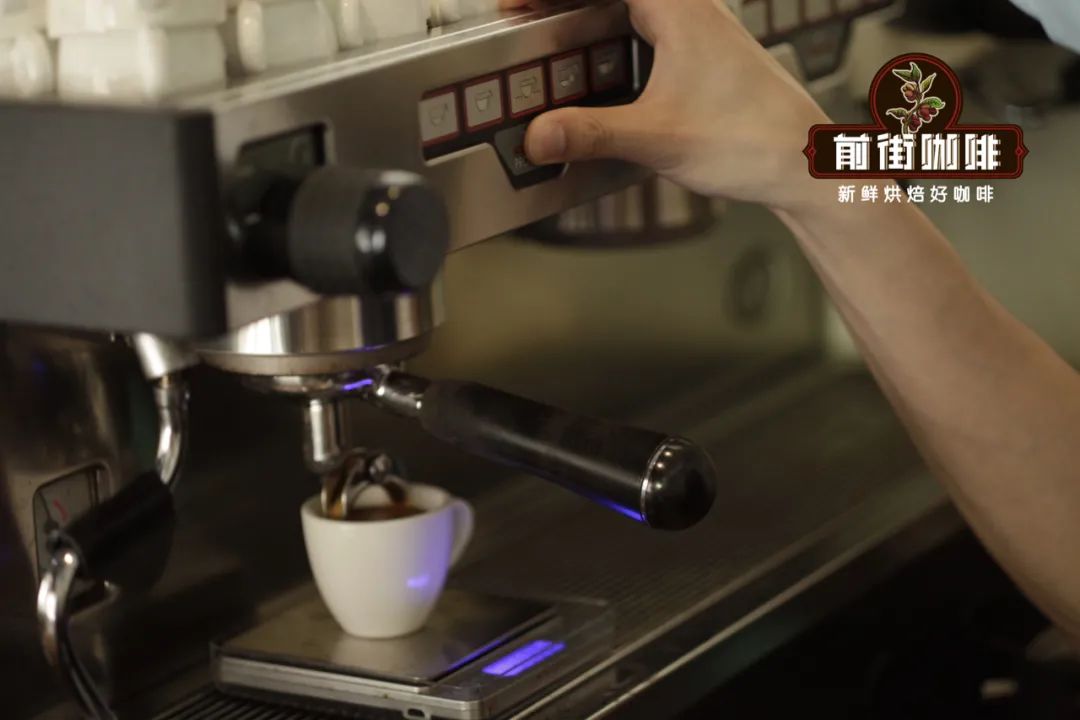
As we can see, only by tamping the coffee grounds flat can they be fully extracted by the espresso machine. If not pressed flat, the extraction speed will be faster, leading to under-extraction of the coffee grounds, which affects the flavor of the espresso. FrontStreet Coffee therefore suggests that coffee enthusiasts first grind coffee beans and evenly distribute the grounds into the portafilter as the first step when making espresso.
The purpose of distribution is to evenly distribute the scattered coffee grounds in the portafilter. At this point, the coffee grounds are still in a loose state, with varying gaps between particles. If extraction is performed directly without tamping at this stage, under the 9-bar high pressure of the espresso machine, water will flow quickly through the coffee grounds. Because of the loose state, the grounds will be directly scattered by the water flow, and the water will find easy paths to flow through. These easily passable areas will be over-extracted, commonly known as channeling effects.
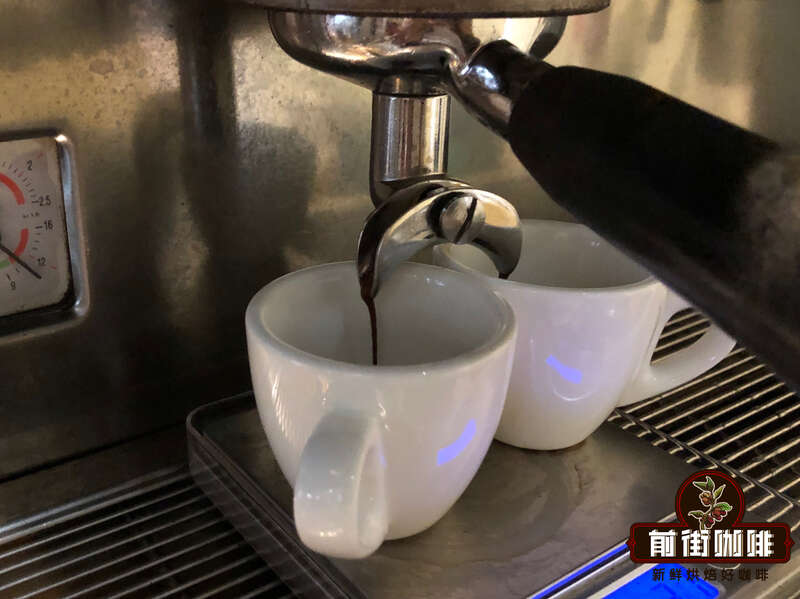
The purpose of tamping coffee grounds is therefore to compact the grounds, reduce gaps between particles, and create sufficient resistance against water flow during extraction, allowing water to extract the coffee grounds evenly.
How much pressure should be applied when tamping espresso?
Coffee enthusiasts who are new to focusing on tamping might use excessive force to press the coffee grounds, thinking this will make them more compact. In reality, you only need skillful technique to press the grounds flat and compact. The key is to pay attention to method and angle. Next, FrontStreet Coffee will teach everyone how to perform tamping operations.
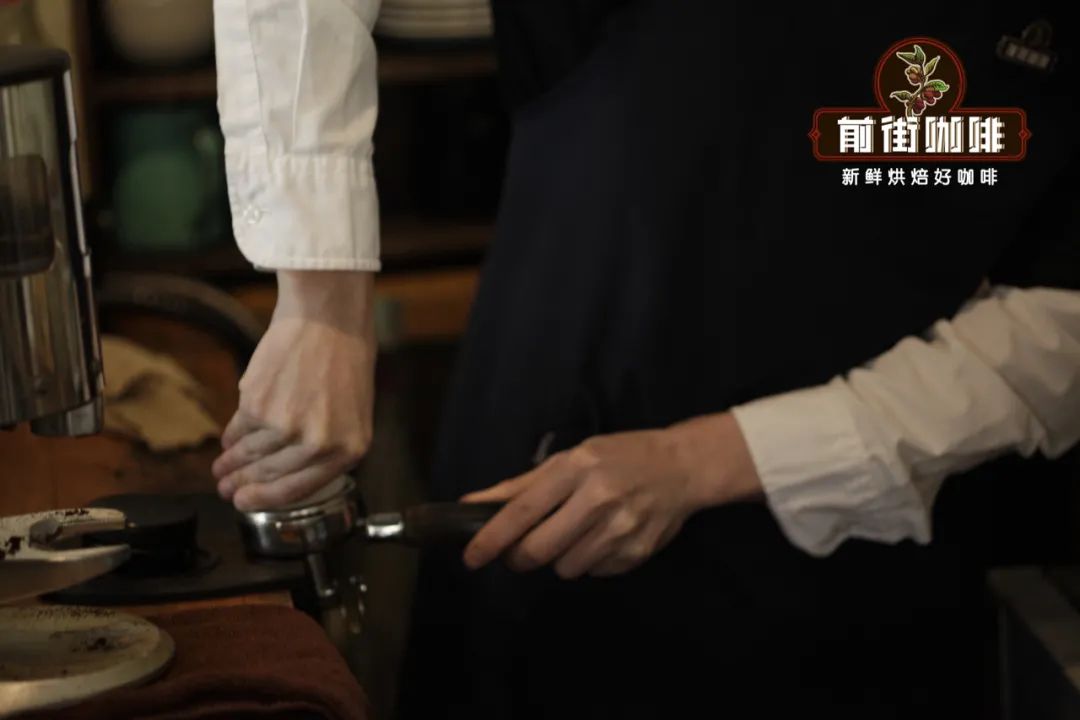
FrontStreet Coffee's baristas typically first hold the portafilter level when tamping, gripping the end of the tamper handle with their palm, with the thumb and forefinger holding the tamper base. During tamping, the elbow joint, forearm, tamper, and portafilter form a vertical line perpendicular to the horizontal. Tamping is performed with vertical downward force, compacting the coffee grounds in one motion.
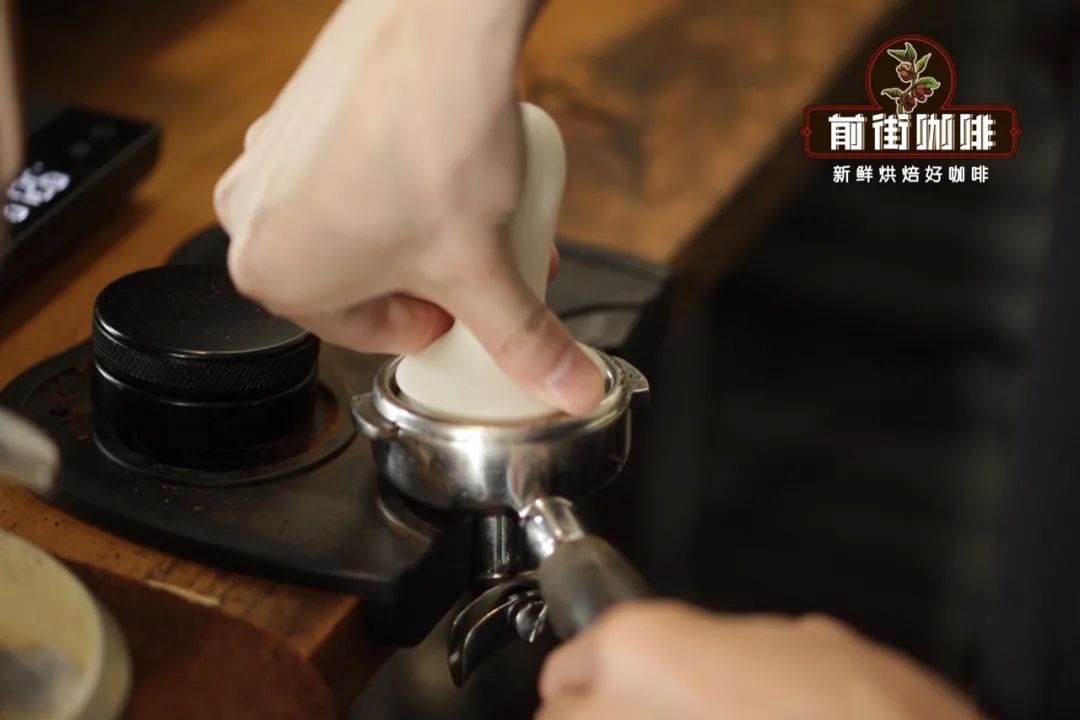
The important thing to note here is that when tamping, ensure the portafilter handle is level and the tamper applies force vertically downward. Many espresso machines on the market come with portafilters where the basket and handle are not level, so you need to find an angle that allows you to create a perfect downward force when tamping.
If the tamping direction is tilted, the coffee puck will have an uneven shape - high on one side and low on the other. The higher side of the coffee puck will have looser density, while the lower part will be denser, which can easily lead to uneven water extraction.
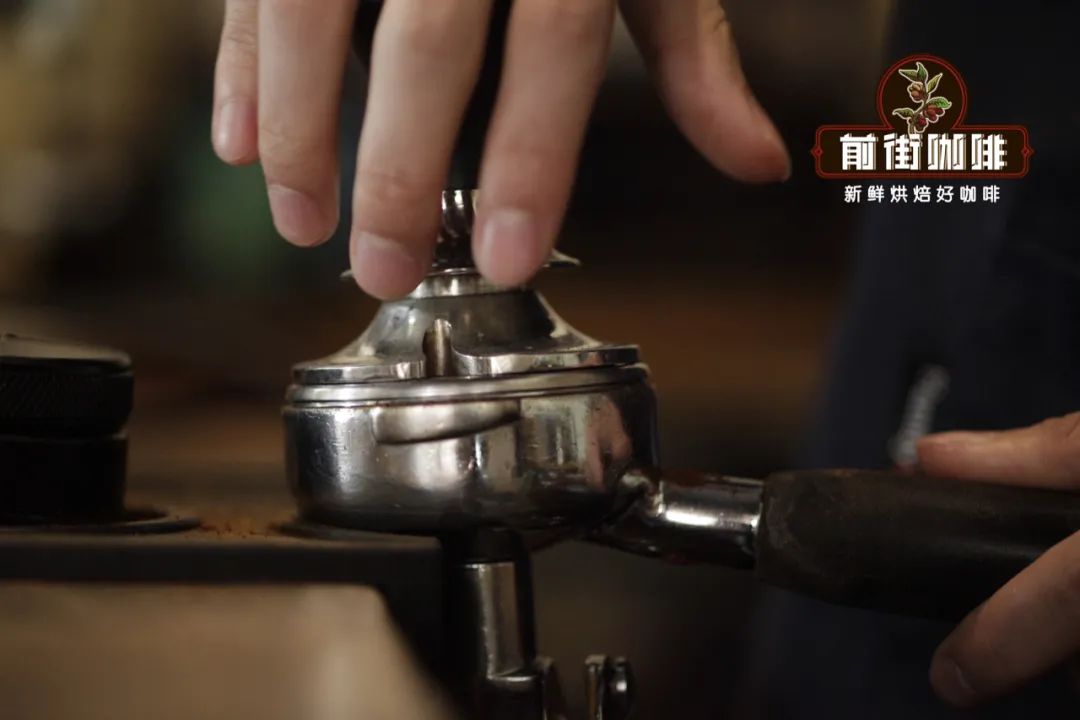
Here, FrontStreet Coffee recommends two methods to solve the problem of uneven tamping. One is to hold the tamper with three fingers, as three fingers make it easier to feel the overall downward direction and reduce mistakes. The second method is to switch to a calibrated tamper that ensures vertical pressure. With the assistance of this tool, directional problems can be almost completely resolved.
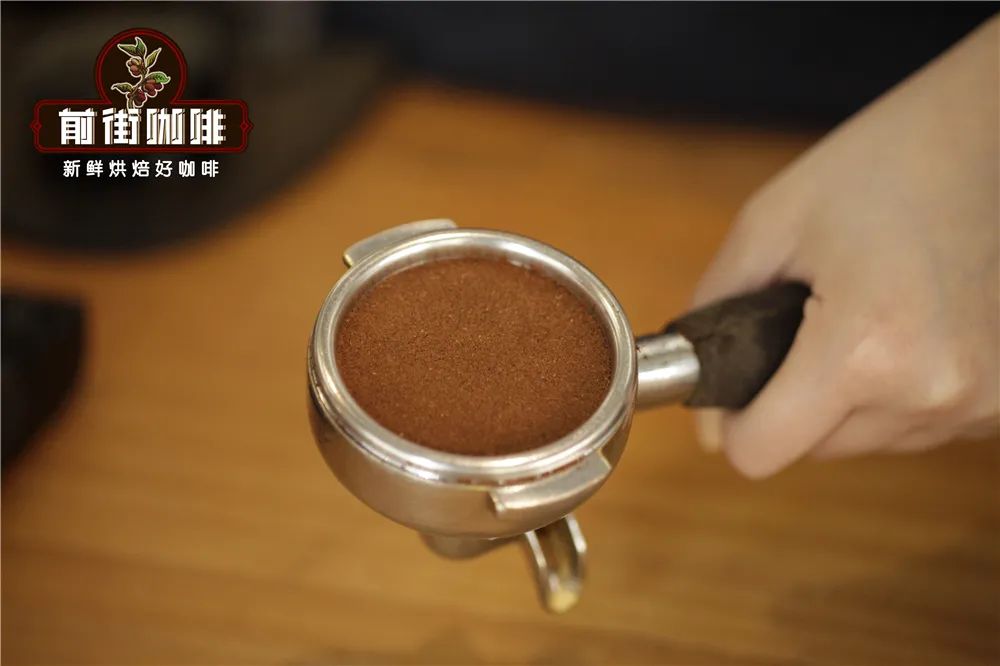
The above is FrontStreet Coffee's organized answer to the question of how much pressure should be applied when tamping espresso. We hope this helps coffee enthusiasts who are struggling with how to make a delicious cup of espresso. Next, FrontStreet Coffee will share our in-store espresso extraction parameters for everyone's reference!
FrontStreet Coffee Espresso Extraction Parameters:
FrontStreet Coffee uses the Faema E98 espresso machine.
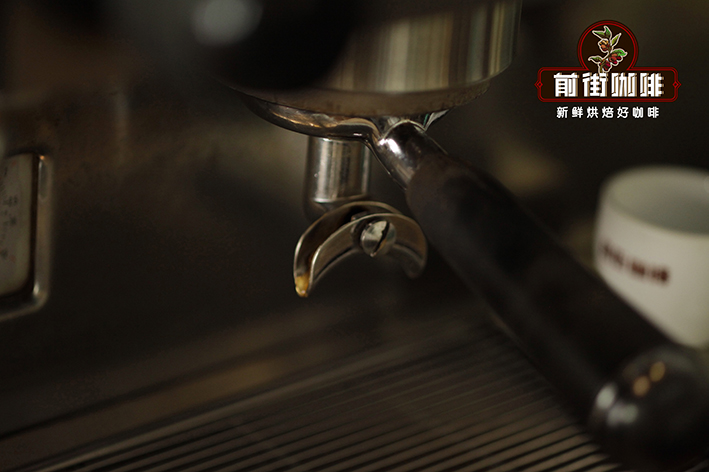
Pressure: 9 bar ± 2
Temperature: 90.5~96°C
Time: 20~30 sec
Coffee-to-water ratio: 1:1.7~1:2
Dose: 10g (single shot) 20g (double shot)
Espresso yield: 20ml (single) 40ml (double)
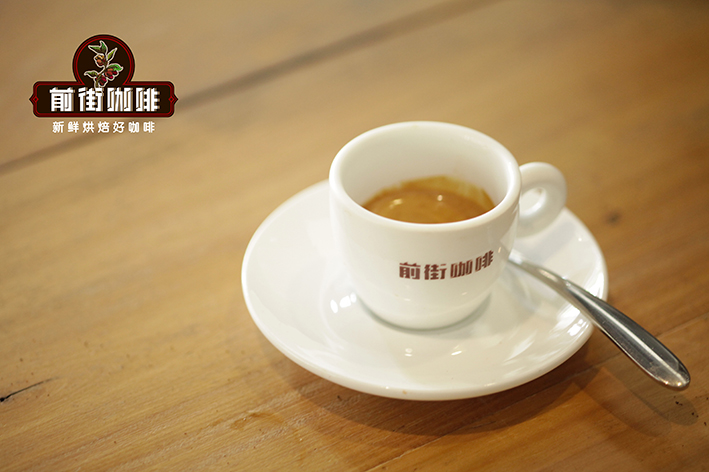
When making a delicious cup of espresso, the choice of espresso beans is naturally also crucial to ensure excellent extracted espresso flavor. For example, FrontStreet Coffee currently uses our own house blend in-store - FrontStreet Sunflower Warm Sunshine Espresso Blend. This blend is FrontStreet's most proud coffee creation, composed of FrontStreet Honduras Sherry coffee and FrontStreet Yirgacheffe Natural Red Cherry coffee. The flavor characteristics are as follows:
FrontStreet Sunflower Warm Sunshine Espresso Blend
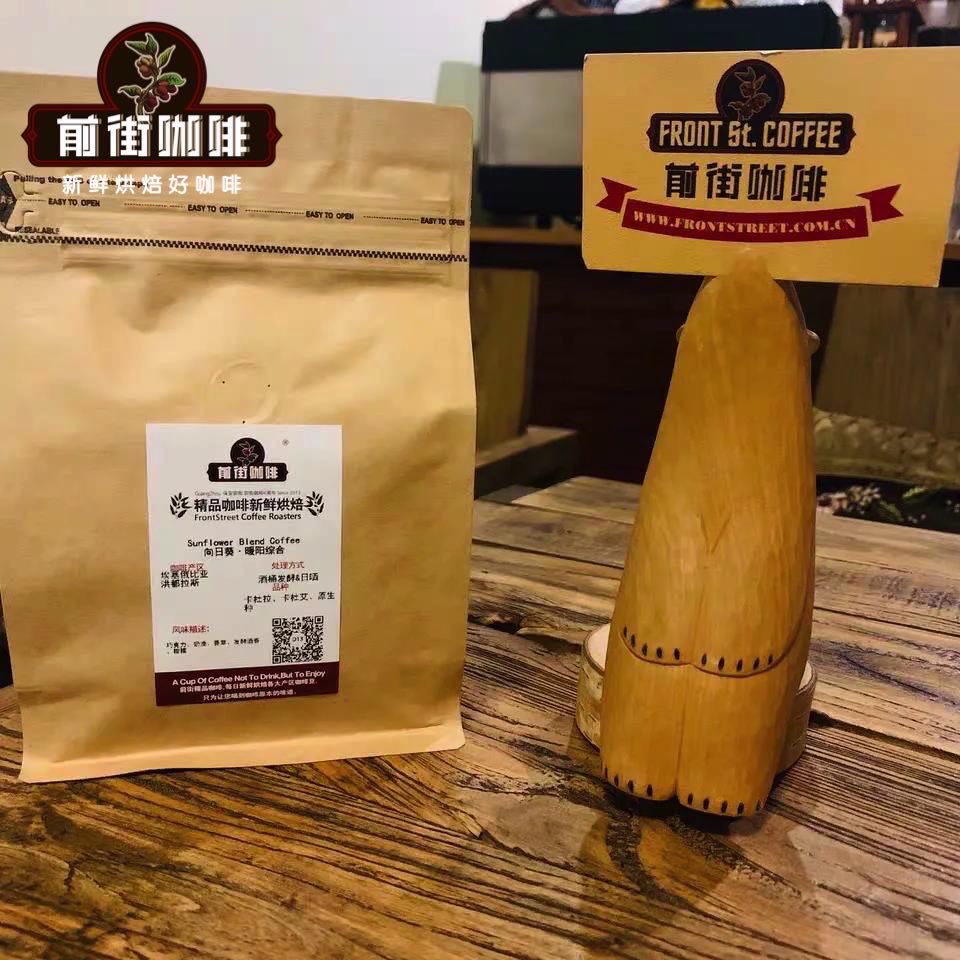
Flavor: Distinct fruit acidity, subtle berry aroma, wine fragrance, rich chocolate flavor, with noticeable aftertaste.
Blend ratio: FrontStreet Honduras Sherry : FrontStreet Ethiopia Yirgacheffe Red Cherry = 6:4
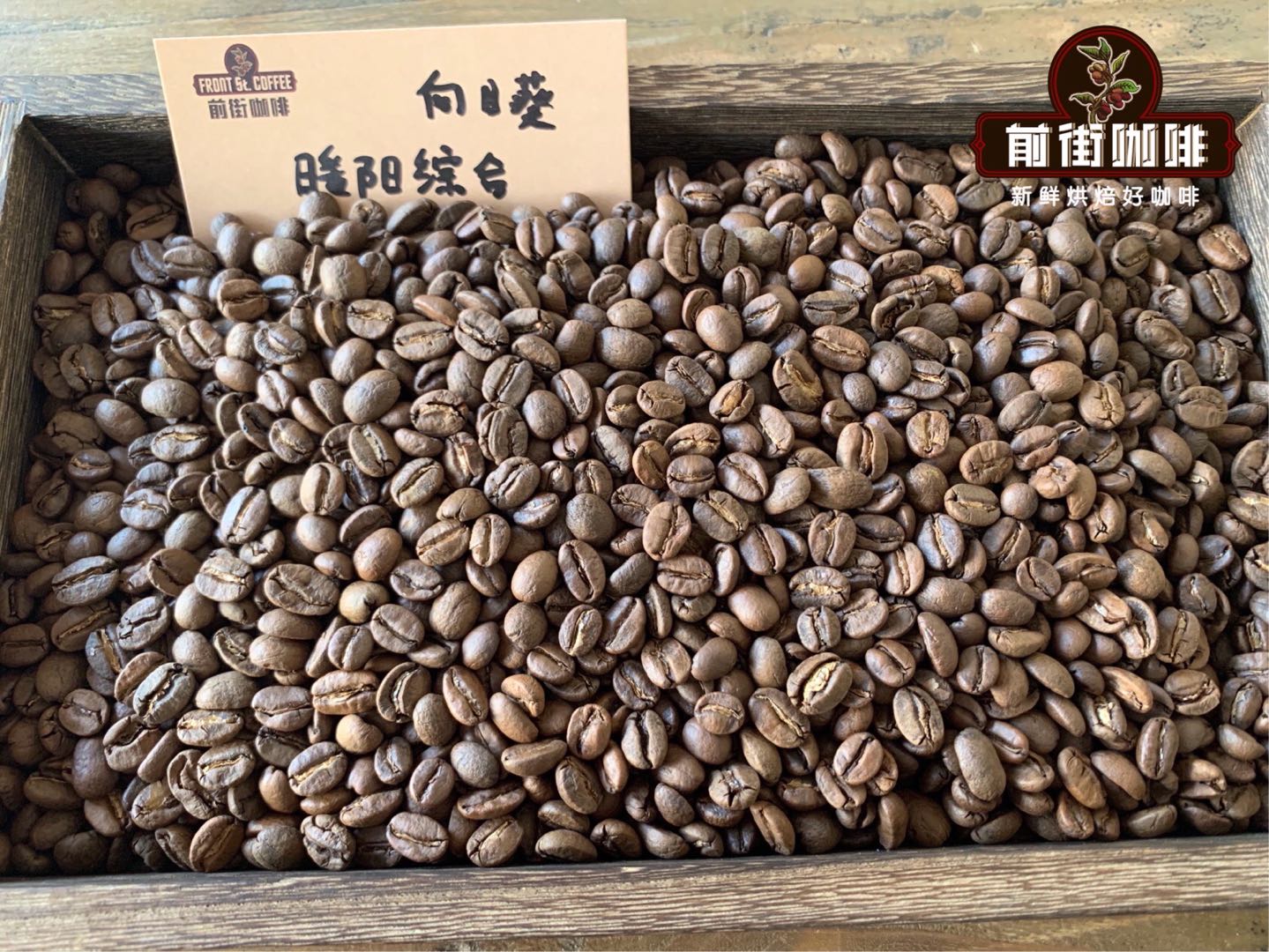
This blend from FrontStreet is composed of FrontStreet Yirgacheffe Natural Red Cherry and FrontStreet Honduras Sherry. FrontStreet's design concept for this FrontStreet Sunflower Warm Sunshine Espresso Blend is that it can be used for both espresso and pour-over. When used to make espresso, it emits a distinct fermented wine aroma. Upon tasting, citrus and berry acidity immediately emerge, with whiskey fragrance, and the aftertaste is dark chocolate.
The above is FrontStreet Coffee's espresso blend and extraction parameters for making a cup of espresso. We hope this helps everyone.
FrontStreet Coffee Recommendation
Once your tamping is dialed in, the bean you choose matters just as much, and FrontStreet Coffee offers blends and single origins for every espresso style. The FrontStreet Classic Blend and Commercial Blend build on a classic Italian recipe with a touch of Robusta, yielding buttery, nutty, spice, dark-chocolate, and toast aromas with a bold, golden crema. If you prefer a single origin, the FrontStreet Sun-Dried Flower Queen SOE brings creamy strawberry, cocoa, and berry notes, while the FrontStreet Brazil Queen Estate SOE delivers a low-acid, buttery-cookie and macadamia sweetness that is easy to extract consistently.
Important Notice :
FrontStreet Coffee is a long-established specialty coffee roaster in Guangzhou China, selling freshly roasted beans from its own farm in Yunnan as well as dozens of carefully selected single-origin beans from around the world for both pour-over and espresso. The products deliver consistently excellent quality and great value, with shipping within 24 hours. Guangzhou's FrontStreet Coffee shop is recommended by many coffee lovers, and the beans are now available online at the Tmall 。
FrontStreet Coffee has moved to a new address:
FrontStreet Coffee Address: 315,Donghua East Road,GuangZhou
Tel:020 38364473
 Scan and follow the En Gafei WeChat official account. Please indicate that the reprint comes from "En Gafei".