Top 10 Coffee Producing Countries in the World - Introduction to Arabica Coffee Bean Origins and Flavor Characteristics
Coffee Growing Regions and Global Production
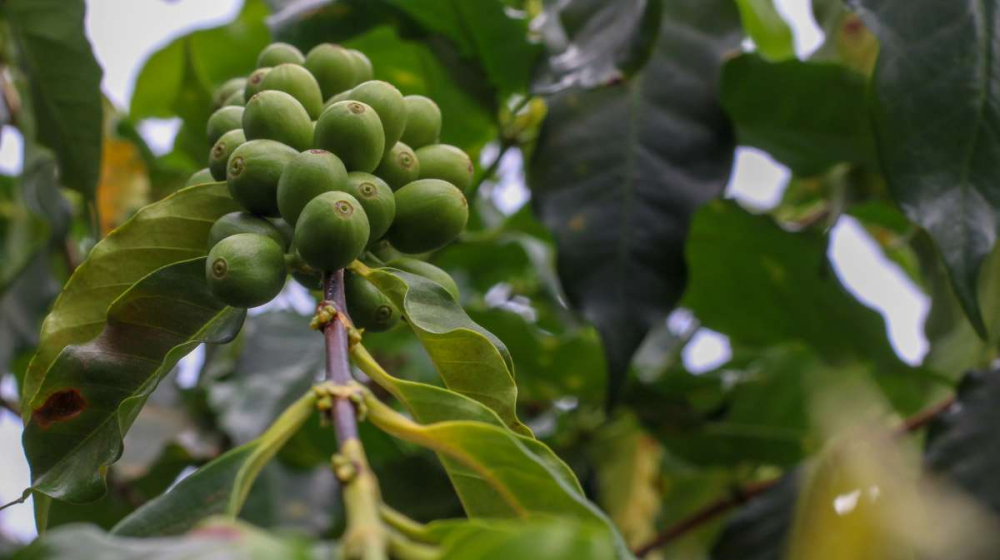
The coffee tree is an evergreen shrub that thrives in subtropical and tropical regions between the Tropic of Cancer and the Tropic of Capricorn — the band known as the coffee belt. But not every seedling planted inside the belt will prosper; other environmental factors matter too. Although coffee is a tropical plant, it cannot endure extreme heat and humidity, nor all-day sun exposure. That's why coffee is mostly planted on well-drained mountain slopes, where — in addition to milder temperatures — daily sunlight is shorter than on the flatlands.
By these measures, most of Africa lies within the coffee belt, yet it isn't the top-producing region. Today Asia accounts for 32% of global production, Africa 12%, Central America 13%, and South America 43%.

The varied terrain and microclimates inside the belt suit different varieties. The three main commercial species are Arabica, Robusta, and Liberica. Arabica has the best flavor and the largest share of production (70%), so nine of the top ten producing countries grow it primarily. Below, FrontStreet Coffee walks through the beans of these countries one by one.
Brazilian Coffee Beans
Brazil is the world's largest coffee producer. Its main regions — Minas Gerais, São Paulo, Bahia, and Espírito Santo — account for 90% of the country's exports. Santos and Mogiana, both in São Paulo, are the names we see most often. In Minas Gerais, Cerrado and Sul de Minas produce specialty Brazilian beans thanks to their higher altitudes. Cerrado sits in western Minas Gerais, a flat plateau ranging from 750m to 1200m.
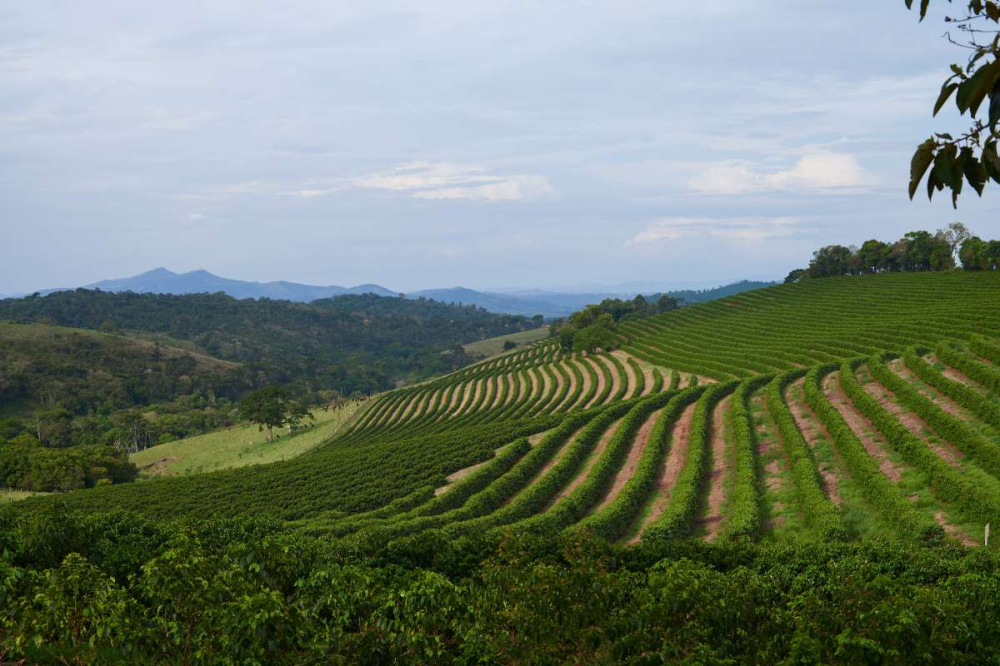
Sul de Minas is hilly country at 700m–1200m and was Brazil's first coffee region. Rising labor costs have made mechanical harvesting the norm there. It was also where Brazilian coffee was first commercialized, and many large exporters are still headquartered in the area. Bahia, in Brazil's north, mainly grows washed Brazilian coffee, while coastal Espírito Santo is the main export hub for Brazilian Robusta.
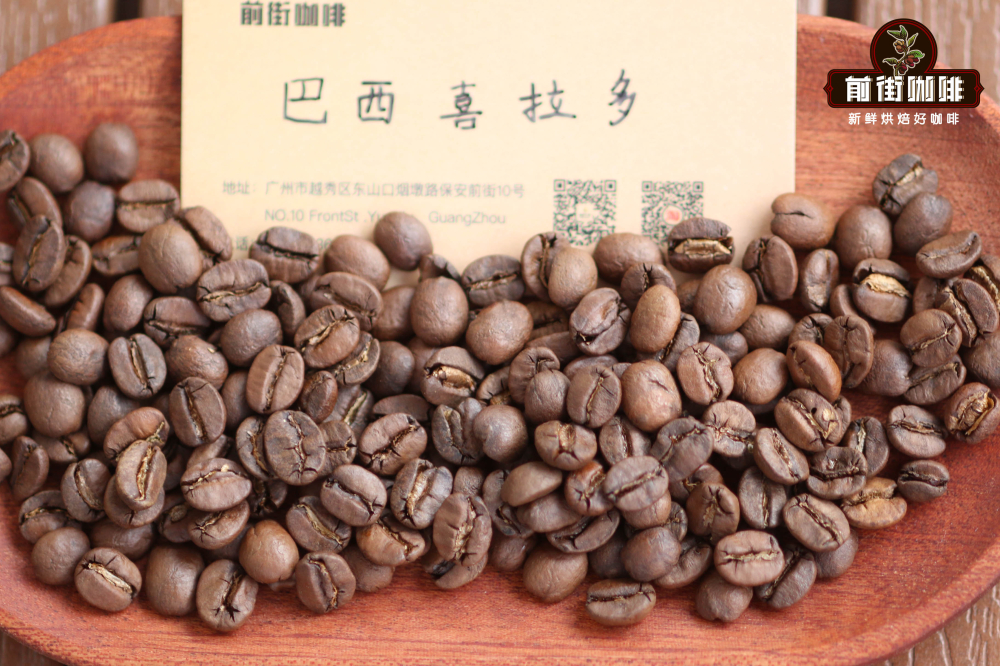
Brazilian Arabica is mainly Red Bourbon, with flavors of chocolate, peanut, and cream in a balanced, full-bodied cup. If you'd like to try Brazilian character for yourself, pick FrontStreet Coffee's Brazilian everyday beans from Cerrado, pulped-natural processed and roasted medium-dark to bring out their nutty cream aroma and caramel-chocolate sweetness.
Vietnamese Coffee Beans
Vietnam is the second-largest producer. With most of its land below 800 meters, it grows primarily Robusta. FrontStreet Coffee imports Vietnamese Robusta too — not for single-origin use, but as a blending component. Robusta on its own is not especially pleasant, often tasting like bitter barley tea, but it delivers a rich, full body. Adding a small amount to a blend deepens the overall richness.
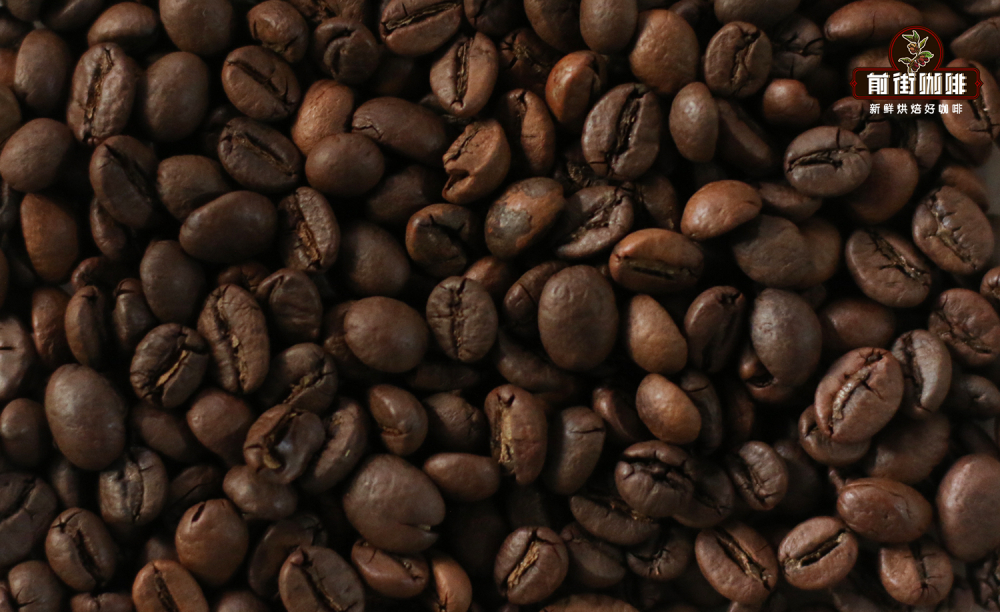
FrontStreet Coffee's commercial espresso blend is precisely formulated with 60% Brazilian Arabica, 30% Colombian Arabica, and 10% Vietnamese Robusta. The espresso it pulls has thick crema and an intense coffee flavor.
Colombian Coffee Beans
Colombia ranks third, though its output trails the top two by a wide margin. The country grows Arabica nationwide, with Caturra, Catuai, and Castillo as the main planted varieties.

Colombian beans come in two flavor camps: the traditional washed profile and the newer anaerobic-processed style.
FrontStreet Coffee uses washed beans from Huila as its Colombian everyday coffee. Huila coffee grows at 1500–1800 meters, with Caturra as the planted variety; the flavors are nuts, dark chocolate, caramel, and soft fruit acidity.
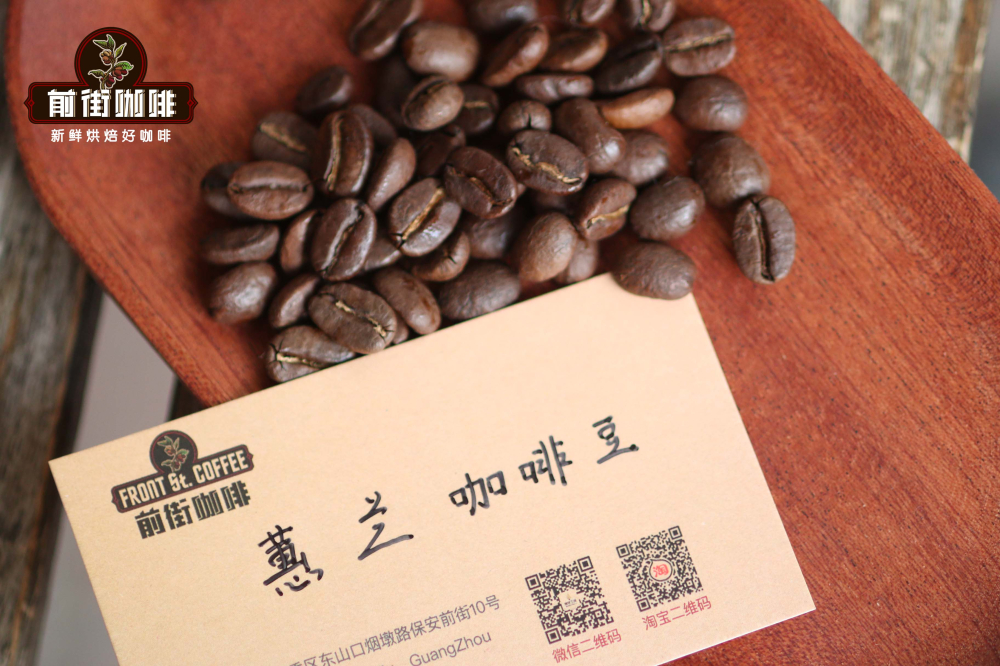
Flower Moon Night, also from Huila, is anaerobic natural processed, with flavors of strawberry jam, roses, and liqueur-filled chocolates.
Indonesian Coffee Beans
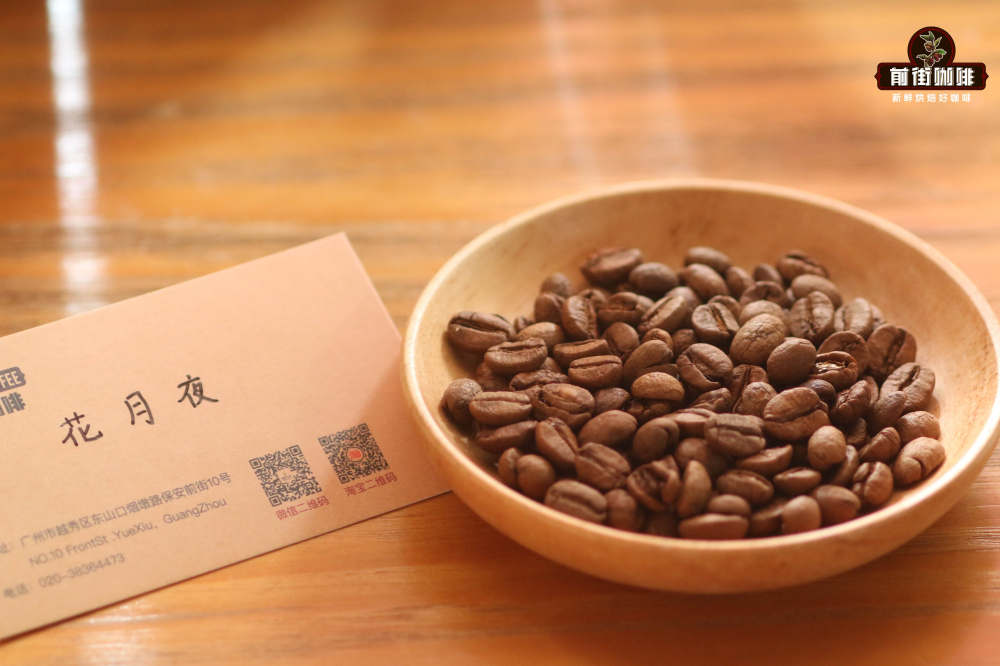
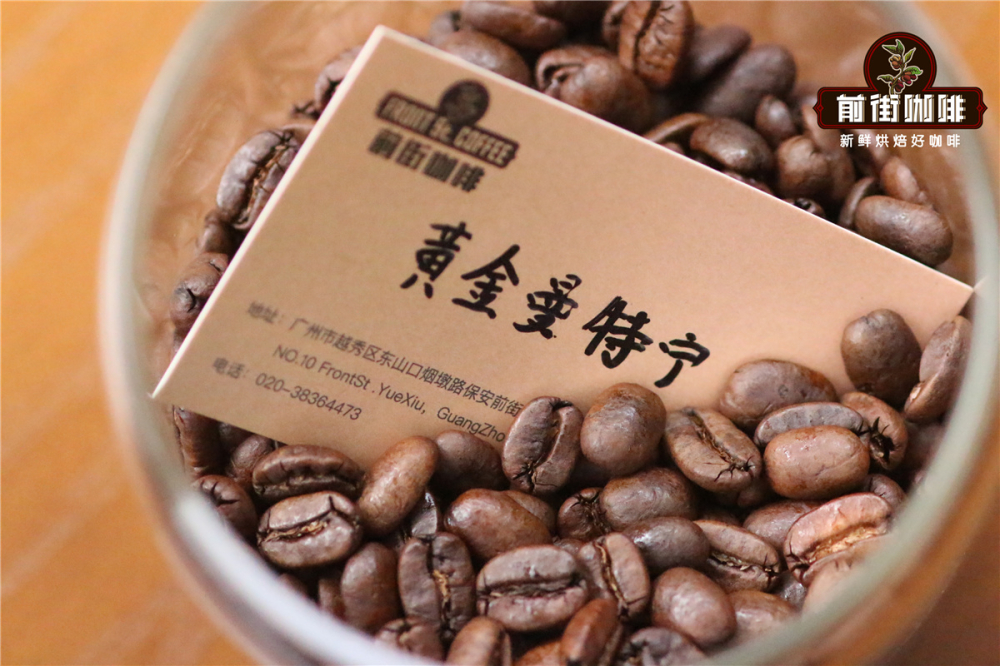
Indonesia is the fourth-largest producer, mostly Robusta, but its Arabica is famous too. The Arabica of North Sumatra is sold as Mandheling, prized for its heavy body; the best-known is the Golden Mandheling from PWN.
PWN is Indonesia's largest green bean buyer. Its Golden Mandheling is currently sourced mainly from the Gayo Mountains in Aceh Province. After purchase, the beans go through three rounds of hand-sorting to select uniform, plump beans; only lots with a defect rate below 3% earn the Golden Mandheling name, and only PWN's are considered the genuine article. The cup is mellow and rich, with caramel and dark chocolate flavors.
Ethiopian Coffee Beans
Ethiopia is the birthplace of Arabica. Many coffee trees there grow wild, so the production model differs sharply from the Americas. In recent years, outstanding micro-regions have emerged — Yirgacheffe, Guji, and Wollega among them. With so many varieties and such complex genetic diversity, they are generally lumped together as "heirloom."
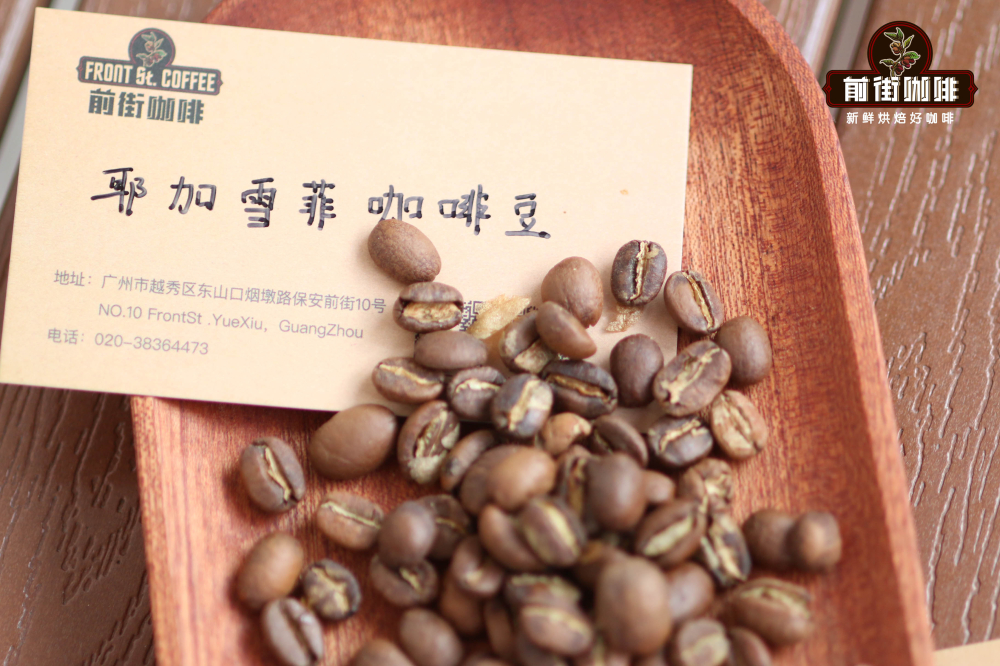
The most famous Ethiopian beans are Yirgacheffe. FrontStreet Coffee has chosen washed Yirgacheffe as its Ethiopian everyday coffee; its flavors are jasmine florals, citrus, honey, and green tea.
Indian Coffee Beans
India is another major producer, focused on Robusta. Karnataka, Kerala, and Tamil Nadu are its main growing states, accounting for over 90% of national production. Today two-thirds of Indian coffee is Robusta and only one-third Arabica. The coffee is concentrated in southwestern Karnataka, where both species grow and which alone produces 50% of India's total; southern Kerala focuses on Robusta at 30%; southeastern Tamil Nadu grows both at 10%; and the remaining 10% is scattered among emerging northern regions.
India's most famous beans are monsooned. Monsooned coffee must start as natural-processed beans, and all monsooning facilities face west to catch the salty, moist winds off the southwestern sea. The beans are spread out in monsooning fields with the windows wide open, then bagged once sufficiently exposed. Because the beans swell considerably, the bags can't be filled too full or stacked too densely, or poor ventilation invites mold; the beans must also be taken out periodically and the burlap bags replaced — a slow, labor-intensive process.

Monsooning lasts roughly twelve to sixteen weeks. Once matured, the beans are smoke-treated to repel weevils, then hand-sorted to remove any that haven't turned golden yellow. After three to four months, the green beans have swelled to one to two times their original size, with lower weight and density.
Honduran Coffee Beans
Honduran coffee comes from six major regions — Copán, Opalaca, Montecillos, Comayagua, Agalta Tropical, and El Paraíso — mainly in the west and south. Specialty coffee grows at an average of 1,100 meters or higher, with 69% of cultivated coffee graded HG, 12% SHG, and 19% CS.
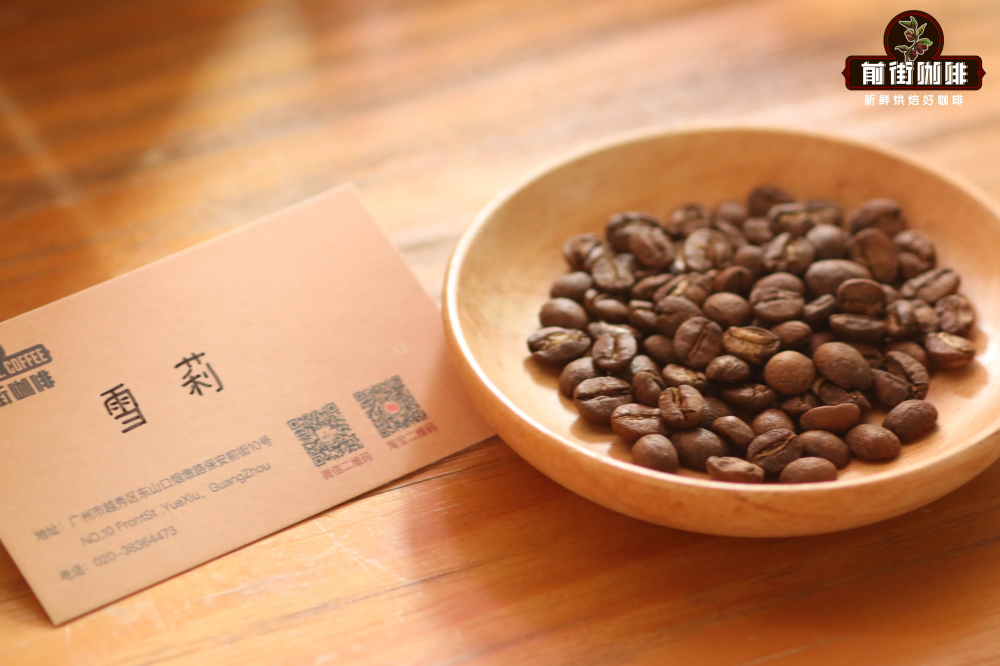
Honduran coffee is rich and full-bodied, with neither astringency nor harsh acidity. Its high intensity and aroma give it real character, and it reveals different layers depending on roast level. The most famous Honduran beans are undoubtedly the Sherry beans from the Moca estate in Masaguara, refined by whiskey-barrel fermentation in a washed process, with flavors of vanilla cream, sherry wine, and chocolate.
Kenyan Coffee Beans
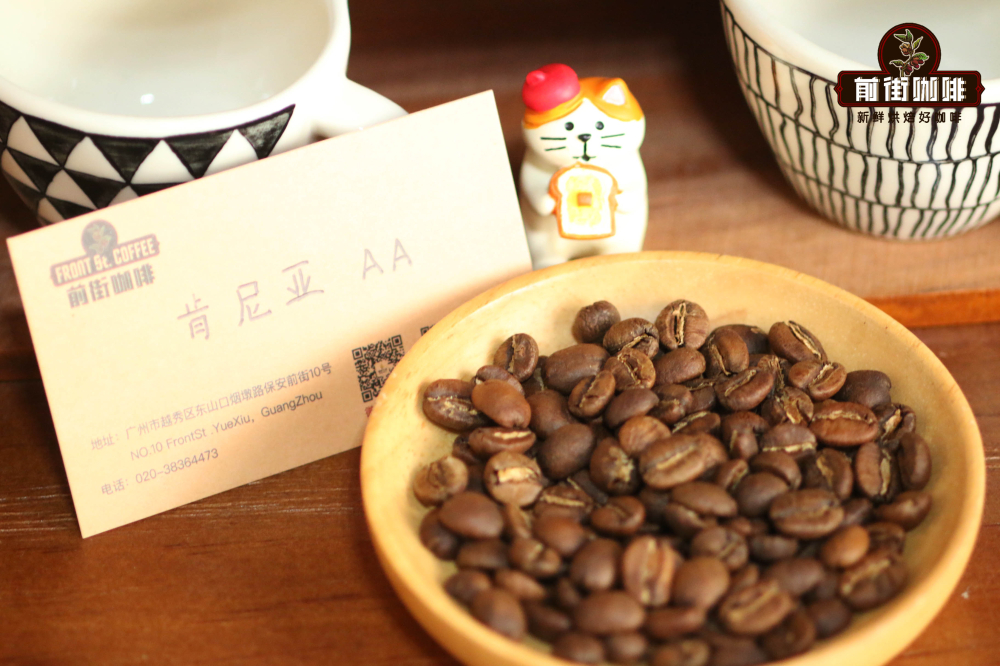
Kenyan coffee is famous for its bright acidity. In the 1930s, Kenya's Scott Laboratories selected SL28 and SL34 for nationwide cultivation. Beans are graded by size — AA the best, AB next. The logic: after varietal selection, larger beans signal plumpness and quality and roast evenly, keeping Kenyan quality consistent.

FrontStreet Coffee credits Kenya's classic acidity to its 72-hour washed process: 24 hours of fermentation, a rinse of the loosened mucilage, another 24 hours in clean water tanks, a second rinse, and a final 24 hours of fermentation. This intensive washing keeps quality stable and delivers bright acidity with clean sweetness.
Take FrontStreet Coffee's Kenyan Assalia as an example: solid cherry-tomato acidity, plum, and blackberry.
Costa Rican Coffee Beans
Costa Rica was the first Central American country to cultivate coffee, with a long history and a complete system from production to sales. Sitting on the Central American isthmus, it enjoys rich, well-drained volcanic soil, especially on the Central Plateau. There, coffee benefits from fertile volcanic ash, mild temperatures, and stable, abundant rainfall, making it one of the country's chief agricultural products. All its beans are Arabica: pure in flavor, pleasantly aromatic, with impeccable balance in both acidity and body — plump beans, ideal acidity, and a unique, intense aroma.
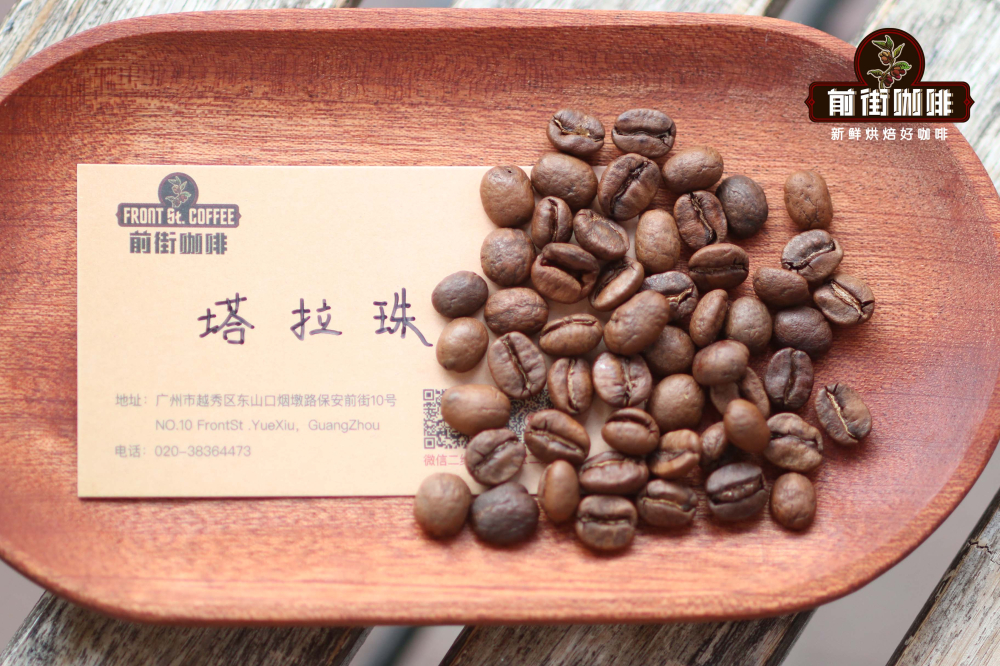
FrontStreet Coffee uses beans from Tarrazú as its Costa Rican everyday coffee: grown at 1500 meters, Caturra variety, washed processed, with flavors of sweet orange, toffee, and chocolate.
Guatemalan Coffee Beans
Guatemalan beans are known for their distinctive smoky note. FrontStreet Coffee uses beans from Huehuetenango as its Guatemalan everyday coffee.
Huehuetenango lies in Guatemala's northwestern highlands and is renowned for excellent quality. Its coffee shows citrus-like acidity and rich, intense flavor with considerable body — and that smoky taste is its signature.
Connect with FrontStreet Coffee
For professional coffee knowledge and more coffee bean information, follow Coffee Workshop (WeChat public account: cafe_style).
For more specialty coffee beans, add FrontStreet Coffee's private WeChat account: qjcoffeex
FrontStreet Coffee Recommendation
As the world's largest producer, Brazil offers an enormous range of flavors, and its moderate acidity, sweetness, bitterness, and body make it a natural fit for medium roasts — expect a nutty aroma, a mellow cup, and a gentle acidity, delicious as a single origin or in blends.
If you want a first taste of classic Brazilian character, go for FrontStreet Coffee's pulped natural Cerrado Red Bourbon. Cerrado is one of Brazil's most famous quality regions, and this Red Bourbon, roasted medium, opens with creamy peanut, toasted bread, caramel, and hazelnut; the cup is round and non-acidic with a light bitterness. It pours beautifully as pour-over and is equally at home in a moka pot, as an espresso SOE, in a siphon, or a French press.
And if you make espresso at home, look to Brazil's low acidity and balance: they are the backbone of many espresso recipes. FrontStreet Coffee's crema-rich Classic Blend, nut-forward Specialty Blend, and shop-ready Commercial Blend all feature Brazilian beans, contributing chocolate and cream aromas plus a gentle sweet-sour-bitter balance that keeps extraction stable cup after cup.
Important Notice :
FrontStreet Coffee is a long-established specialty coffee roaster in Guangzhou China, selling freshly roasted beans from its own farm in Yunnan as well as dozens of carefully selected single-origin beans from around the world for both pour-over and espresso. The products deliver consistently excellent quality and great value, with shipping within 24 hours. Guangzhou's FrontStreet Coffee shop is recommended by many coffee lovers, and the beans are now available online at the Tmall 。
FrontStreet Coffee has moved to a new address:
FrontStreet Coffee Address: 315,Donghua East Road,GuangZhou
Tel:020 38364473
 Scan and follow the En Gafei WeChat official account. Please indicate that the reprint comes from "En Gafei".