Should Fine Powder in Coffee Be Sifted Out? How Should Fine Powder Sifted from Coffee Grounds Be Handled?
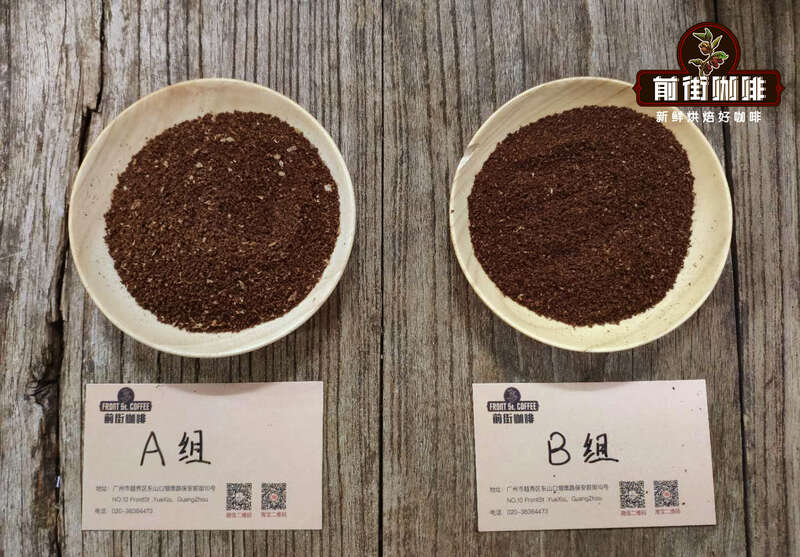
Grind quality has a huge impact on how a cup of coffee tastes. Even the best grinders produce some fines, and ordinary household hand or electric grinders can be downright disappointing in this respect. FrontStreet Coffee shares a brewing strategy for dealing with excessive fines.
How Are Fines Produced?
Most grinders use two cutting burrs that rotate against each other to cut the beans. Ghost-tooth disc grinders, for example, use two ghost-toothed discs spinning at high speed. The hallmark of ghost teeth is that they cut beans into countless small, round particles, making the grind more uniform — but that same feature creates a squeezing effect between the discs that can "press" beans until they fracture, bursting out tiny powder in the process.
Generally, coffee particles smaller than 250 micrometers are called fines. One benchmark of an excellent grinder, then, is a low fines rate.
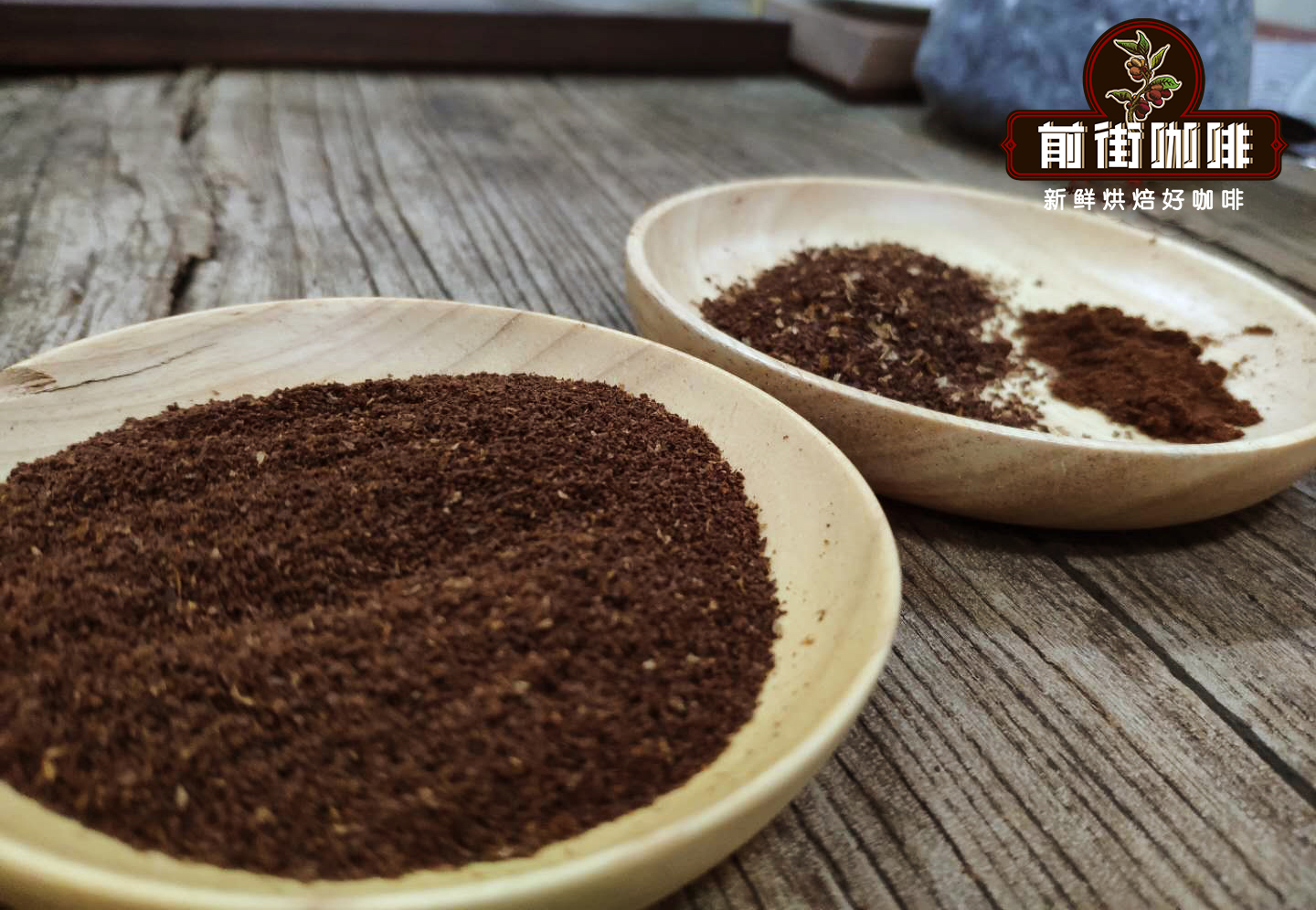
What Do Fines Do to Pour-Over Coffee?
Too many fines can clog the drainage holes of the filter cup, slowing the flow rate and inviting over-extraction. And because fines are far smaller than the rest of the particles, they extract much faster, producing localized over-extraction and the harsh, undesirable flavors that come with it.
So why not simply remove all the fines? That approach works — the resulting cup is noticeably cleaner — but you'll find it's almost too clean, tasting hollow, as if the flavor were missing something.
FrontStreet Coffee reached exactly this conclusion through a side-by-side experiment: one brew left as-is, one brewed with the fines sifted out.
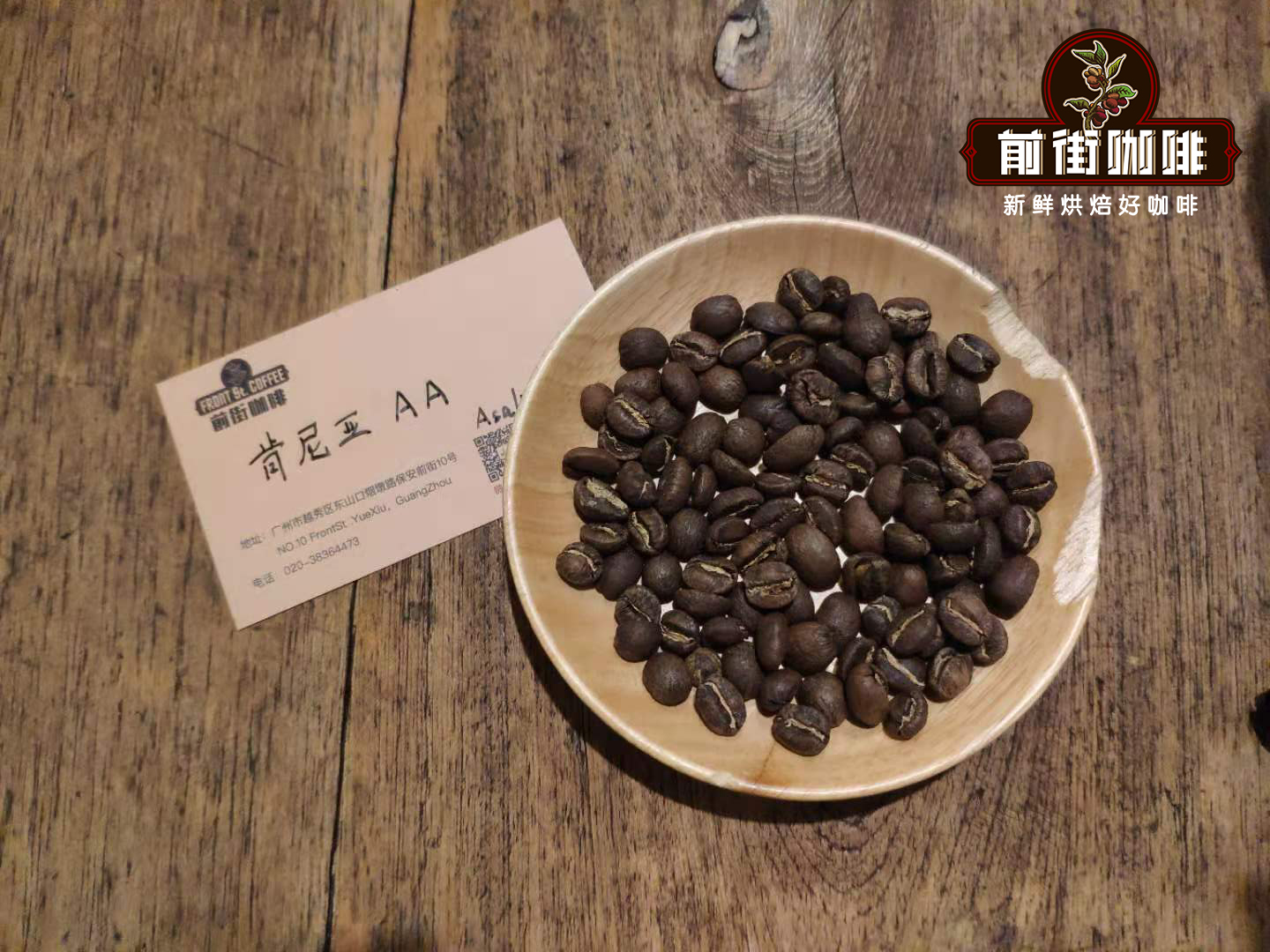
FrontStreet Coffee Kenya Asalia AA
Country: Kenya
Region: Thika, Kenya
Washing Station: Asali Honey Processing Station
Altitude: 1550-1750 meters
Grade: AA TOP
Varieties: SL-28, SL-34
Process: 72-hour washed
Roast Level: Light
Brewing Parameters
Dose: 16g (if sifting, make sure you have 16g after sifting)
Coffee-to-water ratio: 1:15
Water temperature: 91°C
Grind size: Standard pour-over grind (80% pass-through on a #20 sieve)
We used a segmented pour. First, 30g of water for a 30-second pre-infusion, during which the coffee bed expanded quite fully. For the second segment, 120g of water in small circles around the center, poured from a height of 5cm with a gentle hand and no deliberate agitation. Once the water level dropped to half the coffee bed, we began the third pour, circling gently from the center outward at roughly 4g/s until the scale read 240g. We let the cup drain fully, finishing extraction in about 1 minute 50 seconds.
Flavor Comparison Results
Unsifted: Cherry tomato, grapefruit peel, cocoa, and black tea, but the profile was rather thin, and off-flavors emerged as the cup cooled.
Sifted: Bright, clean, transparent fruit acidity and cherry tomato — but hollow.
On the question of whether fines should be sifted out, FrontStreet Coffee's view is that a proper amount of fines fills out the body and richness of the cup, but they extract quickly and can easily tip into over-extraction and off-flavors. To get the best of both, FrontStreet Coffee recommends the following approach.
Brewing Parameters
Dose: 16g
Coffee-to-water ratio: 1:15
Water temperature: 91°C
Grind size: Standard pour-over grind (80% pass-through on a #20 sieve)
Fines rate: 12.5% (<250μm) / 2g of fines
Filter cup: V60
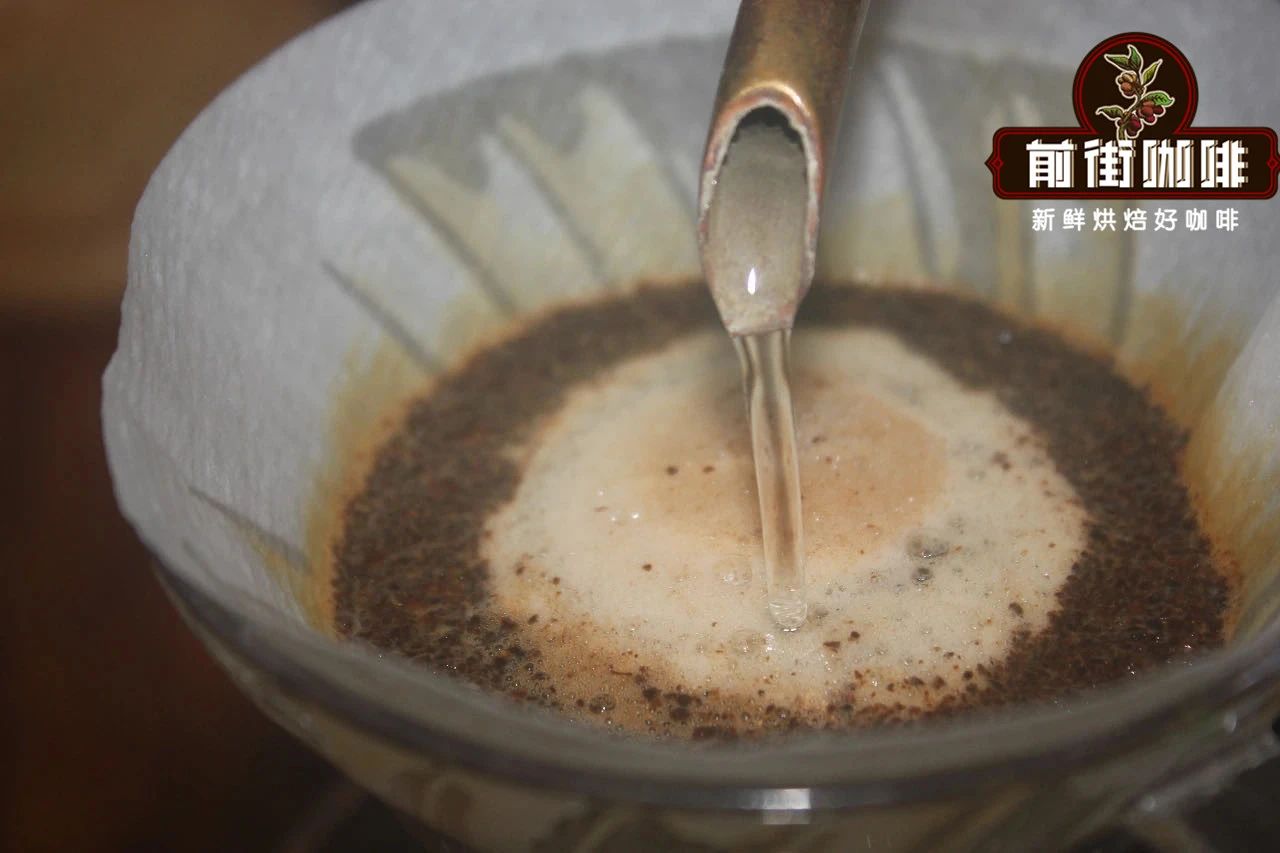
1. Use a 250-micrometer sieve to separate the fines. Load the sifted grounds into the cone and pour 2 times the coffee weight in water (28g) for a 30-second pre-infusion.
2. After the pre-infusion, start the second segment: 120g of water, spiraling from the center outward.
3. Immediately after the second pour, add the 2g of fines you sifted out, then rinse them down with the water column, continuing to 240g total. Once the brewed coffee has flowed into the server, remove the filter cup to end extraction. Total extraction time: 2 minutes.
This method keeps the flavor contribution of the fines without their over-extracting, making the cup more abundant. If your grinder produces a lot of fines, it's well worth trying.
For grinders that shed plenty of fines, adding them later is a smart move. Fines extract very quickly — they can be fully (or over) extracted long before the coarser grounds in the bed have finished extracting.
On the other hand, if you brew entirely without fines, the cup tends to lack layers, even tasting bland. So try reserving those fines and dropping them in just before the second pour instead!
FrontStreet Coffee Recommendation
Fines are only half the story — the filter cup matters too. The Hario V60 was designed by Hario, a Tokyo glassware maker founded in 1921 that originally built heat-resistant laboratory glass; the company redesigned the V60's prototype in 2004 and launched it commercially the following year, naming it after its distinctive 60° cone angle and V-shaped profile. That cone and single large outlet make water flow through the center and extend the contact between water and grounds, so aroma and flavor extract fully — and the fast drawdown gives brighter, more layered coffees room to shine, which is exactly why it pairs so well with floral-and-fruit coffees like Ethiopia's Yirgacheffe.
For beans that love the V60, FrontStreet Coffee recommends the light-roasted, floral-fruit style: the Ethiopia Yirgacheffe Guodingding, a gateway Yirgacheffe with soft citrus, berries, florals, and a green-tea finish; the Ethiopia Huakui, bursting with strawberry, passion fruit, jackfruit, and lychee juiciness and almost no bitterness; and the Panama Esmeralda Red Label Gesha — jasmine, citrus, bergamot, and black tea, a clean and layered cup worth every yuan. Kenya lovers should try the FrontStreet Kenya "Cherry Tomato" from Thika (1550-1750 meters, SL28 and SL34, 72-hour double-washed fermentation), whose bright cherry-tomato and dried-plum acidity behaves beautifully at 91°C with a 1:15 ratio.
On brew technique with fines in play: keep your grind at 80% pass-through on a #20 sieve, pour gently at a low height of about 5cm, and let the bed draw down to half before each new pour. If you prefer deeper-roasted comfort instead — say the PWN Golden Mandheling with its herbal, dark-chocolate depth, or the Brazil Queen Estate with nuts, cocoa, and caramel — the same V60 structure still works; just grind slightly coarser and lean on the resin cup's excellent heat retention for a stable extraction.
Important Notice :
FrontStreet Coffee is a long-established specialty coffee roaster in Guangzhou China, selling freshly roasted beans from its own farm in Yunnan as well as dozens of carefully selected single-origin beans from around the world for both pour-over and espresso. The products deliver consistently excellent quality and great value, with shipping within 24 hours. Guangzhou's FrontStreet Coffee shop is recommended by many coffee lovers, and the beans are now available online at the Tmall 。
FrontStreet Coffee has moved to a new address:
FrontStreet Coffee Address: 315,Donghua East Road,GuangZhou
Tel:020 38364473
 Scan and follow the En Gafei WeChat official account. Please indicate that the reprint comes from "En Gafei".