What's the Difference Between Geisha Village Red Label Geisha Coffee and Hacienda La Esmeralda Red Label Geisha Coffee?
Red Label Geisha, Two Ways: La Esmeralda vs. Gesha Village
Geisha has become one of the most talked-about coffees of the past decade. But when two of the world's most famous Geisha producers both use the term "Red Label," the labels do not mean the same thing at all. So what actually separates La Esmeralda's Red Label from Gesha Village's Red Label?
La Esmeralda by FrontStreet Coffee
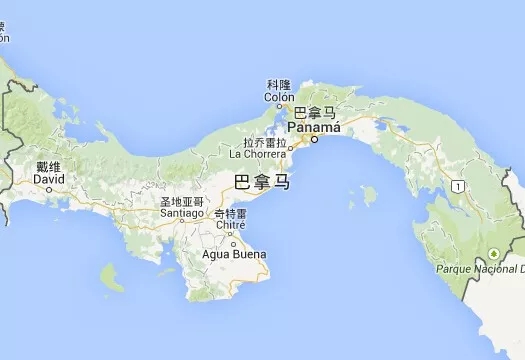
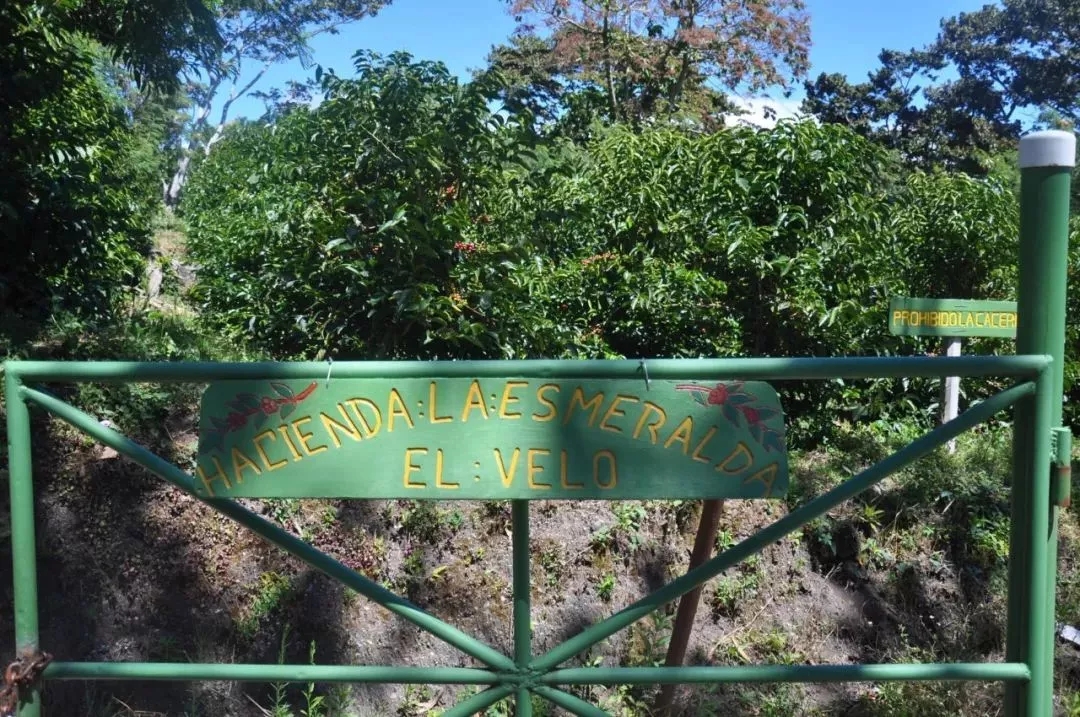
Set in the Boquete region on the eastern flank of Barú Volcano, La Esmeralda is Panama's oldest and most celebrated coffee-producing area. The land climbs between 1,200 and 2,000 meters and takes in the Volcan Baru National Park, a protected ecological zone with remarkable biodiversity and seven distinct microclimates. Blanketed in mist for much of the year and blessed with generous rainfall, these conditions create an ideal environment for coffee and give Boquete-grown beans their signature aromatics. Boquete is Panama's most productive and highest-quality coffee region.
La Esmeralda's grading system is built mainly on cultivation altitude, with cupping results used to fine-tune it. On that basis, the estate classifies its Geisha into "Red, Green, and Blue Label" tiers.
Gesha Village by FrontStreet Coffee
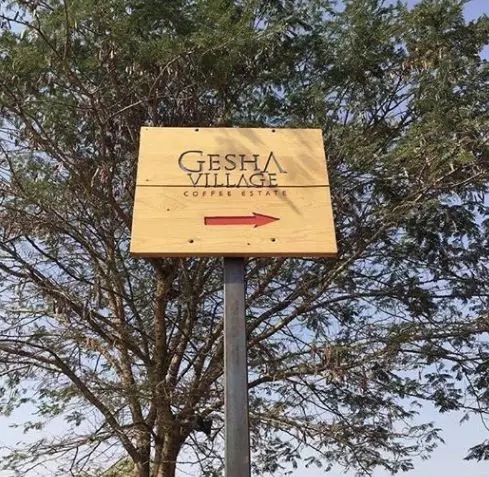
Gesha Village sits in Bench Maji, Ethiopia. Unlike the overwhelming majority of Ethiopian farms, it is not a smallholder operation but a single 500-hectare estate with its own washing station and laboratory, located in the southwest near the Sudanese border.

Gesha Village grades its coffee internally into Auction, Gold Label, Red Label, Green Label, and Chaka batches. The estate grows three varieties: Gori Gesha, Gesha 1931, and Illubabor, an Ethiopian native that carries disease resistance.
La Esmeralda Red Label & Gesha Village Red Label by FrontStreet Coffee
At La Esmeralda, Red Label means auction lots grown between 1,600 and 1,800 meters that score 90+ points in cupping. Drawn mainly from the Jaramillo and Cañas Verdes estates, these are the finest Geisha beans harvested from the highest reaches of the Boquete mountains, and they carry a distinctive, bright floral and citrus aromatic profile. Every batch can be traced back to its harvest date, plot, and tree age. These beans are obtainable only through the estate's annual global auction.
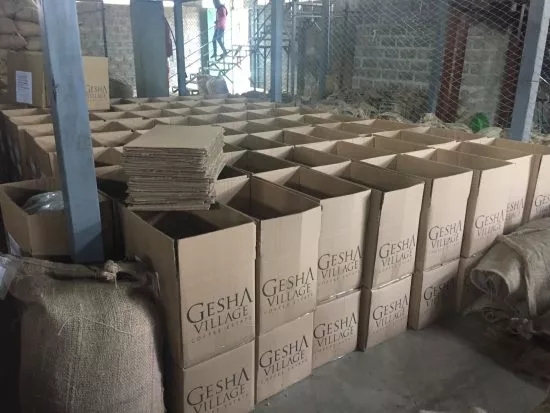
At Gesha Village, by contrast, Red Label is not an auction lot — it actually ranks below both Auction and Gold Label. Gesha Village's Red Label Geisha offers complete traceability and expresses the estate's classic flavor profile, with slightly less intensity and complexity than the Gold Label batches. That makes it an excellent-value single origin.
Green Bean Comparison by FrontStreet Coffee
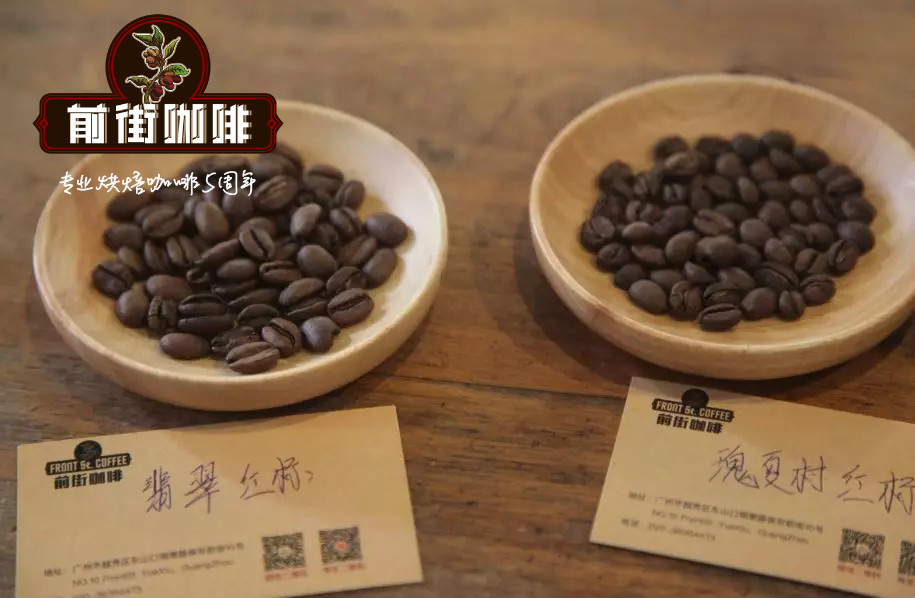
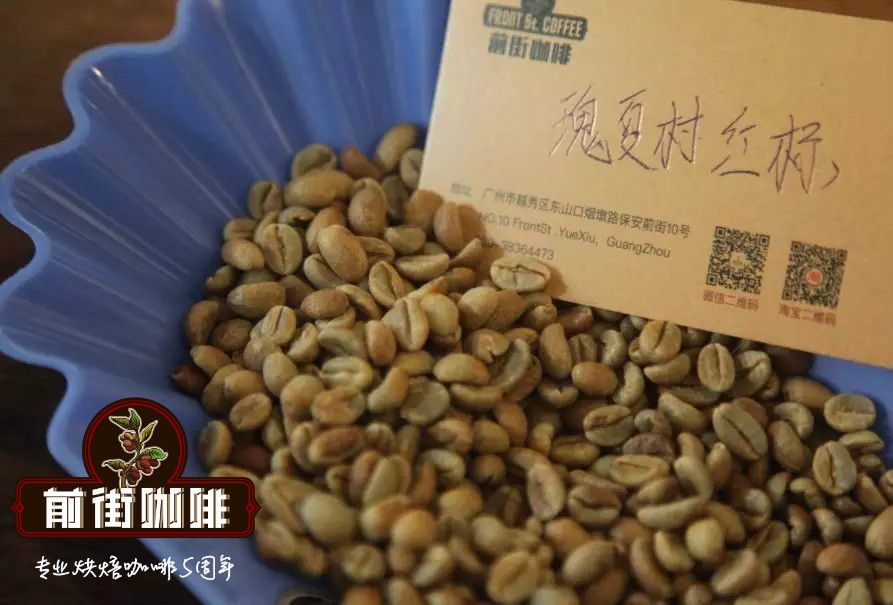
Both [La Esmeralda Red Label] and [Gesha Village Red Label] beans look yellowish in their green state, which is typical of natural-processed coffee.
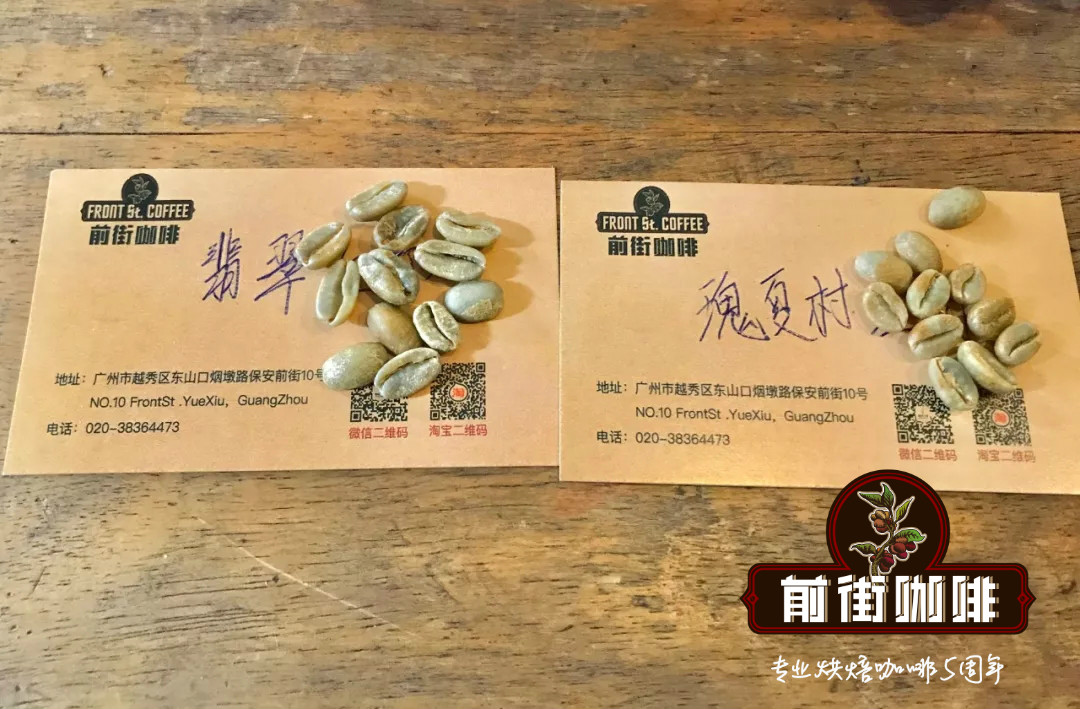
[La Esmeralda Red Label] green beans are thick and elongated with tapered ends, giving them an overall slender shape. They carry aromas of citrus, sweet orange, and black tea.
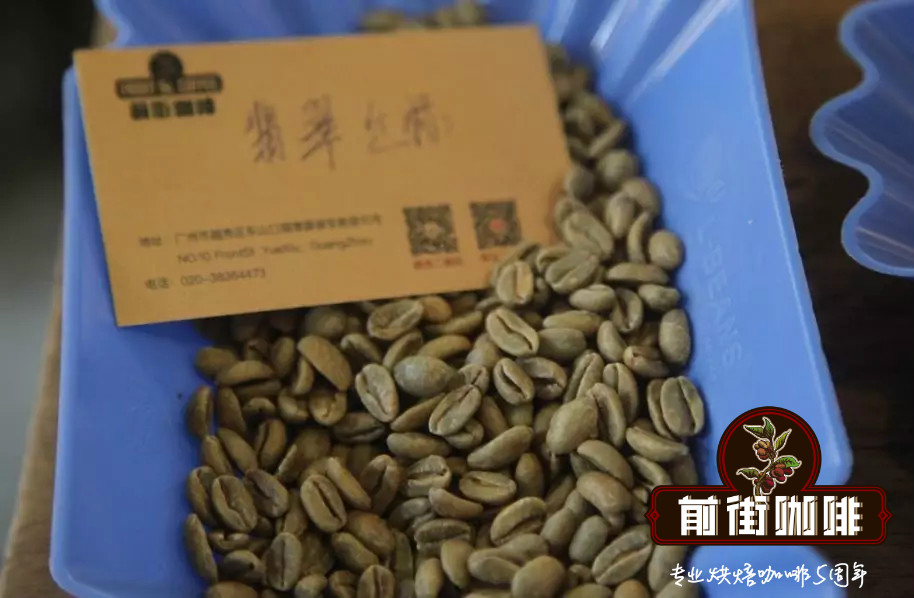
[Gesha Village Red Label] beans are smaller and more uniform in size, showing the typical characteristics of Ethiopian beans, with aromas of ripe peach and tropical fruit.
Roasting Comparison by FrontStreet Coffee
La Esmeralda Red Label
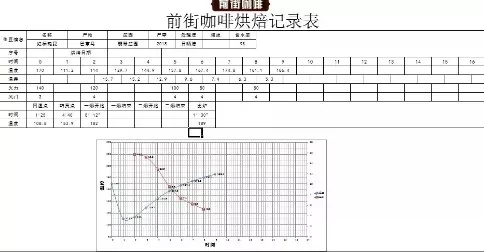
Charge temperature: 170°C. Yellowing point: 4'40". First crack begins at 8'12" at 182°C. Development after first crack: 1'30". Drop temperature: 189°C.
FrontStreet Coffee chose a gradual cooling approach when roasting [La Esmeralda Red Label], avoiding an excessive temperature rise after first crack. Geisha beans, with their tapered ends, are prone to scorching, so keeping the temperature increase below 6°C is optimal.
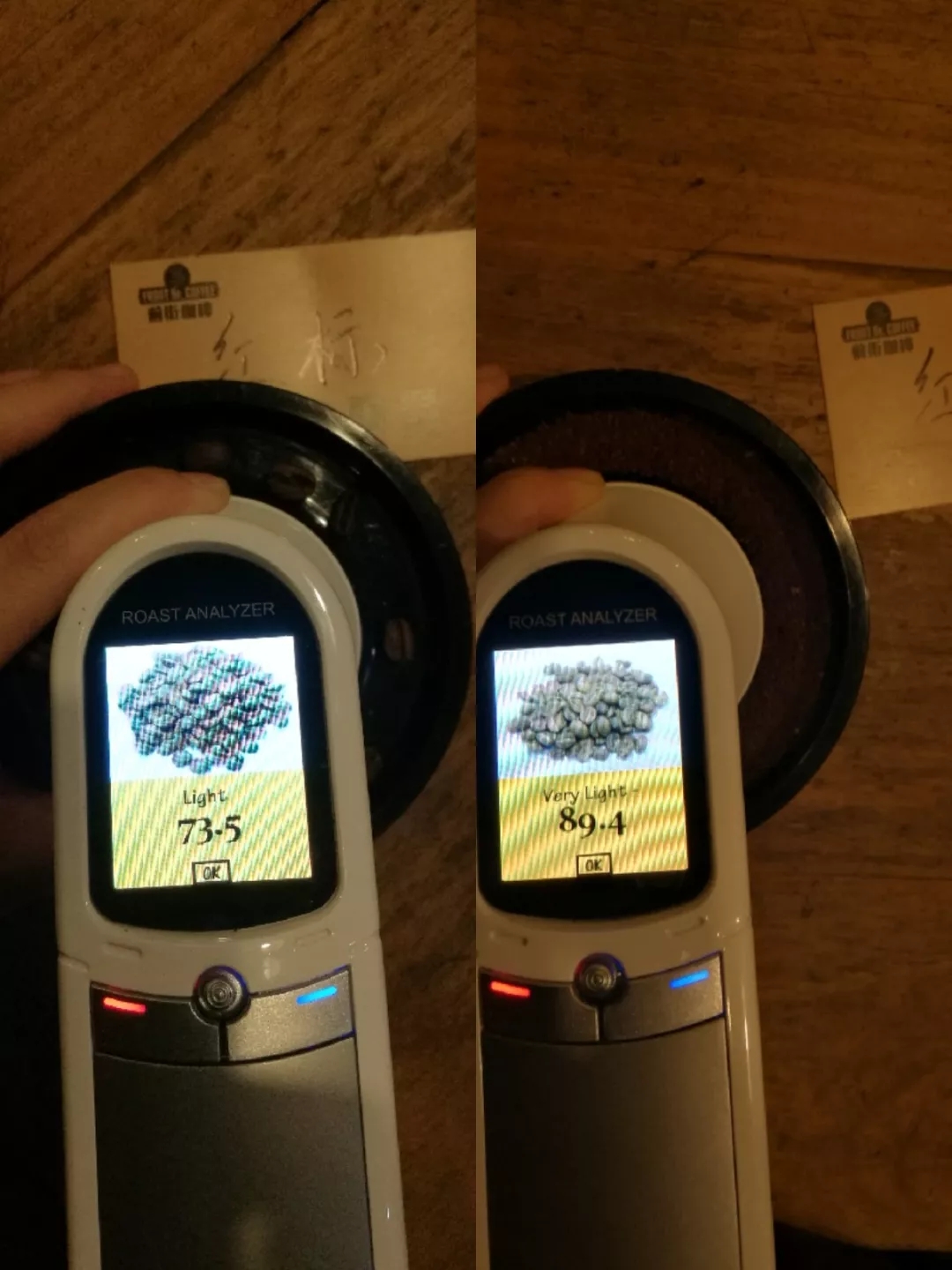
Agtron bean color value: 73.5 (left image). Agtron ground color value: 89.4 (right image). Roast Delta: 15.9.
Gesha Village Red Label
Charge temperature: 160°C. Yellowing point: 5'25". First crack begins at 8'25" at 182.9°C. Development after first crack: 1'45". Drop temperature: 197.5°C.
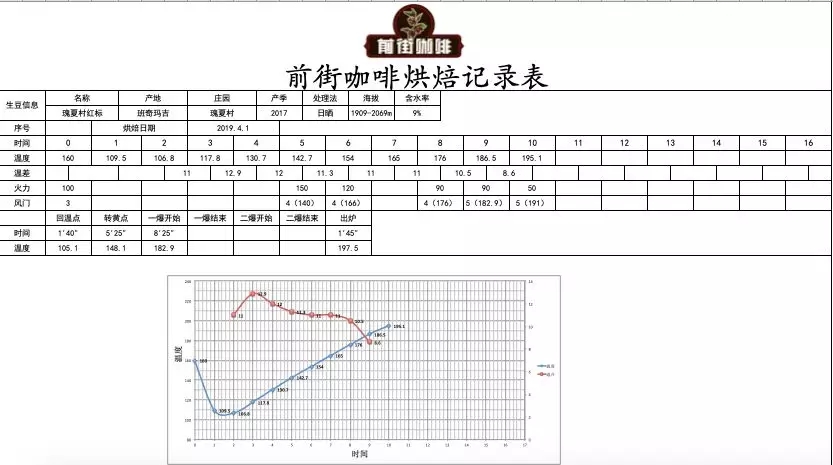
Because [Gesha Village Red Label] has a higher moisture content, FrontStreet Coffee chose a lower charge temperature to extend the dehydration time, then increased heat at the yellowing point to speed up the beans' moisture loss.
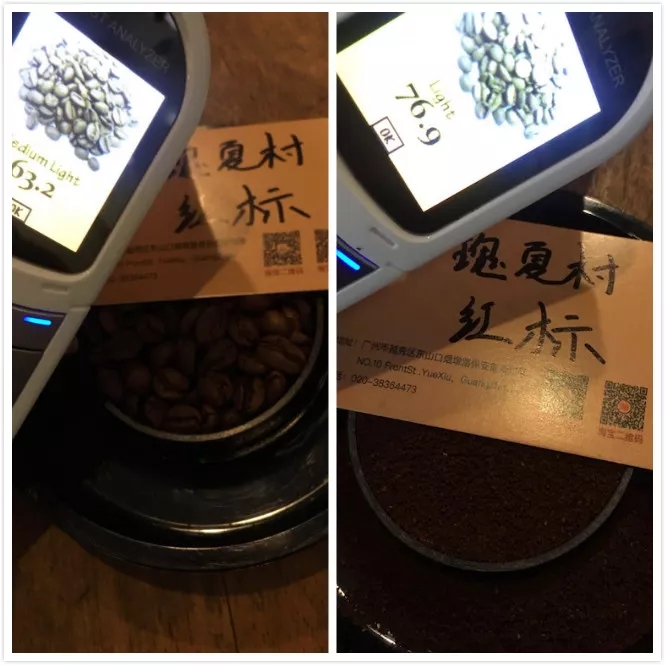
Agtron bean color value: 63.2 (left image). Agtron ground color value: 76.9 (right image). Roast Delta: 13.7.
Flavor Comparison by FrontStreet Coffee
Cupping
Pour Over
FrontStreet Coffee brewed both batches with a V60 dripper. The V60 offers excellent ventilation and a faster flow rate, which brings out more distinct flavor layering in the cup.
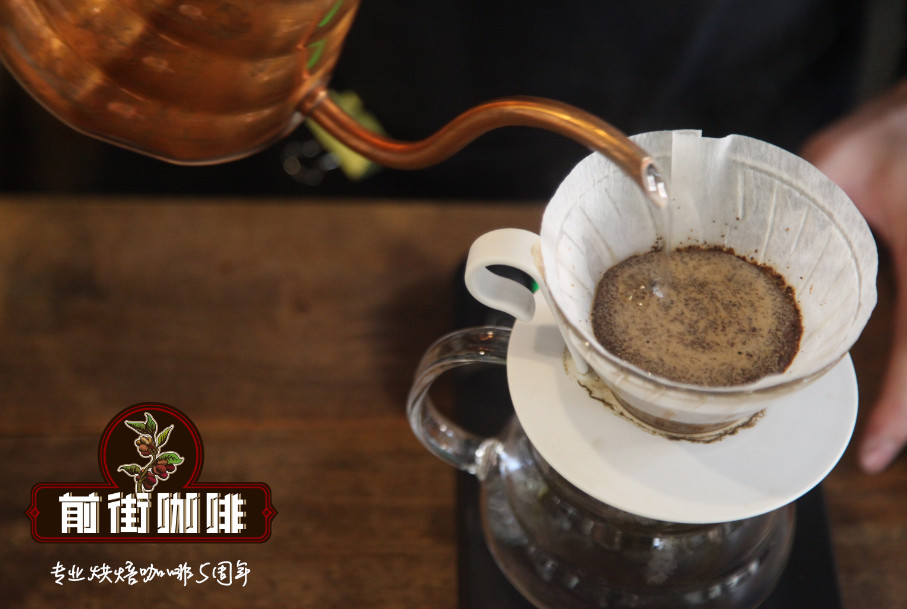
15g of coffee, water temperature 90°C, medium-fine grind (BG 5R: 58% pass-through a China standard #20 sieve), coffee-to-water ratio 1:15.
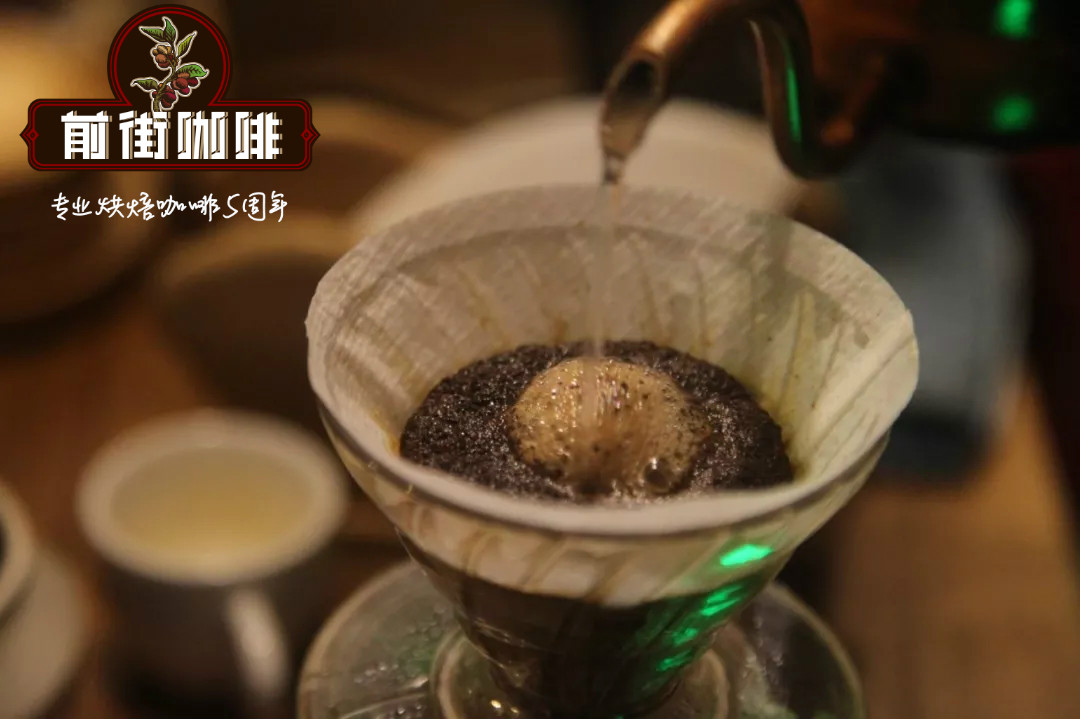
Brewing method: Use twice the coffee weight in water (about 30g) for a 30-second bloom. When the coffee bed surface turns from moist to dry — the end of blooming — continue pouring. Using a small stream, pour to 122g, then pause. When the water level drops and is about to expose the coffee bed, continue pouring to 226g and stop. When the level again drops and is about to expose the bed, remove the dripper. (Timing starts from the beginning of the bloom.) Total extraction time: 1'58".
La Esmeralda Red Label

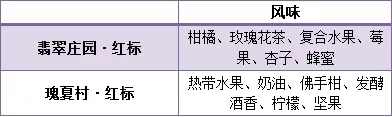
Bright rose and citrus aromatics, with notes of brown rice, berries, apricot, complex fruit, and honey. A rich, juice-like body with abundant flavor layers and distinct sweetness.
Gesha Village Red Label
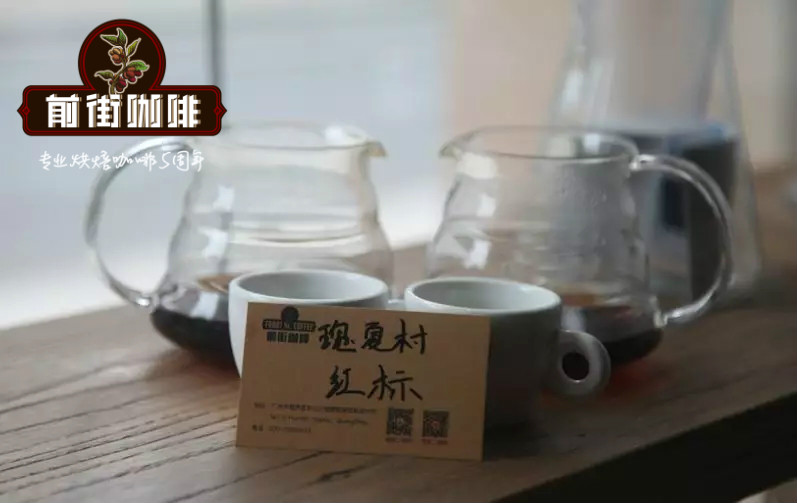
Floral aromatics with flavors of plum, citrus, lemon, nuts, cream, and maple syrup. Overall, a well-balanced profile.
1. Flavor descriptions are subjective and may be influenced by water temperature and brewing method. This cupping report uses flavor-wheel terminology and is provided under identical equipment and parameters for reference only.
2. Content will be updated promptly as new information becomes available, with the latest updates taking precedence.
FrontStreet Coffee Recommendation
If this comparison has you curious about the two faces of Red Label Geisha, FrontStreet Coffee carries both. The FrontStreet Esmeralda Red Label Geisha comes from the Mario plot of the Jaramillo farm and is naturally processed, delivering the classic Boquete expression — rose, citrus, and honeyed sweetness with a rich, layered body. For the Ethiopian side of the story, the FrontStreet Gesha Village Red Label belongs to the Gori Gesha variety, a fully traceable single-terroir lot with the estate's signature plum, citrus, and maple-syrup balance.
Both are light-roasted to protect their floral aromatics. FrontStreet Coffee recommends brewing each at 91–92°C with a 1:15 to 1:16 ratio and a medium-fine grind (about 80% pass-through a #20 sieve, the texture of granulated sugar), then pouring in three stages to bring out the layered fruit and tea-like finish that Red Label Geisha is known for.
Important Notice :
FrontStreet Coffee is a long-established specialty coffee roaster in Guangzhou China, selling freshly roasted beans from its own farm in Yunnan as well as dozens of carefully selected single-origin beans from around the world for both pour-over and espresso. The products deliver consistently excellent quality and great value, with shipping within 24 hours. Guangzhou's FrontStreet Coffee shop is recommended by many coffee lovers, and the beans are now available online at the Tmall 。
FrontStreet Coffee has moved to a new address:
FrontStreet Coffee Address: 315,Donghua East Road,GuangZhou
Tel:020 38364473
 Scan and follow the En Gafei WeChat official account. Please indicate that the reprint comes from "En Gafei".